Wine for Beginners: The Confident-Starter Guide
Stop guessing in the bottle shop. The beginner wine guide that teaches you to taste, pair, serve, and shop with confidence in one read.
Wine looks complicated from the outside because it is complicated from the outside. Labels in three languages, prices from $9 to $90 with no obvious logic, grape names that mean nothing yet, and a culture that sometimes feels designed to make newcomers feel behind. This guide cuts straight through that. By the time you finish reading, the bottle shop wall will feel a lot smaller.
By the end of this page you’ll know:
- The 30-second tasting habit that turns “yeah, it’s nice” into actually understanding why you like a wine
- The five grapes that cover roughly 80% of restaurant lists, so you can order without panic-scanning the menu
- Why the same red can taste flat at one temperature and great at another, and the fridge trick that fixes both
- How to read any wine label in under 10 seconds, even when it’s in French
- The pairing rule that works without a chart and the one thing most people get backwards about red wine and fish
- Five beginner-friendly grapes worth trying first, and which one to start with based on what you already drink
How does wine actually work?
Wine is fermented grape juice. That’s the boring answer. The interesting answer is that wine has structure: the things you taste and feel that make one bottle thrilling and the next one forgettable. Get a handle on those, and every bottle starts giving you information instead of just flavour.
There are five things to feel for in any glass:
- Sweetness. How much residual sugar is left after fermentation. Most table wine is dry, but “dry” Riesling can still feel softer than “dry” Sauvignon Blanc.
- Acidity. That mouth-watering tartness. High-acid wines feel zippy and food-friendly. Low-acid wines feel rounder, sometimes flat.
- Tannins. The drying, grippy feeling on your gums. Almost always a red-wine thing. Big in Cabernet, soft in Pinot Noir.
- Body. How heavy the wine feels. Skim milk versus whole milk versus cream.
- Alcohol. Felt as warmth at the back of your throat. Higher ABV usually means a bigger, fuller wine.
Once you can name those five things in a glass, you can describe any wine without using the word “good.” Our tasting walkthrough breaks it into four steps you can run in 30 seconds.
The structural pieces have their own deep dives. Tannins explains why some reds dry your mouth out and what to do about it. Acidity explains why some whites snap to attention while others fall flat. Body gives you a way to compare a Pinot Grigio to a Chardonnay without sounding lost. And the sweetness scale tells you how to spot the off-dry wines that pretend to be dry on the label.
How do you read and choose a wine?
The label is doing more work than you think. Once you know what to look for, you can predict roughly how a wine will taste before the cork comes out.
A wine label tells you the grape (sometimes), the region, the producer, the vintage, and the alcohol. In the New World, the grape is usually front and centre: “Marlborough Sauvignon Blanc.” In the Old World, the region is the headline and the grape is implied: “Sancerre” is Sauvignon Blanc, “Chablis” is Chardonnay, “Chianti” is Sangiovese. Our label-reading guide walks through every term you’ll see, including the small print on appellation, vintage, and the bits that actually matter for taste.
That brings up the Old World versus New World split. Old World wines (France, Italy, Spain, Germany) tend to be more restrained, more acid-driven, more food-oriented. New World wines (USA, Australia, Chile, Argentina, New Zealand, South Africa) tend to be fruitier, riper, bigger. Same grape, same price, very different glass.
You’ll also see “organic,” “natural,” and “biodynamic” on more bottles every year. They mean different things. Organic regulates what gets sprayed in the vineyard. Biodynamic adds a whole farming philosophy. Natural is a winemaking style with almost no intervention. Our organic, natural, and biodynamic explainer tells you which label actually changes what’s in the glass and which is mostly marketing.
How do you serve wine like you know what you’re doing?
This is the part where small adjustments give you the biggest payoff. A wine served at the wrong temperature, in the wrong glass, opened too early or too late, can taste like a different bottle.
Serving temperature is the single biggest sin in home wine drinking. Most people serve red wine too warm and white wine too cold. Reds want about 60 to 65°F (15 to 18°C), which means 20 minutes in the fridge before pouring. Whites want about 45 to 55°F (7 to 13°C), which means out of the fridge 15 minutes early. Get this right and a $15 bottle starts behaving like a $25 one.
Holding the glass by the stem comes down to heat management, not snobbery. Your hand is 98°F. The bowl is half full of carefully chilled wine. You do the math.
Restaurants are where most beginners freeze. The list is huge, the staff is busy, the date is watching. Our restaurant ordering guide gives you the scripts, the price-tier trick, and the right way to send a corked bottle back without making it a thing.
Wine etiquette covers the small stuff that builds confidence: who pours, when to taste, what to do if the host hands you the bottle, how to read a wine list out loud without mangling the names.
Once a bottle is open, the clock starts. Our opened-wine guide tells you how long different styles hold up and the cheap trick that buys you a few extra days. And if you’re sitting on bottles you haven’t opened yet, the wine storage tips guide tells you what actually matters (temperature, light, vibration) and what doesn’t (whether the bottle is on its side for a screw cap, for example).
How is wine made and what can go wrong?
Knowing roughly how wine gets made helps you taste better, because every choice the winemaker makes shows up in the glass. Our how-wine-is-made breakdown walks through the process from harvest to bottling without the textbook tone: crush, ferment, age, bottle, ship.
The big choices to know:
- Stainless steel versus oak. Stainless steel keeps a wine clean, fresh, fruit-driven. Oak adds vanilla, toast, sometimes butter. That’s why a Chablis (steel) and a Napa Chardonnay (oak) taste like different drinks.
- Skin contact. Red wines are made with skins on. White wines usually aren’t. Orange wines are whites made with skins on, which is why they taste tannic and weird in the best way.
- Length of aging. A wine aged for two years in barrel will taste rounder and more savoury than one bottled at six months.
Wine can also go wrong. Corked wine (musty, wet-cardboard smell), oxidised wine (sherry-like, flat), reduced wine (rotten egg, struck match), and a few others are real things, not in your head. Our wine faults and flaws guide shows you how to spot each one and what to say to your server when one shows up at dinner.
What does wine actually do to your body?
This is the section nobody else writes properly, because wine sites either pretend wine is medicine or pretend it’s poison. The truth is more useful than either.
Calories in wine breaks down what’s actually in the glass. A 5-ounce pour of dry red is around 125 calories. Sweet wines climb fast. Higher alcohol means more calories, full stop.
Sulfites in wine settles the headache myth. Sulfites are in almost every bottle, and almost nobody is actually allergic. The headache is usually dehydration, sugar, histamines, or volume. Our guide tells you which one is yours.
Is red wine good for you? walks through the resveratrol research, the French Paradox, and the more recent studies that complicate the “glass a day is healthy” line. The honest summary: moderate enjoyment is fine. Daily medical justification is shakier than the wine industry would like.
Wine versus beer calories is the comparison most people guess wrong. By the glass, beer wins on calories sometimes. By the alcohol unit, wine usually wins. Both are fine in moderation. The “healthier” choice depends on how much you actually drink.
Where should a beginner actually start drinking?
Here’s the part of the guide that most beginner pages skip. They tell you everything except what to actually order. So here are five grapes worth knowing first, with the kind of person each one tends to win over.
Pinot Noir is the gateway red. Light body, soft tannins, red fruit (cherry, raspberry), a touch of earth. Pairs with almost any food. If you’ve been a beer drinker who finds reds “too much,” this is the one. Burgundy is the spiritual home, but New Zealand and Oregon make great versions for less money.
Malbec is the easy red for people who already like big flavour. Think Argentine steakhouse: dark fruit, plum, a smooth finish, not aggressive on tannins. A $15 Mendoza Malbec drinks better than half the $30 reds in the shop.
Cabernet Sauvignon is the workhorse big red. Blackcurrant, cedar, structured tannins, ages well. Start with one from somewhere warm (California, Australia, Chile) where the fruit is ripe and the tannins are softer. Save Bordeaux for after you’ve fallen for the grape.
Sauvignon Blanc is the snap-awake white. High acid, citrus, cut grass, sometimes passionfruit. Marlborough (New Zealand) versions are the most aromatic. Sancerre is the more elegant French cousin. Pair with goat cheese, salads, anything herby.
Riesling is the white that converts more skeptics than any other. It comes dry, off-dry, and sweet, with electric acidity. The labels can be confusing (German Rieslings especially). Start with a “Trocken” (dry) German Riesling or a dry Australian one from Clare Valley.
Chardonnay earns the sixth spot because it’s the white most people think they don’t like. The “buttery oaked” Chardonnay reputation is one style. There’s also crisp, mineral, unoaked Chardonnay (Chablis) that drinks more like a Sauvignon Blanc with more body. Worth a second chance.
Pick the one closest to what you already drink. Beer drinker who likes hops? Sauvignon Blanc. Whisky drinker? Cabernet. Cocktail person who likes citrus and gin? Riesling. The grape doesn’t matter as much as having a starting point so you stop guessing. If you want bottle recommendations rather than grape theory, our best wine for beginners round-up names specific labels at each entry point.
What about pairing wine with food?
Two rules cover 90% of pairing without a chart.
Match weight. A light wine with a light dish, a heavy wine with a heavy dish. Pinot Noir with salmon. Cabernet with steak. Sauvignon Blanc with salad. Chardonnay with roast chicken. The wine and the food shouldn’t be fighting for the spotlight.
Match or contrast intensity. Spicy food likes off-dry whites (Riesling) because the touch of sweetness cools the heat. Salty food likes high-acid wines because acid cuts through fat and salt. Fatty meat likes tannic reds because tannins scrub fat off your palate. That’s the whole pairing world in three sentences.
The “red with meat, white with fish” rule is mostly fine but breaks more often than people think. A buttery oaked Chardonnay with a steak? Works. Pinot Noir with grilled tuna? Works. Trust the weight rule first. (For a fuller picture of how the two camps differ, our red vs white wine breakdown covers structure, food fit, and serving.)
Frequently Asked Questions
Is expensive wine actually better?
Sometimes. Up to about $25, more money usually buys better wine. Past $50, you’re paying for scarcity, prestige, and aging potential more than raw drinkability on a Tuesday night. The sweet spot for everyday drinking is $15 to $25, and there’s plenty of great wine in that range if you know what to look for.
What’s the easiest wine for a beginner to start with?
A Marlborough Sauvignon Blanc or an Argentine Malbec. Both are inexpensive, widely available, and very forgiving. They’ll teach you what acid and fruit feel like in a glass without confusing you with subtlety.
Should I drink red wine at room temperature?
No, and this is the most common mistake. “Room temperature” was a European cellar in the 1800s, around 60°F. Modern room temperature is 72°F or warmer, which is too hot for red wine. Pop your red in the fridge for 15 to 20 minutes before pouring.
How long does wine actually last after opening?
Three to five days for most reds and whites if you re-cork it and put it in the fridge. Sparkling wines last about a day with a stopper. Sweet and fortified wines (Port, Sherry) can last weeks. Our opened-wine guide goes deeper.
Do I need a wine fridge?
Not unless you’re collecting bottles to age. For everyday drinking, a cool dark cupboard away from the oven is fine. The kitchen fridge is fine for whites you’re drinking this week. The wine fridge becomes useful around the time you start keeping more than 20 bottles at once.
What’s the cheapest decent wine I can buy?
Under $15, look for Cotes du Rhone (France), Argentine Malbec, Portuguese reds (Douro, Alentejo), Spanish Garnacha, and South African Chenin Blanc. These regions punch consistently above their price tag because the wine industry is undervalued there. You’ll find $12 bottles that drink like $20 ones.
Once you’ve got the basics down, the rest of wine is just exploration. Pick one grape, drink three different versions of it, and you’ll learn more in a week than most people learn in a year of grabbing the same bottle off the shelf.
All Wine Basics Guides
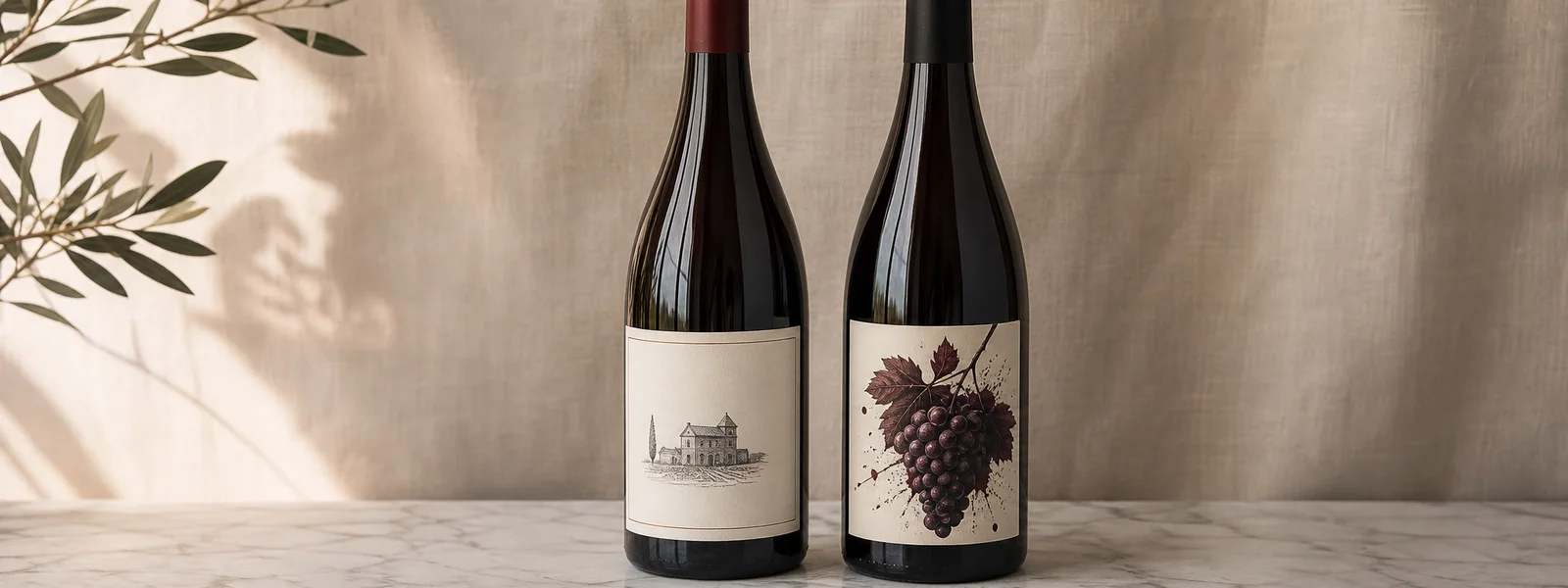
Reading a Wine Label
Decode any bottle in under a minute. Five facts every label gives you, how Old World hides the grape, and what Reserve actually means.
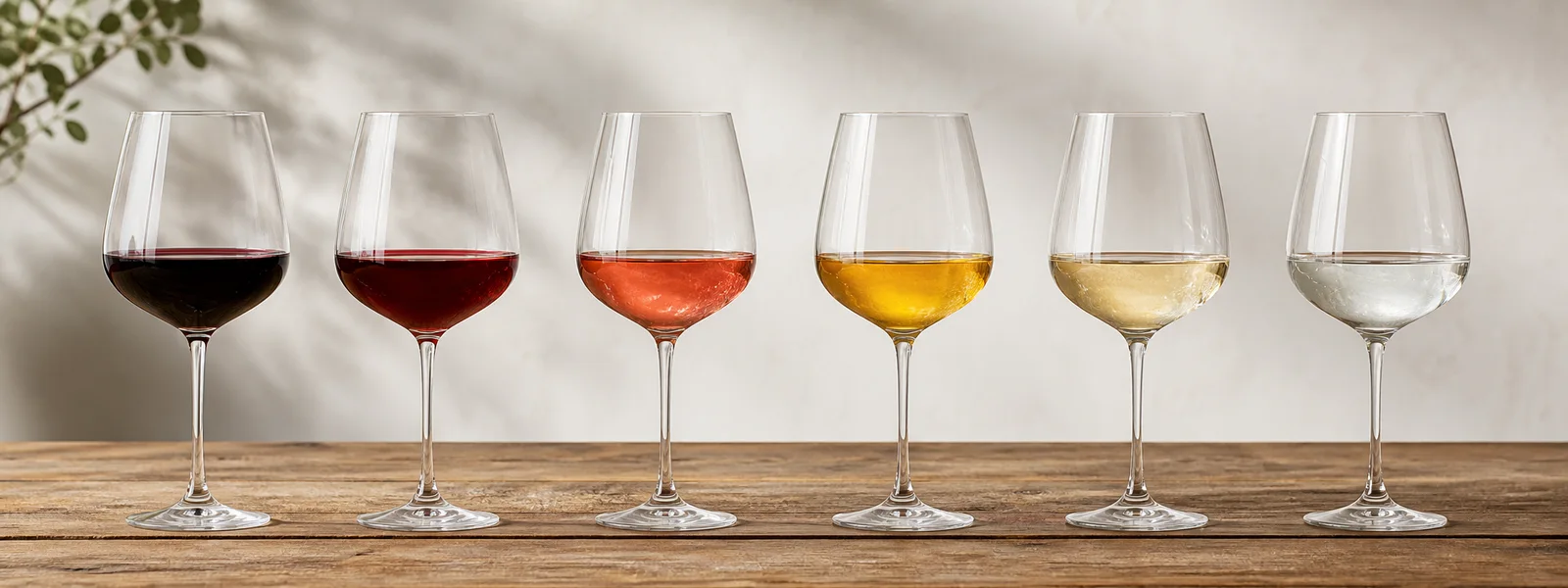
The Six Grapes to Know First
Six grapes explain almost everything you'll drink. What each one tastes like, where it grows best, and the one bottle to start with for each variety.
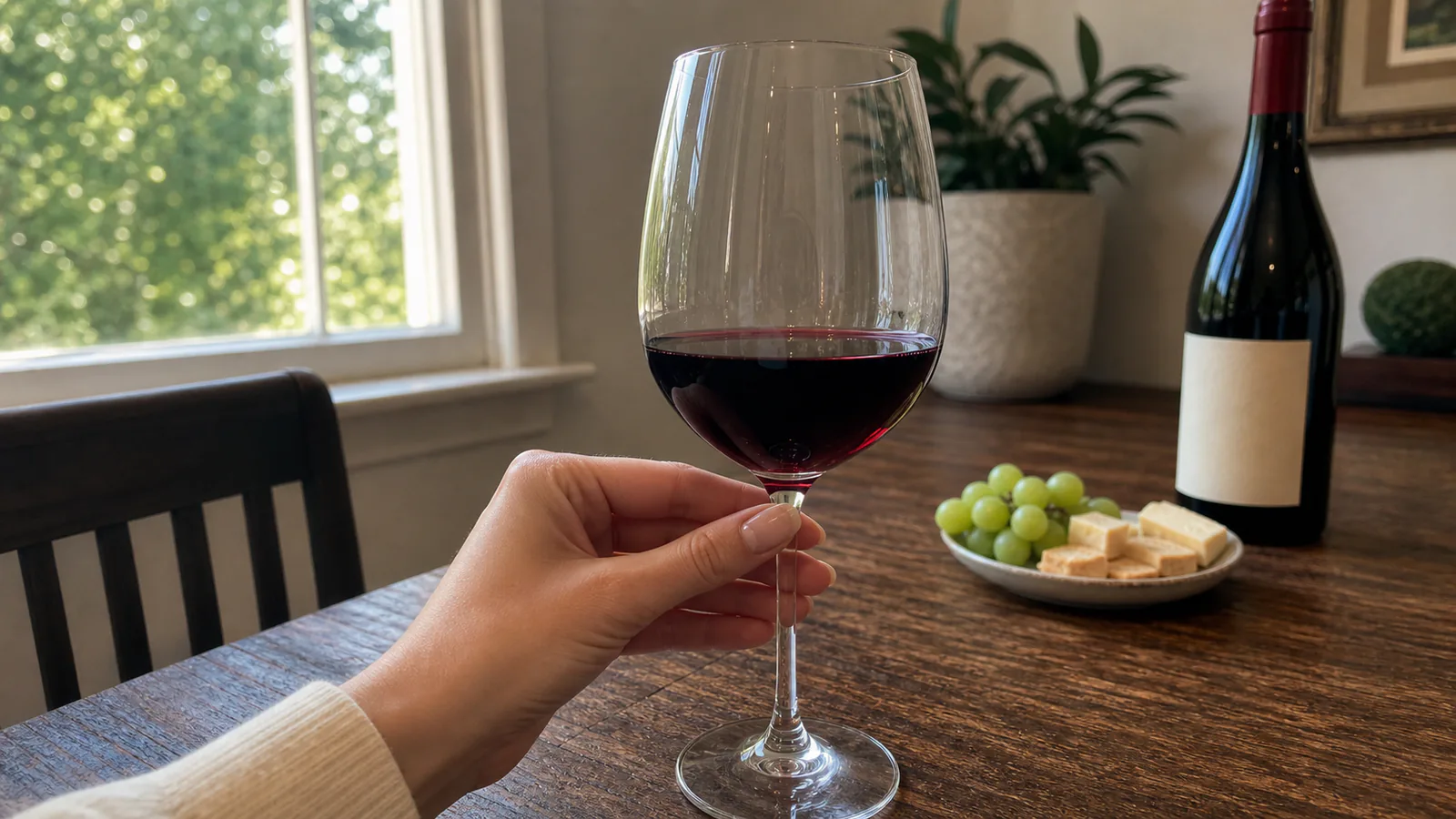
Acid, Tannin, Body — The Three Axes
The three structural elements that separate a wine you enjoy from one that just sits there. Learn to identify each one and every glass tells you more.
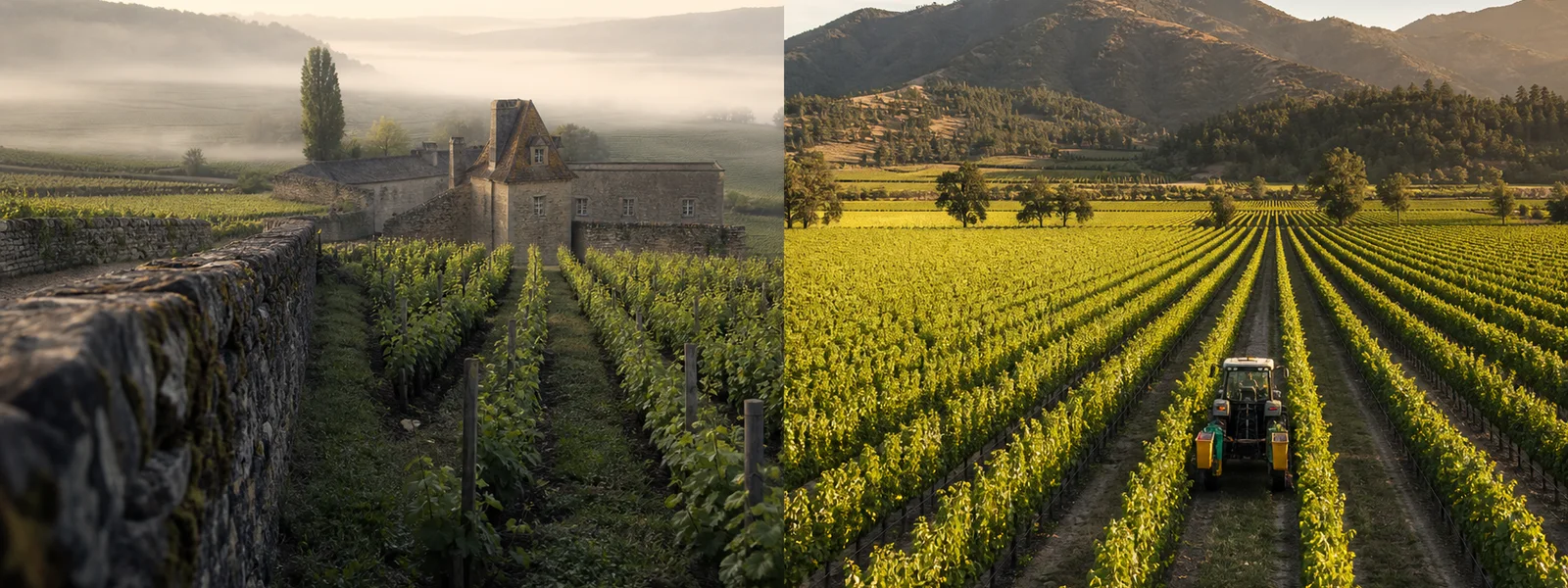
Why Old-World and New-World Still Matter
Two philosophies about what wine should taste like. Understanding Old World vs New World explains most of what you find in the glass.
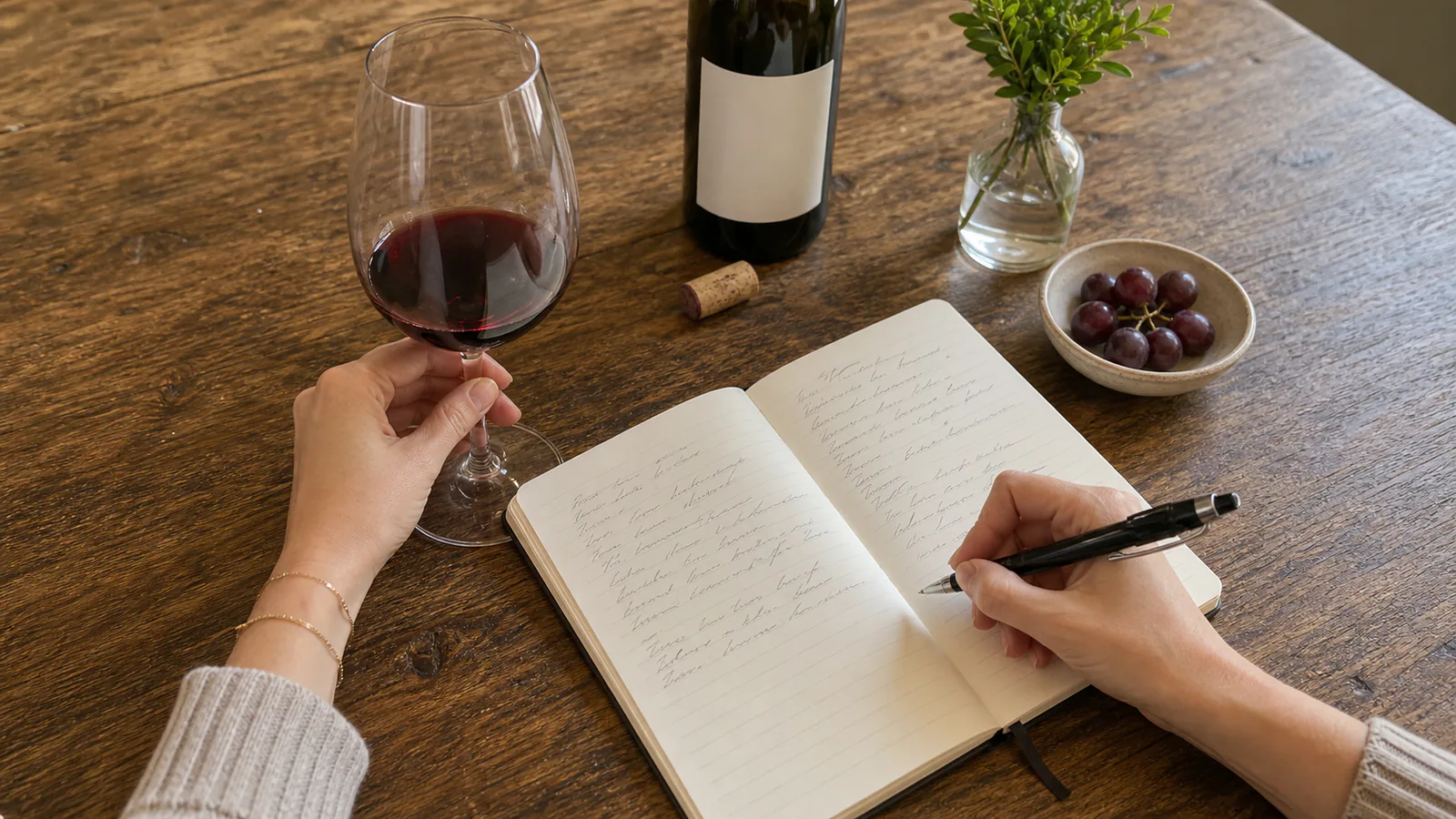
Building a Tasting Vocabulary
The language of wine is a memory system, not a performance. How to describe what you taste, write a useful note, and remember what you liked.
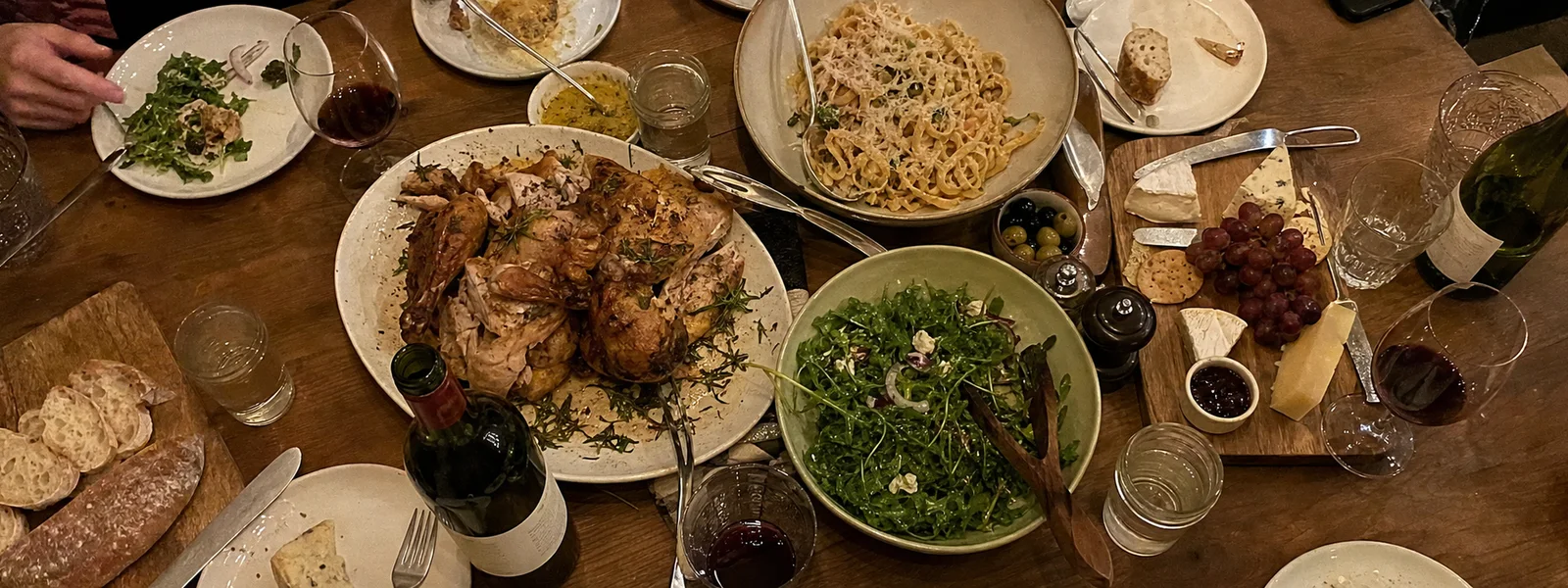
Food and Wine, Without the Rules
Red with red meat and white with fish is a starting point, not a rule. How pairing actually works, and five principles that hold across every meal.
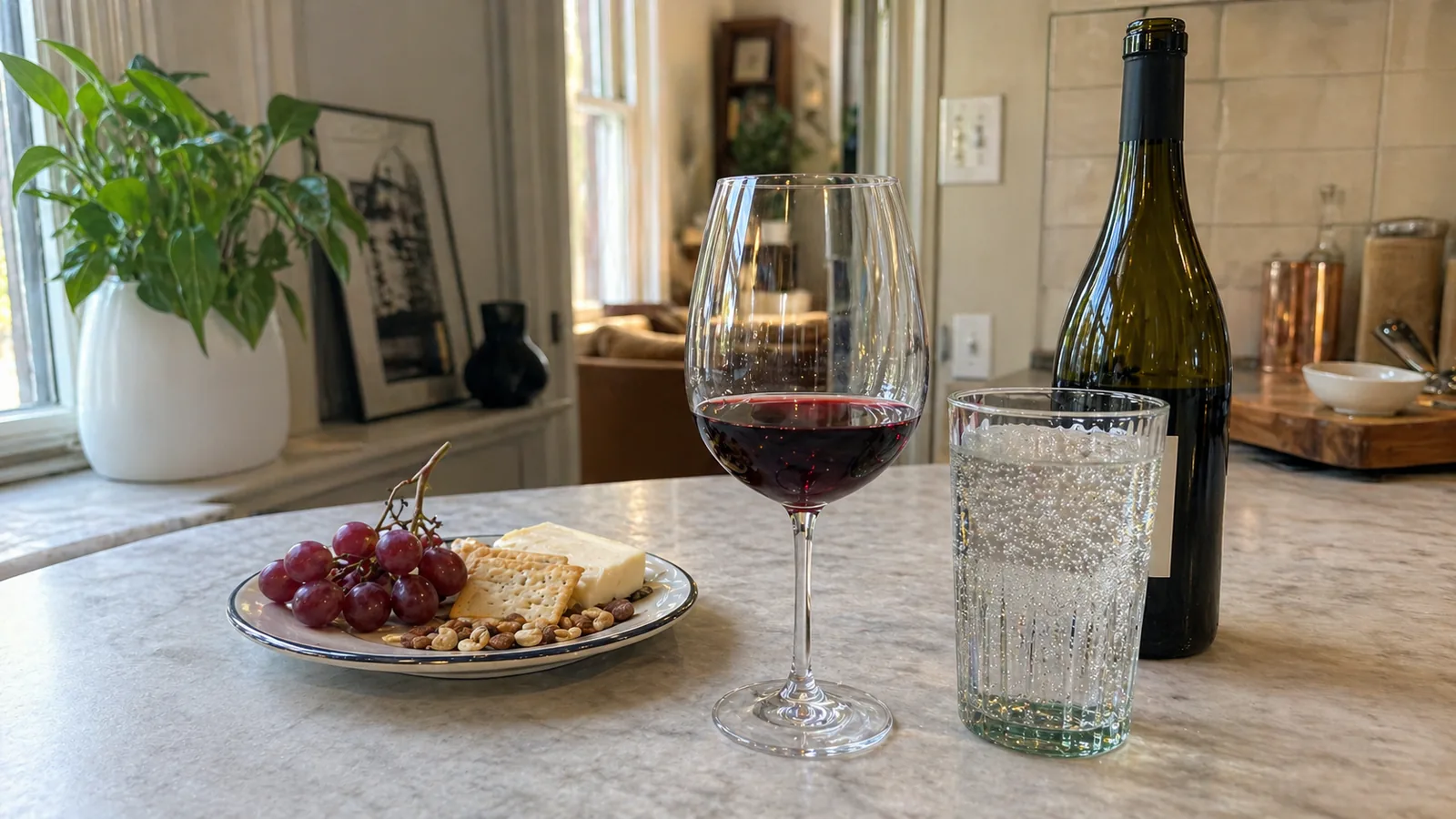
Calories in Wine: A Glass-by-Glass Breakdown
How many calories are in a glass of wine, why ABV matters more than colour, and which bottles to grab if you're watching the numbers.
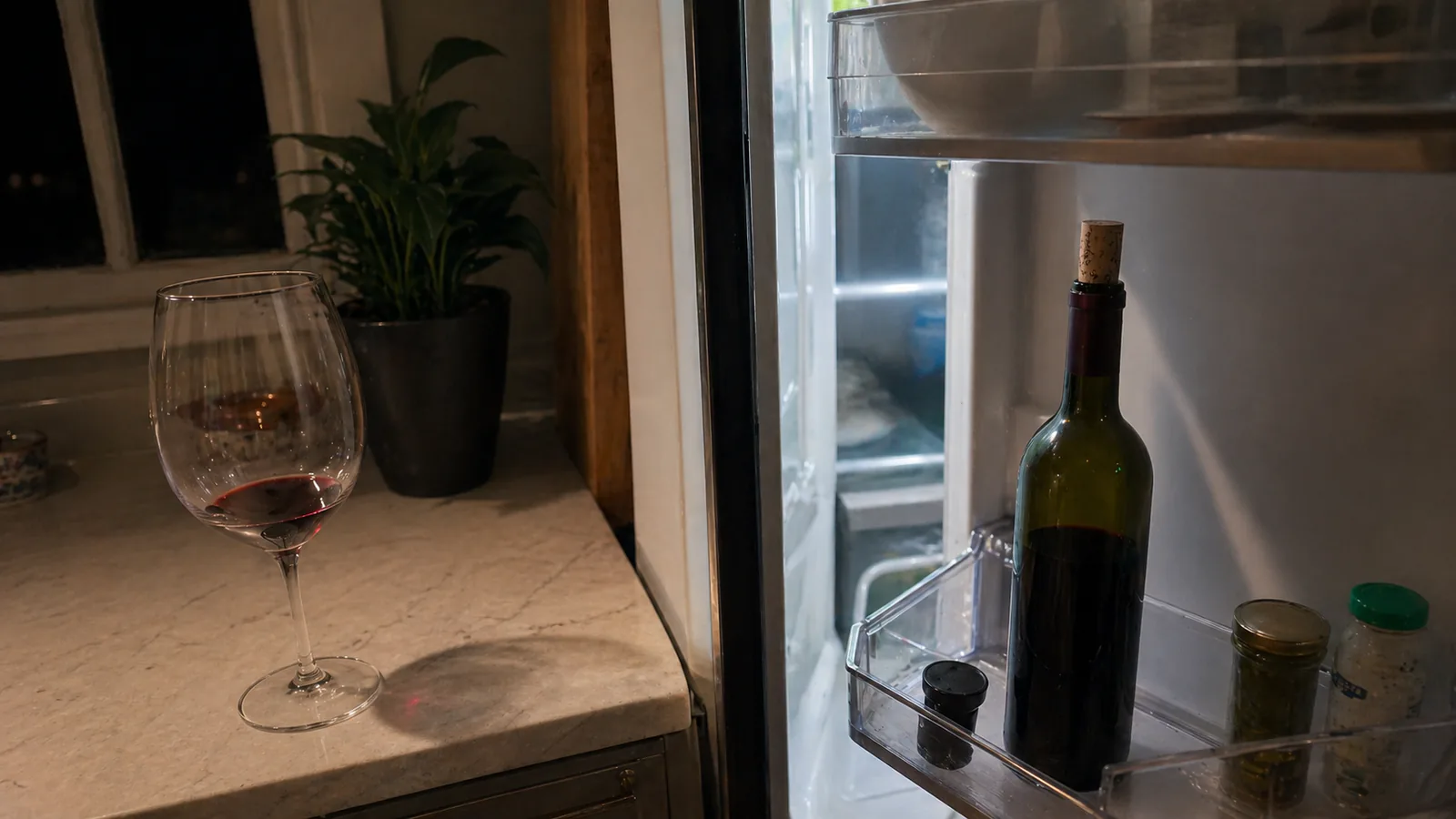
How Long Does Wine Last After Opening?
Exactly how long opened wine lasts: 3-5 days for still wine, 1-2 for sparkling, weeks for fortified, plus the tools and tricks that buy you more time.
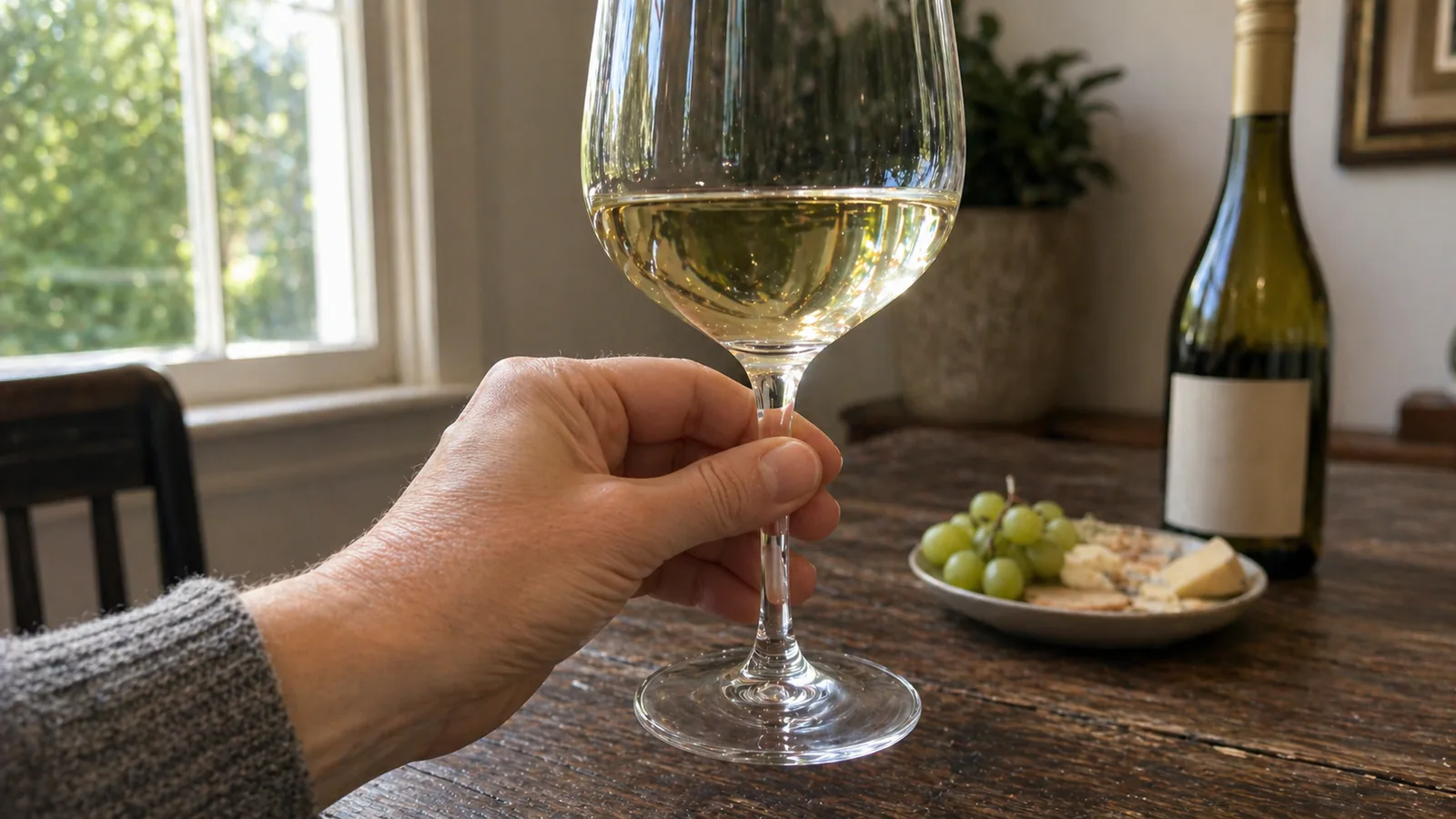
How to Hold a Wine Glass (and Why It Matters)
The grip that keeps your wine at the right temperature, the swirl that releases the aroma, and the shortcut for stemless glasses.
How to Order Wine at a Restaurant Without Panicking
Read any wine list in 30 seconds, talk to the sommelier with three magic phrases, and handle the bottle approval ritual without sweating.
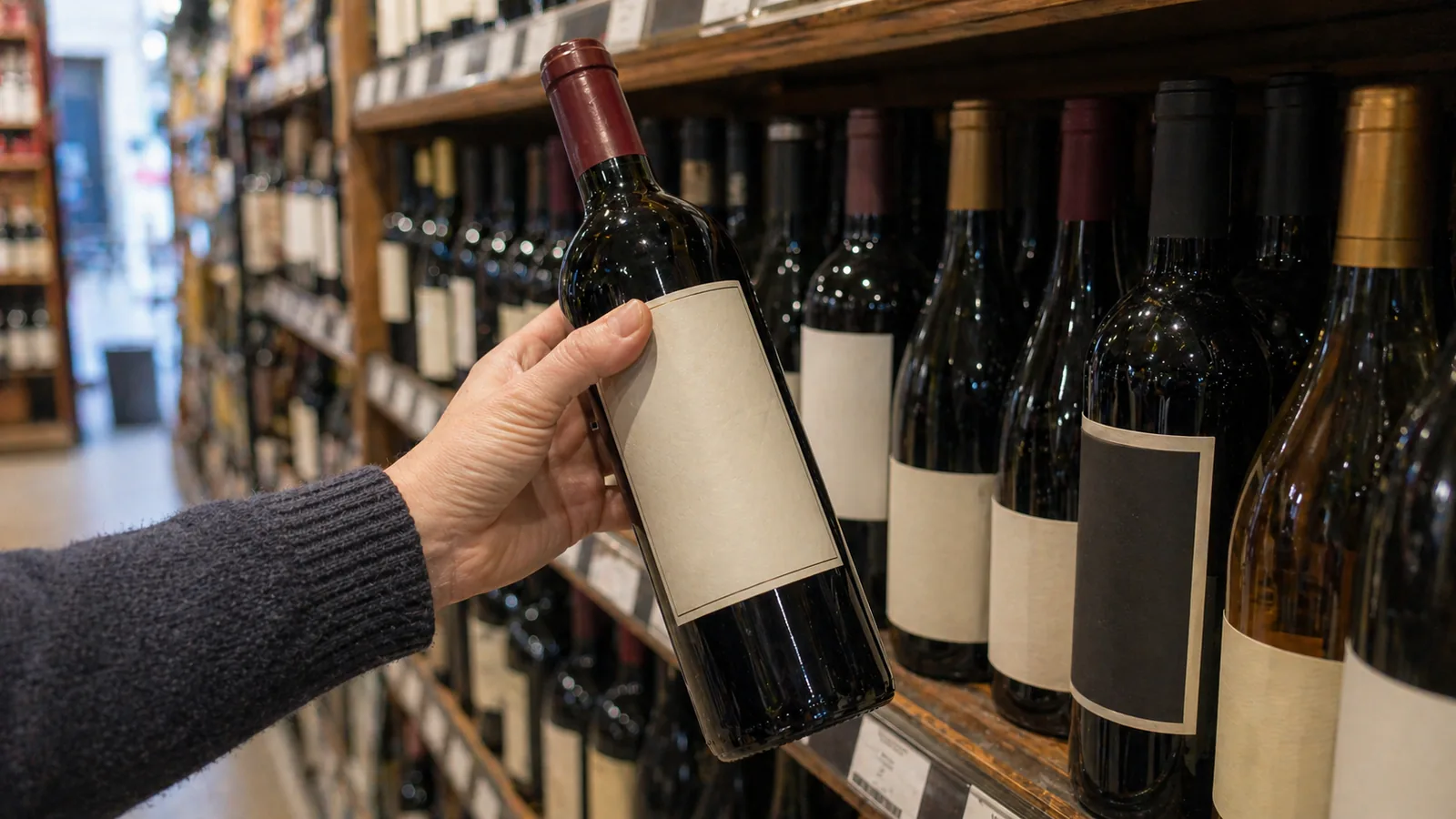
How to Read a Wine Label (Old World vs New World)
Decode any wine label in under a minute. The 5 things that matter, what reserve and grand cru actually mean, and when vintage is worth caring about.
How Wine Is Made, From Grape to Glass
How wine is made in 5 stages, why reds and whites differ, what fermentation actually does, plus oak, sparkling, and sweet wine explained.
Is Red Wine Good for You? An Honest Look
What the research actually says about red wine, resveratrol, and the heart-health story we've been telling ourselves for 30 years.
Old World vs New World Wine: What's Different
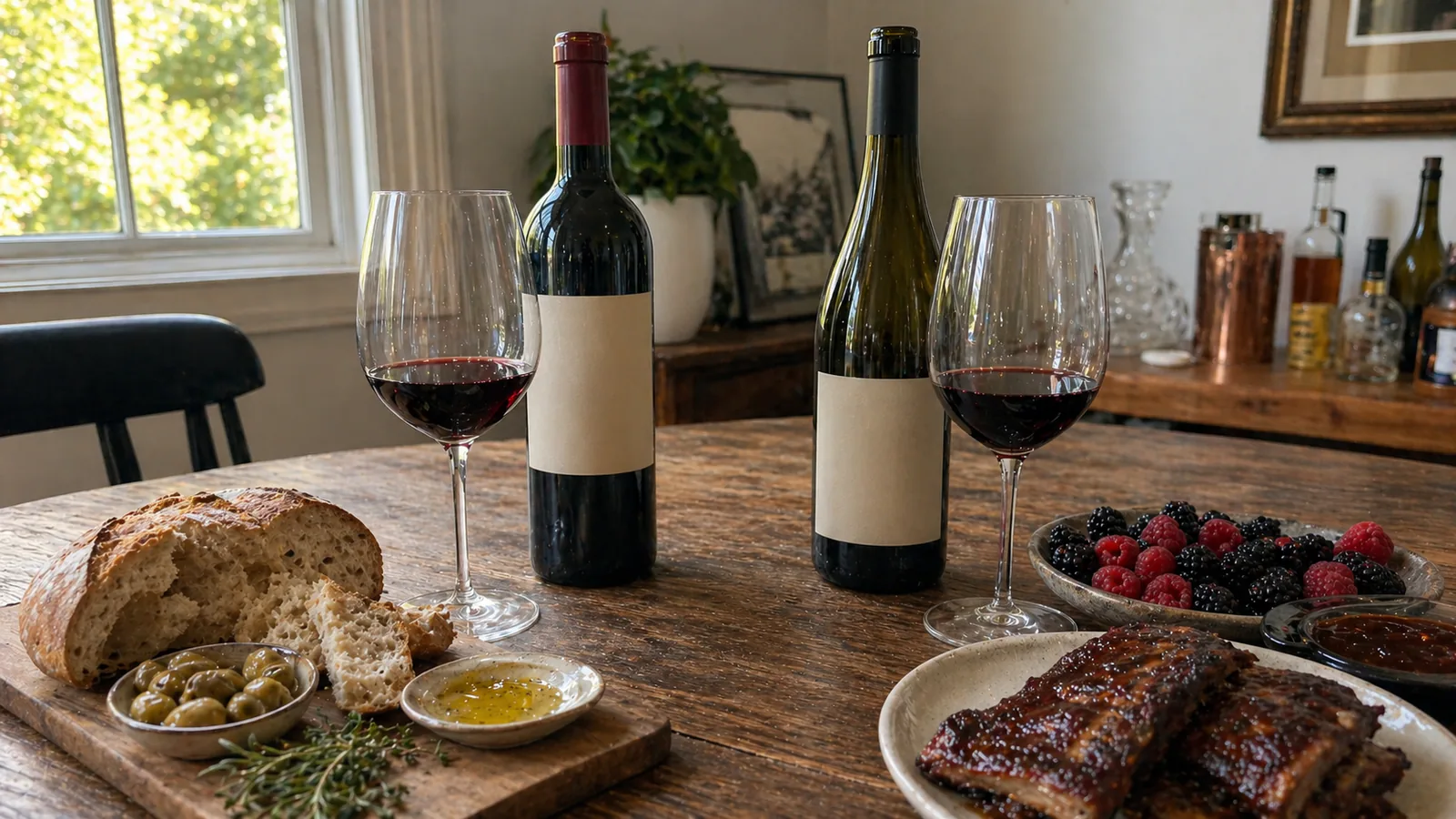
Old World vs New World wine, finally explained without snobbery. Taste, price, label rules, and the one-sip test that tells you which is which.
Organic vs Natural vs Biodynamic Wine, Explained
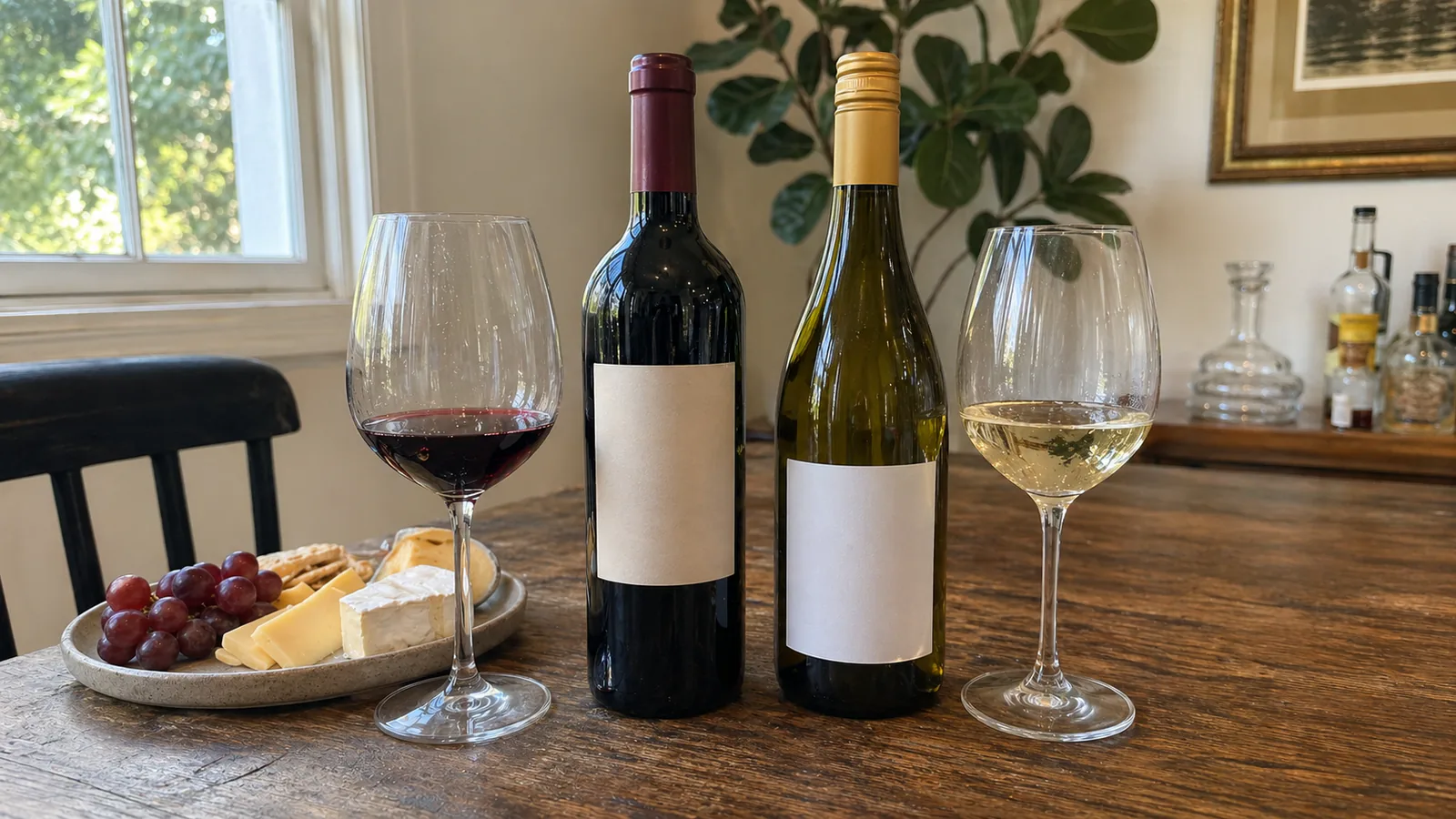
Organic, natural, biodynamic. What each label actually means, what they taste like, and whether any of it gives you fewer hangovers.
Sulfites in Wine: What They Are and Why They're There
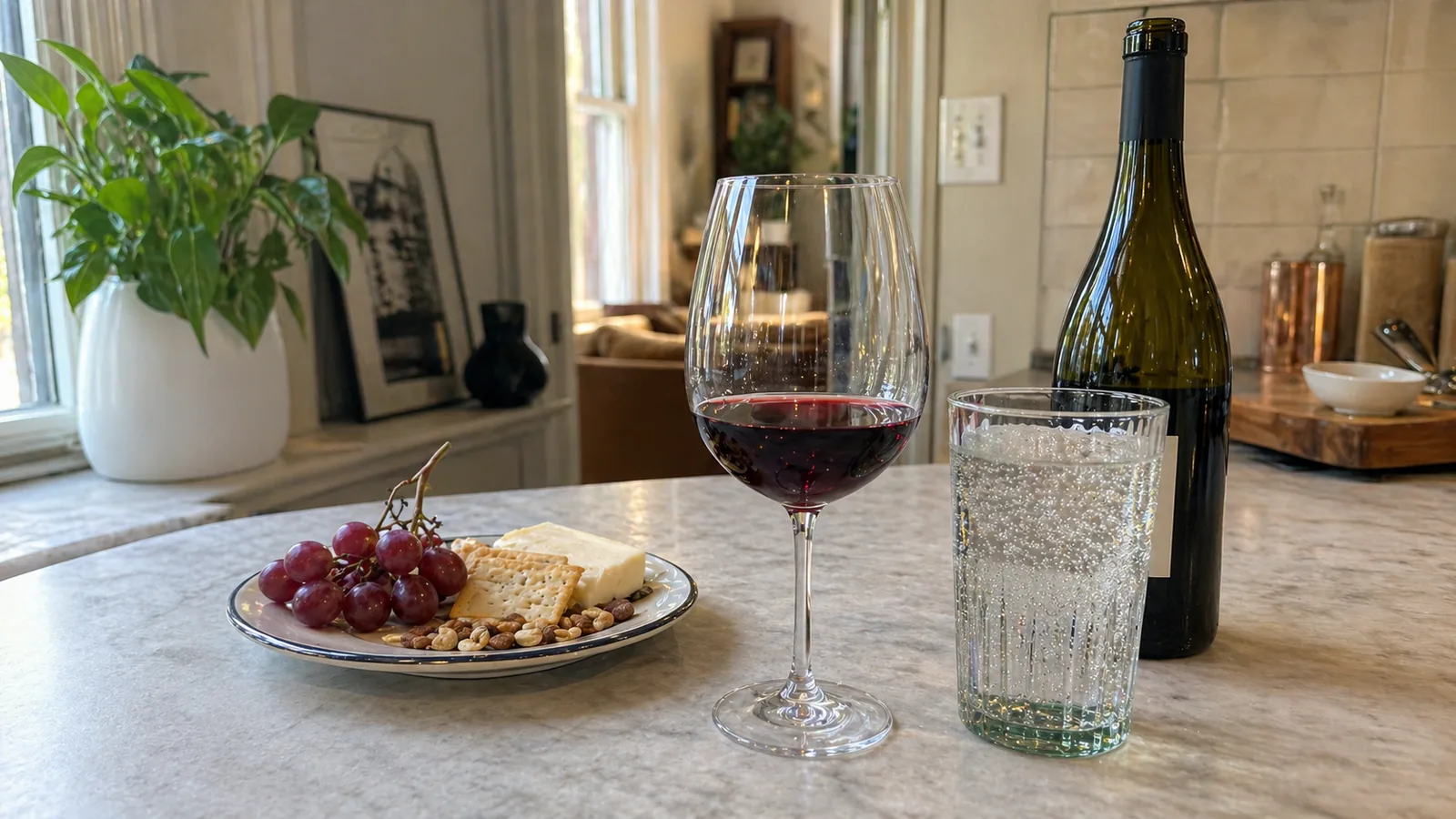
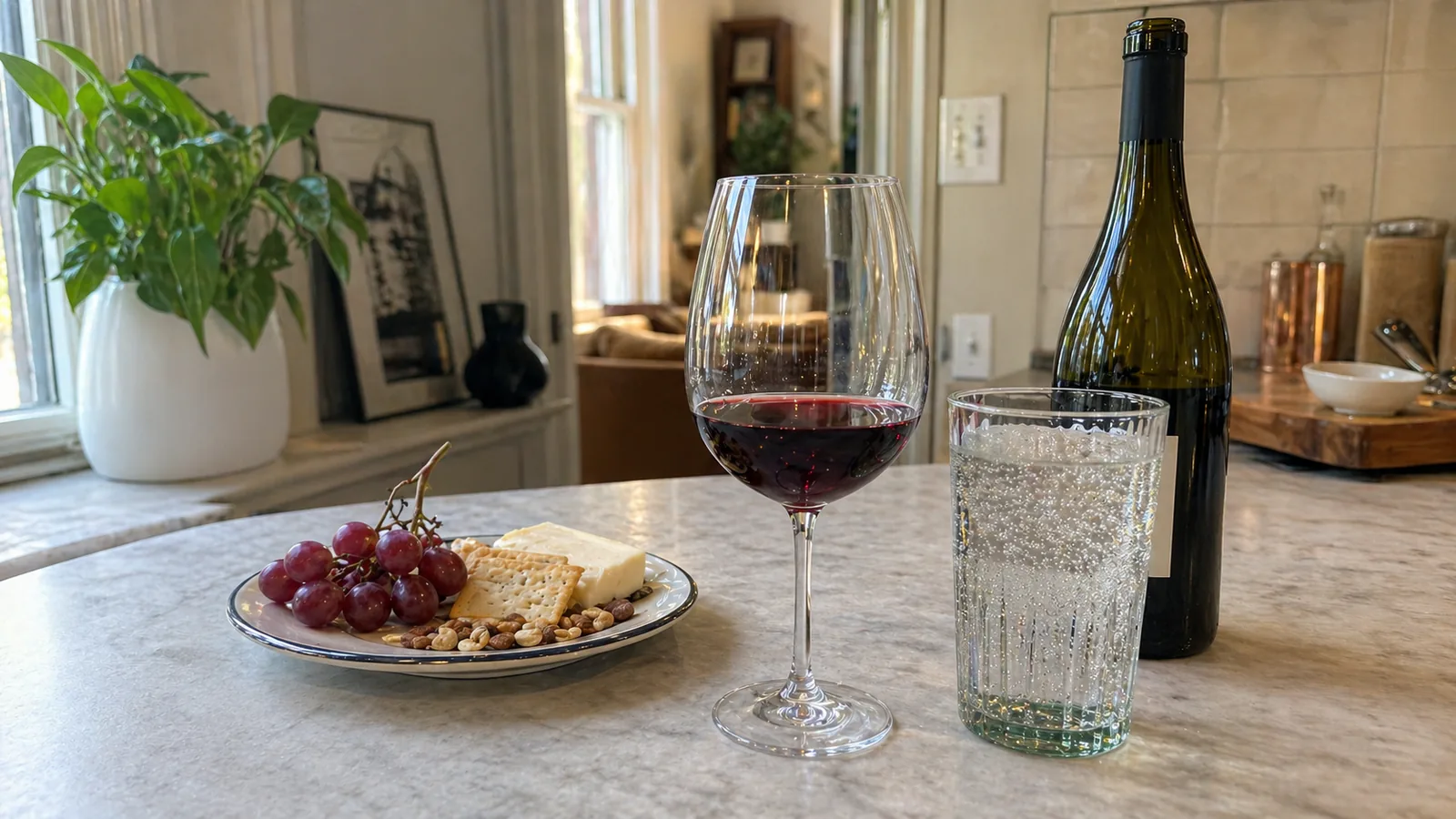
What sulfites do, why every wine has them, and the real reason your head hurts after wine (it probably isn't the sulfites).
Tannins in Wine, Explained Without the Jargon
What tannins actually feel like, where they come from, and how to handle them so your big reds taste smoother and pair better with food.
Wine Acidity, Explained: Why It Makes You Salivate
What acidity feels like, why it makes wine taste fresh, and how to use it to pair better with food. No chemistry degree required.
Wine Body Explained: Light, Medium, or Full?
How to tell light, medium, and full-bodied wines apart, what actually causes body, and how to match it to food so dinner stops feeling random.
Wine Etiquette: What Actually Matters at the Table
The wine etiquette rules that genuinely matter, the ones you can ignore, and how to drink confidently around people who care too much.
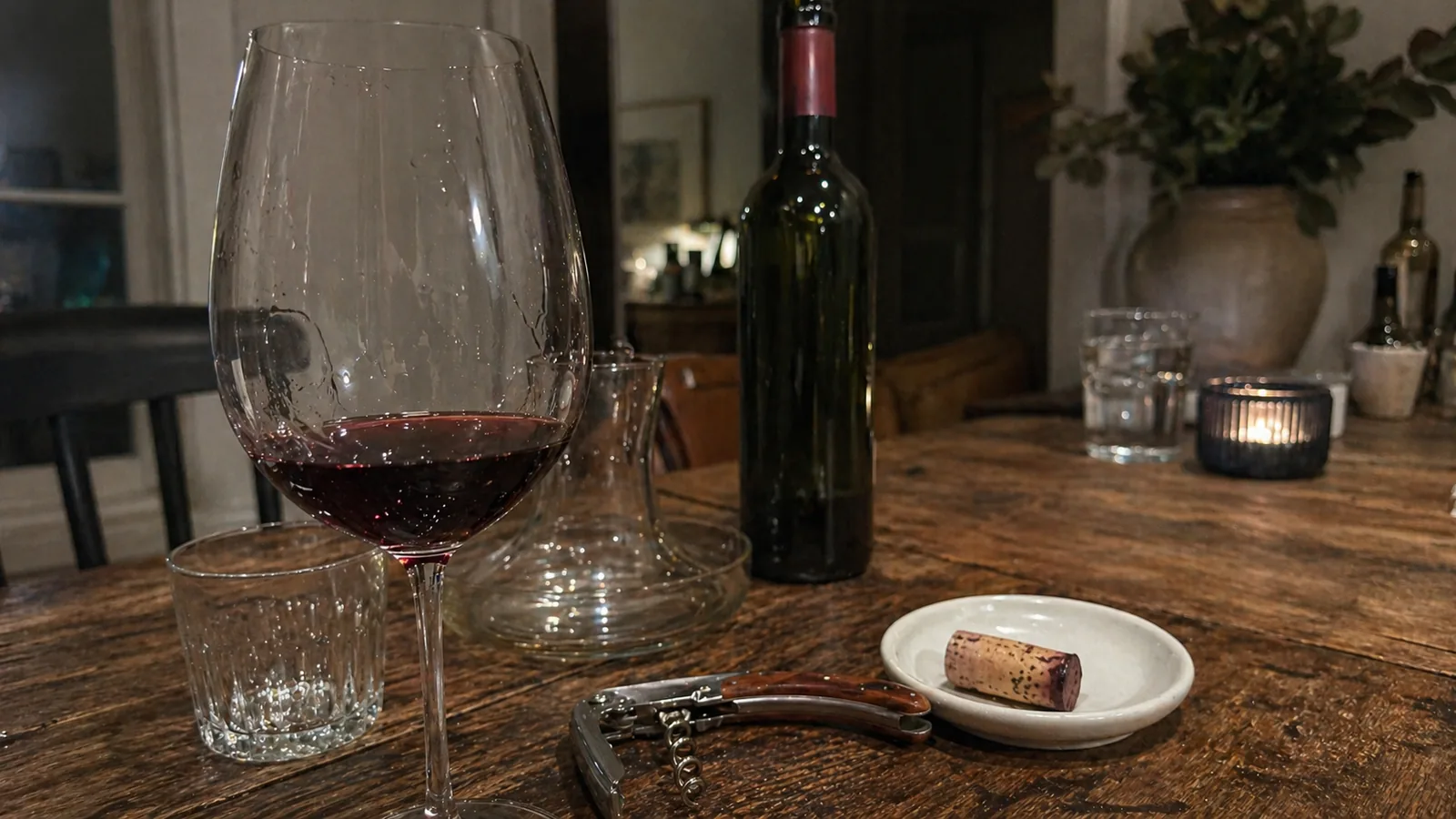
Wine Faults and Flaws: How to Spot a Bad Bottle
Spot a corked, oxidised, or heat-damaged wine in seconds. The eight common wine faults, what they smell like, and how to send a bottle back.
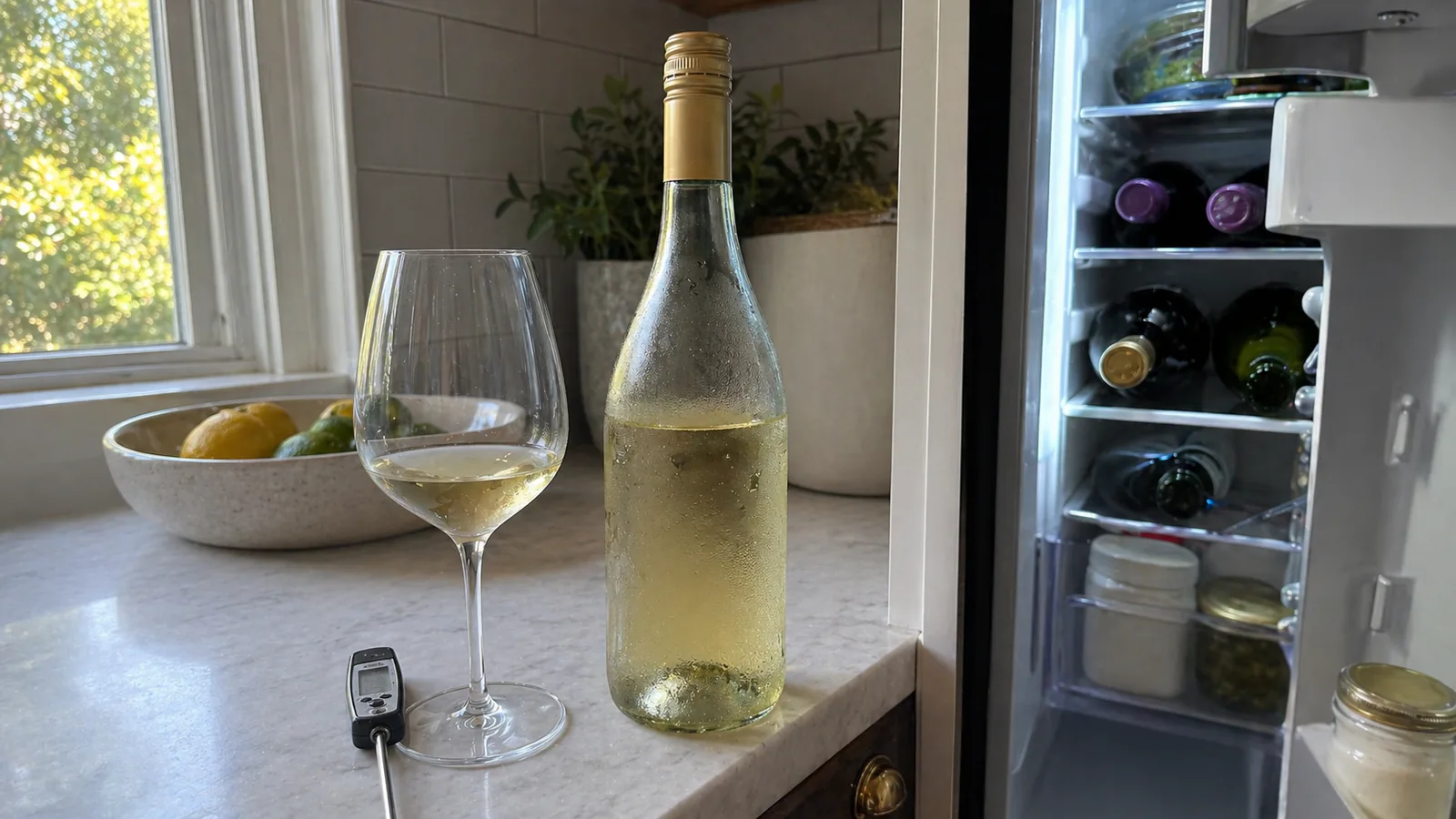
Wine Serving Temperature Guide (Cheat Sheet)
Exact serving temps for every wine style, the 20-minute rules for fixing fridge wine, and why room temperature is a 1700s lie.
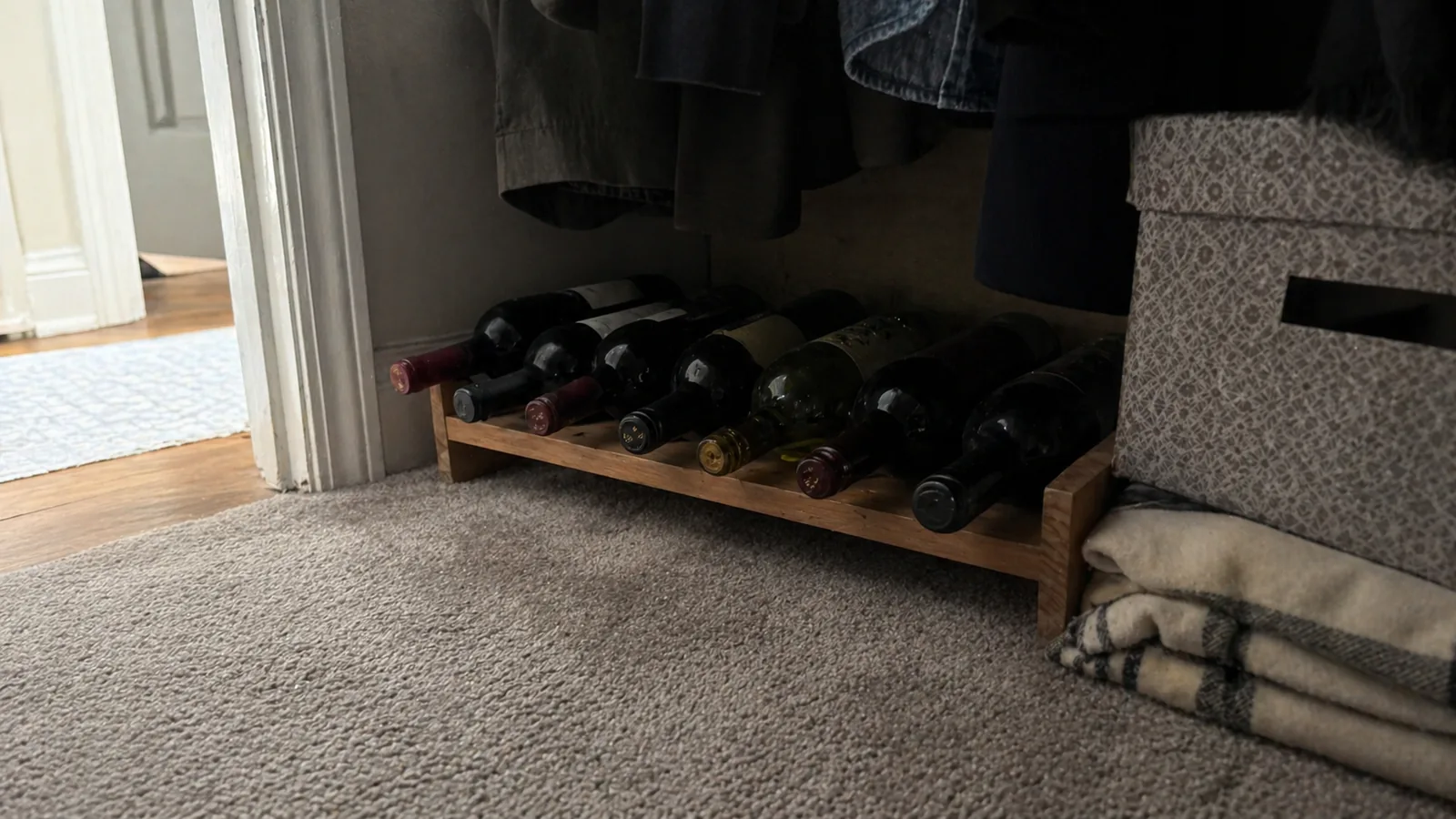
Wine Storage Tips: Keep Bottles From Going Bad
The four enemies of wine, the ideal temperature, and where to store bottles at home when you don't have a cellar (with the kitchen warning).
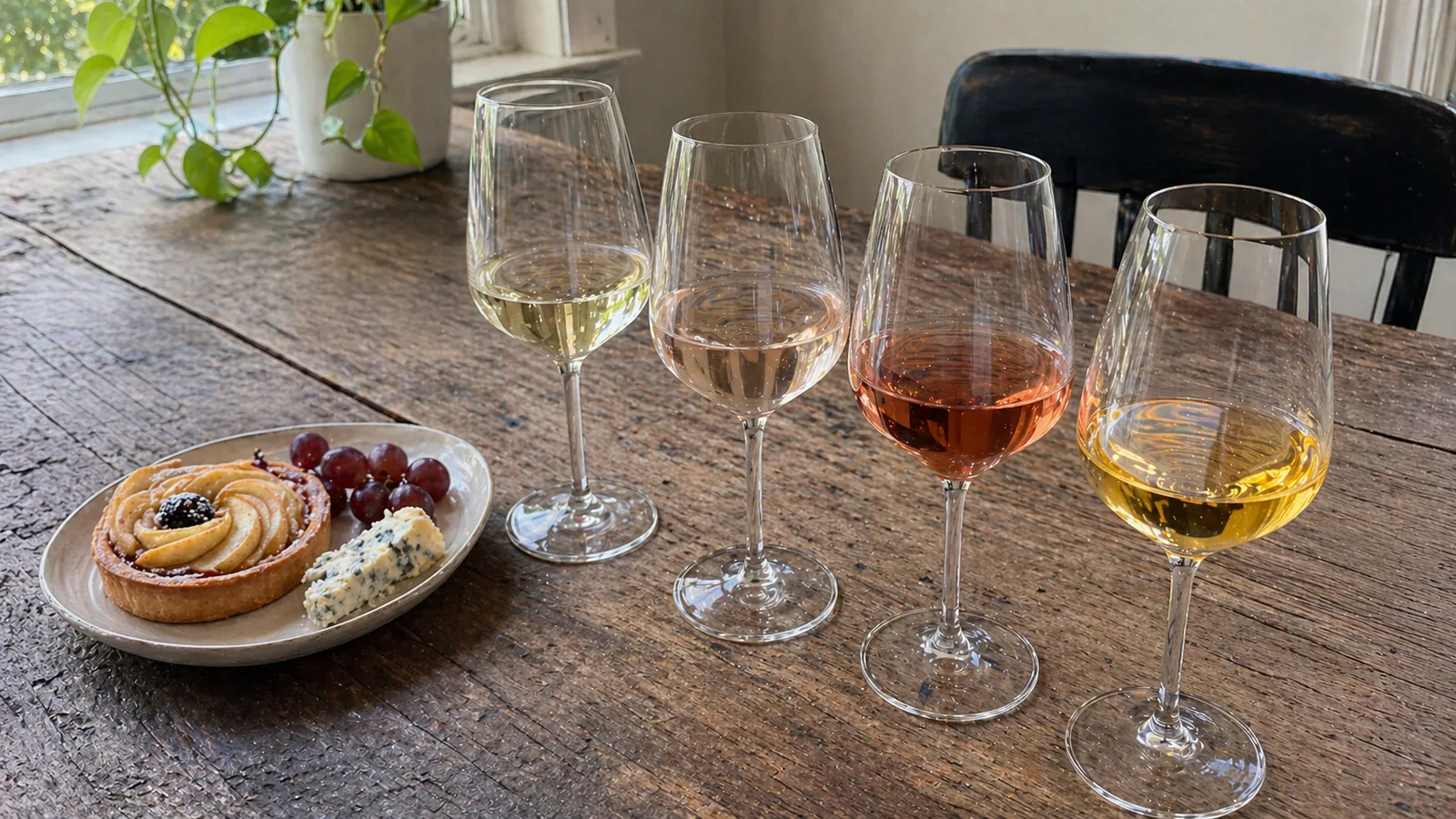
The Wine Sweetness Scale: Bone Dry to Dessert
Six levels from bone dry to dessert, with grams of sugar at each, real bottle examples, and how to read sweetness off any label.
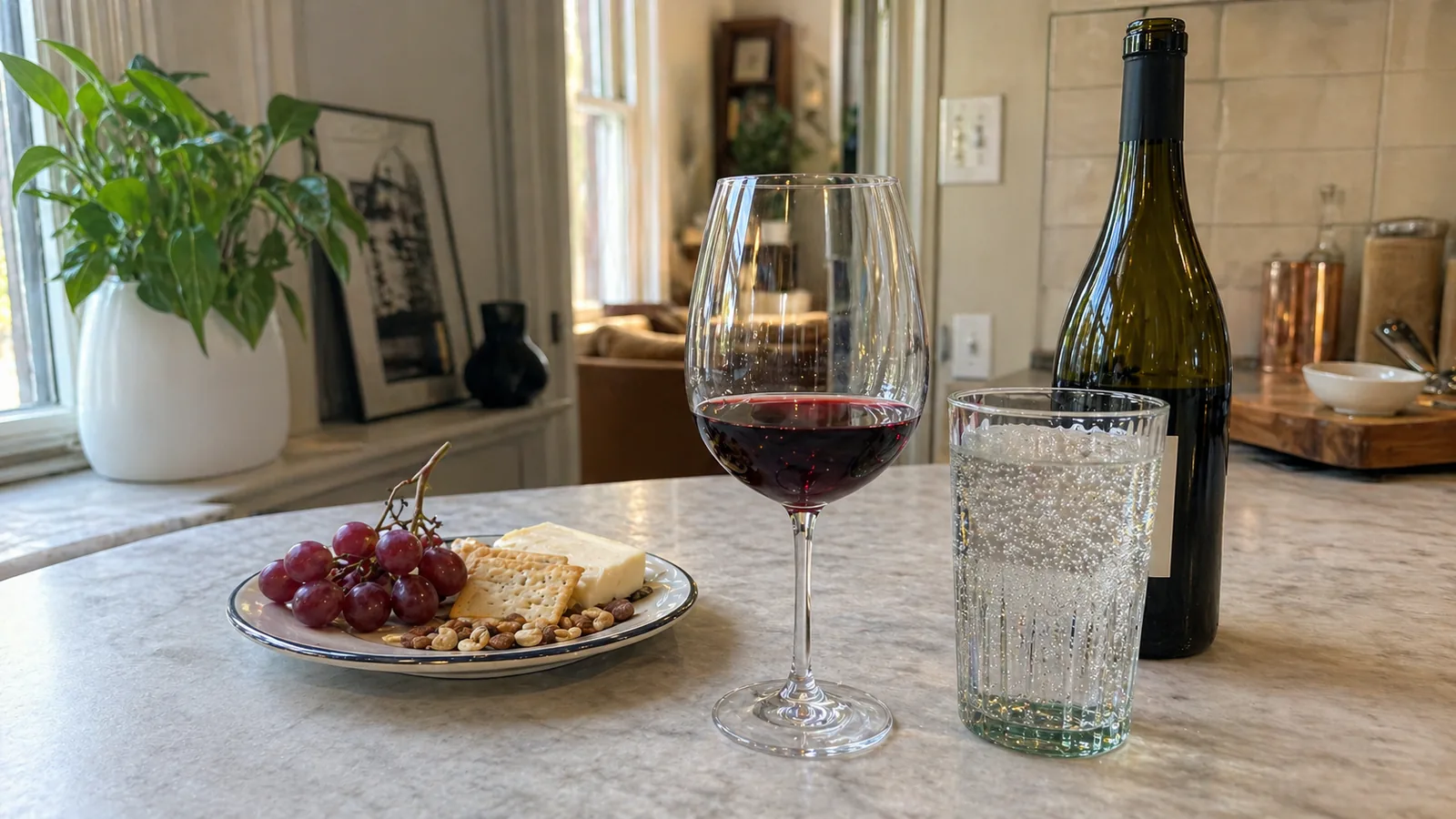
Wine vs Beer Calories: Which Is Lighter?
Wine vs beer calories compared the way you actually drink them, with the numbers that matter for hangovers, bloat, and weight.
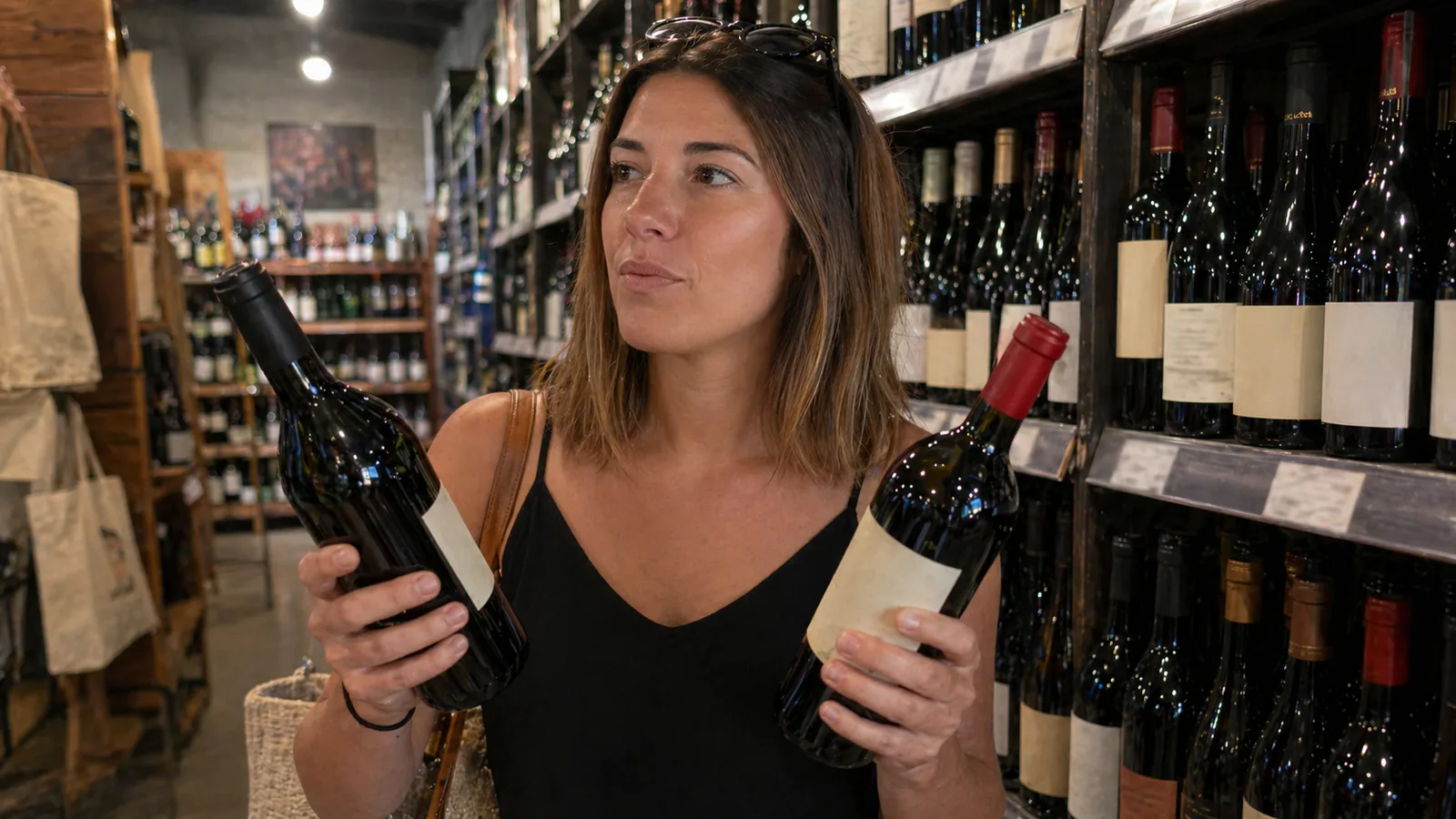
Wine Buying Guide: How to Pick a Bottle You'll Like
A practical framework for choosing wine you'll enjoy every time. No sommelier required.
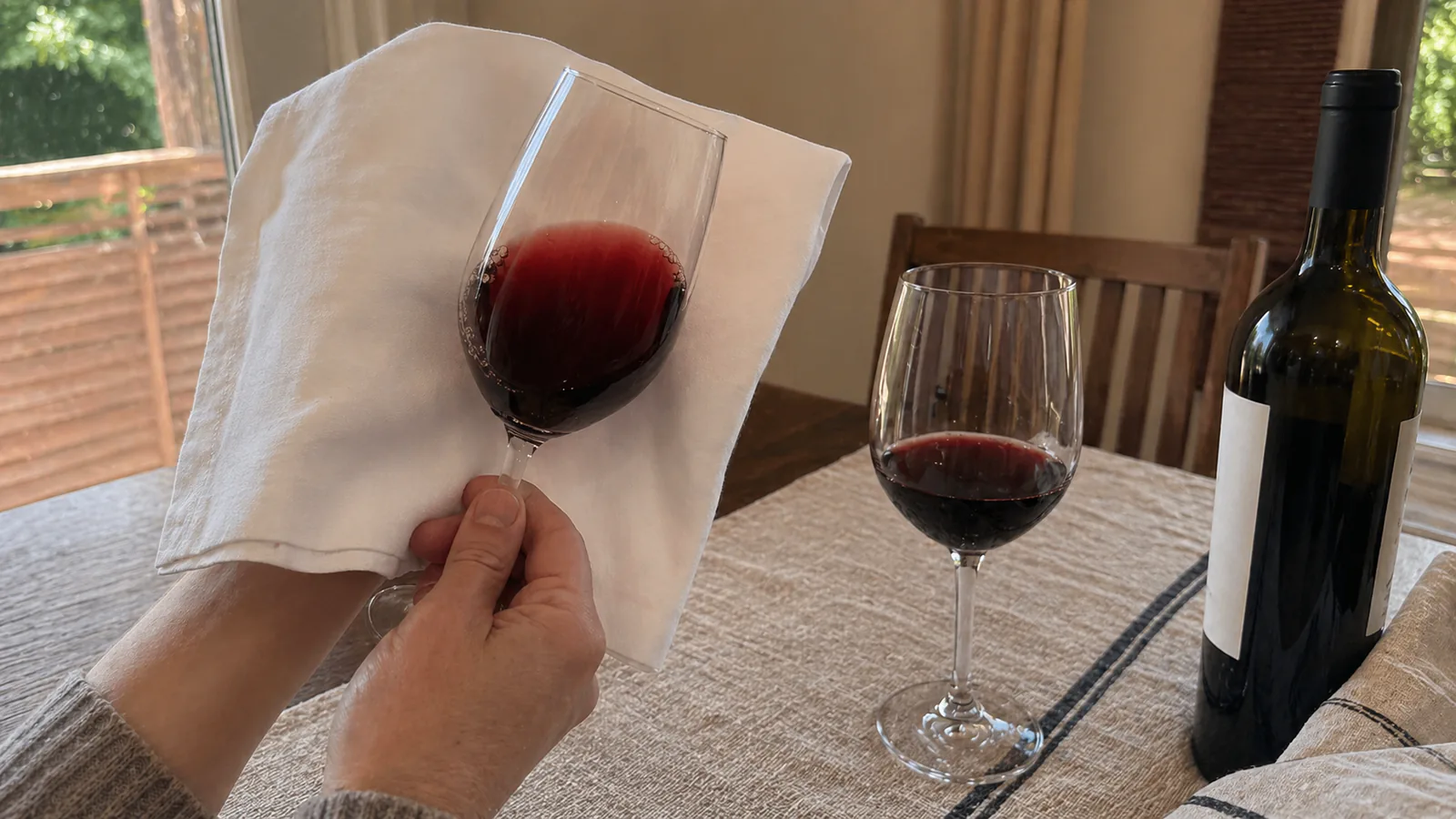
How to Taste Wine Like You Know What You're Doing
Four steps to actually tasting wine. What to pay attention to so you can tell good from great, without the pretension.