Claire Bennett
Wine Editor17 min read
Types of Wine: The Complete Guide
Red, white, rosé, sparkling, dessert, fortified, orange, natural. Here's what makes each type different and how to find the one you'll actually love.
There are eight types of wine. The full bottle shop, every restaurant menu, the sparkling fridge, the dessert shelf, all of it falls into eight categories. Once you know those eight, the labels stop feeling random. A bottle from a region you’ve never heard of will still make sense because you’ll know its type, and type tells you how it tastes before you uncork it.
By the end of this page you’ll know:
- The one thing that actually separates red wine from white (the answer surprises most people)
- Why rosé is its own category, and why that matters for what you eat with it
- The difference between Champagne and sparkling wine, and when paying the extra is worth it
- How dessert wines get their sweetness when most wines don’t have any
- Why orange wine has nothing to do with oranges, and what tannins in a white feel like in your mouth
- Which style is the easiest place to start if you’re still figuring out what you like
What Are Red Wines?
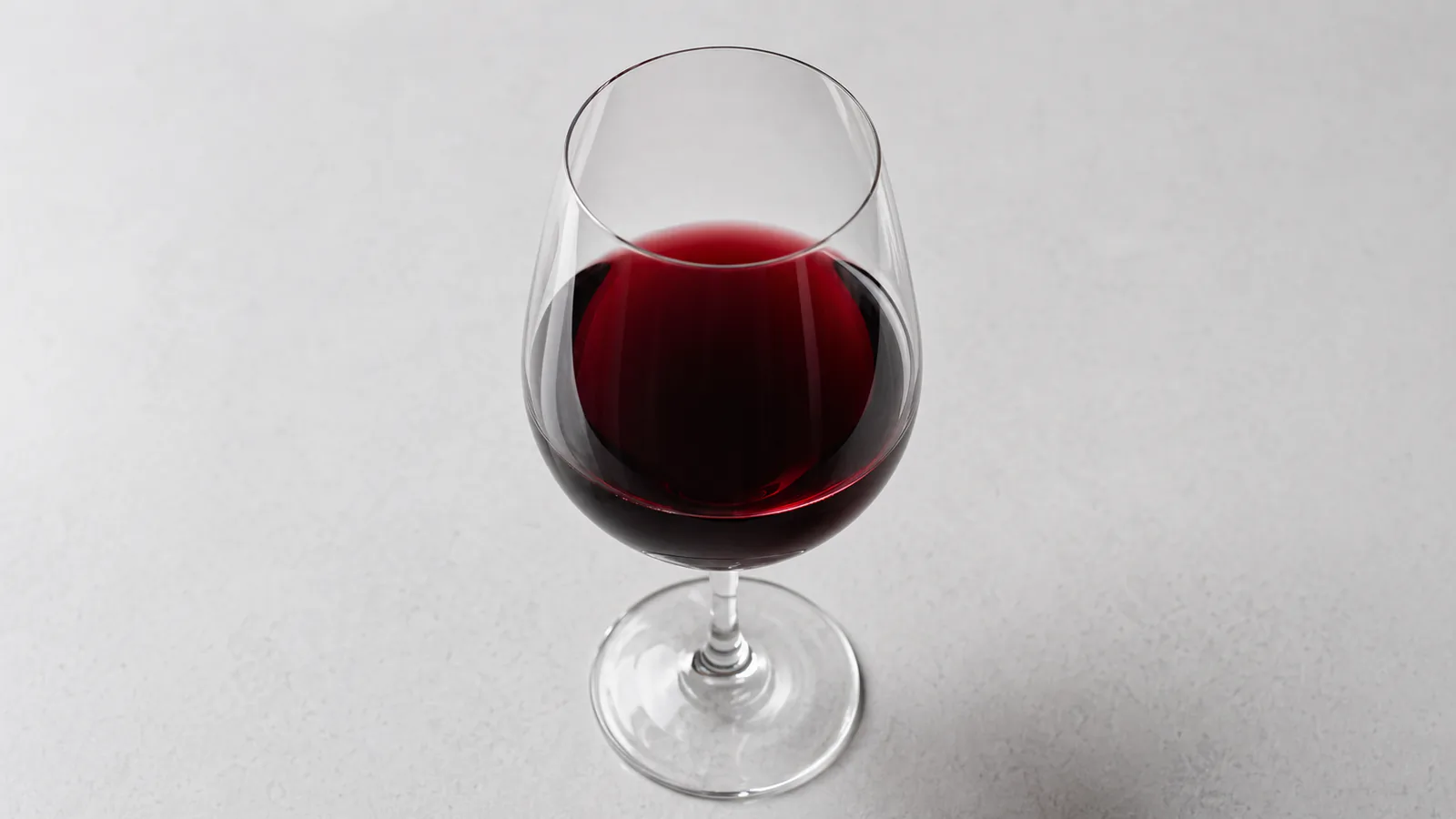
Red wine is made from dark-skinned grapes, with the skins kept in the juice while it ferments. That’s where the colour comes from. It’s also where the tannins come from, and the deeper flavour, and pretty much everything that makes a red taste like a red.
Tannins are the grippy, slightly drying feeling on your gums after a sip of a big Cabernet. They’re the reason a steak and a Cab work so well together. The structure softens against fat and protein, so the food tastes richer and the wine tastes smoother. Bite, sip, repeat.
If a red tastes harsh straight out of the bottle, give it air. Pour, walk away for 20 to 30 minutes, come back. The tannins relax, the fruit opens up, and you’ll wonder why you didn’t wait. A decanter speeds it up. Your regular wine glass works fine.
Reds run on a spectrum from light to full. A light Pinot Noir from Burgundy or Central Otago is delicate, with red cherry and a whiff of forest floor. A full-bodied Cabernet from Napa or Coonawarra is dense, dark, and built to last a decade in the cellar.
Worth knowing before you buy: most red wine doesn’t get better with age. Only bottles with serious tannin, acid, or concentration evolve over years. The rest just slowly fades. If the wine isn’t from a producer known for cellaring, and the price tag isn’t telling you so, drink it within a year or two.
Key red wine grapes to know:
- Cabernet Sauvignon: Full-bodied, firm tannins, blackberry and black pepper with a hint of tobacco. The grape that built Bordeaux, now planted everywhere from Napa to Coonawarra.
- Merlot: Softer and rounder than Cabernet, with plum, dark chocolate, and black cherry. Often blended with Cab to add body and smooth out the edges.
- Pinot Noir: Light body, high acidity, silky texture. Raspberry, cherry, earthy undertones. The fussiest grape to grow and the most rewarding when someone gets it right.
- Syrah / Shiraz: Same grape, two personalities. Syrah from the Rhône Valley is peppery and herbal. Shiraz from Australia is bold, dark-fruited, sometimes smoky.
- Malbec: French in origin, Argentinian in spirit. Juicy, with intense blackberry and plum, smooth tannins, and a price-to-pleasure ratio that’s hard to beat.
- Grenache (Garnacha in Spanish): Red-fruit driven, raspberry, a touch of white pepper. Medium body. The backbone of southern French and Spanish blends, plus the G in GSM and most Châteauneuf-du-Pape blends.
- Gamay: The Beaujolais grape. Light, low in tannin, full of bright cherry and fresh strawberry. One of the most approachable reds you can buy. Beaujolais Nouveau, released every third Thursday of November, is the low-stakes way to try it.
- Tempranillo: Spain’s signature red. Dried fruit, leather, toasted oak. The grape behind every Rioja you’ve ever loved.
Ready to drink some? Browse the best red wines for beginners, or open the full red wine guide.
What Are White Wines?
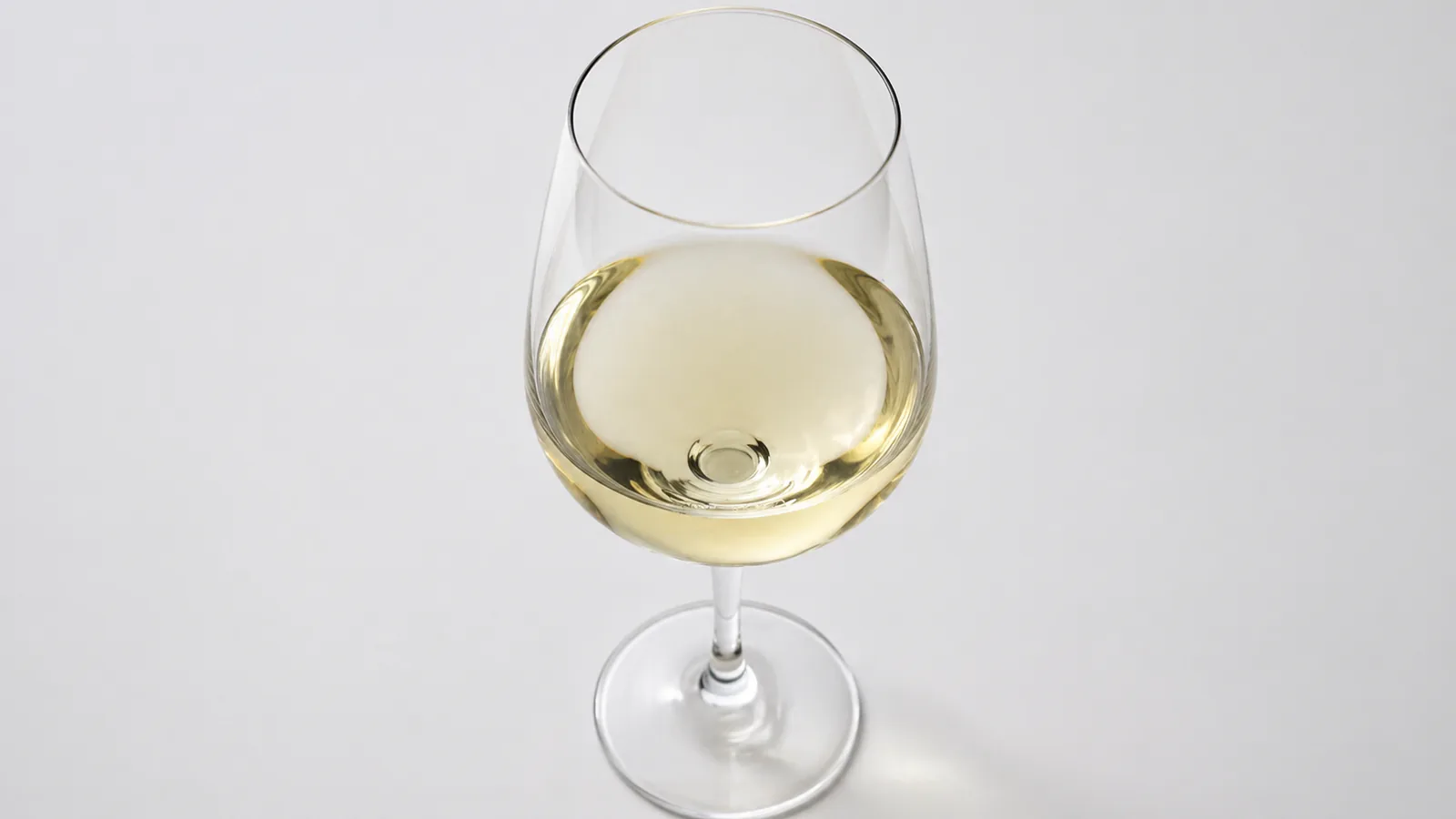
White wine is made from light-skinned grapes, and the skins come off before fermentation starts. No skin contact means no tannins, which is what gives white its lighter, crisper character. Pour a glass next to a red and the difference shows up before you’ve even tasted them.
The thing that makes a white taste alive is acidity. It’s why Sauvignon Blanc tastes like it’s snapping off the glass, and why Riesling pairs with everything from Thai green curry to roast chicken. A good white with grilled fish or a creamy pasta does something a red simply can’t.
Whites run from bone dry (Chablis, unoaked Sauvignon Blanc) to lusciously sweet (a late-harvest German Riesling). Style matters too. A Chardonnay with no oak tastes lean, citrus-driven, almost mineral. The same grape barrel-aged tastes creamy and rich, with vanilla and toasted bread. Same wine, different planet.
Key white wine grapes to know:
- Chardonnay: The most planted white grape on earth. Crisp and mineral in Chablis, buttery and full in oaked Napa. Apple, citrus, sometimes tropical fruit when grown somewhere warm.
- Sauvignon Blanc: High acidity, zesty, herbaceous. Lime, grapefruit, passion fruit. Marlborough in New Zealand made the grape famous, but the Loire Valley got there first.
- Pinot Gris / Pinot Grigio: Same grape, different attitudes. Italian Pinot Grigio is light, crisp, and neutral with apple and pear. Pinot Gris from Alsace is richer, with melon and a hint of off-dry sweetness.
- Riesling: The most misunderstood grape in the bottle shop. Aromatic, with green apple, lime, and white flowers. Ranges from bone dry and electric to dripping in honey. Always good with food.
- Viognier: Aromatic and lush, with apricot, peach, and jasmine. Fuller-bodied than Sauvignon Blanc but without the oak weight of a big Chardonnay. The pick if you want a flavourful white that isn’t sharp on citrus.
- Gewurztraminer: Intensely aromatic. Lychee, rose petal, baking spice. Lower in acidity, often slightly off-dry, surprisingly good with spicy food. There’s nothing else quite like it.
Looking for bottles? Start with the best white wines for beginners, or open the full white wine guide.
What Is Rosé Wine?
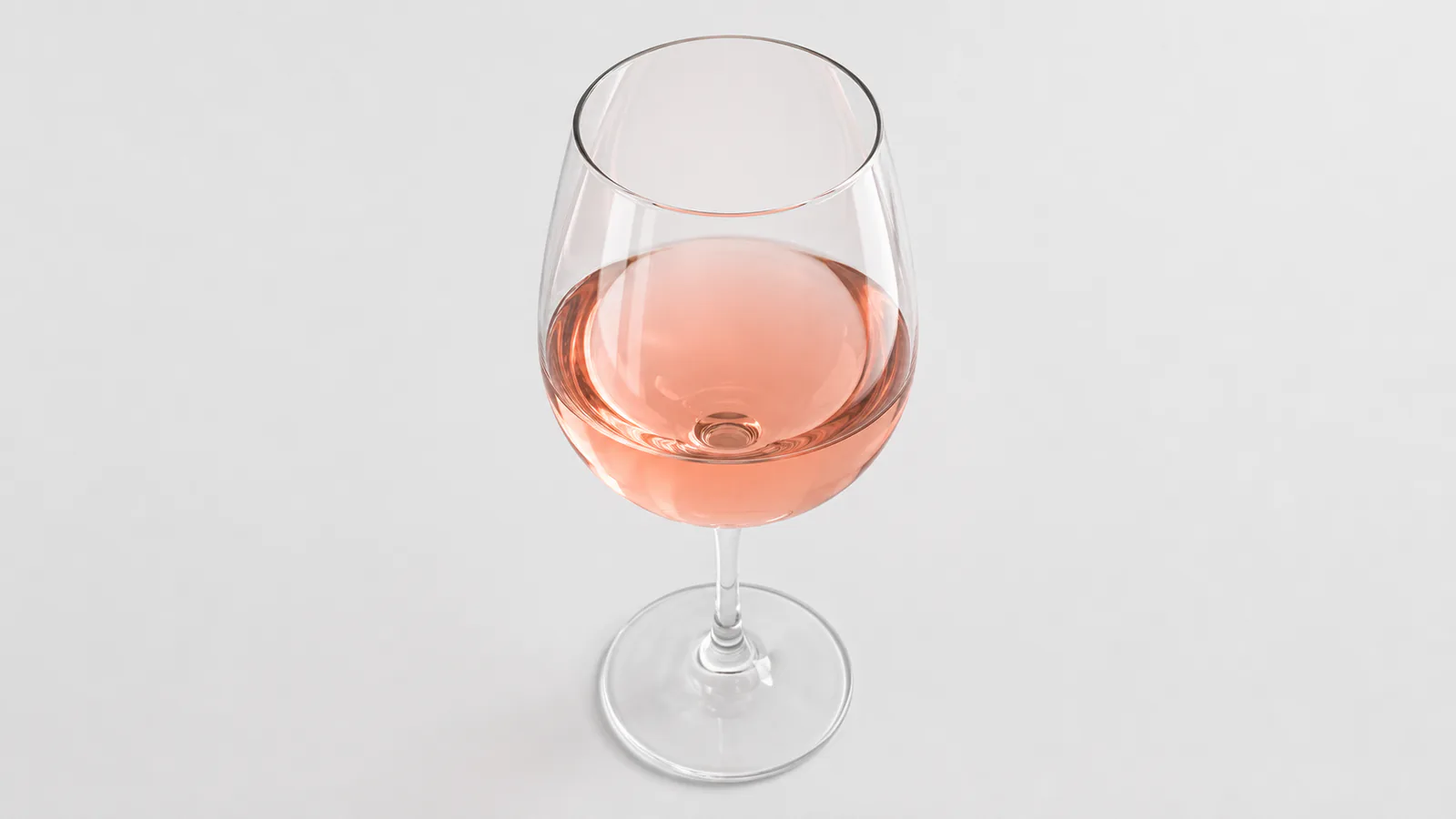
Rosé is made from red wine grapes, with the skins left in the juice for a few hours instead of weeks. Just enough contact to pick up colour and a whisper of tannin, but not so much that you end up with a red. It sits comfortably between the two, which is why it’s so easy to drink with almost anything.
Most dry rosé is crisp, light, and bright with strawberry, watermelon, and white peach. The acidity is high enough to handle food and the body is light enough to drink in the sun. It’s the wine that pulls double duty when you want something refreshing but the meal is heavier than a salad.
Sweet rosé is a different conversation. White Zinfandel from California is the famous example: pink, low alcohol, frankly sweet. It has its audience. Provençal rosé is what you order when you want something elegant.
Quick label hack: dry vs sweet often comes down to where it’s from. Provence rosé is almost always dry. White Zin is almost always sweet. The bottle shape can also tip you off, since Provençal producers tend to use that distinctive flared shape on purpose.
Open the full rosé wine guide.
What Is Sparkling Wine?
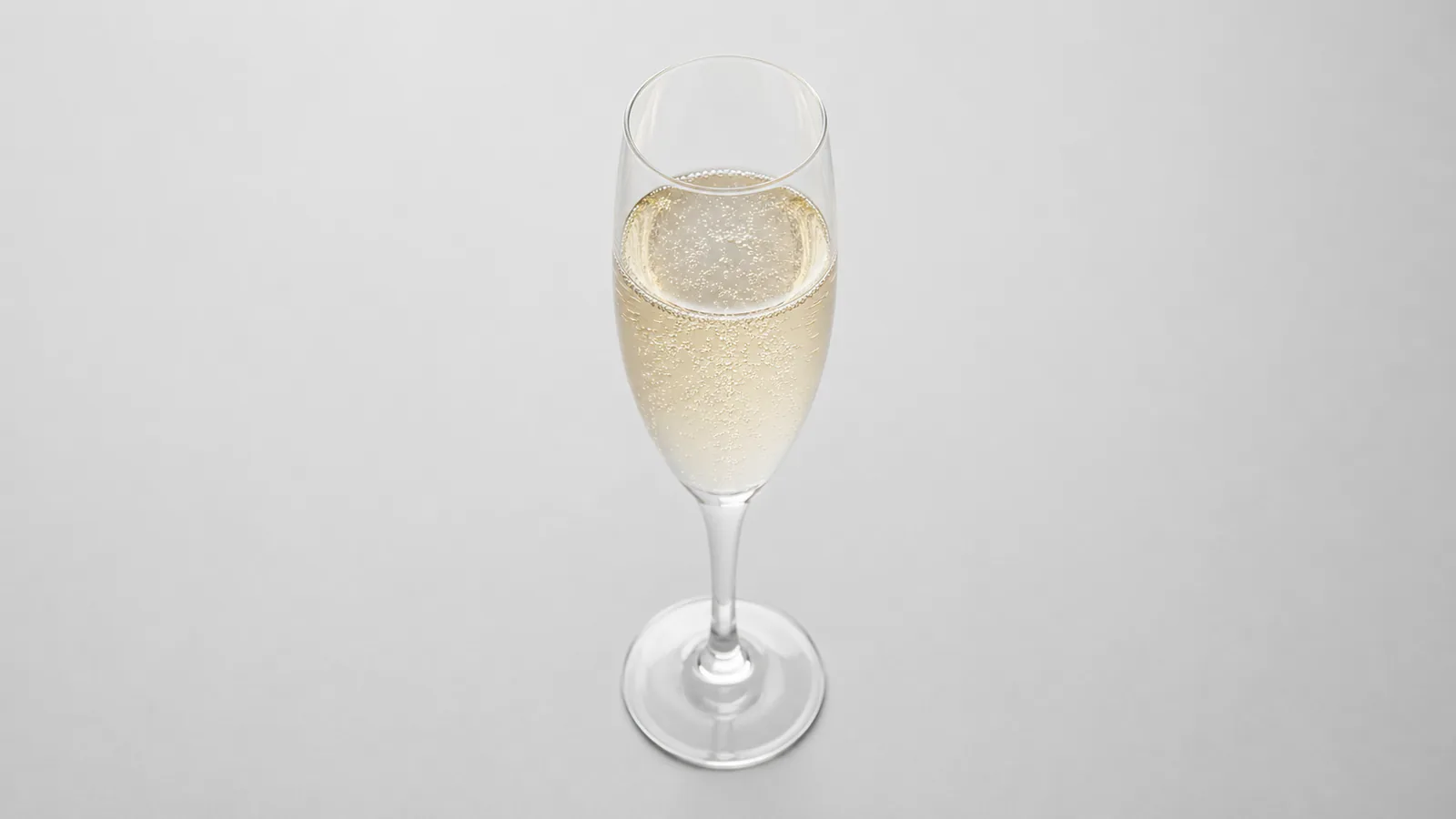
Sparkling wine is any wine with bubbles. The carbonation comes from a second fermentation that traps carbon dioxide in the bottle or tank. What you call the finished wine depends entirely on where it was made and how.
Champagne comes from the Champagne region of France, made with Chardonnay, Pinot Noir, and sometimes Meunier, using a method that’s locked down by law. The taste is toasty, biscuity, and refined, with a bracing line of acidity. Yes, it costs more for a reason.
Prosecco comes from northeast Italy. It’s lighter, fruitier, and made in big tanks instead of individual bottles. That’s why it’s cheaper and tastes fresher rather than complex. For a Sunday brunch, it’s the right answer.
Cava is the Spanish answer. Made the same way as Champagne, with different grapes (Macabeo, Parellada, Xarel·lo), and priced at roughly half the cost. A serious bargain when you want quality bubbles without the Champagne markup.
Outside those three, the sparkling world gets interesting. Australian sparkling Shiraz is its own thing entirely: dark, rich, slightly sweet, and absurdly good with Christmas ham. Crémant is French sparkling made outside Champagne, and it punches well above its price. English sparkling, grown on the same chalk soils that run under the Channel into Champagne, is now beating big-name houses in blind tastings.
One thing to file away for later: Champagne pairs brilliantly with salty, fried food. The acidity cuts through the fat and resets your palate between bites. Fried chicken and Champagne sounds like a bit. It tastes like the best decision you’ve made in months.
Want recommendations? See the best Prosecco bottles, or open the full sparkling wine guide.
What Are Dessert Wines?
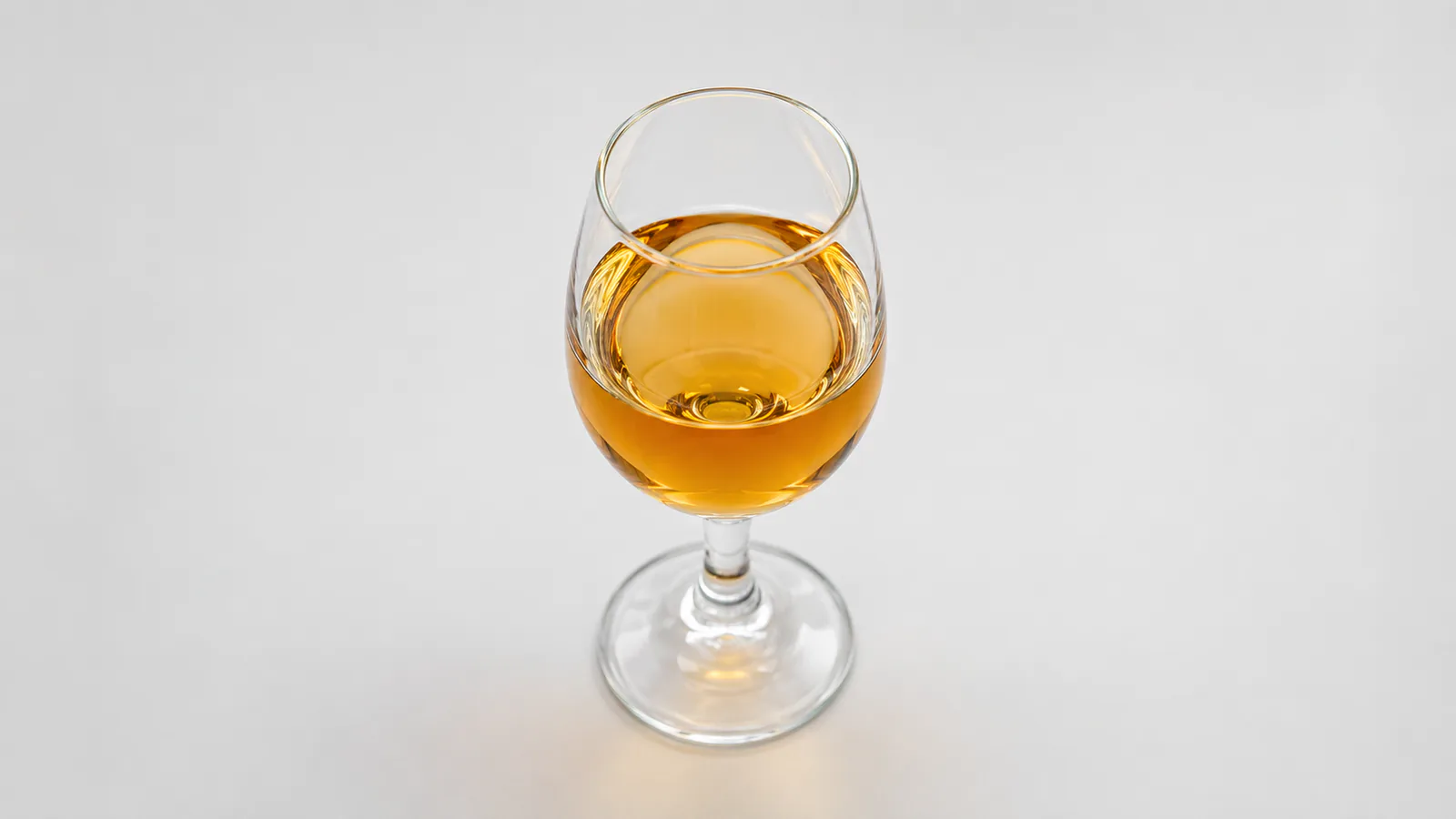
Dessert wines are sweet wines, full stop. Winemakers get them sweet a few different ways: leaving grapes on the vine until they’re so ripe they’re shrivelling, drying the grapes after picking to concentrate the sugar, or stopping fermentation early so some of the natural sugar stays in the wine.
Moscato is where most people start. Light, low alcohol, gently fizzy in its Moscato d’Asti form, full of peach and orange blossom. If you’ve never enjoyed a sweet wine, this is the one that flips the switch.
Late-harvest Rieslings (German Spätlese, Auslese, and the wildly sweet Trockenbeerenauslese) get their sugar by waiting. The grapes hang on the vine well past normal harvest, concentrating sweetness while keeping acidity sharp. Sauternes from Bordeaux goes one step further. The grapes get hit by a noble rot called Botrytis cinerea, which shrivels them and produces something honeyed, apricot-laden, and almost unreal.
Ice wine is its own category. Grapes freeze on the vine, get pressed while still frozen, and the result is an intensely sweet juice that turns into liquid gold in the bottle.
The thing that separates a great dessert wine from a sticky mess is the balance between sugar and acidity. Sugar without acid tastes flat and cloying. When the two are in harmony, the wine feels rich on the tongue but fresh on the finish, and you can keep drinking it past the cheese course.
Ready to try one? Check the best sweet wines or the best Moscato, or open the full dessert wine guide.
What Are Fortified Wines?
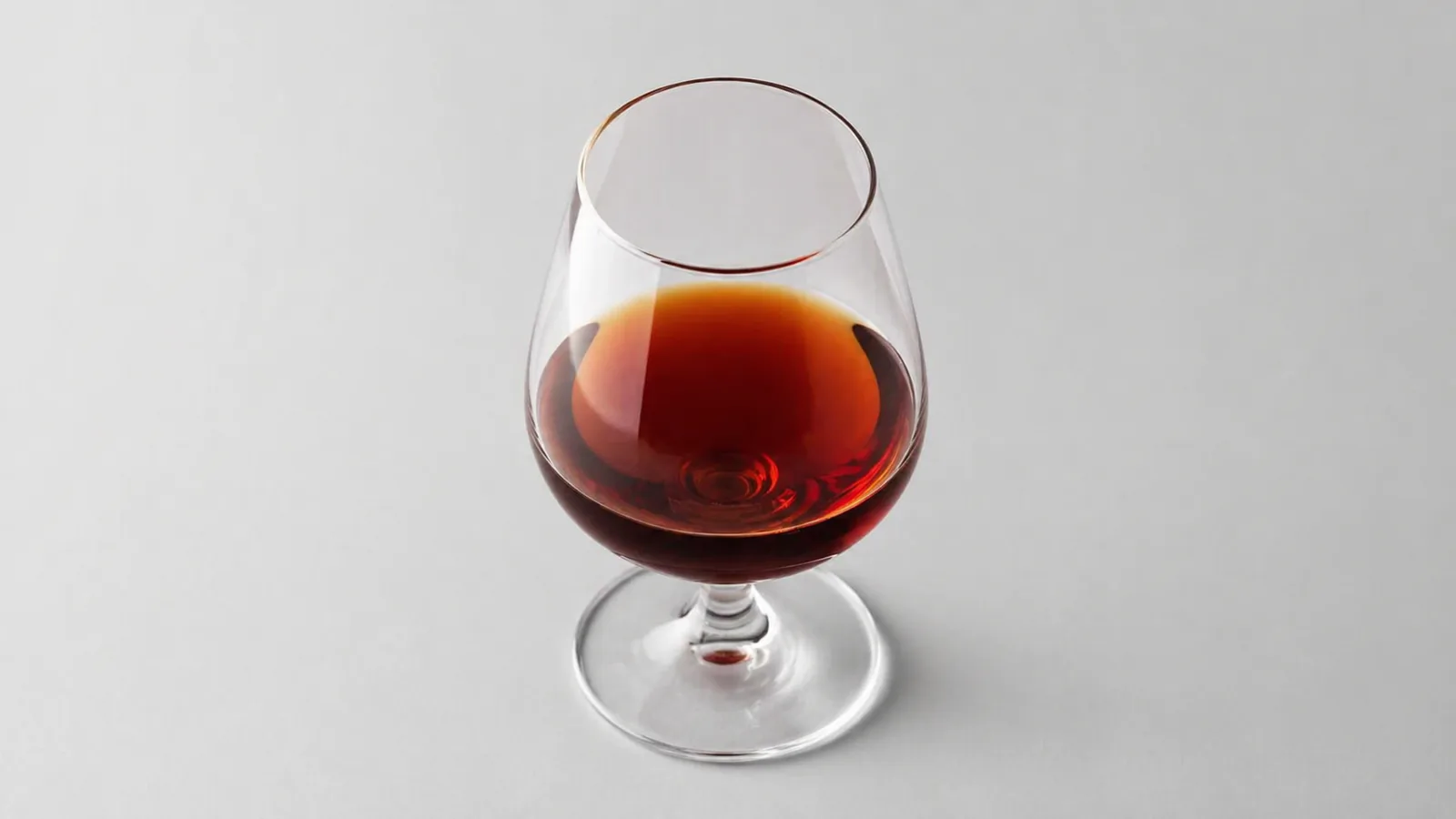
Fortified wine has had a grape spirit (usually brandy) added partway through fermentation. The spirit kills the yeast, leaves some natural sugar in the wine, and bumps the alcohol up to 17-22% ABV. The result is richer, more concentrated, and built to last for weeks once opened.
Port is the most famous example. It comes from the Douro Valley in Portugal in several styles. Ruby is dark, sweet, and bursting with red fruit. Tawny has been aged in small barrels until it turns amber and picks up nutty, dried-fig flavours. Vintage Port is the collector’s bottle, made only in years the producers declare exceptional.
White Port is the one most people miss. Made from white grapes and designed to be served chilled, it’s an everyday Portuguese aperitif. White Port and tonic with a slice of lemon, a sprig of mint, plenty of ice. It tastes like a holiday in a glass and costs less than a decent gin.
Practical storage note. Ruby and LBV Port keep happily in the fridge for 2-3 weeks once opened. Tawny lasts 6-8 weeks because the barrel ageing already exposed it to oxygen. Vintage Port behaves like a fine red, so finish it within a couple of days.
Sherry is dry fortified wine from Andalusia in Spain. The styles climb a ladder: Fino is pale, dry, and nutty. Amontillado is amber and complex. Pedro Ximénez is so sweet it could pass for liquid raisins poured over vanilla ice cream (and you should try it that way once). Dry Sherry with jamón ibérico is one of the great food pairings.
Madeira comes from a Portuguese island and is virtually indestructible. The wine goes through a deliberate heating process during ageing, which means an open bottle can sit on the counter for months without losing a thing.
Looking for a starting bottle? See the best Port wine picks, or open the full fortified wine guide.
What Is Orange Wine?
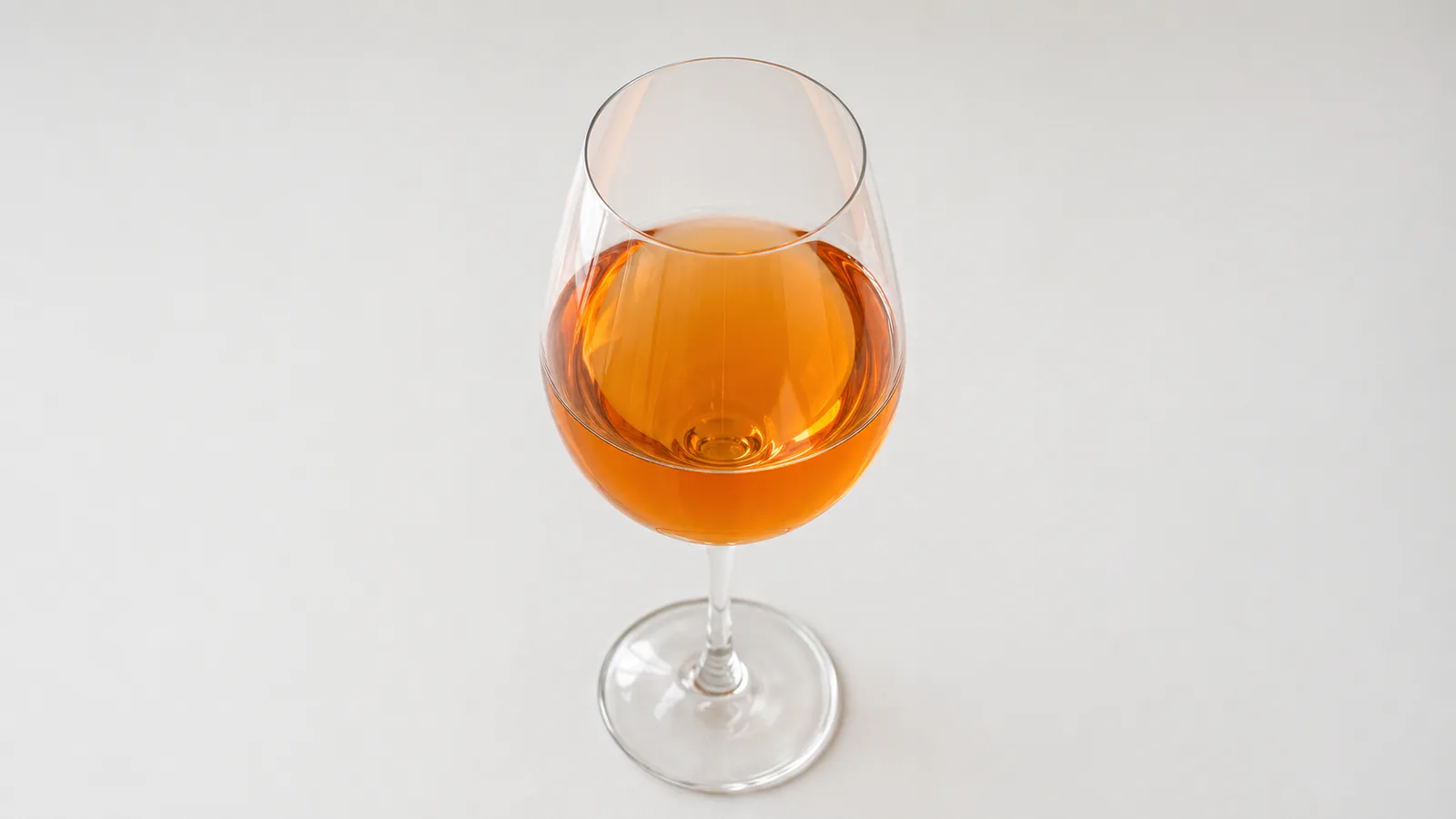
Orange wine has nothing to do with oranges. It’s a white wine made the way reds are made, with the grape skins left in contact with the juice during fermentation. That extended skin contact is where the colour, the texture, and the surprise all come from.
The skins give orange wine its amber-to-deep-orange shade. They also add tannins, which is wildly unusual for a white wine. The finished glass sits between white and red in body and structure. Earthy, textured, sometimes funky, with a grippy finish you wouldn’t expect from a grape that started life as a white.
Popular grapes for orange wine include Pinot Gris, Gewurztraminer, and Georgian varieties like Rkatsiteli. Georgia (the country) has been making skin-contact wines in clay vessels called qvevri for around 8,000 years. The current orange wine boom is essentially the rest of the world catching up.
If this is your first orange wine, expect it to taste different from anything else in the glass. The earthiness and tannin land hard if you’re set up for a regular white. Start gentle: Ramato, an Italian skin-contact Pinot Gris, is a softer introduction than the deeply coloured Georgian qvevri styles.
One label tip. Orange wine doesn’t always announce itself. If you open what you thought was a Pinot Gris and pour something amber with a grippy finish, the wine isn’t broken. Look for “skin contact” or “macerated” on the label and you’ll know exactly what you’re in for before the cork comes out.
Open the full orange wine guide.
What Is Natural Wine?
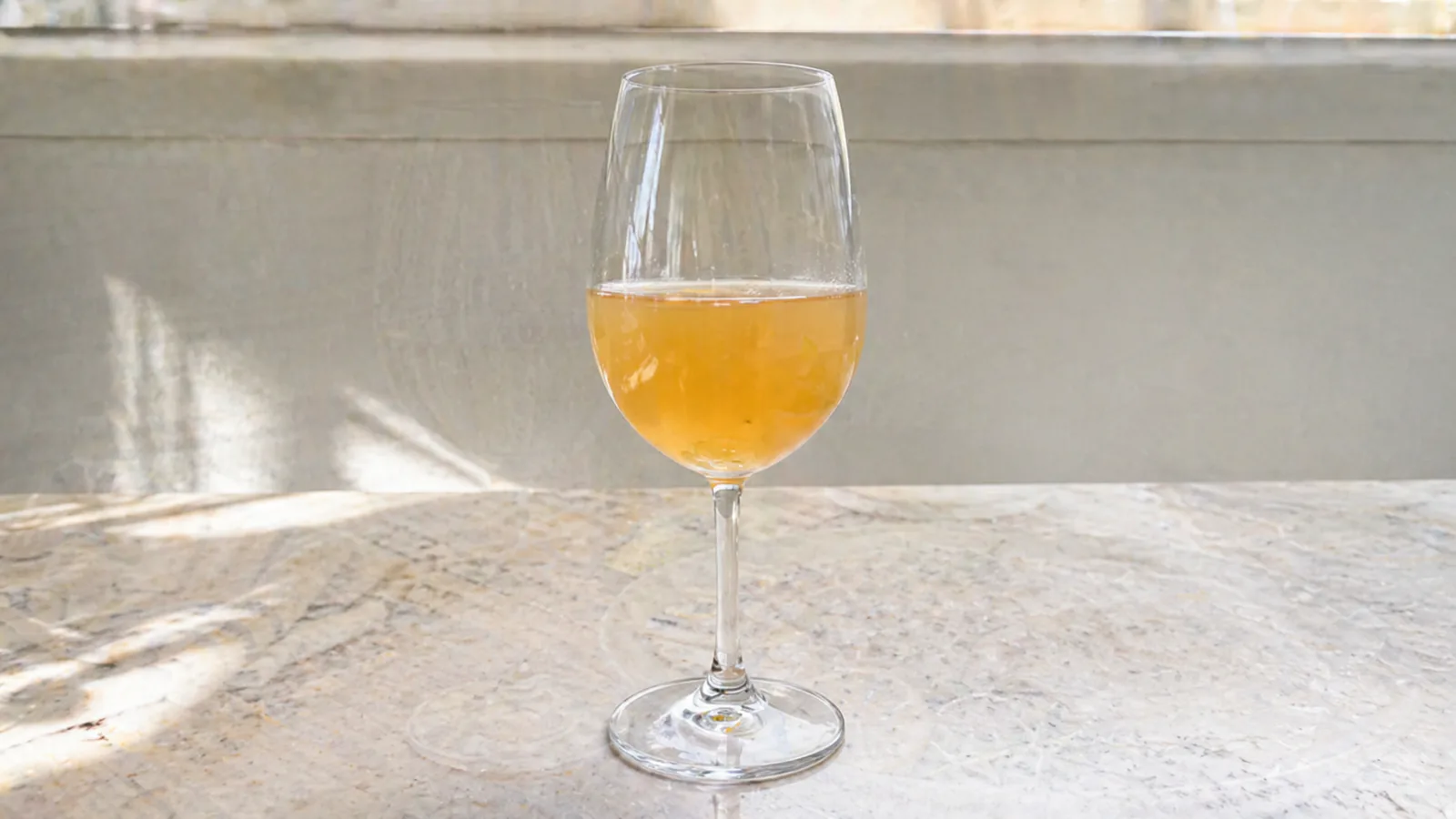
Natural wine is wine made with as little intervention as possible. There’s no legal definition, which is exactly where the arguments start.
Broadly, natural wine means: organically or biodynamically grown grapes, wild yeast fermentation, little or no added sulphites, and no additives used to fix colour, flavour, or texture. The goal is that the wine reflects the vineyard and the vintage as honestly as it can.
Some natural wines are extraordinary. Vibrant, alive, and unlike anything you’d get from a conventional winery. Some are cloudy, funky, or unstable in ways that split a room down the middle. The category rewards curiosity and a bit of homework before you spend $40 on a bottle that ends up in the sink.
Natural wine often overlaps with organic and biodynamic wine. Organic means no synthetic pesticides in the vineyard. Biodynamic takes it further, treating the vineyard as a self-sustaining ecosystem with lunar planting calendars and the works. Both can be made with or without the additional cellar rules that define natural wine.
A myth worth busting: people love to blame sulphites for wine headaches, and the science is contested. Sulphur dioxide occurs naturally during fermentation and shows up in both conventional and natural wine. A glass of wine has roughly the same sulphur as a small handful of dried apricots. Histamines and tannins in red wine are the more likely culprits.
You’ll also hear the word Brett, short for Brettanomyces. It’s a wild yeast that produces barnyard, leather, and Band-Aid aromas. Conventional winemaking treats Brett as a fault. Natural wine circles tend to be more relaxed about it, and some producers even consider it part of the wine’s character. Whether you find that interesting or off-putting is genuinely a matter of taste.
Want to try something low-intervention? Browse the best organic wines, or open the full natural wine guide.
Frequently Asked Questions
What is the difference between red and white wine?
Red wine is made with dark-skinned grapes and includes the skins during fermentation, which gives it colour, tannins, and fuller body. White wine uses light-skinned grapes and removes the skins before fermentation, so it stays pale and tannin-free. Both styles run from bone dry to dessert sweet, but the tannin difference is the one you’ll feel in your mouth straight away. It’s also the simplest reason a dry red works with red meat and a crisp white sings with lighter food. The full side-by-side sits in red vs white wine.
Is rosé a red or white wine?
Rosé is its own category. The grapes are red, but the skins only sit in the juice for a few hours, which is what gives rosé its pink colour and lighter style. For most dry rosés, the taste profile lands closer to a white: fresh, fruity, high in acidity. Sweeter rosés like White Zinfandel feel different in the glass but are made the same way.
What is the sweetest type of wine?
Dessert wines top the chart. Ice wine and Sauternes are among the most intensely sweet styles you’ll find anywhere. For everyday sweet wines, Moscato d’Asti is the easy pick: low alcohol, light fizz, peach and orange blossom on the nose. Sweeter styles of Riesling, Gewurztraminer, and Vouvray (made from Chenin Blanc) are also worth knowing if you want a half-step into the category.
What does “dry” mean in wine?
Dry means the wine has very little residual sugar. During fermentation, yeast converts grape sugar into alcohol. A dry wine has gone through complete fermentation, so almost no sugar remains. It doesn’t mean the wine has no flavour or no fruit. A dry Riesling can taste fruity and aromatic while being technically bone dry, because the fruit comes from the grape itself, not leftover sugar. The full breakdown lives in the dry vs sweet wine guide.
What is the difference between sparkling wine and Champagne?
Champagne is sparkling wine made specifically in the Champagne region of France, from a defined set of grapes, using a strictly regulated method. All Champagne is sparkling wine. Only sparkling wine from that region using that method gets to wear the name. Prosecco (Italy), Cava (Spain), Crémant (France, outside Champagne), and Australian sparkling wines are all sparkling wines that play by different rules.
Does wine get better with age?
Most wine doesn’t. Only a small percentage of bottles are built to be cellared, and those wines have the structural backbone (high tannins, high acidity, or significant residual sugar) to evolve over years. The vast majority of wine on the shelf is made to drink within one to three years of release. Holding it longer usually leads to a slow decline in flavour. If a bottle isn’t from a producer known for age-worthy wines, and the price tag isn’t telling you so, drink it sooner rather than later.
What type of wine should a beginner start with?
Start with a style close to something you already enjoy in another drink. If you like crisp citrusy things, try a dry Pinot Grigio or a Sauvignon Blanc. If you want something rounder and softer, an unoaked Chardonnay is forgiving and easy to drink. For reds, Pinot Noir is the gentlest entry because the tannins are soft and the fruit is fresh. Moscato is the obvious entry point for sweet wines. Pick a bottle each weekend, take quick notes on what you liked and didn’t, and your palate will figure itself out faster than you expect.
Ready to dig deeper into the style you already drink most? If reds are your default, start with the red wine guide. If you mostly pour whites, the white wine guide covers every major style and grape, plus the food pairings that actually work.
Explore Wine Types
Dessert Wine Guide: Sweet Styles Worth Trying
The major styles of dessert wine explained: how they're made, how sweet they actually are, and which bottle to open with what.
Dry vs Sweet Wine: How to Tell the Difference
Residual sugar separates dry from sweet wine. Here's how fermentation works, what label terms mean, and how to pick the right style every time.
Fortified Wine Guide: Port, Sherry, Madeira
Port, Sherry, Madeira, Marsala, Vermouth: what fortified wine actually is, how each style tastes, how to serve it, and how long it keeps once opened.
Natural Wine Guide: What It Is and Where to Start
Natural wine, explained plainly. What it is, why it tastes different, where it comes from, and how to find a bottle you'll actually enjoy.
Orange Wine Guide: Skin-Contact Whites Explained
White grapes, skin contact, and 8,000 years of history. Here's what orange wine actually is, what it tastes like, and whether you'll love it.
Red vs White Wine: How They Really Differ
The real differences between red and white wine, from grape skins and tannins to serving temp, food pairing, and when to reach for each.
Types of Red Wine: Light to Full-Bodied Guide
Pinot Noir to Cabernet Sauvignon and everything in between. A plain-English guide to red wine styles with taste notes, regions, and food pairings.
Rosé Wine Guide: Styles, Regions, and Pairings
Everything you need to know about rosé wine: how it's made, the main styles by region, which grapes to look for, and what to eat with it.
Sparkling Wine Types: Champagne to Pet-Nat
From Champagne to pét-nat, discover every sparkling wine type, how each is made, how sweet or dry it is, and what to pair it with.
Types of White Wine: Crisp to Rich Guide
From crisp Sauvignon Blanc to buttery Chardonnay, here's how the main types of white wine taste, where they come from, and what to eat with them.
Wine Blends Explained: Bordeaux, GSM, and More
What makes a wine blend, why winemakers blend, and how to read a blend label. Covers Bordeaux, GSM, Champagne, Rioja, and the 75% labelling rule.