Claire Bennett
Wine Editor11 min read
Tannins in Wine, Explained Without the Jargon
What tannins actually feel like, where they come from, and how to handle them so your big reds taste smoother and pair better with food.
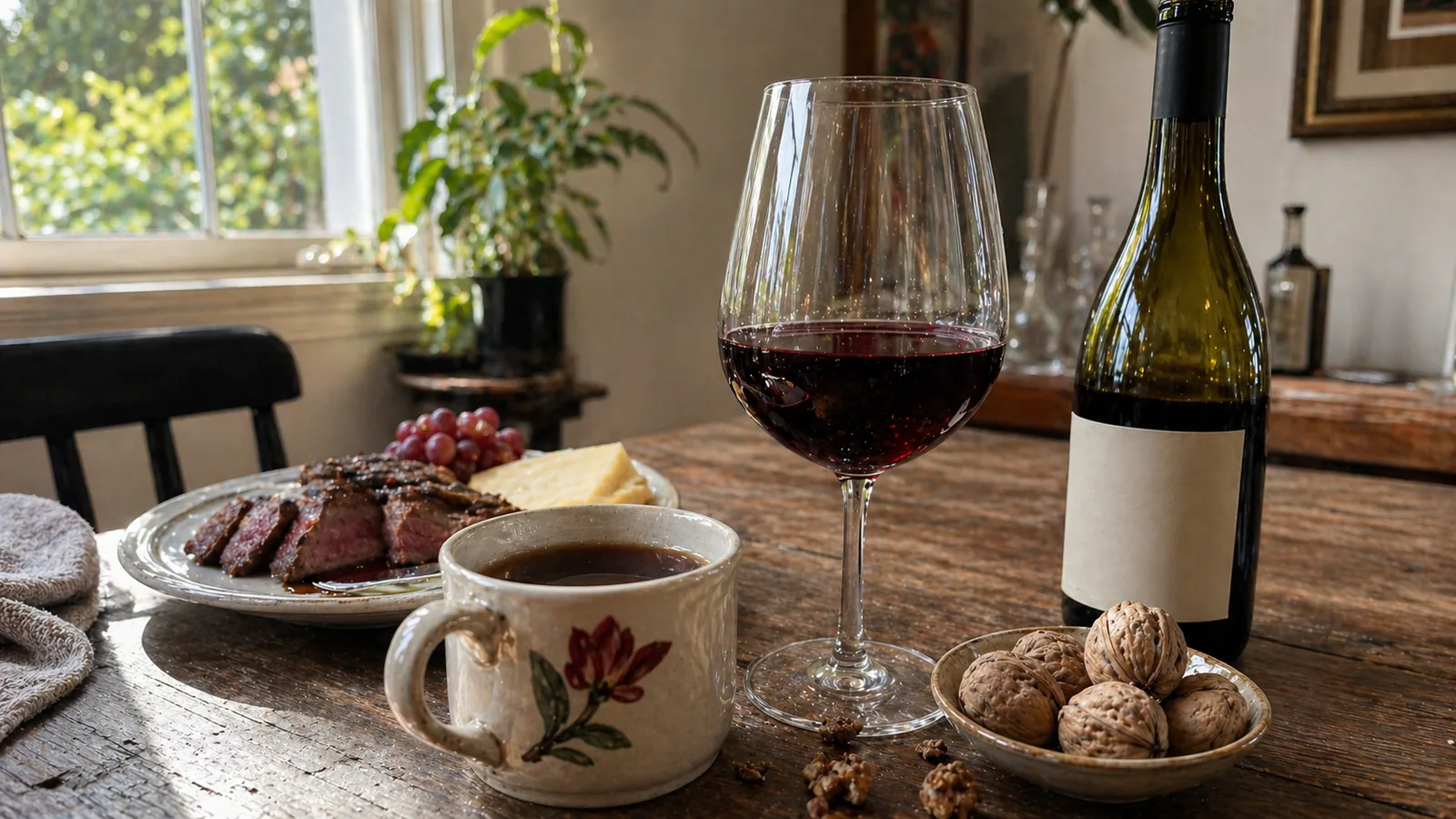
You take a sip of a young Cabernet and your mouth suddenly feels like you swabbed it with a cotton ball. Your gums grip your teeth. Your tongue feels weirdly furry. That’s not the wine being “bad.” That’s tannin doing exactly what tannin does, and once you know what’s happening, you can stop being surprised by it and start using it.
By the end of this page you’ll know:
- The exact mouth sensation that tells you tannins are high, and the sensation people confuse with it every single time
- Why a $14 Malbec can feel smoother than a $40 Barolo (it’s not about quality)
- The four parts of a wine that put tannins in your glass, ranked from gentle to brutal
- The two grapes that make experienced drinkers gasp the first time they taste them young
- Three ways to tame an aggressive red in under 20 minutes without buying a different bottle
- What “tannins integrate with age” actually means, and the rough timeline before a structured red softens up
What Do Tannins Actually Feel Like in Your Mouth?
Tannins are a textural sensation, not a flavour. They don’t taste like cherry or pepper or oak. They make your mouth feel a particular way after the wine is gone.
The cleanest reference point is strong black tea brewed for too long. That dry, almost chalky pull on your gums and the sides of your tongue: that’s tannin. Walnuts with the skins on do the same thing. So does a slightly underripe persimmon, the kind that practically zips your mouth shut.
In wine, the sensation usually shows up at the back of the sip. You swallow, and a moment later your gums feel grippy. Your saliva seems to disappear. Some people describe it as their teeth feeling a little fuzzy. All correct. That’s structure speaking.
People mix tannin up with acidity constantly, and the two are completely opposite sensations. Acidity makes your mouth water. Tannins make your mouth dry. If you sip something and immediately feel saliva pooling at the back of your jaw, that’s acidity. If you feel like your mouth needs a sip of water, that’s tannin. Both are signs of structure, both are good in moderation, but they’re doing different jobs.
You’ll mostly meet tannins in red wine. Whites have very little because winemakers don’t usually leave the grape skins in contact with the juice. Orange wines (whites made like reds, with skin contact) have tannins. Some rosés have a touch. But the headline is: tannin is a red-wine conversation.
Where Do Tannins in Wine Come From?
Four sources, in order from most to least:
Grape skins. This is the big one. Pigment and tannin are concentrated in the skins, which is why thick-skinned grapes like Cabernet Sauvignon, Tannat, and Nebbiolo make tannic wines, while thin-skinned grapes like Pinot Noir and Gamay don’t. The longer the juice sits in contact with the skins during fermentation, the more tannin gets pulled out.
Grape seeds. Every grape has seeds, and they’re packed with sharp, green-tasting tannins. Good winemakers extract carefully so they don’t crush the seeds and ruin the wine. Bad extraction is one of the things that makes a cheap red feel harsh and bitter rather than firm and structured.
Grape stems. Some winemakers ferment with the stems left on (called whole-cluster or whole-bunch fermentation). Done well, this adds savoury complexity and a particular kind of fine, dusty tannin. Done badly, it tastes green and stalky. You’ll see it most in Pinot Noir, Syrah, and some Beaujolais.
Oak barrels. Wood contains tannin too. Ageing a wine in new oak barrels donates tannin to the liquid sitting inside, on top of whatever the grapes brought. This is why an oaked red can feel heavier and grippier than the same wine aged in stainless steel.
The grape itself sets the ceiling. The winemaker decides how close to the ceiling they want to get.
Why Do Tannins Matter in Wine?
Three reasons, and they all matter for how you actually drink the bottle.
First, tannins give a wine structure. A wine without tannins feels flabby and one-note. The grip is what gives a serious red its shape, the way a frame gives a building shape. Soft, jammy reds have their place, but a wine with no structure has nowhere to put complexity.
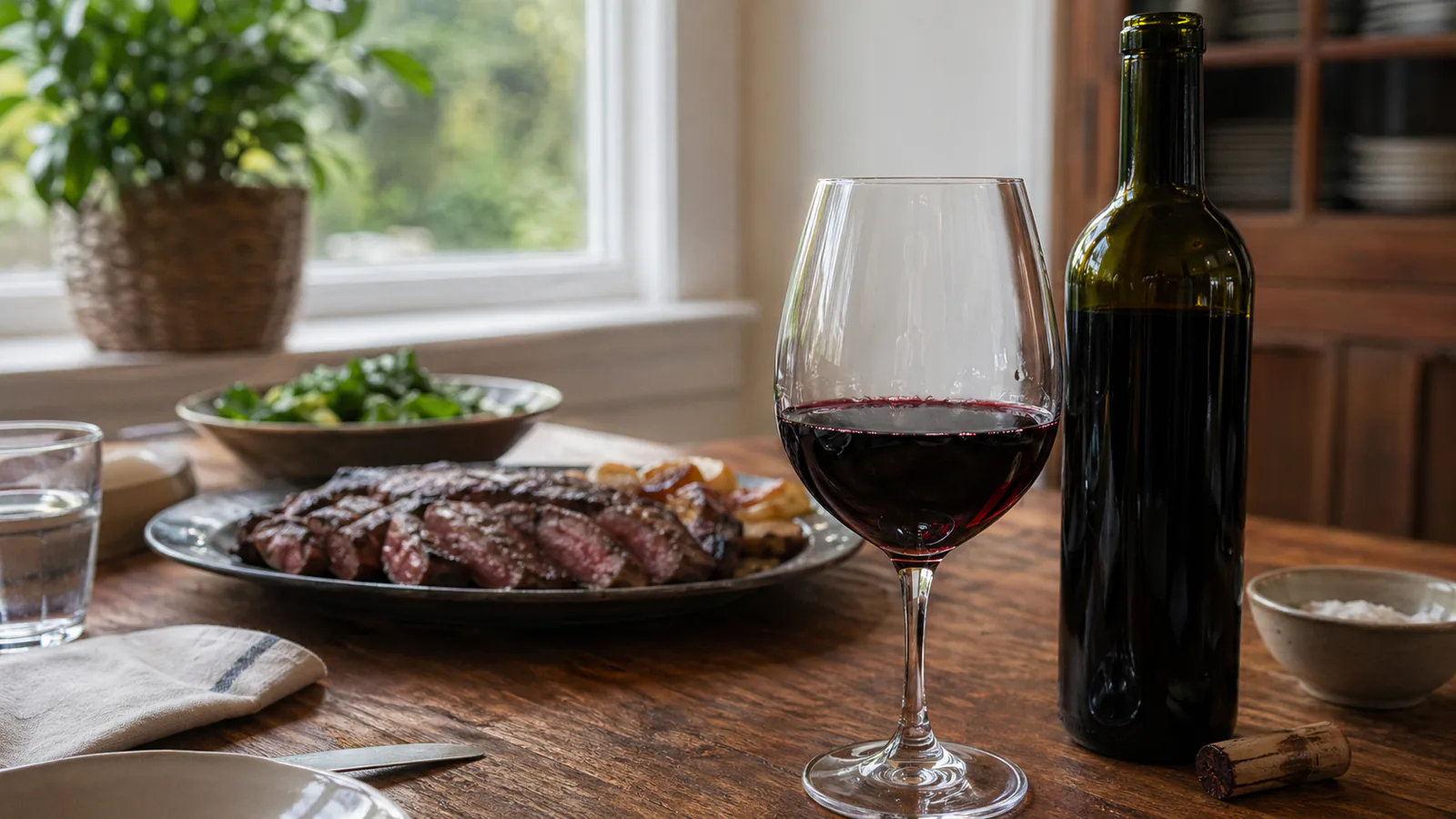
Second, tannins are food’s best friend. They have a chemical affinity for fat and protein. When you drink a tannic red with a fatty steak or a piece of aged cheese, the tannins bind to the fats in your mouth, the wine softens, and the food tastes cleaner. It’s the single most reliable wine-and-food trick there is. A bone-dry Cabernet with a grilled ribeye works because of this.
Third, tannins are what allow a red to age. Over time, tannin molecules slowly link up into longer chains and eventually fall out of the wine as sediment. The grip softens. The fruit settles. The wine you opened at twenty years old tastes very different from the wine you would have tasted at three. Without enough tannin, there’s nothing to age, and the wine just falls apart. This is why a generic supermarket red made for early drinking won’t improve in your cupboard, while a serious Bordeaux can get better for thirty years.
If you’ve ever bought an expensive bottle, popped it, and thought “this tastes weirdly harsh for the price,” you probably opened a tannic wine before its time. The wine wasn’t bad. You met it too early.
What Are the Most Tannic Wines? (And the Least)
Tannin levels vary so much by grape that it’s worth knowing which ones to expect at each end.
The big-tannin reds:
- Cabernet Sauvignon. The classic structured red. Thick skins, plenty of grip, especially when it’s young.
- Nebbiolo (the grape behind Barolo and Barbaresco). Famous for fierce, almost aggressive tannins that take a decade or more to soften. The first time you taste a young Barolo it can feel like you’ve been mugged. That’s normal.
- Tannat. The grape is literally named for its tannins. From south-west France and Uruguay. Brace yourself.
- Sagrantino. A Italian variety from Umbria that makes some of the most tannic wines on earth.
- Syrah/Shiraz. Especially in cooler climates and northern Rhone styles. Aussie Shiraz can be more about ripe fruit, but the tannin is still there.
- Tempranillo in serious Rioja or Ribera del Duero versions.
The low-tannin reds:
- Pinot Noir. Thin skins, light colour, soft grip. The reason Pinot is the gateway red for people who say they don’t like reds.
- Gamay (Beaujolais). Even softer than Pinot. Drinks like fruit juice with personality.
- Grenache. Plenty of fruit, gentle tannin, often blended with grippier grapes for balance.
- Dolcetto. Italian for “little sweet one.” Easy and round.
- Lambrusco. Sparkling red, almost no tannin, very fun.
Two wines made from the same grape can land in completely different places on this scale. A Pinot from a warm vintage with extended skin contact can have more grip than a Cabernet picked early and made for early drinking. The grape gives you the rough range. The winemaker picks the spot inside that range.
How Do You Tame a Tannic Wine?
You opened a young red, took one sip, and felt your mouth seize up. Don’t pour it down the sink. Three quick fixes.
Decant it, or aggressively splash it into a wide glass. Oxygen softens tannins fast. Pouring a young Cabernet through the air and letting it sit in a wide-bowled decanter for 30 to 60 minutes can take the edge off. No decanter? Pour the wine, glass by glass, by holding the bottle high so it splashes.
Eat something fatty with it. This is the food trick I mentioned earlier. A piece of aged cheddar, a slice of duck, a strip of crispy pork belly, a few squares of dark chocolate. The fat binds with the tannins and the wine instantly tastes smoother. A grippy red with the wrong food (a salad, a delicate fish) will feel twice as harsh as the same wine with the right food.
Serve it slightly warmer. Tannins feel harsher when the wine is too cold. If your reds live in the fridge, take them out 20 minutes before pouring. If they live at room temperature in a warm kitchen, pop them in the fridge for 15 minutes. The sweet spot for most structured reds is 16 to 18 degrees Celsius (61 to 64 Fahrenheit), cooler than most rooms, warmer than fridge temperature.
The slowest, most reliable fix is age. Tannins soften over years in the bottle as they polymerise and drop out as sediment. A serious Cabernet at five years old is a different wine to the same bottle at fifteen. If you have the patience and the storage, that’s the move. Most of us don’t, so we decant.
Are Tannins Good or Bad for You?
Tannins themselves aren’t bad. They’re plant compounds called polyphenols, and they show up in tea, coffee, dark chocolate, walnuts, pomegranates, and plenty of foods people love.
A few practical notes worth knowing:
Some people get headaches from red wine and blame tannins. The science is messy. Tannins might be a factor for some drinkers, but histamines, sulfites, dehydration, and just drinking too much are all bigger candidates for most people. If you reliably get headaches from heavily tannic wines and not from softer ones, then yes, tannins might be your trigger. Drink a big glass of water alongside, and if it persists, lighter-styled reds (Pinot, Gamay, Grenache) are kinder.
Tannic wines can stain your teeth more than soft reds. The same compounds that grip your gums latch onto enamel. A swirl of water between glasses helps a lot.
If you’re sensitive to bitterness in tea or coffee, you’ll probably notice tannins more than the average drinker. That’s a feature, not a fault. Your palate is just calibrated finer.
There’s nothing inherently more “natural” about high-tannin or low-tannin wines. Both can be made well, both can be made badly. The choice is about what you enjoy, and what’s on the plate.
How Do You Know If You Like Tannic Wines?
The fastest way: pour two reds side by side. A Pinot Noir and a young Cabernet Sauvignon. Both around the same price, both unoaked or both oaked. Sip the Pinot first, then the Cabernet. The difference in your mouth will be immediate.
If the Cabernet feels too much, you skew to softer reds. Stick with Pinot, Gamay, Grenache, lighter Italian reds like Dolcetto, or Spanish Garnacha for a while. There’s no virtue in forcing yourself to enjoy tannic wines if your palate doesn’t connect with them.
If the Cabernet feels right, like the wine has shape and the Pinot felt thin by comparison, you’re a structured-red person. Lean into Cab, Syrah, Tempranillo, Nebbiolo, and the bigger Italian reds.
If you like both depending on the food and the mood, congratulations. You’re most wine drinkers, and your cellar is going to be more interesting than the people who only ever drink one thing.
Frequently Asked Questions
Are tannins only in red wine?
Mostly, yes. Reds get tannins from extended contact with grape skins during fermentation, which is what makes them red in the first place. Whites are pressed off their skins quickly, so they have very little tannin. Orange wines (whites made with skin contact) carry tannins. Some rosés have a touch if they sat on skins for a while.
Why does my expensive red taste harsher than the cheap one?
Almost always because the expensive red is younger and built to age. Producers making age-worthy wines extract more tannin on purpose, knowing the wine needs that structure to last. Open it now and you taste the youth. Decant it, drink it with steak, or wait a few years.
Do tannins cause red wine headaches?
Maybe, for some people. Histamines, sulfites, dehydration, and just drinking too much are bigger culprits for most. If you reliably get headaches from tannic reds and not from softer ones, drink water alongside and try a Pinot or a Gamay next time. If the headaches stop, you have your answer.
How do you describe tannins in wine?
People use words like “grippy,” “firm,” “drying,” “chewy,” “fine-grained,” “silky,” or “harsh.” All of them describe how the tannins feel in your mouth. “Fine-grained” or “silky” means the grip is there but smooth. “Coarse” or “harsh” means it feels rough and unintegrated. With practice you’ll start picking these textures out without thinking.
Do tannins go away with age?
They soften but don’t disappear. As a wine ages, tannin molecules link into longer chains and eventually drop out as the dark sediment you see in old bottles. The grip gets gentler. A 25-year-old Bordeaux still has tannin, but it’s woven into the wine instead of slapping you in the face.
What’s a good first tannic wine to try?
A mid-priced Cabernet Sauvignon from somewhere like Coonawarra, Napa, or Bordeaux’s Medoc. Drink it with a steak or a hard cheese, and you’ll meet tannin in its best context. A Chianti Classico is another good entry point: structured but balanced by acidity. Skip very young Barolo for your first taste. That’s a black-belt move.
What’s Next?
Now that tannins make sense, the rest of wine’s structure starts clicking into place. Acidity is the mouth-watering counterpart to tannin’s drying grip. Body is the weight of the wine on your palate. Sweetness is the easy one to spot but the trickiest to read off a label.
If you want a guided tour of how all four work together, How to Taste Wine Like You Know What You’re Doing walks you through it in four steps. Or if you want to feel smooth tannins in action, grab a bottle from our best dry red wines list this week and try the 30-minute decant test on it.
Keep Reading
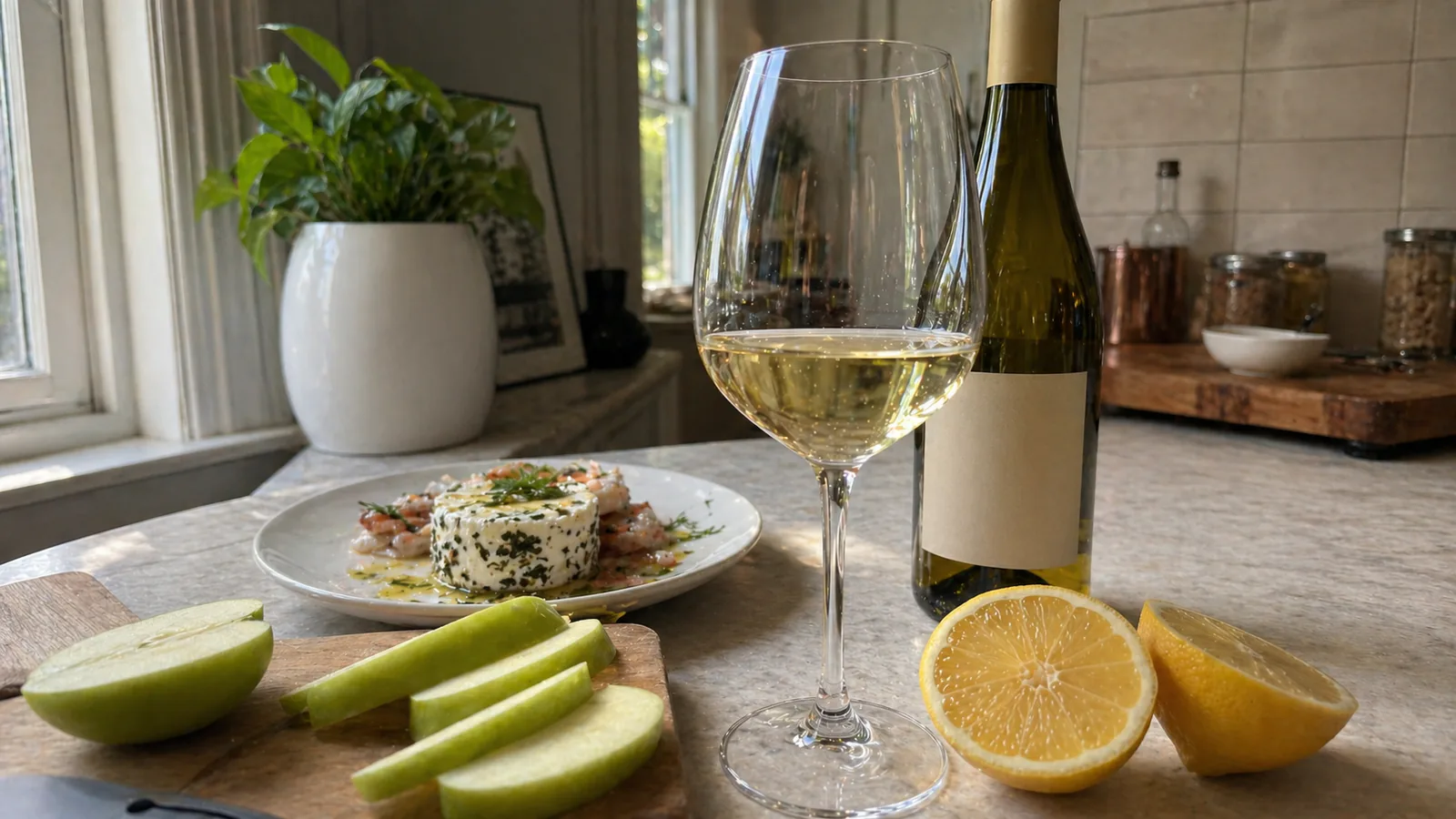
Wine Acidity, Explained: Why It Makes You Salivate
What acidity feels like, why it makes wine taste fresh, and how to use it to pair better with food. No chemistry degree required.
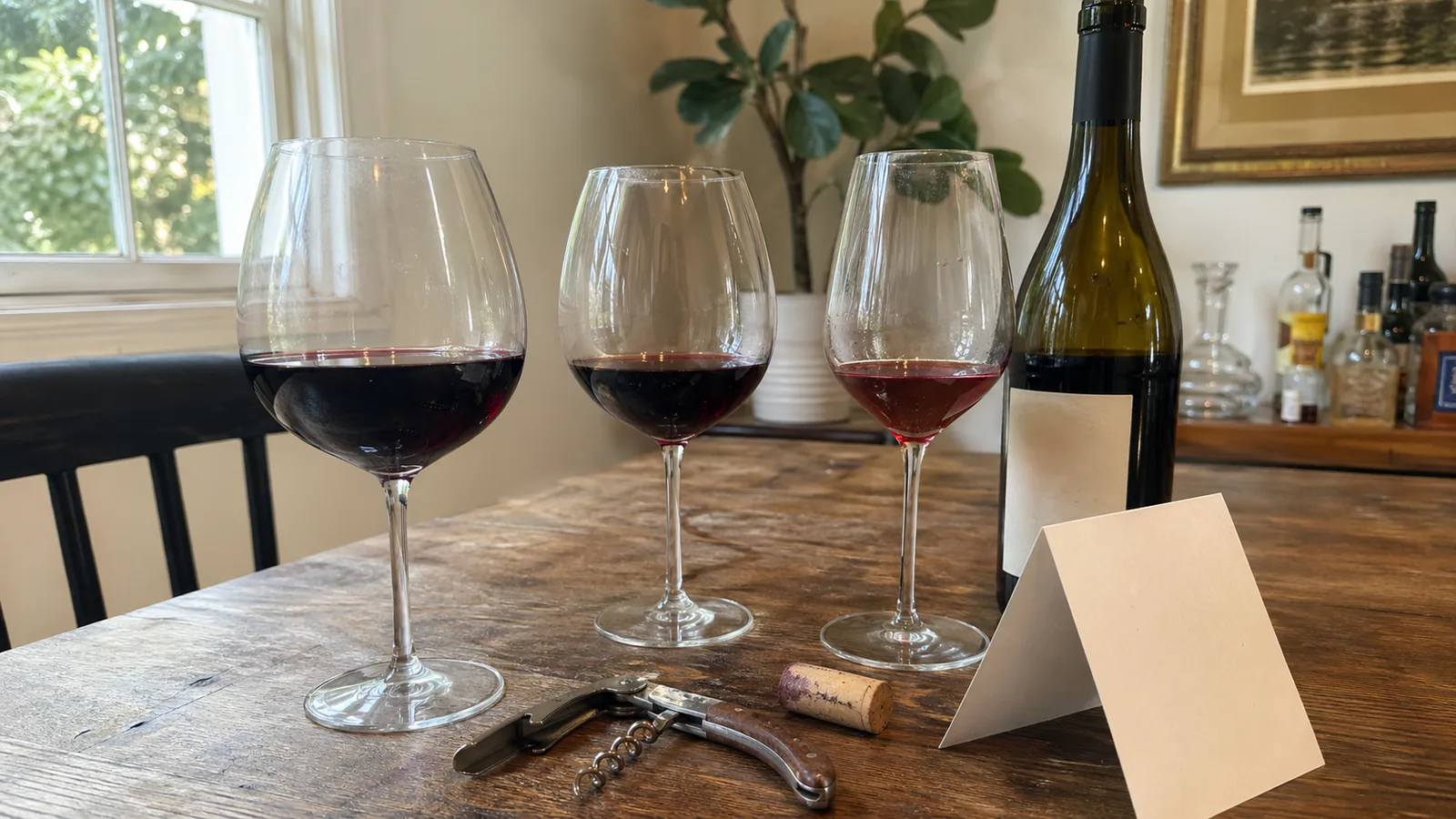
Wine Body Explained: Light, Medium, or Full?
How to tell light, medium, and full-bodied wines apart, what actually causes body, and how to match it to food so dinner stops feeling random.
Cabernet Sauvignon: Taste, Regions, Pairings
What Cabernet Sauvignon tastes like, where the best bottles come from, what to pair it with, and how much to spend. The plain-English guide.