Claire Bennett
Wine Editor10 min read
How Wine Is Made, From Grape to Glass
How wine is made in 5 stages, why reds and whites differ, what fermentation actually does, plus oak, sparkling, and sweet wine explained.
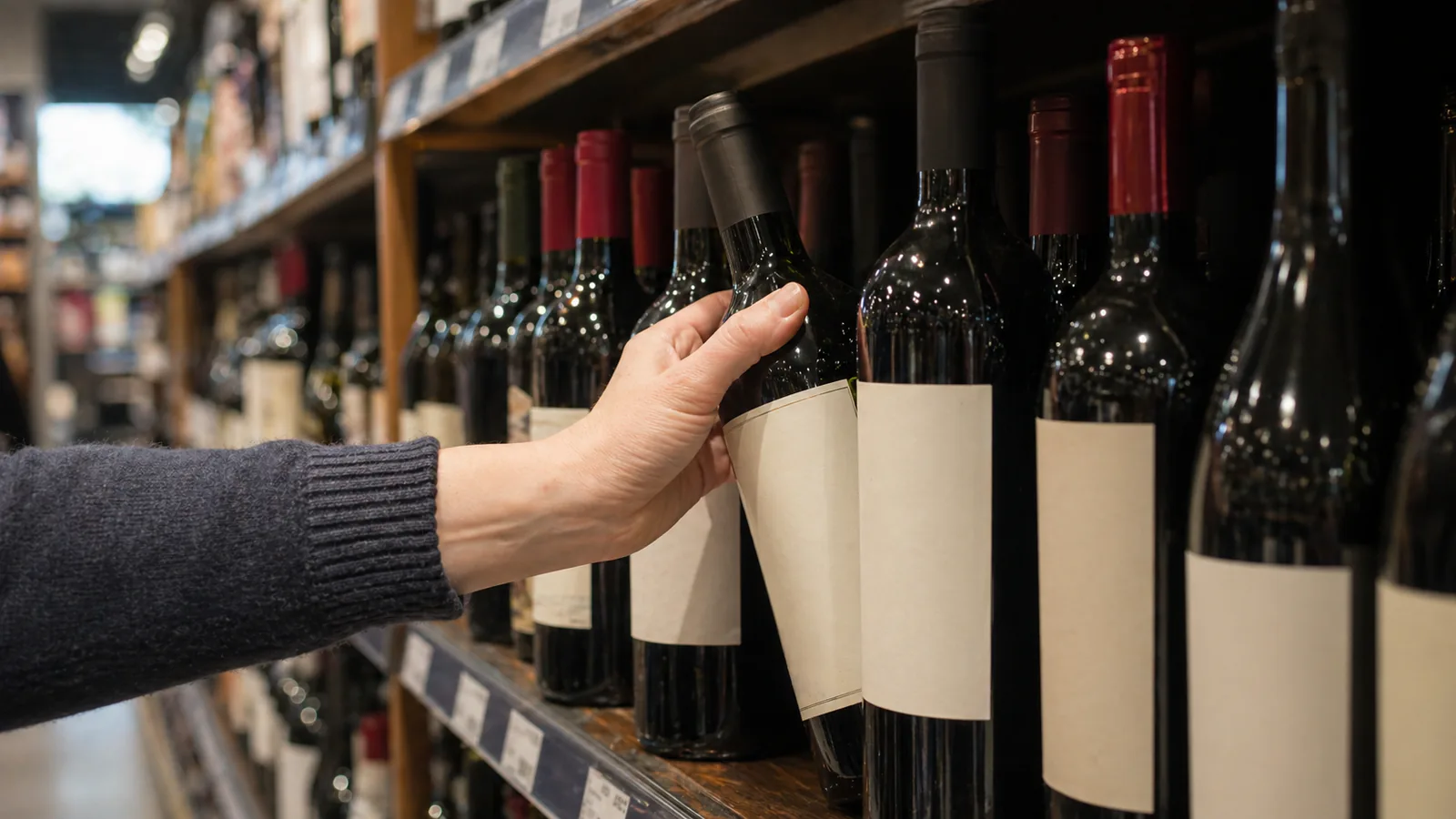
You’ve probably stood in front of a wine wall and wondered why two bottles from the same grape, picked in the same year, taste so wildly different. One is bright and lemony. The other is buttery and rich enough to coat the glass. Same fruit, same harvest, two different drinks. The answer sits in the winery, not the vineyard. Once you understand the five steps every winemaker takes (and the dozen choices they make along the way), the bottle shop starts making a lot more sense.
By the end of this page you’ll know:
- The 5 stages every bottle goes through, in the order they happen
- Why red wine has tannin and colour but white wine doesn’t, even when they start from the same grape
- What yeast actually does to grape juice (it’s grosser than you’d think, in a good way)
- Why some Chardonnays taste like buttered popcorn and others taste like green apple
- The trick winemakers use to turn still wine into Champagne, and the reason it costs so much more
- How sweet wines stay sweet without being sugary plonk
What are the 5 stages of making wine?
Every bottle, from a $9 supermarket Shiraz to a thousand-dollar Burgundy, walks the same path. The hands change. The barrels change. The patience changes. The five steps don’t.
Stage 1: Harvest. The grower picks the grapes when the sugar, acid, and flavour balance hits the sweet spot. Pick too early and the wine tastes thin and tart. Pick too late and you get jammy, high-alcohol fruit with no freshness left. Some growers walk the rows with a refractometer measuring sugar levels daily. Others taste a grape, spit, and say “Tuesday.”
Stage 2: Crush and destem. The grapes go into a destemmer that pops them off their stalks, then a gentle press squeezes out the juice. Whites get pressed quickly so the skins don’t bleed colour or tannin. Reds get crushed and left sitting in their skins, because that’s where all the good stuff lives.
Stage 3: Ferment. This is the chemistry bit. Yeast (either wild from the vineyard or a commercial strain added by the winemaker) eats the sugar in the juice and produces alcohol and carbon dioxide as waste. Fermentation runs anywhere from a few days to a few weeks, depending on the wine.
Stage 4: Age. Once the sugar’s gone, the wine sits. It might rest in stainless steel for a few months to keep things fresh. It might sit in oak barrels for a year or two to pick up vanilla, spice, and softer texture. Big reds sometimes age for three years before bottling.
Stage 5: Bottle. The wine gets clarified, often filtered, sometimes fined, and finally bottled with a cork or screwcap. Some wines are released straight away. Others get more bottle ageing in the winery before they hit shelves.
That’s the spine. Everything else is a variation.
Why does red wine taste different from white wine?
Here’s the surprise: a lot of red and white wines start from differently coloured grapes, but the colour, tannin, and weight you taste in a red wine all come from one decision in Stage 2. Skin contact.
Grape juice itself is almost always pale, even from black grapes. Press a Cabernet Sauvignon grape and the juice that runs out is greenish. The deep ruby colour, the grippy tannins on your gums, the dark berry flavours: those all live in the skins, seeds, and stems.
For red wine, the winemaker leaves the juice macerating with the skins for days or weeks during fermentation. Pigment, tannin, and flavour leach into the juice. The longer the skins stay in, the bigger and darker the wine.
For white wine, the juice gets pressed off the skins almost immediately. No skin contact means no colour, no tannin, and a lighter, fresher style. Rosé sits in the middle: a few hours of skin contact gives you that pink colour and a whisper of red wine character.
What does fermentation actually do?
Fermentation is the magic trick that turns sweet juice into wine. It sounds fancy. It’s actually pretty grimy.
Yeast is a tiny single-celled fungus. Drop it into sugary juice and it starts eating. As it digests the sugar, it pees out (technically: excretes) two things: ethanol (alcohol) and carbon dioxide. The CO2 bubbles off into the air. The alcohol stays in the wine. Hundreds of flavour compounds get produced as side effects, which is why fermented juice tastes like wine and not just boozy grape soda.
The yeast keeps eating until one of three things happens: it runs out of sugar, the alcohol level gets so high it kills the yeast, or the winemaker chills the tank and stops the process on purpose. That third move is how you make a wine sweet on purpose, which we’ll get to.
Two strains matter for flavour. Wild yeast lives on the grape skins and in the winery and gives unpredictable, often funky and complex results. Cultured yeast is a lab-isolated strain the winemaker adds in a controlled dose, giving cleaner and more consistent fermentation. Both make great wine. They just give the winemaker different reins to pull on.
What does oak ageing add to wine?
Oak is one of the loudest flavour decisions a winemaker can make. A wine aged in stainless steel and the same wine aged in new French oak barrels taste like two different drinks.
Oak does three things at once. First, it adds flavour: vanilla, baking spice, toast, coconut, sometimes smoke or coffee, depending on where the oak grew and how heavily it was charred. Second, it lets a tiny amount of oxygen creep into the wine, which softens harsh tannins and adds nutty, dried-fruit complexity. Third, the wood compounds give the wine more grip and structure on the palate.
New oak barrels add the most flavour. Older “neutral” barrels (used three or four times already) give you the texture benefits without dumping vanilla and toast into the glass. American oak tends toward sweet vanilla and dill. French oak skews toward subtle spice and toast. Hungarian oak sits in between and costs a lot less, which is why you’ll see it more on midrange bottles now.
This is why two Chardonnays can taste so different. One sits in stainless and gives you crisp green apple and citrus. The other ages 18 months in new French oak and tastes of buttered toast, vanilla, and roasted nuts. Same grape, totally different beast.
What is malolactic fermentation in plain English?
After regular fermentation finishes, some wines go through a second fermentation called malolactic. Despite the name, no alcohol gets made here. A type of bacteria converts the sharp, green-apple-tasting malic acid in the wine into softer, creamier lactic acid (the same acid in milk and yoghurt).
The result: the wine feels rounder, fuller, and less tart on your tongue. In Chardonnay, it’s the move that creates that classic “buttery” character (a flavour compound called diacetyl gets produced in the process, and yes, it’s the same stuff used to flavour movie popcorn).
Almost every red wine goes through malolactic on purpose. For whites, it’s a style call. Crisp, zingy whites like Sauvignon Blanc or Riesling usually skip it to keep the acidity sharp. Bigger whites like Chardonnay or Viognier often get full malolactic to add weight.
Why are some wines filtered and others aren’t?
Once fermentation and ageing finish, the wine still has tiny solids floating in it: dead yeast cells, grape proteins, leftover bits. Most winemakers clarify the wine before bottling.
Fining uses a clarifying agent (egg whites, bentonite clay, casein from milk, or a vegan alternative) that binds to the floating particles and pulls them out as sediment. Filtering physically pushes the wine through a fine mesh that catches anything bigger than the pores.
Mass-market wines are usually fined and filtered hard, which gives a perfectly clear, stable bottle that won’t surprise anyone. Some natural and small-batch winemakers skip both steps. The result is often a hazier wine with more texture and a touch more funk, but a higher chance of showing sediment or evolving in unexpected ways. Neither approach is “better.” It’s a stylistic choice about how clean or expressive you want the final bottle to feel.
How is sparkling wine made?
Sparkling wine is still wine that’s been fermented twice. The first fermentation makes a base wine, the same as any other. The bubbles come from the second.
The traditional method (used for Champagne, Cava, and most quality sparkling) bottles the still base wine with a small dose of sugar and yeast, then seals it. The yeast eats the sugar, makes alcohol and CO2, and because the bottle is sealed, the CO2 has nowhere to go. It dissolves into the wine as fizz. The bottle then sits on its dead yeast cells (called lees) for years, which gives Champagne its toasty, brioche character. Eventually the lees get frozen into the neck and disgorged.
The tank method (used for Prosecco) does the same second fermentation, but in a giant pressurised tank instead of individual bottles. Quicker, cheaper, and gives a fresher, fruitier style with bigger bubbles.
This is why a quality Champagne costs $60+ and a Prosecco costs $15. The traditional method takes years of cellar time and human labour per bottle. The tank method takes weeks.
How do winemakers make sweet wine?
Dry wine has almost no sugar left in it because the yeast ate it all. Sweet wine has sugar left, and there are three main ways to leave it there.
Stop fermentation early. Before the yeast finishes the sugar, the winemaker chills the tank or adds a dose of sulphur to halt the yeast in its tracks. The wine stays sweet because there’s still sugar to taste. Most off-dry Rieslings and Moscato get made this way.
Late harvest. The grapes get left on the vine well past normal harvest, sometimes until frost. They concentrate sugar and flavour to the point where the yeast can’t eat all of it before alcohol levels stop fermentation naturally. The result: rich, honeyed dessert wines like Sauternes (which gets a hand from a fungus called noble rot) and German Spätlese.
Ice wine. Grapes are left on the vine until they freeze solid, then pressed while still frozen. The water stays as ice in the press. Only the concentrated, syrupy sweet juice runs out. It takes a tonne of grapes to make a tiny amount of ice wine, which is why a half-bottle costs as much as a great Bordeaux.
Frequently Asked Questions
How long does it take to make wine?
From harvest to bottle, the fastest commercial wines get there in around three to six months. Big reds often take two to three years. Vintage Champagne can sit in cellar for five years or more before release. The grape doesn’t change. The patience does.
Are grapes the only ingredient in wine?
The grape juice is the headline, but most wines also include yeast (added or wild), small amounts of sulphur dioxide as a preservative, and sometimes fining agents that get removed before bottling. By weight, the bottle is essentially fermented grape juice with trace additions for stability.
What’s the difference between Old World and New World wine?
Old World refers to traditional European regions like France, Italy, and Spain, where wines are usually labelled by place (Burgundy, Chianti) and tend to be lower in alcohol with more earthy, savoury character. New World refers to everywhere else (Australia, the US, Chile, New Zealand), where wines are labelled by grape and tend to lean fruitier and bigger. The winemaking is similar. The climate and tradition give different results. The full breakdown lives in Old World vs New World wine.
Is organic or natural wine made differently?
The five core stages stay the same. Organic wines use grapes grown without synthetic pesticides or fertilisers, and most also limit additives in the cellar. Natural wines push further, often using only wild yeast, no fining or filtering, and minimal or zero added sulphur. They can taste cloudier, funkier, and more alive, which some drinkers love and others don’t. (Organic vs natural vs biodynamic wine breaks down which label changes what’s in the glass.)
Why do some wines have sediment in the bottle?
Older red wines and unfiltered wines often throw a sediment of pigment, tannin, and tartrate crystals over time. It’s harmless, but gritty. Stand the bottle upright for a day before opening, then pour gently or decant off the sediment for a clean glass.
Now that you know how the wine in front of you got there, the next thing worth understanding is how blends work, because most of the wines you drink are actually wine blends of two or more grapes rather than single varieties.
Keep Reading
Old World vs New World Wine: What's Different
Old World vs New World wine, finally explained without snobbery. Taste, price, label rules, and the one-sip test that tells you which is which.
Organic vs Natural vs Biodynamic Wine, Explained
Organic, natural, biodynamic. What each label actually means, what they taste like, and whether any of it gives you fewer hangovers.
Wine Blends Explained: Bordeaux, GSM, and More
What makes a wine blend, why winemakers blend, and how to read a blend label. Covers Bordeaux, GSM, Champagne, Rioja, and the 75% labelling rule.