Claire Bennett
Wine Editor4 min read
How to Taste Wine Like You Know What You're Doing
Four steps to actually tasting wine. What to pay attention to so you can tell good from great, without the pretension.
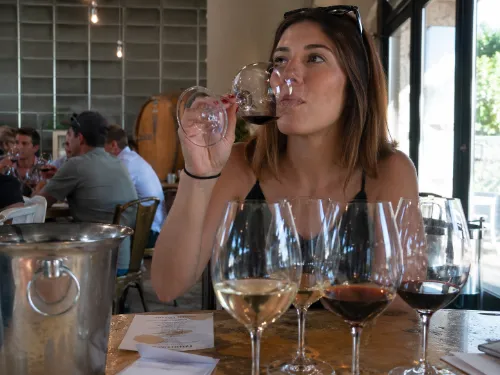
Most people drink wine. Very few people actually taste it. The difference isn’t talent or training. It’s just slowing down for about 30 seconds before you take that first sip.
Do that, and you’ll start noticing things you’ve been missing. You’ll figure out why you love some bottles and hate others. And the next time someone asks what you think of a wine, you’ll have something better to say than “yeah, it’s good.”
Here’s how, in four steps.
Step 1: Look at it
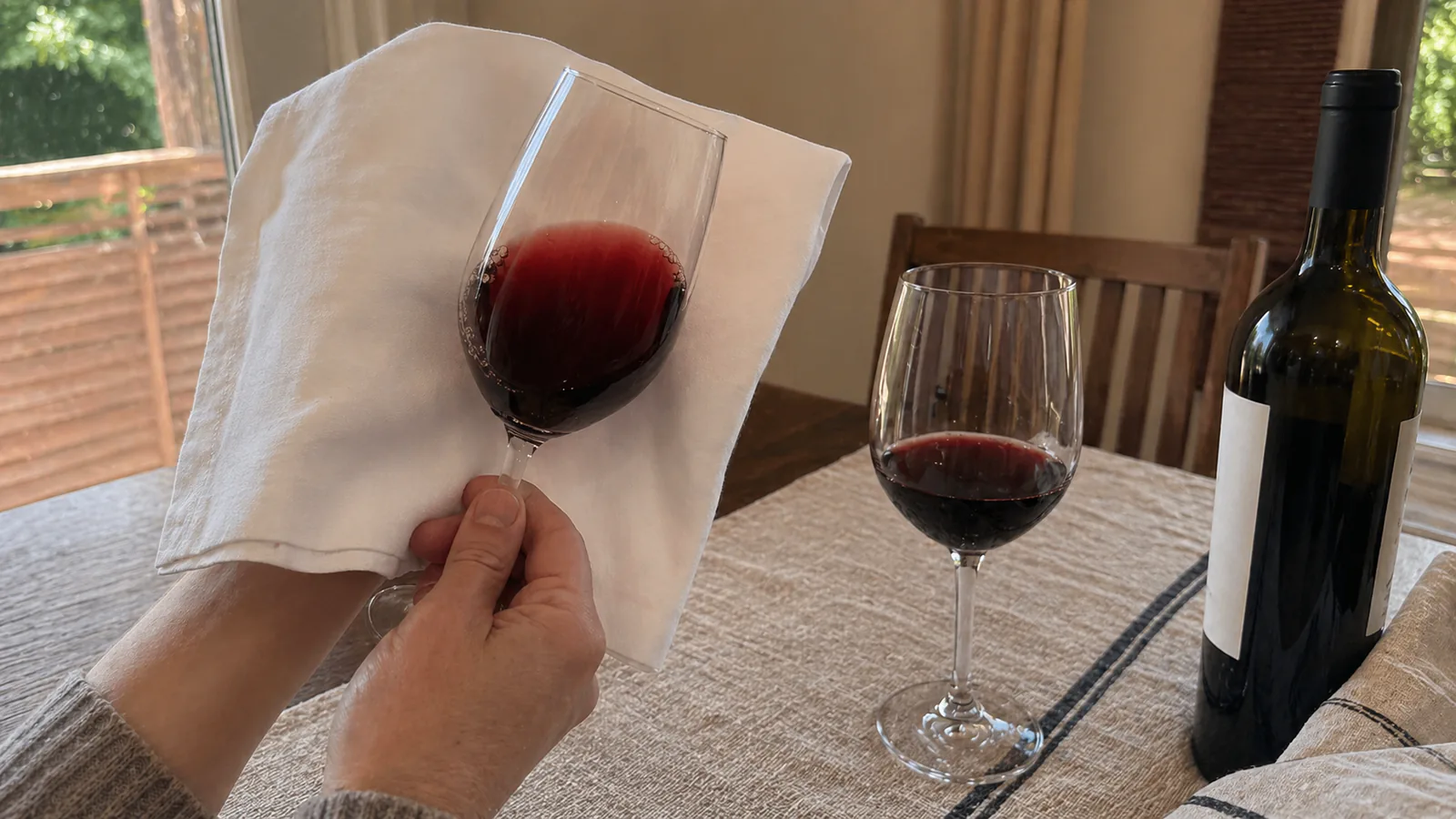
Hold your glass against something white. A napkin, a tablecloth, the wall. Tilt it slightly and look at the colour.
You’ll pick up more than you’d expect. A deep, inky ruby? That’s probably a big, full-bodied red. Think Cabernet or Syrah. Pale, almost see-through red? Lighter style, maybe Pinot Noir. A white that’s nearly water-clear is probably young and crisp. Golden or straw-coloured? Could be oaked, older, or both.
Now swirl the glass and watch the streaks run back down. Those are called “legs,” and despite what some people will tell you, they’re not a quality indicator. They just tell you about alcohol and sugar content. Thicker, slower legs = more of both.
Step 2: Smell it (this is where the magic is)
Here’s the thing most people skip: your nose does about 80% of the work in tasting. Skip the smelling and you’re basically tasting with one hand tied behind your back.
Smell first without swirling. The quieter aromas, like floral notes and subtle fruit, show up here and vanish once you start agitating the wine.
Then swirl and smell again. This is the full picture: the bigger fruit, the spice, the oak, the earthiness.
In reds, look for: dark fruit (blackberry, plum, cherry), spice, leather, dried herbs, vanilla or toast from oak ageing.
In whites, look for: citrus, stone fruit (peach, apricot), green apple, floral notes, mineral character, and any buttery or toasty notes from oak.
Step 3: Taste it (and actually pay attention)
Take a small sip. Let it sit on your tongue for a few seconds. Resist the urge to immediately swallow and reach for the cheese.
You’re feeling for five things:
- Sweetness: right on the tip of your tongue. Most “dry” wines have very little, but you’d be surprised how many have a touch.
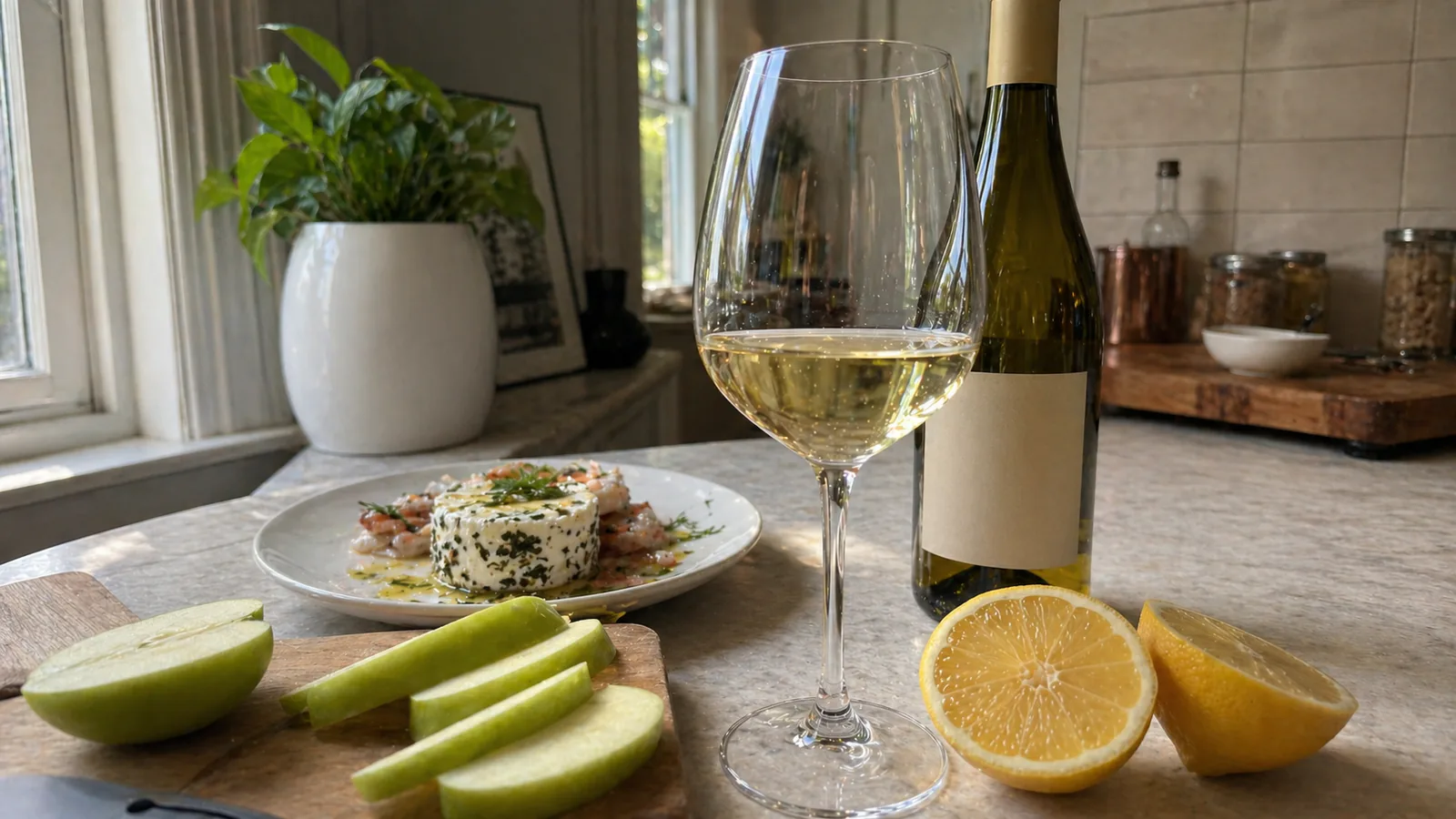
- Acidity: that mouth-watering tartness. High-acid wines make your mouth water like biting into a green apple. Low-acid wines feel flatter, rounder. There’s a deeper dive in wine acidity explained if you want to learn how to spot it on a label.
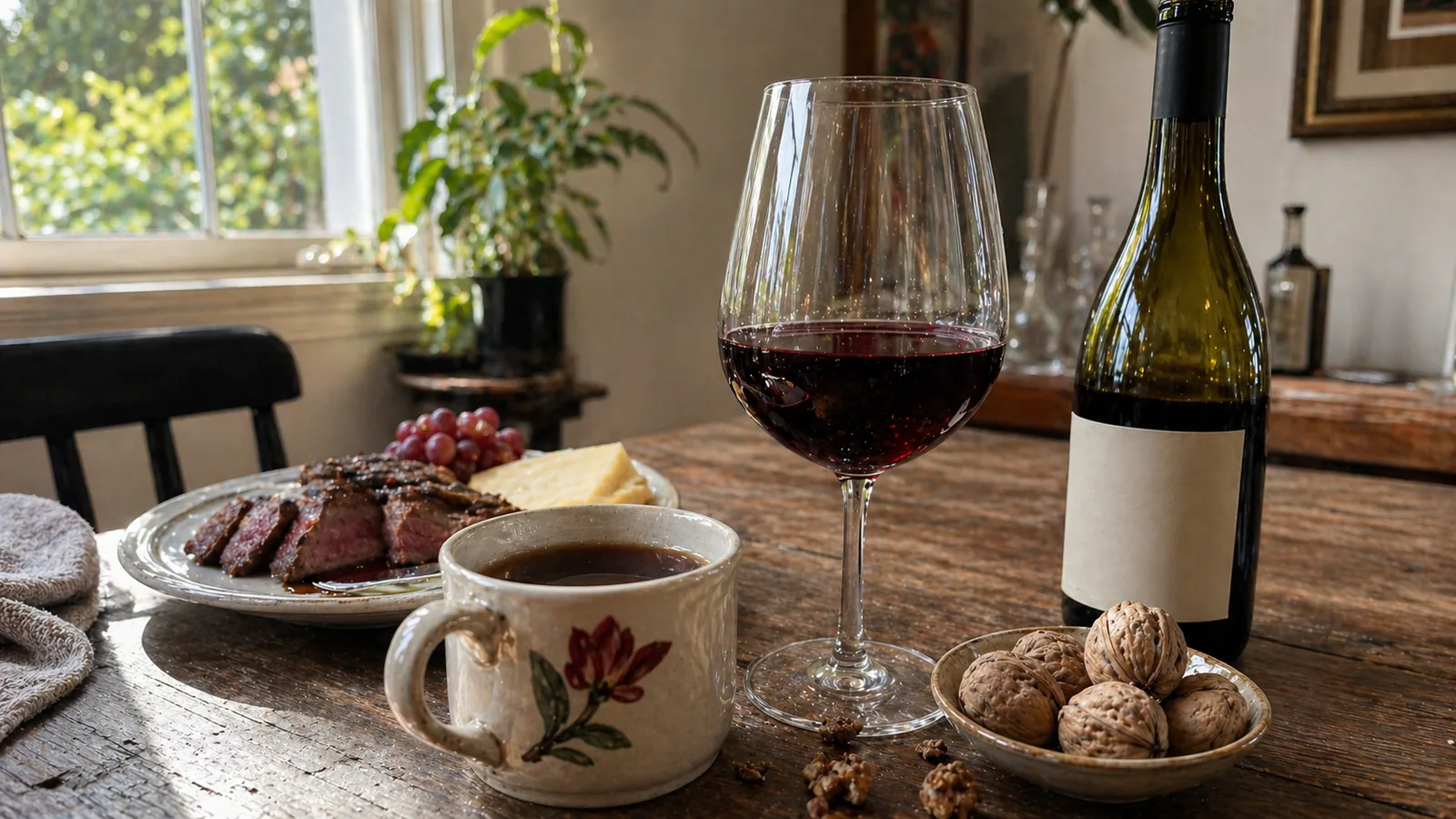
- Tannins: the drying, grippy sensation in your gums and cheeks. Think oversteeped black tea. You’ll find this in reds, rarely in whites. The full breakdown lives in tannins in wine, explained.
- Body: how heavy or light the wine feels in your mouth. Skim milk vs whole milk. That’s body.
- Alcohol: felt as warmth at the back of your throat. Higher alcohol = more warmth.
Step 4: Notice the finish
Swallow. Now pay attention to what happens next.
How long do the flavours stick around? A wine that disappears in two seconds is usually simpler. That doesn’t mean bad, just straightforward. A wine that lingers for 30 seconds or more, with flavours that shift and evolve as you sit with it? That’s usually a sign of something well-made with real depth.
The best wines have a finish that surprises you. You’ll notice something new a few seconds after swallowing that you didn’t catch on the initial taste.
Now what?
You don’t need tasting sheets or scoring systems. The whole point is to build a mental map of what you enjoy and why, so the next time you’re staring at a wall of bottles, you’re not guessing.
The fastest way to train your palate: grab two or three wines of the same grape from different regions or producers. Taste them side by side. The differences jump out when you have something to compare against. A purpose-built wine tasting kit can shortcut this if you want a structured set of reference flavours.
Once you can tell the difference between a $12 Malbec and a $25 one, and explain why you prefer one, you’re tasting wine. That’s it. No certification required.
Keep Reading
Tannins in Wine, Explained Without the Jargon
What tannins actually feel like, where they come from, and how to handle them so your big reds taste smoother and pair better with food.
Wine Acidity, Explained: Why It Makes You Salivate
What acidity feels like, why it makes wine taste fresh, and how to use it to pair better with food. No chemistry degree required.
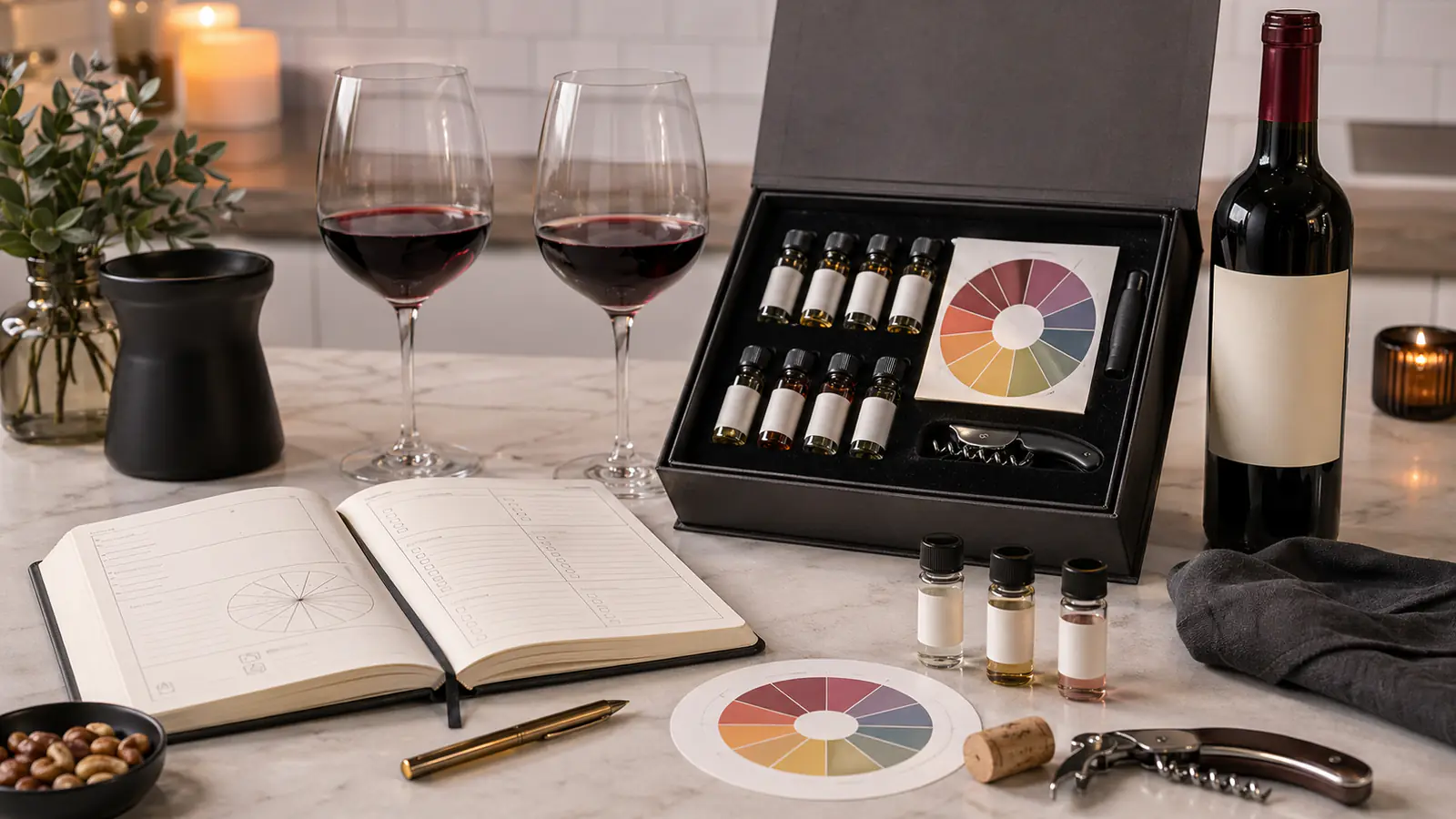
Best Wine Tasting Kits: 5 Gifts for Wine Lovers
Five wine tasting kits ranked by use case: aroma wheels, journals, blind tasting party kits, and sommelier-grade aroma sets.