Claire Bennett
Wine Editor24 min read
Best Wine for Beginners: An 8-Bottle Starter Kit
Eight beginner-friendly wines covering red, white, rosé, and sparkling. Approachable picks from $17 to $28.
If you’re new to wine, the problem isn’t that there aren’t good bottles. It’s that there are thousands of bottles, and half of them are marketed with language that makes you feel dumb for asking. “Expressive minerality.” “Tertiary notes.” Skip it all.
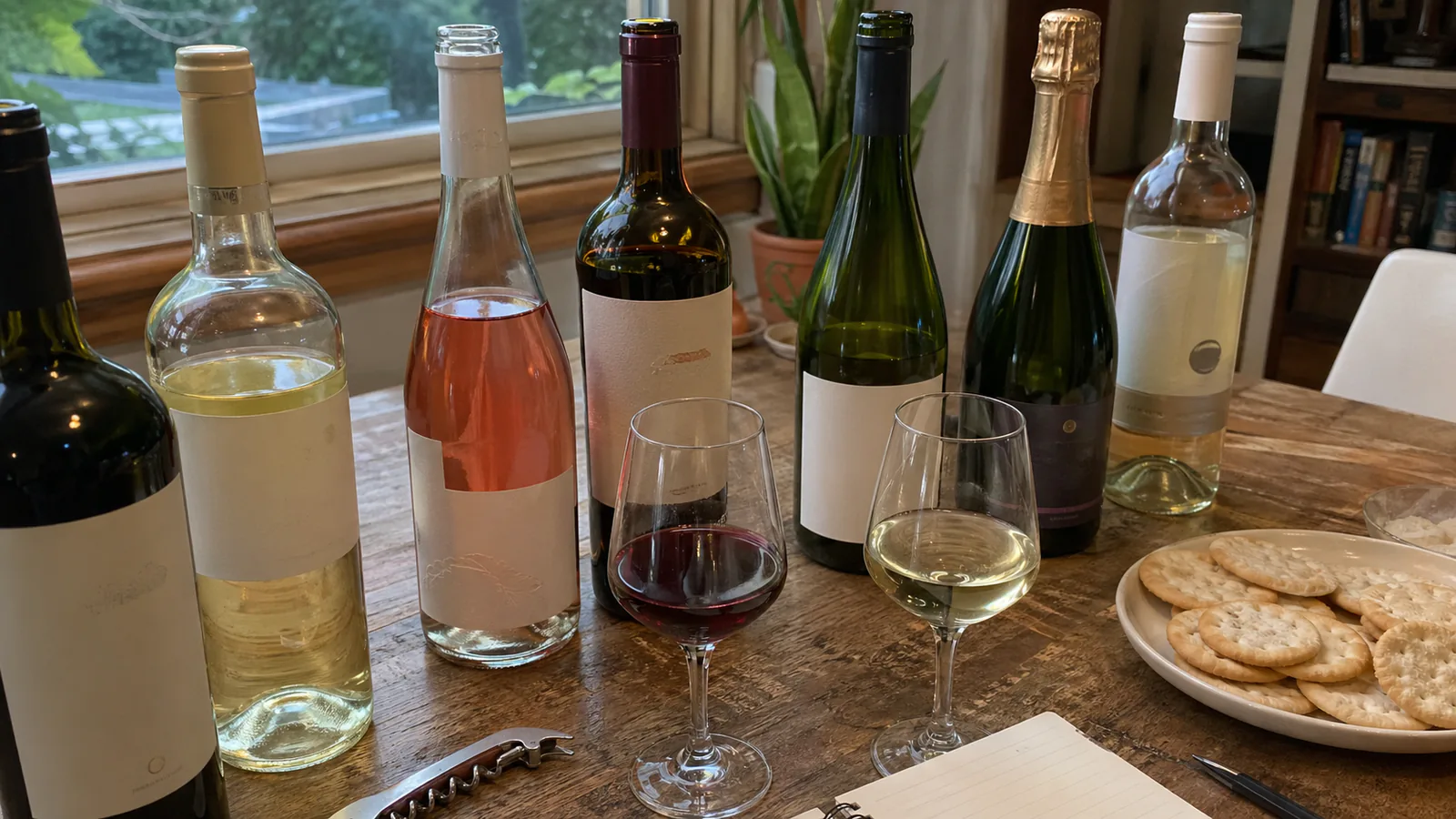
Wine breaks down into four broad categories: red, white, rosé, and sparkling. Inside each, there are a handful of grape varieties that tend to suit beginners. The fastest way to figure out what you actually like is to try one bottle from each major style, then notice which clicks hardest.
These eight bottles are that starter kit. Every one is picked for approachability and clarity. Every one lands between $17 and $28. Work through them over a month and you’ll know your own taste better than 90% of wine drinkers.
Our Top 3 Picks

Sur de los Andes Reserva Pinot Noir 2022
Patagonia, Argentina · Pinot Noir
93 pts Wilfred Wong


Chateau d'Esclans Whispering Angel Rose 2024
Provence, France · Rosé
92 pts James Suckling
Prices vary by state. Click through for your current price.
1. Sur de los Andes Reserva Pinot Noir 2022 (Red, light-bodied)
Pinot Noir is the friendliest red grape: low tannin, bright cherry fruit, nothing harsh about it. This Patagonian Pinot leans closer to a light French Burgundy than a big California version. Wilfred Wong scored it 93, James Suckling 92, and 60+ customers rate it 4.4 stars. Serve slightly cool (15 minutes in the fridge) and pair with roast chicken, grilled salmon, or a mushroom risotto.
2. BenMarco Malbec 2022 (Red, medium-bodied)
When you’re ready for more body and darker fruit, Malbec is the next stop. Argentina’s Uco Valley Malbec combines soft tannins with bold plummy fruit. James Suckling 93, Vinous 91, Wine Spectator 90. Pair with grilled lamb, beef empanadas, or a charcuterie board.
3. Santa Margherita Pinot Grigio 2024 (White, crisp)
The iconic beginner white. Crisp, clean, green apple and lemon with a mineral finish. Drink it cold from the fridge. Pair with salads, light pasta, or seafood.
4. Grand Napa Vineyards Sauvignon Blanc 2025 (White, bright)
If Pinot Grigio feels too neutral, Sauvignon Blanc is the bright, aromatic sibling. This Napa version has stone fruit, pink grapefruit, and a long finish. 4.7 stars from 59 verified buyers. Tasting Panel 92, Wilfred Wong 91. Pair with goat cheese, scallops, or a citrus salad.
5. Eroica Riesling 2024 (White, off-dry)
Riesling can be bone-dry or unapologetically sweet. Eroica is off-dry: a touch of sweetness balanced by zingy acidity. The collaboration between Washington’s Chateau Ste. Michelle and Germany’s Dr. Loosen puts German Riesling tradition on Washington fruit. Peach, lime zest, honeyed edge. Pair with Thai curries, roast pork, or blue cheese.
6. Grand Napa Vineyards Los Carneros Chardonnay 2024 (White, full-bodied)
The cool-climate Chardonnay that shows beginners why the grape is interesting. Green apple, lemon curd, a whisper of hazelnut, and clean acidity. Top 100 of 2025. Tasting Panel 94, Wilfred Wong 91, 213 verified buyers at 4.3 stars. Pair with roast chicken, crab cakes, or creamy pasta.
7. Chateau d’Esclans Whispering Angel Rose 2024 (Rosé)
The bottle that made dry Provence rosé a default order in American restaurants. Sacha Lichine’s Côtes de Provence estate has been defining the category for two decades. James Suckling 92. Pale salmon, peach skin, white flowers, chalky mineral finish. Works for summer lunch, aperitif, or a boat-deck pour.
8. Damilano Moscato d’Asti 2024 (Sweet sparkling)
Moscato d’Asti covers both the sweet and the sparkling categories in one pour. Low-alcohol (around 5.5%), lightly fizzy, and tastes like peach, orange blossom, and honey. Serve cold. Pair with fresh fruit, light desserts, or brunch.
How to Use This Starter Kit
The goal isn’t to drink all eight in a weekend. It’s to try one per week for a couple of months, pay attention to which ones you actually want a second glass of, and build from there.
Week 1-2: The reds
Try the Pinot Noir first, then the Malbec. Notice which has more tannin grip (the Malbec), which has more bright fruit (the Pinot). Both serve slightly cool. If you hated both, red wine might not be your category. Skip ahead to whites or rosé.
Week 3-5: The whites
Pinot Grigio first (it’s the most neutral). Then Sauvignon Blanc (more aromatic). Then Chardonnay (fuller, oakier). If one of these clicks harder than the others, you’ve found your white-wine lane.
Week 6: Riesling
Off-dry Riesling is its own category. If you liked Pinot Grigio and Sauvignon Blanc but wanted a little more sweetness, this is your bottle. If you hated sweet notes, skip.
Week 7: Rosé
Provence rosé drinks differently from reds and whites. Peach, white flower, mineral finish. If rosé has burned you before (usually because you had a sweet White Zinfandel and thought that was rosé), this is the reset button.
Week 8: Sweet sparkling
Moscato d’Asti is the gentlest introduction to both sparkling wine and sweet wine in one bottle. If you like it, the next step is exploring Prosecco and drier sparkling styles. If you don’t, you’ve learned something too.
More Wine Basics for Beginners
Red vs white vs rosé vs sparkling: the actual differences
- Red wine is fermented with the grape skins, which gives it colour and tannin. More structure, more body, more grip.
- White wine is fermented without the skins (or with brief contact). Lighter, crisper, less tannin.
- Rosé is made from red grapes with very brief skin contact. Gets the pink colour but minimal tannin. Sits between red and white in body.
- Sparkling wine can be any colour; the bubbles come from a second fermentation (Champagne method) or a closed-tank method (Prosecco, most Moscato).
The grape varieties every beginner should know
- Reds: Pinot Noir, Malbec, Merlot, Cabernet Sauvignon, Sangiovese (Chianti), Tempranillo (Rioja), Grenache, Gamay (Beaujolais).
- Whites: Pinot Grigio, Sauvignon Blanc, Chardonnay, Riesling, Moscato, Gewürztraminer, Albariño.
- Rosé: made from red grapes, most commonly Grenache, Syrah, Cinsault (Provence).
Serving temperatures that matter
- Sparkling and Moscato: 40–45°F (very cold)
- Crisp whites and rosé: 45–50°F
- Fuller whites (Chardonnay): 50–55°F
- Reds: 60–65°F (cooler than most US room temperatures; 15 minutes in the fridge helps)
What to write down as you taste
Keep notes. For each new bottle:
- Producer, grape, region, vintage
- First impression (crisp? fruity? sweet?)
- Dominant fruit (cherry? apple? peach?)
- Finish length (short? lingering?)
- What you ate with it
- Would you buy again?
After ten bottles, you’ll see patterns. After twenty, you’ll have a default wine list you can order from confidently at any restaurant.
Avoid the snob traps
Wine culture has a lot of gatekeeping built in. Ignore it. You don’t need to swirl for 30 seconds, decant every bottle, or know a Burgundy village from a Bordeaux commune. You need to know what you like and be able to describe it in plain words.
Getting into wine: practical next moves
Getting into wine is about habits, not credentials. Here’s how a new wine drinker develops real wine knowledge without getting lost in jargon:
- Pick one wine style at a time. A guide for beginners like this one gives you doorways. Walk through one at a time.
- Pay attention to taste in wine. Every wine you try, note the dominant flavour: red fruit (cherry, raspberry), dark fruit (blackberry, plum), tropical fruit (pineapple, mango), or stone fruit (white peach, apricot).
- Visit a wine shop with a knowledgeable clerk. Good wine shops have staff who will pull a great wine you wouldn’t have found on your own. Name your budget and your favourite wine so far.
- Use a wine club only when you’re ready. Wine clubs are great after you know your preferences. Before that, they often ship types of wine you don’t actually like.
- Keep a wine list of your favourites. Notes on your phone are fine. After 20 wines to try, patterns emerge.
How wine is made, in one paragraph
Wine is made by fermenting grape juice from wine grapes. White grapes give white wine; made from red grapes, you get red wine. White wines are usually made without skin contact, pressed directly. Red wine is made with skins, which give it colour and phenolic content (tannin). Red wine is produced with extended skin contact for bold red styles, brief contact for lighter styles. Winemaking choices (fermentation in oak vs stainless, ripeness at harvest, time on the lees) shape the finished wine. Sparkling wine gets bubbles from a second fermentation.
Common wine tasting descriptors
The aroma of wine (the “nose”) plus the flavour on the palate give the full picture. Common wine tasting descriptors include:
- Red fruit flavors: cherry, raspberry, strawberry
- Dark fruit: blackberry, plum, blackcurrant
- Tropical fruit: pineapple, mango, lychee (aromatic whites)
- Citrus: lemon, lime, grapefruit
- Stone fruit: white peach, nectarine, apricot
- Floral: rose, violet, orange blossom
- Other: vanilla, chocolate, honey (oak or ripeness signals), smoke, mineral, saline
Three descriptors per wine is plenty.
Pink wines and rose wine
Pink wines (labelled as rose wine or rosé) are made from red grapes with minimal skin contact. Provence rosé is the benchmark: dry, mineral, peach-and-white-flower. White Zinfandel is a sweeter, simpler style that many beginners met first and wrote rosé off entirely. Real rose wine is its own category.
Red or white? A simple framework
“Red or white” is the first question you’ll be asked at any dinner. Red and white wines shine in different moments. Red and white aren’t in competition: most good meals call for one or the other depending on the food. A light-bodied red (like Pinot Noir) can drink almost like a crisp white wine in the food-pairing sense. A full-bodied red wine (like Cabernet) pairs differently. Temperature matters almost as much as colour.
Easiest wines to drink as a beginner
The easiest wines to drink for a beginner share a few features: moderate alcohol (12–13.5% ABV), easy to drink fruit profile, smooth red wine tannins or crisp acidity on the white side, and a clean finish. A good local wine from a smaller producer is often a great wine at the same price point as a supermarket brand. A red blend (a smooth red style) is a reliable beginner-friendly red category because the blend is designed for drinkability.
Famous wine regions and what they do
A beginner’s regional shortlist:
- Loire Valley (French wine): Sauvignon Blanc (Sancerre), Chenin Blanc (Vouvray). The Loire Valley (wine) label always signals European-style elegance.
- Napa and Sonoma (California, USA): Chardonnay, Cabernet, Pinot Noir. Bold and polished.
- Mendoza (Argentina): Malbec heartland.
- Marlborough (New Zealand): Sauvignon Blanc.
- Tuscany (Italy): Chianti and Super Tuscans.
- Mosel (Germany): Riesling of every sweetness level.
- Piedmont (Italy): Moscato d’Asti, Barolo.
The perfect wine for each occasion
There’s no one perfect wine. There’s a perfect wine for each moment:
- Weeknight pizza → Chianti or a red blend
- Dinner party → Pinot Noir, Chardonnay, or rosé
- Celebration → Moscato d’Asti, Prosecco, or Champagne
- Summer afternoon → Rosé or Pinot Grigio
- Gift → Whispering Angel or a premium Chardonnay
Popular wine categories to know
Popular wine categories for beginners are: Pinot Grigio, Sauvignon Blanc, Chardonnay, Pinot Noir, Malbec, Cabernet Sauvignon, rosé, Moscato, and Prosecco. Every wine on the list above falls into one of those categories. Popularity, when the wines are also good, is a useful signal.
Talking about wine with friends
Talking about wine doesn’t need to be a performance. Simple phrases work: “this is more peachy than I expected”, “this drinks like apple juice in the best way”, “this has more tannin than the last one”. Keep the vocabulary practical. A basic reference like Wine Folly will take you further than any formal class.
An array of wines you’ve tried gives you your own reference library. Every finished wine you note becomes a data point. The wine label and country of origin (France, Italy, Germany, USA) matter less than your own response. A dry white wine you loved at one restaurant is a stronger signal than any critic’s review. Riesling wine, Moscato, and sweet whites sit in a category many beginners find comfortable; dry wine is where most beginners end up after six months. Ripeness is what makes a wine taste “ripe” vs “green”; sweetness of wine is what’s left after fermentation. Every wine drinker should have a personal wine and get to a point where the wine on the list is there because you chose it.
Find Your Wine Match
Not sure which one? Take the 20-second quiz.
Three quick questions. One matched bottle.
What are you pairing it with?
When are you drinking it?
What style do you prefer?
Let's find the right bottle for you.
Tell us a bit about the occasion and what you're after. We'll match you to one of the bottles on this page.
Photo by Skyler Ewing on PexelsReading your answers…
How We Chose These Wines
Frequently Asked Questions
What wine should a complete beginner drink first?
Start with whatever style feels closest to what you already like. If you like apple juice, cider, or Prosecco, start with Pinot Grigio. If you like cranberry juice, cola, or anything darker-flavoured, start with Pinot Noir. If you like sweet drinks, start with Moscato. The goal of the first bottle isn’t to challenge yourself; it’s to create a positive experience that makes you want a second bottle. If you’re set on red, our best red wines for beginners list is a deeper look at the soft, low-tannin reds that convert most newcomers. Everything else follows from there.
How do I know if I actually like a wine?
Simple test: would you order it again? Notice whether you want a second glass. Notice whether you finish the bottle or abandon it. Don’t try to match your reaction to what the critics say; your own response is the only vote that counts at this stage. Keep a running note on your phone of bottles you’ve enjoyed. After ten, you’ll see a pattern.
What’s the difference between cheap and expensive wine for beginners?
Below $12, you’re mostly paying for packaging and scale. Between $15 and $25, you start getting real quality: better vineyards, proper oak ageing, more care in production. Between $25 and $40, the quality jumps are smaller but noticeable. Above $40, you’re mostly paying for prestige. For a beginner, the $15–$28 band (where every bottle on this list sits) is the sweet spot: consistent quality without the prestige tax.
Is it snobby to prefer one wine style over another?
Not at all. Liking what you like is the whole point. The snobbery starts when people rank styles (dry wines “better” than sweet, reds “more serious” than whites, Old World “truer” than New World). All of that is noise. Sweet wines, sparkling wines, rosé, and lighter reds are legitimate preferences. The only wrong answer is drinking something you don’t enjoy because you think you should.
Where do I go after this starter kit?
Go deeper into whichever category clicked hardest. If you loved the Pinot Noir, try Burgundy (France), Willamette Valley (Oregon), and Central Otago (New Zealand) next. If you loved the Pinot Grigio, try Pinot Gris from Alsace, Vinho Verde from Portugal, and Albariño from Spain. If the Riesling worked, go to the Mosel region of Germany and try a Kabinett-level bottle. Our white wines for beginners list is a useful next step if the whites grabbed you hardest. Pick the category, keep buying from that category’s best regions, and your palate will develop naturally.
For focused category deep-dives, see our best red wines for beginners and best white wines for beginners guides. Both cover the specific wine types and varietal profiles in that category at a deeper level than this umbrella piece. The best white wines for beginners guide covers eight crisp-to-sweet whites from Pinot Grigio through Moscato. And before you get too far, a note for wine lovers: sparkle in sparkling wine (Prosecco, Cava, Champagne) is worth exploring early. Many drinkers who started drinking wine with a single style of wine end up discovering their real preference in a category they dismissed at first. Every drinking wine experience feeds the next decision.
Keep Reading
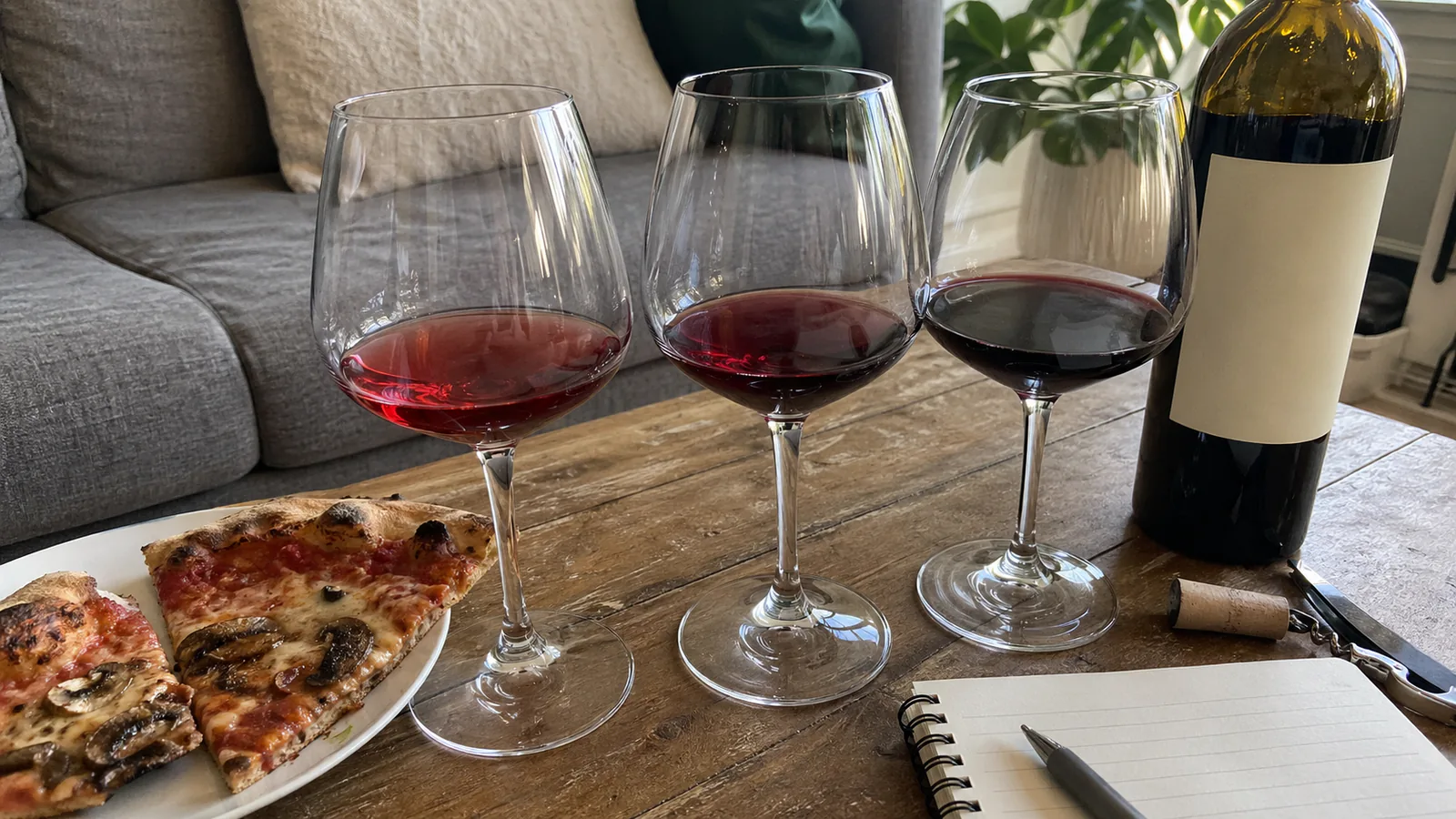
Best Red Wine for Beginners: 8 Bottles to Start With
Eight beginner-friendly red wines that taste good from the first sip. Low-tannin, fruit-forward, food-friendly picks under $25.
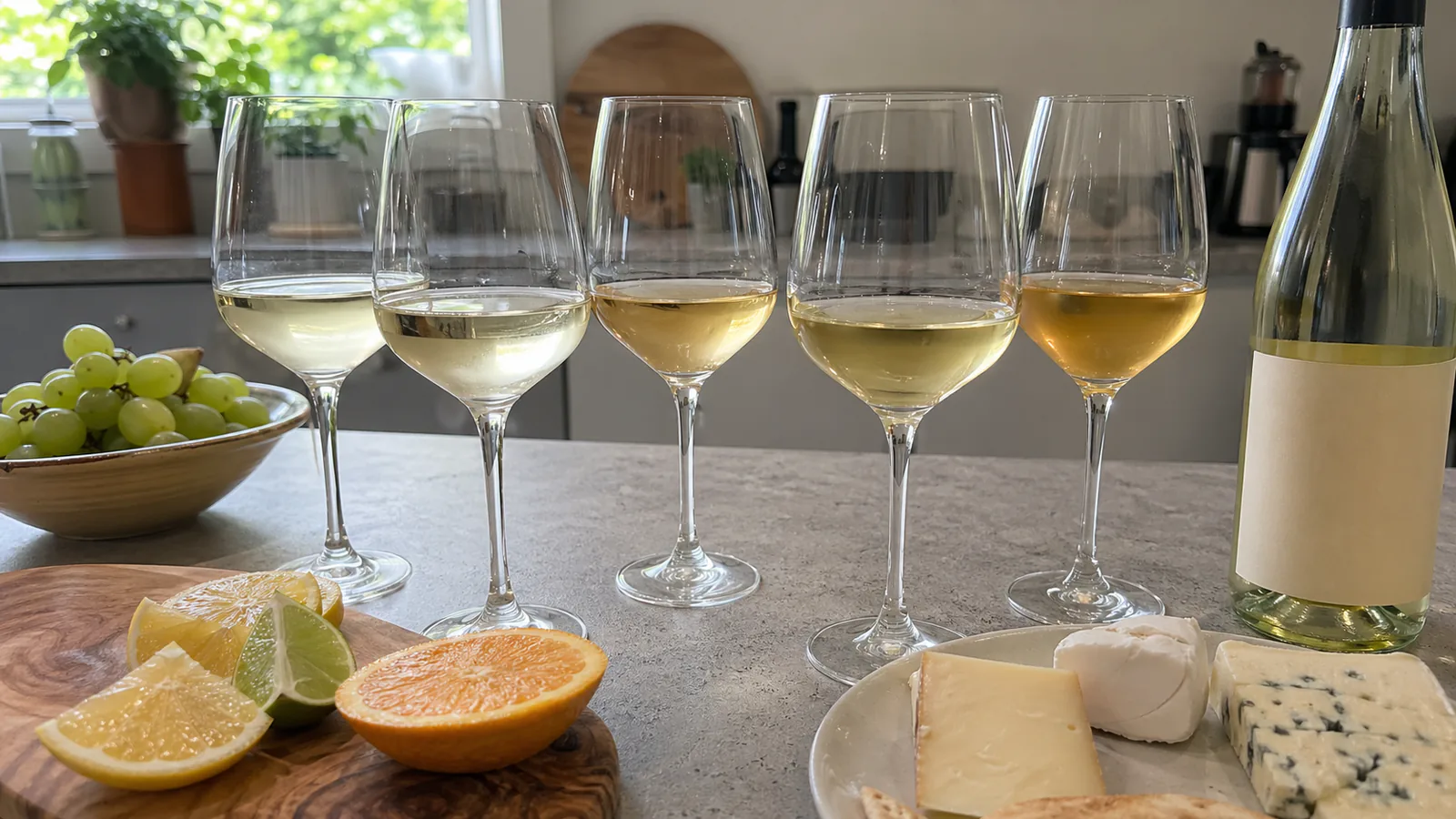
Best White Wine for Beginners: 8 Bottles to Start
Eight beginner-friendly white wines that taste good from the first sip. Pinot Grigio, Sauvignon Blanc, Riesling, Moscato, and more under $28.
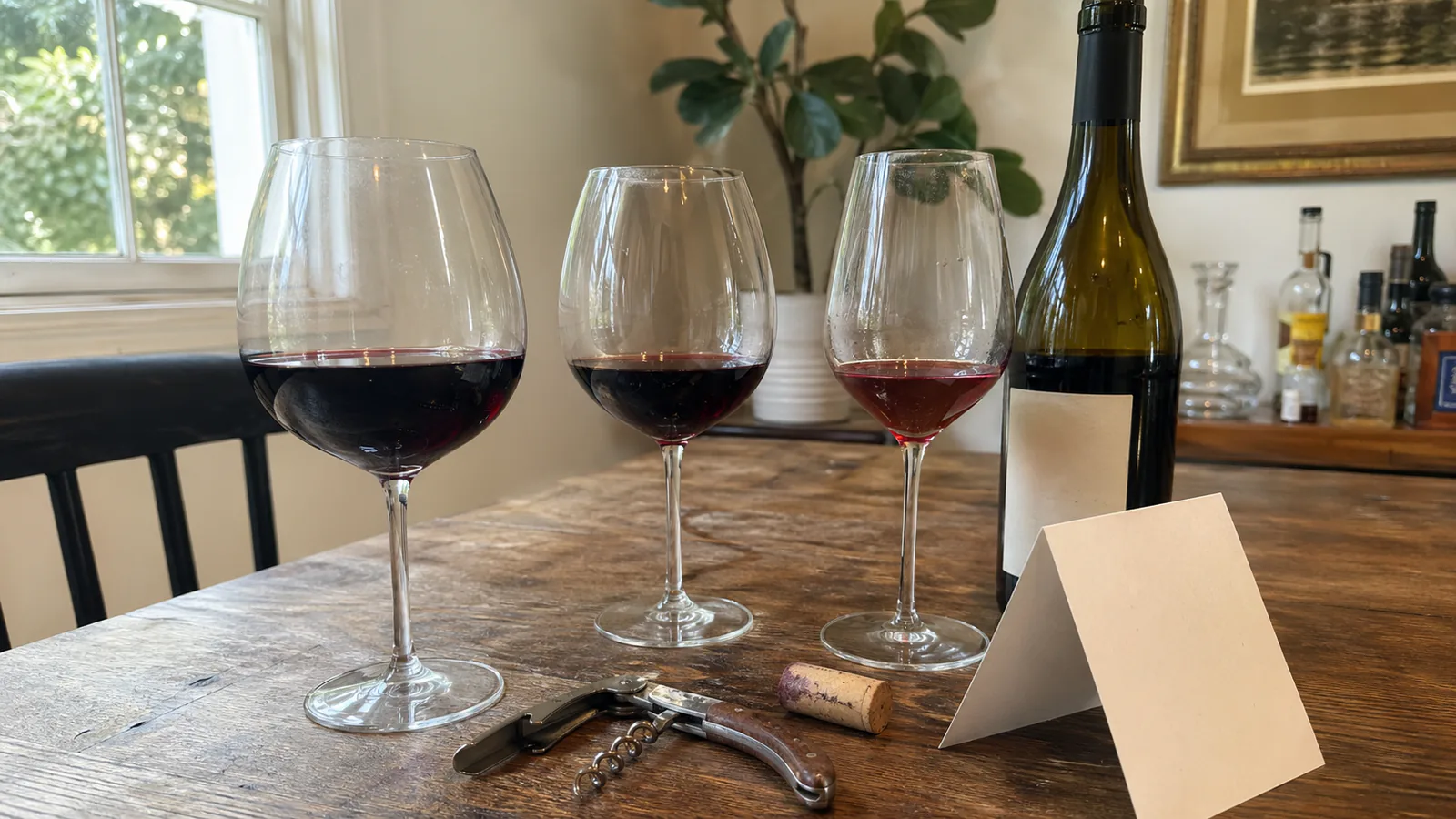
Wine for Beginners: The Confident-Starter Guide
Stop guessing in the bottle shop. The beginner wine guide that teaches you to taste, pair, serve, and shop with confidence in one read.