Red vs White Wine: How They Really Differ
The real differences between red and white wine, from grape skins and tannins to serving temp, food pairing, and when to reach for each.
You’ve poured a glass of Pinot Noir and a glass of Sauvignon Blanc and wondered what’s actually going on inside those two very different glasses. The color is obvious. But the reasons behind the color, the taste, the grip in your mouth, the way one warms you up and the other wakes you up. Those are worth understanding.
By the end of this page you’ll know:
- The single step in winemaking that explains almost every difference between red and white wine
- Why the “red with red meat, white with fish” rule is wrong more often than it’s right, and what to use instead
- Which type actually has more of the antioxidants everyone talks about, and how much it matters
- The serving temperature difference most people ignore that changes how a wine tastes in the glass
- Why a Merlot and a Riesling can both be completely dry, even though they taste nothing alike
How Are Red and White Wine Actually Made?
Both start the same way: crushed grapes, fermented into alcohol. The split happens immediately after crushing.
Red wines are fermented with the grape skins left in. Those skins are where everything interesting lives: the color (anthocyanins), the tannins, and a stack of flavor compounds that give red wine its structure. Winemakers push the skins down into the fermenting juice, sometimes daily, to keep pulling those elements through. The longer the contact, the deeper the color and the more tannin in the final wine.
White wines go the other way. Grapes are pressed first, juice separated from skins, and only the juice goes into fermentation. Strip the skins out of the equation and you lose the color, the tannins, and some of the heavier flavor compounds. What you’re left with is a lighter, fresher, more aromatic style of wine.
After fermentation, vessel choice shapes the final flavors. Oak barrels breathe, letting small amounts of oxygen into the wine over months or years. That oxygen softens tannins in reds, adds vanilla, spice, and toast to both reds and whites. Stainless steel tanks are airtight, so wines fermented in them hold their fresh fruit and bright acidity. Most full-bodied reds see oak. Most crisp whites like Sauvignon Blanc and Pinot Grigio see stainless steel tanks. Chardonnay is the exception that gets treated either way, which is why Chardonnay can taste like chalk and green apple or like buttered toast, depending on the producer.
There’s also a winemaking technique called malolactic fermentation, where sharp malic acid is converted to softer lactic acid. Most reds go through it automatically. Winemakers who want a rich, creamy Chardonnay will put their white through it deliberately. The buttery flavors in many Californian Chardonnays come from this process.
What’s the Real Difference in Taste?
The grape skins being in or out of fermentation sets up almost everything you taste in the glass. Red wines and white wines made by these different methods end up with genuinely different structures, not just different colors.
Red wine tends toward darker fruit: blackberry, black cherry, plum, and often earthy or savory notes depending on the grape. Tannins give red wine its structure, that slight drying sensation on your gums and tongue after you swallow. Think of it like the grip you get from strong tea. Cabernet Sauvignon tastes grippy and bold. Pinot Noir is lighter, with red cherry and a silkier texture. Syrah lands somewhere between the two, with more pepper and dark spice. Body weight runs from light (Pinot Noir, Gamay) to full and dense (Cabernet Sauvignon, Malbec, Nebbiolo).
White wine leads with zesty acidity, citrus, stone fruit, and floral aromas. Because there are no tannins pulling from skins, the texture is softer and the finish brighter. Sauvignon Blanc is bright and citrus-forward, with cut grass and grapefruit as its signature fruit notes. Riesling is all lemon, petrol, and mineral notes. Chardonnay can go from crisp and lean (unoaked Chablis) to rich and round (oaked Sonoma Coast). Pinot Grigio, at its best, offers clean stone fruit and a clean finish with no fuss.
Both styles run the full range from bone dry to very sweet. The color tells you almost nothing about sweetness. A dry Riesling and a sweet Riesling look identical in the glass. A dry Lambrusco and a sweet Port are both red. Sweetness comes from residual sugar left after fermentation, not from grape color.
Does Color Dictate Food Pairing?
This is the biggest myth in wine. “Red with red meat, white with fish” is a useful beginner shortcut, but it breaks down fast enough that it’s worth replacing with a better rule.
Pair by weight and intensity, not by color.
A light, crisp red like Pinot Noir pairs beautifully with salmon, tuna, and even lighter seafood dishes. A full-bodied Chardonnay aged in oak stands up to roast chicken, pork, and creamy pasta just as well as many reds would. The mismatch that actually matters is putting a delicate wine next to a rich, heavy dish, or a robust wine next to something that’ll just get steamrolled by it.
Here’s how to think about it:
- Light-bodied reds (Pinot Noir, Gamay): salmon, mushrooms, duck, charcuterie
- Medium-bodied reds (Merlot, Sangiovese, Tempranillo): lamb, tomato-based pasta, pizza, hard cheese
- Full-bodied reds (Cabernet Sauvignon, Syrah, Malbec): steak, slow-braised meats, aged cheese
- Crisp whites (Sauvignon Blanc, Pinot Grigio, unoaked Chardonnay): seafood, sushi, salads, goat cheese
- Rich whites (oaked Chardonnay, white Burgundy, Viognier): roast chicken, pork, creamy sauces, soft cheese
The weight principle also explains why a Riesling, even an off-dry one, can work with spicy Thai food better than most reds. The sweetness tames heat. A big tannic red with a chilli dish turns the tannins aggressive and amplifies the burn.
When Should I Choose Red Wine?
You’re eating something hearty. Rich meat dishes, anything slow-cooked, aged hard cheeses, and dishes with earthy flavors like mushrooms or truffle call for a red. The tannins in red wine cut through fat and protein in a way white wine doesn’t.
It’s cold outside and you want something warming. Red wine is served slightly warmer (around 15-18°C or 59-64°F), which makes it feel more satisfying on a cold evening. Lighter reds like Pinot Noir can go a touch cooler.
You want complexity and something to sit with. A well-made red from a good vintage rewards slow sipping. The flavors evolve in the glass as it opens up and warms from your hand.
You’re building a collection. The tannins in red wine act as a natural preservative. Many reds improve with years or decades in the cellar. Cabernet Sauvignon, Nebbiolo, and Syrah are especially age-worthy. Most whites don’t have the structure to benefit from long aging (though Riesling and white Burgundy are notable exceptions).
When Should I Choose White Wine?
You’re eating something delicate. Seafood, light poultry, vegetarian dishes, and fresh cheeses are built for white wine. The acidity in most whites acts like a squeeze of lemon on food, brightening everything around it.
It’s warm and you want something refreshing. A cold glass of Sauvignon Blanc or a well-chilled Pinot Grigio is one of the best drinks on a hot afternoon. White wine’s brightness and lower serving temperature (7-13°C or 45-55°F) make it more refreshing than red.
You want clean, primary fruit flavors. White wines in stainless steel tanks often taste exactly like the fruit they came from, without the layers of oak, tannin, and winemaking influence that build up in many reds. If you want a straightforward, pure, fruit-forward glass, a crisp white is the more reliable bet.
You’re opening something for an aperitif. White wine and sparkling wine work before a meal in a way that heavy reds often don’t. They stimulate appetite without filling you up. If you’re new to wine and unsure which side to start, the best wine for beginners guide narrows it down. The full taxonomy of styles sits in the types of wine overview.
Red vs White: A Quick Comparison
| Factor | Red Wine | White Wine |
|---|---|---|
| Fermentation | With grape skins | Without skins |
| Tannins | Yes (varies by grape) | Minimal to none |
| Color source | Anthocyanins from skins | No skin contact |
| Typical flavor profile | Dark fruit, earth, spice | Citrus, stone fruit, floral |
| Body | Light to full | Light to medium |
| Acidity | Medium (varies) | Medium to high |
| Serving temperature | 15-18°C (59-64°F) | 7-13°C (45-55°F) |
| Glassware | Wider bowl for aeration | Narrower bowl to preserve temp |
| Aging potential | High (especially tannic varieties) | Lower (exceptions: Riesling, white Burgundy) |
| Sweetness | Dry to very sweet | Dry to very sweet |
| Best with | Hearty meats, rich dishes | Seafood, light dishes, aperitif |
Do Red and White Wine Have Different Health Benefits?
Yes, though the difference is smaller and more complicated than most people realise.
Red wine contains polyphenols and tannins sourced from grape skins, which stay in contact with the juice throughout fermentation. These compounds include resveratrol, an antioxidant that’s been associated with cardiovascular benefits in research. Because white wine is pressed off the skins early, it ends up with lower levels of these same compounds. So red wine does technically come out ahead on antioxidants.
But the honest context is this: the amounts of resveratrol in a glass of wine are relatively small. Getting meaningful quantities from wine alone would require drinking far more than any doctor would recommend. The research linking moderate wine consumption to heart health is real, but the mechanism is still debated and lifestyle factors (diet, exercise, stress) are almost certainly doing more work than the resveratrol.
Moderation is the consistent thread through all wine and health research. A glass or two with food, a few nights a week, is where any potential upside lives. Beyond that, alcohol’s downsides outweigh the polyphenols and compounds in either style. White wine has less resveratrol and fewer polyphenols, but it’s not meaningfully worse for you in the amounts most people drink.
If the health angle genuinely matters to your decision, the color difference is less important than drinking less, drinking with food, and choosing lower-alcohol options.
Frequently Asked Questions
Is red wine stronger than white wine?
Generally, yes, but not by a dramatic amount. Most red wines land between 12.5% and 15% alcohol. Most whites sit between 11% and 13.5%. The difference comes from grape ripeness: riper grapes have more sugar, which ferments into more alcohol. Warm-climate reds (Australian Shiraz, California Cabernet Sauvignon) push to the higher end. Cool-climate whites like German Riesling can be as low as 8%. Sweetness and alcohol are also separate things: a sweet Moscato can be 5%, while a dry Chardonnay can reach 14%.
Can red grapes make white wine?
Yes. Blanc de Noirs Champagne is made from black grapes (Pinot Noir, Pinot Meunier), pressed gently so the juice never contacts the pigmented skins. Because all color in wine comes from the skins, pressing black grapes quickly creates a pale, white-style wine. White Pinot Noir is another example. This is also how rosé is made, with a few hours of skin contact instead of days. The result shows that grape color and wine color are not the same thing.
Does red wine always taste dry?
Mostly, but not always. The majority of table reds are fermented dry, meaning almost all the grape sugar converts to alcohol. But plenty of exceptions exist: Port and late-harvest Zinfandel are both red and sweet. Lambrusco frizzante, the sparkling Italian red, ranges from dry to quite sweet depending on the producer. Sweetness is a winemaking decision, not a color rule.
Why does red wine give me a headache but white wine doesn’t?
The most common explanation is tannins, but histamines and higher alcohol in many reds are also contributors. Some people are sensitive to one, some to all three. If you suspect tannins, try a lower-tannin red like Pinot Noir or Gamay. If you suspect histamines, try a white. If it’s alcohol, go for lower-ABV bottles in either color. The “sulfites” explanation is popular but rarely the actual culprit: white wines often contain more added sulfites than reds.
Should I refrigerate red wine after opening?
Yes, even though reds are served warmer than whites. Once opened, all wine oxidises faster at room temperature. A light refrigeration (not freezer-cold) slows that down. Pull a refrigerated red out 20-30 minutes before pouring so it comes back up to a good drinking temperature. An opened bottle of red holds for 2-4 days in the fridge; whites last slightly longer, around 3-5 days.
What’s the difference in glassware?
Red wine glasses have a wider bowl, which gives the wine more surface area to breathe and release aromas. The extra aeration helps soften tannins and brings out more complex flavors. White wine glasses are narrower to keep the wine cooler for longer and focus the delicate floral and citrus aromas toward the nose. For everyday drinking, one all-purpose glass works fine for both. Where it matters most is for wines worth slow attention: a wide Burgundy glass for a good Pinot Noir, a tulip glass for an aromatic Riesling.
Related Guides
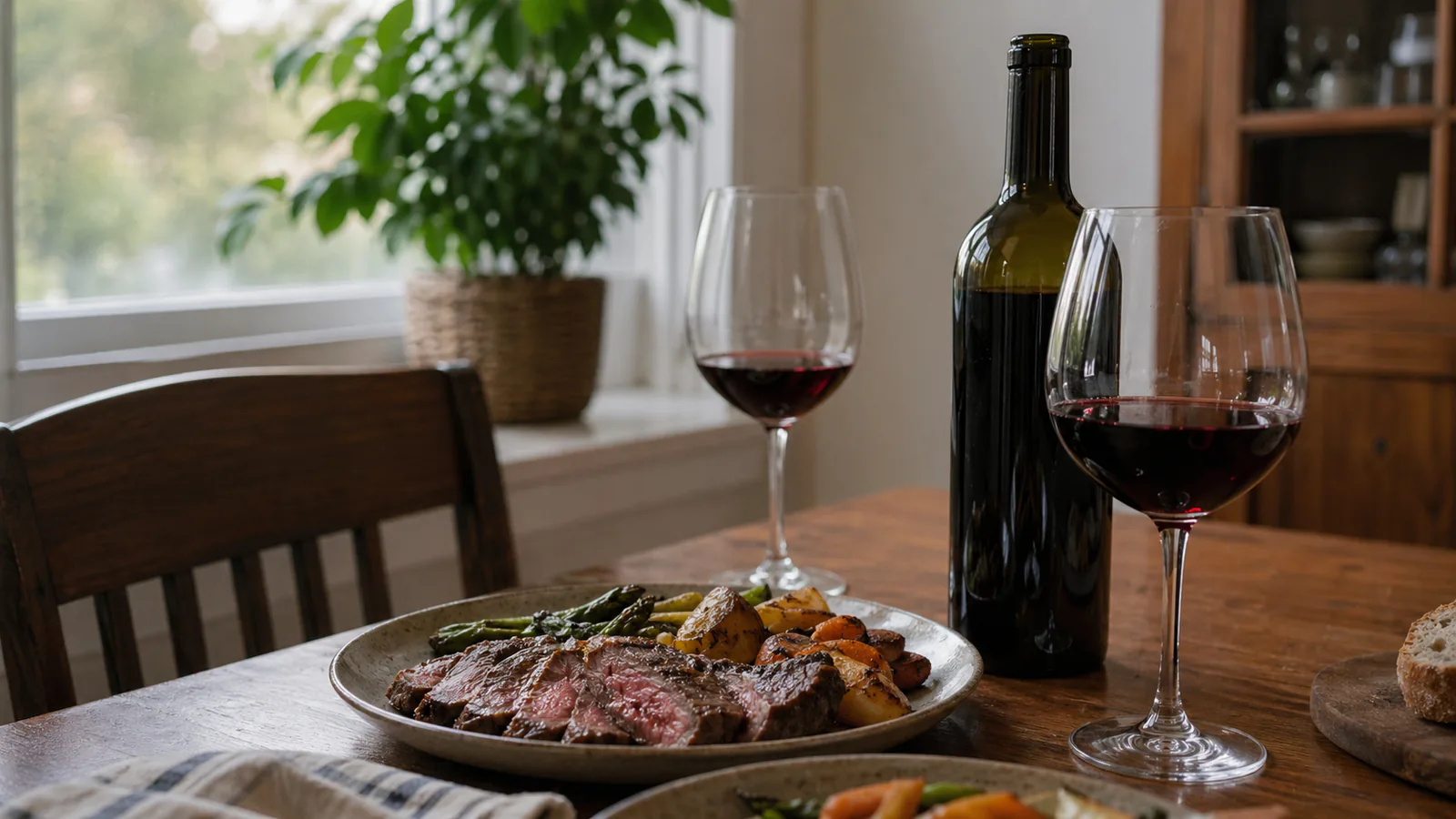
Types of Red Wine: Light to Full-Bodied Guide
Pinot Noir to Cabernet Sauvignon and everything in between. A plain-English guide to red wine styles with taste notes, regions, and food pairings.
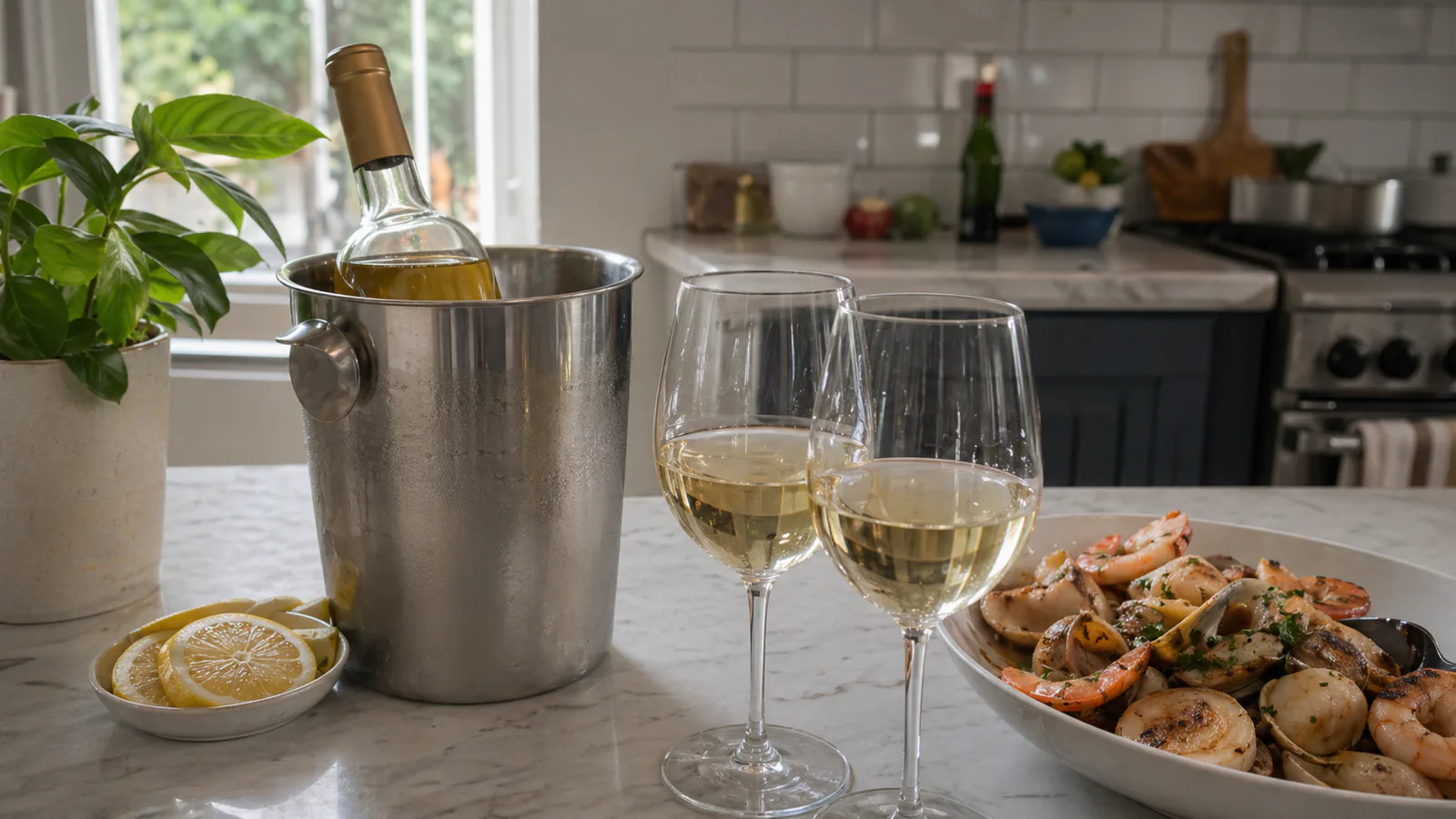
Types of White Wine: Crisp to Rich Guide
From crisp Sauvignon Blanc to buttery Chardonnay, here's how the main types of white wine taste, where they come from, and what to eat with them.
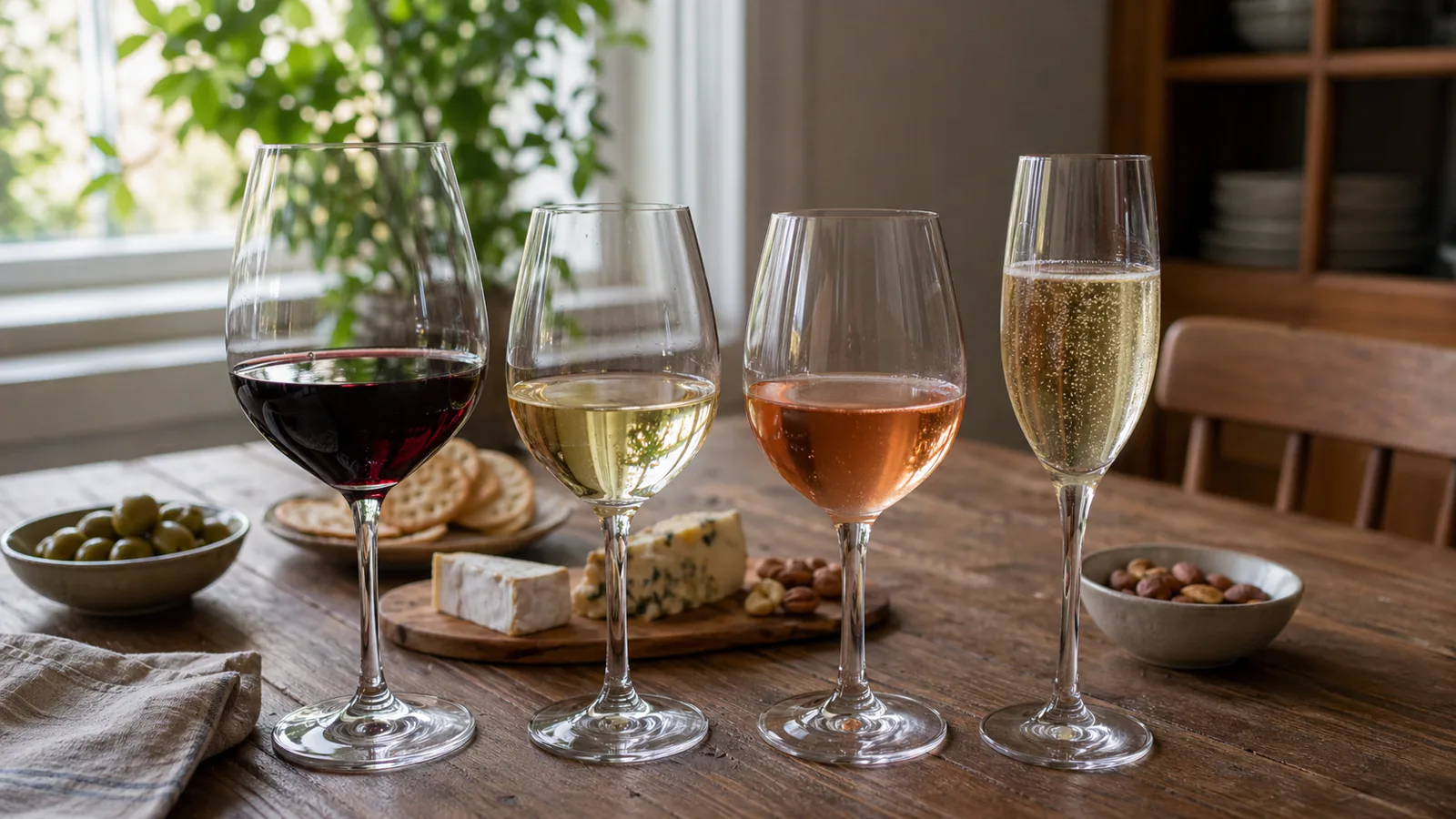
Types of Wine: The Complete Guide
Red, white, rosé, sparkling, dessert, fortified, orange, natural. Here's what makes each type different and how to find the one you'll actually love.