
Claire Bennett
Wine Editor5 min read
Acid, Tannin, Body — The Three Axes
The three structural elements that separate a wine you enjoy from one that just sits there. Learn to identify each one and every glass tells you more.
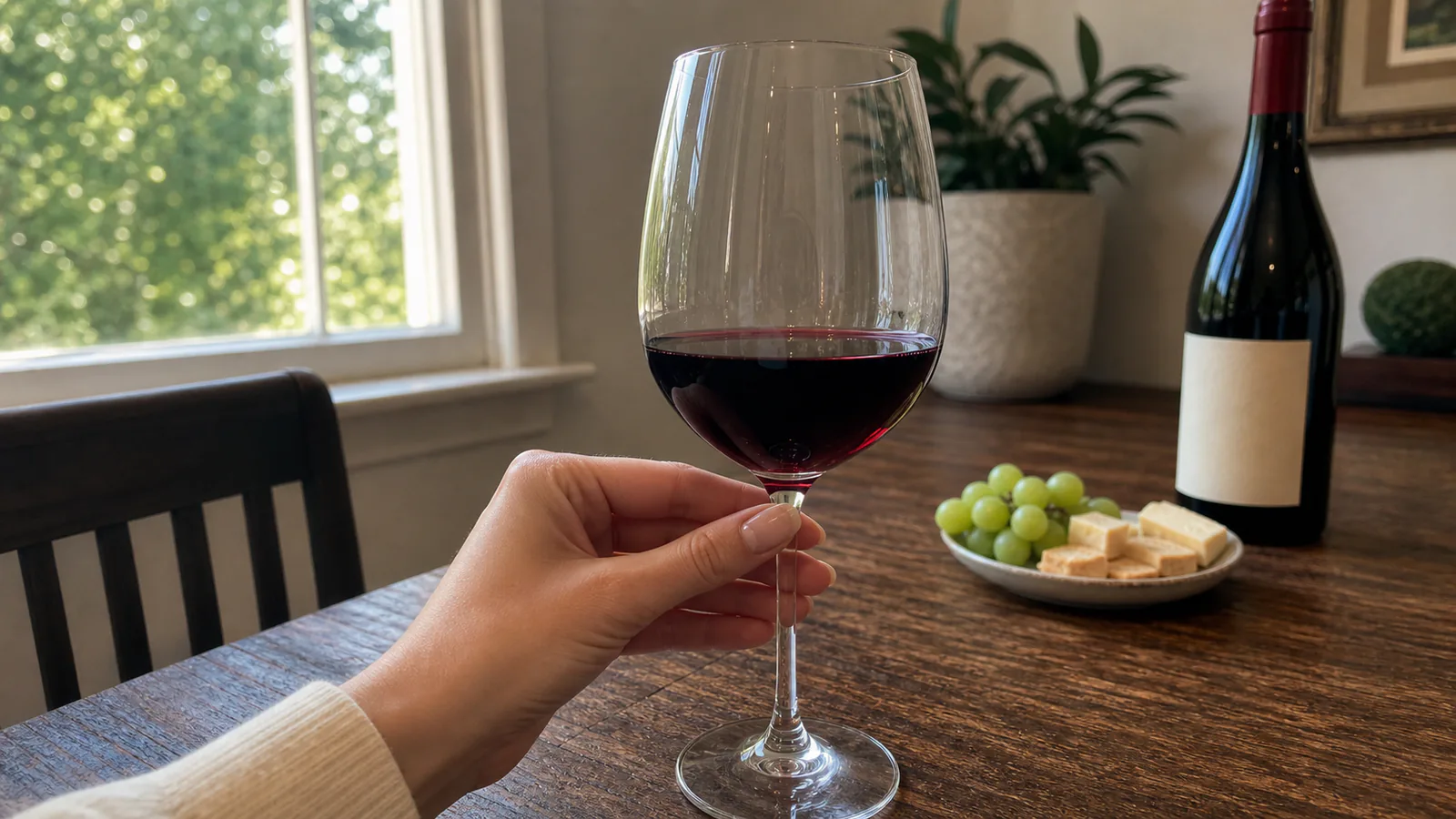
Most people describe wine by flavour — cherry, oak, citrus. But flavour is the surface. Underneath it, three structural elements determine whether a wine is balanced, whether it works with food, and whether it will improve in a cellar or collapse in a year.
Acidity. Tannin. Body.
Once you can identify these in a glass, every wine you drink starts giving you more information. By the end of this page you’ll know:
- What acidity actually is, why it matters, and how to feel it in your mouth
- What tannins are and where they come from — it’s not just grape skins
- Why body isn’t the same as flavour intensity, and what actually determines it
- How these three axes interact to create balance — or its absence
- Why these three things explain almost everything about food pairing
Acidity
Acidity is what makes your mouth water. That sensation in the sides of your cheeks after a sip of Sauvignon Blanc, or a bite of lemon — that’s acidity triggering your salivary glands.
Wine is naturally acidic, more so than you might expect: most table wines sit between pH 3.0 and 4.0, similar to coffee and fruit juice. The key acids are tartaric (the strongest), malic (green apple, sharp), and lactic (softer, milky, the result of malolactic fermentation).
Why it matters. Acid is the backbone. It keeps wine fresh, prevents it from tasting flat or flabby, and gives it the ability to age. A wine with too little acid feels heavy and short. A wine with too much acid tastes harsh and thin. The sweet spot is brightness without bite.
How to identify it. Take a sip and hold it. Notice whether your cheeks pull inward and your mouth floods with saliva. High acid: yes, strongly. Low acid: subtle or absent. Compare a Chablis (high acid, no oak) to a warm-climate Chardonnay (low acid, buttery) and the difference is unmistakable.
High acid grapes. Riesling, Sauvignon Blanc, Pinot Noir, Sangiovese, Nebbiolo. Low acid grapes: Viognier, Grenache, Merlot (relatively).
High acid regions. Cool climates — Germany, Chablis, New Zealand, Tasmania. The cooler the growing season, the more acid the grapes retain at harvest.
Tannins
Tannins are polyphenolic compounds that bind to proteins — including the proteins in your saliva and the lining of your mouth. The result is a drying, gripping sensation, like the feeling after drinking strong black tea or biting into an unripe grape.
They come primarily from grape skins, seeds, and stems. That’s why red wines have tannins and white wines typically don’t: red wine is fermented with the skins in contact, white wine is pressed off immediately. Oak barrels also contribute tannins during aging.
Why they matter. Tannins give red wine structure, longevity, and the ability to age. They also make it compatible with protein-rich food — tannins bind to meat proteins in the same way they bind to mouth proteins, which is why a tannic Cabernet softens beautifully alongside a steak. Without food, that same wine can feel harsh and drying.
How to identify them. That chalky, drying sensation on your gums and the inside of your cheeks after swallowing a red wine — that’s tannin. Low tannin wines feel smooth and soft; high tannin wines feel grippy, almost astringent.
High tannin grapes. Nebbiolo (Barolo), Cabernet Sauvignon, Syrah/Shiraz, Tempranillo. Low tannin reds: Pinot Noir, Gamay (Beaujolais), Grenache.
Body
Body is weight. It’s the sensation of how much substance the wine occupies in your mouth — from light and watery at one end to thick and mouth-coating at the other.
The easiest analogy: skim milk versus full-fat milk versus cream. Same dairy category, different weight in the mouth. Wine body works the same way.
Body is determined primarily by alcohol content. Alcohol is heavier than water, so higher ABV wines feel fuller. But extract (dissolved solids from grape skins, seeds, and pulp) and residual sugar also contribute.
Light body (11–12.5% ABV). German Riesling, Beaujolais, Vinho Verde, Muscadet. These feel almost watery — in the best sense. They’re refreshing, low fatigue, good with delicate food.
Medium body (12.5–13.5% ABV). Most Pinot Noir, Chianti, Côtes du Rhône, white Burgundy. The middle register — versatile, food-friendly, not demanding.
Full body (13.5% ABV and above). Napa Cabernet, Barossa Shiraz, Châteauneuf-du-Pape, oaked Chardonnay. These fill the mouth, linger, and pair best with rich, fatty, or heavily seasoned food.
How to identify it. After swallowing, notice how long the sensation lasts and how heavy the wine felt. A light-bodied wine leaves quickly; a full-bodied one coats.
How the Three Axes Create Balance
A great wine sits in equilibrium. The acid is bright enough to keep it fresh but not so sharp it stings. The tannins (in red wines) give grip without drying the palate out. The body matches the alcohol without either element dominating.
When balance fails, it fails in predictable ways:
- Too much acid, too little body. The wine tastes thin and tart. A cold climate vintage from a difficult year.
- Too much tannin, not enough fruit. Harsh, austere, joyless. Often a sign the wine needs time, or came from an underripe vintage.
- Too much body, not enough acid. Flabby, flat, short. Very common in cheap warm-climate whites.
- All three in proportion. The wine finishes long, makes you want another sip, and pairs with food without either the food or the wine shouting over the other.
Keep Reading
The Six Grapes to Know First
Six grapes explain almost everything you'll drink. What each one tastes like, where it grows best, and the one bottle to start with for each variety.
Building a Tasting Vocabulary
The language of wine is a memory system, not a performance. How to describe what you taste, write a useful note, and remember what you liked.
Wine Acidity, Explained: Why It Makes You Salivate
What acidity feels like, why it makes wine taste fresh, and how to use it to pair better with food. No chemistry degree required.