
Claire Bennett
Wine Editor10 min read
Old World vs New World Wine: What's Different
Old World vs New World wine, finally explained without snobbery. Taste, price, label rules, and the one-sip test that tells you which is which.
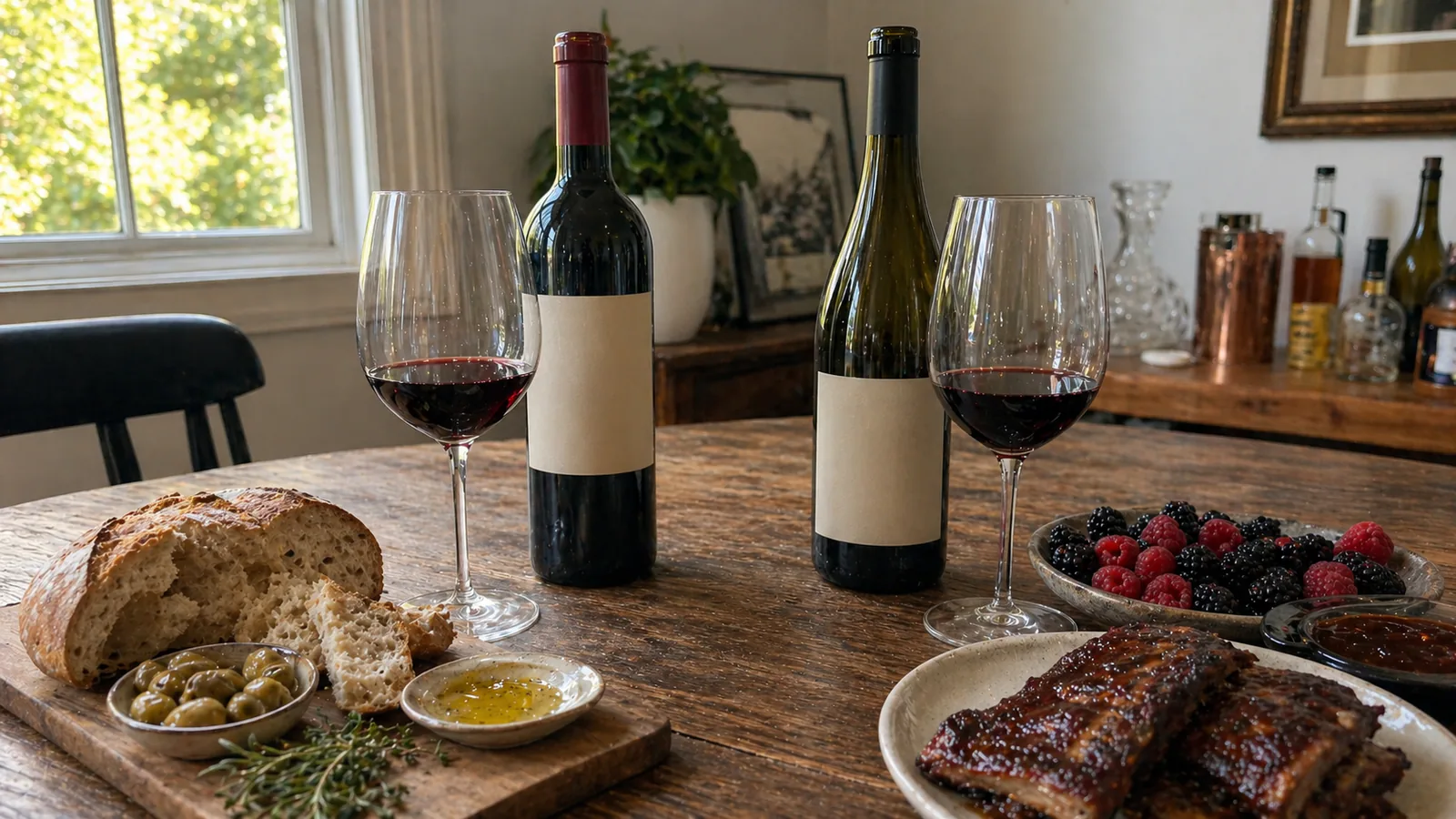
You order a Pinot Noir at one restaurant and it tastes like cherries and forest floor with this slightly tart, drink-it-with-dinner energy. You order a Pinot Noir at the next restaurant and it’s plush, ripe, almost jammy, like someone turned the saturation up. Same grape, two different planets. That’s the Old World vs New World gap, and once you can taste it on purpose, half the wine list starts making sense.
By the end of this page you’ll know:
- Exactly which countries belong to each camp and the historical reason the split exists
- Why the same grape can taste savoury in one country and like fruit punch in another (it’s not the grape’s fault)
- The single sip test that lets you tell Old World from New World blind, even on cheap wine
- The pricing myth: when a New World bottle is the smarter buy and when the Old World pick is genuinely a bargain
- The right pick for a Tuesday pasta night versus a Saturday steak versus a casual cheese board
- The one wine region that breaks the rules entirely and feels more like the other side
Who’s In Each Camp?
The split is geographic but it’s really historical. “Old World” means the places where wine has been made for thousands of years, mostly Europe plus a few near neighbours. “New World” means everywhere wine showed up via colonisation in the last 500 years.
Old World countries:
- France
- Italy
- Spain
- Germany
- Portugal
- Greece
- Austria
You’ll also see Hungary, Croatia, Georgia, Slovenia, Lebanon, and Israel grouped here. They’ve been making wine for centuries too.
New World countries:
- United States (mostly California, Oregon, Washington)
- Australia
- New Zealand
- Chile
- Argentina
- South Africa
Canada, Uruguay, Mexico, China, and a handful of others sit in this camp too. They’re newer to commercial wine but growing fast.
The line between the two isn’t really about latitude or climate. It’s about how long the place has had wine culture and what assumptions sit underneath the way they make and label it.
What’s the Actual Taste Difference?
This is the bit people argue about, but the broad strokes hold up across hundreds of side-by-side tastings.
Old World wines tend toward:
- Restraint. The fruit is there but it’s not shouting.
- Earthy, savoury notes: forest floor, mushroom, wet stone, dried herbs, leather, tobacco.
- Higher acidity, which makes them feel fresher and more food-friendly.
- Lower alcohol, often 12 to 13.5%.
- A flavour that evolves slowly in the glass, rewards a second sip.
New World wines tend toward:
- Fruit forward. Cherry, blackberry, plum, peach, pineapple. The fruit is the lead instrument.
- Riper, sweeter-feeling flavour even when the wine is technically dry.
- Lower acidity, smoother texture.
- Higher alcohol, often 13.5 to 15%.
- More obvious oak: vanilla, toast, baking spice.
If Old World wine is a black-and-white film with great dialogue, New World wine is a Pixar movie with the colour saturation cranked up. Both are great. Just different moods.
Why Do They Taste So Different?
Three reasons, mostly, and they all stack on top of each other.
Climate. Most Old World wine regions sit at higher latitudes than most New World ones. Burgundy, Champagne, Germany, Northern Italy, Northern Spain (see our full France wine guide for the regional map). They have shorter, cooler growing seasons. Grapes ripen slowly, retain more acidity, and develop more savoury complexity. New World regions like Napa, Barossa, Mendoza, and McLaren Vale are warmer and sunnier on average. Grapes get riper, sweeter, and develop bigger fruit flavours and higher alcohol.
There are exceptions. Sicily and Puglia are warm Old World. Tasmania and parts of Oregon are cool New World. But the general rule holds.
Regulation and tradition. Old World wine laws have spent hundreds of years deciding which grapes can be grown where, and how the wine has to be made. A Burgundy producer can’t suddenly plant Cabernet Sauvignon and call it Burgundy. The rules push them to make wine the way it’s been made for centuries. New World producers have almost no rules. They can plant whatever, blend however, age however long. That freedom shows up as more variety and more experimentation.
Winemaking philosophy. Old World tradition leans toward the idea that the wine should taste like the place: the soil, the climate, the local yeast. New World tradition leans toward the idea that the wine should taste like the producer’s vision: ripe fruit, generous oak, bigger-style flavours that win medals. Neither is wrong. They’re just different things to want.
The combined effect is that the two camps end up tasting different even when you give them the same grape.
How Do the Labels Differ?
The label difference is the easiest one to spot and it’s mostly cultural inheritance.
Old World labels lead with the place. They name the region, the village, sometimes the specific vineyard, and trust you to know what’s grown there. A bottle of “Pommard” is Pinot Noir even though the word “Pinot Noir” never appears.
New World labels lead with the grape. The variety is in big letters on the front. The region is mentioned but secondary. “Marlborough Sauvignon Blanc” tells you both at a glance.
Neither system is better. They’re answering a different question. Old World: where is this from? New World: what is this?
If you want the full breakdown of what every part of the label means and how to decode either style fast, the how to read wine labels guide walks through it region by region.
Is Old World Wine Always More Expensive?
This is the big myth, and it’s worth killing on the spot.
The most expensive wines on the planet are Old World. Burgundy Grand Crus, Bordeaux first-growths, the top Champagnes, top Barolos, top German Rieslings. We’re talking $300 to $30,000 a bottle. The collector market is dominated by Old World names because those regions have hundreds of years of pedigree.
But the cheapest wines on the planet are also Old World. France, Spain, and Italy produce enormous volumes of everyday wine that sells for $8 to $15 in the US and even less in Europe. A Cotes du Rhone, a Cotes du Roussillon, a Vinho Verde, a Spanish Garnacha, a Sicilian Nero d’Avola: all routinely under $20 and routinely excellent.
The middle of the market is where the New World often wins on value. A solid Mendoza Malbec, a Marlborough Sauvignon Blanc, a Chilean Cabernet, a Barossa Shiraz: all give you a lot of wine for $15 to $25, with very consistent quality across producers.
If you’re shopping under $20, it’s a fair fight in both camps. If you’re shopping under $12, the Old World tends to give you more interesting wine because the European producers are competing on a tighter margin and a deeper bench. If you’re shopping at $20 to $40 and want consistency, the New World is your safer bet.
The myth that “Old World means fancy and pricey” only holds at the top end of the market.
How Do You Tell From a Single Sip?
The classic test: pour a glass of Burgundy Pinot Noir and a glass of California Pinot Noir, blind, and see if you can pick which is which.
Smell first. Burgundy: cherry, mushroom, damp earth, sometimes a whiff of something almost meaty. California: bright cherry, vanilla, maybe a touch of cola or chocolate from oak. The Burgundy smells like a forest in autumn. The California smells like a bowl of fruit.
Taste second. Burgundy will feel sharper, more acidic. The fruit will be more tart, more cranberry than cherry. The finish will be drier and a bit savoury, like there’s salt or stone underneath. California will feel rounder, smoother. The fruit will be sweeter, like ripe black cherry. The finish will be softer and a bit warmer.
You can run this test with almost any grape that’s serious in both camps:
- Pinot Noir: Burgundy vs Sonoma or Oregon
- Chardonnay: Burgundy (Chablis or Meursault) vs Napa or Sonoma
- Cabernet Sauvignon: Bordeaux vs Napa
- Syrah: Northern Rhone vs Barossa
- Sauvignon Blanc: Sancerre vs Marlborough
When Should You Choose Old World?
Reach for an Old World bottle when:
- You’re eating dinner. The higher acidity and savoury edge make Old World wines almost universally food-friendly. They cut through fat, lift up flavours, and don’t overpower.
- You want something that pairs with cheese, charcuterie, mushrooms, herbs, or anything earthy. New World fruit can fight with savoury food. Old World wine joins it.
- You want a quieter, slower drink. Old World wines tend to evolve in the glass. A bottle of Cotes du Rhone tastes different at sip one and sip ten. That’s part of the fun.
- You want a low-alcohol option. A 12.5% Old World wine lets you finish the glass and not feel torched.
- You want to learn. Old World wines reward attention. The complexity is real, the regions are distinct, and tasting your way around them is genuinely rewarding.
When Should You Choose New World?
Reach for a New World bottle when:
- It’s a casual hang or a party. Big-fruit, ripe, smooth wines are easier to drink standing up with no food. They’re crowd-pleasers.
- You’re cooking something rich and bold. A jammy Barossa Shiraz with a barbecued steak. A buttery Napa Chardonnay with roast chicken. Big food, big wine.
- You want consistency. New World producers tend to keep the style steady year to year. If you liked the last bottle, the next one will probably be similar.
- You’re starting out. New World wines are easier to love at first sip. Lots of fruit, smooth texture, no homework required.
- You want a guaranteed crowd-pleaser at a $15 to $25 price point. Marlborough Sauvignon Blanc, Argentine Malbec, and Australian Shiraz almost never disappoint at this price.
The honest answer for most people is that you’ll want both. A good cellar (or even just a good wine rack) has bottles from both camps so you can match the wine to the night.
Frequently Asked Questions
Are Old World wines healthier than New World wines?
Not in any meaningful way. Lower alcohol on average means slightly fewer calories per glass, but that’s the only real health difference. Sulfite levels are similar. Antioxidant content is similar. Drink for taste, not nutritional advantage.
Can a New World producer make Old World style wine?
Yes, and many do. Cool-climate producers in Oregon, Sonoma Coast, Tasmania, Central Otago, and parts of Chile deliberately aim for Old World restraint: lower alcohol, gentler oak, brighter acidity, savoury character. You can spot them by the producer philosophy and the climate of the vineyard.
Why does Old World wine sometimes taste “funky” or weird?
Some Old World producers, especially natural and biodynamic ones, lean into local yeast strains and minimal intervention. That can produce wine with farmhouse, barnyard, or “alive” notes that taste unusual at first. It’s not a fault, it’s a style choice. If it’s not for you, look for cleaner, more conventional producers within the same region.
Is one camp better for ageing?
Top Old World wines (Bordeaux, Burgundy, Barolo, Rioja Gran Reserva, Vintage Port, Hermitage, Champagne) have the longer ageing track record because they’ve been made the same way for centuries. The best New World wines (top Napa Cabs, Penfolds Grange, certain Chilean Cabs) age beautifully too, but the historical sample size is smaller.
Should I match the wine to the cuisine’s country?
It’s a useful rule of thumb. Italian food with Italian wine, French food with French wine, Argentine steak with Argentine Malbec. The flavours evolved together. But it’s not a hard rule, just a starting point. A good Pinot Noir works with about 80% of dinners regardless of where it’s from.
Where does English wine fit in?
England is technically Old World by geography but New World by recent history. The wine industry there is barely 50 years old at scale. Top English sparkling wine is being made in chalk soils similar to Champagne and competing seriously on quality. Treat it as its own thing.
The next thing worth understanding is what those “natural,” “organic,” and “biodynamic” labels actually mean, because that vocabulary cuts across both Old and New World shelves and most people get it scrambled.
Keep Reading
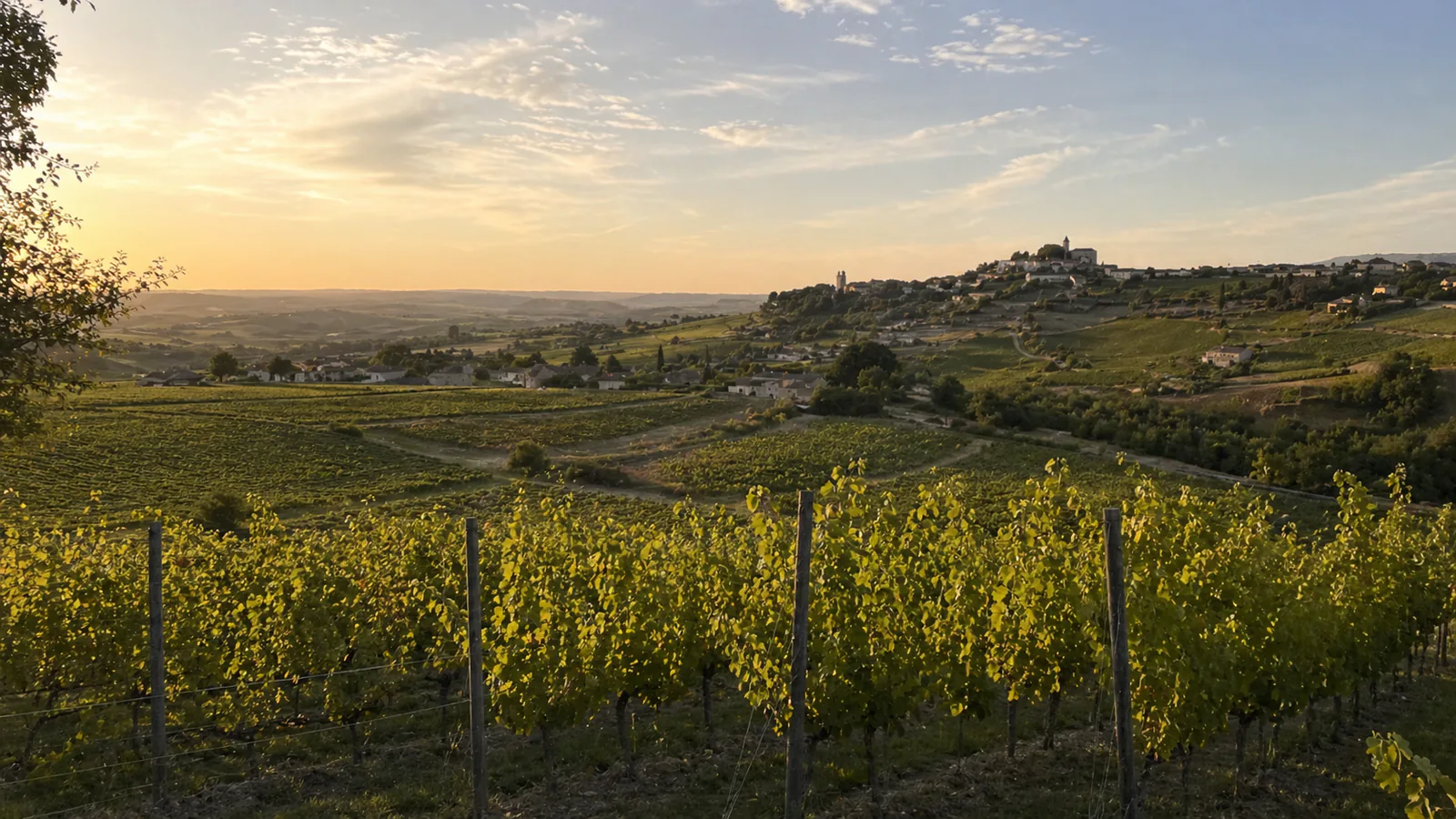
France Wine Guide: Regions, Grapes, Where to Start
A plain-English tour of French wine. Bordeaux, Burgundy, Champagne, Rhone, Loire, Provence: what each region tastes like and how to pick a bottle.
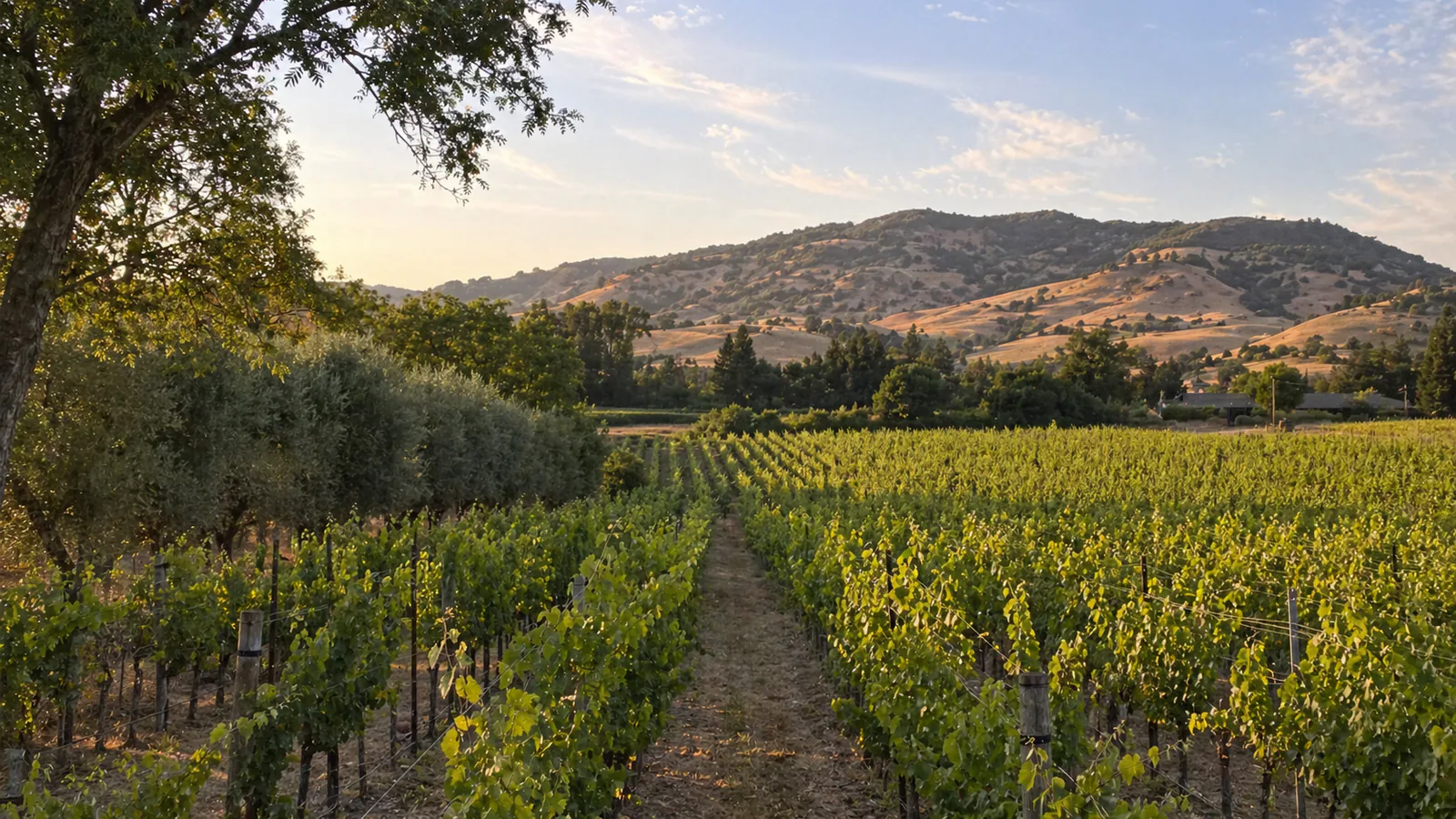
Napa Valley Wine: Cabernet, AVAs, and What to Spend
What Napa Valley wine actually is, why its Cabernet rules the world, the AVAs worth knowing, and where the value hides. Plain English, no fluff.
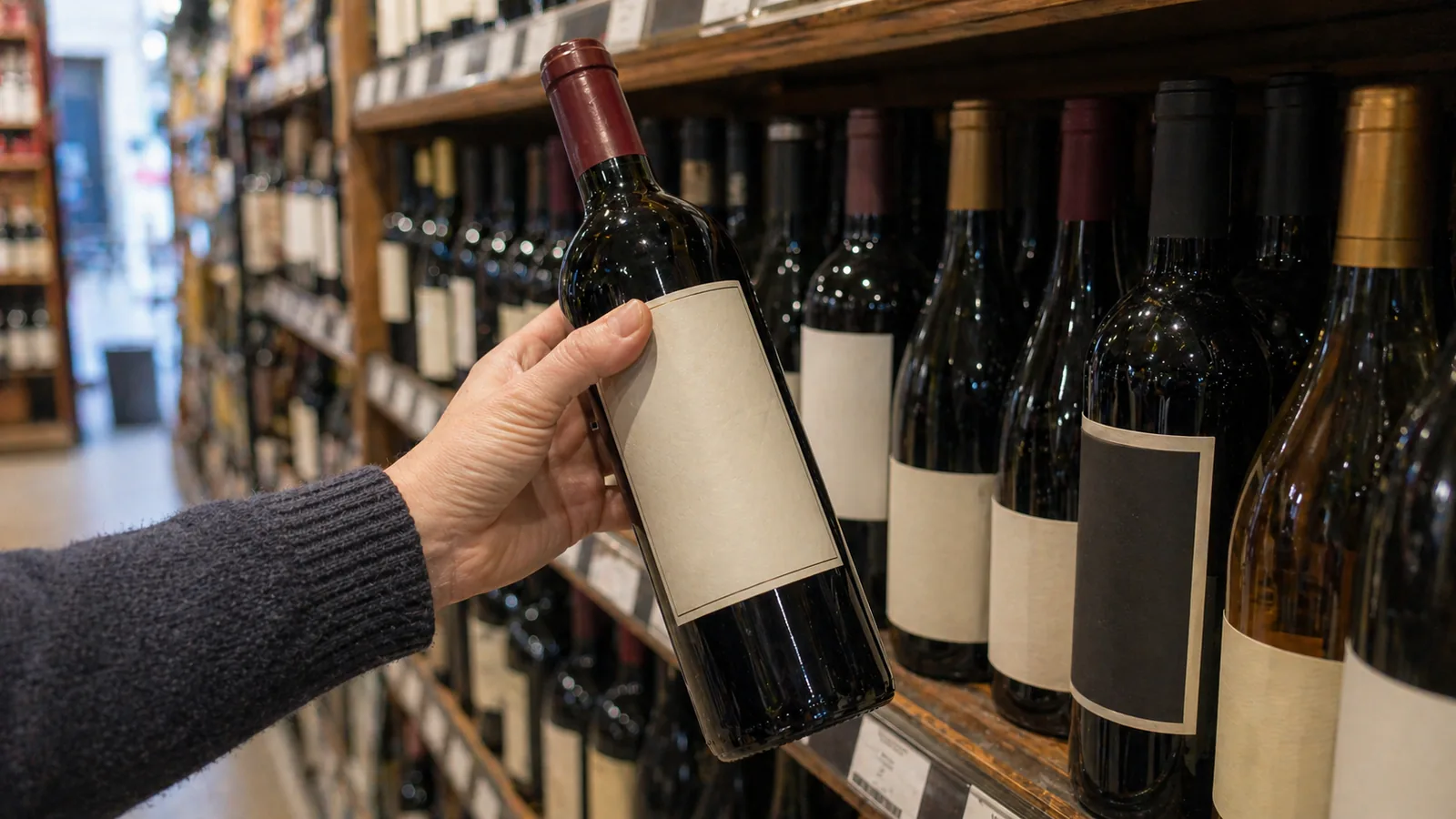
How to Read a Wine Label (Old World vs New World)
Decode any wine label in under a minute. The 5 things that matter, what reserve and grand cru actually mean, and when vintage is worth caring about.