Claire Bennett
Wine Editor6 min read
The Six Grapes to Know First
Six grapes explain almost everything you'll drink. What each one tastes like, where it grows best, and the one bottle to start with for each variety.
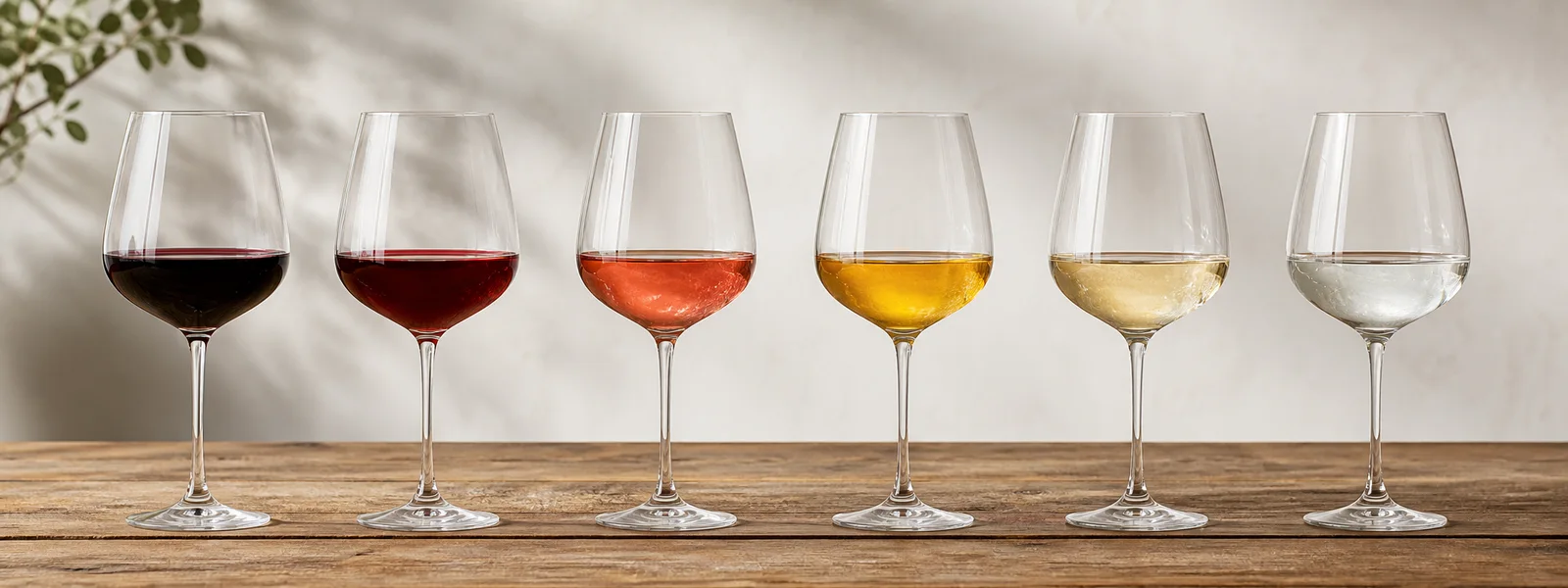
You do not need to memorise a hundred grapes. Six will account for the majority of wine you drink, gift, order in restaurants, and find at the bottle shop for the next several years. Learn these six and you have the vocabulary to navigate almost any situation.
Three red, three white. One bold, one soft, one delicate in each colour. By the end of this page you’ll know:
- What each of the six grapes actually tastes like in plain language
- Where in the world each one grows best — and why that matters for the flavour
- How to spot each one on a label even when the grape name isn’t printed
- The one bottle from each variety that’s worth finding first
The Three Red Grapes
Cabernet Sauvignon
The most planted noble red grape in the world. Dark, dense, structured. When you think of a serious red wine — the kind that fills a room with its smell, that stains a glass, that a sommelier holds up to the light — this is probably what you’re thinking of.
Cabernet Sauvignon has naturally thick skins, which means two things: deep colour and high tannins. Those tannins are what give it grip and staying power. A well-made Cab can age for twenty years and improve. A poorly made one can be harsh, drying, and joyless at five.
Where it grows best. Bordeaux (France), Napa Valley (California), Coonawarra (Australia), Maipo Valley (Chile). Also blended in Tuscany’s Super Tuscans. The coolest climate Cabs — Margaret River, parts of Bordeaux — are more mineral and precise. Warmer climate Cabs — Napa, much of Australia — are richer and riper, with more blackcurrant and plum.
What it tastes like. Blackcurrant, dark plum, cedar, graphite, sometimes green capsicum if it’s been grown cool or picked slightly underripe. Oak-aged versions add vanilla, toasted wood, and chocolate.
Merlot
The misunderstood middle sibling. Softer, rounder, and more forgiving than Cabernet — which is exactly why it sells in enormous quantities and also why serious wine drinkers sometimes sneer at it. Both reactions miss the point.
At its best, Merlot is silky and generous: red plum, chocolate, bay leaf, a warmth that doesn’t demand anything from you. Pomerol in Bordeaux — where the world’s most expensive Merlot-based wines come from — is proof of how profound this grape can be.
Where it grows best. Pomerol and Saint-Émilion (Bordeaux), Tuscany (in blends and solo), Washington State, and much of the New World where easy-drinking reds are in demand.
What it tastes like. Red plum, dried cherry, mocha, soft tannin, medium body. Less grip than Cabernet. Finishes sooner. Much more approachable young.
Pinot Noir
The grape of contradiction. Light in colour but profound in flavour. Thin-skinned but notoriously fragile to grow. Cheap versions are insipid; great versions are otherworldly.
Pinot Noir is the most terroir-sensitive grape there is — meaning the place where it’s grown shows up in the glass more clearly than with any other variety. A Burgundy Pinot and an Oregon Pinot and a Central Otago Pinot taste like three completely different grapes. That makes it endlessly interesting and endlessly hard to shop for.
Where it grows best. Burgundy (France), Willamette Valley (Oregon), Central Otago (New Zealand), Yarra Valley (Australia), parts of Sonoma. It needs cool climates and well-drained soils. It sulks in heat.
What it tastes like. Red cherry, raspberry, dried rose petal, mushroom, forest floor, a long silky finish. Tannins are low — the lightest of the three reds. Old Burgundy develops extraordinary complexity: truffle, game, iron, earth.
The Three White Grapes
Chardonnay
The chameleon. Chardonnay has almost no strong natural personality of its own — it picks up the character of wherever it’s grown and however it’s made. That’s a feature, not a bug: it means Chardonnay can be almost any kind of white wine depending on the winemaker’s choices.
Unoaked Chardonnay from Chablis is bone dry, almost saline, with green apple and citrus. A heavily oaked Napa Chardonnay tastes like buttered toast and tropical fruit. These are the same grape, grown 9,000 km apart, made completely differently.
Where it grows best. Burgundy (Chablis, Meursault, Puligny-Montrachet), Champagne (for base wine), Napa and Sonoma, Adelaide Hills, Mornington Peninsula.
What it tastes like. Depends entirely on oak and climate. Cool climate, no oak: green apple, lemon curd, mineral, high acid. Warm climate, heavy oak: butter, vanilla, tropical fruit (mango, pineapple), low acid, creamy texture.
Sauvignon Blanc
Where Chardonnay is a blank canvas, Sauvignon Blanc is opinionated from the first sniff. Green, crisp, often herbaceous. High acid. Refreshing in a way that no other white quite matches on a warm evening.
The contrast between Sauvignon Blanc from the Loire Valley (France) and New Zealand is as dramatic as Chardonnay’s split, but in reverse: both styles are instantly recognisable as the same grape.
Where it grows best. Sancerre and Pouilly-Fumé (Loire, France), Marlborough (New Zealand), Bordeaux (in dry and sweet blends), Western Australia.
What it tastes like. Cut grass, gooseberry, lime zest, white grapefruit. New Zealand versions add passion fruit and a tropicality that Loire versions don’t have. Both share sharp, mouthwatering acidity.
Riesling
The most misread grape in the world. Say “Riesling” to someone and they’ll usually assume sweet. Say it to a wine professional and they’ll assume dry — probably from Germany’s Mosel or Alsace in France, bone dry, crackling with acidity, and complex enough to age for twenty years.
Both versions exist. The key is reading the label. German Rieslings with “Spätlese” or “Auslese” designations lean sweeter. Those labelled “trocken” (dry) or from Alsace are usually dry. Australian Riesling from Clare Valley and Eden Valley is reliably dry and thrillingly acidic.
Where it grows best. Mosel and Rheingau (Germany), Alsace (France), Clare Valley and Eden Valley (Australia), Wachau (Austria).
What it tastes like. Lime, green apple, white peach, slate, petrol (in aged examples — this is a compliment). Naturally high acidity. The sweetness level varies by producer and label, but the piercing freshness is always there.
Keep Reading
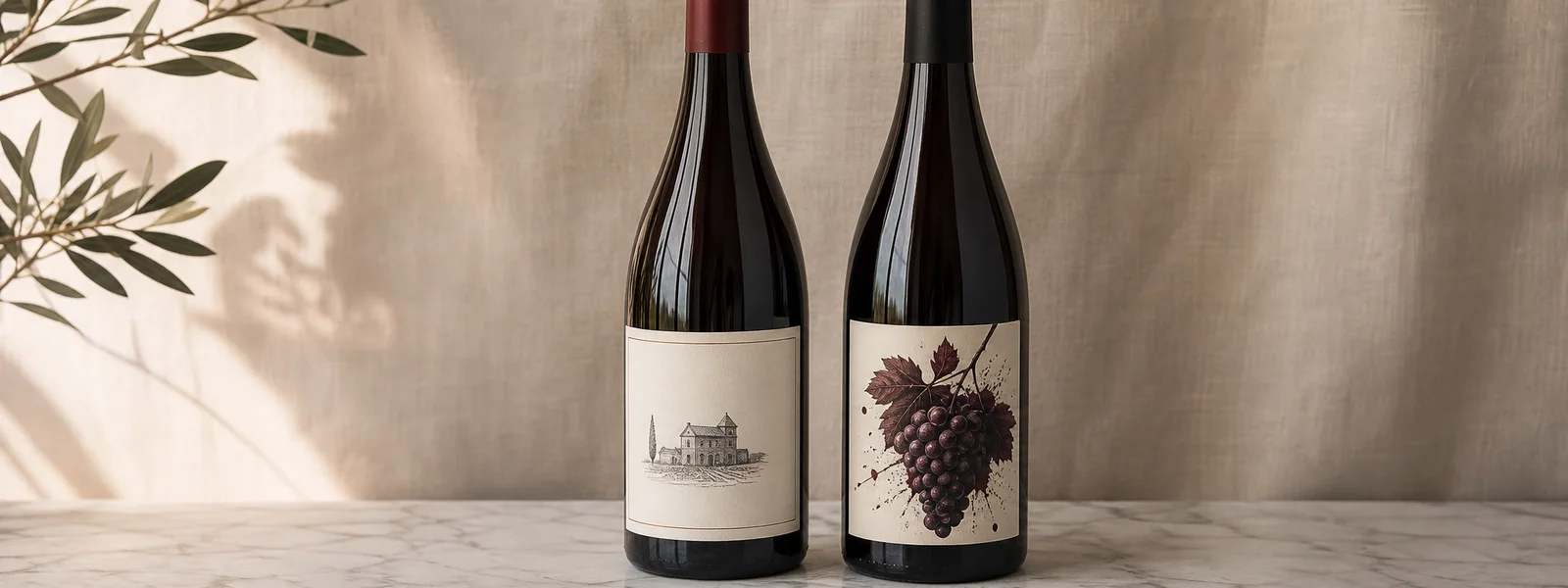
Reading a Wine Label
Decode any bottle in under a minute. Five facts every label gives you, how Old World hides the grape, and what Reserve actually means.
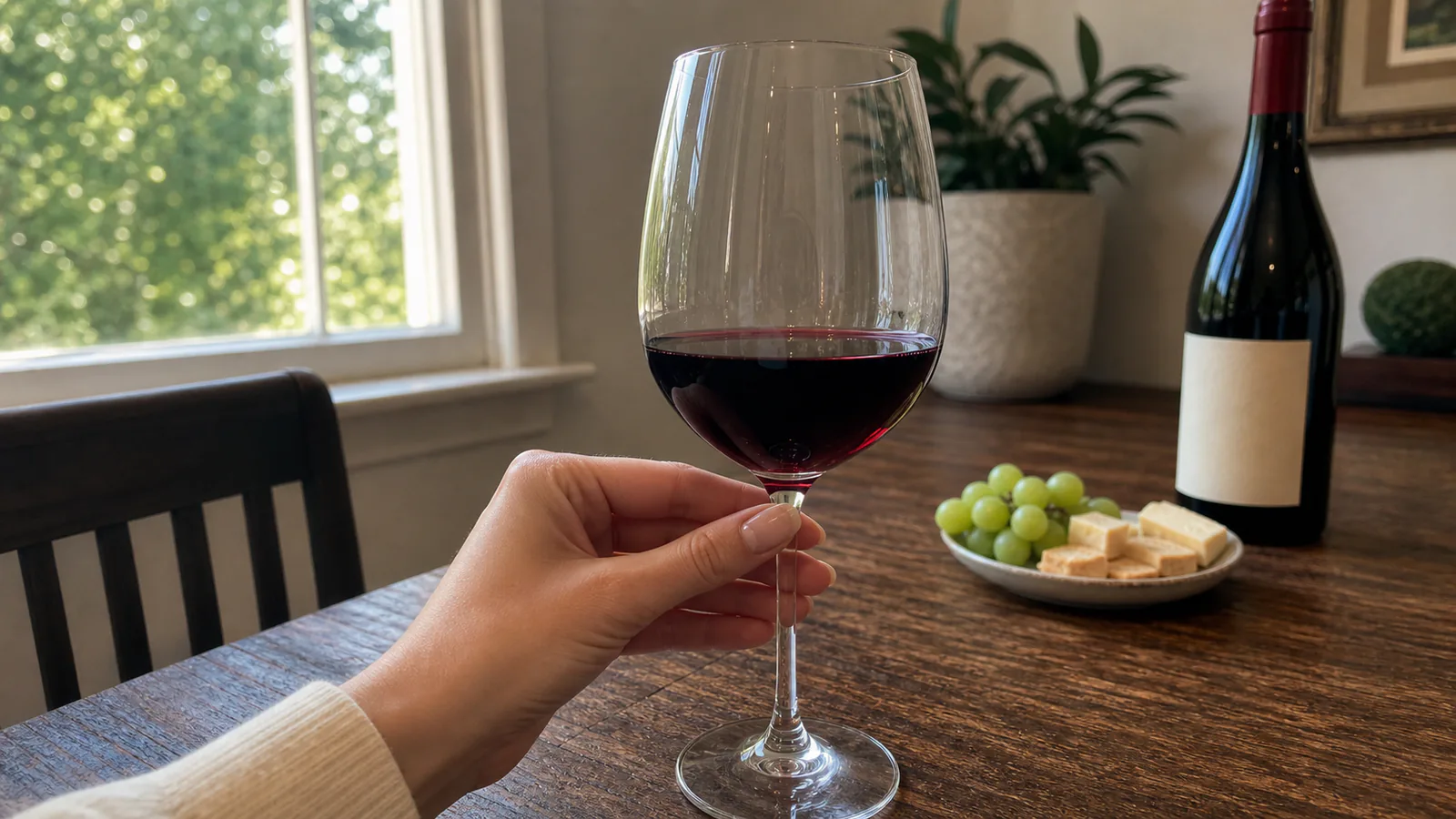
Acid, Tannin, Body — The Three Axes
The three structural elements that separate a wine you enjoy from one that just sits there. Learn to identify each one and every glass tells you more.