
Claire Bennett
Wine Editor9 min read
Wine Serving Temperature Guide (Cheat Sheet)
Exact serving temps for every wine style, the 20-minute rules for fixing fridge wine, and why room temperature is a 1700s lie.
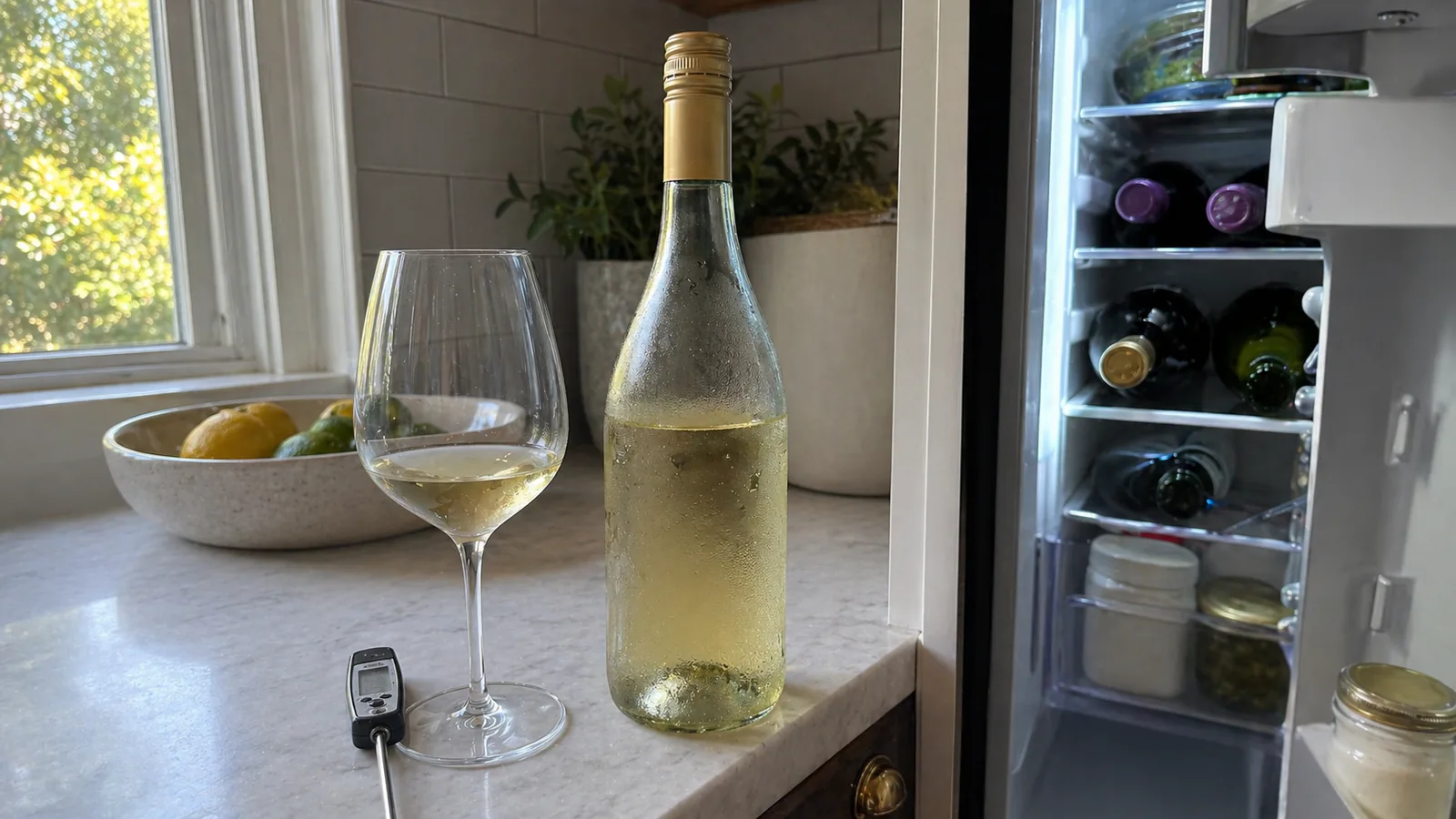
You’ve poured a glass of red, taken one sip, and thought “why does this taste like cough syrup?” Or you’ve opened a Chardonnay straight from the back of the fridge and gotten almost nothing on the nose. The wine isn’t broken. The temperature is. Serving wine at the wrong temperature is the single fastest way to flatten a great bottle, and almost everyone is doing it on at least one end of the dial.
By the end of this page you’ll know:
- The exact serving range for every major wine style, in both Celsius and Fahrenheit
- Why “room temperature” advice from old wine books gives you wine that tastes hot and boozy
- The 20-minute rule that fixes 95% of fridge-cold whites and over-warm reds
- The 7-minute ice bath shortcut for emergency chilling
- The smell test that tells you you’ve gone too cold
- How to recover a wine you’ve already poured at the wrong temperature
Why does serving temperature matter so much?
Temperature is a volume knob for everything you taste and smell in a wine. Get it right and the wine sings. Get it wrong and you mute either the aromas, the structure, or both.
Too warm and alcohol takes over. Reds start tasting boozy and flabby. Whites feel oily and lose their refreshing snap. The fruit gets jammy. Tannins go soft and shapeless. You’re drinking a glass of warm spirit instead of a balanced wine.
Too cold and the wine clamps shut. Aromas can’t volatilise off the surface, so you get almost nothing on the nose. Tannins in reds feel harsh and metallic. Subtle flavours disappear. Cheap wine sometimes benefits from this (less bad stuff to taste). Good wine gets ruined.
There’s a sweet spot for every style, and it’s narrower than you’d think. A red served at 22°C tastes hot. The same red at 16°C tastes alive. A six-degree swing changes the wine.
What’s the cheat sheet for every wine style?
Print this. Tape it inside a cupboard. The whole thing fits on a postcard.
Sparkling wine: 6 to 8°C (43 to 46°F). Champagne, Prosecco, Cava, English sparkling. Cold enough to keep the bubbles small and tight. Any warmer and the fizz blows off too fast.
Light whites and rosé: 7 to 10°C (45 to 50°F). Sauvignon Blanc, Pinot Grigio, Albariño, dry rosé, Riesling. Cold but not freezing. Cold enough to keep the acidity zinging without numbing the citrus and stone fruit notes.
Full-bodied whites: 10 to 13°C (50 to 55°F). Oaked Chardonnay, white Burgundy, Viognier, oaked Rioja blanco. These have texture and complexity that show up better when they’re not too cold. Pull them from the fridge 15 minutes before pouring.
Light reds: 12 to 15°C (54 to 59°F). Pinot Noir, Gamay (Beaujolais), Grenache, lighter Sangiovese. Cooler than most people expect. A light red served at room temperature tastes washed out and floppy. Slightly chilled, the red fruit pops.
Full-bodied reds: 15 to 18°C (59 to 64°F). Cabernet Sauvignon, Syrah, Malbec, Bordeaux blends, Brunello, Barolo. The classic “cellar temperature” range. Warm enough for the dark fruit and oak to show, cool enough that the alcohol stays in check.
Sweet and fortified wines: Sweet whites like Sauternes go at 8 to 10°C. Tawny Port and Sherry go at 12 to 14°C. Vintage Port goes at 16 to 18°C, the same as a big red.
What’s the 20-minute rule for whites?
You pull a Chardonnay from the fridge at 4°C and pour it. You taste cold and not much else. The wine is shut down.
Fix: take it out of the fridge and leave it on the bench for 20 minutes before opening. The bottle warms a few degrees, the aromas wake up, and you taste the wine instead of just feeling cold liquid hit your tongue.
Light whites and rosé want about 15 minutes out of the fridge. Full-bodied whites and oaked Chardonnay want 25 to 30 minutes. Sparkling wine is the exception: serve it straight from the fridge or it goes flat.
If you forgot to put the bottle in the fridge at all, the reverse trick works. An ice bath (water plus ice plus a pinch of salt) chills a room-temperature white to drinking temperature in about seven minutes. Faster than the freezer and there’s no risk of forgetting it and turning your bottle into a slushie.
What’s the 20-minute rule for reds?
This is the one nobody does, and it’s the easiest improvement you can make to your wine drinking right now.
A red wine sitting on your kitchen bench is at roughly 22°C. That’s at least four degrees too warm for almost any red. The wine tastes hot, the alcohol shows, and the fruit gets jammy.
Fix: put the bottle IN the fridge for 20 minutes before opening. It drops to around 16 to 17°C, which is exactly where most reds want to be. Lighter reds like Pinot Noir and Beaujolais want 30 to 40 minutes in the fridge.
Try this on a Pinot Noir tonight and you’ll taste the difference inside one sip. The red fruit gets brighter, the tannins get tidier, and the alcohol stops dominating. The best wine in your rack is being held back by your kitchen temperature, and 20 minutes fixes it.
Why is “room temperature” wrong for red wine?
The advice to “serve red wine at room temperature” comes from a time when rooms weren’t heated to 22°C. In 1700s and 1800s European country houses, “room temperature” in the dining room meant about 15 to 17°C. That happens to line up perfectly with the modern serving range for red wine.
Then central heating happened. Now your dining room sits at 22°C in winter and pushes 26°C on a hot day. “Room temperature” has shifted six to ten degrees warmer than it was when the rule got written. The advice didn’t update.
The fix is to ignore the phrase entirely and aim for cellar temperature instead. A proper wine cellar sits at 12 to 14°C. Your bottle should hit the glass at 15 to 18°C for a full red. If your kitchen is warmer than that (it almost certainly is), the bottle needs time in the fridge before you open it.
What tools help you serve wine at the right temperature?
You don’t need a wine fridge. The four useful tools for getting temperature right are cheap or free.
A thermometer. A simple instant-read kitchen thermometer or a clip-on bottle thermometer takes the guesswork out. Stick it in the bottle once you pour the first glass and you’ll know whether to leave it on the bench or pop it back in the fridge.
An ice sleeve. The neoprene sleeves you can keep in the freezer drop a bottle by 5 to 10°C in about 10 minutes. Cheap, reusable, no condensation pooling on the table. (Our best wine chillers round-up has the table-side sleeves and electric chillers worth owning.)
An ice bath. A bowl or wine bucket with equal parts ice and water (and a pinch of salt) is the fastest chiller on earth. A room-temperature white hits 8°C in about seven minutes. Don’t skip the water: ice alone barely contacts the bottle.
The fridge itself. Your fridge already does most of the work. The only trick is remembering to use it for reds as well as whites.
How do you recover a wine served at the wrong temperature?
The good news: temperature mistakes are reversible. The wine isn’t ruined.
If the wine is too cold: wrap your hand around the bowl of the glass for 30 seconds. The heat from your palm warms a glass of wine by a couple of degrees in under a minute. Or just wait. A glass on the table climbs about a degree every two minutes in a normal room.
If the wine is too warm: the fastest fix is to pour the warm wine over a single ice cube in a tasting glass. Yes, you’ll dilute the wine slightly. The temperature drop you get from one cube melting against 150ml of wine is dramatic, and a small amount of dilution barely registers in a hot, boozy red. Drop the cube in, swirl for 10 seconds, fish it out before it fully melts.
Big tip: when in doubt, slightly cooler is safer than slightly warmer. Cold wine warms in your glass quickly. Warm wine takes forever to cool back down once it’s poured.
Frequently Asked Questions
Can you serve red wine cold?
Yes, and you should for light reds. Pinot Noir, Beaujolais, Gamay, and lighter Italian reds taste better with 20 to 30 minutes of fridge time. Full-bodied reds like Cabernet and Shiraz still benefit from a quick 15-minute chill on a warm day. The “never chill red wine” rule is wrong.
Does temperature really change how wine tastes that much?
A six-degree swing makes most wines taste like a different bottle. Cold mutes aromas and stiffens tannins. Warm amplifies alcohol and dulls acidity. The same bottle at 12°C versus 22°C is barely recognisable. If you’ve ever thought “this wine is meant to be better than it tastes,” temperature is the most likely culprit.
What’s the best way to chill wine fast without an ice bucket?
Wet a clean kitchen towel, wrap it around the bottle, and stick it in the freezer for 15 minutes. The water on the cloth conducts heat away from the bottle much faster than air alone, dropping a room-temperature wine to fridge-cold in about a quarter of the time the bottle would take on its own.
Should you ever serve wine over ice?
For dry table wines, no. The dilution flattens balance and acidity. The exception is hot-weather rosé, sangria, and some Spanish whites where ice is part of the tradition. If you’re hot and the wine’s gone warm, one cube to rescue a glass is acceptable. A glass full of ice isn’t.
What temperature do you store wine at versus serve it at?
Storage and serving are two different temperatures. Store wine long-term at a steady 12 to 14°C with high humidity. Serve it 0 to 6°C colder for whites and at storage temperature for reds. The big rule for storage is consistency: a steady 16°C beats a fluctuating 12 to 18°C every time. Our wine storage tips and best wine fridge round-up cover the gear that holds that line.
Now that the bottle’s at the right temperature, the only thing standing between you and a great glass is the tasting itself. Slow down, smell first, and you’ll catch flavours you never noticed before, even in wines you’ve been drinking for years.
Keep Reading
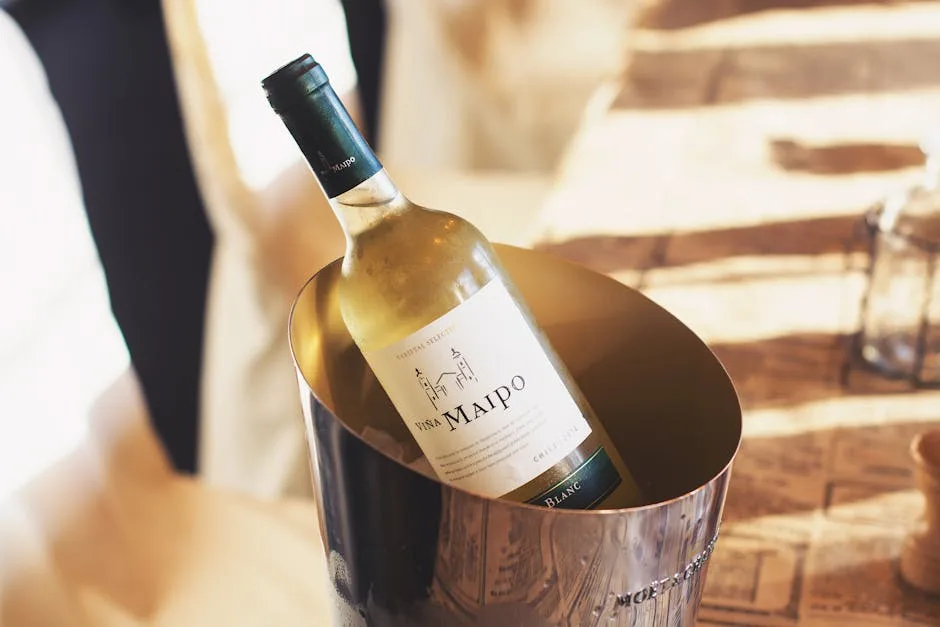
Best Wine Chillers: 5 That Keep Your Bottle Cold
The right wine chiller keeps whites, rosé, and sparkling at peak temperature from first glass to last. Five worth buying, ranked and compared.
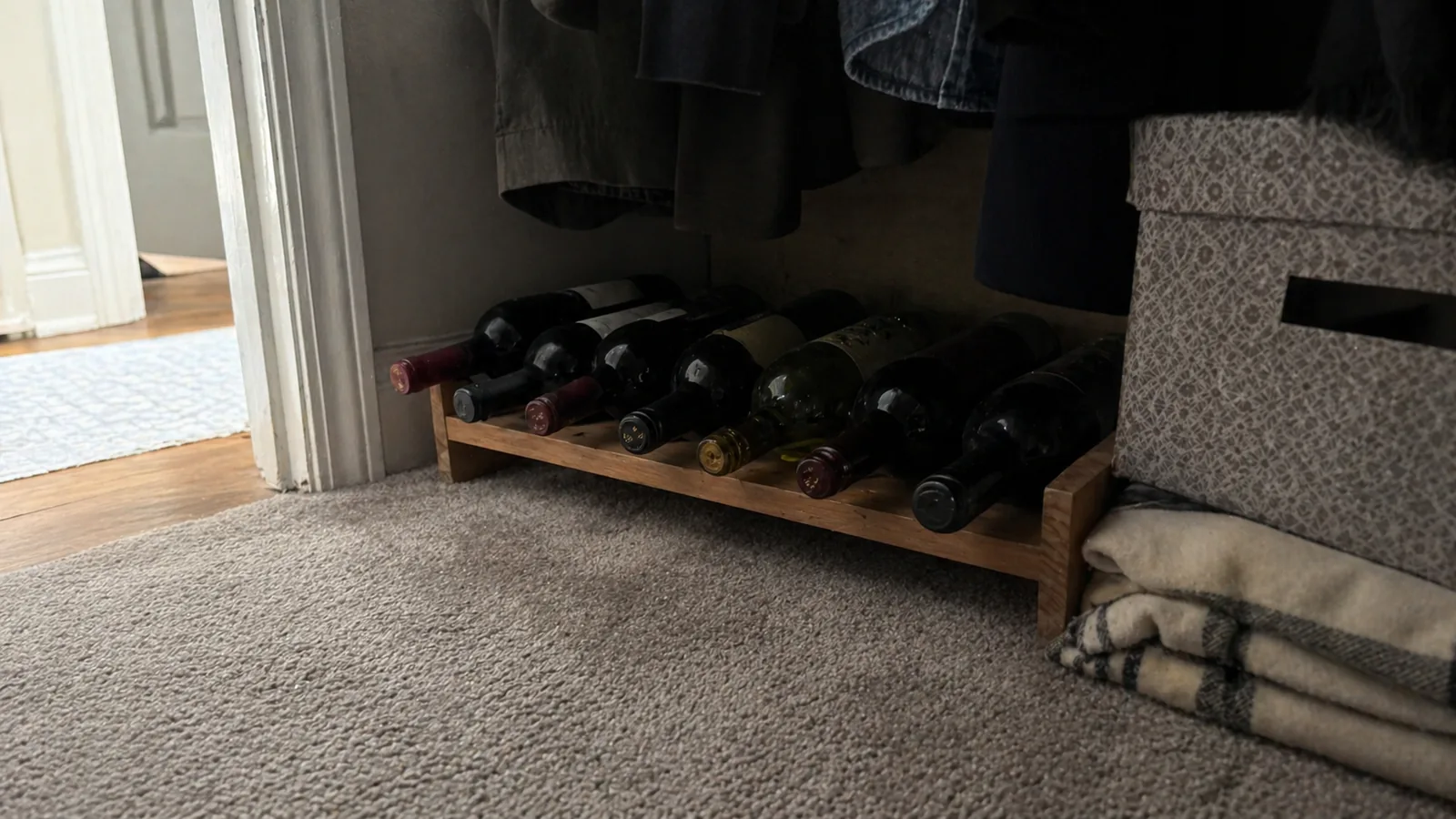
Wine Storage Tips: Keep Bottles From Going Bad
The four enemies of wine, the ideal temperature, and where to store bottles at home when you don't have a cellar (with the kitchen warning).
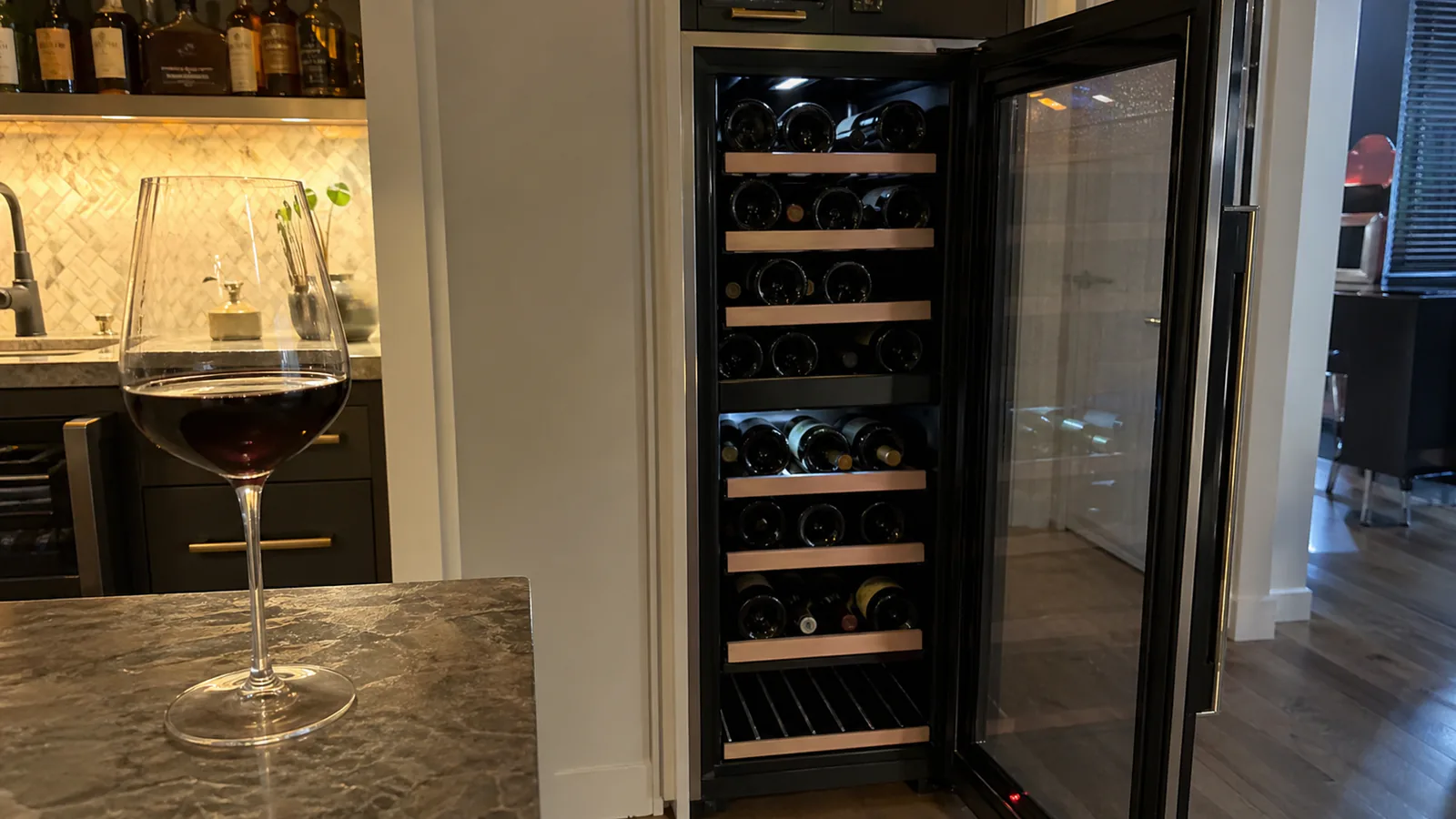
Best Wine Fridge: 5 Picks for Every Budget and Space
Five wine fridges ranked by use case: countertop, dual zone, and freestanding. Find the right wine cooler for your collection and budget.