Claire Bennett
Wine Editor31 min read
Best Organic Wines: 12 Bottles Worth Buying
12 certified organic wines worth buying right now: reds, whites, and rosé across styles and price points, all verified by critics and real drinkers.
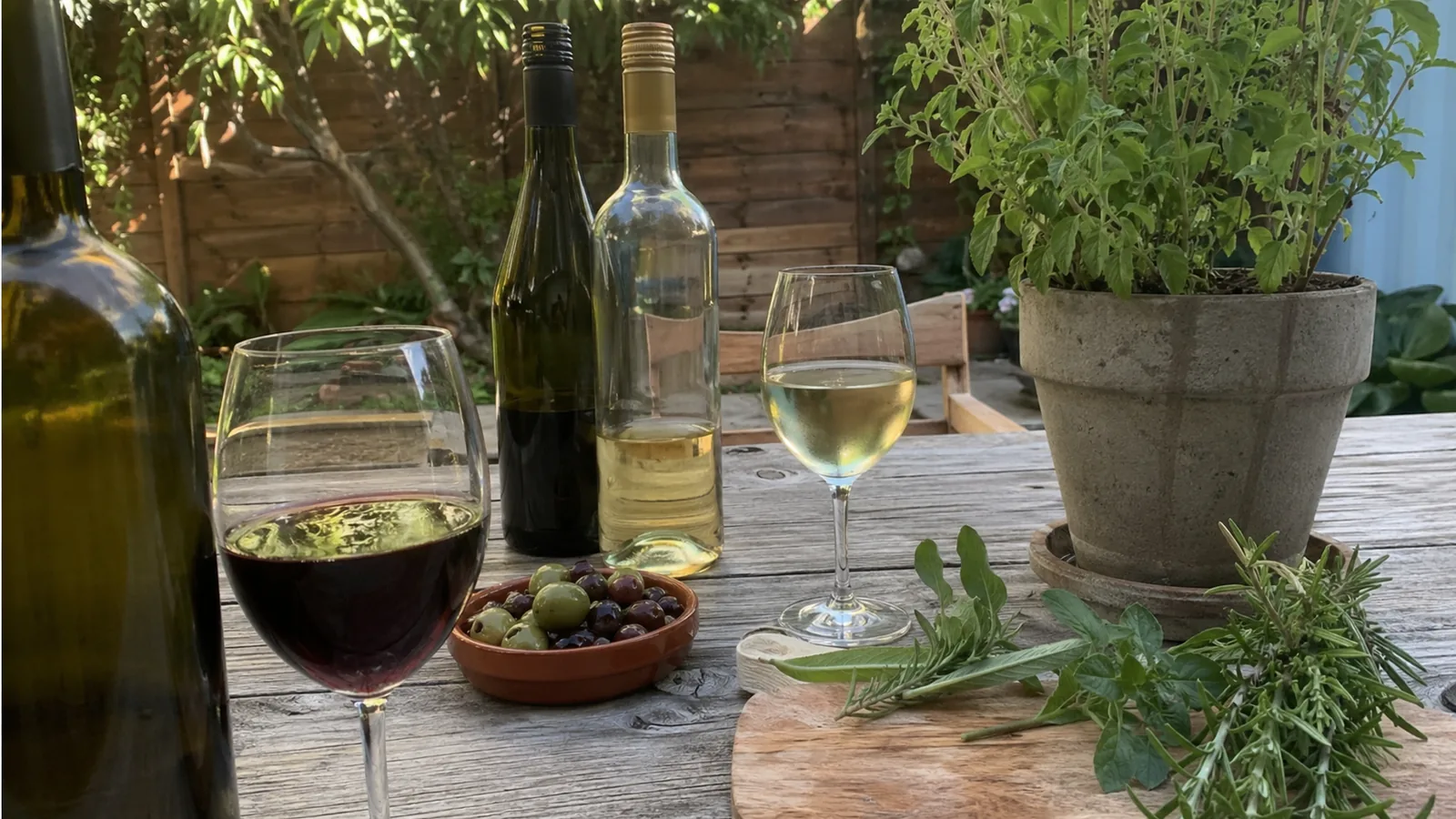
The organic wine section at any bottle shop has a problem: it’s full of labels that look the part but tell you nothing about what’s actually inside. Some are certified by the USDA. Some use organically grown grapes but still add sulfites. Some are biodynamic, which goes further than organic in ways that actually matter to how the wine is farmed. And a few are just trading on the aesthetic without a certification to back it up.
Before you buy, it helps to know which label means what. USDA Certified Organic means 100% organically grown grapes and no added sulfites. “Made with Organic Grapes” means the farming was organic but the winemaker was allowed to add sulfites up to 100ppm for stability. Biodynamic certification (look for the Demeter logo) goes further still. It treats the whole farm as a single ecosystem, applying stricter standards than organic alone. All three are legitimate choices. The difference is in the detail.
The twelve bottles below are a mix of reds, whites, and rosé spanning Italy, France, Spain, New Zealand, and California. A few carry famous names; others are regional finds that happen to produce exceptional wine and happen to farm it the right way. Every one of them is available right now.
Our Top 3 Picks

Clos Henri Otira Sauvignon Blanc 2024
Marlborough, New Zealand · Sauvignon Blanc
96 pts Robert Parker

Villa a Sesta Il Palei Chianti Classico 2019
Chianti Classico, Tuscany · Sangiovese
96 pts Wine Spectator

Prices vary by state. Click through for your current price.
1. Clos Henri Otira Sauvignon Blanc 2024
Marlborough Sauvignon Blanc is the benchmark for the style worldwide, and Clos Henri’s Otira sits right at the top of it. The estate farms organically across its Marlborough vineyard, which sits on different soil to most of the valley: deeper, more clay-rich, which gives the wine a density and mid-palate weight that most Marlborough Sauv Blancs miss. Grapefruit, white peach, a thread of herbs, and a finish that keeps going.
Robert Parker gave it 96 points. James Suckling matched that score. Wine Enthusiast added 95. That’s a consensus that’s hard to argue with, and at this price it’s one of the finest certified organic white wines available right now. Among organic wine brands from New Zealand, Clos Henri stands out for consistently delivering wines without the shortcuts that compromise so many bottles in this category.
2. Villa a Sesta Il Palei Chianti Classico 2019
Chianti Classico already has strict rules: minimum 80% Sangiovese, mandatory aging, and a tiered classification system. Villa a Sesta goes further by farming its estate organically, which is not a given in Tuscany even among good producers. The 2019 shows what certified organic viticulture can do: the fruit is precise, the tannins are clean, the acidity is bright without being sharp. Dried cherry, a note of tobacco, and a long, earthy finish.
Wine Spectator scored it 96 points. James Suckling added 92. Wine Enthusiast 90. Three separate critics looking at the same bottle, all landing in that quality zone. That’s the kind of signal worth following.
3. Miraval Rosé 2024
Miraval is one of Provence’s most recognised estates, and its rosé is the reason. The wine comes from vines grown on the limestone and clay soils of the Plan de la Tour plateau, farmed organically with an emphasis on low yields. The 2024 is everything a Côtes de Provence rosé should be: pale salmon, bone dry, with flavours of white strawberry, a touch of stone, and the kind of minerality that comes from genuinely good farming.
Decanter scored it 92 points, James Suckling matched that, and Robert Parker added 90. At this price it sits in the category’s sweet spot. Serious enough to earn the scores, accessible enough to open on any occasion. Provence wine has a reputation for being pale and approachable; Miraval also happens to be organically farmed, which wine lovers increasingly look for when buying rosé.
4. Dog Point Vineyard Sauvignon Blanc 2024
Dog Point is owned by two former Cloudy Bay winemakers who left to do things their way, which in practice means organic farming, minimal intervention, and a Sauvignon Blanc that tastes like it comes from somewhere specific rather than a generic Marlborough template. The 2024 has the citrus brightness the region is known for, but with a rounder texture and a complexity that makes you want a second glass before the first one is finished.
Robert Parker gave it 95 points. Wine Enthusiast and James Suckling both scored it 93. With three critics in agreement at that level, this is one of the most-awarded organically grown white wines in the Marlborough lineup. Dog Point’s approach to wine production is minimal: the fruit does the work, and the winemakers stay out of the way.
5. Grand Napa Vineyards Los Carneros Pinot Noir 2023
Carneros sits at the southern end of both Napa and Sonoma, where cold air pushes in from San Pablo Bay and keeps the growing season long and cool. Grand Napa farms organically here, and the resulting Pinot Noir has the hallmarks of the appellation: fresh red fruit, silky texture, and a brightness that makes it versatile at the table. The 2023 picked up 94 points from the Tasting Panel, 92 from Wilfred Wong, and 91 from Wine Enthusiast.
At under $40, it’s among the best certified organic Pinot Noirs available at a major retailer right now, with 153 verified customer reviews at 4.6 stars to back it up. If you’re used to drinking wine from Chilean or Argentine vineyards for the value, this California Pinot is worth the slight step up in price.
6. La Rioja Alta Vina Ardanza Reserva 2019
La Rioja Alta is one of Rioja’s founding houses, established in 1890. The Vina Ardanza Reserva is its flagship, and the 2019 is a vintage worth paying attention to. Warm growing conditions produced ripe, concentrated Tempranillo with the structure to age comfortably but the balance to drink well right now. The estate manages its vineyards using organic farming principles, keeping chemical inputs out of a landscape it has worked for over a century. The wine production here is traditional: long maceration, aging in American oak, and no added sugar during fermentation.
Decanter scored the 2019 at 94 points. Vinous added 93. Red fruit, leather, vanilla from careful oak aging, and a finish that goes on longer than wines twice the price.
7. Chateau D’Aqueria Tavel Rosé 2024
Tavel is the only AOC in France dedicated entirely to rosé. The rules require a minimum of Grenache, allow a mix of other southern Rhone varieties including Syrah and Mourvedre, and mandate a fuller, richer style than the pale Provence rosés most people picture when they think of French pink wine. Chateau d’Aqueria has been farming this land organically for decades, and the 2024 shows why the commitment matters: the wine has depth, a slightly deeper colour, and a palate that can handle food the lighter styles can’t.
The Tasting Panel scored it 94 points. James Suckling and Robert Parker both gave it 91. Order this when you want a rosé that does more than look good in the glass. This is one of the great European wines in the rosé category that wine lovers outside France still consistently overlook.
8. Grand Napa Vineyards Los Carneros Chardonnay 2024
Same organically farmed estate as the Pinot Noir, different expression of Carneros. The Chardonnay here has more restraint than you’d expect from a California label: the cool maritime climate keeps the fruit fresh rather than tropical, and the winemaking doesn’t push it toward the butter-and-vanilla end of the spectrum. White peach, a hint of citrus zest, and a clean, mineral finish.
The Tasting Panel scored it 94 points, Wilfred Wong 91. For a certified organic California Chardonnay that sidesteps the usual heavy style, this is the one to try.
9. Ziobaffa Organic Toscana 2020
Ziobaffa makes one thing: certified organic Italian wine. The Toscana is a Sangiovese-led blend from organically farmed vineyards across Tuscany: dark cherry, a thread of espresso, tannins with enough grip to hold up against food but not so much that you need to plan the bottle in advance. It bottles in lighter glass as part of its sustainability approach, which is either a selling point or irrelevant depending on how you think about these things. The wine is what matters, and it delivers.
James Suckling scored it 91 points. Wilfred Wong added 90. For a certified organic Tuscan red under $20, this is the most straightforward value play on the list.
10. Domaine du Colombier Chablis 2023
Chablis is Chardonnay without the oak, the butter, or the richness that makes California Chardonnay divisive. What you get instead is cool climate, Kimmeridgian limestone, and a mineral austerity that makes it the natural partner for oysters, shellfish, and anything from the sea. Domaine du Colombier is a family estate that farms organically in the classic village, producing Burgundy wine that tastes precisely of where it comes from. If you’ve seen Pinot Gris from Alsace do something similar with texture and minerality, Chablis achieves that in white wine form with Chardonnay.
Wilfred Wong scored it 90 points. For a sub-$30 certified organic Chablis from a reliable family winery, that’s worth clicking through.
11. Calculated Risk Reserve Cabernet Sauvignon 2023
The name earns a second look, but the wine backs it up. This Sonoma County Cabernet is farmed organically and sells at a price that makes it a genuine everyday option for red wine drinkers who care about how their grapes are grown. Wine Enthusiast scored it 91 points. Back at home, 182 verified customer reviews land at 4.2 stars. That kind of popular consensus at this price is hard to find in the certified organic Cabernet category.
Dark fruit, moderate tannins, and enough structure to hold up to red meat or aged cheese without needing a special occasion to justify opening it.
12. Grand Napa Vineyards Sauvignon Blanc 2025
Spring Mountain District sits above the fog line on the western slopes of Napa Valley, where the altitude and the exposure produce Sauvignon Blanc with a precision and minerality that’s harder to find at this price than it should be. Grand Napa farms organically across its estate, and the 2025 shows the cleanliness you get when the winemaker has good organic grapes to work with. The Tasting Panel scored it 92 points, Wilfred Wong added 91, and 62 verified customer reviews put it at 4.7 stars.
White grapefruit, lemon zest, and a finish that’s bright without being sharp. Worth keeping a few bottles of.
Find Your Wine Match
Not sure which one? Take the 20-second quiz.
Three quick questions. One matched bottle.
What are you eating with it?
What's the occasion?
What style are you after?
Let's find the right bottle for you.
Tell us a bit about the occasion and what you're after. We'll match you to one of the bottles on this page.
Photo by Skyler Ewing on PexelsReading your answers…
How We Chose These Wines
Frequently Asked Questions
What’s the difference between organic wine and wine made with organic grapes?
The label wording matters here. USDA Certified Organic wine means the grapes were grown organically, without synthetic pesticides, herbicides, or fertilisers, and no additives like sulfites were introduced during winemaking. Naturally occurring sulfites from fermentation can still be present, but sulfite levels stay below 10ppm. Wine labelled “Made with Organic Grapes” uses organically grown grapes but allows the winemaker to add sulfites for preservation, up to 100ppm. Both have official certification requirements and involve third-party inspection of the vineyard. The practical difference is in the sulfite level, which matters most to people who react to sulfites in conventional wine.
Does organic wine really prevent headaches?
Sulfites get blamed for wine headaches, but the evidence is weak. Most people who think they’re sensitive to sulfites can actually tolerate dried fruit, which contains far more sulfites than any alcoholic beverage. The more likely culprits are histamines and tannins, which are present in organic wine at similar levels to conventional wine. That said, some people genuinely feel better drinking wine from organically farmed grapes, and it’s worth trying if you suspect conventional wine affects you. There’s no harm in the experiment.
Is biodynamic wine better than organic wine?
Biodynamic certification, usually indicated by the Demeter logo, goes further than organic. The same minimal-intervention thinking sits at the heart of natural wine, which often overlaps with biodynamic farming. Where organic farming focuses mainly on what you don’t use (no synthetic pesticides, no herbicides, no chemical inputs beyond what the grower applies naturally), biodynamic agriculture treats the whole farm as an interconnected ecosystem. Sustainable farming practices include specific planting calendars based on lunar cycles, cover crops to build soil health, and preparations applied to strengthen the vines. Estates that farm biodynamically often note that the soil improves year over year in ways that conventional or even organic farming doesn’t achieve as quickly. Whether the resulting wine tastes better is genuinely contested. What’s clearer is that biodynamic viticulture tends to produce healthier soils and more biodiverse landscapes than conventional wine production. Many of the world’s most respected winemakers, from small Loire Valley estates to large Burgundy domaines, use biodynamic methods. Some wine club services now specifically curate organic or biodynamic selections, which is a useful way to explore the category without buying blind. That all counts for something.
How should I store organic wine once opened?
The same way you’d store any open wine: stopper it, refrigerate it, and drink it within three to four days. Organic wines made without added sulfites may be slightly more sensitive to oxidation than conventional wines, so the fridge matters more here. If you’ve opened a bottle that’s USDA Certified Organic (no added sulfites at all), try to finish it within two days for best results. A vacuum stopper helps, but it’s not magic. The real answer is: open organic wine when you plan to drink most of it.
Are there good organic wines under $25?
Yes. The Miraval rosé and Calculated Risk Reserve Cabernet Sauvignon both come in under $25 and carry solid critic scores. For white wine drinkers, the Dog Point Sauvignon Blanc and Grand Napa Sauvignon Blanc are in that range. Our wine buying guide has more on reading certifications and shelf labels at speed. Buying organically grown wine doesn’t have to mean paying a premium over conventional bottles. The wine regions that produce the best value for red and white wines tend to be Marlborough in New Zealand for whites, and Provence and the Rhone for rosé. Organic or biodynamic wines from Spain and southern France are also worth exploring at the wine shop. Wines from France in the under-$25 range, particularly wines from small estates in Languedoc or the Loire, often deliver the most value in the organic category. The good wine that used to be hard to find in the clean wine category has become much easier to source.
Is organic wine suitable for vegans?
Most wine, including most organic wine, is fined using animal-derived products like egg whites, casein (a milk protein), or isinglass (from fish). Organic certification doesn’t require vegan fining agents, so a wine can be certified organic and still go through traditional fining. If veganism is the concern, look for wines labelled “unfined” or “unfiltered,” or check databases like Barnivore. Some natural wine producers and biodynamic estates do use vegan-friendly methods as part of their minimal-intervention philosophy, but it’s not guaranteed by the organic label alone. Good news for wine lovers: the trend toward minimal-intervention winemaking means more options for drinking wine made without animal products.
What are the best organic red wines?
The best organic red wines on this list are the Villa a Sesta Chianti Classico 2019 (96 points Wine Spectator), La Rioja Alta Vina Ardanza Reserva 2019 (94 Decanter, 93 Vinous), and Ziobaffa Organic Toscana 2020 (91 James Suckling). For an everyday-priced good wine, the Calculated Risk Reserve Cabernet Sauvignon and Ziobaffa both deliver real value under $25. If you want a sommelier-level recommendation for a dinner table, the Chianti is the pick. Red wines made from grapes grown organically and certified by a third-party body are increasingly available across all wine regions and price points, which makes finding a quality organic wine brand easier than it used to be. Beyond the European wines on this list, South America is also worth exploring: Malbec from Argentine wine country, Cabernet Sauvignon from Chilean wine regions, and Carmenere are all produced biodynamically or organically by a growing number of producers. Sparkling wine is also available in certified organic form, particularly from producers in Champagne and Cava, for those who want to extend their organic choices beyond still wine. Some producers like Avaline have also brought celebrity attention to the organic category, which has helped drive mainstream awareness of sustainable agriculture in viticulture.
What does “low sugar” mean for organic wines?
Most dry organic wines are low sugar by default. When fermentation runs to completion, the yeast converts almost all of the grape sugar to alcohol, leaving residual sugar levels well below 4g per litre. Where organic wine differs from conventional is in what the wine makers don’t add: no added sugar is permitted in USDA Certified Organic wine during production. “Made with Organic Grapes” wines also generally avoid chaptalisation (adding sugar to boost alcohol). If low sugar is the goal, stick to wines labelled dry and look for grapes grown organically rather than sweet or off-dry styles.
Keep Reading
Natural Wine Guide: What It Is and Where to Start
Natural wine, explained plainly. What it is, why it tastes different, where it comes from, and how to find a bottle you'll actually enjoy.
Wine Buying Guide: How to Pick a Bottle You'll Like
A practical framework for choosing wine you'll enjoy every time. No sommelier required.
Best Non-Alcoholic Wines Worth Drinking Right Now
Eight dealcoholized wines covering still reds, crisp whites, and sparkling rosé. All under $35 and all worth drinking.