Claire Bennett
Wine Editor11 min read
Natural Wine Guide: What It Is and Where to Start
Natural wine, explained plainly. What it is, why it tastes different, where it comes from, and how to find a bottle you'll actually enjoy.
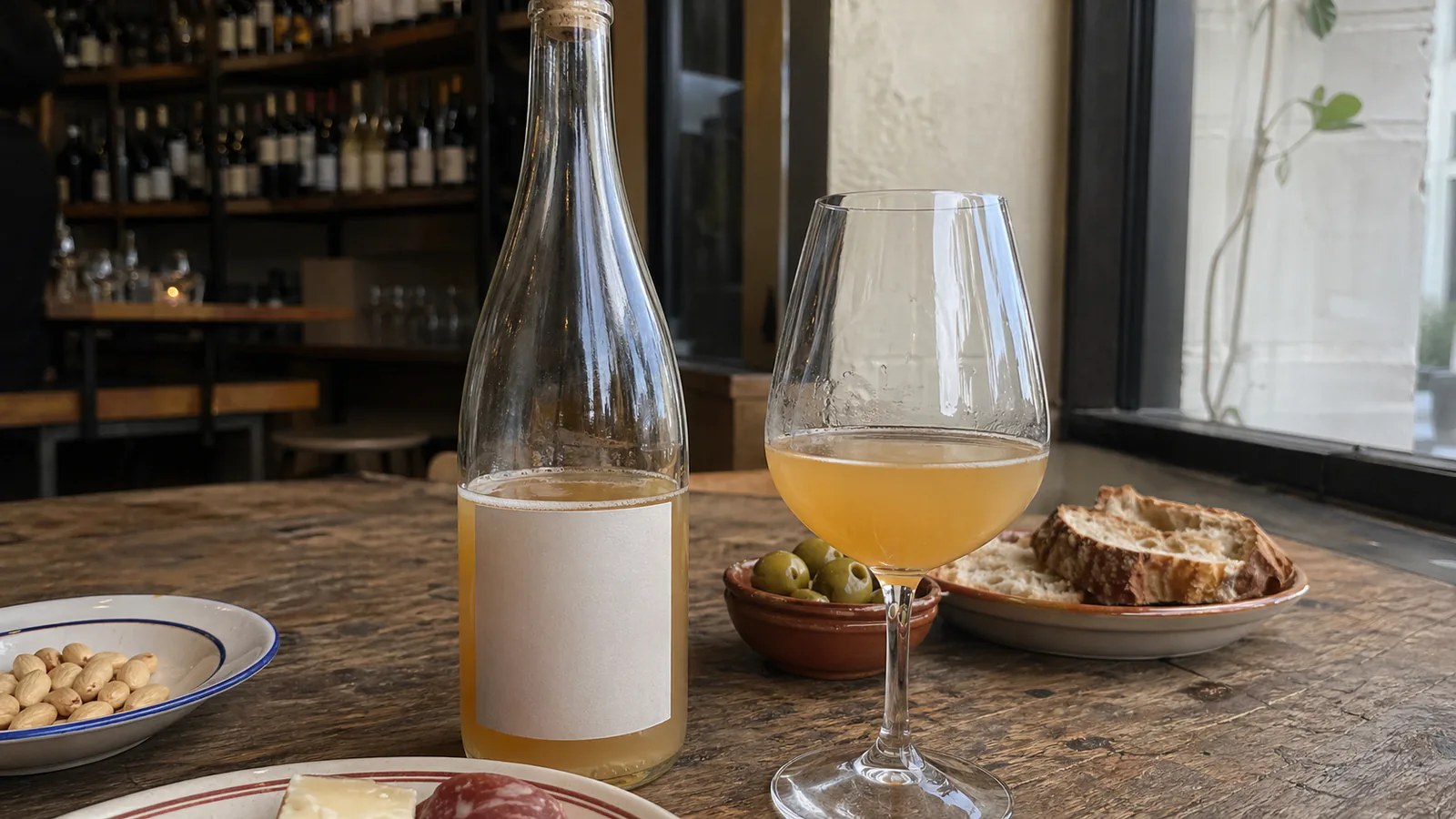
You ordered a glass at a wine bar and it arrived cloudy, slightly fizzy, and tasted nothing like the Shiraz in your fridge at home. The bartender called it natural. You nodded. You had no idea what that meant.
Natural wine has been a fixture of hip bottle shops and restaurant lists for years now, and the conversation around it can feel like a lot: philosophical, political, sometimes a little self-righteous. Underneath all of that, the actual answer to “what is it?” is pretty simple.
By the end of this page you’ll know:
- The one question you can ask a wine shop owner that tells you instantly whether a bottle is natural
- Why natural wine can taste funky, fizzy, and flat-out strange, and when that’s intentional versus a flaw
- The difference between natural, organic, and biodynamic (they overlap, but they’re not the same thing)
- The French region that started the whole movement, and why a biochemist named Jules Chauvet changed the way winemakers think about sulphur
- How to tell from a label whether a wine is genuinely low-intervention or just marketing
What Is Natural Wine, Exactly?
Natural wine is wine made with as little intervention as possible, both in the vineyard and in the cellar. That means two things.
In the vineyard, the grapes are farmed without synthetic herbicides, pesticides, or fertilisers. Most natural winemakers work to organic or biodynamic standards, even if they don’t always carry the certification. The soil stays alive, biodiversity is encouraged, and the vineyard is treated as an ecosystem rather than a production facility.
In the cellar, the winemaker steps back. Instead of adding commercial yeasts, they rely on the wild yeasts living on the grape skins to start fermentation. Sulphites, which are used in conventional wine to prevent oxidation and kill off unwanted bacteria, are either kept very low or left out entirely. The wine isn’t filtered or fined before bottling, which means proteins, yeasts, and sediment stay in.
What you end up with is wine that reflects the vineyard and the vintage almost without a filter. Some bottles are bright and fresh. Some are cloudy and funky. Most are somewhere between the two.
How Does Natural Wine Differ from Organic and Biodynamic?
These three terms get tangled together constantly, and the confusion is understandable because they do overlap. Here’s where they split.
Organic wine has an official certification. The grapes are farmed without synthetic chemicals. In the cellar, some sulphites are still permitted, just at lower levels than conventional wine. Most natural winemakers farm organically, but organic certification alone doesn’t make a wine natural.
Biodynamic wine takes organic farming further. It follows a calendar tied to lunar cycles, treats the vineyard as a self-sustaining organism, and uses specific preparations to improve soil health. Demeter is the main certification body. Again, most natural winemakers follow biodynamic principles in spirit, if not always to the letter.
Natural wine adds a third layer: minimal intervention in the cellar. No added yeasts, no acid adjustments, no added sulphites, no filtering. There’s no official body that certifies natural wine. The term is largely self-declared, which is part of why it frustrates people and part of why it’s interesting.
The short version: organic and biodynamic describe what happens in the vineyard. Natural wine is about what doesn’t happen in the cellar.
Why Does Natural Wine Taste Different?
Most of the flavour characteristics people associate with natural wine come down to a few specific choices.
No commercial yeast. Wild yeasts ferment more slowly and unpredictably than commercial strains. They produce a wider range of flavour compounds, some of which taste funky, sour, earthy, or alive in a way that conventionally produced wine rarely is. The same winemaking process at the same vineyard can produce noticeably different results from one year to the next.
No filtration. Proteins and residual yeast left in the wine give it a hazy or cloudy appearance. This is normal and harmless. Some people describe the texture as richer or more alive. You may also see sediment at the bottom of the bottle.
Low or no sulphites. Sulphur dioxide is used in conventional wine as a preservative and antimicrobial agent. Without it, natural wine can be more fragile. It needs careful storage, cool temperatures, and it has a shorter shelf life than conventional wine. It can also develop a slight fizz, particularly in warmer conditions, as residual yeast continues to work in the bottle.
Bottle variation. Two bottles of the same natural wine from the same vintage may taste noticeably different. This is considered part of the character, not a defect.
If a natural wine tastes like cider vinegar or wet cardboard, that can indicate a genuine fault. But cloudy, slightly funky, herbal, or pétillant? That’s the wine working as intended.
Where Does Natural Wine Come From?
The modern natural wine movement traces back to Beaujolais in the 1980s, where a biochemist named Jules Chauvet spent years studying fermentation without sulphur additions. Chauvet’s thinking influenced a generation of producers in the region, most notably Marcel Lapierre, whose Morgon became one of the early reference points for what natural wine could be.
From Beaujolais, the movement spread through the Loire Valley in France, where producers in Muscadet, Sancerre, and Chinon started working without additives. Paris bistros and natural wine bars picked it up, and the scene grew. France remains the spiritual home of the movement. What started as an underground culture around a handful of producers in the 1980s is now one of the most exciting categories in wine.
Italy has become one of the most exciting sources of natural wine, with producers in Friuli, Emilia-Romagna, and Sicily pushing fermentation techniques to extremes. La Stoppa in Emilia-Romagna is one of the most referenced producers in the natural wine scene globally.
Georgia deserves a mention as the oldest wine-producing region in the world. Georgian winemakers have been fermenting grapes in clay amphorae called qvevri for around 8,000 years. Their skin-contact whites, made without any intervention, are natural wine in the most literal sense. The fuller story sits in the orange wine guide.
Spain has a growing natural wine scene, particularly in Galicia and Catalonia. The United States, especially New York’s Finger Lakes and California’s Sonoma Coast, has produced a wave of low-intervention producers in the last decade. Australia has a cluster of natural winemakers in the Adelaide Hills, Yarra Valley, and Margaret River.
How Do I Find Natural Wine?
There’s no universal label or certification to look for, but a few signals help.
Ask at an independent bottle shop. Good wine retailers know their producers. If you ask “do you carry any natural or low-intervention wines?”, an informed seller can point you to something immediately. This is the fastest route to a good bottle. The broader rules of the rack live in the wine buying guide.
Look for the RAW Wine fair label. RAW Wine is an annual fair that operates in London and New York, run by wine writer Isabelle Legeron. Producers who exhibit must meet minimum criteria: organic or biodynamic farming, indigenous yeasts only, no fining or filtering, very low sulphite additions. If you see a wine listed as a RAW Wine producer, it’s a reliable signal.
Read the back label. Many natural winemakers note their practices on the back label: “no added sulphites,” “unfined, unfiltered,” “indigenous yeasts only.” These phrases tell you what you need to know.
Look at the bottle. Natural wines often have handwritten or illustrated labels from small, independent producers. Cloudiness in the glass is a signal, not a warning.
Specialist importers are another reliable route. If the importer focuses on low-intervention producers (names like Louis/Dressner in the United States, or Swig in the UK), the wines they carry are almost always natural or close to it.
What Does Natural Wine Go With?
Natural wine pairs well with food that has energy and freshness to it. The high acidity and often lower alcohol in natural wines make them good companions for dishes that would overwhelm a heavier conventional wine.
Think charcuterie and cured meats, particularly with a light Loire red like a Saumur-Champigny. Sardines, anchovies, or any fatty fish work well with a cloudy skin-contact white or a pétillant naturel. Natural Beaujolais, made from Gamay grapes, goes with anything you’d pair with a good Pinot Noir: duck, roast chicken, mushrooms, hard cheeses.
For a pétillant naturel, a slightly fizzy natural wine sometimes called “pét-nat,” try it with oysters, chips with good salt, or soft cheese on toast. The gentle sparkle and acidity cut through fat beautifully.
Funky, oxidative natural whites, think Georgian skin-contact or a Jura Savagnin, go with dishes that can hold their own: aged cheeses, braised pork, or anything with a rich, savoury sauce. Serving any natural wine slightly cool (around 14-16°C for reds, 8-10°C for whites) helps the flavors come forward cleanly.
Is Natural Wine Right For You?
Natural wine rewards curiosity. If you’re someone who enjoys trying something new, doesn’t mind a bit of variation, and wants to know where your wine comes from, it has a lot to offer.
If you like your wine consistent, clean, and predictable, natural wine may frustrate you. The bottle variation is real. Some natural wines taste genuinely unusual, and whether that’s appealing or off-putting depends entirely on the drinker.
Most people who love natural wine arrived there through a single good bottle. The easiest entry point is a pétillant naturel. It’s fresh, fun, and low-stakes: a sparkling wine made with the méthode ancestrale, bottled before fermentation fully finishes. Rosé pét-nat from the Loire or Languedoc is a good starting point. Light natural reds from Beaujolais, particularly from producers influenced by the Marcel Lapierre school, are another accessible place to begin.
If you want something to put in front of a sceptical friend, pick a clean, bright natural wine rather than one of the deeply funky styles. The goal is to show them what low-intervention winemaking can produce at its best, not to win an argument.
Frequently Asked Questions
Is natural wine better for you than conventional wine?
Some people find they get fewer headaches from natural wine and attribute this to lower sulphite levels. The science on this is thin. Sulphites are a more significant trigger for people with asthma than for headache sufferers. The more plausible explanation for feeling better after natural wine is that you’re drinking lower-alcohol, more carefully farmed wine in smaller amounts. From years working inside the Australian wine industry, the consistent pattern was that drinkers who paid more attention to what was in their glass drank less of it. There’s a limit to what lower sulphites alone can explain.
Does natural wine go off faster?
Yes, generally. Without the preservative effect of sulphur dioxide, natural wine is more fragile and more sensitive to temperature. Keep it in a cool, dark place and drink it within a year or two of bottling. Once opened, drink within a day or two. Some natural wines, particularly the more structured, higher-acid styles from the Loire or Italy, age well. But as a baseline, drink sooner rather than later. Time and temperature matter more than with conventional wine, so treat storage as part of the deal when you’re buying low-intervention bottles.
Why does some natural wine taste like cider or vinegar?
A small amount of volatile acidity, which gives wine a cidery or slightly vinegary edge, is common in natural wine and can be part of its character. At higher levels it’s a genuine fault. The line between charming and flawed is a matter of degree and personal preference. If the wine smells sharply of nail varnish remover or straight vinegar, that’s a sign something went wrong in fermentation or storage. It’s worth talking to the shop you bought it from. A good retailer will swap a faulty bottle, and the conversation helps them keep tabs on which producers are consistent.
What’s a pétillant naturel?
Pétillant naturel, often called pét-nat, is a naturally sparkling wine made using the méthode ancestrale: the wine is bottled before fermentation finishes, so the remaining carbon dioxide is trapped inside. It’s usually lower in alcohol than Champagne, less fizzily aggressive, and often cloudy. Loire rosé pét-nat and Gamay pét-nat from Beaujolais are good starting points. You’ll find pét-nat from natural winemakers across France, Italy, Spain, and the United States.
Is there an official natural wine certification?
No. There is no single body that certifies natural wine the way Demeter certifies biodynamic or a government body certifies organic. The RAW Wine fair has its own producer criteria and is one of the more reliable signals in the market. Some producers use terms like “zero-zero” (no additives, no nothing) to signal their approach. The absence of official standards is both the movement’s strength (it keeps it flexible and producer-driven) and its weakness, since it makes the term easy to co-opt.
If natural wine sounds like your kind of thing, the best next step is to find a good bottle shop and ask. The bottles to start with are all across the price range. For a curated shortlist of organic and low-intervention wines available to buy right now, see our guide to the best organic wines.
Keep Reading
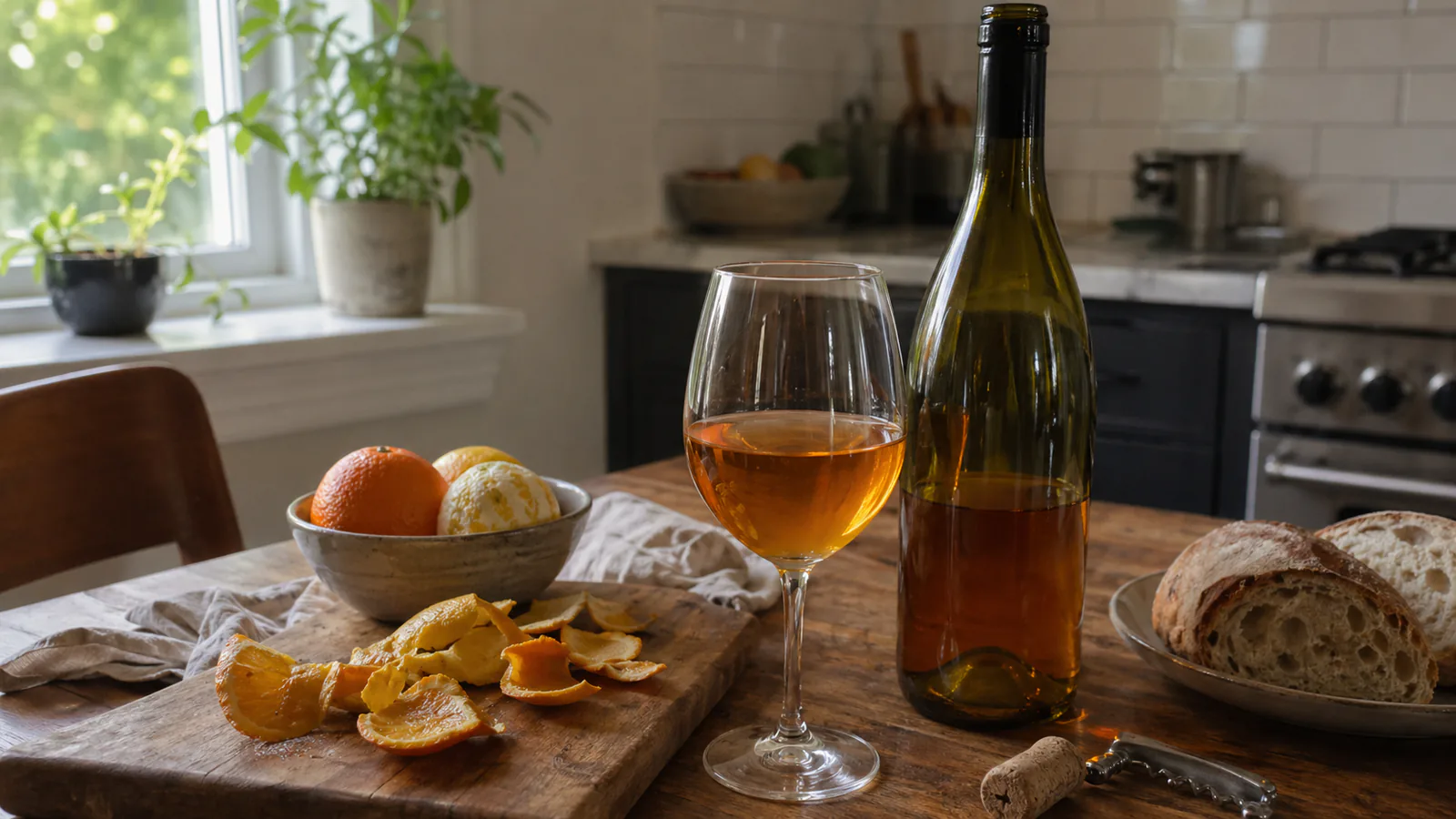
Orange Wine Guide: Skin-Contact Whites Explained
White grapes, skin contact, and 8,000 years of history. Here's what orange wine actually is, what it tastes like, and whether you'll love it.
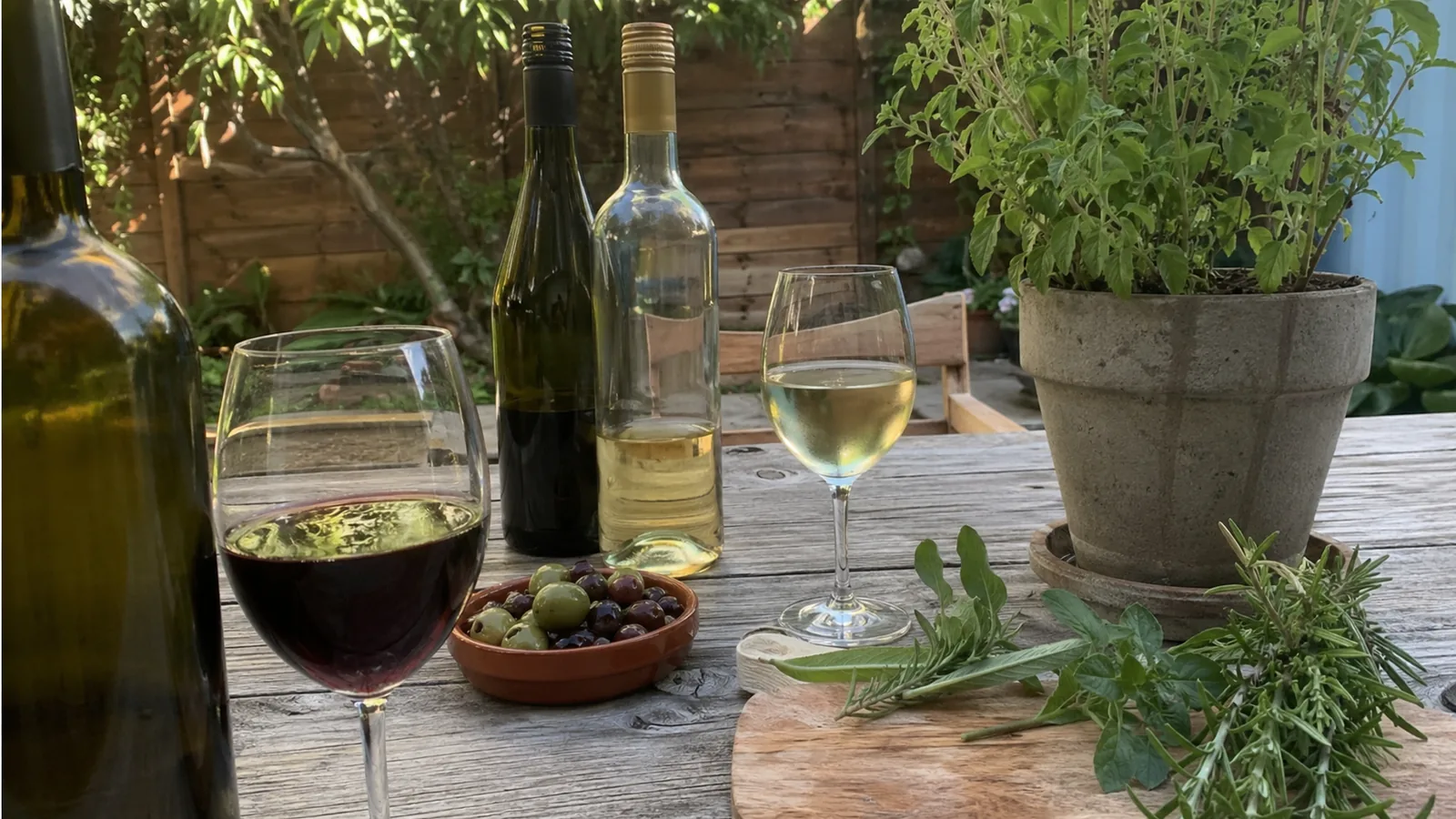
Best Organic Wines: 12 Bottles Worth Buying
12 certified organic wines worth buying right now: reds, whites, and rosé across styles and price points, all verified by critics and real drinkers.
Wine Buying Guide: How to Pick a Bottle You'll Like
A practical framework for choosing wine you'll enjoy every time. No sommelier required.