
Claire Bennett
Wine Editor42 min read
Best Moscato Wine: 13 Bottles Worth Buying in 2026
13 best Moscato wines across Moscato d'Asti, Asti Spumante, still, and premium Passito styles. Every bottle live at a major retailer, every pick verified.
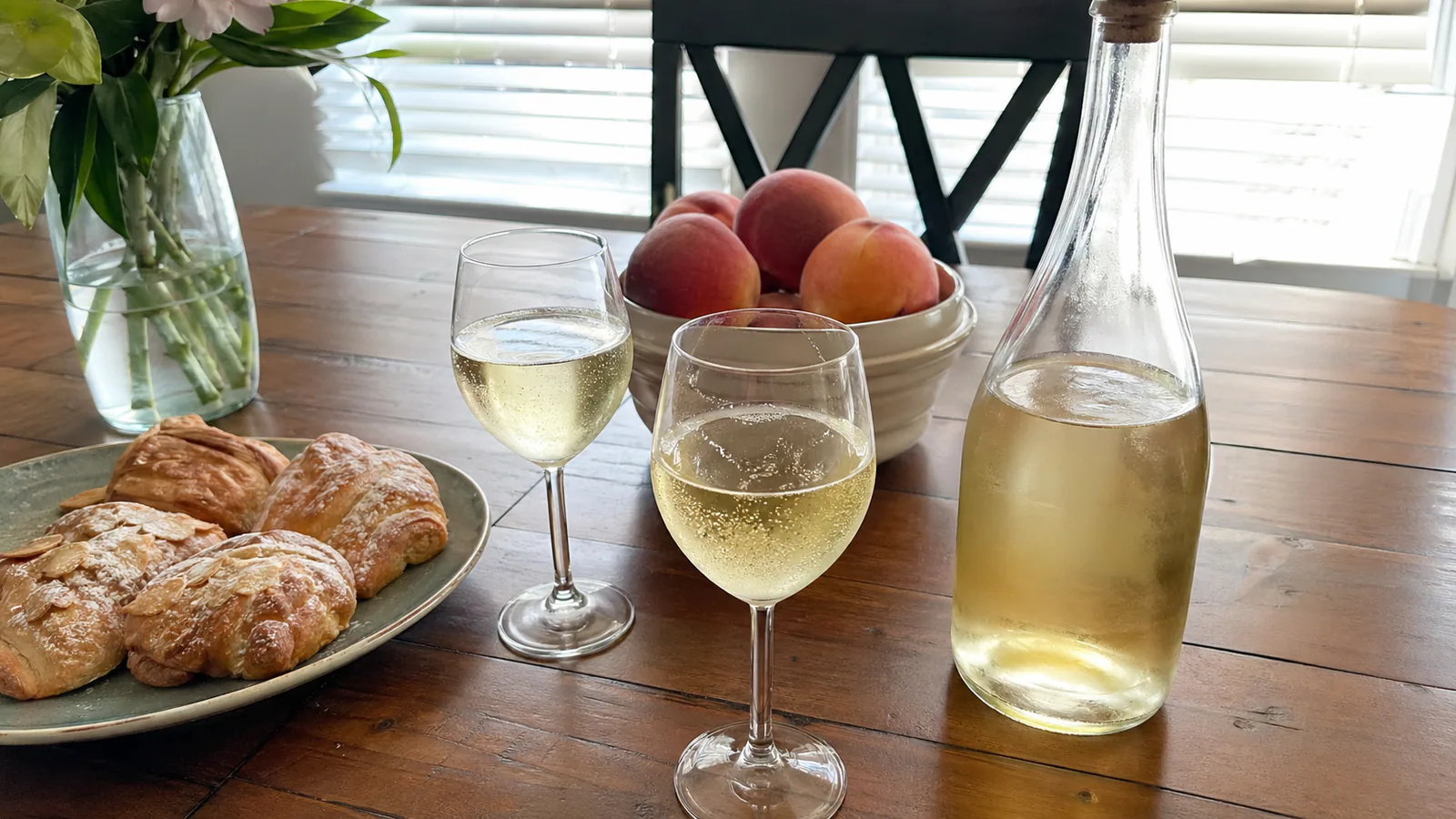
Most people who say they don’t like Moscato have only tried one kind. They tried a cheap sparkling version at a bridal shower, didn’t love it, and wrote off the whole category. That’s like eating one supermarket frozen pizza and concluding you don’t like Italian food. Moscato covers five genuinely different styles, made from the same aromatic grape across Piedmont, Sicily, and beyond, and the gap between a $13 Caposaldo and a $57 Donnafugata Ben Ryé is wider than the gap between cheap Chardonnay and grand cru Burgundy.
The thirteen bottles below were picked from a major retailer’s current lineup across the full Moscato spectrum. Four canonical Moscato d’Asti wines (the low-alcohol, gently fizzing Piedmont classic), one proper fully-sparkling Asti, three everyday crowd-pleasers at under $16, two premium Passito dessert Moscatos from Piedmont and Sicily, and a few picks that live between categories. Every wine is live right now with a real product page and a real bottle behind the number.
Read the style map first. It’ll tell you which Moscato you actually want.
Our Top 3 Picks

Saracco Moscato d'Asti 2024
Asti, Piedmont, Italy · Muscat Bianco
93 pts Wine Enthusiast

Ceretto Santo Stefano Moscato d'Asti 2024
Asti, Piedmont, Italy · Muscat Bianco

Donnafugata Ben Ryé 2023
Pantelleria, Sicily, Italy · Zibibbo (Muscat of Alexandria)
Prices vary by state. Click through for your current price.
Know Your Moscato: The 5 Sub-Styles at a Glance
Moscato isn’t one wine. It’s a grape family (Moscato Bianco, Moscato Rosa, Zibibbo / Muscat of Alexandria) made into five very different styles. The same reader question drives most of the confusion: “sparkling or not?” and “how sweet is it really?” This reference map answers both before you scroll.
| Style | Fizz | Sweetness | ABV | Typical price | Best with |
|---|---|---|---|---|---|
| Moscato d’Asti | Frizzante (gentle fizz) | Sweet, low residual sugar | 5 to 5.5% | $15 to $25 | Fresh fruit, panettone, soft cheese, brunch |
| Asti Spumante | Fully sparkling | Sweet | 7 to 9% | $12 to $20 | Celebrations, wedding cake, brunch toast |
| Pink Moscato | Often lightly sparkling | Sweet | 5.5 to 8% | $8 to $15 | Strawberries, fruit tarts, easy afternoon |
| Still Moscato / American Moscato | Mostly still | Sweet | 8 to 12% | $10 to $16 | Spicy food, Asian cuisine, fresh fruit |
| Passito / Zibibbo (Sicilian dessert) | Still | Dessert-sweet, intense | 12 to 15% | $40 to $80 | Blue cheese, dark chocolate, fig cake |
The rule of thumb: if you want the classic “Moscato” experience most people picture (light, gently fizzing, peach and honey, low alcohol), you want Moscato d’Asti. Everything else is a variation on that theme.
The Best Moscato d’Asti
The low-alcohol, lightly sparkling Piedmont classic. Moscato d’Asti is the reference point: 5 to 5.5% ABV, natural residual sweetness, stone fruit and citrus on the nose, a gentle fizz that’s softer than Prosecco. Every Italian Sunday lunch in the north ends with a bottle of this on the dessert table. Four picks, all from producers who’ve been making it for generations.
1. Saracco Moscato d’Asti 2024 (Best Moscato d’Asti Overall)
Saracco is the Moscato d’Asti producer critics and sommeliers quietly agree on. The 2024 picked up 93 from Wine Enthusiast and 90 from James Suckling, and it’s the canonical bottle to recommend if a friend has never had proper Moscato d’Asti and doesn’t know what good looks like. The winery is a small family operation in the Asti DOCG zone, and the winemaker’s approach is as hands-off as any high-quality producer in the region.
On the nose, fresh peach, apricot, orange blossom, honeysuckle, ripe pear, and a touch of sage. The palate is sweet but clean, with crisp acidity cutting the sugar and a juicy stone fruit note that keeps the wine lively rather than sugary.
The fizz is soft and slightly effervescent rather than aggressive. At 5.5% ABV, you can drink two glasses at a long lunch and still function. At $15.97, Saracco’s is also the best value at the top of the category for any wine lover.
The Saracco family has been tending Muscat Blanc à Petits Grains vineyards in Castiglione Tinella (in the heart of the Asti DOCG zone) for generations. The Muscat (grape) family is broad, and the specific variety here, known in Italy as Moscato Bianco and in France as Muscat Blanc, is the same across the Piedmont wine region.
Wine-Searcher lists Saracco’s bottling as one of the most searched Moscato d’Astis globally. The wine is made the same way it has been since the 1950s: partial fermentation stopped early with cold, which locks in the low alcohol and natural residual sugar without added sweeteners.
2. Ceretto Santo Stefano Moscato d’Asti 2024 (Best Food-Pairing Moscato d’Asti)
Ceretto is one of Piedmont’s most serious estates, better known for Barolo and Barbaresco than for Moscato. The Santo Stefano bottling is their quiet standout: 4.9 stars from 28 verified customers, and prior vintages have consistently scored 90 to 92 from James Suckling.
The wine is clear, refreshing, and beautifully balanced. Peach, lemon zest, white flowers, rose petals, and a chalky minerality that comes from the Santo Stefano Belbo family vineyards’ limestone cellar of limestone soils. The 2023 bottling picked up 90 James Suckling, and the 2022 hit 91.
This is the Moscato d’Asti to pour alongside a hazelnut cake, a bowl of Piedmontese panna cotta, or anything involving juicy stone fruit. The mouthfeel is fuller than the skinnier Moscato d’Astis in the category, with a clean finish that elevates the wine above everyday bottlings.
At $18.97 and 5.5% ABV, it’s the pick for anyone who wants their Moscato to feel like a serious wine, not just a sweet afternoon pour.
3. Damilano Moscato d’Asti 2024 (Best Low-ABV Sipper)
Damilano is the Piedmontese name most wine drinkers associate with Barolo Cannubi. Their Moscato d’Asti is made the same way as their serious reds: with patience and proper site selection.
Bright golden colour, fragrant nose of peach, sage, lemon, honey, and apricot. The palate is sweet and pleasantly acidic, with a creamy texture and persistent delicate aromatics that read like freshly pressed grapes. At 5.5% ABV, it’s an excellent summer sipper when nothing stronger is wanted, and at $19.97 it’s a strong mid-tier pick for dessert or brunch.
Pair with pastries, panettone, or panettone-adjacent brunch food like French toast and fresh fruit. Chill thoroughly, straight out of the fridge.
4. Patrizi Moscato d’Asti 2024 (Best Customer-Rated Value)
302 verified Caposaldo customers can be right about one wine, but 35 verified Patrizi customers averaging 4.8 stars is the kind of tight consensus that only happens when a bottle consistently overdelivers. At $15.97, Patrizi matches Saracco’s price with a slightly fuller, more overtly peachy profile. Low alcohol (5.5%), gently fizzing, honeyed in the best way.
It’s the Moscato d’Asti to recommend to someone who tried a mass-market Moscato and didn’t love the candy-sweet character. Patrizi has actual fruit concentration and genuine acidity, not sugar standing in for flavour.
5. Marenco Scrapona Moscato d’Asti 2023 (Best Value Moscato d’Asti Under $20)
Marenco is a smaller Strevi-based family estate whose Scrapona bottling is the Moscato d’Asti for people who want a little more weight and a slightly more complex profile than the big names. Peach and tangerine on the nose, a rounder palate, and a gentle persistent fizz. Still 5.5% ABV. Still the light low-alcohol category, just with a touch more textural depth.
If the Saracco and Patrizi bottles are the crisp, delicate end of Moscato d’Asti, Scrapona is the rounder, fruit-forward end. Great choice for anyone who finds the skinnier versions too light.
6. Coppo Moncalvina Moscato d’Asti 2024 (Best for Dinner Party)
Coppo is another old-guard Piedmontese name, best known for sparkling Pinot Nero and Chardonnay but with a legitimate Moscato programme. The Moncalvina bottling runs toward the more perfumed end of Moscato d’Asti, with acacia honey, white peach, and a floral top note that makes it read as slightly more elegant at the table.
At $18.97 and 5.5% ABV, this is the Moscato d’Asti you bring to a dinner party where you want people to ask what it is. Pair with a fruit crumble, lemon tart, or a cheese board closing with something soft and washed-rind.
7. Viberti Moscato d’Asti 2024 (Best Artisan Moscato d’Asti)
Viberti is a tiny La Morra estate best known for single-vineyard Barolo. Their Moscato d’Asti is made in small quantities from estate-farmed Muscat Bianco, and it reads more like a grower Champagne compared to a big-house Champagne: more texture, more minerality, more individual character. The fizz is gentle, the residual sugar is perfectly balanced by the acidity, and the finish is cleaner than most wines in this category.
At $21.97, it’s the top of the Moscato d’Asti price range on this list, and it earns the stretch. The pick for someone who likes Moscato d’Asti and wants to see what the style looks like from an artisan producer rather than a large-scale estate.
The Best Asti Spumante (Fully Sparkling Moscato)
Asti Spumante is Moscato d’Asti’s more assertive sibling. Same grape (Muscat Bianco), different winemaking: fully sparkling under higher pressure, a bit more alcohol (7 to 9%), a fuller mousse that reads more like classical sparkling wine. This is the Moscato you want for an aperitif, a wedding toast, or alongside a celebratory dessert.
8. Martini & Rossi Asti Spumante (Best Asti Spumante Overall)
Martini & Rossi is the name Asti Spumante built its global reputation on. Their flagship Asti DOCG has been in production since 1863, and it’s the reference bottle the rest of the category measures itself against. Fully sparkling, sweet, floral, with orange blossom, peach, and a long persistent mousse. Around 7 to 7.5% ABV, so still lower-alcohol than Prosecco.
This is the Asti you pour at brunch for mimosa alternatives, at a wedding toast when Prosecco feels too dry, or as a dessert wine with anything fruity. The large-production scale keeps the price reasonable and the availability high, and the consistency is genuinely dependable year to year.
The Best Everyday Moscato Under $16
Three bottles to keep in the fridge year-round. Higher review counts than most wines on this list, and price points that make a Tuesday glass completely guilt-free.
9. Caposaldo Moscato (Best Moscato Under $15)
302 verified customers have rated Caposaldo, averaging 4.5 stars. That’s a repeat-buyer signal almost nothing in this category can match, and it’s a stronger endorsement than any single critic score. From Lombardy, made in the gently sparkling lightly sweet style, with peach, orange blossom, and honey on the palate.
At $13.97, Caposaldo is the everyday Moscato that overdelivers at dessert without any of the cheap bubble-gum character that puts people off the whole grape. The wine would be easy to dismiss on price alone, which would be a mistake. It’s also the standard answer when a friend asks what Moscato they should try first from the wide range on most store shelves.
10. Centorri Moscato 2025 (Best Beginner Moscato)
Centorri Moscato di Pavia is the bottle that lands on most beginner Moscato lists. It’s gentle, lightly fizzing, with soft aromas of peach, pear, and tropical fruit. Lower alcohol (around 7%), approachable sweetness, and a finish clean enough to avoid the cloying character of lesser bottles at this tier.
At $13.97, it’s in the same budget bracket as Caposaldo, and it’s the pick for someone who has never tried Moscato before and wants a friendly introduction rather than a serious statement piece.
11. Bartenura Moscato 2024 (Best Kosher Moscato)
The blue bottle. Bartenura built its reputation on being the single most recognised kosher Moscato in the US, and the 2024 continues the run. Mevushal and OU certified kosher, 5.5% ABV, lightly sparkling, with the characteristic peach, pear, and orange blossom of Moscato d’Asti-style Muscat Bianco. $15.97 at the retailer.
Kosher certification makes Bartenura the default on plenty of observant dinner tables, and it’s also a solid pick for anyone who wants a reliable Moscato from a widely distributed producer.
The Best Premium Dessert Moscato (Passito and Zibibbo)
The top of the Moscato category is a different animal. Passito Moscato and Sicilian Zibibbo are made from late-harvest, semi-dried Muscat grapes, which concentrates the sugar and the aromatics into something closer to a dessert wine than a sparkling sipper. Sweet, intense, honeyed, apricot and dried fig on the nose, and an ABV around 12 to 15%. This is the Moscato for a cheese course, a dark chocolate pairing, or a fig-forward dessert.
12. Donnafugata Ben Ryé 2023 (Best Premium Moscato Overall)
Ben Ryé is the single most celebrated dessert Moscato made on Italian soil. It’s a Passito di Pantelleria made entirely from Zibibbo (Muscat of Alexandria) grapes grown on the volcanic island of Pantelleria, south of Sicily. The grapes are hand-picked, semi-dried on racks, and blended across multiple pickings into a wine that carries intense apricot, dried fig, orange peel, Mediterranean herbs, and an almost salty volcanic minerality from the Pantelleria soils.
At $56.99 for a 375ml half-bottle, Ben Ryé is in a different price tier from the rest of this list, and it’s worth every cent for the right occasion. Pair with blue cheese, dark chocolate, fig tart, or an almond biscotto. Serve at 50°F, in a small dessert glass, and sip slowly. A half-bottle covers six people after dinner.
Donnafugata is a Sicilian family estate that built Ben Ryé into a category reference over 30 years of Passito production. It’s the Moscato pour for a dinner when dessert matters more than dinner did.
13. La Spinetta Moscato Passito Oro 2016 (Best Piedmontese Dessert Moscato)
La Spinetta’s Passito Oro is the Piedmontese answer to Ben Ryé. Made from late-harvest Moscato Bianco grown in the hills around Castagnole delle Lanze, dried on racks for months before fermentation, and aged in oak.
The result is a golden, syrupy, honey-and-apricot dessert wine with more acid lift than most Passitos, which keeps it drinkable rather than cloying.
At $79.99 for a 500ml bottle, Passito Oro is another premium pick, and it’s the one to choose if you want your dessert Moscato to taste like Piedmont rather than Sicily. The Passito style is different from the Passito di Pantelleria style: less salt, more orchard fruit and caramel, closer to a late-harvest Riesling than to a fortified wine.
Pair with a crème brûlée, a fig-and-walnut tart, or an aged hard cheese with honey on the side.
Moscato, Moscato d’Asti, and Asti Spumante: What’s the Difference?
This is the single most common question Moscato drinkers have, and the answer is simpler than it sounds. All three are made from Muscat Bianco (Moscato Bianco) grapes in Piedmont, northern Italy. The difference is how much carbonation and how much alcohol the finished wine carries.
Moscato d’Asti DOCG is frizzante. Low pressure bubbles, more like a gentle fizz than a full sparkle. Low alcohol (typically 5 to 5.5% ABV) thanks to fermentation being stopped before the yeast converts all the natural grape sugar. Naturally sweet, elegant, and usually the most food-friendly of the three styles.
Asti DOCG (often still sold as “Asti Spumante”) is fully sparkling. Higher pressure (around 5 to 6 atmospheres, close to classic method sparkling wine), more alcohol (7 to 9%), slightly drier perception even though the residual sugar is similar. Made in larger tanks using the Charmat method. This is the Moscato that reads most like a traditional sparkling wine.
“Moscato” on a label without a DOCG zone is usually a still or lightly sparkling version made outside the strict Asti rules. It can come from Lombardy, Sicily, California, or Australia, and it’s made in a wider range of styles. Bartenura, Caposaldo, Centorri, and Stella Rosa-style American Moscatos all fall into this category. Generally sweet, generally lower alcohol than dry white wine, not always sparkling.
Once you know which of the three you’re reaching for, the label decoding is straightforward. Moscato d’Asti for a gentle, elegant Piedmont pour. Asti for full sparkle and celebration. Plain “Moscato” for easy, affordable, everyday.
More Moscato Styles Worth Knowing
The thirteen bottles above cover the core of the Moscato category, but the wider Moscato grape family is worth a short tour if you want to go deeper.
Pink Moscato and Rosé styles. Most Pink Moscato is a wine made from Moscato with a splash of red grape juice blended in, which gives the fizzier versions their rose-petal tint. True pink Moscato comes from Moscato Rosa, a rare Alto Adige variety that produces juicy, fragrant wines with real strawberry, lychee, and rose petals on the nose. Some Lombardy wine producers also bottle a lightly sparkling pink Moscato in a similar style.
Regional Moscato beyond Piedmont. Moscato from Sicily is dominated by Zibibbo (Muscat of Alexandria), the grape behind Passito di Pantelleria. Sicily also makes drier Zibibbo table wines that show the perfume and orange blossom character of Muscat without the dessert-wine sweetness. Alsace wine from north-east France includes a dry Muscat tradition that sits on the aromatic end of the spectrum alongside Gewürztraminer and dry Riesling, a completely different register from sweet Moscato d’Asti.
American and Australian Moscato. California brands like Barefoot and Gallo’s mass-market lines sit in the $6 to $12 tier and are the bottles most Americans first encounter. The quality floor is lower than Italian Moscato d’Asti, but the style is consistent and accessible. Australian Moscato from producers in Victoria (Rutherglen especially) includes the legendary fortified Muscat Liqueur, a sticky dried-fruit wine that’s the closest Australian analogue to Sicilian Passito. South African wine producers also make a small amount of Moscato-adjacent sweet wine, usually labelled as Hanepoot (the South African name for Muscat of Alexandria).
Sweetness scale across the category. The sweetness of wine in the Moscato family ranges from bone-dry (dry Alsace Muscat, dry Zibibbo) through off-dry (some American Moscatos) to fully sweet (Moscato d’Asti, Asti Spumante) and dessert-sweet (Ben Ryé, Passito Oro). Residual sugar ranges from under 3 g/L at the dry end to over 200 g/L at the Passito end. Moscato’s broad category sits closer to sweet than dry, but the spectrum is wider than most people realise.
Producers worth knowing beyond the list. Vietti makes one of the most sought-after Moscato d’Asti bottlings in Piedmont, though availability comes and goes on most retailer shelves. G.D. Vajra, Ca’d’Gal, Fontanafredda, and Michele Chiarlo are other reference-grade names in the Piedmont DOCG zones. For everyday pricing, Stella Rosa, Risata, and Bartenura dominate the American market. For premium dessert Moscato outside Italy, look for Tokaji Muscat from Hungary and Muscat de Beaumes-de-Venise from the southern Rhône in France.
Serving temperature and pairings. Chill Moscato properly: 40 to 45°F for Moscato d’Asti and Asti, slightly warmer (50°F) for Passito. Moscato d’Asti pairs beautifully with a salad of stone fruit, prosciutto, and brie, which is one of the oldest Italian combinations for the style. Premium Passito wants richer partners: blue cheese, fig tart, aged hard cheese with a drizzle of honey.
How to Serve Moscato (and What to Pair It With)
Three quick things make any Moscato on this list taste noticeably better.
Serve it cold. Moscato shows its best at 40 to 45°F, colder than most white wines and much colder than reds. Straight out of the fridge is fine. An ice bucket for 20 minutes before pouring is even better. Warm Moscato flattens the aromatics and pushes the sweetness forward in a way that makes the wine feel heavier than it should.
Use a white wine glass, not a flute. The classic move is to pour Moscato d’Asti into a Champagne flute, but the flute traps the aromatics. A normal white wine glass lets the peach, honey, and orange blossom lift out of the glass where you can actually smell them. The fizz on Moscato d’Asti is soft enough that you don’t need a flute to preserve it.
Pair broadly, not precisely. Moscato is one of the most food-flexible wines in the category, because the sweetness and acidity balance a wide range of flavours. Fresh fruit, soft cheese, brunch pastries, hazelnut cake, panna cotta, fruit tarts, mildly spicy Asian food, and even spicier Indian dishes all work. The premium Passito end pairs best with the bolder pairings: blue cheese, dark chocolate, dried figs, aged hard cheeses with honey. For the full pairing playbook, our chocolate and wine pairing guide is the dessert-side companion piece. If you want to compare Moscato against the wider sweet category, the best sweet wines round-up covers reds, fortified, and late-harvest styles too.
Find Your Wine Match
Not sure which Moscato? Take the 20-second quiz.
Three quick questions. One matched bottle.
What are you eating with it?
What's the occasion?
What style are you after?
Let's find the right bottle for you.
Tell us a bit about the occasion and what you're after. We'll match you to one of the bottles on this page.
Photo by Skyler Ewing on PexelsReading your answers…
How We Chose These Wines
Frequently Asked Questions
What is the best Moscato wine brand?
For Moscato d’Asti, Saracco is the critics’ quiet consensus: 93 Wine Enthusiast and 90 James Suckling on the 2024 release, at $15.97. Ceretto, Damilano, Coppo, and Viberti are the other benchmark Piedmontese names.
For fully sparkling Asti Spumante, Martini & Rossi set the standard and remain the category reference. For everyday Moscato, Caposaldo has the strongest customer-weight signal (4.5 stars from 302 verified buyers). For premium dessert Moscato, Donnafugata Ben Ryé from Sicily is the single most celebrated bottle in the category.
Is Moscato a high-quality wine?
The answer depends entirely on which tier of Moscato you mean. Mass-market bottom-shelf Moscato is often thin and candy-sweet, and a lot of the category’s reputation problem traces back to that tier.
Moscato d’Asti DOCG and Asti DOCG are legitimate, regulated premium wine categories. Producers like Saracco, Ceretto, and Coppo regularly pick up Tre Bicchieri awards from Gambero Rosso and 90-plus scores from Wine Enthusiast, Wine Spectator, and James Suckling.
Premium Passito Moscato (La Spinetta Passito Oro) and Sicilian Zibibbo (Donnafugata Ben Ryé) are world-class dessert wines that compete directly with Sauternes and late-harvest Riesling at the top of the sweet-wine spectrum.
Bottom line: Moscato at $6 is a different beverage from Moscato at $18 or $57. Judging the category by its cheapest tier is like judging red wine by the bottom shelf of a convenience store.
Which Moscato should I buy first?
If you’ve never had Moscato d’Asti, start with Saracco 2024 at $15.97. It’s the most-recommended entry point: low alcohol, gentle fizz, real fruit concentration, and the critics’ seal of approval.
If budget is tight or you want something more mainstream, Caposaldo at $13.97 or Centorri at $13.97 both work as reliable first pours.
If you’ve already tried a cheaper Moscato and want to see what the style looks like done properly, go straight to Ceretto Santo Stefano at $18.97, which is where the category starts to feel like a serious wine rather than just a sweet afternoon pour. The Ceretto estate is best known for Barolo and Barbaresco, and the seriousness shows in their Moscato too.
What’s the difference between Moscato, Moscato d’Asti, and Asti Spumante?
All three are made from Muscat Bianco (also written as Moscato Bianco) grapes in Piedmont, northern Italy. The difference is fizz level and alcohol.
- Moscato d’Asti DOCG is frizzante (gently sparkling) and low-alcohol, typically 5 to 5.5% ABV. Examples on this list: Saracco, Ceretto, Damilano, Patrizi, Marenco, Coppo, Viberti.
- Asti DOCG (often still labelled “Asti Spumante”) is fully sparkling at higher pressure, with 7 to 9% ABV. Example: Martini & Rossi Asti Spumante.
- Plain “Moscato” without a DOCG zone is a broader category, made in Lombardy, Sicily, California, or Australia in a mix of still, frizzante, and occasionally sparkling styles. Examples: Caposaldo, Centorri, Bartenura. These are generally sweet, generally light in alcohol, and generally affordable.
If you want gentle Piedmont fizz, look for Moscato d’Asti. If you want full sparkle, look for Asti. If you want easy sweet wine for everyday, plain Moscato works.
Is Moscato a sparkling wine?
Most Moscato has some form of carbonation, but not all Moscato is “sparkling” in the classical sense. Moscato d’Asti is frizzante (lightly sparkling, around 2 to 2.5 atmospheres of pressure). Asti Spumante is fully sparkling (5 to 6 atmospheres, similar to Prosecco or Champagne). Plain Moscato can be still, lightly sparkling, or fully sparkling depending on the producer.
Premium Passito Moscato and Zibibbo (the Donnafugata Ben Ryé and La Spinetta Passito Oro style) are always still wines because the late-harvest process concentrates the sugar and the wine doesn’t undergo secondary fermentation for bubbles.
So the honest answer is: most Moscato has bubbles, but it’s a spectrum from gentle frizz to full sparkle to fully still.
What’s the best Moscato for beginners?
For a first bottle, go with Caposaldo at $13.97. The broad customer base (302 verified reviews averaging 4.5 stars) means the style and quality are predictable, and the price point lets you try Moscato without committing.
If you want a slight upgrade, Centorri Moscato 2025 ($13.97) is gentle, lightly fizzing, and genuinely beginner-friendly with soft peach and pear aromatics.
If you want to start at the higher end of the category, Saracco Moscato d’Asti 2024 ($15.97) delivers the classic Piedmont experience: low alcohol, elegant bubbles, real fruit, honest winemaking. It’s the bottle Moscato lovers pour to introduce skeptics to what the category actually does well.
What’s the best sweet Moscato?
“Sweet” is relative, because all Moscato is sweet. But if you want the intensely sweet end of the category, go with a Passito: Donnafugata Ben Ryé 2023 ($56.99 for a 375ml half-bottle) is the reference bottle. It’s the Moscato you open at the end of a serious dinner for the cheese course or for dark chocolate.
For a sweeter-than-usual but still everyday Moscato d’Asti, Patrizi and Damilano both have more noticeable residual sugar than Saracco or Ceretto. For sweet-sparkling-daytime, Caposaldo and Bartenura hit the right note. The Passito end is richer and more intense than the Moscato d’Asti end, so if “sweet” means “like a dessert wine,” Passito is the answer. If “sweet” just means “not dry,” any Moscato d’Asti on this list qualifies.
What’s the best Moscato under $20?
Eight bottles on this list sit under $20 at the retailer. At $13.97, Caposaldo and Centorri are the budget-friendly picks. At $15.97, Saracco Moscato d’Asti, Patrizi, and Bartenura all represent the best value in the category.
At $18.97, Ceretto Santo Stefano and Coppo Moncalvina are both genuine step-ups in quality for a small price increase. At $19.97, Damilano is the top of the under-$20 bracket.
If only one bottle is in the budget, Saracco at $15.97 is the single best value on the entire list. It’s the only bottle under $20 with confirmed 90-plus critic scores from two major publications, and it sits alongside bottles twice its price in terms of quality.
What’s the most expensive Moscato?
On this list, La Spinetta Moscato Passito Oro 2016 at $79.99 for a 500ml bottle is the top-end Moscato. Donnafugata Ben Ryé at $56.99 for a 375ml half-bottle works out to a similar per-ml price.
Beyond this list, premium Passito Moscato can reach $150 or higher for the rarest late-harvest bottlings, particularly from single vineyards in Pantelleria, Sicily, or from library releases of Passito Oro. Moscato Giallo from Alto Adige, Moscato Rosa from the same region, and fortified Moscatos from Australia’s Rutherglen (Muscat Liqueur, Muscat Vintage) also occupy the premium tier.
If you want one “special occasion” Moscato, Ben Ryé is the recommended starting point. A half-bottle covers six after-dinner pours and makes a strong case for why the Moscato grape deserves more credit than its reputation gives it.
Is Italian Moscato better than American Moscato?
For Moscato d’Asti specifically, Italian production is effectively the only legitimate source. The Moscato d’Asti DOCG zone is geographically bound to the Asti, Alessandria, and Cuneo provinces of Piedmont. Only wines made there from Muscat Bianco grapes can carry the designation. The same goes for Asti DOCG.
For plain “Moscato,” American producers (particularly California estates and Stella Rosa-style brands) make perfectly good wine, often in a slightly fuller, riper style than Italian Moscato. Production scale and pricing can also be more accessible.
For premium Passito and Zibibbo, Sicily is the undisputed reference, with Pantelleria Passito Zibibbo leading the category globally.
Verdict: for authentic Moscato d’Asti and Asti Spumante, go Italian. For everyday affordable Moscato, either country works. For premium Passito, Sicilian is the category benchmark.
Is Pink Moscato real Moscato?
Pink Moscato usually is, but not always. Most Pink Moscato is a blended wine that combines white Moscato with a small percentage of red grape juice (often Syrah, Zinfandel, or Moscato Rosa) to add colour and a hint of strawberry flavour.
It’s a real Moscato in the sense that the dominant grape is Muscat. It’s a hybrid in the sense that the pink colour doesn’t come from Moscato alone.
If you want a pure pink Moscato made from a single grape, look for Moscato Rosa (literally “pink Moscato”) from Alto Adige in northern Italy. It’s rare, sought-after, and made from a distinct pink-berried Muscat variety. Most American Pink Moscato is a blend.
What food pairs with Moscato?
Moscato is one of the most flexible food wines in the sweet category. Broad pairings that work across the list:
- Fresh fruit and fruit-based desserts. Peaches, apricots, berries, fruit tarts, panettone, fruit crumbles. The wine’s natural peach and orange blossom aromatics echo the fruit.
- Soft and creamy cheeses. Soft ripened cheese, washed-rind cheese, fresh ricotta, mild goat cheese. The sweetness balances the salt and fat.
- Spicy Asian and Indian food. The residual sugar softens heat in a way dry wine can’t. Moscato d’Asti pairs surprisingly well with Thai curry and spicy Sichuan dishes.
- Brunch foods. French toast, pancakes with maple syrup, fruit-stuffed pastries, even a Sunday roast with a fruit sauce.
- Premium Passito end. Dark chocolate, blue cheese, fig tart, aged hard cheese with honey. The intense dried-fruit concentration of Passito works with bolder flavours that overwhelm lighter dessert wines.
The general rule: match sweet with fruity or salty, not with dry.
What’s the ABV of Moscato?
Moscato alcohol content varies widely by style. The low end is Moscato d’Asti at 5 to 5.5% ABV, which makes it one of the lowest-alcohol wines in the market. Asti Spumante sits at 7 to 9% ABV. Plain Moscato from Lombardy, Sicily, California, and elsewhere ranges from 5.5% to 12%. Premium Passito and Zibibbo wines run 12 to 15%.
If you specifically want the low-alcohol option (wedding brunch, daytime drinking, a glass with a long lunch), Moscato d’Asti at 5.5% is the target. Every Moscato d’Asti on this list sits in that range. For an Asti Spumante alternative that’s still on the lower side, Martini & Rossi comes in around 7 to 7.5% depending on vintage.
How is Moscato wine made?
Moscato wine made from Muscat Bianco grapes starts like any other white wine: the grapes are picked, pressed, and the juice begins fermentation. The defining move happens partway through fermentation, when the winemaker stops the yeast with cold (usually by chilling the tank to near-freezing). That leaves natural residual sugar in the finished wine and keeps the alcohol low.
The slight effervescence in Moscato d’Asti comes from a brief secondary fermentation in sealed tanks. Asti Spumante takes that further with a longer tank-method second fermentation under pressure, which is why it’s fizzier and fully sparkling.
Passito Moscato is a different process entirely: the grapes are semi-dried on racks for weeks or months, concentrating the sugar before fermentation begins. The finished Passito is richer, darker, and much sweeter.
Is Moscato okay for diabetics?
This is a question for a doctor rather than for a wine guide, and we’re not the right place to give medical advice. What we can say from the wine side: Moscato is a sweet wine with noticeable residual sugar. Moscato d’Asti has roughly 120 to 130 grams of residual sugar per litre, Asti Spumante similar, and Passito Moscato can carry 200-plus grams per litre.
That’s substantially more sugar than a dry white or red wine, which usually holds 1 to 4 grams per litre.
For anyone managing blood sugar, the dry wine end of the spectrum (dry Riesling, Sauvignon Blanc, most reds) carries much less sugar per serving, and lower-alcohol wines in the Moscato d’Asti range have the additional consideration that the alcohol metabolism also affects blood glucose.
Talk to a doctor before making any call. This is a wine question that doesn’t have a wine answer.
Keep Reading

Moscato: Sweet Wine Guide for Brunch and Dessert
Moscato is the low-alcohol sweet wine that tastes like peach and orange blossom. Here's the difference between Moscato d'Asti, Asti, and still Muscat.
Best Sweet Wines: 12 Bottles Across Every Sweet Style
12 best sweet wines across Riesling, Moscato, sweet reds, Port, Sauternes, Tokaji, and Ice Wine. Every bottle sweetness-rated and verified live.
Dessert Wine Guide: Sweet Styles Worth Trying
The major styles of dessert wine explained: how they're made, how sweet they actually are, and which bottle to open with what.