Claire Bennett
Wine Editor25 min read
Best Red Wine for Beginners: 8 Bottles to Start With
Eight beginner-friendly red wines that taste good from the first sip. Low-tannin, fruit-forward, food-friendly picks under $25.
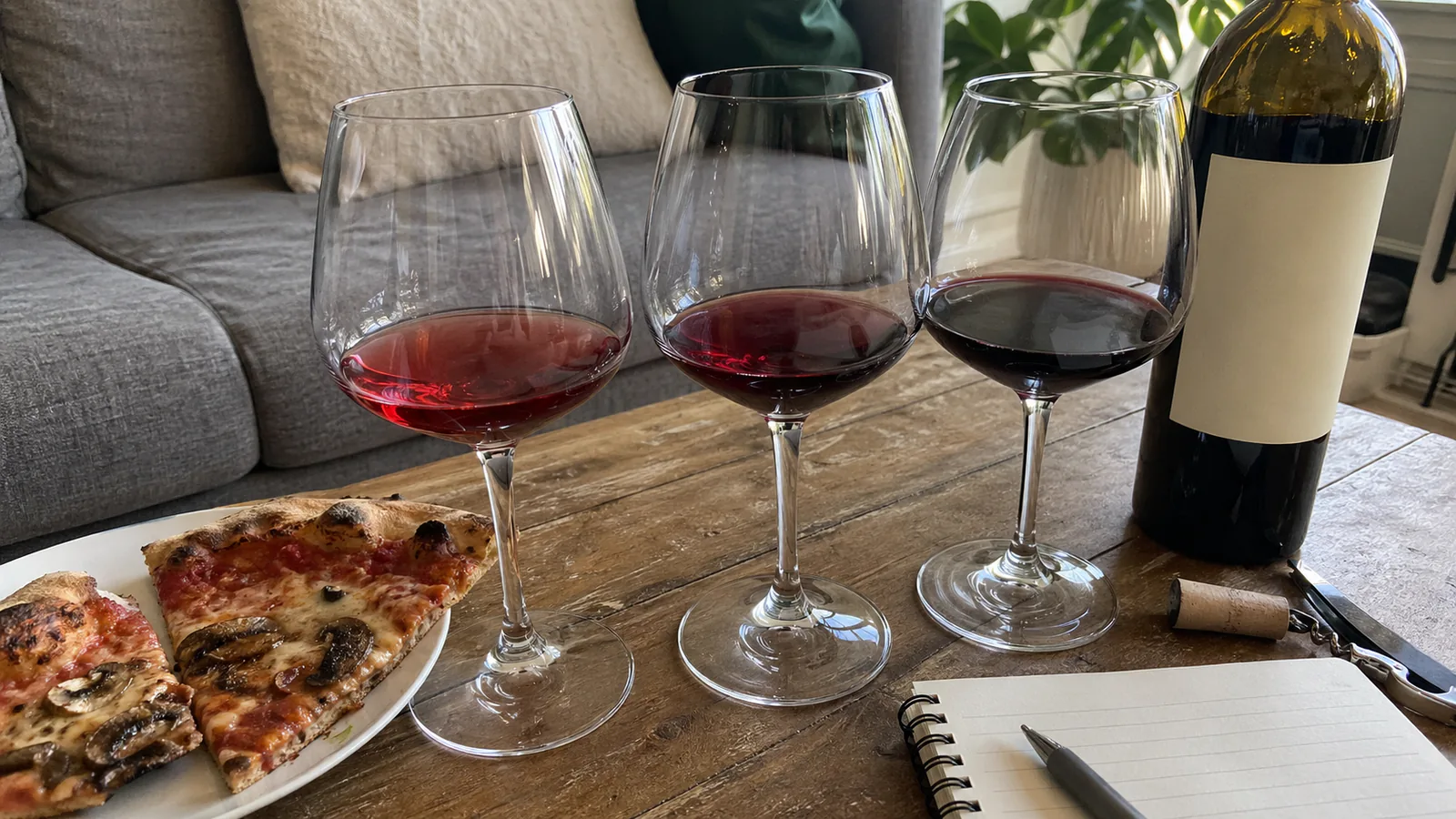
Most people who decide red wine ‘isn’t for them’ were handed the wrong bottle first. A young, tannic Cabernet or an astringent Shiraz at room temperature will do that. Red wine has an enormous range, and the beginner-friendly end of it is genuinely approachable, low in tannin, and easy to pair with food. These are the bottles to start with.
The trick is starting with the right bottles. Not the cheapest thing on the shelf, not whatever the hard-sell clerk pushes, and definitely not a $90 Bordeaux you’ve been told is important. What you want is red wine that tastes good from sip one: approachable fruit, soft tannins, a finish that doesn’t punish your mouth.
Here are eight bottles that do exactly that, every one priced under $25. Pour one, try another next week, and by bottle three you’ll know what you actually like.
Our Top 3 Picks

Sur de los Andes Reserva Pinot Noir 2022
Patagonia, Argentina · Pinot Noir
93 pts Wilfred Wong


Castellani Chianti Classico Riserva 2019
Tuscany, Italy · Sangiovese
91 pts James Suckling
Prices vary by state. Click through for your current price.
1. Sur de los Andes Reserva Pinot Noir 2022
Pinot Noir is the beginner’s secret weapon: low tannin, bright fruit, and nothing scary about it. This Patagonian Pinot is the one to start with. It drinks closer to a light French Burgundy than a big California Pinot, which is exactly what you want as a beginner. Clean red cherry fruit and a silky finish, with the oak and jammy sweetness dialled right back. Wilfred Wong scored it 93, James Suckling 92, and 60+ customers rate it 4.4 stars.
Pour slightly cool (15 minutes in the fridge helps) and pair with roast chicken, grilled salmon, or a mushroom risotto. If red wine has burned you before, this is the bottle that resets your expectations.
2. BenMarco Malbec 2022
Malbec is the gateway red for a reason. Soft tannins, big juicy fruit, and nothing that makes your mouth feel fuzzy. BenMarco comes from Argentina’s Uco Valley at high elevation, which gives it more structure than the average Malbec without losing the approachable fruit profile that makes the grape so beginner-friendly. Three major critics scored it 90+ (James Suckling 93, Vinous 91, Wine Spectator 90).
Expect plum, blackberry, a touch of cocoa, and soft velvety tannins. This is the bottle to pour alongside grilled lamb, steak tacos, or a charcuterie board. A sure-hit house pour.
3. Castellani Chianti Classico Riserva 2019
The red wine a beginner should order any time pizza or pasta is on the table. Chianti Classico is made from Sangiovese, which has bright cherry fruit, fresh acidity, and moderate tannins that show up rather than dominate. The Riserva designation means at least 24 months of ageing before release, which softens the edges. James Suckling scored it 91, and 100+ customers give it 4.3 stars.
You don’t need to decant it or think hard about it. Pour into a regular wine glass, drink with a bowl of spaghetti Bolognese, and congratulate yourself on knowing what “food wine” means.
4. J. Lohr Estates Seven Oaks Cabernet Sauvignon 2023
Every beginner has to try Cabernet Sauvignon eventually because it’s the most-ordered red wine in the US. The catch: most entry-level Cabs are harsh and over-oaked, which is why beginners think they don’t like Cabernet. J. Lohr Seven Oaks is the exception. Paso Robles fruit gives riper, softer tannins than Napa, and the oak is balanced instead of overwhelming. Three critics scored it 91–92 points (James Suckling, Tasting Panel, Wine Enthusiast).
Dark plum, a whisper of cedar and vanilla, and a finish that doesn’t overstay. Pair with a burger, a weekend ribeye, or braised short ribs. It’s the Cab that tastes like a $40 bottle.
5. Baron Philippe de Rothschild Escudo Rojo Pinot Noir 2023
Chile produces some of the most affordable high-quality Pinot Noir in the world, and the Rothschild family’s Chilean project has been at the top of that category for decades. This bottle puts a Bordeaux First Growth producer’s name on a Pinot Noir that costs under $20. It’s a smooth, fruit-forward Pinot with cherry, raspberry, and a layer of spice. James Suckling scored it 93.
Ideal for anyone who wants a softer Pinot style than the Patagonian pick at #1. Pair with roast turkey, grilled vegetables, or a soft brie.
6. Vinos de Arganza Alvarez de Toledo Mencia 2021
Here’s a grape variety most beginners haven’t tried yet: Mencia, from Bierzo in northwest Spain. Mencia plays in the same softness-and-brightness lane as Pinot Noir, but with a more floral, savoury twist. If you’ve liked Pinot and want to branch out, this is the logical next stop. Wine Enthusiast scored it 93, James Suckling 92.
Expect red cherry, violets, and a whisper of herbs. Pair with chorizo, roast pork, or manchego cheese. The bottle that makes beginners feel like they’re discovering something.
7. Chateau Bourdieu No.1 2018
Bordeaux has a reputation for being intimidating: big names, big prices, big tannin. This bottle quietly puts all that aside. Chateau Bourdieu is a Bordeaux Supérieur at around $20 that drinks with the approachability a beginner needs. 4.9 stars from verified buyers. That is the highest customer rating on this entire list.
Soft dark fruit, a touch of oak, and the mellowed character that comes from a properly aged vintage. Pair with roast lamb, a simple roast chicken, or even a weeknight pasta. The bottle that proves Bordeaux doesn’t have to be scary.
8. Frescobaldi Nipozzano Chianti Rufina Riserva 2022
When you’re ready to step up from an entry Chianti Classico, this is the next stop. The Frescobaldi family has been making wine in Tuscany for 700 years, and Nipozzano is their flagship Chianti Rufina. No. 31 on a major critic list’s Top 100 of 2025. It’s fuller-bodied than the Castellani at #3, with more oak influence and darker cherry fruit. Still beginner-approachable but with a bit more to chew on.
James Suckling, Wine Spectator, and Vinous all scored it 90–92. Pair with roast chicken, a Tuscan bean soup, or aged pecorino. The bottle that tells you you’ve graduated from the starter Chianti.
More Red Wine Basics for Beginners
The eight bottles above get you started. A few more things worth knowing as you develop your palate:
How to tell if a wine is beginner-friendly on the label
Three tells that a red will be approachable:
- Grape variety. Pinot Noir, Malbec, Merlot, Beaujolais (Gamay), and Grenache are reliably soft. Cabernet Sauvignon, Nebbiolo, and Syrah lean more tannic and aren’t great starting points unless the bottle’s been aged.
- Age. Vintages 3–5 years old are softer than brand-new releases. A 2019 Chianti drinks easier than a 2022.
- Alcohol level. 12.5–13.5% ABV usually indicates a more approachable style. 14.5%+ wines can feel heavier and more tannic.
What “tannin” actually means
Tannins are the compounds that make your mouth feel dry and grippy after a sip. They come from grape skins, seeds, and oak barrels. High-tannin wines feel astringent, almost like over-steeped tea. Low-tannin wines feel smooth. Neither is better, but beginners almost always prefer lower tannin while the palate adjusts.
Why beginners should decant (sometimes)
Decanting means pouring the wine into a different vessel for 20–60 minutes before drinking. This softens tannins and opens up aromatic compounds. It’s useful for young, tannic reds (say, a young Cab or Nebbiolo). It’s not necessary for Pinot Noir, Malbec, or most of the bottles on this list. Don’t let the ritual intimidate you. A regular glass jug works fine.
What about sweet red wines?
Sweet red wines like Lambrusco Dolce, Moscato d’Asti (technically a rosé-adjacent), or Port are legitimate starting points for beginners whose palate runs sweet. They drink as a dessert category rather than a dinner dry wine, so frame them accordingly. If the dry reds above don’t click, try an off-dry Lambrusco or a Ruby Port before you write red wine off entirely.
The main grape varieties a beginner should know
Here’s the short list of grape varieties to try as you start learning about wine:
- Pinot Noir: light, soft, cherry and strawberry fruit, low tannin. The friendliest major red variety.
- Merlot: medium-bodied red wine, plummy, soft tannins. The reset button when a Cab is too harsh.
- Malbec: medium-bodied, dark fruit, velvety texture. Argentina is the default. Balanced acidity and bold fruit flavors make it an easy sell.
- Gamay (Beaujolais): very light, juicy, bright fruit. Serve cool. A beginner’s dream.
- Sangiovese (Chianti): bright cherry, earthy, food-friendly. The Italian staple.
- Tempranillo (Rioja): mid-weight, smooth on the palate, vanilla oak notes. Spain’s flagship grape.
- Cabernet Sauvignon: full-bodied red wine, blackcurrant, cedar, firmer tannins. Worth trying once you’ve tried a few lighter reds first.
- Zinfandel: jammy, ripe fruit, spicy. California’s workhorse red grape.
Wine regions worth knowing as a beginner
Regions shape style as much as grape varieties do:
- Bordeaux wine (France): Cabernet/Merlot red wine blend, structured, food-focused
- Burgundy (France): Pinot Noir, elegant, cool-climate
- Rhone wine (France): Grenache-Syrah-Mourvedre blends, warmer, spicy. Chateauneuf-du-Pape is the famous appellation.
- Tuscany (Italy): Sangiovese-based, cherry and herb, food-friendly
- Rioja (Spain): Tempranillo, vanilla oak, mellow
- Napa/Sonoma (California): riper, bolder, more oak
- Mendoza (Argentina): Malbec heartland, high-elevation vineyards
- Barossa Valley (Australia): the famous Australian wine region for bold Shiraz. A good Barossa Shiraz shows ripe, rich fruit on the palate. Closely followed by other Australian regions producing Carmenere-adjacent styles.
How to build wine knowledge without getting snobby
You don’t need to become a sommelier to enjoy wine. A few practical steps to start drinking with more intention:
- Keep notes. Write down each wine you liked, where it was from, and what you ate with it. Aroma, flavour, finish. After 10 bottles you’ll see patterns. Noticing fresh fruit vs ripe fruit, bright fruit vs dark fruit, is the start of real wine tasting.
- Buy from a good wine shop. A knowledgeable clerk will pick you better wine bottles than an algorithm. Name your budget, your favorite wine so far, and your food plan. Bigger retailers like a Total Wine location can be useful for variety, but a local specialist will give you better guidance on choosing the best for your taste.
- Try wines from different regions deliberately. One week a Malbec, next week a Chianti. Fruity flavors vs earthier style of wine. Wines from different regions give you the varieties of wine in context.
- Avoid wine snob scenes until you’re ready for them. Wine clubs, tastings, and a good reference like the Wine Folly books or site will take you further than lectures from anyone trying to sell you a case.
- Taste a wine alongside food. Wine and food together are the fastest route to understanding why people get obsessive about this. A great pairing rewires your palate in a single meal.
- Learn the wine tasting descriptors you’ll actually use. Dark fruit (black cherry and dark berry), red fruit flavors (strawberry, raspberry), ripeness, sweetness, bold fruit, balanced acidity. These are the words that make a wine more approachable to describe. You don’t need 100 terms. Ten is plenty.
Sparkling wines and white wines for beginners
If red wines don’t click, sparkling wines (Prosecco, Cava, Champagne) and white wines for beginners (Pinot Grigio, Sauvignon Blanc, off-dry Riesling) are legitimate alternatives. Our best wine for beginners round-up covers reds, whites, and sparkling in one place. For a deeper read on what defines the category itself, our red wine hub explains how the major styles fit together. Point being, the goal isn’t to force yourself through red until you love it. It’s to find what you actually enjoy drinking.
Find Your Wine Match
Not sure which one? Take the 20-second quiz.
Three quick questions. One matched bottle.
What are you pairing it with?
When are you drinking it?
What style do you prefer?
Let's find the right bottle for you.
Tell us a bit about the occasion and what you're after. We'll match you to one of the bottles on this page.
Photo by Skyler Ewing on PexelsReading your answers…
How We Chose These Wines
Frequently Asked Questions
What red wine should a beginner drink first?
Start with a Pinot Noir or a Malbec. These are the two most forgiving red grape varieties: low tannin, bright fruit, no jargon required. From this list, the Sur de los Andes Pinot Noir or the BenMarco Malbec are both strong first pours. Neither will shock your palate, both will taste recognizably like “good wine,” and both land under $25. Drink slightly cool and pair with food if you want the fruit to really come through.
Is red wine an acquired taste?
For some people, yes, but the “acquired taste” framing is mostly a symptom of starting with the wrong bottles. A young, tannic, $10 Cabernet will put most beginners off red wine. A softer Pinot Noir, Malbec, or aged Chianti at $20 will convert the same person into a red drinker. If your first few tries have been rough, it’s almost certainly the wines, not your palate.
What’s the easiest red wine to drink?
Pinot Noir has the lowest tannin of the major red grape varieties, which makes it the easiest to drink for most beginners. Beaujolais (made from Gamay) is in the same lane and often even lighter. Malbec is higher in tannin than Pinot but the tannins are softer in texture, so it still drinks easy. Between those three grape varieties, most beginners find at least one that clicks immediately.
Is it okay to drink red wine chilled?
Yes. Chilling a red wine for 15 minutes in the refrigerator before serving is the single best way to improve it, and it’s particularly helpful for beginners. Cold temperatures make fruit taste brighter, lower the perception of alcohol, and tame the harshness of tannin. All eight wines on this list drink better slightly cool than at typical US room temperature. Don’t let anyone tell you otherwise.
Why are these the best red wines for beginners specifically?
Our shortlist of best red wines for beginners is built around approachability rather than prestige. Any beginner new to wine who hasn’t tried red wine much yet needs three things from a first bottle of wine: recognizable fruit, low phenolic content (the compound that gives tannin its astringent grip), and enough balance that the wine tastes like a wine rather than an experiment. Each of these bottles is made from red grapes with a gentler varietal profile (Pinot Noir, Malbec, Sangiovese) or from regions where that grape expresses softly. We deliberately skipped the big, complex wine category. Those are for later, after you’ve tried red wine in a few different styles and know what you actually enjoy drinking.
What are the different types of wine a beginner should know?
Beyond the reds covered above, here are the different wine categories worth knowing as a beginner:
- Lighter wines: Pinot Noir, Gamay, Grenache, most rosés. Low tannin, bright fruit.
- Medium-bodied red: Merlot, Malbec, Sangiovese. Plump fruit, soft structure.
- Full-bodied red wine: Cabernet Sauvignon, Syrah, Barolo, Barossa Shiraz. Bold fruit flavors, firmer tannins.
- Smooth red varieties: Merlot and Malbec are the classic smooth reds with balanced acidity.
- Red blend and red wine blend styles: multiple varieties combined for easier drinking. Good for someone choosing the best bottle without wanting to pick a single grape.
- White wines, sparkling wines, rosé: covered in separate guides.
How do I learn more about wine without getting overwhelmed?
Real wine education comes from drinking, not reading. When you drink wine with intention, every bottle teaches you something. This list covers the best wine for beginners in the red category specifically; sparkling and white wine guides round out the picture. Start a simple habit: every new wine, note the producer, the grape, the region, and what you ate. After 15 bottles you’ll know more than most wine lovers, and you’ll be able to walk into any wine shop and have a real conversation. Wine clubs and beginner tastings accelerate the process but aren’t necessary. Books like Wine Folly are genuinely helpful if you like learning through structure. Skip the major wine publications until you’ve tried a dozen different wine styles. Most reviews assume a vocabulary you haven’t built yet.
Keep Reading
Merlot: Taste, Best Regions, Food Pairings
What Merlot really tastes like, where the best bottles come from, what to pair it with, and why the Sideways backlash was wrong. Plain-English guide.
Types of Red Wine: Light to Full-Bodied Guide
Pinot Noir to Cabernet Sauvignon and everything in between. A plain-English guide to red wine styles with taste notes, regions, and food pairings.
Best Wine for Beginners: An 8-Bottle Starter Kit
Eight beginner-friendly wines covering red, white, rosé, and sparkling. Approachable picks from $17 to $28.