Claire Bennett
Wine Editor42 min read
Best Sweet Wines: 12 Bottles Across Every Sweet Style
12 best sweet wines across Riesling, Moscato, sweet reds, Port, Sauternes, Tokaji, and Ice Wine. Every bottle sweetness-rated and verified live.
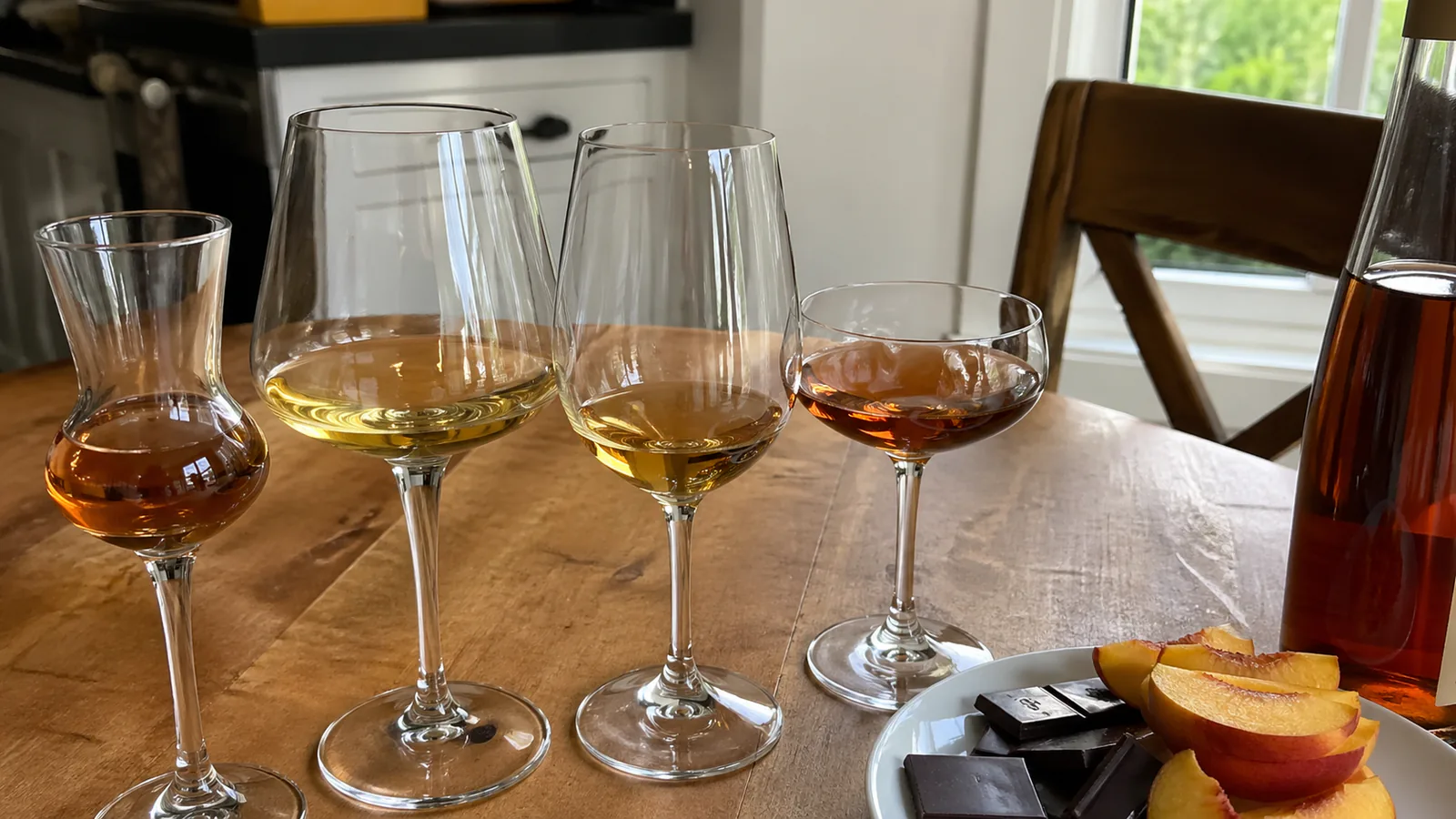
Sweet wine has a reputation problem that’s mostly older than the wines themselves. People who say they don’t like sweet wine usually mean they don’t like cheap, flabby sweet wine, which is fair. The good sweet wines sit in a completely different world: focused, balanced, and delicious in a way that makes dry-wine drinkers quietly refill the glass.
The twelve bottles below cover the whole sweet spectrum. Lightly sparkling Moscato at 5.5% alcohol, aged Tawny Port, a single-vineyard Mosel Kabinett that tastes like wet stone and peach, a Sauternes that earned 98 points from James Suckling, and a Canadian Ice Wine made from grapes frozen on the vine. Each bottle is scored on sweetness so you know what you’re getting into, and tagged by production method so you can see why it tastes the way it does.
Every one is live on a major retailer’s site right now, with verified critic scores or customer ratings. The umbrella covers every style a first-time sweet-wine drinker should know about, and the two deep-dives at the bottom of each section (best sweet red wines and best Moscato wines) pick up where this one ends.
Jump to a style: Sweet White · Sweet Sparkling · Sweet Red · Fortified · Late Harvest and Ice Wine
Our Top 3 Picks

Dr. Loosen Wehlener Sonnenuhr Riesling Kabinett 2023
Mosel, Germany · Riesling
94 pts James Suckling


Prices vary by state. Click through for your current price.
What Makes a Wine Sweet
Every wine starts sweet. Grapes are sugar, and the fermentation process is how yeast turns that sugar into alcohol. A dry wine is one where the yeast has eaten nearly all the sugar. A sweet wine is one where sugar remains, either because winemakers stopped the fermentation early, added more sugar back in, or started with grapes so sugar-rich the yeast gave up before finishing the job. Winemaking for sweet styles is a craft with centuries of tradition behind it.
That leftover sugar is called residual sugar, and the residual sugar content is what drives every sweetness level you’ll see on a wine label. Dry wines usually have less than 4 grams of residual sugar per litre, and the lower alcohol content of a bottle is often a direct tell. Off-dry wines sit around 4 to 12 grams.
Semi-sweet runs 12 to 45, and genuinely sweet dessert wines can sit anywhere from 45 to 200 plus, with the ultra-sweet styles like Tokaji Eszencia and Pedro Ximénez occasionally pushing past 400. The range of sweetness is wider than in any other wine category.
Five main production methods make a wine sweet: stopped fermentation (Moscato d’Asti, some Prosecco), late-harvest picking (grapes picked after full ripeness, used in many late harvest wine styles including Late Harvest Riesling and Auslese), noble rot or botrytis (a fungus that concentrates sugar, used in Sauternes wine and Tokaji Aszú), fortification (adding spirit to stop fermentation, as with Port wine and Madeira wine), and ice wine (grapes frozen on the vine before pressing).
Each method tastes different, and we flag which method each bottle uses. Fermentation in winemaking is the single most important variable behind sweet style, and the subtle sweetness of a fine off-dry wine is a very different finish from the bold fruit and decadently sweet texture of a Sauternes or PX.
How to Tell if a Wine Is Sweet from the Label
Reading the label is the fastest way to avoid a sweet wine you didn’t want, or miss a sweet wine you’d love. Three shortcuts cover most bottles, and they work whether you’re browsing shelves or reading a back label at home.
Check the alcohol percentage. Low alcohol wines (5 to 9%) are almost always sweet because winemakers stopped fermentation early to keep the sugar. Moscato d’Asti runs 5.5%. German Riesling Kabinett runs 8 to 9%. Fortified Port runs 19 to 20% because spirit was added. Anything in the 13 to 14.5% range is typically one of the dry wines or off-dry wines a table drinker would pour.
Scan the label for sweet-wine keywords. “Late Harvest”, “Spätlese” (sometimes printed Spatlese when the umlaut is dropped), “Auslese”, “Eiswein”, “Ice Wine”, “Dulce”, “Dolce”, “Doux”, “Moelleux”, “Demi-Sec”, “Amabile”, “Abboccato”, “Vendange Tardive”, “Passito”, and “Recioto” all signal some level of sweetness. Words to expect on a dry bottle include “Brut”, “Seco”, “Trocken”, “Sec”, “Dry”, and “Asciutto”.
The full German wine classification scale (Kabinett, Spätlese, Auslese, Beerenauslese, Trockenbeerenauslese, Eiswein) runs from barely-sweet to syrupy, and makes German wines the most self-documenting sweet category in the world.
Check the appellation. Sauternes, Barsac, Monbazillac, Tokaji Aszú, Recioto della Valpolicella, Brachetto d’Acqui, Moscato d’Asti, and Asti Spumante are all legally sweet by rule. The region does the work for you.
Sweet White Wines
Sweet whites run the widest range of any bucket on this list. Mosel Riesling at 8% alcohol with a spine of acidity. Alsatian Gewürztraminer that smells like rose petals and lychee. Tokaji Aszú at the extreme end. Three picks cover the beginner-friendly-through-expert spectrum.
1. Dr. Loosen Wehlener Sonnenuhr Riesling Kabinett 2023
Sweetness: ● ● ○ ○ ○ (Off-dry to lightly sweet) · Method: Naturally Sweet (stopped fermentation)
Mosel Riesling Kabinett is the category that answers “I want sweet wine that doesn’t taste like candy.” It’s low-alcohol (this bottle runs 8%), lightly sweet, and packed with the kind of acidity that makes the sweetness feel clean rather than syrupy. James Suckling scored the 2023 Dr. Loosen Wehlener Sonnenuhr 94 points. Vinous added 93. Robert Parker added 92. Four critics above 90.
Wehlener Sonnenuhr is one of the most famous single vineyards in the Mosel, a steep, blue-slate slope that shows up in every serious Mosel wine book. The 2023 delivers peach, white tree fruit, wet stone, and a long, mouth-watering finish that makes Thai curry, pork belly, or a blue cheese course light up. Screw-capped for freshness.
2. Hugel Classic Gewürztraminer 2023
Sweetness: ● ● ○ ○ ○ (Off-dry) · Method: Naturally Sweet (stopped fermentation)
Gewürztraminer (sometimes written Gewurztraminer without the umlaut) is the Alsatian grape that smells like perfume. Rose petals, lychee, honey, white peach. Hugel has been making it in Alsace since 1639, and the Classic bottling is the accessible entry point: lightly sweet, full-bodied, aromatic in a way that makes Thanksgiving turkey or a spicy Asian noodle dish instantly better. James Suckling scored this 90.
For a first-time sweet-wine drinker, Gewürztraminer is a gentler handshake than a heavy dessert wine. The fruit does the work, the alcohol sits around 13%, and the wine pairs with real meals rather than just dessert.
3. Oremus Late Harvest Tokaji 500ML 2023
Sweetness: ● ● ● ● ○ (Dessert-sweet) · Method: Late Harvest
Oremus is the Tokaj estate owned by the Spanish Vega Sicilia family, and the Late Harvest is the approachable entry into the Tokaji category that sits below the famous Aszú bottlings. Made from Furmint grapes harvested late enough to concentrate their sugar, the wine comes in a slender 500ml bottle typical of dessert Tokaji.
The palate is rich without being heavy: apricot, honey, orange zest, a note of lemon confit. Residual sugar sits around 120 grams per litre, which puts it firmly in dessert-wine territory. At $50 it’s a considered buy, the kind of bottle you open for a tart, a crème brûlée, or a sharp blue cheese. Finish a meal on it and guests will ask what it was.
Sweet Sparkling and Off-Dry
Sparkling sweet wine is the quickest sell. Low alcohol, bubbles, cold straight out of the fridge, fruit-forward flavour. Two picks here: one classic Moscato d’Asti and one sparkling sweet red.
4. Saracco Moscato d’Asti 2024
Sweetness: ● ● ○ ○ ○ (Semi-sweet) · Method: Stopped Fermentation
Saracco makes what many wine critics quietly consider the reference Moscato d’Asti, and the 2024 landed 93 points from Wine Enthusiast and 90 from James Suckling. At $16, it’s also the most affordable bottle on this list. The style is defined by its gentleness: only 5.5% alcohol, a light, foamy spritz rather than full bubbles, and the signature Moscato perfume of white peach, orange blossom, and honeysuckle.
Moscato d’Asti from the Piedmont hills is the dessert-course wine Italian families drink on Sunday afternoons. It works with panettone, strawberries, a fruit tart, or the kind of lazy summer brunch where no one wants a heavy wine. Serve cold, around 42°F. For deeper Moscato coverage, the best Moscato wines guide drills into the full category.
5. Banfi Rosa Regale Brachetto d’Acqui 2024
Sweetness: ● ● ● ○ ○ (Sweet) · Method: Stopped Fermentation
Brachetto d’Acqui is the other Piedmont sparkling sweet wine, and Rosa Regale is its most visible producer. Lightly sparkling, deep pink-to-ruby, the wine leads with strawberry, raspberry, rose petal, and a soft mousse. Alcohol sits at 7%, which means it drinks like a dessert rather than a heavyweight.
The pairing most often cited for Brachetto is dark chocolate, and it genuinely works: the fruit carries through the bitterness, the bubbles lift the fat. Our chocolate and wine pairing guide walks through the cocoa-percentage matches in detail. Valentine’s Day is a Rosa Regale moment. So is a birthday cake with berries. Pour it cold from the fridge.
Sweet Red Wines
Sweet red wine is its own deep-dive on this site, so the umbrella keeps the category tight. One flagship semi-sweet red and a clear pointer to the full roster.
6. Jam Jar Sweet Shiraz 2024
Sweetness: ● ● ● ○ ○ (Sweet) · Method: Stopped Fermentation
Jam Jar is the South African sweet Shiraz that did more than any other bottle to normalise the sweet-red category in the US. The name describes the wine: blackberry, blueberry, cocoa, a splash of fresh plum, and a texture closer to jam than a serious red. At $12, it’s the easiest gateway into sweet red wine, and the bottle people buy for cookouts, burgers, and dark-chocolate desserts.
The Shiraz grape (the same as Syrah in France) is a natural fit for sweet styles because its fruit character carries through the sugar without turning flabby. Serve it cool, around 55 to 60°F, which keeps the fruit fresh and stops the sweetness from reading as heavy. For more sweet reds across Lambrusco, Brachetto, Apothic, and late-harvest Zinfandel, the dedicated sweet red wines list has the full roundup.
Fortified and Dessert Wines
Fortification is the oldest trick in sweet-wine history. Portuguese producers were adding spirit to wine to preserve it for ocean voyages centuries before residual sugar had a name. The result is the fortified category: Port, Madeira, Sherry. High alcohol (18 to 22%), long finish, deep flavour, built to age.
7. Graham’s Six Grapes Reserve Ruby Port
Sweetness: ● ● ● ● ○ (Dessert-sweet) · Method: Fortified
Graham’s is one of the original British-founded Port houses in the Douro Valley, and Six Grapes is the non-vintage Reserve that the house treats as its flagship everyday drinker. Decanter scored this 95. Wilfred Wong added 91. Blackberry, black cherry, dark chocolate, a note of vanilla, and a long warm finish at 20% alcohol.
The traditional pairing is blue cheese, and it’s a pairing that converts Port skeptics in one glass: the sweetness balances the salt, the fruit mirrors the funk, the fortification carries through the richness. Dark chocolate works equally well. Pour 2 to 3 ounces per glass: this is sipping wine.
8. Sandeman 10-Year Old Tawny Port
Sweetness: ● ● ● ○ ○ (Sweet) · Method: Fortified
Tawny Port is Ruby’s wood-aged cousin. Where Ruby keeps the fresh dark-fruit character of youthful Port, Tawny spends a decade or more in oak barrels, where oxygen slowly turns the colour amber and the flavours into dried fruit, caramel, roasted nuts, and orange peel. Sandeman’s 10-Year earned six different critic scores of 90 or higher, including 92 from Decanter.
Tawny Port is the Port even non-Port drinkers tend to love. The fresh fruit is gone, replaced by something that reads more like a liquid dessert: hazelnut, dried apricot, caramelised sugar, a long mellow finish. Pair with crème brûlée, pecan pie, or a Spanish Manchego. Serve slightly chilled, around 55°F.
9. Alvear Pedro Ximénez Solera 1927 375ML
Sweetness: ● ● ● ● ● (Ultra-sweet) · Method: Fortified
Pedro Ximénez, abbreviated PX, is the sweetest mainstream fortified wine on the planet. Made in Montilla-Moriles in southern Spain from sun-dried Pedro Ximénez grapes, the wine sits at 15 to 17% alcohol, black as molasses, with residual sugar north of 300 grams per litre. Jeb Dunnuck scored this 96. Wilfred Wong matched at 96. Vinous 95. James Suckling 94.
Imagine liquid raisins, fig, dark caramel, coffee, molasses, and balsamic depth, in a tiny glass. PX is the wine that converts dessert skeptics: it’s happy to be dessert itself, especially poured over vanilla ice cream, which instantly becomes the most decadent course of the evening. Sipping is the usual play. One small pour per person.
Late Harvest, Noble Rot, and Ice Wine
The most prestigious sweet wines on the planet all come from one idea: concentrate the sugar before fermentation even starts. Leave grapes on the vine into late autumn. Let them shrivel, or catch a specific kind of mould called botrytis cinerea (noble rot), or freeze them into marbles of frozen water. Each concentration method gives a different flavour, and all three end up sweeter than the grapes started.
10. Chateau Suduiraut Sauternes 375ML 2020
Sweetness: ● ● ● ● ● (Ultra-sweet) · Method: Noble Rot (Botrytis)
Sauternes is the Bordeaux appellation where noble rot is deliberately encouraged. Grapes (Sémillon, Sauvignon Blanc, Muscadelle) are picked in multiple passes through the vineyard, sometimes berry by berry, once the botrytis fungus has shrivelled them into concentrated sugar-bombs. Chateau Suduiraut is a First Growth producer (Premier Cru Classé from 1855), and the 2020 earned a near-unprecedented run of top-tier scores: 98 James Suckling, 97 Vinous, 96 Decanter, 96 Robert Parker’s Wine Advocate, 96 Wine Enthusiast.
The wine pours deep gold. Aroma is honey, apricot, orange marmalade, and the distinctive botrytis note that tastes like a spiced citrus peel. The palate is sweet, complex, long. Pair with foie gras (the classic), a ripe wedge of Roquefort, or a fruit tart. The 375ml format is the right size for four people at the end of dinner.
11. Royal Tokaji 5 Puttonyos Red Label 500ML 2018
Sweetness: ● ● ● ● ● (Ultra-sweet) · Method: Noble Rot (Botrytis)
Tokaji Aszú is Hungary’s answer to Sauternes, and in some circles it’s considered the greater of the two. The wine is made by steeping botrytis-affected “Aszú” berries in base wine for a fixed period, then ageing the result. The number of Puttonyos (3, 4, 5, or 6) indicates how much Aszú was added: more Puttonyos means more sugar, more depth, more price. 5 Puttonyos is the classic mid-tier.
Royal Tokaji is one of the most respected modern producers in Hungary, and the 2018 Red Label 5 Puttonyos scored 93 from both Wine Enthusiast and Wine Spectator. The palate hits apricot, orange marmalade, honey, ginger, and a distinctive acidic lift that keeps the high sugar fresh rather than cloying. At $70 it’s the sort of bottle you open for a dinner guest who thinks they don’t drink sweet wine and walks out rethinking their position.
12. Inniskillin Vidal Icewine 375ML 2023
Sweetness: ● ● ● ● ● (Ultra-sweet) · Method: Ice Wine
Ice wine, Eiswein in German, is made from grapes frozen solid on the vine. Picking happens in the middle of the night, when the temperature is low enough to keep the grapes frozen through the press. Only the tiny beads of unfrozen sugar, acid, and flavour run out of the press. The water stays behind as ice. The result is one of the most concentrated sweet wines made anywhere.
Inniskillin is the Niagara estate that put Canadian Ice Wine on the international map. The Vidal bottling (Vidal is a hybrid grape that handles Canadian winters) delivers apricot, peach, honey, tropical fruit, and a mouth-coating sweetness cut by a bracing lift of acidity. The 375ml half-bottle is the standard pour format for a style this intense. Serve cold, in tiny glasses, on its own as dessert or with anything involving stone fruit. One of the great post-dinner wines on the planet.
How sweet is sweet? Every bottle on this list carries a 5-dot sweetness level scale that translates roughly to grams of residual sugar per litre: 1 dot (4 to 12g, off-dry), 2 dots (12 to 45g, semi-sweet), 3 dots (45 to 100g, sweet), 4 dots (100 to 200g, dessert-sweet), 5 dots (200g+, ultra-sweet). The hint of sweetness in a Kabinett Riesling and the full decadently sweet weight of Pedro Ximénez are both “sweet” on the label, but they drink completely differently. The dots let you match the right sweet sparkling or dessert wine to what you’re actually eating.
Where the World’s Best Sweet Wines Come From
Sweet wine is a global category, and the wine regions that deliver the best bottles each have a winery tradition worth knowing.
Piedmont wine country, Italy makes the lightest sweet wines on the list. Moscato d’Asti, Brachetto d’Acqui (made from the sweet Brachetto grape), and Asti Spumante all come from the same hills in the northwest of Italy, and they’re the sweet Italian wines families drink with Sunday dessert. The sweet sparkling character of these bottles, the Moscato-style effervescence and floral notes, is built into the production rule. Piedmont also makes Passito-style wines (raisin-dried grapes) and a few sparkling red wine bottlings from Brachetto at the other end of the sweetness scale.
Mosel (wine region) and Rhine, Germany is the spiritual home of sweet Riesling and, more broadly, of German wine that leans sweet. The Mosel’s steep blue-slate slopes produce low-alcohol Kabinett and Spätlese rieslings that balance sugar and acidity more gracefully than anywhere else. Auslese (picked later, sweeter), Beerenauslese (botrytis-affected), and Trockenbeerenauslese (“TBA”, individually-picked shrivelled berries) climb the sweetness ladder from there, each with a distinct aroma of wine profile. Eiswein from the same region is the German Ice Wine tradition. Silvaner also grows in Germany and delivers an off-dry sweet style worth knowing about for drinkers new to wine.
Douro, Portugal owns Port wine. Fortified wine was essentially invented there, and the region still makes the world’s benchmark Ruby, Tawny, Vintage, and Late Bottled Vintage Ports, all with a velvety texture and bold fruit profile. Madeira wine, from the Portuguese island of the same name, adds a heat-and-oxygen-aged fortified style that can last a century in bottle.
Sauternes and Bordeaux, France is the most famous noble-rot region in the world, and Sauternes (wine) is the reference point most serious critics use for dessert-wine quality. The Semillon-led blends from Sauternes and neighbouring Barsac have been the benchmark for centuries. Alsace on the eastern border produces Vendange Tardive (late harvest) and Sélection de Grains Nobles (noble rot) bottlings from Riesling, Gewürztraminer, and Pinot Gris.
Tokaj, Hungary makes Tokaji Aszú and the even sweeter Tokaji Eszencia, some of the most expensive sweet wines made anywhere. The volcanic soils and distinctive Furmint grape are unique in Europe. For a drinker who loves Sauternes, a wine like Tokaji is the logical next stop. Wines like Tokaji and wines like Port have the same “small pour, long finish” character that rewards slow drinking.
Niagara Peninsula, Canada and British Columbia produce the bulk of the world’s commercial Ice Wine, with Inniskillin, Peller Estates, and Jackson-Triggs leading the category. Germany and Austria still make small quantities of traditional Eiswein, but Canada is the volume leader and offers great value at the mid tier.
Andalusia, Spain is the home of Pedro Ximénez sweet sherry and strong liquor-adjacent fortified wines, Montilla-Moriles sweet sherry, and Malaga wines. Sun-dried grape sweet wine in its oldest form. The Phenolic content in wine from this region is unusually high, which is why the wines pour almost black.
Santorini, Greece makes Vinsanto (not to be confused with Italian Vin Santo), a sun-dried Assyrtiko sweet wine that can age for decades. A small but compelling region for adventurous sweet-wine drinkers and serious wine enthusiasts.
Champagne, France is not usually thought of as a sweet wine region, yet the traditional Champagne dosage scale runs from Brut Nature (bone dry) through Brut, Extra Dry, Sec, Demi-Sec, to Doux (fully sweet). A Demi-Sec Champagne is the original special-occasion dessert wine and still one of the great pairings for wedding cake and fruit desserts.
Find Your Wine Match
Not sure which sweet style? Take the 20-second quiz.
Three quick questions. One matched bottle.
What are you eating with it?
What's the occasion?
How sweet are you going?
Let's find the right bottle for you.
Tell us a bit about the occasion and what you're after. We'll match you to one of the bottles on this page.
Photo by Skyler Ewing on PexelsReading your answers…
How We Chose These Wines
Frequently Asked Questions
What is the best kind of sweet wine for beginners?
Start with Moscato d’Asti or Riesling Kabinett. Both are light, low-alcohol, and naturally sweet without tasting cloying. Saracco Moscato d’Asti at 5.5% alcohol is the softest landing: strawberry, peach, lightly sparkling, made for fruit or pastries. Dr. Loosen’s Wehlener Sonnenuhr Riesling Kabinett at 8% is the next step up in complexity without adding weight. Both sit well under $30. For a sweet red on-ramp, Jam Jar Sweet Shiraz is the gentlest introduction: ripe dark fruit, no tannin grip, a price point that doesn’t punish curiosity. Sweet wine is still an alcoholic beverage, so beginners should pay attention to pour size more than proof; the sweetness of wine can mask alcohol on the palate, especially in fortified bottles.
What’s the difference between sweet wine and dry wine?
Dry wine has most of its sugar fermented out by yeast. Sweet wine has residual sugar left in the bottle, either because fermentation was stopped early, the grapes started with too much sugar for yeast to fully convert, or spirit was added to halt fermentation. Dry wine typically has under 4 grams of residual sugar per litre. Off-dry runs 4 to 12. Sweet starts around 12 to 45, and full dessert wines can top 300 grams per litre.
The other big difference is alcohol. Dry table wine usually sits 12 to 14.5% ABV. Sweet wines with stopped fermentation (Moscato, Riesling Kabinett) run 5 to 9%. Fortified sweet wines (Port, PX) run 17 to 22%. Dessert sweet wines vary.
How can you tell if a wine is sweet from the label?
Three shortcuts cover nearly every bottle. First, check the alcohol percentage: anything under 10% is almost always sweet, because low alcohol means fermentation didn’t finish. Second, scan the label for sweet-wine keywords such as Late Harvest, Spätlese, Auslese, Eiswein, Ice Wine, Dolce, Doux, Moelleux, Demi-Sec, Passito, Recioto, or Dessert Wine. Third, learn the appellations that are sweet by legal rule: Sauternes, Barsac, Monbazillac, Tokaji Aszú, Recioto della Valpolicella, Moscato d’Asti, Brachetto d’Acqui, and Asti Spumante are all sweet regardless of producer.
Dry-wine keywords include Brut, Seco, Trocken, Sec, Dry, and Asciutto. When in doubt, the label’s alcohol number is the single most reliable tell.
What’s the sweetest wine in the world?
Tokaji Eszencia is usually cited as the sweetest wine commercially made: residual sugar can exceed 700 grams per litre, and alcohol sits around 2 to 4% because yeast cannot ferment at that sugar concentration. A step down, Pedro Ximénez sherry runs 300 to 500 grams per litre. Trockenbeerenauslese (TBA) from Germany and Austria, Sauternes from a hot year, and Ice Wine from Niagara all sit in the 150 to 300 gram range. For a reference point, a can of Coca-Cola has around 100 grams of sugar per litre. TBA and Eszencia are sweeter than soda, with the acidity to carry it.
Which sweet wines taste like juice or fruit?
Moscato d’Asti, Brachetto d’Acqui, and Lambrusco Dolce are the closest to liquid fruit. Saracco Moscato d’Asti reads like peach and orange blossom. Banfi Rosa Regale is essentially raspberry-and-rose-petal juice with a gentle spritz. Jam Jar Sweet Shiraz delivers blackberry and blueberry in the way people describe great jam. White Zinfandel from California leans strawberry and watermelon. Among heavier styles, Late Harvest Riesling and Gewürztraminer still read as fruit-forward, mostly apricot, peach, and honeyed stone fruit.
What’s a good sweet red wine?
The flagship pick here is Jam Jar Sweet Shiraz from South Africa. Blackberry, cocoa, ripe plum, a price under $15, and a low-tannin easy drinking profile that makes it a reliable crowd-pleaser.
Other strong entries in the category include Mionetto Lambrusco Dolce (lightly sparkling, fresh), Apothic Red (California semi-sweet blend), Banfi Rosa Regale Brachetto (a fruit-forward sparkling red wine made from the Brachetto grape in Piedmont), and late-harvest Zinfandel from California producers. These fruit flavors tend to lean dark: blackberry, plum, cherry compote, and in some bottlings dark chocolate.
For the full roster across Lambrusco, Brachetto, Apothic, semi-sweet blends, and late-harvest Zinfandel, the best sweet red wines guide is the deeper dive.
What’s the best sweet white wine?
For an off-dry sweet white with a hint of sweetness, Dr. Loosen Wehlener Sonnenuhr Riesling Kabinett is the tasting-room standard. For medium-sweet, Hugel Classic Gewürztraminer with its honeyed palate and floral notes. For full dessert-sweet, Oremus Late Harvest Tokaji or Chateau Suduiraut Sauternes.
The German rieslings (Kabinett, Spätlese, Auslese) deliver the widest range of sweetness on one grape, and the Phenolic content in wine from the Mosel slate soils keeps every sweeter bottle fresh rather than flabby. Alsatian Gewürztraminer (Vendange Tardive or Sélection de Grains Nobles), Sauternes and Barsac from Bordeaux, Tokaji from Hungary, and Niagara Ice Wine are the other categories to shortlist from.
Vouvray Demi-Sec from Loire Valley Chenin Blanc is a sneaky pick for drinkers who like subtle sweetness rather than the perfect sweet wine hit at dessert. Each region delivers sweet white wine in a different register.
What’s the best sweet sparkling wine?
Moscato d’Asti leads the category, and Saracco is the reference-point producer. Brachetto d’Acqui is the sweet sparkling red answer, with Banfi Rosa Regale as the best-known bottle. Asti Spumante pushes the bubbles higher than Moscato d’Asti.
Off-dry Prosecco (look for “Extra Dry” rather than “Brut” on the label) and Demi-Sec Champagne are gentler sweet-sparkling options for a special occasion. Demi-Sec Champagne is the original celebration-cake wine, and it sits at the top of the range of sweetness the Champagne region is willing to bottle.
For the full Moscato category, the best Moscato wines list covers it in depth.
How is sweet wine made?
Five main methods produce sweet wine. Stopped fermentation halts yeast before it converts all the sugar, by chilling or filtering the wine (Moscato d’Asti, some Prosecco). Late harvest leaves grapes on the vine until they shrivel and concentrate their sugar (Late Harvest Riesling, Vendange Tardive).
Noble rot, or botrytis cinerea, is a fungus that pierces grape skins and dehydrates them into sugar-dense raisins (Sauternes, Tokaji Aszú, TBA). Fortification adds neutral spirit to halt fermentation mid-process while retaining sugar (Port, Madeira, Sherry). Ice wine freezes grapes on the vine and presses them solid, so only concentrated sugar and acid run off (Canadian Ice Wine, German Eiswein).
Why are some sweet wines so expensive?
The short answer is yield. A Sauternes vineyard yields about a quarter of what a dry white vineyard does, because noble rot shrivels the grape and the harvest takes multiple passes berry by berry. Tokaji Aszú is handmade by the berry, with Aszú grapes steeped in base wine for months. Ice wine has to be picked and pressed while frozen, often in the middle of the night, and produces tiny volumes per vine.
On top of low yields, dessert sweet wines often age for years before release. Tokaji Aszú 5 Puttonyos spends at least 3 years in barrel plus additional bottle age. Port 10-Year Tawny spends a decade in oak. Pedro Ximénez is aged through a solera system that can span 70 years. Time, labour, and yield all compound into the price.
What sweet wine pairs best with chocolate?
Dark chocolate pairs with fortified sweet wines. Ruby Port (Graham’s Six Grapes) and Pedro Ximénez (Alvear 1927) are the two classical picks and the best wines on this list for a chocolate course. Tawny Port works too, and leans into the caramel-and-nut side of a chocolate tart or pecan pie.
For milk chocolate, a Moscato d’Asti or Brachetto d’Acqui works because the lower alcohol and lighter texture matches the lighter chocolate. White chocolate loves Sauternes or Late Harvest Riesling.
The general rule of wine pairing sweet bottles: match the wine’s sweetness to the chocolate’s intensity, and match the wine’s body to the chocolate’s fat content. Most sweet-wine tastings that end with chocolate go this way for a reason.
Is sweet wine higher in calories than dry wine?
Slightly higher per bottle, but the per-glass difference is often small because sweet wines are typically poured in smaller portions. A 5-ounce pour of dry wine (12% ABV, near-zero residual sugar) is roughly 120 to 125 calories. A 5-ounce pour of Moscato d’Asti (5.5% ABV, sweeter) is around 110 calories because the lower alcohol offsets the higher sugar.
A 3-ounce pour of Sauternes or PX (14 to 17% ABV, high sugar) is around 140 to 170 calories. Dessert sweet wine tends to be higher in calories per ounce, but the 2 to 3 ounce serving size keeps the total in range. Low-alcohol sweet styles (Moscato, Kabinett Riesling) are generally the lightest option calorically.
Are sweet wines good value right now?
The mid-tier sweet wines offer great value compared with their dry-wine equivalents at the same price. A $16 Moscato d’Asti delivers genuine drinking pleasure the way a $16 table Chardonnay rarely does. Mid-level Tawny Port and Ruby Port from serious houses sit around $25 and drink with a depth a $25 red rarely matches.
German rieslings from top Mosel producers in Kabinett tier sit $25 to $35 for top wines that age for decades. Even Sauternes half-bottles from First Growth producers start around $40, which is less than many entry-level Burgundy whites.
The one category where the price climbs quickly is Tokaji Aszú 6 Puttonyos and Trockenbeerenauslese, where the yields are so low the cost per bottle jumps to $80 and up.
For everyday sweet drinking, the range of sweeter styles under $30 is genuinely full of crowd-pleaser options for both first-time tasters and seasoned wine lovers. Most wine tasting descriptors used to evaluate these bottles (apricot, honey, wet stone, orange peel) are easy to recognise after one or two sittings.
How is wine tasting sweet wine different from tasting dry wine?
A sweet wine tasting follows the same rules as a dry tasting, but the order of operations shifts. At group tastings of sweet styles, experienced wine enthusiasts work from lightest to sweetest so the palate isn’t blown out by a Pedro Ximénez before reaching a delicate Riesling Kabinett.
The aroma of wine comes first, cold from the fridge, where the floral notes and fruit come through cleanest. The palate follows: note the sugars in wine alongside acidity. High-sugar bottles need high acidity to avoid feeling cloying, and that balance is the single best predictor of a bottle’s drinkability.
The finish tells you whether a wine has length, which is where dessert sweet wines either shine (long fades of honey, marmalade, apricot) or fall flat.
What makes a great sweet wine gift?
A great sweet wine gift does two things at once: it introduces the recipient to a style they haven’t tried, and it delivers a perfect sweet wine moment on opening. For someone new to sweet wine, a bottle of Moscato d’Asti is the gentlest entry.
For a sweet sparkling gift with more impact, a Brachetto d’Acqui brings the rose-and-raspberry drama. For dinner-party gifts, a half-bottle of Sauternes or Tokaji Aszú feels generous and solves the dessert course in one move. For Port drinkers, a 10-Year Tawny from one of the founding Douro houses is the classic move.
Pair the bottle with a matching food cue (dark chocolate with Port, fresh fruit with Moscato, foie gras with Sauternes) and the gift becomes a planned evening rather than a bottle on a shelf. Wine enthusiasts tend to remember the specific sweet wine someone first poured them, so the choice matters more than the price tag.
Keep Reading
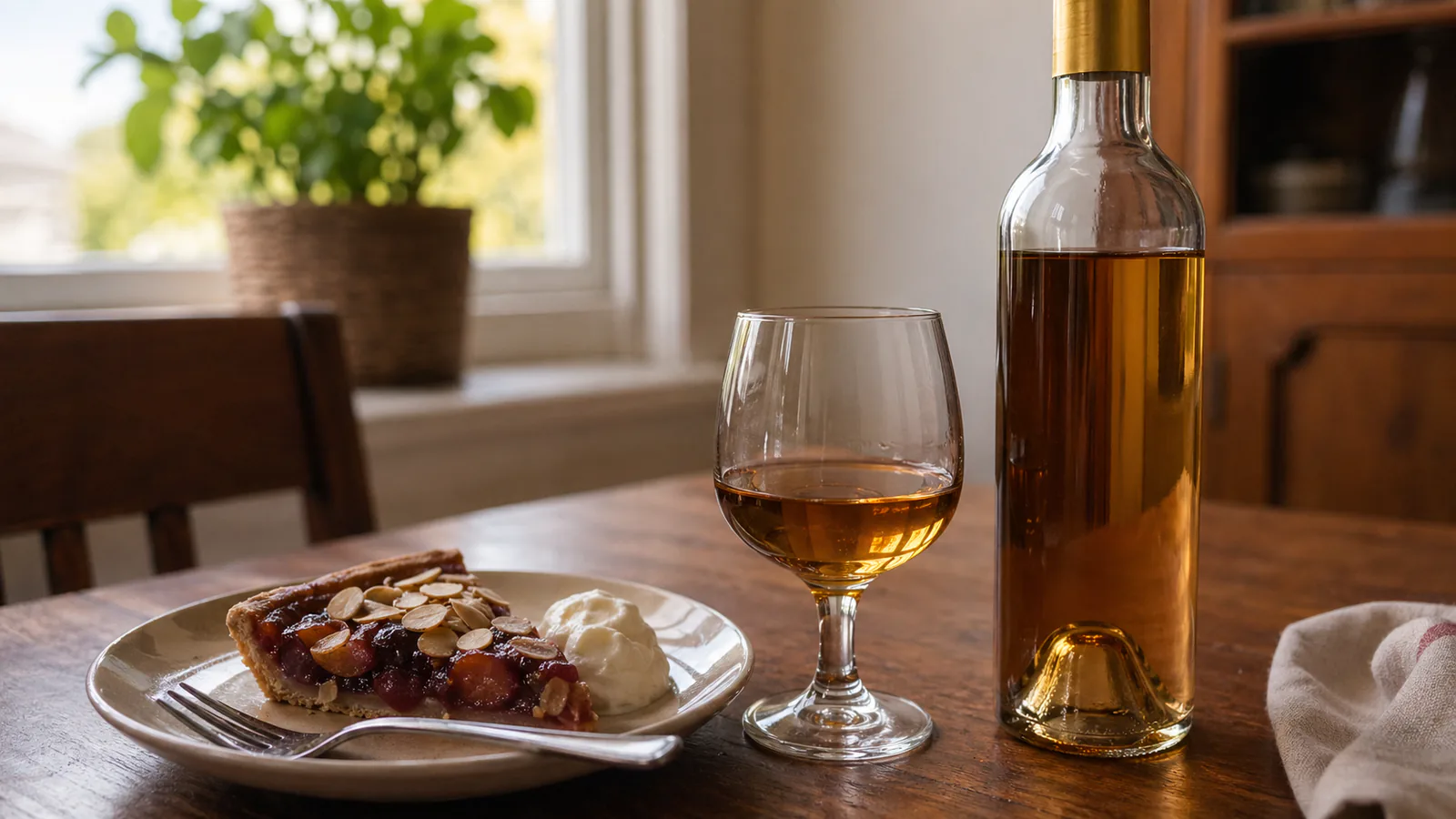
Dessert Wine Guide: Sweet Styles Worth Trying
The major styles of dessert wine explained: how they're made, how sweet they actually are, and which bottle to open with what.
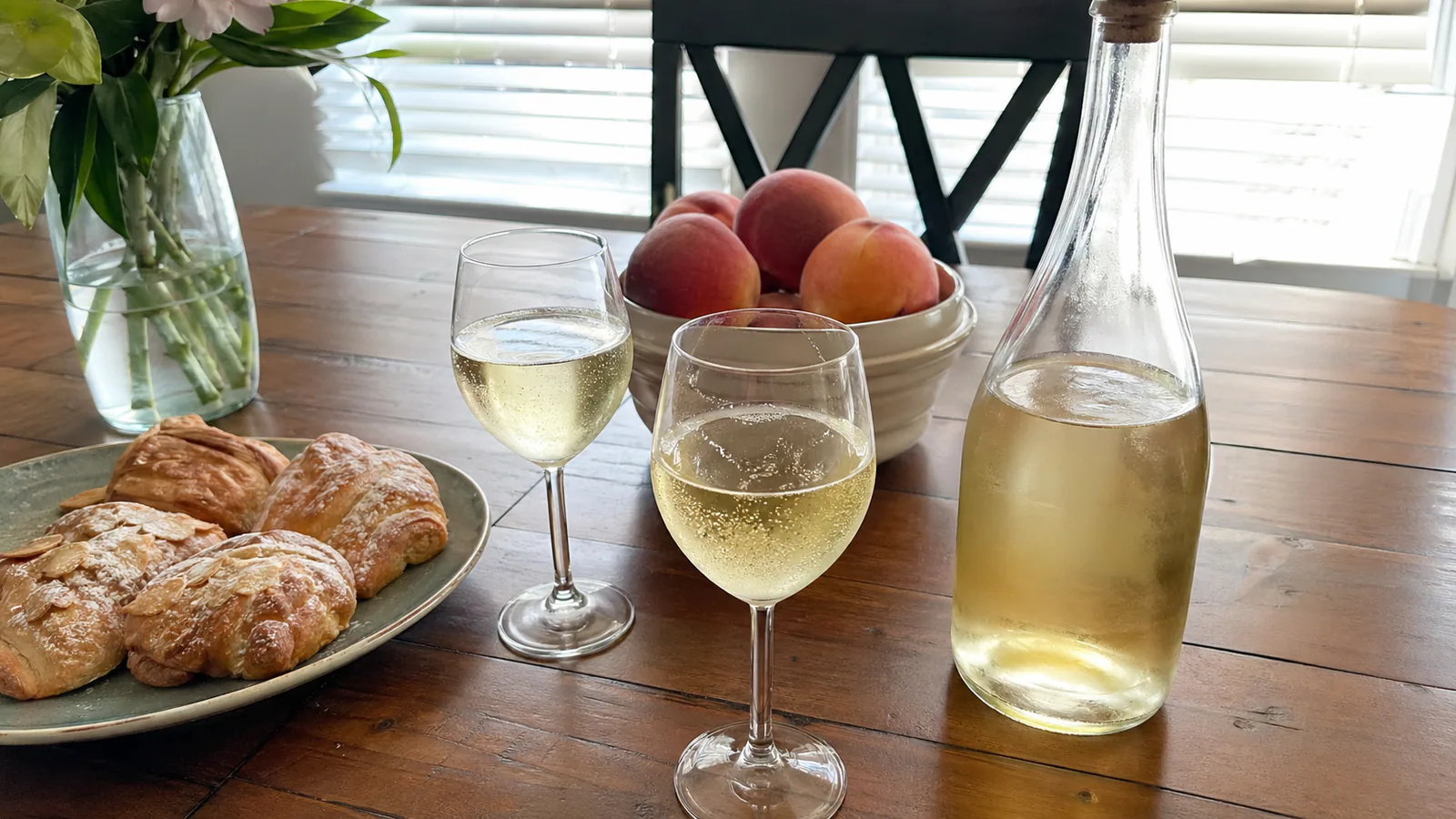
Best Moscato Wine: 13 Bottles Worth Buying in 2026
13 best Moscato wines across Moscato d'Asti, Asti Spumante, still, and premium Passito styles. Every bottle live at a major retailer, every pick verified.
Best Sweet Red Wines Worth Trying Right Now
If dry reds aren't your thing, these sweet reds deliver fruit-forward flavour without the tannin bite. Eight bottles worth knowing about.