Claire Bennett
Wine Editor25 min read
Best White Wine for Beginners: 8 Bottles to Start
Eight beginner-friendly white wines that taste good from the first sip. Pinot Grigio, Sauvignon Blanc, Riesling, Moscato, and more under $28.
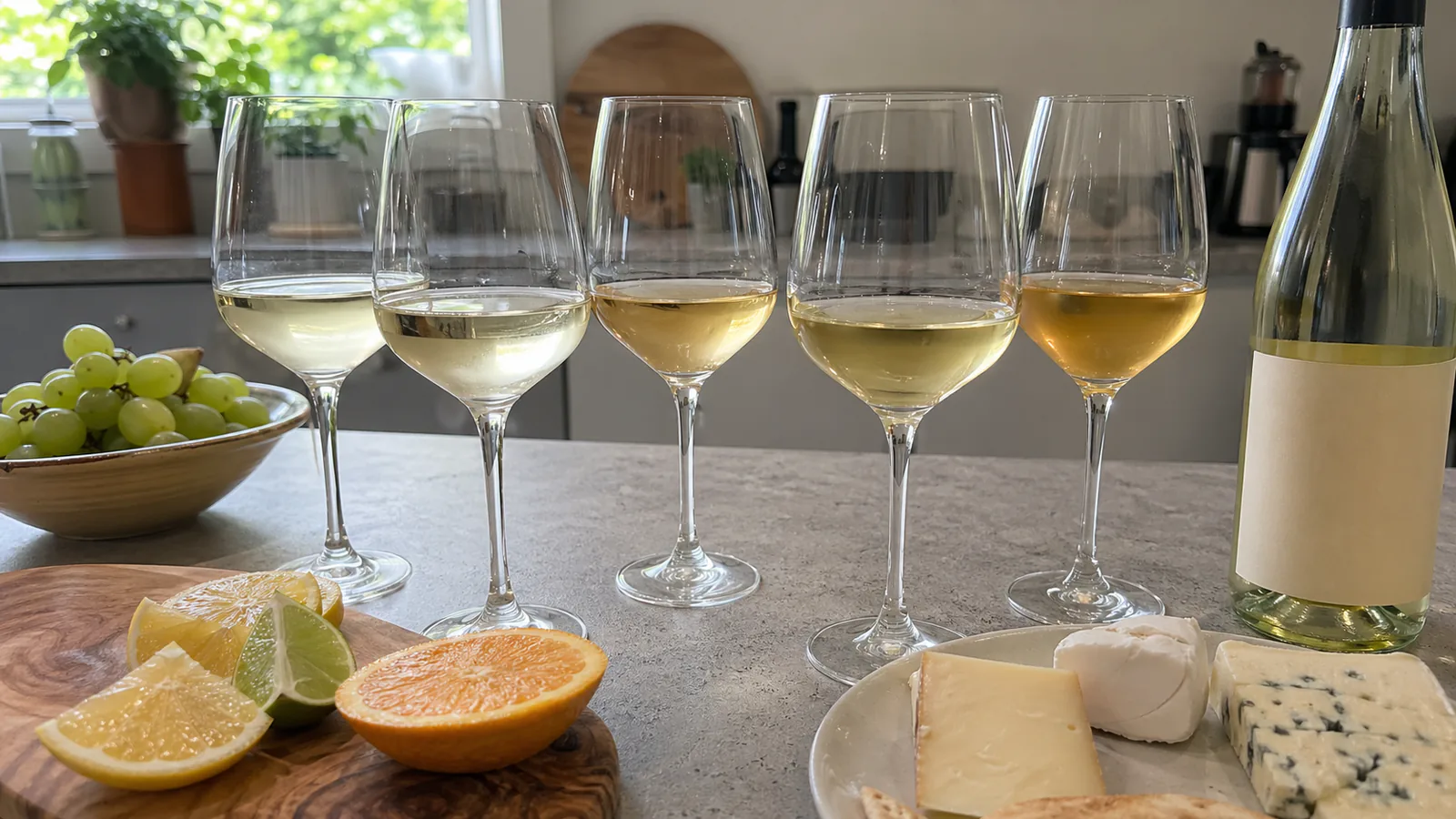
White wine is where most wine drinkers start, for good reason. It’s cold, it’s approachable, it’s forgiving, and you don’t need to know what tannin is to enjoy it. The catch is that the white wine aisle is huge and the names can feel arbitrary. Pinot Grigio, Sauvignon Blanc, Riesling, Moscato, Chardonnay: which one do you actually want?
The short answer depends on whether you prefer crisp, sweet, or full-bodied. The eight bottles below cover all three, with specific picks a beginner will recognize and actually enjoy. Every wine is under $28, every one has the kind of clean, clear flavour that makes the style obvious.
Pick the one that matches how you drink today, then try the others over the next couple of weeks. By bottle five you’ll know what you actually like.
Our Top 3 Picks

Santa Margherita Pinot Grigio 2024
Trentino-Alto Adige, Italy · Pinot Grigio

Grand Napa Sauvignon Blanc 2025
Spring Mountain, Napa · Sauvignon Blanc
92 pts Tasting Panel

Prices vary by state. Click through for your current price.
1. Santa Margherita Pinot Grigio 2024
Pinot Grigio is the beginner white for a reason: crisp, clean, never too anything. Santa Margherita is the iconic version, produced in northern Italy’s Trentino-Alto Adige region since the 1950s, and it’s the bottle you see in every restaurant with a wine list. Green apple, lemon, and a clean mineral finish that wakes up your palate without demanding much back.
Drink it cold, straight from the fridge. Pair with garden salads, a light pasta, cream cheese dip, or anything seafood. The wine that says “I’m fine with whatever you’re having.”
2. Grand Napa Vineyards Sauvignon Blanc 2025
Sauvignon Blanc is brighter, sharper, and more aromatic than Pinot Grigio. This Napa version is the 4.7-star bottle on this list with 59 verified buyer reviews. Tasting Panel scored it 92 points, Wilfred Wong 91. It runs riper than New Zealand Sauvignon Blanc, with stone fruit, pink grapefruit, and a long finish.
If you want something more characterful than Pinot Grigio but don’t want to commit to Chardonnay’s weight, this is the answer. Pair with goat cheese, seared scallops, or a citrus-dressed salad.
3. Eroica Riesling 2024
Riesling confuses beginners because it can be bone-dry or unapologetically sweet, and the label rarely tells you which. Eroica is an off-dry style: a touch of sweetness balanced by zingy acidity, which is the best place for a beginner to meet the grape. It’s a collaboration between Washington’s Chateau Ste. Michelle and Dr. Loosen of the Mosel, which puts German Riesling tradition on Washington fruit.
Peach, lime zest, and a honeyed edge on the finish. Pair with Thai curries, roast pork, spicy Asian cuisine, or a ripe blue cheese. The bottle that proves Riesling isn’t just dessert wine.
4. Grand Napa Vineyards Los Carneros Chardonnay 2024
Chardonnay has two personalities: the oak-bomb butter style and the crisp, mineral cool-climate style. Beginners should start with the second one. This Carneros Chardonnay is cool-climate done right: green apple, lemon curd, a whisper of hazelnut, and a refreshing finish. It made the retailer’s Top 100 of 2025 list. Tasting Panel scored it 94, Wilfred Wong 91. 213 verified buyers rate it 4.3 stars.
Pair with roast chicken, crab cakes, or a creamy pasta. This is the Chardonnay that convinces beginners the grape is more interesting than they thought.
5. Damilano Moscato d’Asti 2024
Moscato d’Asti is the sweet-but-not-cloying gateway white. It’s lightly sparkling, low in alcohol (around 5.5%), and tastes like fresh peach, orange blossom, and honey. If you’ve ordered Moscato at a restaurant and liked it, this is the producer to upgrade to: a respected Piedmont estate making the textbook version of the style.
Serve cold, ideally in a champagne flute. Pair with fresh fruit, light desserts, an afternoon cheese plate, or brunch. The bottle that proves sweet white wine deserves respect, not dismissal.
6. Dog Point Vineyard Sauvignon Blanc 2024
If you want to try New Zealand Sauvignon Blanc in its proper form, this is the bottle to buy. Marlborough Sauvignon Blanc has a reputation for being aggressive, but Dog Point is what the grape looks like when you take it seriously: lime zest, passion fruit, a flinty saline finish. Robert Parker scored it 95 points. Wine Enthusiast and James Suckling both gave it 93. It made the Top 100 of 2025.
Pair with oysters, Thai green curry, goat cheese, or a simple herb-heavy salad. The bottle that changes your mind about New Zealand Sauvignon Blanc if the cheap versions have put you off.
7. Calculated Risk Chardonnay 2024
The value Chardonnay on this list, at around $20. Russian River Valley fruit (one of California’s best Chardonnay regions), with a cool-climate profile that keeps it focused rather than flabby. Green apple, white peach, a touch of oak, and clean acidity on the finish.
For a beginner stocking up for a dinner party or buying a case for everyday drinking, this is the smart call. Pair with grilled chicken, fish tacos, or a roast turkey.
8. Ziobaffa Organic Pinot Grigio 2024
The budget Pinot Grigio that drinks well above its $17 price. Ziobaffa is made from organic grapes in Puglia (southern Italy), which gives it a slightly richer style than the northern Italian versions. Pear, citrus peel, and a crisp finish.
If the Santa Margherita at #1 feels like a splurge, this is the Pinot Grigio to reach for on weeknights. Pair with pizza, pesto pasta, or a cheese board.
More White Wine Basics for Beginners
A few more things worth knowing as your palate develops:
The white wine grape varieties a beginner should know
- Pinot Grigio / Pinot Gris: crisp, clean, light. Italy leans fresh; Alsace and Oregon lean fuller and richer. The easiest entry point.
- Sauvignon Blanc: bright, aromatic, herbaceous. Marlborough (NZ) for intensity; Sancerre (France) for elegance; California for riper stone fruit.
- Riesling: ranges from bone-dry to dessert-sweet. Mosel (Germany) is the benchmark. Washington and Alsace also produce great examples.
- Chardonnay: the chameleon. Can be lean and mineral (Chablis) or rich and oaky (Napa). Carneros and Sonoma Coast sit in the beginner sweet spot.
- Moscato: sweet, light, lightly fizzy. Asti (Italy) is the place; Muscat is the grape. A dessert-wine category that works on its own.
- Gewürztraminer: floral, lychee, exotic. Alsace is home. Not beginner-first, but a fun left-turn once you’ve tried the basics.
- Albariño and Vinho Verde: Spanish and Portuguese whites. Light, briny, perfect for shellfish. Another good beginner category.
Sweet vs dry: decoding the label
Most Pinot Grigio and Sauvignon Blanc is dry. Most Moscato is sweet. Chardonnay is almost always dry. Riesling is the confusing one: it can go either way. Look for:
- Trocken or dry on German Riesling = dry
- Kabinett or Feinherb = off-dry (slightly sweet)
- Spätlese, Auslese = progressively sweeter
- d’Asti on Moscato = lightly sparkling and sweet
Customer ratings online are usually honest about sweetness. If a review says “too sweet for me,” that’s your cue.
How to serve white wine properly
White wine suffers when it’s either too cold or not cold enough. Fridge-cold (around 40°F / 4°C) kills aromatics. Room temperature ruins the acidity. The sweet spot is 45–55°F (7–13°C), depending on the style:
- Sparkling and Moscato: 40–45°F (very cold)
- Crisp whites (Pinot Grigio, Sauvignon Blanc): 45–50°F
- Fuller whites (Chardonnay, Viognier): 50–55°F
Pull the bottle out of the fridge 10–15 minutes before you pour the fuller styles. The wine will taste more expressive immediately.
What about orange wine, skin-contact, and natural wine?
These are white wines made with extended skin contact, which gives them a copper or amber colour and more tannin than a typical white. They’re interesting but not beginner-first. Come back to them after you’ve tried 10+ conventional whites.
Tasting notes: the flavours you’ll actually find
Across the eight bottles above, the tasting notes you’ll encounter most often are flavours of apple (green apple especially), pear, lemon, lime, pineapple, peach, and stone fruit. Floral notes, white pepper, and a creamy texture show up in fuller whites. Sweeter wines add honey and orange blossom. Learning two or three wine tasting descriptors per wine is plenty. You don’t need the full vocabulary to talk about what you like.
Choosing white wine for your meal (food pairing)
Food pairing matters more for whites than you’d think:
- Seafood, sushi, oysters: crisp acidity and high acidity wins. Pinot Grigio, Sauvignon Blanc, Albariño. Sparkling wine works too.
- Creamy pasta, roast chicken: fuller whites with a creamy texture, often aged in oak or aged in oak barrels. Chardonnay is the classic call.
- Spicy food (Thai, Indian, Sichuan): off-dry Riesling or sweeter wines. Gewürztraminer (gewurztraminer) also works.
- Cheese platter: depends on the cheese. Crisp white for goat cheese, sweeter wines for blue cheese.
- Salads: anything zesty. Pinot Grigio or Sauvignon Blanc.
- Dessert: Moscato d’Asti, Sauternes, Auslese Riesling. Wine and food pairing on the sweet end.
More white wine beginners worth trying
White wine beginners branching out from the main list should know a few more categories:
- Vinho Verde (Portugal): a light, slightly fizzy wine from Portugal. A beginner’s dream for summer. Under $15 is the norm.
- Albariño (Spain): briny, citrus, seafood-friendly.
- Grüner Veltliner (Austria): white pepper, citrus, food-friendly.
- Loire Valley whites: Sancerre and Pouilly-Fumé are Sauvignon Blanc from the Loire, while Vouvray is Chenin Blanc. Loire is the benchmark Loire Valley region for French white wine, with dry wine styles across the board.
- Sparkling wines (Prosecco, Cava, Champagne): separate guide, but legitimate beginner territory.
- Rosé: technically not a white, but often shelved alongside. Most rosé is made from red grapes with minimal skin contact.
Sauvignon Blanc grapes vs Chardonnay grapes
Sauvignon Blanc grapes produce a lighter, crisper, more aromatic wine. Chardonnay grapes produce a fuller, richer style often aged in oak. Loire Valley Sauvignon Blanc (Sancerre) is the gold standard for Sauvignon Blanc. Tasting them side by side teaches you more about wine style in one dinner than a dozen articles can. If the question “Sauvignon Blanc vs Chardonnay” has crossed your mind, that’s the simplest experiment.
Basic guide to white wine buying
Five habits that will make you a better white wine buyer without much effort, useful for anyone new to wine:
- Read the wine label. Grape, region, vintage, alcohol level. That’s 80% of what tells you the style.
- Note the vintage. White wines are usually made to drink young (within 2–3 years). An older bottle of Pinot Grigio is not always better.
- Trust customer tasting notes. If 50+ people say “too sweet” or “too dry”, believe them.
- Use your wine shop. A good clerk will pair you to your favorite wines after one conversation. Wine lovers working at specialist shops will always pick a better bottle than an algorithm.
- Try wines from different growing regions deliberately. New Zealand Sauvignon Blanc vs Loire Sauvignon Blanc is a masterclass, and both grapes are widely planted in top wine shops worldwide. Best white wines for beginners often come from smaller growing regions where the winery team still tastes every barrel. Ripeness is key: warmer growing regions yield fuller, riper fruit; cooler ones give tighter acidity. Winemaking choices (skin contact, fermentation in oak vs stainless, malolactic) then decide whether the finished wine tastes like dry wine, off-dry, or sweet. Best red wines for beginners run on a parallel system in the red-wine category. Different wine varietal types across the world are made through the same fermentation basics.
Easy to drink wines are what you want when you’re new to wine. A popular white like Pinot Grigio is usually made unoaked or lightly oaked, which keeps the flavour fresh. The sweetness of wine (controlled by residual sugar levels) is what throws off some beginners: a slightly sweet Riesling drinks “like dry wine” once you know what to expect. Sweet whites like Moscato have more obvious residual sugar. Fruit flavors like flavors of apple, pear, peach, and watermelon drive the palate. Juice made from grape is the starting point, and fermentation does the rest. A good wine you’ll want to buy again should taste clear and specific, with sparkle on the finish for sparkling styles or steady acidity for still wines. Red wines work on the same logic but with different varietals (Merlot, for example, is a red counterpart to the smooth style here). The key is picking one wine style at a time and working through it. Don’t try to learn every wine at once. Choose the perfect bottle for tonight and enjoy it.
The best wine for beginners is whatever wine you like. A beginner-friendly wine like Pinot Grigio or off-dry Riesling gets the job done; whatever wine made from whichever grape clicks for you is the right answer. Every new wine you try adds to your vocabulary. Phenolic content determines how bitter or grippy a wine feels; ripeness determines how much fruit sugar the grape started with. Those two variables, combined with winemaking choices, produce the vast range of wines are made across the world.
Find Your Wine Match
Not sure which one? Take the 20-second quiz.
Three quick questions. One matched bottle.
What are you pairing it with?
When are you drinking it?
What style do you prefer?
Let's find the right bottle for you.
Tell us a bit about the occasion and what you're after. We'll match you to one of the bottles on this page.
Photo by Skyler Ewing on PexelsReading your answers…
How We Chose These Wines
Frequently Asked Questions
What white wine should a beginner drink first?
Start with a Pinot Grigio or an off-dry Riesling. Pinot Grigio is the most universally approachable white wine: crisp, clean, low drama. Off-dry Riesling is for anyone whose palate runs sweet: the sweetness softens the introduction to aromatic white wine. From this list, Santa Margherita Pinot Grigio and Eroica Riesling are the two to try first. Both land around $22, both taste recognizably like their grape, and both make dinner better.
Is sweet white wine a beginner drink?
Not inherently, but it’s often where beginners feel most at home. Moscato, off-dry Riesling, and sweet Gewürztraminer are all legitimate styles with long traditions behind them. The wine industry has historically looked down on sweet wines, which is a snob reflex rather than a quality judgment. If you enjoy them, drink them. Most people’s palates drift toward dry over time anyway, but there’s no rush.
What’s the difference between Pinot Grigio and Pinot Gris?
Same grape, different names. Pinot Grigio is the Italian name for the grape, usually indicating a crisp, light, clean style. Pinot Gris is the French name, and wines labelled Pinot Gris (especially from Alsace or Oregon) tend to be fuller-bodied, richer, and sometimes slightly off-dry. If you want a light, crisp white, look for Pinot Grigio. If you want something with more body, look for Pinot Gris.
How do these best white wines for beginners compare to the best red wines for beginners?
The goal is the same: approachable bottles that showcase each major grape variety without weighing you down with complexity. On the red side, the grape varieties to start with are Pinot Noir, Malbec, and Sangiovese (Chianti). On the white side, it’s Pinot Grigio, Sauvignon Blanc, and Riesling. Both lists prioritize recognizable producers and honest tasting notes over prestige labels. If you’re mid-flight on the reds too, see our separate best red wines for beginners guide for the parallel short-list.
How cold should white wine be?
Colder than most people serve it. Around 45–50°F (7–10°C) for crisp whites like Pinot Grigio and Sauvignon Blanc. Around 50–55°F (10–13°C) for Chardonnay. Very cold (40–45°F) for Moscato and sparkling wines. Fridge temperature is roughly 40°F, so pulling the bottle out 10–15 minutes before pouring works for fuller whites. Crisp whites and sparkling go straight from the fridge. Serving too cold mutes aromatics; serving too warm makes the wine feel flabby. Cold but not frozen is the target.
Keep Reading
Types of White Wine: Crisp to Rich Guide
From crisp Sauvignon Blanc to buttery Chardonnay, here's how the main types of white wine taste, where they come from, and what to eat with them.
Best Cheap White Wine: 8 Bottles Worth Buying Under $20
The best cheap white wines under $20, from zippy Marlborough Sauvignon Blanc to rich Sonoma Chardonnay. Critic-scored and crowd-verified.
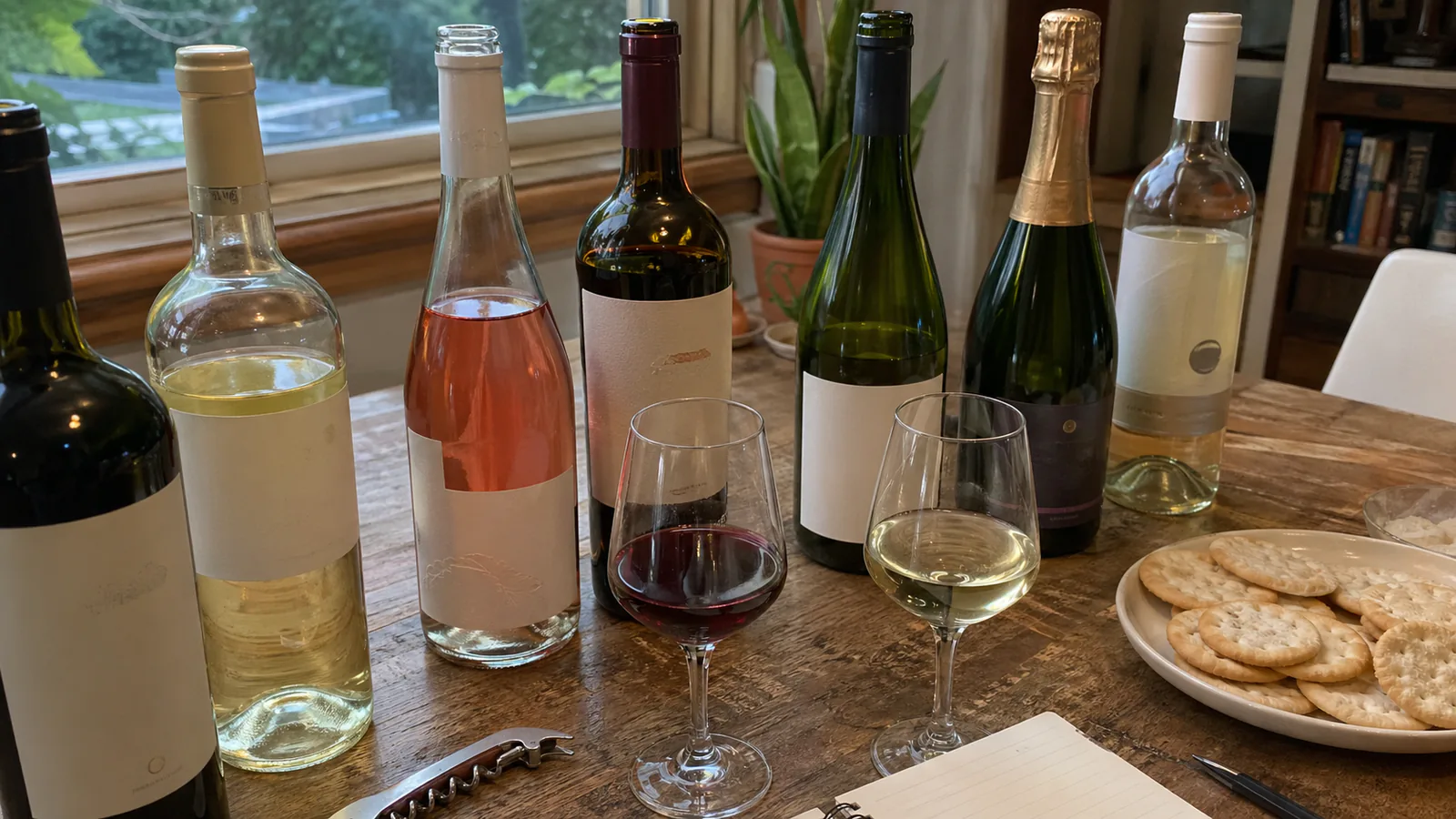
Best Wine for Beginners: An 8-Bottle Starter Kit
Eight beginner-friendly wines covering red, white, rosé, and sparkling. Approachable picks from $17 to $28.