
Claire Bennett
Wine Editor41 min read
Best Port Wine: 13 Bottles Worth Buying
13 best port wines across every style: Ruby, Tawny, LBV, and White. One confident pick for every budget, occasion, and taste.
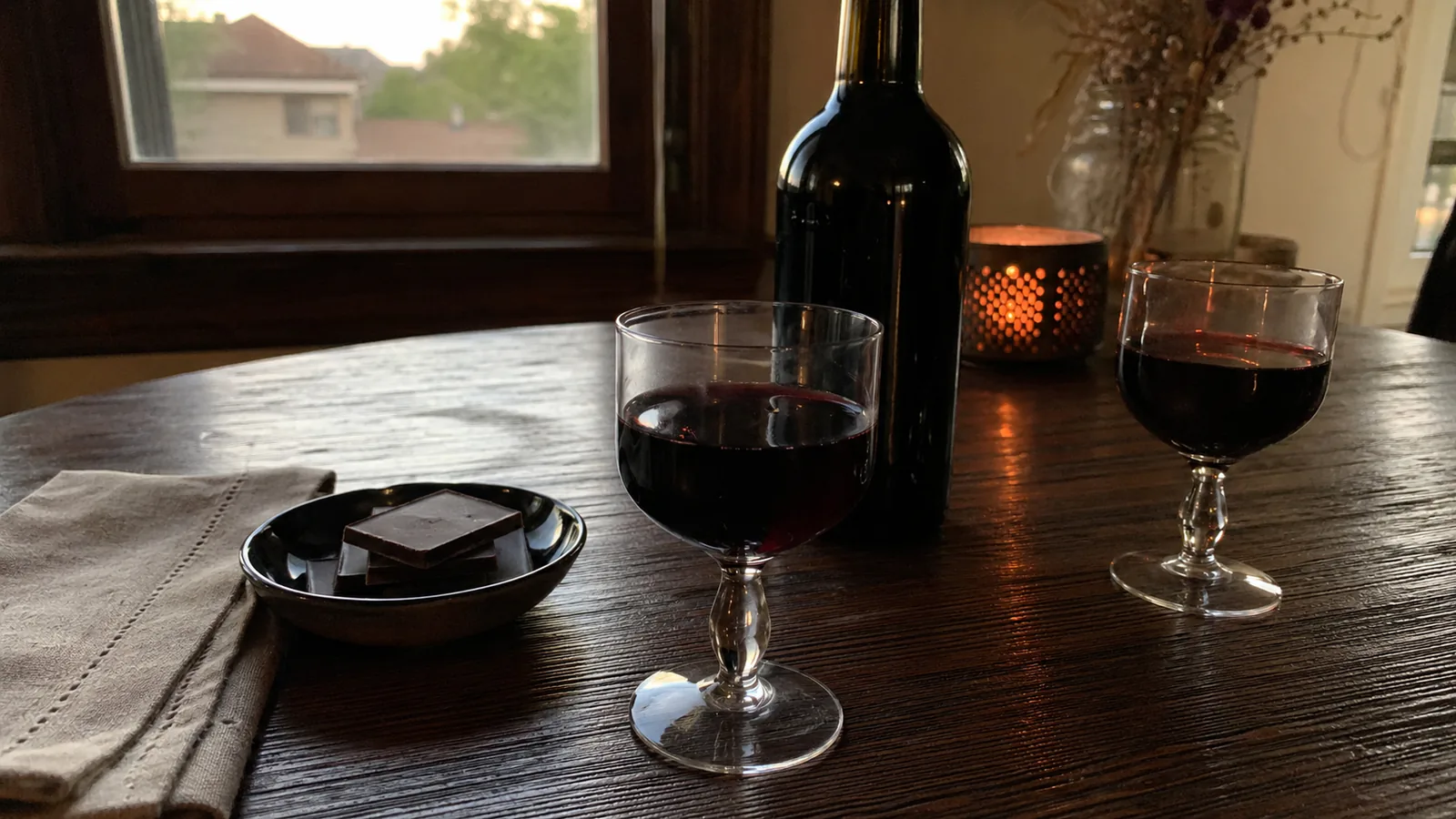
Here’s something worth knowing before you buy: Tawny and Ruby are two different wines. They’re not quality tiers where one is better than the other. If someone asks you what port tastes like, the honest answer is: it depends which kind.
Ruby is fresh, jammy, and dark-fruited, like blackberry jam and dark chocolate. Tawny is nutty, oxidative, and dried-fruit rich, like salted caramel, roasted hazelnuts, and dried apricots. Both are Port. Choosing between them is a flavour call, not a quality call.
That confusion trips up most first-time buyers. You tried a Ruby Reserve at a dinner party, loved it, and now you’re staring at a wall of Tawny wondering if it’s just older. It’s not. It’s a completely different wine. Once you understand that, the category stops feeling overwhelming.
This list covers 13 bottles across every major Port style, from a sub-$20 Ruby Reserve that punches well above its price to a 20-year Tawny that sits firmly in gift-and-celebration territory. There’s something here for the cheese board, the Christmas table, the birthday gift, and the after-dinner pour that makes the evening feel earned.
Port Style Quick Reference
| Port Style | Sweetness (1-5) | Serve Temp | Best Food Match | Best Occasion |
|---|---|---|---|---|
| White Port (dry) | 1 | Chilled (8C) | Almonds, olives | Aperitif |
| Tawny NV | 3 | Lightly chilled (12C) | Milk chocolate, almond cake | Everyday after-dinner |
| Ruby Port | 3 | Cellar (14C) | Dark chocolate, cherry tart | After dinner |
| Ruby Reserve | 3 | Cellar (14C) | Cheese board, dark chocolate | Occasion gift |
| LBV (Late Bottled Vintage) | 4 | Cellar (14C) | Blue cheese, walnuts | Special dinner |
| Tawny 10yr | 3 | Lightly chilled (12C) | Creme brulee, pecan pie | After dinner |
| Tawny 20yr | 4 | Lightly chilled (12C) | Dark chocolate, almond tart | Special occasion |
| Tawny 30yr+ / Colheita | 4 | Lightly chilled (12C) | Dried figs, Stilton | Splurge or gift |
| Vintage Port | 5 | Cellar (16C) | Stilton, dark chocolate | Cellar or special dinner |
Our Top 3 Picks

Graham's Six Grapes Reserve Ruby Port
Douro, Portugal · Touriga Nacional, Touriga Franca, Tinta Roriz
91 pts Jeb Dunnuck

Sandeman 20 Year Old Tawny
Douro, Portugal · Touriga Nacional, Touriga Franca, Tinta Barroca, Tinta Roriz
95 pts Wine Enthusiast

Fonseca Bin No. 27 Port
Douro, Portugal · Touriga Nacional, Touriga Franca, Tinta Roriz
93 pts Decanter
Prices vary by state. Click through for your current price.
Best Ruby Port
Ruby is the entry point and, for many people, the reason they got into Port in the first place. Fresh dark fruit, a jammy richness, and a structure that makes dark chocolate taste like it was engineered to pair with it. Ruby Reserves are where the quality jump happens: longer barrel ageing and stricter house selection than basic Ruby, which is why they dominate this section.
“Very easy to drink and a bit dangerous in that sense” is how r/PortWine regulars describe a good Ruby Reserve. They’re not wrong.
Fonseca Bin No. 27 Port
The most-reviewed Port at the retailer: 546 ratings at 4.2 stars. Four critics weighed in: 93 from Decanter, 92 from Wine & Spirits, 91 from the Tasting Panel, and 90 from Wine Spectator. A four-critic score anchored by Decanter at 93 is unusually strong for a sub-$20 Port.
Fonseca uses Touriga Nacional, Touriga Franca, and Tinta Roriz from the Douro Valley. The Bin 27 house style delivers blackberry jam, dark cherry, and a cocoa finish that makes the pairing with dark chocolate feel obvious rather than discovered. At $18.97, it anchors the value slot without compromise. “Fantastic for the $$$” is the summary that keeps appearing in verified reviews, and it’s accurate.
Graham’s Six Grapes Reserve Ruby Port
W.J. Graham’s has been making Port in the Douro since 1820. The Six Grapes is their benchmark Ruby Reserve: 91 from Jeb Dunnuck, 91 from Wine & Spirits, 90 from Robert Parker. Three critics, all at 90 or above. Four-point-one stars from verified buyers.
Blackberry, dark fruit flavors, cocoa, and a spice note on the finish that lingers without getting heavy. That ruby-red color is dark and vivid in the glass. Stilton and Graham’s Six Grapes is one of the classic Port pairings, and it earns the reputation every time. “Ruby reserves are a great starting point and even after having tasted hundreds of vintages, I still enjoy them” is the kind of endorsement that comes from experience, not loyalty.
Sandeman Founders Reserve Ruby Port
The second-highest review volume in this entire lineup: 473 ratings at 4.2 stars. Sandeman’s iconic Don silhouette makes this one of the most recognisable Port bottles in the world, which matters for gifting. It reads as intentional in a way that a generic label never quite does.
Wilfred Wong and Decanter both scored it 90. Touriga Nacional, Touriga Franca, and Tinta Roriz give it dark cherry, spice, and a sweetness that balances rather than dominates. It’s a solid pick for anyone who knows their recipient “likes Graham’s” but wants to try a different house. Sandeman has been in the Douro since 1790.
Best LBV Port
Late Bottled Vintage Port sits between the Ruby Reserve tier and true Vintage Port, in both price and style. It comes from a single declared harvest year, spends four to six years in oak before bottling, and delivers more structure and complexity than a Ruby Reserve. No cellaring required, and no $80-plus spend either. The Fonseca LBV 2016 is the only affordable LBV at the major retailer, and 2016 was a strong year in the Douro.
“Best bang for the buck when buying retail” is how r/PortWine regulars describe LBV as a category. At $23.97, that lands.
Fonseca Late Bottled Vintage 2016
The only LBV under $40 in this guide, and the most important style slot for anyone trying to understand what Vintage Port is about without committing to the price. Robert Parker scored it 90. The 2016 is from a strong Douro harvest. Touriga Nacional, Touriga Franca, and Tinta Roriz give it structure that a Ruby Reserve doesn’t have: firmer tannin, darker fruit, and a blue cheese and walnut pairing that makes the cheese board feel serious.
Most commercial LBVs are filtered, so decanting isn’t needed. If the label says “bottle matured” or “unfiltered,” a quick decant to remove sediment is worth doing. Otherwise pour straight and enjoy. At $23.97, this is one of the best port picks for a special dinner that doesn’t require opening your cellar.
Best Tawny Port (NV)
NV Tawny is the everyday version, built from blended harvests and aged in small oak casks until the amber color and nutty-caramel character develops. There’s no fresh dark fruit, no jammy texture here. Instead you get butterscotch, vanilla, honey, and a soft, rounded sweetness. The Croft Reserve stands out in this tier on customer trust.
Croft Reserve Tawny Porto
The highest customer-rated Tawny in this guide: 280 reviews at 4.3 stars. Croft is one of the oldest Port houses, established 1588, and they scored 92 from the Tasting Panel and 90 from Wine Spectator. The amber color comes from oxidative ageing in small barrels. Milk chocolate, almond cake, and a hint of brie make it one of the more food-friendly Tawnies in the guide.
At $24.97, the Croft Reserve sits in the everyday Tawny sweet spot: enough complexity to feel like a step up from entry-level, affordable enough that you’re not overthinking the pour. This is the bottle for someone who wants to explore Tawny without committing to a 10-year expression and its higher price.
Best 10-Year Tawny Port
Ten-year Tawny is where the aged Tawny category earns its reputation. The “10 year” on the label is an average age: a blend from multiple harvests, certified as having the character equivalent to 10 years in wood. What changes from NV Tawny is complexity: dried apricot, orange peel, a nuttiness that opens in the glass, and a depth that rewards slow sipping.
Serve it lightly chilled, around 12 degrees Celsius. Creme brulee and pecan pie are the classic pairings because the caramel and roasted nut notes in the wine mirror what’s in the dish.
Croft 10 Year Old Tawny Porto
Wine Spectator scored it 92. Croft dates back to 1588, and the 10-year Tawny is their value proposition in the aged tier: a strong critic score at the most accessible price in this section. Caramel desserts and dried fruit sit at the centre of the rich profile, with the amber color and nutty depth you expect from proper wood ageing.
At $29.97, this is the best port option for anyone stepping up from NV Tawny for the first time. It’s the right bottle to bring to a dinner party when you want something that prompts a conversation rather than just gets consumed. The dried apricot and orange peel notes make it food-friendly across a wide range of dessert pairings.
Sandeman 10 Year Old Tawny
Six critics scored this between 90 and 92. Decanter at 92, Wine Spectator and James Suckling both at 91, with Wine & Spirits, Wilfred Wong, and Wine Enthusiast all landing at 90. Six-critic agreement on a single Port wine at this price is unusual, and it says something real about the bottle’s consistency.
Sandeman’s 10-year runs a richer profile than the Croft at the same age tier: caramel tart, walnuts, and dried apricot that opens further after 20 minutes in the glass. The $37.97 price reflects the multi-critic consensus. At 4.2 stars from 89 reviews, the customer signal confirms what the critics agreed on.
Fonseca 10 Year Old Tawny
The highest customer trust score in the 10-year Tawny section: 4.3 stars from 125 reviews. Four critics placed it between 90 and 91, led by Wine & Spirits at 91, with Wine Enthusiast, Wine Spectator, and Robert Parker at 90. Fonseca’s house style runs a little richer and rounder than Sandeman at the same age tier, making this the natural choice for anyone who loved the Bin 27 and wants to follow Fonseca up the age ladder.
Pecan pie, creme brulee, and blue cheese with a nutty, spiced depth. “The most apricot and fig-tasting tawny I’ve had” is how one r/PortWine regular described a similar aged profile. At $39.99, it sits at the top of the standard price ceiling for this guide and earns its spot.
Best 20-Year Tawny Port
This is the gift and celebration tier of Port. Twenty-year Tawny is more concentrated and richer than the 10-year expression. The walnut, caramel, and roasted nut character deepens. The sweetness integrates into everything else rather than sitting on top.
“Way, way smoother than their 10yo” is how r/PortWine regulars describe the step up from 10-year to 20-year. They’re right.
If the last port you tried came out of someone’s parents’ liquor cabinet and felt too sweet, try a 20-year Tawny before writing the category off. The sweetness at this level comes embedded in a complexity that changes the experience completely.
Both bottles here exceed the standard $40 price ceiling. That’s deliberate: 20-year Tawnies are the gift tier, and any serious best-port guide that omits them is missing an entire style of buyer. The $58-62 range is where the splurge justifies itself.
Sandeman 20 Year Old Tawny
The strongest critic profile of any wine in this guide: 95 from Wine Enthusiast, 95 from James Suckling, 94 from Decanter, 93 from Wine Spectator, 93 from Wine & Spirits, and 92 from Robert Parker. Six critics. All above 92. Wine Enthusiast and James Suckling at 95 for a Port wine at this price point is a score you rarely see.
Sandeman 20 Year is the bottle to buy when the occasion matters: a birthday milestone, a thank-you gift for someone who knows wine, a Christmas table that deserves something worth remembering. Creme brulee, toffee pudding, and Roquefort are the natural pairings. The amber color deepens noticeably at the 20-year tier, and the tasting notes shift from the orange peel of the 10-year expression to walnut, caramel, and a savoury richness that rewards slow sipping. At $58.99, this is the best port wine gift in the guide.
Fonseca 20 Year Old Tawny
The highest customer rating in this entire guide: 4.5 stars from 163 reviews. Fonseca’s 20-year expression earns its score from drinkers who are paying attention. Five critics scored it between 92 and 95: 95 Decanter, 94 Wine Enthusiast, 93 Wine Spectator, 92 Wine & Spirits, and 92 Robert Parker.
The Fonseca 20-year runs richer and rounder than the Sandeman at the same age tier. Creme brulee, walnut cake, and aged manchego pair naturally here. This is the favorite port for r/PortWine regulars who describe the category as “a slippery but fun slope” once you start exploring aged Tawnies.
One bottle and you’ll understand exactly what they mean. At $61.99, it’s the most expensive wine in the guide and the highest customer-rated.
Best White Port
White Port is the style most competitor best-port lists skip, and it’s a real oversight. Chilled White Port over ice with tonic water is one of the best aperitifs you can make with a Port bottle. It’s popular across Portugal and increasingly common in the UK and Australia. The flavour is completely different from Ruby or Tawny: lighter, fresher, with almond and honey notes rather than dark fruit or oxidative nuttiness. Both bottles here sit at $19.97.
Fonseca Siroco White Port
The most customer-validated White Port in the lineup: 4.1 stars from 130 reviews. No critic scores, which is typical for White Port, but the customer signal is the strongest in this style. Fonseca Siroco uses Rabigato, Malvasia Fina, and Viosinho, the traditional white grapes of the Douro. The result is off-dry and aromatic, with a honey and almond character that works both as an aperitif and as the base of a White Port and tonic.
Serve it over ice with a decent tonic water and a slice of lemon. That’s the classic Portuguese serve. You get the sweetness and aromatic lift without the fortified-wine weight that puts people off trying Port in warmer weather. At $19.97, it’s one of the most underrated bottles in the guide.
Niepoort Dry White Port
The strongest critic credentials of any White Port available here: 93 from Robert Parker, 89 from Wine Spectator. Niepoort is a boutique family-owned Port house with cult status among serious wine drinkers, and the Dry White Port is where their quality shows at an accessible price. Rabigato, Viosinho, and Gouveio deliver a drier, more saline profile than the Siroco: green olives, almonds, and a subtle honey note on the finish.
The dryness and the Robert Parker score place it in the same conversation as premium dry Sherries. Serve it well-chilled, around 8 degrees Celsius, with almonds or gazpacho. At $19.97, it matches the Siroco on price and beats it on critic credentials. A connoisseur-level pick at a beginner’s price point.
Best Australian Tawny Port
Australian Tawny is the category most Port lists ignore, and it’s worth knowing about. The Barossa Valley produces Tawny-style fortified wines from Grenache, Shiraz, and Mourvede that earn serious critical attention. They age in a solera system similar to Spanish sherry, producing a rancio richness and concentrated sweetness that sits somewhere between traditional Portuguese Tawny and a high-quality Madeira. Yalumba’s 375ML half-bottle format makes it one of the most practical gift picks in the guide.
Yalumba Antique Tawny Port 375ML
Five critics scored this bottle between 91 and 93: 93 from Vinous, 92 from Robert Parker, 92 from Wine Enthusiast, 91 from Wine Spectator, and 91 from Decanter. The 208 customer reviews at 4.1 stars confirm the same story from a different angle.
Yalumba is the oldest family-owned winery in Australia. The Antique Tawny is made from Grenache, Shiraz, and Mourvede from the Barossa Valley. Fruitcake, toffee pudding, and pecan pie are the natural pairings. The 375ML format is a practical gift: it looks substantial, it drinks better than a full bottle of something generic, and two people can share an after-dinner pour without committing to 750ML.
At $27.97, it’s the standout pick for someone who appreciates wine from outside the traditional Douro.
Port Wine Styles Worth Knowing
The Port category is broader than most lists suggest. Ruby and Tawny are the two main families, but the styles of port extend well beyond those.
Rose port (Rose Port) is made from red Douro grapes vinified like a rose: fermented briefly for colour, then fortified. It’s lighter and more approachable than Ruby Reserve, best served chilled, and popular as a summer aperitif.
Colheita Port is a single-harvest Tawny with a vintage year on the label. Unlike LBV, which spends four to six years in barrel before bottling, Colheitas age in barrel for a minimum of seven years and can run much longer. The colheitas from houses like Niepoort and Kopke are some of the most complex bottlings in the category.
Garrafeira Port is among the rarest styles: it starts in barrel like a Colheita, then moves into old glass demijohns for further ageing. The result is a Port with extraordinary complexity.
Beyond the standard age expressions, the finest houses produce 30-year and 40-year-old Tawny bottlings for collectors and serious enthusiasts. These are rare, intensely complex, and firmly in celebration territory. If you already like tawny and want to go deeper, a 40 year old expression from Sandeman, Fonseca, or Taylor Fladgate is the apex of the aged Tawny category.
The grape Sercial is associated with Madeira wine rather than Port. Madeira wine is a fortified wine from the Madeira archipelago with some similarities to aged Tawny, but uses a different production method and tends toward a more savoury, acidic profile.
Where Port Wine Comes From
Port wine takes its name from Porto, the city of Porto on the Atlantic coast of Portugal. The wine itself is made in the Douro Valley, roughly 100 kilometres inland, where the Douro river cuts through steep schist terraces. Those terraces, classified under the Douro DOC appellation, are where the key Douro grapes grow.
A quinta is the Portuguese word for an estate or farm, equivalent to a chateau in Bordeaux. Quinta do Noval (Noval) is one of the most celebrated estate-based Port producers in the Douro, known for exceptional Vintage Ports from their Nacional vineyard. Quinta do Vesuvio, owned by the Symington family, is another famous single-quinta estate Port from the upper Douro.
After harvest, the wine is made in the Douro Valley and then transported to the Port lodges in Vila Nova de Gaia, across the river from Porto. The lodges are where ageing takes place, and where the wine is bottled and shipped. Port is popular across Europe, and its following is growing in the United States, where aged Tawnies appeal especially to whisky and spirits drinkers.
Each quinta operates as a vineyard estate within the broader Douro DOC classification, which governs everything from permitted grape varieties to the maximum volume that can be fortified each year.
How Port Wine Is Made
Port wine production begins the same way as any other Douro red wine. The grapes are harvested from steep schist terraces, crushed, and fermented. The critical intervention happens mid-fermentation.
When the fermenting must reaches a specific sugar level, a neutral distilled grape spirit at around 77 percent ABV is added to the vat. This is the step used to fortify the wine: it arrests fermentation, leaving significant residual sugar in the finished wine and raising the alcohol to around 19 to 20 percent. The process preserves the natural sweetness of the grape juice without adding sugar.
After fortification, the aging of wine diverges by style. Ruby Port is aged in large neutral vats to preserve fresh fruit. Tawny Port is aged in small oak barrels called pipes, exposed to oxygen over years or decades. The wine spends years aged in wooden barrels before bottling, and the time spent in barrels before bottling is what determines the style and intensity of the final Tawny. Wine production is regulated by the Instituto dos Vinhos do Douro e do Porto, which sets limits on yields, fortification volumes, and ageing minimums.
Port grapes develop high phenolic content in wine, driven by the schist soils and intense Douro heat, which translates to significant tannin in young Ruby and LBV Ports. The acids in wine also play a role: aged Tawnies develop a savoury, balanced acidity through oxidation that makes them versatile at the table.
Find Your Port Wine
Not sure which style is for you? Answer three questions.
Three quick questions. One matched bottle.
Which Port style sounds most appealing?
What are you buying this for?
How do you like your Port?
Let's find the right bottle for you.
Tell us a bit about the occasion and what you're after. We'll match you to one of the bottles on this page.
Photo by Skyler Ewing on PexelsReading your answers…
How We Chose These Port Wines
Frequently Asked Questions
What brand makes the best Port wine?
The major Port houses each have a house style worth knowing. Graham’s (since 1820) makes structured, dark-fruited Ruby Reserves and rich aged Tawnies. Their Six Grapes is one of the benchmark Ruby Reserves globally. Fonseca is the consistency play: Bin 27 holds the highest customer review volume in the category, and their 10-year and 20-year Tawnies regularly score above 90 across multiple critics.
Sandeman (since 1790) leads on gift recognition due to the iconic Don silhouette, and their 20-year Tawny scored 95 from both Wine Enthusiast and James Suckling. Beyond the bottles in this guide, the port houses worth knowing include Taylor Fladgate (arguably the most famous name globally, strong in LBV and Vintage), Kopke (the oldest Port house, established 1638), Niepoort (boutique family producer with cult critic status), Ferreira (historic Douro house, strong in aged Tawnies), Cockburn’s (wide distribution, accessible Ruby Reserves), and Croft (established 1588, one of the oldest surviving houses).
Each house has a distinct style. The best port wine for you depends more on which style you want to drink than which house made it. Sandeman also produces a Sandeman 30 year and a Sandeman 40 year old Tawny expression, each representing a step up in concentration and complexity from their celebrated 20-year. Taylor Fladgate 20 Year Old Tawny is one of the benchmark aged Tawnies globally, and the house is also renowned for Quinta do Vesuvio single-estate Vintage Port. Quinta do Noval (Noval) produces some of the most collectible Vintage Ports in the Douro, including the famous Nacional bottling from ungrafted pre-phylloxera vines.
Is Tawny or Ruby Port better?
They’re not quality tiers. They’re different wines for different moods, and choosing between them is a flavour preference. Ruby Port is made to retain fresh fruit: fermentation is halted early with grape spirit, and the wine is kept away from oxygen. The result is that rich ruby-red color, blackberry jam, dark cherry, and dark chocolate that Ruby is known for.
Tawny Port spends years in small oak barrels deliberately exposed to oxygen. That’s what produces the amber color, the nutty-caramel character, the dried fruit, and the oxidative complexity. It’s a fundamentally different winemaking path.
If you want something fruity and jammy after dinner or with a cheese board, Ruby Reserve is your call. If you want something nutty, complex, and slightly more savory, a 10-year or 20-year Tawny delivers that. Most serious Port drinkers drink both. Start with what sounds most appealing. The styles of port offer genuine variety across the ruby and tawny families, plus White, Rose, LBV, Colheita, and Vintage. If you already know you like tawny character, the logical next move is exploring 10-year and 20-year expressions to see how age amplifies the profile.
What type of Port wine should I buy?
For beginners: start with a Ruby Reserve. Fonseca Bin 27 at $18.97 or Graham’s Six Grapes at $25.97 are the two most reliable entry points in the category. They’re well-supported by critics, high on customer review volume, and the dark fruit profile is the most immediately approachable. For something with more structure and complexity, the Fonseca LBV 2016 at $23.97 delivers Vintage Port character without the Vintage Port price.
For the step up, a 10-year Tawny. The Croft 10-year at $29.97 is the most accessible entry point. The Sandeman 10-year at $37.97 has the most critical backing. For a special occasion gift, a 20-year Tawny: Sandeman at $58.99 and Fonseca at $61.99 both deliver at a high level.
For an aperitif or warm-weather pour, White Port over ice with tonic. For someone who already knows Port and wants something unexpected, the Yalumba Antique Tawny from Australia at $27.97 in a 375ML format.
For buyers curious about less common styles: Rose Port works as a lighter aperitif, best served chilled. Colheitas are single-harvest Tawnies with a vintage date, a step up in complexity from standard NV Tawny. Garrafeira Port is rare and exceptional, aged in demijohns after barrel ageing. And if budget allows, a 40 year old year-old tawny from any of the top houses is the apex of the aged Port category.
What foods pair well with Port wine?
Ruby Reserve and LBV pair best with Stilton, dark chocolate, walnuts, and blue cheese. The classic Stilton and Port combination works because the sweetness and dark fruit in the wine cuts through the fat and salt in the cheese. Walnuts add a texture contrast that works with both styles. Dark chocolate at 70 percent or above is the dessert pairing. For the full breakdown by cocoa percentage, our chocolate and wine pairing guide covers the matches in depth.
Tawny 10-year goes well with creme brulee, pecan pie, and aged cheese like Grana Padano. Tawny 20-year suits almond tart, dark chocolate, and aged manchego. White Port works with olives, almonds, seafood appetisers, and tonic water. The Fonseca Siroco with olives and almonds as an aperitif is one of the most underrated pre-dinner combinations going. Port pairs well with a variety of foods beyond the classics: Christmas pudding, mince pies, pecan tart, and roasted chestnuts all work with aged Tawny. Ruby Reserve is typically sweet and bold-fruited, so it pairs best with equally rich flavours. LBV is more tannic than NV Ruby, with firmer structure that holds up to aged hard cheeses and stronger blue cheeses.
How is Port wine made?
Port starts as a regular red or white wine from Portugal’s Douro Valley, made from grapes like Touriga Nacional, Touriga Franca, Tinta Roriz, and Tinta Barroca. The critical difference is what happens during fermentation. At a specific point, before all the sugar has been converted to alcohol, a neutral grape spirit is added to the fermenting wine. This halts fermentation and preserves the natural sweetness of the grape juice.
The result is a wine with 19 to 20 percent alcohol by volume and significant residual sugar. Port sits inside the broader fortified wine family alongside Sherry, Madeira, and Marsala. After fortification, the style diverges. Ruby Port is aged in large, neutral wooden containers to preserve fresh fruit. Tawny Port is aged in small oak barrels called pipes, where it’s exposed to oxygen over years or decades.
That oxidative ageing produces the amber color, nutty character, and complexity that defines aged Tawny. White Port uses white Douro grapes and follows a similar process, typically with less barrel ageing. The spirit used to fortify the wine is a neutral distilled grape spirit at around 77 percent ABV, added at approximately one part spirit to four parts fermenting wine. Port wine production is regulated by the Instituto dos Vinhos do Douro e do Porto, which sets minimums for the time spent in barrels before bottling by style. The 2016 vintage was an excellent year in the Douro, producing structured wines with good depth, which is why the Fonseca LBV 2016 represents strong value for buyers interested in single-harvest character.
How long does Port wine last after opening?
Port lasts much longer after opening than table wine, thanks to its elevated alcohol from fortification. The exact time varies by style. Ruby Reserve keeps for up to four weeks in the fridge, and a stopper or vacuum seal extends that further. Tawny (10-year and 20-year) keeps for two to three months, sometimes longer.
Aged Tawnies hold up well after opening because their oxidative ageing has already prepared them for exposure to air. LBV keeps for about one week. Vintage Port also keeps for about one week and should be consumed within days once decanted.
A Sandeman employee confirmed the official guidance in a r/PortWine thread: “Rubies are great to drink up to one month after opening. LBVs are good for about four to five days.” A Ruby Reserve or a Tawny is one of the most forgiving bottles you can open mid-week and come back to over a fortnight. The general principle: the more oxidative ageing a Port has, the longer it holds up after opening. So when you decide to drink port mid-week rather than save it for a special occasion, a Tawny is the better choice for sustained enjoyment across multiple evenings.
Keep Reading
Fortified Wine Guide: Port, Sherry, Madeira
Port, Sherry, Madeira, Marsala, Vermouth: what fortified wine actually is, how each style tastes, how to serve it, and how long it keeps once opened.
Chocolate Wine Pairing: What Actually Works
Pair wine with dark, milk, and white chocolate without the bitter clash. The sweetness rule, the bottles to grab, and the mistakes to dodge.

Best Sweet Wines: 12 Bottles Across Every Sweet Style
12 best sweet wines across Riesling, Moscato, sweet reds, Port, Sauternes, Tokaji, and Ice Wine. Every bottle sweetness-rated and verified live.