
Claire Bennett
Wine Editor13 min read
Fortified Wine Guide: Port, Sherry, Madeira
Port, Sherry, Madeira, Marsala, Vermouth: what fortified wine actually is, how each style tastes, how to serve it, and how long it keeps once opened.
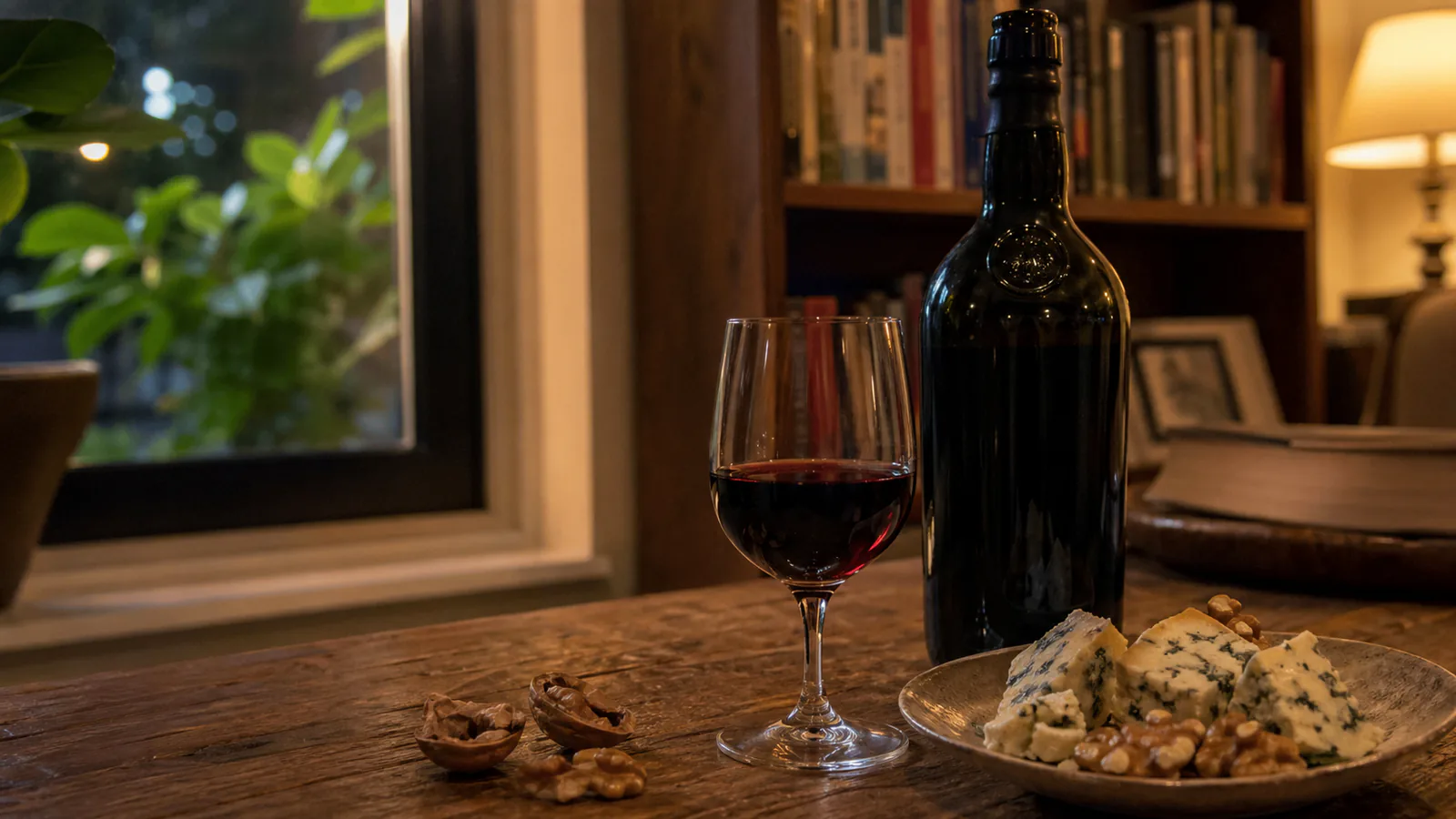
You reach for a bottle of Port at Christmas and pour without thinking. Then someone at the table asks what the difference is between tawny and ruby, and you realise you’ve been pouring this stuff for years without actually knowing what’s in it.
By the end of this page you’ll know:
- Why a fino Sherry belongs in the fridge and should be poured like a white wine, and what happens if you treat it like Port instead
- The one fortification timing decision that determines whether your wine ends up bone dry or sticky-sweet (it comes down to a single moment during production)
- How long each fortified wine actually lasts once you open it. The range runs from five days to several years, and getting this wrong means wasting some seriously good bottles
- The fortified wine that’s virtually indestructible after opening, and why that makes it the best bottle to keep in your pantry
- Why Sherry and Port are completely different animals, even though most bottle shops shelve them next to each other
What Is Fortified Wine and How Is It Made?
Fortified wine starts as regular wine. Grapes are harvested, fermented, and then a neutral grape spirit (essentially a clear brandy) is added. That addition pushes the alcohol content from the usual 11-14% up to somewhere between 15 and 22%.
The timing of that addition is everything.
Add the spirit during fermentation and the yeast dies before it can convert all the sugar. The result is a wine with residual sweetness: ruby Port, tawny Port, Pedro Ximénez Sherry. Add it after fermentation is complete and the wine finishes dry: fino Sherry, dry Vermouth, Sercial Madeira.
This is also why fortified wine keeps longer than table wine after opening. The higher alcohol content slows down the spoilage process. And in the case of Madeira, the wine is deliberately heated during production, which means it’s already been through the kind of oxidation that would ruin most bottles. Open a Madeira and it barely notices.
What Are the Main Types of Fortified Wine?
Fortified wines are made across several regions, from Portugal’s Douro Valley to the sherry-producing towns of southern Spain. Each style of fortified wine brings a distinct production method, flavor profile, and set of pairings. Here’s a guide to the ones worth knowing.
Port
Port comes from the Douro Valley in Portugal, made from native grape varieties including Touriga Nacional and Tinta Roriz. The spirit is added during fermentation, which leaves the wine sweet and rich, with alcohol around 20%.
Ruby Port is the entry point: fresh, fruity, and full of red berry flavor. Aged for about three years in large barrels before bottling. Serve it at room temperature or just slightly cool.
Tawny Port spends years in small barrels, where it gradually oxidises and turns from red to amber. The flavors shift from fruit toward nuts, dried fruit, toffee, and orange peel. Ten-year tawnies are the sweet spot for most people. Serve lightly chilled.
Vintage Port comes from a single declared year and spends decades developing in the bottle. Rich, complex, and built for serious occasions. Decant before serving and drink within two to three days of opening.
Late Bottled Vintage (LBV) is vintage-style Port that’s already been aged in barrel for four to six years. Ready to drink without the ceremony of a true vintage.
White Port is made from white grape varieties and ranges from dry to off-dry. Serve it well chilled over ice with tonic water and a slice of lemon. A genuinely underrated summer drink. For verified buyer picks across these styles, see the best port wine guide.
Sherry
Sherry comes from Jerez, in Spain’s Sherry Triangle, and spans a range of styles wider than almost any other fortified wine. The same starting point (Palomino grapes) produces wines from bone dry to intensely sweet depending on how they’re aged.
Fino is the driest and most delicate style. Pale, light, and high in acidity, with flavors of almonds and fresh bread. Produced under a layer of yeast called flor that protects it from oxygen. Serve it fridge-cold, in a wine glass, and treat it like a white wine. It fades fast once opened.
Manzanilla is fino made in the coastal town of Sanlúcar de Barrameda. The sea air gives it a distinctive saline quality. The best example of how specific terroir can be in a fortified wine.
Amontillado starts as fino but continues ageing after the flor dies, introducing oxygen. The result is nuttier and darker than fino, with amber colour and a dry, complex finish.
Oloroso never develops flor at all and ages entirely through oxidation. Full-bodied, dark, with walnut and dried fruit flavors. Usually dry, though some are sweetened for commercial styles.
Pedro Ximénez (PX) is made from sun-dried PX grapes and is one of the sweetest wines on earth. Thick, black, and treacly, with flavors of fig, raisin, and dark chocolate. Pour it over vanilla ice cream. The full sweet-style map sits in the dessert wine guide.
Cream Sherry is a blended style: usually oloroso sweetened with PX, aimed at the casual market. Harvey’s Bristol Cream is the most recognisable name.
Madeira
Madeira comes from the Portuguese island of the same name. It’s the most resilient fortified wine in existence.
During production, Madeira is deliberately heated (a process called estufagem), which accelerates oxidation and gives the wine a unique stability. Open a bottle, use some, and reseal it. Come back in six months. It’ll still be good.
Madeira styles are defined by the grape variety used:
- Sercial: the driest style, high acidity, pale, with almond and citrus flavors. Great with hard cheese or mushroom dishes.
- Verdelho: off-dry, with honey and smoky notes. Versatile at the table.
- Bual (Boal): medium-sweet, richer, with caramel and dried fruit flavors.
- Malmsey: the sweetest style, full and luscious, with coffee and chocolate notes.
The alcohol content sits around 19-20%, and the wine has already been through the oxidative process that would ruin other bottles. It’s genuinely indestructible once opened.
Marsala
Marsala comes from Sicily, made from local white grape varieties and fortified to around 17-18% alcohol. It ranges from dry (secco) to semi-dry (semisecco) to sweet (dolce).
Most Marsala sold in bottle shops is the sweetened cooking grade. It’s fine in Chicken Marsala but not worth sipping. Quality drinking Marsala is labelled “Superiore” or “Vergine” and is genuinely worth trying on its own, served in a small glass at room temperature.
Flavors include dried fruit, vanilla, brown sugar, and nuts. Look for the Superiore or Vergine label if you want a bottle that holds up as an after-dinner drink. It pairs well with aged cheeses, mushrooms, and rich cream sauces.
Vermouth
Vermouth is aromatised fortified wine. It starts as a base of white wine, gets fortified with spirit, and is then infused with botanicals including wormwood, herbs, spices, and citrus peel.
Dry Vermouth is pale and crisp, with herbal and floral notes. The backbone of a classic Martini.
Sweet Vermouth is richer, with red or amber colour, and flavors of vanilla, caramel, and bitter herbs. The essential ingredient in a Negroni or a Manhattan.
Serve sweet Vermouth over ice with a slice of orange, or use it in cocktails. Dry Vermouth works on its own as a pre-dinner aperitif. Keep both bottles in the fridge once opened and finish them within about a month. They fade faster than other fortified wines because of the lower alcohol content.
Banyuls
Banyuls comes from Roussillon in the south of France, made primarily from old-vine Grenache. Often described as the French answer to Port.
It’s sweet, rich, and red, with flavors of dark cherry, chocolate, and dried plum. The classic pairing is dark chocolate. That’s a combination that works better than almost any other wine and food match. The full breakdown lives in the chocolate wine pairing guide.
Mavrodaphne
Mavrodaphne of Patras is Greece’s most famous fortified wine, made from the Mavrodaphne grape grown around the city of Patras in the Peloponnese. Sweet, red, and fragrant, with flavors of dried fruit, spice, and dark berries. Aged in barrels for varying periods, which deepens the colour and adds complexity.
Worth seeking out if you enjoy Port-style wines and want something different to bring to the table.
Is Fortified Wine Always Sweet?
Fortified wine is often assumed to be a dessert category, but a significant portion of the range is completely dry.
Fino Sherry, manzanilla, and dry amontillado are all bone dry. Dry and white Vermouth is dry. Sercial Madeira is dry. These wines work as aperitifs, with savoury food, or simply as pre-dinner drinks. They’re nothing like Port.
The confusion comes partly from how these wines are sold. Fino Sherry and sweet ruby Port both sit in the “fortified wine” section of the bottle shop. But they’re about as similar as Champagne and Scotch.
Dessert wine is a separate category entirely. Sauternes, Tokaji, and German Trockenbeerenauslese are sweet through late harvest, botrytis, or grape drying. No spirit is added. The sweetness in a dessert wine comes from the grape; the sweetness in a fortified wine (where sweetness exists at all) comes from stopping fermentation early.
How Should You Serve Fortified Wine?
Serving temperature makes a bigger difference with fortified wines than most people realise.
Fridge-cold (7-9°C): Fino Sherry, manzanilla. Treat these like a crisp white wine. Use a standard wine glass rather than a tiny sherry copita if you want to pick up the aromatics properly. Pour a smaller measure than you’d pour for table wine.
Lightly chilled (12-14°C): Tawny Port, white Port, Madeira, dry amontillado. These show more nuance when they’re not at room temperature.
Room temperature or slightly cool (16-18°C): Ruby Port, vintage Port, LBV, oloroso Sherry, Marsala. Don’t serve these warm. A warm fortified wine tastes alcoholic and flat.
Over ice: Vermouth, white Port with tonic, Banyuls with dessert. The ice dilutes the alcohol slightly and extends the drink.
Use smaller glasses for most fortified wines. A 60-80ml pour is appropriate for most styles. They’re higher in alcohol and far more intense than table wine.
What Foods Pair Well with Fortified Wine?
The best fortified wine pairings match intensity with intensity.
Ruby Port with dark chocolate, blue cheese, or walnuts. The fruit and sweetness cut through the fat and bitterness in all three.
Tawny Port with crème brûlée, pecan pie, or a cheese board heavy on aged cheddar. The nutty, caramel flavors echo the dessert.
Fino Sherry with Jamón ibérico, green olives, almonds, and fried fish. Fino is one of the best food wines in existence for salty, savoury snacks. The high acidity and bone-dry palate cut through fat effortlessly.
Pedro Ximénez with vanilla ice cream (pour it directly over the top), chocolate cake, or a wedge of Stilton. The wine is so concentrated it works as a sauce.
Madeira with mushroom risotto, aged Comté or Gruyère, or foie gras. The acidity in Madeira handles rich, earthy flavors better than most wines.
Marsala with Chicken Marsala (obviously), but also with mushrooms, cream sauces, and aged cheeses. Dry Marsala with a charcuterie board is underrated.
Banyuls with dark chocolate: 70% cocoa or above. The match is as close to perfect as wine and food pairings get.
How Long Does Fortified Wine Last Once Opened?
This is the question most people don’t know to ask. Getting it wrong means tipping good wine down the drain, or drinking wine that’s past its best without realising.
Fino and Manzanilla Sherry: 5-7 days in the fridge, maximum. Treat these exactly like a delicate white wine. They’re protected by flor during production but lose freshness very quickly once oxygen gets in.
Ruby Port and LBV: 4-6 weeks with a stopper in, stored in a cool dark place. The high alcohol content buys you time.
Tawny Port: 2-3 months. Tawny has already been deliberately oxidised in barrel, so it’s more resilient to air than ruby. Keep the stopper in and store it cool.
Vintage Port: 2-3 days after opening. Vintage Port is the most fragile of the styles. It’s been developing in bottle, not barrel, and fades quickly once opened. Decant it and commit to finishing the bottle.
Madeira: Months to years. Genuinely. The estufagem heating process makes it almost impossible to damage. Open a bottle, use what you need, and come back to it in six months. It’ll be fine.
Vermouth: 1 month in the fridge. Vermouth has a lower alcohol content than most other fortified wines and its botanical flavors fade with oxidation. Refrigerate immediately after opening and finish it within the month.
Marsala (drinking quality): 4-6 weeks in a cool dark spot.
Frequently Asked Questions
What is the difference between fortified wine and dessert wine?
Fortified wine has a grape spirit added to it, which raises the alcohol to 15-22% and either preserves sweetness or creates a dry style. Dessert wine is sweet through other means: late-harvest grapes, botrytis (noble rot), or drying on mats. Sauternes, Tokaji, and German Beerenauslese are all dessert wines, and none of them have spirit added. Some fortified wines, like fino Sherry and dry Vermouth, are completely dry.
How much alcohol does fortified wine contain?
Most fortified wines sit between 15% and 22% ABV. Fino Sherry is typically around 15-17%, Port and Madeira around 19-20%, and Marsala around 17-18%. Vermouth is usually lower, around 14.5-18%, depending on the style. Compare that to table wine at 11-14% and you’ll understand why the serving size is smaller. The higher alcohol content is also what makes most fortified wines made for longer keeping than a standard bottle.
Can you cook with fortified wine?
Yes, and several fortified wines are made specifically for cooking. Marsala is the most common: it’s used in Chicken Marsala and cream sauces. Dry Sherry is excellent in soups and risottos. Ruby Port works well in braised meat dishes and red wine reductions. Madeira is a classic addition to rich sauces, particularly mushroom-based ones. If you’re using it in cooking, the quality you put in shows in what comes out. Skip bottles labelled “cooking Marsala” or “cooking sherry” if you can, since they’re often salted.
What is the best fortified wine for beginners?
A ruby Port is the easiest entry point: sweet, fruit-forward, and immediately appealing. A ten-year tawny Port is the step up from there, with more complexity but still approachable. If you want to explore the dry end of the range, try a fino Sherry chilled and paired with salted almonds. It’s a completely different experience but just as compelling once you understand what you’re tasting. Muscat-based fortified wines from southern France and Australia are also worth a look if you enjoy sweet, floral styles.
Does fortified wine go bad after opening?
It depends on the style. Fino Sherry fades within a week, just like a white wine. Vintage Port should be finished within a few days. Ruby Port and tawny last weeks to months. Madeira is the outlier. Its production process makes it genuinely stable for months or years after opening. The general rule: the drier and more delicate the wine, the faster it fades; the richer and more oxidised the style, the longer it keeps.
What is the difference between Port and Sherry?
Port comes from Portugal (Douro Valley) and Sherry comes from Spain (Jerez). Port is almost always sweet, made from red grapes, and fortified during fermentation. Sherry is made from white grapes and ranges from bone dry to intensely sweet depending on the aging process. A good fino Sherry has nothing in common with a ruby Port in terms of flavor. The only thing they share is the spirit added during or after fermentation. That’s the thing most people miss when they see Port and Sherry shelved together in the shop.
Ready to build a proper collection? Our picks for the best Port wines cover every style and budget, from everyday ruby to a ten-year tawny worth keeping on the shelf.
Keep Reading

Best Port Wine: 13 Bottles Worth Buying
13 best port wines across every style: Ruby, Tawny, LBV, and White. One confident pick for every budget, occasion, and taste.
Dessert Wine Guide: Sweet Styles Worth Trying
The major styles of dessert wine explained: how they're made, how sweet they actually are, and which bottle to open with what.
Chocolate Wine Pairing: What Actually Works
Pair wine with dark, milk, and white chocolate without the bitter clash. The sweetness rule, the bottles to grab, and the mistakes to dodge.