Claire Bennett
Wine Editor42 min read
Best Prosecco: 14 Bottles Worth Popping in 2026
14 best Prosecco bottles across Brut, Extra Dry, Rosé, Col Fondo, and Superiore DOCG. Real critic scores, real customer ratings, all $13 to $30.
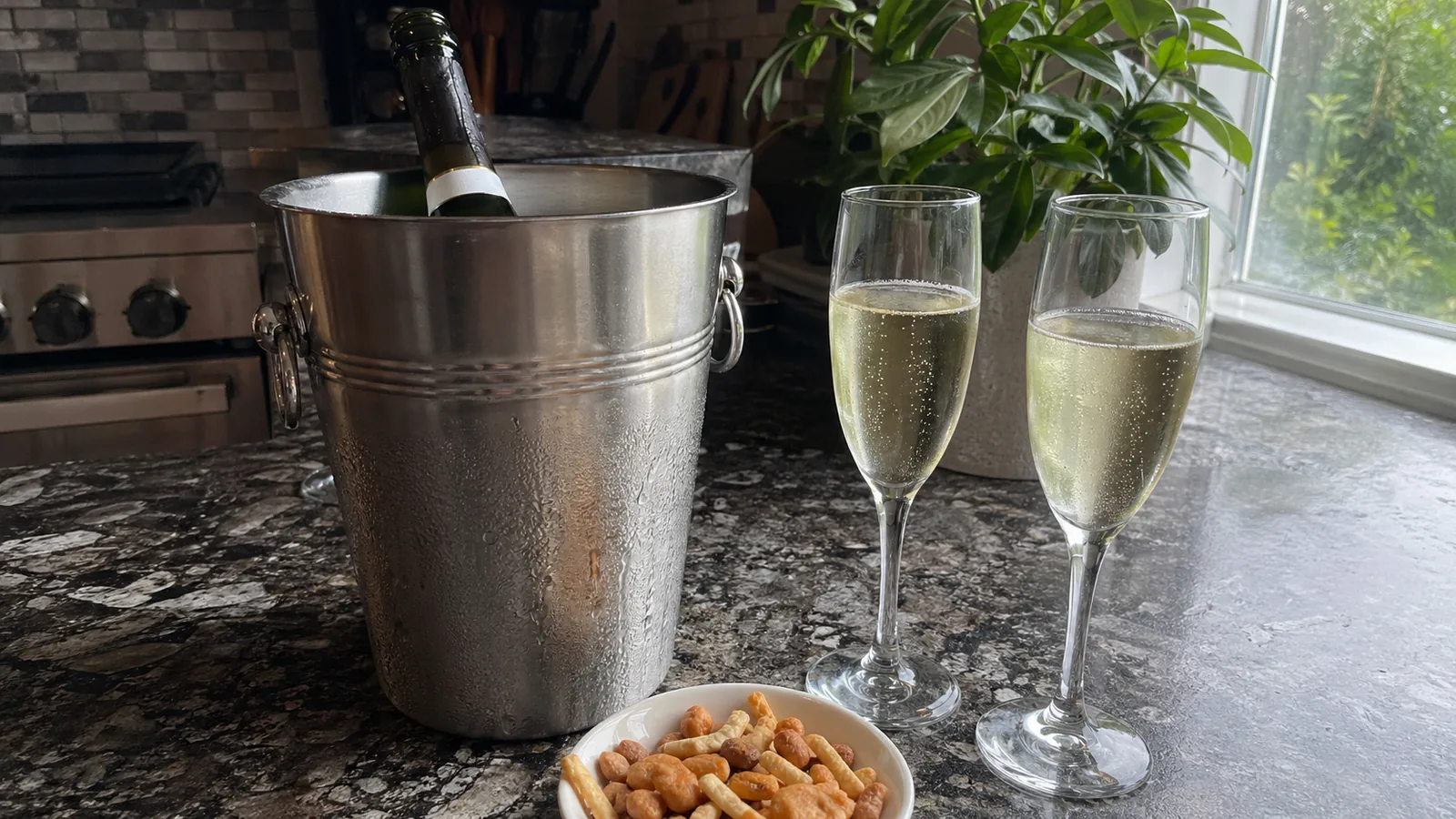
Prosecco is the category everyone thinks they know. You’ve poured it into orange juice at brunch, splashed it with Aperol on a patio, and grabbed a $15 bottle for a last-minute toast. What most drinkers don’t realise is how wide the category actually goes. From $14 workhorses to 92-point Valdobbiadene Superiore, from crisp Brut to perfumed Rosé, from classic tank-method fizz to the cloudy, rustic Col Fondo, Prosecco spans more styles than Champagne.
The 14 bottles below cover that full map. All are live right now on a major retailer’s site, every one between $13 and $30, and every wine either carries a 90-plus critic score or a solid customer rating from a meaningful sample size. Five Bruts, three Extra Drys, two Rosés, one Col Fondo, and three Superiore DOCG bottles from the quality heartland of Conegliano-Valdobbiadene.
Pick by style, pick by occasion, pick by budget. Each bottle here is ready to open tonight.
Our Top 3 Picks

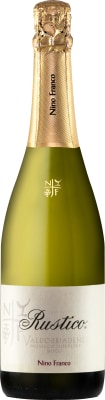
Nino Franco Rustico Valdobbiadene Superiore
Valdobbiadene DOCG, Italy · Glera
95 pts Tasting Panel

Prices vary by state. Click through for your current price.
Best for the occasion: Best for Aperol Spritz · Best for Mimosas · Best for a Gift · Best Under $15 · Best Rosé · Best Col Fondo
Best Prosecco Brut
Brut is the Prosecco register most drinkers picture first: bone-dry or nearly so, bright with citrus and green apple, clean enough to drink by the glass or mix into a spritz. Five Bruts follow, spanning $14 to $17 and covering the category’s most-requested slots.
1. La Marca Prosecco (Best Prosecco Overall)
La Marca is the Prosecco the rest of the category has to measure itself against. Two thousand and eighty-seven customers have rated it on the retailer’s site, averaging 4.2 stars. That’s not a typo: two thousand. James Suckling scored it 90. Wilfred Wong matched with another 90.
The wine itself delivers exactly what the category promises: notes of green apple, honeysuckle, lemon pith, persistent fine bubbles, a clean citrus finish, and a smooth texture that reads as polished rather than thin.
Grown in the Conegliano-Valdobbiadene heartland and made with Glera at 100% in the tank method, it’s the Prosecco that ends up on every restaurant brunch menu and every dinner-party pour. At $18.97, it’s the easy yes when you need one bottle to do the work of five, and it pairs well with risotto, seafood, and any antipasto platter.
2. Mionetto Prosecco Brut (Best Prosecco for Aperol Spritz)
Mionetto is the Treviso producer whose bottles stock every Italian restaurant in the country. Wine Enthusiast scored the Brut 90 points. Five hundred and eighty-seven customers left 4.0 stars. At $16.97, it’s the workhorse bottle for anyone who makes a weekly Aperol Spritz and doesn’t want to overthink it.
The fruity flavor is built for mixing: green apple, lemon zest, a little honey on the nose, steady bubbles, and the clean dryness that a proper spritz needs to keep the Aperol in check. Pour three parts Prosecco, two parts Aperol, one part soda, an orange slice, and you have the best spritz you’ll make at home. Winemakers at Mionetto have refined this base recipe for decades, which is why the bottle handles cocktail duty so consistently.
3. Zardetto Prosecco Brut (Best Prosecco Under $15)
Three 90-point critic scores (James Suckling, Vinous, Wine Enthusiast) for $14.97 is the kind of value that doesn’t usually appear outside a wine merchant’s personal stash. Zardetto has been making Prosecco in Conegliano since 1969, and the Brut carries the producer’s house style: pale straw, apple and pear fruit, a touch of white flower, crisp dry finish.
A hundred and ninety-seven customers settled at 3.7 stars, which is the realistic zone for a bottle at this price. When three different publications all land on 90, that’s the clearer quality signal. Stock a case for casual pours and save the pricier bottles for guests.
4. Spellbound Incantato Prosecco (Best Highly-Rated Value)
Spellbound doesn’t carry a major critic score, but it carries something rarer for a $15.97 Prosecco: a 4.7-star customer average from 33 buyers. That’s the kind of rating you see on bottles twice the price, and it’s usually a sign that repeat buyers know exactly what they’re getting.
The style is on the softer side of Brut: ripe pear, a little peach, a hint of almond, fine bubbles, and the kind of balance that makes the wine easy to drink on its own. Stone fruit character across the mid-palate is the giveaway this Prosecco is light enough for solo sipping. For a Friday-night bottle with no food, this is the right prosecco to pour.
5. Tiamo Organic Prosecco (Best Organic Prosecco)
Certified organic Prosecco at $15.97 is a small category, and Tiamo owns the top of it. Wilfred Wong scored it 90. A hundred and two customers settled at 3.8 stars. The organic certification is third-party verified (Italian organic standards are stricter than most), meaning no synthetic pesticides or herbicides on the Glera vines, which shows up in the glass as genuine fruit clarity: green apple, pear, a little honeysuckle, dry finish.
For the drinker who cares about how their wine is farmed, this is the under-$20 answer. The Sulfites are minimal, the packaging is recyclable, and the wine itself tastes like what you actually want from a spring Prosecco.
Best Prosecco Extra Dry
Extra Dry is the most misunderstood label in Italian sparkling wine. Despite the name, Extra Dry is actually sweeter than Brut: 12 to 17 grams of residual sugar per litre, versus 0 to 12 for Brut. That extra sugar rounds the edges and makes these bottles natural fits for mimosas, fruit desserts, and richer appetizers.
6. Val D’Oca Prosecco Extra Dry (Best Extra Dry Value)
Val D’Oca is a cooperative from Valdobbiadene that produces Prosecco at genuine scale without sacrificing fruit quality. The Extra Dry lands at $13.97, making it the cheapest bottle on this list by a few dollars. Two hundred and eight customers rated it 3.7 stars, which in the value tier is the honest signal: consistent, widely available, does what it says.
The wine itself: peach, apricot, white flower, a touch of honey, fresh fruit on the palate, lively bubbles, and a finish that’s rounder than Brut but still fundamentally dry. An off-dry tilt gives this bottle a fruity flavor that the Brut versions miss, and the fresh flavors of stone fruit carry into the finish. If you make mimosas more than twice a month, buy a case of this and stop thinking about it.
7. Zardetto Prosecco Superiore Extra Dry (Best Extra Dry Overall)
Four critic scores: Robert Parker 91, Wine & Spirits 91, James Suckling 90, Wine Enthusiast 90. At $21.97, this is the Extra Dry that delivers proper Prosecco Superiore DOCG quality in the sweeter register. The hillside fruit from the Conegliano-Valdobbiadene zone carries more acidity than flat-land Prosecco, which balances the 14 or so grams of residual sugar and keeps the wine from feeling cloying.
Expect peach, white flower, stone fruit, and the signature Superiore bead: finer, more persistent bubbles than standard Prosecco DOC. Creamy texture across the mid-palate is the tell that you’re drinking prosecco superiore docg rather than flatland fruit. This is the Extra Dry to pour for guests who think they don’t like Prosecco.
8. Sorelle Bronca Valdobbiadene L’Ovest Extra Dry (Best Valdobbiadene Extra Dry)
Sorelle Bronca is a small, family-run producer on the steep slopes of Valdobbiadene where the best Glera vines grow at up to 500 metres. The L’Ovest bottling sits at $29.97, which puts it in the upper band for this list, and the wine earns it. Fifteen customers rated it 4.0 stars. The producer’s reputation carries the rest.
Peach, nectarine, a little acacia honey, a chalky mineral edge from the limestone-rich Valdobbiadene soils. Sweeter than Brut but tightly balanced, with the kind of precision that separates a Superiore DOCG from ordinary Prosecco DOC. Serve with fresh fruit, apricot tart, or aged Parmigiano Reggiano.
Best Prosecco Rosé
Prosecco Rosé is the newest official style in the category, legally recognised as Prosecco DOC Rosé in 2020. The wines blend Glera with 10 to 15% Pinot Noir, spend 60 days on the lees, and land somewhere between pale salmon and soft copper in the glass. Two picks here, both under $20, both from producers who already run the category.
9. La Marca Prosecco Rosé 2023 (Best Prosecco Rosé)
La Marca’s Rosé was one of the first bottles to arrive once the DOC Rosé category opened up, and it remains the cleanest expression for the money. Pale salmon pink, aromas of strawberry and pink grapefruit, the Pinot Noir adding a little red-fruit depth that a straight Prosecco never shows.
At $18.97, it’s the best-priced Rosé that actually tastes like the category is supposed to. Serve it cold around 45 degrees, pour it into a proper flute or tulip glass, and you have a Rosé that’s equally comfortable at a brunch or at a first date.
10. Mionetto Prosecco Rosé 2024 (Best Prosecco Rosé Alternative)
Mionetto’s Rosé runs a slightly different register. Where La Marca leans bright and fresh, Mionetto adds a touch more roundness and a honey-lemon character underneath the strawberry. Same $18.97 price point, 2024 vintage, same Prosecco DOC Rosé category.
Which one to pick comes down to food: La Marca stands up to fruit and lighter bites, Mionetto handles richer plates (think shrimp scampi or a cream-based pasta). Buy both if you’re serving a group. Half your guests will prefer one, half the other.
Best Col Fondo Prosecco
Col Fondo (sometimes spelled Colfondo) is the ancestral-method style that predates the tank-method Prosecco most drinkers know. The wine finishes its second fermentation inside the bottle and is sold unfiltered, with the yeast sediment still present. The result is cloudy, dry, deeply textured, and a long way from the clean, fruity Prosecco most people expect. One pick covers the bucket.
11. Case Paolin Col Fondo Asolo Prosecco Superiore (Best Col Fondo)
Case Paolin farms organically in the Asolo DOCG, the smaller, higher-elevation Superiore zone across the valley from Valdobbiadene. The Col Fondo bottling is rifermentato in bottiglia (refermented in the bottle) and released unfiltered. Wine Enthusiast scored it 92 points. The wine itself is fascinating: cloudy, dry, a little tangy from the lees contact, with green apple and sourdough aromas that standard Prosecco simply can’t deliver.
At $22.97, this is the bucket list Prosecco that teaches drinkers what the category looked like before industrial tank fermentation arrived. Pour it with raw seafood, salty cured meats, or a board of funky washed-rind cheeses. Rinse the glass if the sediment bothers you. It won’t.
Best Prosecco Superiore DOCG
Superiore DOCG is the top tier of Prosecco. The grapes come from the steep hillside zones of Conegliano-Valdobbiadene and Asolo, the yields are lower, the vine work is mostly by hand, and the finished wines carry more concentration and finer bubbles than standard Prosecco DOC. Three picks here, all worth the upgrade.
12. Nino Franco Rustico Valdobbiadene Superiore (Best Valdobbiadene Overall)
Five critic scores north of 90: Tasting Panel 95, Wine Enthusiast 93, Wilfred Wong 92, Vinous 91, James Suckling 90. Twelve hundred and thirty-three customers have weighed in at 4.0 stars. Nino Franco has been making Prosecco in Valdobbiadene since 1919, and the Rustico is the bottle that made the producer’s reputation outside Italy.
Pale gold, aromas of Granny Smith apple, white peach, lemon blossom, and a little almond, finer bubbles than standard DOC Prosecco, and a long mineral-driven finish that tells you immediately you’re drinking Superiore DOCG. At $26.99, this is the gift bottle, the dinner-party opener, the bottle you take to the party and feel good about.
13. Adami Bosco di Gica Prosecco Superiore (Best Superiore DOCG Brut)
Adami is another benchmark Valdobbiadene house, and the Bosco di Gica is the single-vineyard bottling from a hillside near the town of Farra di Soligo. Wilfred Wong scored it 92. A hundred and ninety-six customers landed on 4.2 stars, a rare rating at this price.
The wine shows what hillside fruit brings: tighter bubbles, more structure, and a real minerality underneath the pear and apple fruit. Drier in style than the Nino Franco and a little more austere, the Bosco di Gica suits drinkers who prefer a Brut Prosecco that leans toward the Chablis end of the white-wine spectrum rather than the fruity end. $25.97.
14. Mionetto Valdobbiadene Prosecco Superiore Brut (Best Affordable DOCG)
Mionetto’s Valdobbiadene Superiore is the entry point to the DOCG tier for drinkers who’ve been drinking standard Mionetto Brut and want to taste what the hillside version is doing. Wine Enthusiast scored it 92. Wine Spectator added 90. A hundred and thirteen customers rated it 3.8 stars.
At $22.97, it’s the cheapest bottle on this list that carries the Superiore DOCG designation, and the quality gap over the $16.97 Mionetto Brut is real: finer bubbles, more weight on the palate, a cleaner mineral finish. A genuinely useful upgrade for anyone whose spritz game is already solid but wants a Prosecco to drink on its own.
How Prosecco Styles Compare on Sweetness and Body
Prosecco’s labels describe where each bottle sits on two axes: how sweet (from Brut Nature to Demi-Sec) and how full-bodied (from light tank-method DOC to weightier hillside DOCG). The picks above spread across both.
On the drier end, the Nino Franco Rustico, Adami Bosco di Gica, and Mionetto Valdobbiadene Superiore all sit as structured, mineral-driven Bruts with more body than the $15 tier. The La Marca, Mionetto Brut, and Zardetto Brut are mid-weight Bruts that lean friendly and fruity. Spellbound and Tiamo sit in the softer-Brut register, rounder without crossing into sweetness.
Among the Extra Drys, the Val D’Oca is lighter and fruitier, the Zardetto Superiore more structured, the Sorelle Bronca L’Ovest the most textural and serious. The two Rosés, La Marca and Mionetto, both sit in the light-bodied Brut zone with a touch of red-fruit weight from Pinot Noir.
Col Fondo is its own category: dry and textured enough to feel almost still, with lees-driven weight that no tank-method Prosecco ever carries. If you want a quick visual anchor, picture the lightest, fruitiest wines top-right (La Marca, Mionetto Brut), the more structured Superiore DOCG Bruts in the middle, and the Col Fondo low-left, quietly doing something different from the rest.
Best Prosecco for Cocktails
Aperol Spritz is the single most-searched cocktail use for Prosecco, and the right bottle makes more difference than most people think. For a spritz, the right Prosecco is a dry, workmanlike brut Prosecco that holds its own against the bitter-orange Aperol without adding its own sweetness.
Mionetto Prosecco Brut is the benchmark: dry, fruity enough to read as Prosecco, structured enough not to disappear, with citrus notes and a clean mouthfeel. La Marca is another popular Prosecco that works equally well. Avoid prosecco extra dry bottles for spritzes unless you want the drink noticeably sweeter.
For mimosas, switch to extra dry prosecco. The Val D’Oca at $13.97 is the honest value answer. The extra residual sugar plays off the fresh orange juice and orange peel aromatics the way Brut can’t, and the higher effervescence (Extra Dry often has a touch more CO2 than Brut) carries the citrus flavors through.
Pour three parts prosecco wines, one part freshly squeezed juice, zero sugar or syrup. A Bellini (Prosecco plus white peach puree) is the classic aperitif variation from Harry’s Bar in Venice, best paired with a prosecco brut rather than a sweeter bottle.
For a Hugo Spritz (St. Germain, Prosecco, soda, mint), go with La Marca or Mionetto Brut. The elderflower liqueur already brings sweetness, so a dry Prosecco keeps the drink from tipping into dessert territory.
For any of these cocktails, the balance of acidity and bubble matters more than the price: a sparkler with fresh fruit character and a smooth texture always mixes better than a thin, boozy bottle that leans on sugar. The right prosecco for your spritz is whichever one keeps the drink alive across the second and third glass.
Prosecco 101: Styles, Methods, and Regions
Prosecco is a sparkling wine made with Glera in northeast Italy, primarily in a specific region of Italy that runs across the Veneto and Friuli-Venezia Giulia. The category is divided by quality tier and by vinification method, and the two divisions don’t always line up neatly.
Quality tiers. Prosecco DOC covers a wide flatland zone across nine provinces in the Veneto and Friuli. Prosecco Superiore DOCG covers two smaller, higher-elevation zones: Conegliano-Valdobbiadene DOCG and Asolo DOCG, both protected under the Italian denominazione di origine controllata system.
Cartizze DOCG is the tiny grand-cru hill inside Valdobbiadene, producing the most expensive Prosecco made. The Prosecco DOCG tier requires hand-harvesting, lower yields, and Glera-heavy blends, and typically delivers finer bubbles, more weight, and more body.
Vinification methods. Prosecco is made using one of two approaches to winemaking. Most producers use the Charmat method (also called the Martinotti method), where the second fermentation, technically a secondary fermentation, happens in a pressurised tank (sparkling wine production at scale).
Wine beyond the tank-method tradition includes the Rifermentato or Col Fondo style, the ancestral bottle-fermentation method that predates tank Prosecco by centuries. Those finished bottles are unfiltered, cloudy, and drier than commercial Prosecco, with the dead yeast cells (lees) still visible at the bottom of the bottle.
Sweetness levels. Brut Nature (up to 3 g/L residual sugar), Extra Brut (up to 6), Brut (up to 12), Extra Dry (12 to 17), Dry (17 to 32), Demi-Sec (32 to 50). Most of what you’ll see at a retailer is either Brut or Extra Dry. The sweetness of wine in the Extra Dry register is higher than Brut, which is the single most confusing labelling decision in the whole Prosecco category.
Related styles beyond Prosecco. Cava is Spain’s tank-method sparkler, drier and more yeasty. Franciacorta DOCG is Lombardy wine made by the traditional method like Champagne, with more body and more autolysis character. Italian frizzante wines are lightly sparkling rather than fully fizzy, pitched between still wine and a full Prosecco sparkler. Knowing where Prosecco sits in the wider sparkling wine family makes ordering smarter at any Italian restaurant or wine bar. For more context on the country itself, our Italy wine guide covers the major regions and grape blends.
Find Your Wine Match
Not sure which one? Take the 20-second quiz.
Three quick questions. One matched bottle.
What are you eating with it?
What's the occasion?
What style are you after?
Let's find the right bottle for you.
Tell us a bit about the occasion and what you're after. We'll match you to one of the bottles on this page.
Photo by Skyler Ewing on PexelsReading your answers…
How We Chose These Wines
Frequently Asked Questions
What is the best Prosecco brand?
La Marca is the best widely-available Prosecco brand, with more than 2,000 verified customer reviews averaging 4.2 stars and 90-point scores from both James Suckling and Wilfred Wong. For step-up quality, Nino Franco’s Rustico Valdobbiadene Superiore carries five critic scores at 90 or higher and remains the producer’s benchmark export.
Mionetto, Zardetto, and Adami are the other brand names that appear consistently in critic round-ups and wine enthusiasts’ favourite prosecco lists.
The best Prosecco brand for you comes down to budget and style: La Marca is the safe default, Nino Franco is the gift bottle for a special occasion, Mionetto (one of the valdo brut prosecco rivals and a top-tier winery in Treviso) is the spritz workhorse, Zardetto is the value case purchase. Proseccos vary more than the unfamiliar drinker expects, even inside a single brand lineup.
What is the best Prosecco under $20?
Three strong picks under $20: the La Marca Prosecco ($18.97), the Mionetto Prosecco Brut ($16.97), and the Tiamo Organic Prosecco ($15.97). The Zardetto Brut at $14.97 is the best Prosecco under $15 and probably the best value on the full list: three 90-point critic scores from James Suckling, Vinous, and Wine Enthusiast at that price is unusual. For mimosas or a sweeter pour, the Val D’Oca Extra Dry at $13.97 is the honest answer. Mixing a case from those five bottles covers brunch, spritzes, and weeknight pours for less than the cost of a single entry-level Champagne.
What is the best Prosecco for an Aperol Spritz?
The best Prosecco for an Aperol Spritz is Mionetto Prosecco Brut. It’s dry enough to balance the bitter orange Aperol, carries enough fruit character to read as Prosecco in the glass, and it’s cheap enough ($16.97) to use as a mixer without hesitation. La Marca is equally good. Avoid Extra Dry Prosecco for spritzes unless you specifically want the drink sweeter.
The classic proportions: three parts Prosecco, two parts Aperol, one part soda water, poured over ice in a large wine glass with a slice of orange. Don’t substitute Champagne (too yeasty) or Cava (too bone-dry). Prosecco is the right choice because the style was built for this.
What is the best Prosecco for mimosas?
For mimosas, switch to Extra Dry rather than Brut. (Building a wider brunch lineup? Our best wine for brunch round-up covers still and sparkling picks beyond Prosecco.) Val D’Oca Prosecco Extra Dry at $13.97 is the value answer. Zardetto Prosecco Superiore Extra Dry at $21.97 is the upgrade if you’re serving to guests. The extra residual sugar in Extra Dry plays off the orange juice in a way Brut can’t match, and the mimosa as a drink is supposed to lean a little sweet. The classic proportions are three parts Prosecco to one part freshly squeezed orange juice, no added sugar or syrup, served in a champagne flute or small wine glass.
What is the best Prosecco Rosé?
The best Prosecco Rosé is the La Marca Prosecco Rosé 2023. At $18.97 it’s the cleanest expression of the category for the money, pale salmon pink, with strawberry and pink grapefruit aromas and a fresh finish. The Mionetto Prosecco Rosé 2024 (same $18.97) is the rounder alternative, with a honey-lemon character that handles richer food better. Prosecco DOC Rosé was legally established in 2020, so every bottle on shelves today is relatively new to the market. All official Prosecco Rosé blends Glera with 10 to 15% Pinot Noir and spends 60 days on the lees before release. Both La Marca and Mionetto meet the standard.
What’s the difference between Prosecco and Champagne?
Prosecco and Champagne are both sparkling wines but come from different places, different grapes, and different methods. Champagne comes from the Champagne wine region of northern France, uses Chardonnay, Pinot Noir, and Pinot Meunier, and undergoes its second fermentation inside the bottle (the traditional method, same as Franciacorta DOCG in Lombardy). Prosecco comes from northeast Italy, is made with Glera, and undergoes its second fermentation in a pressurised tank (the Charmat method). Like Prosecco, cava from Spain is a related value sparkler, though cava uses the traditional method that defines the Champagne region and its big houses.
The results are different in the glass. Champagne tends to be more bready, more nutty, with finer bubbles and more structure. Prosecco leans fruit-forward and floral, with slightly larger bubbles and less weight. Champagne usually starts at $40 to $60 for entry-level bottles, while Prosecco delivers real quality at $15 to $25. For dinner-party volume drinking, brunch mimosas, and Aperol Spritzes, Prosecco is the more sensible pour. Some wine enthusiasts call Prosecco the “poor man’s Champagne,” but a bottle of Prosecco at $18 made from the Glera grape in Valdobbiadene has its own identity: lighter, fruitier, built for food and conversation rather than contemplation.
What’s the difference between DOC and DOCG Prosecco?
DOC (Denominazione di Origine Controllata) is the wider, flatter Prosecco zone across nine provinces in the Veneto and Friuli-Venezia Giulia regions. DOCG (Denominazione di Origine Controllata e Garantita) is the stricter top tier, covering only the Conegliano-Valdobbiadene DOCG and Asolo DOCG hillside zones.
DOCG Prosecco, labelled “Prosecco Superiore,” comes from hand-harvested hillside fruit with lower yields, tighter production rules, and higher minimum-quality standards. The wines usually carry finer bubbles, more body, and longer finishes than standard DOC Prosecco. Expect to pay $22 to $40 for DOCG bottles versus $13 to $20 for DOC. The Nino Franco, Adami, Mionetto Valdobbiadene, Sorelle Bronca, and Zardetto Superiore on this list are all DOCG bottlings.
What’s the difference between Brut and Extra Dry Prosecco?
Brut is drier than Extra Dry, which is one of the most confusing label pairings in wine. Brut Prosecco carries 0 to 12 grams of residual sugar per litre. Extra Dry carries 12 to 17 grams. The word “dry” in Italian sparkling wine categories refers to an older scale where “dry” was actually moderately sweet.
Practically, Brut Prosecco tastes crisper, sharper, and more citrus-driven. Extra Dry Prosecco tastes fruitier, rounder, with a touch of apparent sweetness on the finish. Brut suits Aperol Spritzes, seafood, and dinner pours. Extra Dry suits mimosas, fruit desserts, prosciutto and melon, and drinkers who find bone-dry sparkling wine too austere. Most commercial Prosecco is Brut. Roughly a third of the category is Extra Dry.
What is Col Fondo Prosecco?
Col Fondo (sometimes spelled Colfondo) is the ancestral-method style of Prosecco, made by refermenting the wine inside the sealed bottle rather than in a pressurised tank. The yeast settles at the bottom of the bottle, hence the name: “Col Fondo” literally means “with the bottom.” The finished wines are unfiltered, cloudy, and fully dry (0 to 2 grams of residual sugar per litre), with a leesy, textured character that Charmat-method Prosecco simply can’t produce.
Col Fondo is the oldest Prosecco style, predating industrial tank fermentation by centuries. It mostly disappeared from the commercial market in the 1960s and 70s as the Charmat method took over, but has been reclaimed by a new generation of smaller producers in the Valdobbiadene and Asolo zones. The Case Paolin Col Fondo Asolo Superiore on this list ($22.97) is one of the easier entry points, and Wine Enthusiast has scored it 92 points.
Is Prosecco sweet or dry?
Most Prosecco is dry, but the category spans a sweetness spectrum. Brut Nature (up to 3 grams of residual sugar per litre) is bone-dry. Extra Brut (up to 6) is nearly bone-dry. Brut (up to 12) is the dry register that most drinkers know. Extra Dry (12 to 17) is off-dry, rounder, with apparent sweetness. Dry (17 to 32) is noticeably sweet, and Demi-Sec (32 to 50) is dessert-territory sweet.
The vast majority of bottles you’ll see at a retailer are either Brut or Extra Dry. A standard La Marca or Mionetto Brut drinks dry with a touch of fruit. An Extra Dry Val D’Oca or Zardetto Superiore drinks slightly sweeter. If you want genuinely dry Prosecco, read the label. Brut Nature and Extra Brut bottles exist in the Col Fondo and Superiore DOCG tiers.
How long does an open bottle of Prosecco last?
An open bottle of Prosecco stays enjoyable for 1 to 3 days in the fridge if resealed with a proper sparkling-wine stopper. Without a stopper, you’ll lose most of the carbonation within 24 hours.
Re-corking with the original cork (if it’s a real cork) loses less pressure than re-sealing a screw-cap Prosecco, but neither method saves all the bubbles. The classic trick of sticking a metal spoon handle-down into the bottle neck does nothing (there’s no scientific evidence it preserves carbonation); a real sparkling-wine stopper, widely sold for $10 to $15, does. Store the bottle upright in the fridge, not on its side.
What temperature should Prosecco be served at?
Serve Prosecco between 42 and 47 degrees Fahrenheit (6 to 8 degrees Celsius). Below 40, the aromas shut down and the bubbles feel sharp. Above 50, the wine goes flat and the alcohol pushes forward.
If the bottle’s been in a warm pantry, 30 minutes in the fridge gets you to temperature. An ice bath with water and ice (roughly half and half) gets you there in 15 minutes, which is faster than the fridge and easier to hold at serving temperature for a group.
Pour slowly at a 45-degree angle to preserve the bubbles. Use a tulip-shaped glass or a white-wine glass, not a wide coupe or a narrow flute, both of which kill the aromas.
Which Prosecco has the best critic scores?
Nino Franco Rustico Valdobbiadene Superiore has the highest stack of critic scores on this list: Tasting Panel 95, Wine Enthusiast 93, Wilfred Wong 92, Vinous 91, James Suckling 90. Zardetto Prosecco Superiore Extra Dry is a close second with four scores: Robert Parker 91, Wine & Spirits 91, James Suckling 90, Wine Enthusiast 90. For Brut DOC Prosecco, the Zardetto Prosecco Brut (three 90-point scores) is the most-rated under $15. Critic scores alone don’t settle “best Prosecco”: La Marca leads on customer rating (4.2 stars from 2,087 buyers), Spellbound leads on average customer score (4.7 stars from 33), and Case Paolin leads on the Col Fondo bucket (92 Wine Enthusiast).
Prosecco also rewards readers who do their own taste test at home: buy three bottles across the style spectrum (a Brut, an Extra Dry, and a Rosé), pour them side by side, and see which becomes your favorite prosecco. The fruit forward Mionetto Brut, the mineral-driven Adami Bosco di Gica, and the softer Val D’Oca Extra Dry give three distinct registers, and the comparison teaches more about the category than any review on the internet.
Is Prosecco a liquor or a wine?
Prosecco is a wine, not a liquor. It’s produced through fermentation in winemaking using Glera grapes, with no distillation, so the alcohol level stays in wine territory at 11 to 12% ABV. Liquor refers to distilled spirits like gin, vodka, and whisky, which start at roughly 40% ABV and undergo a separate post-fermentation process. Prosecco pairs with aperitivo snacks the way digestivo liqueurs pair with dessert: same occasion, different role. In the apéritif and digestif tradition of Italian dining, Prosecco sits firmly in the apéritif slot, served before the meal to open up the palate. The acids in wine like Prosecco (primarily tartaric and malic) are what make it refreshing enough to play that role, cutting through salty antipasti and priming the stomach for whatever comes next.
Keep Reading
Sparkling Wine Types: Champagne to Pet-Nat
From Champagne to pét-nat, discover every sparkling wine type, how each is made, how sweet or dry it is, and what to pair it with.
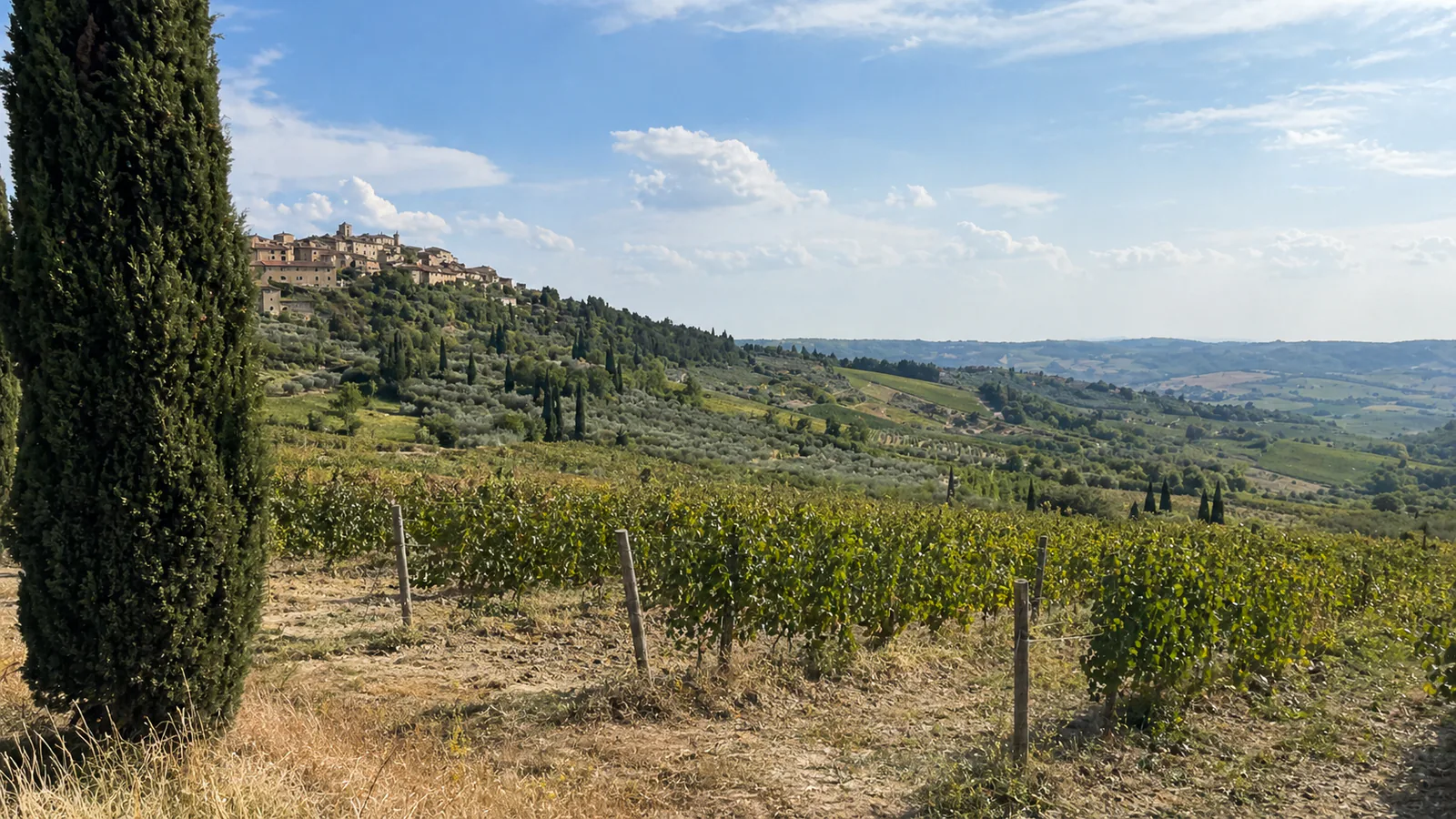
Italy Wine Guide: Regions, Grapes, and Where to Start
Italian wine made simple. The 20 regions, the grapes worth knowing, what DOCG means, and how to pick a bottle without overthinking it.
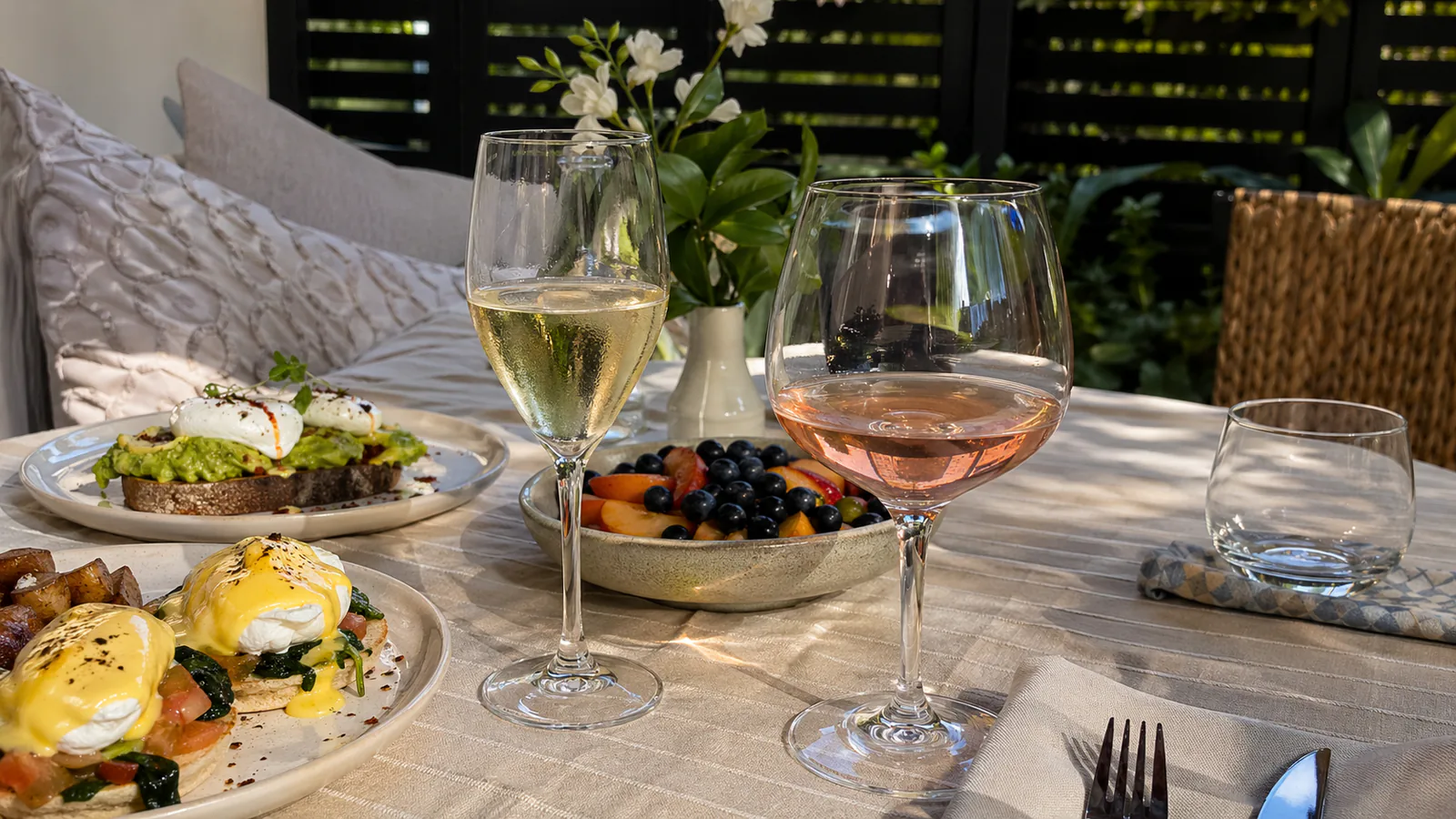
Best Wine for Brunch: 12 Bottles for Lazy Weekends
12 brunch wine picks across sparkling, white, rosé, sweet Moscato, and light reds. One confident bottle for mimosas, eggs Benedict, and pancakes.