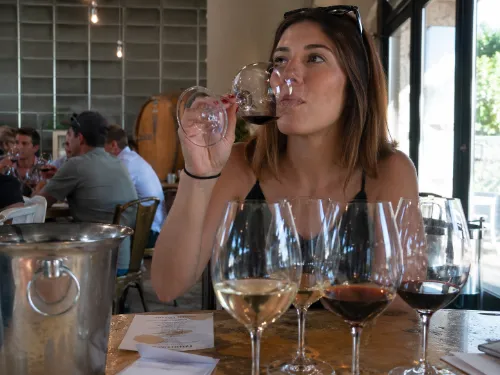
Claire Bennett
Wine Editor12 min read
Rosé Wine Guide: Styles, Regions, and Pairings
Everything you need to know about rosé wine: how it's made, the main styles by region, which grapes to look for, and what to eat with it.
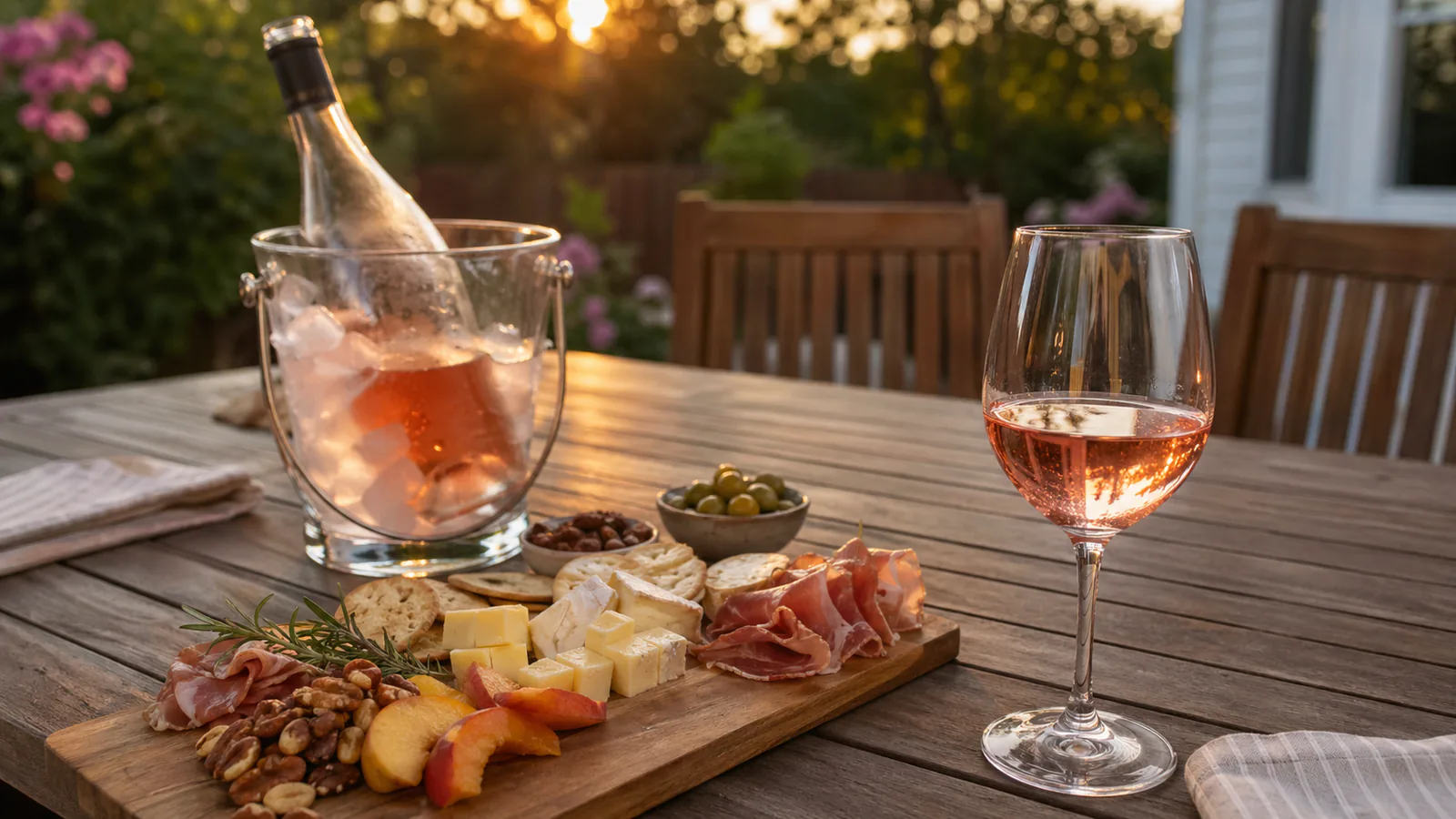
Rosé has a reputation problem. A generation of syrupy pink wine in the 1980s and 90s trained an entire market to expect sweetness, and Provence took 20 years to correct that impression. The best dry rosés now sit among the most complex wines at any dinner table. This guide explains the styles worth knowing, why Provence became the benchmark, and how to read a rosé label before you commit to a bottle.
Rosé is one of the most versatile wines on the planet. It covers more styles, more regions, and more food pairings than almost anything else on the shelf. The problem is that most people only know one or two versions of it, usually the sweeter end, and end up writing the whole category off.
By the end of this page you’ll know:
- The one production method that controls whether a rosé is pale and bone-dry or deep pink and fruity (and how to spot it on the label)
- Why Provence rosé tastes nothing like Spanish rosado, even though both are technically rosé wine
- The grape variety that makes the most-loved dry rosé in France, plus the one that makes the most-sold rose wine in America
- How to tell a genuinely dry rosé from one that’s just pretending to be dry before you open the bottle
- The food pairing that works for almost every style of rosé (most people overlook it)
- Exactly how cold to serve it, and why going too cold actually makes it taste worse
How Is Rosé Wine Made?
Rosé gets its colour from contact between the grape juice and the skins of red grapes. Red grapes have colourless juice: all the pigment sits in the skin. Leave the skins in contact with the juice for a few hours, then remove them, and you get pink wine.
There are three main production methods.
Skin contact (maceration). Red grapes are crushed and the skins stay in contact with the juice for anywhere from two to twenty-four hours. The winemaker pulls the juice off the skins when it reaches the right colour and flavour. This is the most common method and produces the widest range of styles, from very pale to quite deeply coloured rosés.
Saignée (bled off). The French word means “bleeding.” Winemakers who are fermenting red wine sometimes drain off a portion of juice early in the process. That bled-off juice goes on to become rosé, while the remaining red wine becomes more concentrated. Saignée rosés tend to be darker in colour and more intensely fruited than skin-contact rosés.
Blending. A small amount of red wine is added to white wine to create a pink colour. This method is rare for still rosé and mostly frowned upon in France. The main exception is rosé Champagne, where blending is both legal and common practice among major houses.
The method matters because it directly affects the style of wine you get. Saignée rosés are typically richer and darker. Skin-contact rosés range from barely there pale pink to a salmon orange colour depending on how long the skins were left in.
Why Are Some Rosés So Pale?
The colour spectrum of rosé wine runs from an almost watery blush through to a deep raspberry pink. The main driver of that colour is how long the grape skins stayed in contact with the juice. A short maceration of two to four hours gives you the barely-there pale pink typical of Provence rosé. Leave them in for twelve hours or more and you get a deeper, richer colour.
Grape variety plays a role too. Grenache, the dominant grape in Provence and much of the south of France, tends to produce lighter colours naturally. Syrah and Cabernet Sauvignon give more intense colour even with shorter skin contact. Cinsault, another Provence staple, sits somewhere in between.
The Provence style (pale, bone dry, low alcohol, high acidity) has become the benchmark for fine rosé globally, and that’s partly why paleness has come to signal quality for many drinkers. A deeply coloured rosé can be just as good. It’s usually made from a different grape, a different region, or by a different method.
What Are the Main Styles of Rosé Wine?
Rosé is produced in almost every wine-producing country, but a handful of regions define the styles most worth knowing.
Provence, France. The most imitated style in the world. Made primarily from Grenache, Cinsault, and Syrah, Provence rosé is pale in colour, bone dry, high in acidity, and built around strawberry, citrus, and mineral notes. Bottles from the Côtes de Provence appellation are the benchmark. Tavel, in the southern Rhône, produces a fuller-bodied and deeper-coloured dry rosé that sits on its own as the only appellation in France dedicated entirely to rosé wine.
Spain: Rosado. Spanish rosé is known as rosado and tends to be a step richer and more fruit-forward than Provence. Rioja rosado, made from Tempranillo (and often Garnacha, the Spanish name for Grenache), delivers ripe strawberry and cherry with a fuller body. Navarra is another strong region for Spanish rosado. Both are reliably food-friendly and easy to drink.
Italy: Rosato. Italian rosé, called rosato, varies a lot by region. Rosato from Tuscany often uses Sangiovese and comes in a dry, savoury style with good acidity. Southern Italy, including Puglia, uses varieties like Primitivo and Negroamaro to produce rosato that’s darker, richer, and more structured. Bardolino Chiaretto, from the shores of Lake Garda, is one of Italy’s most elegant rosatos: pale, delicate, and consistently one of the better values in the category.
United States: White Zinfandel. White Zinfandel is technically a rosé wine and the best-selling pink wine in the United States. Made from Zinfandel grapes with a short skin contact, it’s usually off-dry to slightly sweet, low in alcohol, and very fruit-forward: strawberry jam and watermelon are the dominant notes. It gets dismissed by wine enthusiasts, but it has introduced millions of people to wine and there’s nothing wrong with enjoying it for what it is.
Champagne rosé. Rosé Champagne is typically produced by blending a small amount of still Pinot Noir into the base white Champagne blend before the second fermentation. The result has the same bread, yeast, and citrus notes of white Champagne alongside a red-fruit character from the Pinot. Rosé Champagne tends to be more complex and age-worthy than still rosé, and it pairs particularly well with salmon, duck, and soft cheeses.
Which Grapes Make the Best Rosé?
There’s no single grape that “makes the best rosé.” It depends on the style you’re after. A handful of varieties, though, produce the most consistently enjoyable results across different styles of rose wine.
Grenache is the backbone of Provence rosé and delivers the delicate, pale pink style most associated with dry rosé wine. It has naturally high alcohol potential but relatively low colour, which makes it ideal for the maceration method. Most Grenache rosé sees no aged oak at all, which keeps it light, fresh, and vibrant. Expect strawberry, white peach, and a mineral dryness.
Syrah adds structure, depth, and a darker colour to blends. A Syrah-heavy rosé will be more savoury: think black olive, dried herbs, and meatier red fruit. Compare that to the lighter, floral style you get from Grenache.
Cinsault is widely used in Provence and Languedoc blends. It’s a light-skinned variety that contributes fresh red fruit and floral aromas without too much body or colour.
Pinot Noir makes outstanding rosé in regions like Burgundy (Marsannay is the classic), Alsace, and parts of California. Pinot Noir rosé tends to be elegant and savoury, with a slight silk texture and flavours of raspberry and cherry.
Cabernet Sauvignon rosé is darker, firmer, and more structured than Grenache-based styles. Bordeaux rosé, made from Cabernet Sauvignon and Merlot, is an underrated category. It has more body and is particularly good with food.
Tempranillo rosado from Rioja and Navarra is Spain’s signature contribution. Ripe, textured, and reliably satisfying at any price point, it’s one of the most popular rosé styles available at home.
Is All Rosé Sweet or Can It Be Dry?
Most rosé is dry or close to dry. The widespread assumption that all rosé is sweet comes almost entirely from White Zinfandel, which dominated the American market for decades and set a sweet, fruity baseline in many drinkers’ minds.
Provence rosé is as dry as most white wines. Tavel rosé is dry and structured. The majority of Spanish rosado is dry. Most Italian rosato is dry. The dryness of these wines is one of their best qualities. It’s what makes them so good with food.
If you want a dry rosé, look for bottles from Provence (Côtes de Provence or Les Baux-de-Provence on the label), Rioja, or Tavel. These are your safest bets for bone-dry styles.
If you want something off-dry or sweet, White Zinfandel, many blush wines, and some New World rosés from warmer climates will have residual sweetness. Some labels will state “off-dry” or “slightly sweet” directly, which makes the choice easy. If the label says nothing, the region is usually the best signal: French, Spanish, and Italian rosés trend dry; American blush and some Australian rosés can lean sweeter. Australia produces both styles: the Barossa Valley makes bold, fruit-forward rosé from Grenache, while cooler-climate regions like the Adelaide Hills produce a leaner, drier style rosé closer to the Provence benchmark.
What Food Goes Well with Rosé?
The short answer: almost everything. Rosé sits between white and red wine in body and structure, which gives it a flexibility most wines can’t match.
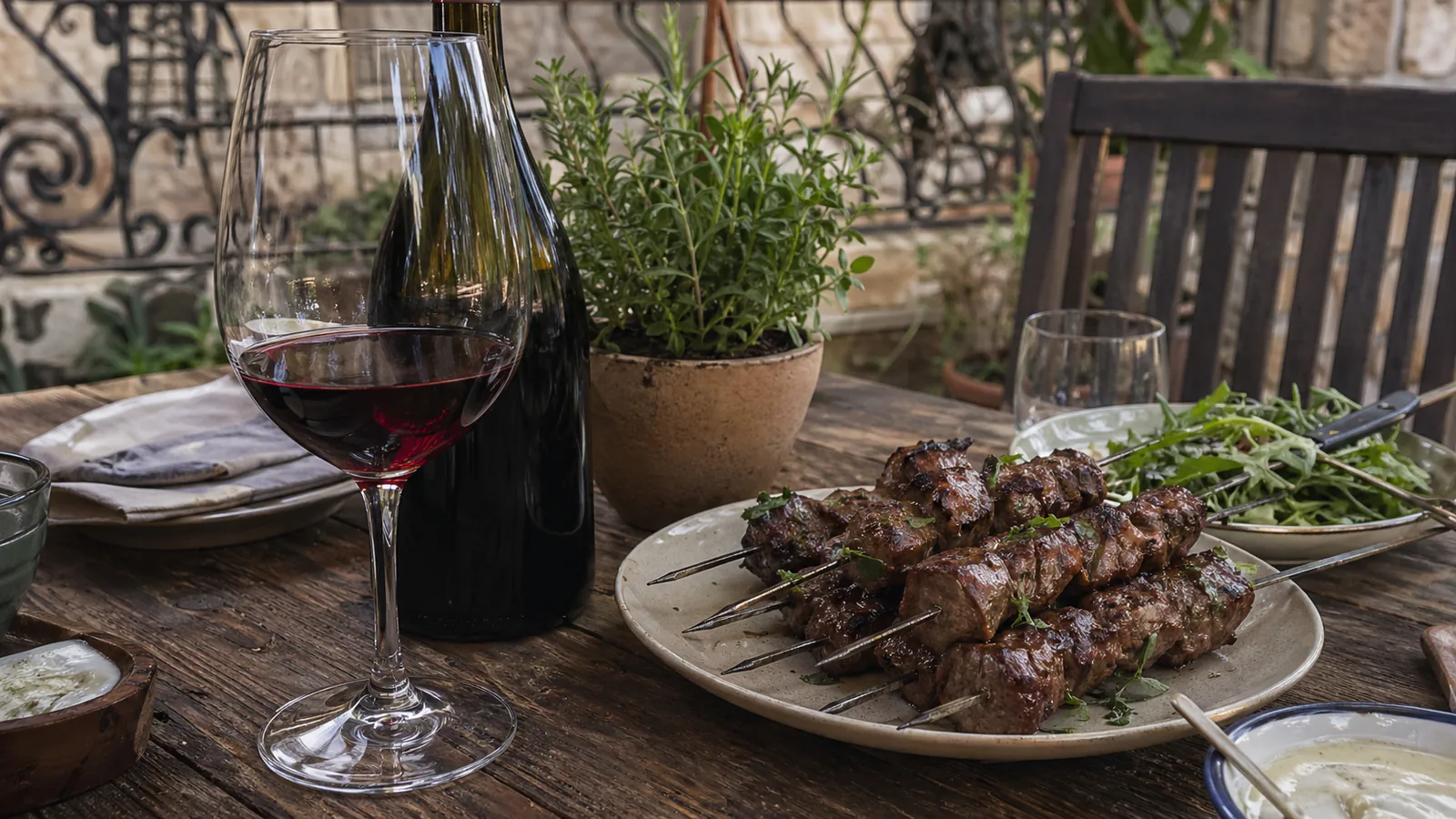
Grilled meats. Rosé is one of the most food-friendly pairings for grilled meats, particularly chicken, pork, and lamb. The acidity cuts through fat, the fruit complements charred flavours, and the light tannin structure in darker rosés handles the protein. A Spanish rosado or a fuller Provence rosé works especially well here.
Seafood and fish. A pale Provence rosé with grilled salmon or a prawn linguine is a reliable pairing. The acidity in dry rosé is high enough to cut through rich fish like salmon and tuna, and the light body avoids overpowering more delicate white fish.
Soft cheeses. Fresh goat’s cheese, brie, and burrata all pair well with dry rosé. The acidity in the wine cuts through the cream, and the fruit notes complement the milk character without clashing.
Mediterranean food. Hummus, falafel, tabbouleh, roasted vegetables, and dishes built around olive oil and herbs are natural partners for Provence rosé in particular. The wine comes from the same culinary climate and it shows. A simple salad with goat’s cheese and a glass of dry rosé is one of the best low-effort pairings in wine.
Spicy food. A slightly off-dry or fruit-forward rosé works well with moderately spicy dishes. Thai food, Indian food with a medium heat level, and Korean barbecue all pair better with a fruit-forward rosé than with most red wines. Pizza with cured meats or spiced sausage also works well, especially with a bold Spanish rosado.
Winemaking style affects pairings. A saignée rosé, with its deeper colour and richer fruit, handles heavier foods better than a delicate skin-contact Provence rosé. Match the weight of the wine to the weight of the dish.
For a bone-dry Tavel rosé, think richer food: grilled meats, duck confit, or charcuterie. For a pale Provence rosé, lighter dishes, seafood, and Mediterranean flavours are the sweet spot. For warm-weather buying picks, see the best wine for summer guide.
What Temperature Should You Serve Rosé?
Rosé should be served cold. The standard serving temperature is 8 to 12 degrees Celsius (46 to 54°F), which is cooler than most people serve it and slightly warmer than a refrigerator.
Pull it out of the fridge about ten minutes before you pour it. At fridge temperature (usually around 4°C), the aromas close up and the wine tastes flat. Give it a few minutes to come up slightly and the fruit opens out. A glass poured too cold will warm quickly in your hand, so getting the pour temperature right saves you from the first glass tasting like nothing at all.
If you’re serving rosé on a warm day outdoors, a wine bucket with ice and water (not just ice) will keep it in range without freezing it. Ice alone chills too fast and too far. Keep the bottle in the bucket between pours.
Fuller-bodied rosés (Tavel, darker Provence blends, Bordeaux rosé) can handle the slightly warmer end of that range (around 12°C). Lighter, more delicate styles like a pale Grenache-Cinsault Provence rosé are best served a touch colder.
Frequently Asked Questions
Is rosé wine the same as red wine?
Rosé is made from red grapes but produced differently from red wine. With red wine, the skins stay in contact with the fermenting juice for days or weeks, extracting deep colour, tannins, and structure. With rosé, the skins are removed after just a few hours, which gives the wine its pink colour while keeping it light-bodied and lower in tannin. The grapes overlap, but the wines are distinct in flavour, body, and how you use them.
Is White Zinfandel a real rosé?
Yes. White Zinfandel is a rosé wine: it’s made from red Zinfandel grapes with a short skin contact that produces a pale pink colour. The difference from most dry rosé is that White Zinfandel retains some residual sugar, making it noticeably sweet. It’s the best-selling pink wine in the United States. The fact that wine enthusiasts dismiss it doesn’t change what it is technically.
What does dry rosé taste like?
A good rosé from Provence tastes like ripe strawberry and watermelon on the surface with a dry, mineral, almost saline finish. You’ll also pick up white peach, citrus zest, and fresh herbs. The acidity is high and the body is light to medium. Old-vine Grenache rosé, where the vines are several decades old, can add a little extra depth and texture to that same flavour profile. It’s refreshing in the way that a crisp white wine is refreshing, but with just enough red-fruit character to feel a little richer.
How long does an opened bottle of rosé last?
Rosé lasts two to three days in the fridge once opened, with a stopper or vacuum seal in the bottle. After three days, the fruit starts to fade and the acidity dominates. Most rosé is made to be drunk young and fresh. Time in aged oak is rare for rosé and the style is generally not made to cellar, so there’s no benefit to holding an open bottle beyond day three. The same logic applies to sealed bottles: most rosé is best in the first one to three years after release.
Should rosé be chilled?
Yes, always. Rosé served at room temperature loses most of what makes it enjoyable. The acidity and fruit need the cold to stay bright. Serve it at 8 to 12°C. If in doubt, err on the side of slightly warmer rather than ice cold: too cold closes the aromas, and the wine ends up tasting like chilled nothing.
What is the difference between rosé, rosado, and rosato?
They’re the same style of wine in three languages. Rosé is the French word (and the most widely used internationally). Rosado is the Spanish term. Rosato is the Italian term. The production method and the grape varieties differ by region, but all three words describe pink wine made from red grapes.
Rosé wines cover more ground than almost any other category. A pale Provence rosé and a full-bodied Tavel are the same colour but drink like different wines entirely. Once you know what to look for (the region, the grape, the style), you’ll find versions of rosé that fit almost any meal, any occasion, and almost any budget.
Ready to pick a bottle? See the full guide to types of wine to find styles that sit alongside rosé in flavour and occasion.
Keep Reading
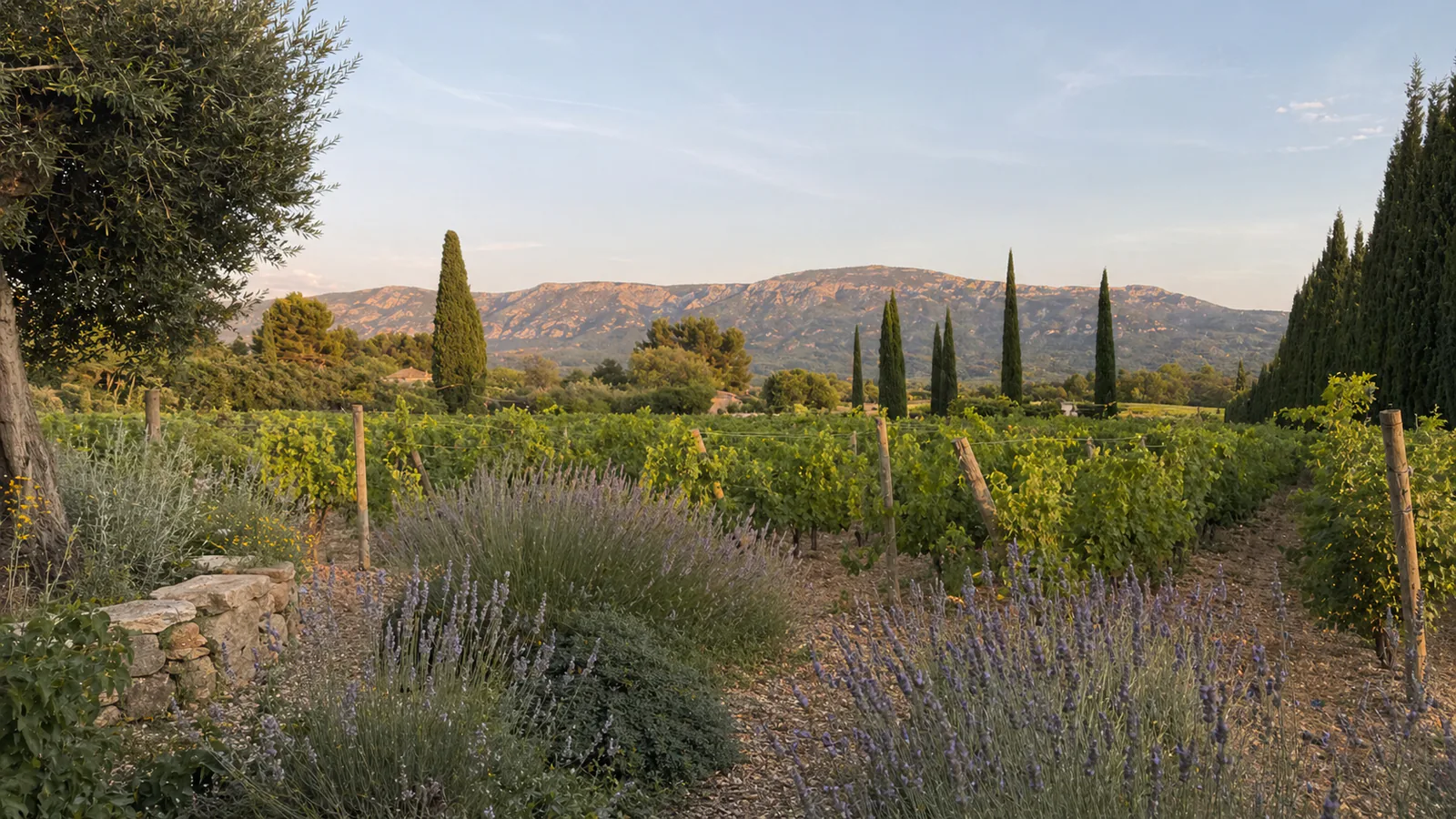
Provence Wine: Rosé, Bandol, Grapes, and Style
What Provence wine actually is, why its rosé set the world standard, the sub-regions, the grapes, and how much to spend. Plain English.
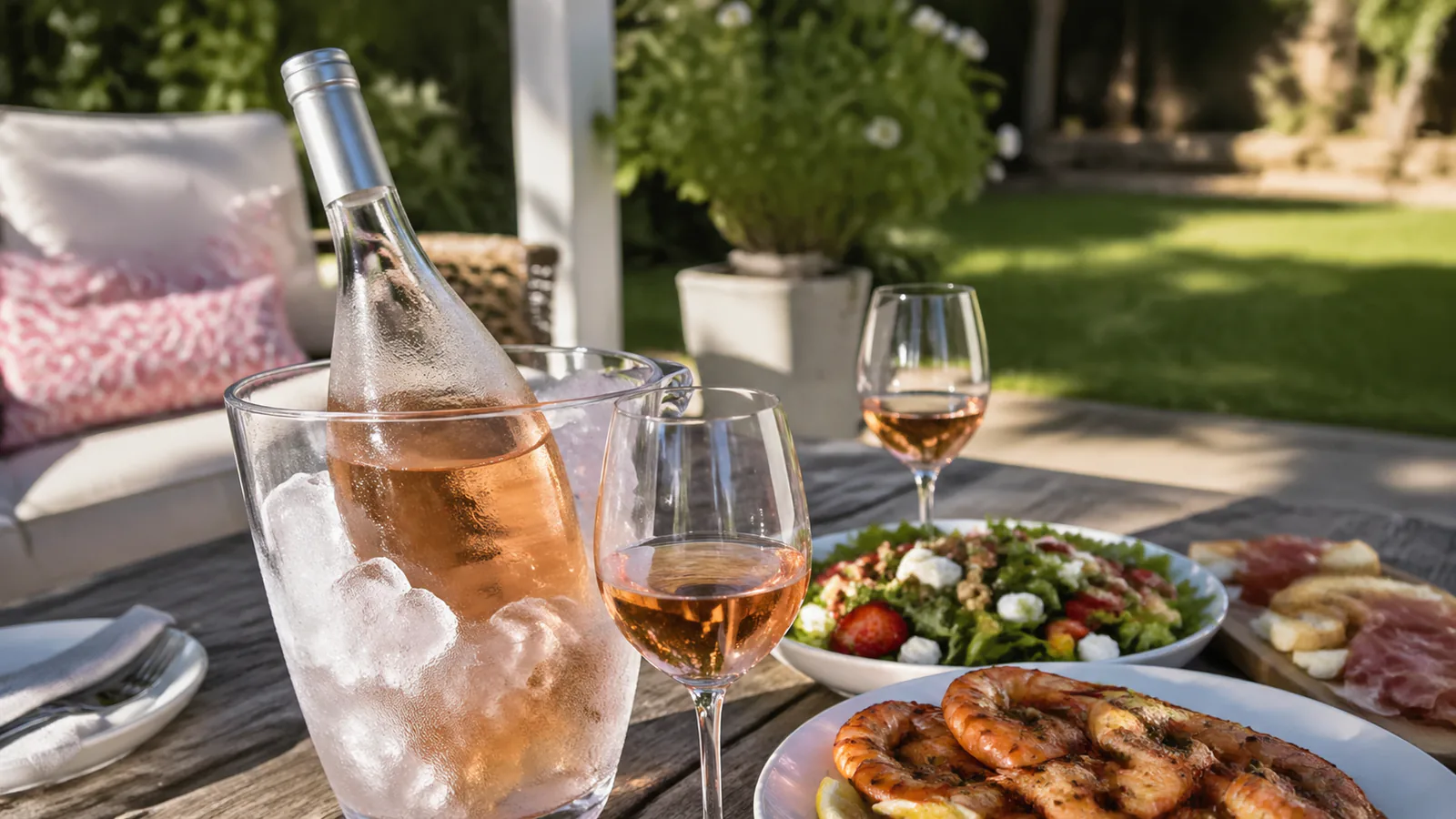
Best Wine for Summer: 12 Bottles for Hot Days
12 verified summer wines covering sparkling, rosé, crisp white, and chillable light red. Critic scores, screwcap flags, every bottle live.
Grenache: The Warm-Climate Workhorse Red
Grenache (Garnacha) is the soul of Châteauneuf-du-Pape and Priorat. Strawberry, white pepper, herbs, and a knack for lifting any blend it joins.