Claire Bennett
Wine Editor12 min read
Orange Wine Guide: Skin-Contact Whites Explained
White grapes, skin contact, and 8,000 years of history. Here's what orange wine actually is, what it tastes like, and whether you'll love it.
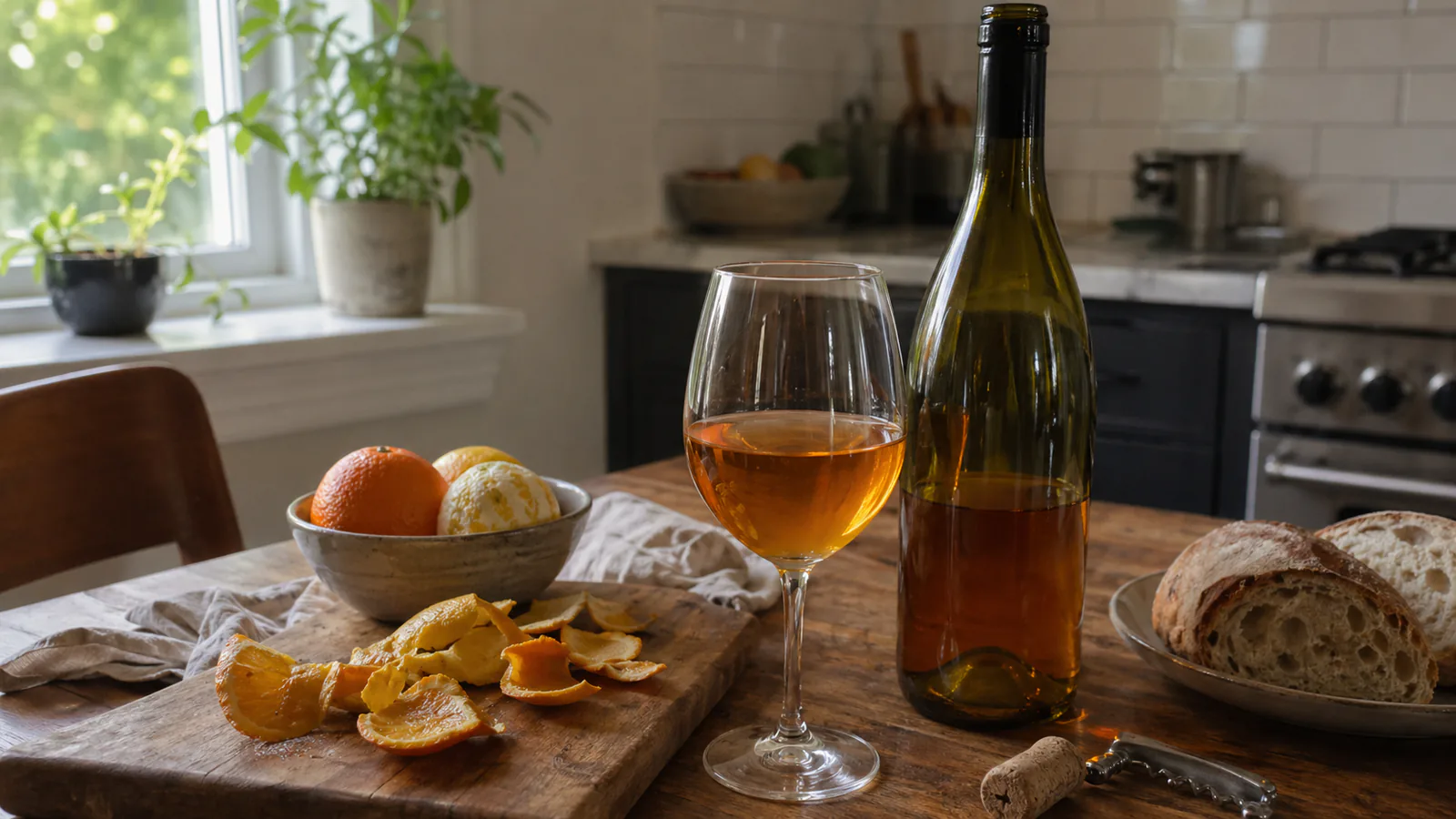
You see it on the wine list. It says “orange wine” and you think: is this a fruit wine? A rosé gone wrong? You put it back and order the Sauvignon Blanc.
That moment happens thousands of times a day. Orange wine is one of the most misunderstood bottles in any shop or restaurant, and also one of the most interesting. Once you know what it actually is, it stops feeling like a gamble and starts feeling like a category you want to explore.
By the end of this page you’ll know:
- Why orange wine gets its colour from something entirely different to rosé (and what that means for the taste)
- The 8,000-year-old winemaking technique that predates oak barrels, glass bottles, and almost everything else we associate with wine
- The one flavour test that tells you within 30 seconds whether you’ll enjoy orange wine
- Why orange wine is the most food-friendly of all four wine colours, and the specific dishes that make it shine
- How long to chill it, and why the temperature you serve it at makes more difference than with any other wine style
What Is Orange Wine, Exactly?
Orange wine is white wine made with skin contact. White grapes are fermented with their skins left in, the same way red wine is made. That’s it. The result is a wine that looks orange or amber, tastes tannic and savoury, and sits in its own category between white and red.
The color spectrum is wide. A short maceration produces a pale golden hue. A longer one produces deep copper-orange. In Italy, a skin-contact Pinot Grigio made this way was historically called ramato, meaning copper-coloured. The name captures the look perfectly.
It’s not a blend. There’s no orange fruit in it. The colour comes entirely from the grape skins, the same way red wine gets its colour from red grape skins. The longer the skins stay in contact with the juice, the deeper the colour and the more tannin and texture end up in the glass.
Think of it this way. White wine is made by pressing grapes and fermenting the juice alone. Red wine is made by fermenting the juice with the skins. Orange wine applies the red wine method to white grapes. The result is a wine that has the grape variety character of a white but the structure and grip of a light red.
How Is Orange Wine Made?
The process comes down to one decision: how long the skins stay in contact with the juice. Some winemakers leave them in for a few days. Others leave them for weeks, months, or in traditional Georgian production, up to a year. The longer the maceration, the more tannin, colour, and oxidative character the wine picks up.
The history of this technique runs deeper than almost any other winemaking tradition. The oldest method uses qvevri, large clay vessels buried in the ground that Georgia has used for over 8,000 years. The grapes, including their skins, seeds, and stems, go into the vessel. Fermentation happens naturally, using wild yeasts. The vessel is sealed and left to age slowly underground. UNESCO recognised this as a piece of intangible cultural heritage in 2013.
The modern revival of orange wine started in the 1990s in Friuli-Venezia Giulia in northeast Italy and just across the border in Slovenia. Winemaker Josko Gravner visited Georgia, saw the qvevri method, and came back determined to use it. Other producers followed. By the 2000s, the style had moved from a regional curiosity into an international movement.
Today, orange wine is made across a broad range of countries and styles. Some producers use stainless steel for a cleaner, lighter result. Others use oak or amphora for more depth. The skin contact period varies from a few days to many months, which is why orange wines can look anything from pale gold to deep copper-brown.
What Does Orange Wine Taste Like?
This is where most descriptions go wrong. Orange wine is often called “funky” or “oxidative”, which is accurate but not helpful if you’ve never tried it.
Here’s what it actually tastes like in the glass. The flavour profile depends on the grape variety and the length of skin contact, but the common thread is savoury, textured, and dry.
Short maceration (days to a week): Closer to a full-bodied white. Dried apricot, bruised peach, a little honey. The tannin is there but it’s gentle. Some people drink a glass before realising it’s different.
Medium maceration (weeks to a few months): The characteristic orange wine profile. Dried fruit, green tea, roasted almonds, a hint of vinegar tang, dried orange peel. The tannin is noticeable on your gums. It tastes savory and interesting in a way that most white wine doesn’t.
Long maceration (months to a year): Walnut skin, oxidised apple, dried herbs, strong tannin. Challenging and complex. Firmly in acquired-taste territory, and worth the exploration once you’ve got a few shorter-maceration bottles under your belt.
What all orange wines share: they’re bone-dry, high in tannin for a white wine, and much less aromatic and fruity than conventional white wine. The flavors lean savoury and earthy rather than fresh and bright.
Where Does Orange Wine Come From?
Orange wine is made all over the world now, but a few regions matter most.
Georgia is where it started. The country sits at the crossroads of Europe and Asia in the Caucasus, and its winemakers have been using the qvevri method for longer than almost any other wine tradition on record. The primary grape variety is Rkatsiteli, which produces amber wines with real grip and depth. Georgian orange wine is the most traditional and often the most tannic expression of the style.
Friuli-Venezia Giulia, Italy is the epicentre of the modern revival. The region sits in northeast Italy, bordering Slovenia, and its winemakers have spent thirty years refining the style with local varieties like Ribolla Gialla and Pinot Grigio. The results range from accessible and fruity to structured and complex.
Slovenia shares both the border and the winemaking tradition with Friuli. The Brda region on the Slovenian side of that border produces some of the most refined orange wines available, often made from Rebula (the same grape as Ribolla Gialla across the border).
Croatia produces orange wines from local varieties like Malvasia Istriana in Istria, often with a lighter, more aromatic style than its neighbours.
Jura, France has a long tradition of oxidative whites that sit adjacent to the orange wine style. Savagnin in Jura takes on similar nutty, oxidative flavours, and several producers have moved explicitly into skin-contact production.
California and Australia have enthusiastic natural wine communities that have adopted skin contact as a signature style. Expect more fruit-forward profiles with less tannin than European examples. The United States is also home to some of the most interesting producers currently experimenting with extended maceration on varieties like Pinot Gris and Gewurztraminer, with vineyards in California and Oregon leading the way.
Which Grape Varieties Make Orange Wine?
Any white grape variety can be used for skin-contact winemaking. Some varieties suit the technique better than others.
Ribolla Gialla (northeastern Italy and Slovenia) is one of the most common, producing wines with citrus and herbal character under the tannin. Rkatsiteli from Georgia gives amber wines with dried fruit and spice. Pinot Grigio takes on a completely different character with skin contact, losing its light floral notes and gaining a nuttier, earthier profile.
Gewurztraminer and Muscat work well because their aromatic intensity survives the maceration process. Pinot Gris is widely used in France and the US. Malvasia appears across Croatia and Italy, producing more aromatic, lighter-tannic orange wines.
In Georgia, Mtsvane is often blended with Rkatsiteli for freshness. In natural wine circles, the variety almost matters less than the winemaker’s approach to skin contact and oxidation.
What Food Pairs Well with Orange Wine?
Orange wine is the most food-friendly of all four wine colours. The combination of white wine acidity with red wine tannin and savoury, oxidative character means it sits comfortably with dishes that would overwhelm most whites or feel too light for a red.
Strong cheeses are the classic pairing. Aged cheddar, Gruyere, manchego, or washed-rind cheeses like taleggio all work beautifully. The tannin in orange wine handles the fat and salt in aged cheese in a way that white wine can’t.
Spiced and aromatic dishes are where orange wine really earns its reputation as the most versatile wine at the table. Moroccan tagine, Thai curry, Indian dal, Middle Eastern mezze. The savoury, oxidative flavors in orange wine match complexity with complexity. Most whites fade against these dishes. Orange wine holds its ground.
Roasted vegetables and grain dishes are a natural fit. Roasted cauliflower, lentils, mushroom risotto, farro salad with roasted squash. The earthy, nutty character in orange wine echoes the earthiness of roasted and fermented ingredients.
Charcuterie and pork dishes respond well to the tannin and oxidative character. Pork belly, cured meats, mortadella, prosciutto.
Fermented foods like kimchi, miso, soy-based dishes, and anything with umami depth are natural companions. The slight vinegar and fermented character in orange wine mirrors the fermentation in the food.
One pairing to avoid: delicate raw fish. The tannin overwhelms subtle seafood. Choose a light white for that.
How Should I Serve Orange Wine?
Serving temperature makes more difference with orange wine than with almost any other style. Get it right and the wine opens up. Get it wrong and it tastes flat or harsh.
Serve at 12 to 14 degrees Celsius (54 to 57°F). That’s cooler than a light red but noticeably warmer than a typical white wine served at 8 to 10 degrees. Taking it straight from the fridge and serving it immediately is the most common mistake with orange wine. Let it warm up for 15 to 20 minutes first.
Use a larger wine glass. A standard red wine glass or a slightly larger white wine glass works well. The wider bowl gives the wine room to open up, which matters because orange wine releases its aromas slowly. Don’t use a narrow flute-style glass.
Decanting is optional but worthwhile with older or more tannic examples. Twenty to thirty minutes in a small decanter softens the tannin and brings out the dried fruit and nutty notes.
Storage: treat it like a red wine. Keep it in a cool, dark place. Bottles with higher tannin from long maceration can age well for several years. Lighter styles are best drunk within two to three years of vintage. For a related angle on multi-grape bottlings, see the wine blends explained guide.
How Do I Know If I’ll Like Orange Wine?
The most useful test is this: think about what you already enjoy.
You’ll likely enjoy orange wine if you:
- Already drink red wine and enjoy the tannin
- Like savoury, umami-heavy food and want your wine to keep up with it
- Find most white wines too light or acidic for your taste
- Enjoy natural wines, cider, or fermented drinks with character
- Like the idea of wine with real texture in your mouth, not just fruit and acidity
You might not enjoy it if you:
- Prefer fresh, aromatic, clean white wine styles like Sauvignon Blanc or Pinot Grigio
- Find the tannic dryness of red wines uncomfortable
- Mainly drink wine on its own rather than with food
If you’re not sure, start with a short-maceration orange wine from Friuli or California. These tend to be gentler, with less tannin and more fruit character. A Ribolla Gialla with three to five days of skin contact is a much more approachable starting point than a twelve-month Georgian qvevri wine.
The key thing to know before your first glass: orange wine is not sweet. People assume the colour means something fruity or dessert-like. It’s the opposite. Orange wine is almost always bone-dry, savoury, and austere. Going in with that expectation means you’ll taste what’s actually there, rather than being confused by what isn’t.
Frequently Asked Questions
Is orange wine the same as natural wine?
Orange wine and natural wine often overlap but they’re different categories. Natural wine refers to how a wine is produced: minimal intervention, wild fermentation, no added sulphites. Orange wine refers to how the wine is made: white grapes with extended skin contact. Many orange wines are made using natural wine methods, but not all. You can make orange wine using conventional winemaking, and you can make natural wine without skin contact. The two categories have grown together in the modern wine scene, which is why they’re so often discussed together. If you enjoy one, the other is a perfect next step.
Why does orange wine sometimes taste vinegary?
A slight tang or vinegar-edge in orange wine usually comes from acetic acid, which builds during extended maceration and oxidative aging. In small amounts it adds complexity. In larger amounts it’s a fault. If a wine tastes sharply vinegary rather than just pleasantly tangy, that’s usually a sign of poor winemaking or a flawed bottle. Well-made orange wine has a gentle acidity with dried fruit and nut character, not a sharp vinegar bite.
How long does orange wine last once opened?
Orange wine lasts longer than white wine once opened, because the tannin and oxidative character give it more protection. A well-made orange wine can hold for two to three days in the fridge with a stopper in the bottle. More tannic, structured examples from long maceration can hold for three to four days. This is one of the practical advantages of the style.
Is orange wine the same as amber wine?
Yes. Orange wine is also called amber wine in some regions, particularly in Georgia where the term has historical and cultural weight. Both names describe the same thing: white wine made with skin contact. The colour can range from pale gold through amber to deep copper-orange depending on the grape variety and length of maceration. Some producers and writers prefer “amber” because it more accurately describes the colour range.
What’s the difference between orange wine and rosé?
Rosé is made from red grapes with very short skin contact, typically a few hours to a day. The short contact gives it colour but minimal tannin. Orange wine is made from white grapes with extended skin contact, from days to months. The long contact builds real tannin and oxidative character. Rosé is light, fresh, and fruit-forward. Orange wine is savoury, dry, and structured. They use opposite methods and taste entirely different.
Is orange wine expensive?
Orange wine sits in the premium-to-mid-range bracket because skin-contact winemaking is labour-intensive and low-yield. Expect to pay $25 to $50 for a good introductory bottle. Georgian qvevri wines and premium examples from Friuli can run higher. The price reflects the care in production. That said, the style is becoming more accessible as more producers work with the technique, and there are solid bottles available under $30 in most good bottle shops.
Ready to explore further? The most food-friendly wine style deserves a proper match. See our wine and food pairing guide or browse the full types of wine overview for where orange wine fits in the bigger picture.
Keep Reading
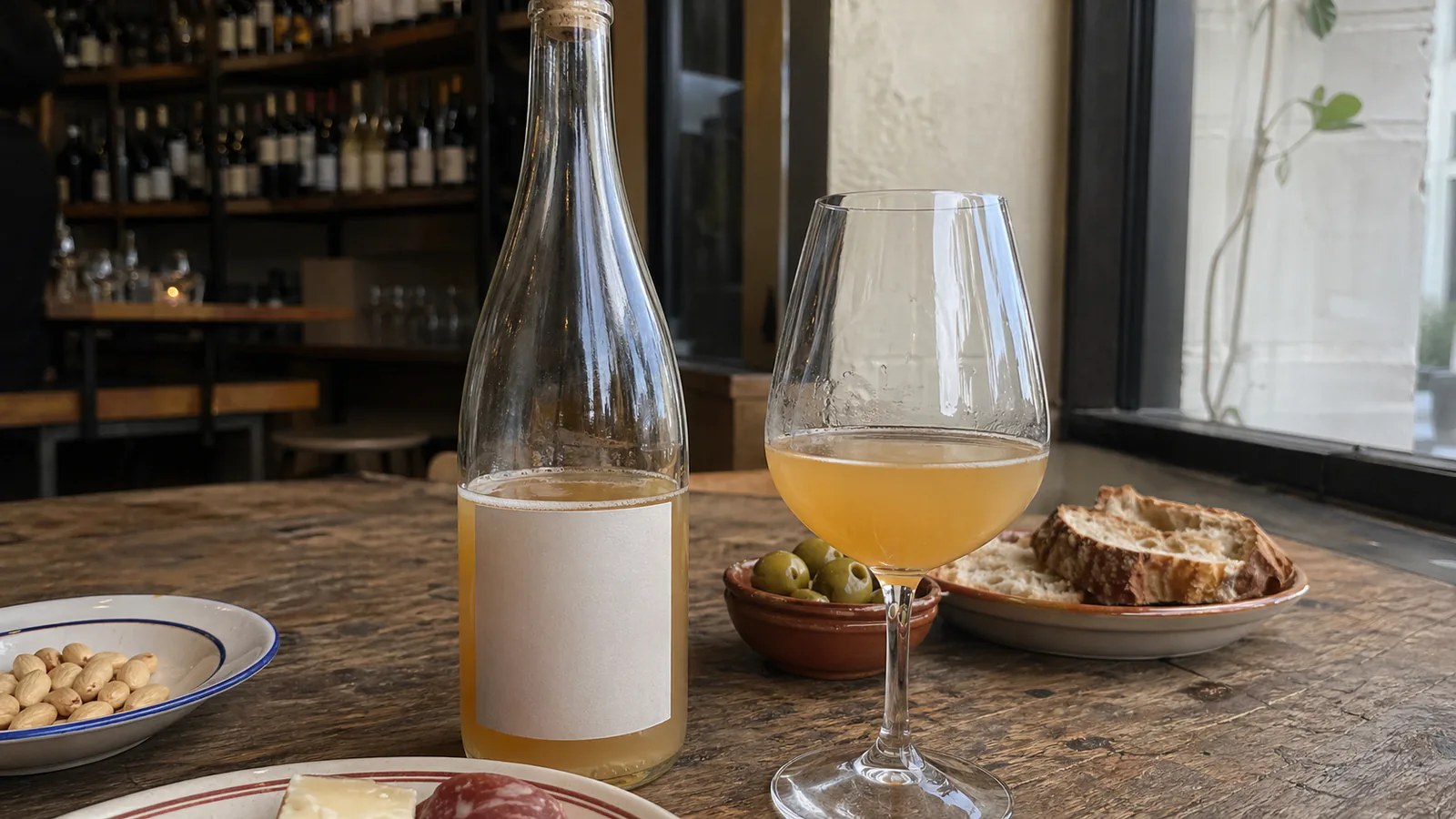
Natural Wine Guide: What It Is and Where to Start
Natural wine, explained plainly. What it is, why it tastes different, where it comes from, and how to find a bottle you'll actually enjoy.
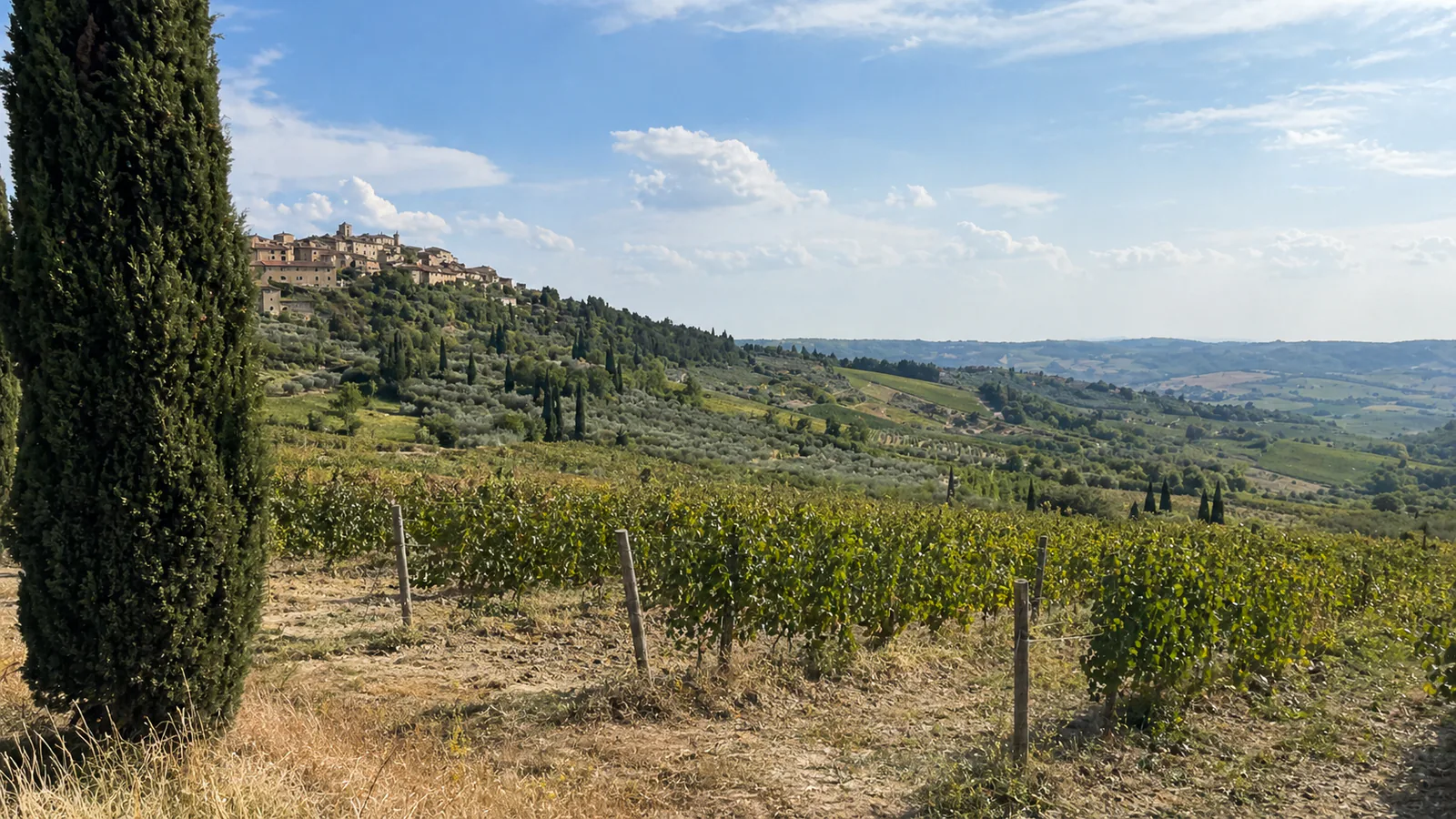
Italy Wine Guide: Regions, Grapes, and Where to Start
Italian wine made simple. The 20 regions, the grapes worth knowing, what DOCG means, and how to pick a bottle without overthinking it.
Wine Blends Explained: Bordeaux, GSM, and More
What makes a wine blend, why winemakers blend, and how to read a blend label. Covers Bordeaux, GSM, Champagne, Rioja, and the 75% labelling rule.