Claire Bennett
Wine Editor25 min read
Best Dry Red Wines: 8 Bottles Worth Knowing
Eight bone-dry reds across Cabernet, Sangiovese, Tempranillo, Syrah, Malbec, Pinot, and Cab Franc. All under $30, all critically rated.
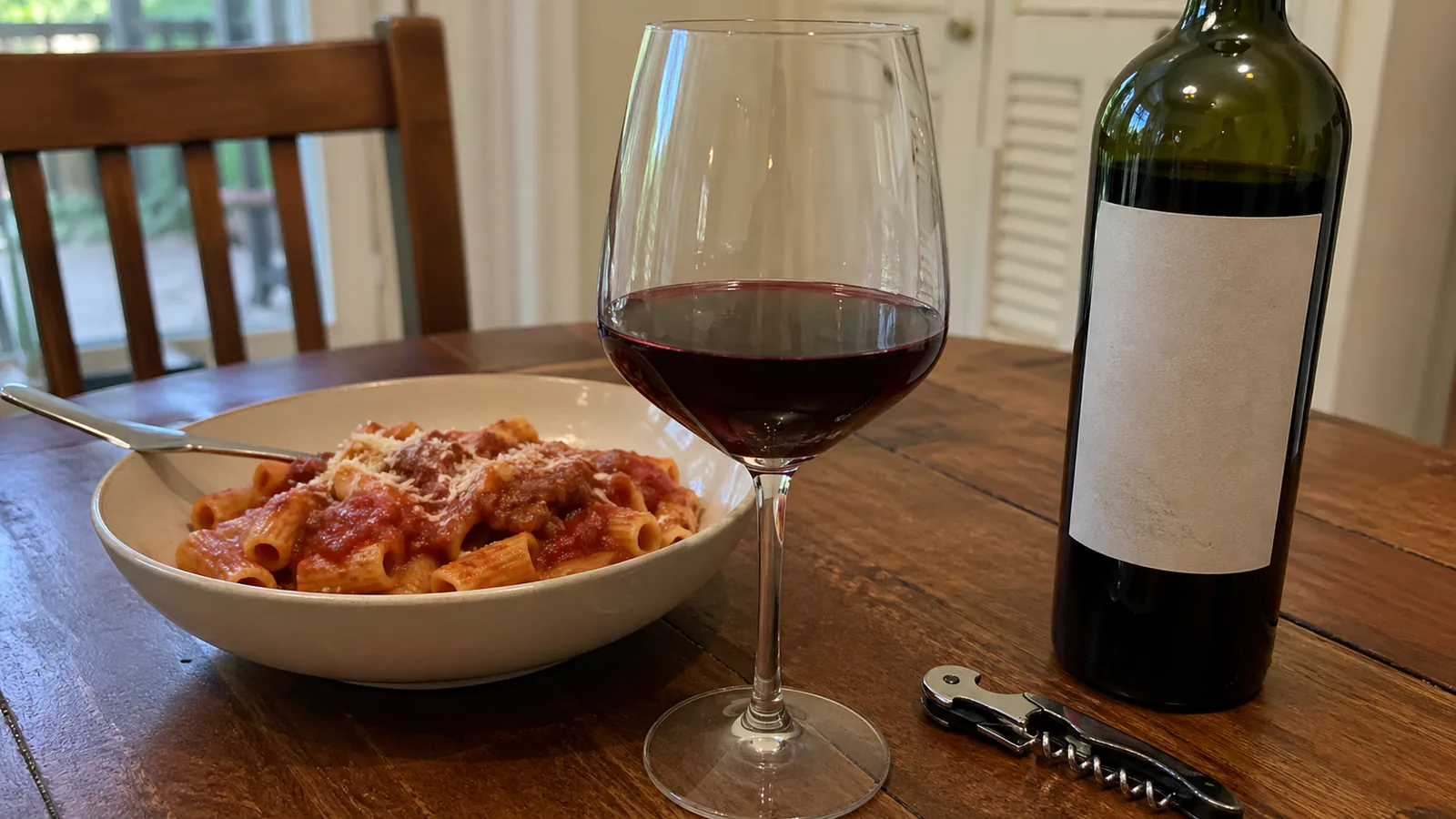
You’ve heard “dry red wine” your whole life. A recipe asks for it. A friend orders one. The shop staff suggests one. Nobody has ever fully explained what it actually means, so you nod and pick something off the shelf and hope.
Here’s the short version. Dry just means there’s barely any leftover sugar in the bottle. The yeast ate it during fermentation. It doesn’t mean the wine is harsh, tannic, or hard to drink. It just means it isn’t sweet. Most great red wines in the world fall into this category, and once you know the dry reds you actually like, picking a bottle becomes ten times easier.
Below are eight dry red wines to try, ordered from “easy first pour” to “show this off at dinner.” Every one is approachable for a curious drinker, every one is under $30, and every one nails the dry red brief without making you work for it. These are top red wines we’d buy with our own money, ranked across grape, region, and price so you can find the best red for the moment you’re in.
Our Top 3 Picks


Villa a Sesta Il Palei Chianti Classico 2019
Tuscany, Italy · Sangiovese
96 pts Wine Enthusiast

Prices vary by state. Click through for your current price.
1. Chateau Bourdieu No.1 2018
If you only buy one dry red from this list, make it this one. It’s a classic right-bank Bordeaux blend (mostly Merlot, with Cabernet Sauvignon and Cabernet Franc), six years in bottle, and priced like a midweek wine. The vintage spent extra time aging in oak before release. Decanter scored it 97. Wine Enthusiast 92. James Suckling 91. Buyers gave it 4.9 stars across 26 reviews, which is the kind of consensus you almost never see at this price.
You’ll get an aroma of dark plum, a touch of pencil shavings, gentle leather from the bottle age, and the kind of soft, rounded tannin that makes dry red feel easy rather than aggressive. Pour it with roast lamb, a slow-cooked beef stew, or any aged hard cheese. This is the bottle to buy by the case.
2. Villa a Sesta Il Palei Chianti Classico 2019
Sangiovese is the dry red of Italy. It’s the grape behind Chianti, and a good Chianti Classico is the kind of bottle you can pour with pasta on a Tuesday or with a tomahawk steak on Saturday and have it work both times. This one from Villa a Sesta scored 96 from Wine Enthusiast and 92 from James Suckling, which puts it well above what $30 usually buys.
The signature flavor profile is sour cherry. Then dried herbs, a little tobacco, a savory edge, and bright acidity that cuts through anything tomato-based or fatty. If you’ve ever wondered why everyone keeps recommending Chianti for pasta night, drink this with a bowl of bolognese and you’ll get it. It’s also the rare wine that genuinely improves with a 30-minute decant.
3. Beringer Knights Valley Cabernet Sauvignon 2022
Cabernet Sauvignon is the textbook dry red. Tannic wines like this one are full-bodied, structured, full of dark fruit, made for grilled meat. Beringer’s Knights Valley sits in the sweet spot where it tastes like a serious California wine without costing what a serious Sonoma County wine usually does. James Suckling scored it 93.
Expect blackcurrant, dark cherry, a little graphite, vanilla from the oak, and the kind of firm, drying tannin that a good Cab Sauvignon is supposed to have. This is the bottle to pour next to a ribeye, a brisket, or a lamb burger. Decant it for an hour if you can. The tannin softens, the fruit opens up, and you’ll wonder how it stayed under $30.
4. Matsu El Picaro 2024
Spanish Tempranillo punches above its weight, and Matsu El Picaro is one of the loudest examples. It comes from Toro, a high-altitude region west of Rioja that produces darker, denser Tempranillo than the more famous Riojas. Old vines, hand-picked grapes, $17 a bottle. Wilfred Wong scored it 91, and 39 buyers rate it 4.7 stars.
You’ll taste blackberry, plum, a little smoke, raspberry on the finish, and the savory edge that makes Spanish reds so good with food. Pour it with grilled steak, paella, charcuterie, or a roast chicken with smoked paprika. The label is the photo of a young Spanish farmer, by the way, which is why every Matsu wine feels like a story.
5. Penfolds Bin 28 Shiraz 2023
Australian Shiraz is the dry red for anyone who finds Cab too austere and Pinot too quiet. Penfolds Bin 28 has been the entry point to serious Shiraz for sixty years, and the 2023 picked up 95 from Wine Enthusiast, 93 from Robert Parker, and 93 from James Suckling. That’s three top-shelf scores on a wine you can buy on a Wednesday.
Expect dense black fruit, a peppery edge from the Syrah grape, smoky oak, dark chocolate, and the warm, slightly raisin-edged finish that Australian wine from South Australia does better than anywhere else. Pair it with grilled lamb, slow-roasted brisket, or a sharp aged cheese. If you’ve been disappointed by cheap Shiraz before, this is the bottle that resets the whole category.
6. Chateau Du Caillau Cahors 2023
This is the dry red to keep open while you cook. Cahors is the original home of Malbec, in southwest France, and the wine here is darker, drier, and more savory than the Argentine version most drinkers know. Wilfred Wong scored it 92. Wine Enthusiast 92. Buyers gave it 4.6 stars across 49 reviews.
Expect black plum, blueberry, a touch of cocoa, and grippy but smooth tannin. It’s the textbook dry red wine for cooking (a splash in any sauce or beef braise, ragù, or coq au vin instantly deepens the meal), and it’s exactly the kind of cooking wine you’ll want to pour yourself a glass of while you’re stirring. Drink it with whatever you cooked.
7. Lange Winery Classique Pinot Noir 2023
Pinot Noir is the gentlest of the great dry reds. Less tannin, lighter body, more transparency to fruit. Lange has been making Pinot in Oregon’s Willamette Valley since 1987, and the 2023 Classique picked up scores from five different critics: 93 Decanter, 92 Jeb Dunnuck, 91 James Suckling, 90 Vinous, 89 Wine Enthusiast. That’s a uniformity of praise you rarely see at $30.
You’ll get red cherry, a touch of strawberry, soft earth, mushroom, pear on the finish, and the kind of lingering note that doesn’t weigh anything down. Pair it with roast chicken, grilled salmon, mushroom risotto, or a charcuterie board. Drink it slightly cool. This is the dry red you pour for someone who claims they don’t like dry red.
8. El Enemigo Cabernet Franc 2022
Saving the wildcard for last. Cabernet Franc is the lesser-known cousin of Cabernet Sauvignon, and most drinkers have never had a really good one. El Enemigo from Mendoza is the bottle that fixes that. Jeb Dunnuck 95. James Suckling 94. Vinous 94. Robert Parker 93. That’s collector-tier scoring for a wine that ships under $30.
Expect dark cherry, fresh tobacco leaf, a hit of orange peel and orange zest on the nose, a savory herb edge, and the floral note that makes Cabernet Franc so distinctive once you’ve tried it. Pour with grilled lamb, duck breast, or a mushroom-heavy pasta. If you want a dry red that no one at your dinner table will have heard of (and that everyone will ask about), this is the one.
More Worth Knowing
What “dry” actually means
A wine is dry when the residual sugar (the sugar left over after fermentation in winemaking) is less than 10 grams per liter, and most dry reds clock in well under 4 grams of sugar per liter. At that level, you can’t perceive sweetness on the palate, and the alcoholic beverage in your glass reads as savory rather than sweet. The sweetness of wine sits in your front teeth; without it, the fruit notes pivot to a darker, more serious profile. Almost every famous red wine in the world is considered dry: Bordeaux wine, Burgundy, Barolo, Napa Cab, Rioja, Chianti, and most red wines today on a restaurant list. The main exceptions are dessert wines like Port wine, Amarone, and most fortified wine, plus a few sweet red blends sold mostly to beginners.
The technical definition is more interesting than it sounds. During fermentation in winemaking, yeast eats grape sugar and produces ethanol and carbon dioxide. When the winemaker allows the yeast to finish its work, you get a dry wine made with little to no residual sugar. When fermentation stops early (or sugar gets added back in), you get something off-dry or sweet. That’s what makes a wine dry, in one sentence. Whether a wine is dry has nothing to do with whether it tastes harsh, and a wine is always influenced more by tannin and oak than by leftover sugar when it comes to that drying mouthfeel.
White wine works the same way. The most popular white wine in the US (Sauvignon blanc, Chardonnay, Pinot Grigio) is also dry by definition. Dry or sweet is independent of color, body, or grape.
Tannin vs sweetness, once and for all
This is the confusion that makes “dry” feel mysterious. Tannin is the drying, slightly astringent sensation in the mouth, the one you feel on your gums and the inside of your cheeks. Tannins and acidity together are the structural backbone of any dry red. It’s a phenolic content in wine thing: tannin comes from grape skins, seeds, and oak (the acids in wine come from the grape itself). Sweetness, by contrast, is sugar on your tongue.
A bone-dry wine with no sugar can still feel rough if it’s loaded with high tannin from a young vintage, almost a sandpaper texture across the gums. A slightly off-dry wine with a touch of sugar can feel smooth on the mouthfeel even if you don’t perceive the sweetness. People often mistake high tannin for dryness and soft tannin for sweetness. They’re independent. Once you can separate the two, your tasting notes (and your wine tasting descriptors more broadly) get a lot sharper. Different wines reveal themselves once you stop calling everything “dry” and start naming what you actually taste.
Dry red grape varieties to know
Beyond the seven varietals on this list (which include Cabernet Sauvignon, Sangiovese, Tempranillo, Syrah, Malbec, Pinot Noir, and Cabernet Franc), a few more dry red grape varieties are worth seeking out as you build a sense of what you like. Soil and climate (terroir, in wine-speak) shape every one of these grapes into something different from one region to the next, which is why a Côtes du Rhône Grenache and a Spanish Garnacha can taste so unlike each other.
- Grenache: medium-bodied, raspberry, white pepper. The backbone of Côtes du Rhône and many Spanish Garnachas.
- Zinfandel: California’s signature. Jammy dark fruit, brambly, often higher alcohol content (15%+).
- Carmenère: Chile’s flagship. Plummy, herbaceous, smoky, soft tannin. Carmenere drinks like a friendlier Cab.
- Mourvèdre (also written Mourvedre): dark, gamey, savory. Common in Rhône blends and Australian wine GSMs.
- Gamay: the grape of Beaujolais. Light, juicy, low tannin. Beaujolais Cru is the serious version.
- Pinotage: South Africa’s signature. Smoky, bold, polarising. Worth trying once.
- Agiorgitiko: Greek, smooth, plummy. Increasingly easy to find in the United States.
- Durif (also called Petite Sirah): dense, inky, high tannin. Often a small ingredient in red blends.
Rosé wines (rose, on a NeuronWriter list) are made from many of these same grapes but pressed off the skins quickly. Most are also dry, despite the colour.
Dry red wine for cooking
When a recipe calls for a cooking wine, what it actually wants is a dry wine with little residual sugar that won’t turn syrupy when reduced and that has high acidity to lift the dish. Almost any wine on this list works for cooking with dry reds, and choosing a dry red specifically (rather than reaching for wine with high sweetness) protects the sauce from going cloying. The Cahors Malbec, Chianti Classico, and the Bordeaux blend at the top are particularly good cooking wines because their savory edge translates beautifully into braises and ragùs. Avoid sweeter reds and avoid anything heavy with oak (wine cooked with too much oak influence muddies a sauce). Wines with higher alcohol content (above 14% alcohol by volume) reduce more aggressively, so dial back if you’re using a big Australian Shiraz.
A practical rule: never cook with a wine you wouldn’t drink. Pour yourself a glass while you’re stirring and the dish almost always comes out better.
If you want to push toward bigger structure and more weight on the palate, our best full-bodied red wines round-up sits one tier deeper than this list.
Find Your Wine Match
Find Your Dry Red
Three quick questions. One matched bottle.
What are you pairing it with?
When are you drinking it?
What style do you prefer?
Let's find the right bottle for you.
Tell us a bit about the occasion and what you're after. We'll match you to one of the bottles on this page.
Photo by Skyler Ewing on PexelsReading your answers…
How We Chose These Wines
Frequently Asked Questions
What makes a wine “dry”?
A wine is considered dry when there’s less than 4 grams of residual sugar per liter (or “wine’s residual sugar,” in oenology speak), well under the threshold most people can taste. The yeast eats almost all the sugars in wine (which start out as natural sugars found in grape juice) during fermentation, leaving alcohol and carbon dioxide behind. The result is a wine with low residual sugar that doesn’t taste sweet at all. Dry doesn’t mean harsh or tannic; it just means the bottle isn’t sweet. Almost every classic red wine you’ve heard of (Bordeaux, Cabernet, Pinot Noir, Chianti, Rioja, Shiraz) has little to no residual sugar, which is why most people who say they “don’t like sweet wine” mean they prefer dry reds without realising it. Dry wines taste savory rather than sugary.
What’s the driest red wine?
The driest red wines are typically Bordeaux blends, Cabernet Sauvignon, Sangiovese, and Tempranillo. They ferment fully and keep almost no perceptible sugar. From this list, the Chateau Bourdieu Bordeaux blend, the Beringer Knights Valley Cab, and the Villa a Sesta Chianti Classico sit at the bone-dry end. Pinot Noir is technically just as dry but reads softer because of its lower tannin. Reds like Cabernet Sauvignon usually drink driest because they pair very low sugar with high tannin.
What’s the alcohol content of a typical dry red wine?
Most dry reds today land between 12.5% and 15% alcohol by volume. New World wines (California, Australia, Argentina) tend toward the higher alcohol content end (14% to 15.5%), while classic Old World reds (Bordeaux, Chianti, Burgundy) usually sit in the 12.5% to 13.5% range. A high alcohol content doesn’t make a wine sweet (it’s still dry), but it can give a warmer, fuller mouthfeel and a hint of black pepper warmth on the finish. Wines with higher alcohol generally come from riper grapes and warmer climates, which is a function of ripeness in viticulture as much as winemaking choices.
What’s the best dry red wine for cooking?
Look for a dry red with bright acidity, low oak influence, and savory fruit. The Chateau Du Caillau Cahors Malbec on this list is purpose-built for the kitchen: it stands up to braises, deepens ragùs, and brings the right balance to coq au vin. The Chianti Classico is also excellent for tomato-based sauces. The best way to learn what works is to try a few and taste both the wine and the sauce side by side. Skip anything heavy, oaky, or sweet, and never cook with a wine you wouldn’t drink straight from the glass.
Dry red wine vs sweet red wine: what’s actually the difference?
Sugar. A dry red has almost none; a sweet wine has measurable residual sugar per liter (one litre = roughly one big bottle) that you can taste on the front of your tongue. Sweet reds like Lambrusco, Brachetto d’Acqui, and most “sweet red blends” sit between 20 and 60 grams of residual sugar per liter. Dry reds sit under 4. People who like sweet styles often graduate to dry reds; conversely, some seasoned drinkers come back around to off-dry pours years later. The best food pairings for a dry red lean savory (red meat, hard cheese, mushroom-driven dishes), where the wine’s lack of sugar lets the umami of the food come forward. Many wine drinkers find their preferences shift toward drier wines over time as the fruit-forward sweetness of beginner reds starts to feel one-note, but red fruit notes still anchor most dry reds you’ll meet.
Keep Reading
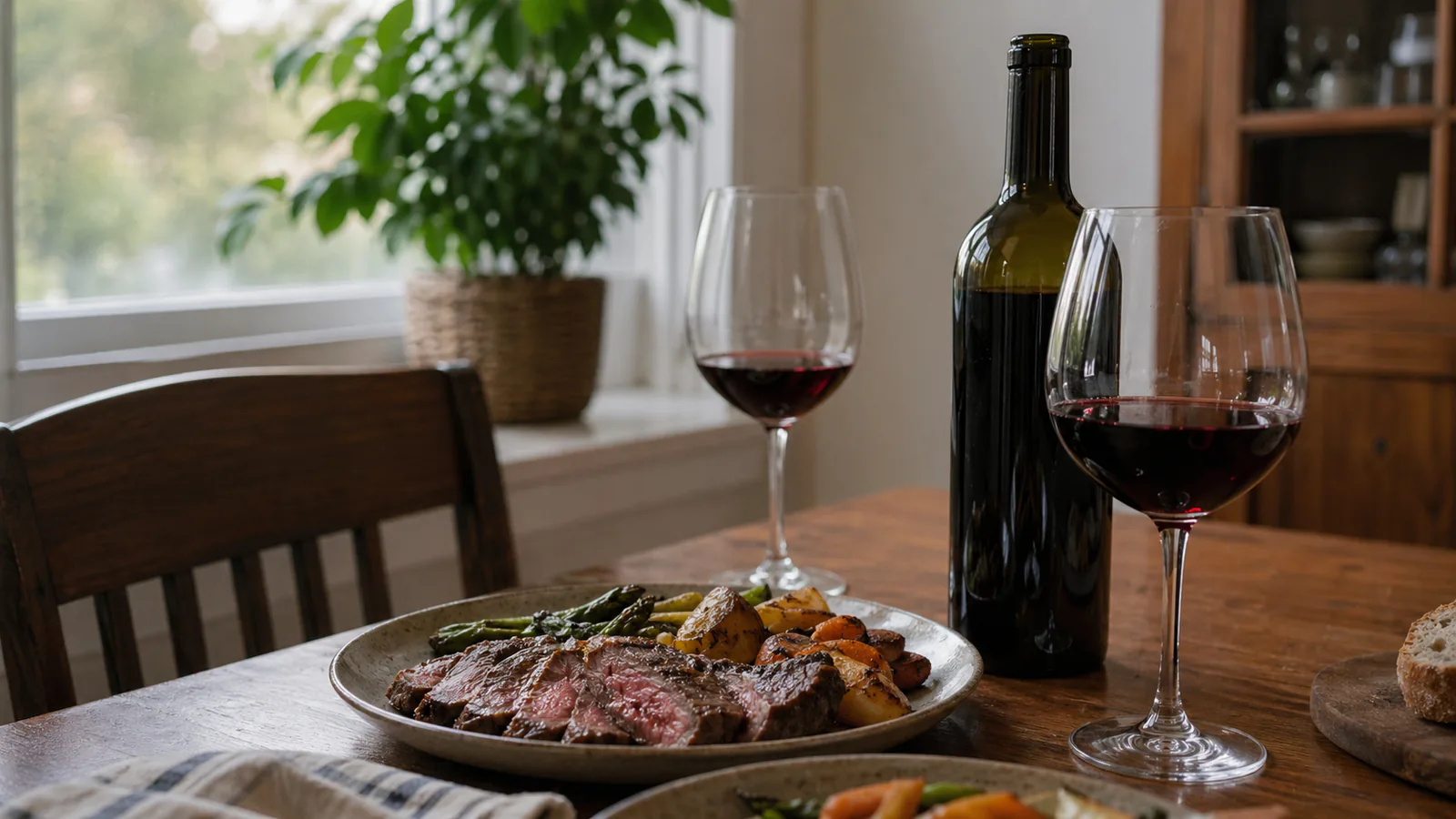
Types of Red Wine: Light to Full-Bodied Guide
Pinot Noir to Cabernet Sauvignon and everything in between. A plain-English guide to red wine styles with taste notes, regions, and food pairings.
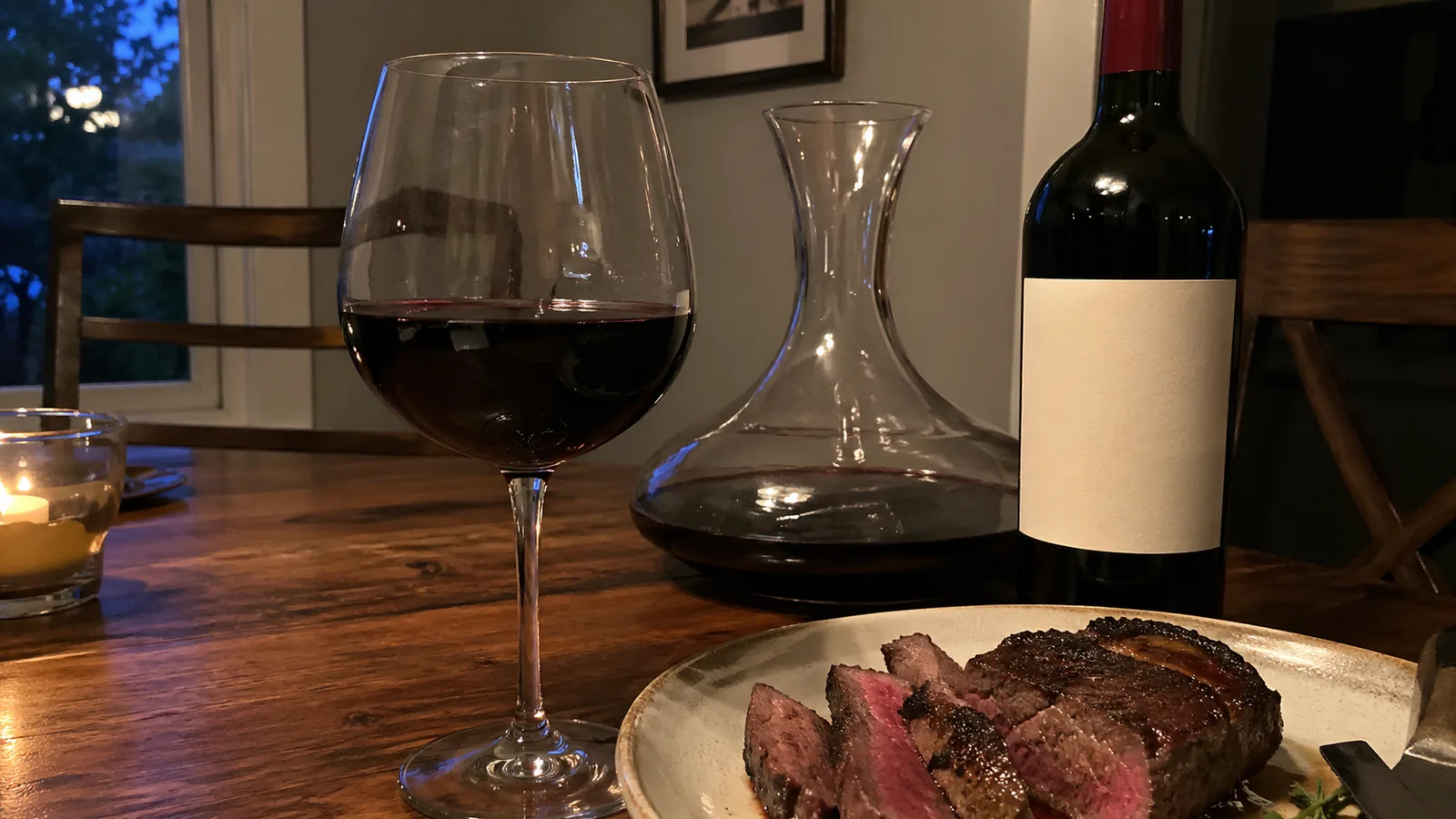
Best Full-Bodied Red Wines: 8 Heavyweights Under $30
Eight full-bodied red wines worth opening. Cab, Zinfandel, Petite Sirah, Malbec, Shiraz, Nebbiolo, Aglianico. All under $30.
Best Light Red Wines: 8 Easy-Drinking Bottles
Eight light red wines under $30. Beaujolais, Pinot Noir, Frappato, Schiava, Mencia, and more, all chillable and food-friendly.