Claire Bennett
Wine Editor8 min read
Cabernet Sauvignon: Taste, Regions, Pairings
What Cabernet Sauvignon tastes like, where the best bottles come from, what to pair it with, and how much to spend. The plain-English guide.
Cabernet Sauvignon: Taste, Regions, Pairings
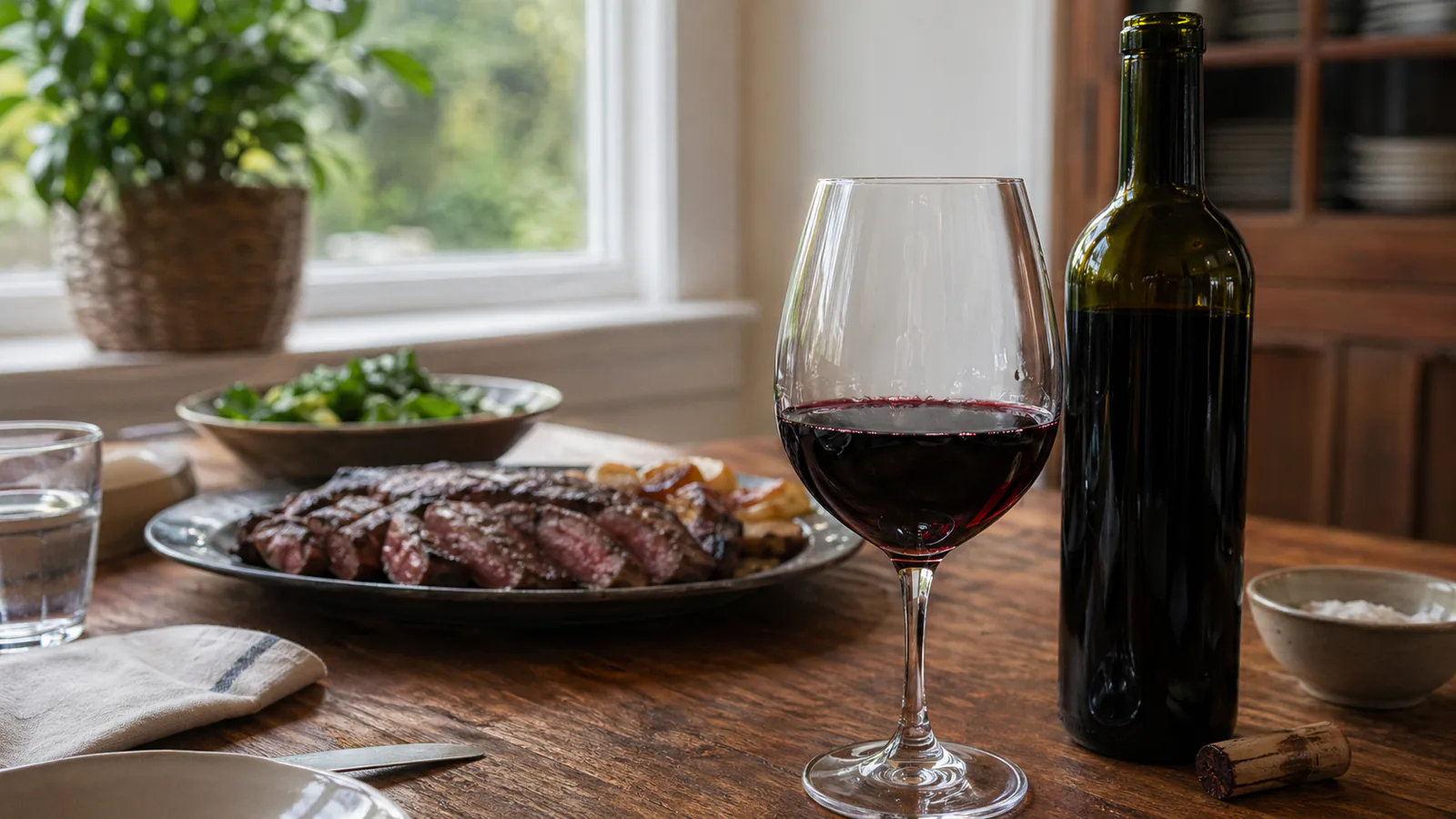
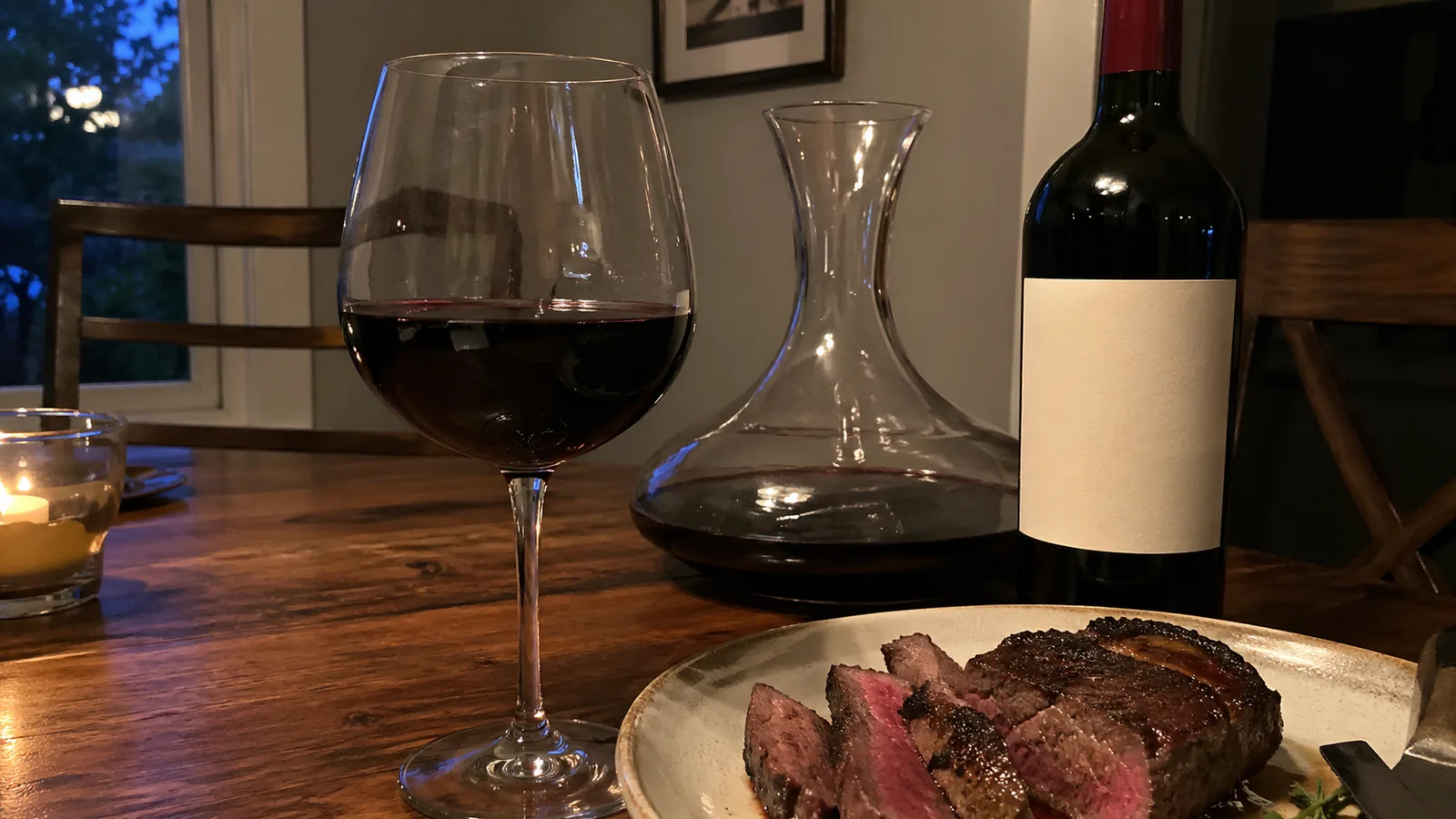
You ordered the steak. The waiter asks if you want a wine recommendation, and nine times out of ten the bottle they point at is Cabernet Sauvignon. There’s a reason. Cab built its reputation on making a great cut of beef taste better, and great beef makes Cab taste better right back. Get this grape right and you’ve solved half the wine problems you’ll ever have at dinner.
By the end of this page you’ll know:
- The one ingredient on your plate that makes high-tannin Cabernet feel suddenly soft and round
- Why a $25 Coonawarra Cab can drink better than a $60 Napa one
- The serving temperature most people miss that’s flattening half the flavour
- The price tier where Cab stops giving you more bottle for your money
- A 3-second test for whether a Cab needs a decant or not
What Is Cabernet Sauvignon?
Cabernet Sauvignon is the most-planted red wine grape on earth. Small berries, thick skins, and high natural tannin give wines that are deeply coloured, full-bodied, and built to age.
It became famous because it travels. The vine ripens reliably across warm and moderate climates, and the wines survive long ocean voyages and decade-long cellar stays. Bordeaux put it on the map in the 18th century. California, Australia, Chile, and Tuscany have all run with it since.
The short version: if a red wine list has one bottle that’s safe-but-serious, it’s almost always a Cab.
What Does Cabernet Sauvignon Taste Like?
Blackcurrant front and centre. Cedar, graphite, and dark chocolate trailing behind. Younger bottles taste of fresh black fruit. Older ones develop tobacco, leather, and a savoury, almost meaty character. The tannins are firm and grippy, which is why Cab pairs so well with rich, fatty food.
Oak is part of the formula. New French oak adds vanilla and that cedar-cigar-box note in pricier bottles. American oak, more common in cheaper Cabs, leans toward coconut and sweet vanilla.
Quick reference for how Cab feels in the glass:
- Body: full
- Tannin: high, firm, drying
- Acidity: medium to medium-high
- Sweetness: dry
- Alcohol: 13.5% to 15%
In cooler climates (Bordeaux’s Left Bank, Coonawarra), Cab leans toward blackcurrant leaf, mint, and graphite. In warmer ones (Napa, Maipo), it pushes into ripe blackberry, cassis jam, and chocolate. Same grape, two accents, both worth knowing.
Where Is Cabernet Sauvignon Grown?
The same grape produces meaningfully different wines depending on where it lands. Five regions are worth knowing by name.
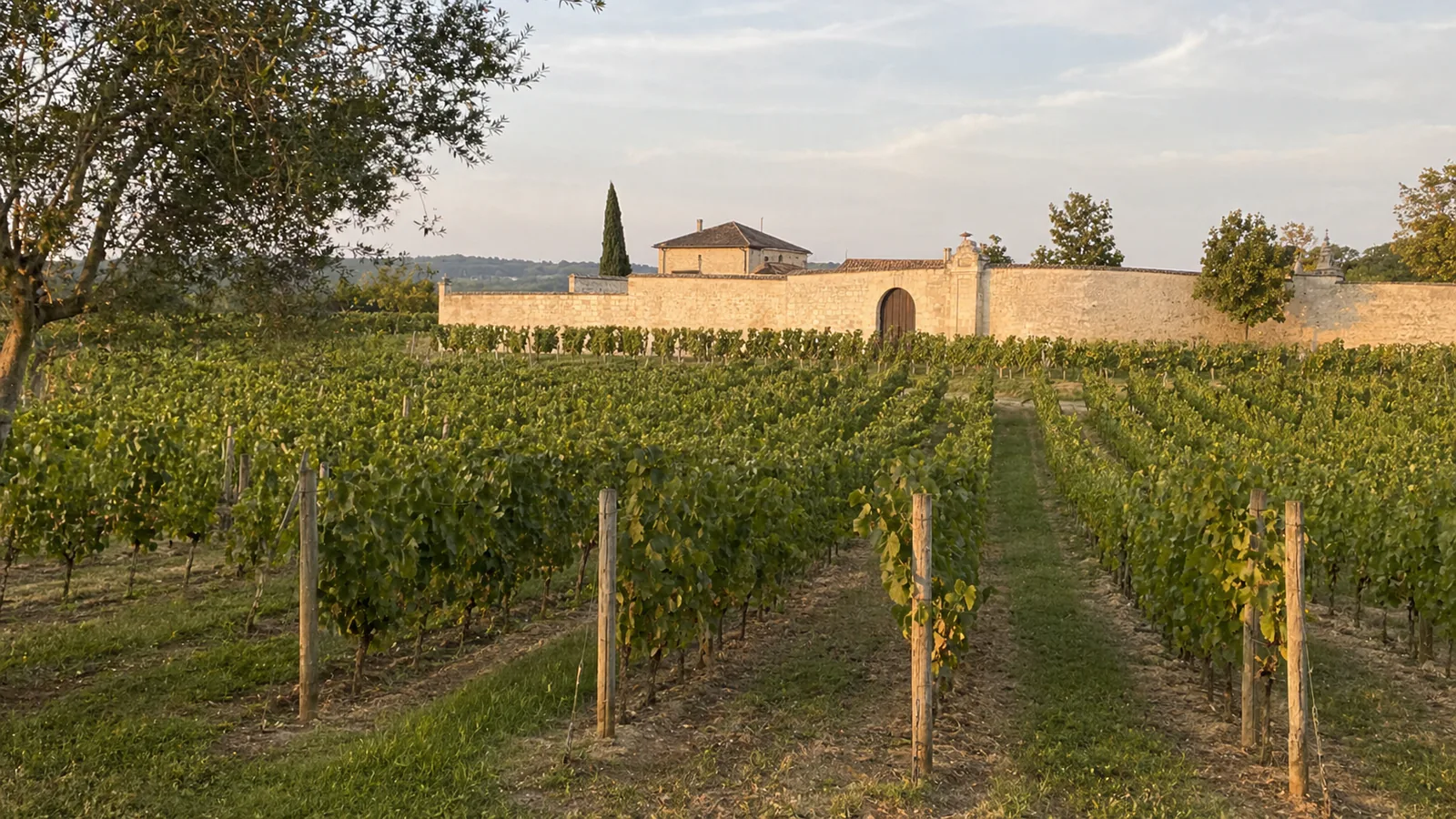
Bordeaux (Left Bank), France
The spiritual home. Bordeaux’s Left Bank sits on deep gravel soils that force vine roots down and produce structured, savoury Cab built for the long haul. The famous estates (Latour, Margaux, Mouton Rothschild) cost a fortune. More honest value sits in the $30 to $60 Cru Bourgeois range.
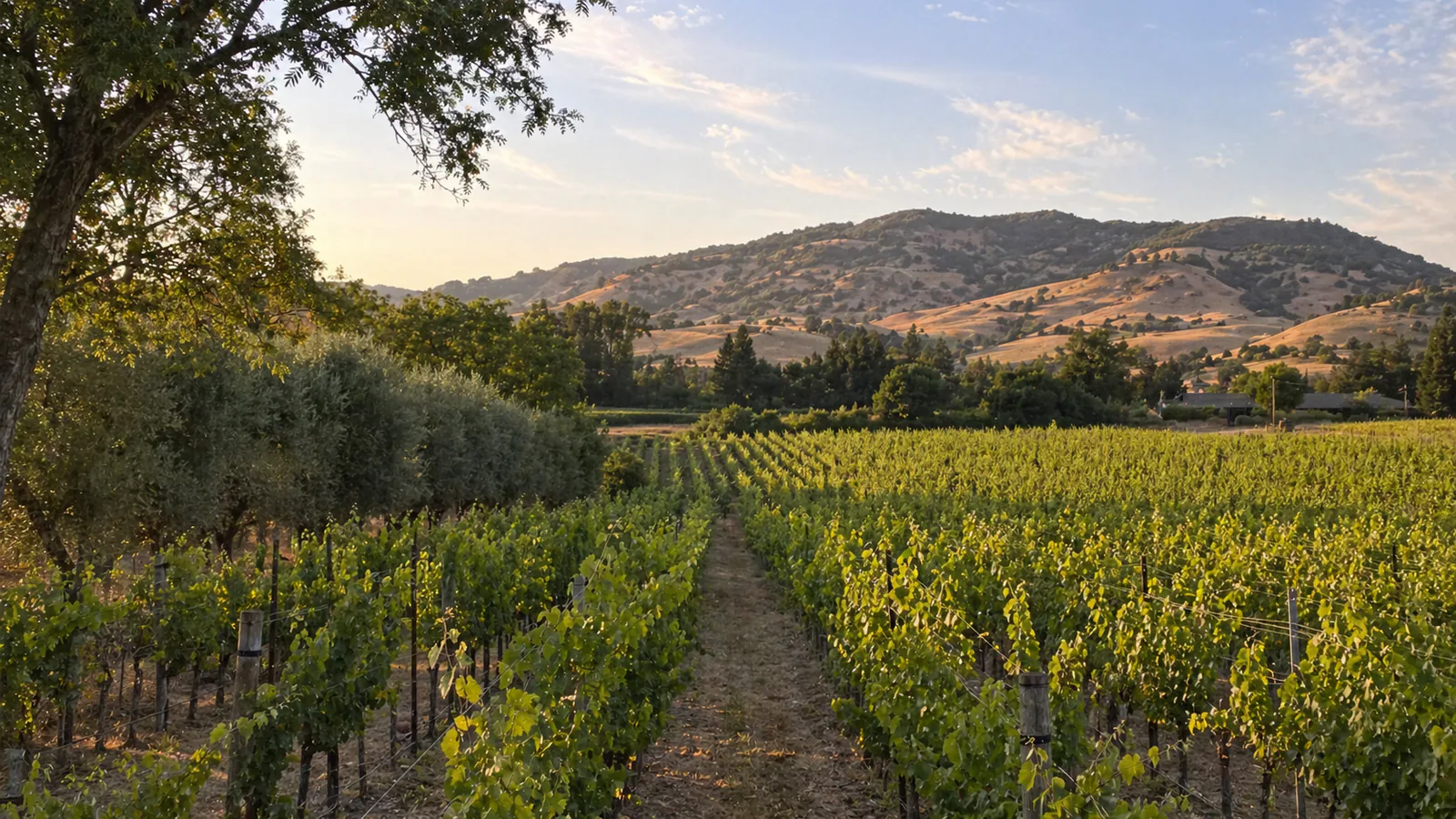
Napa Valley, California
Napa Valley put California on the map after Stag’s Leap beat top Bordeaux in a 1976 blind tasting. Modern Napa Cab runs riper, oakier, more powerful: blackberry jam, vanilla, soft tannins. Solid mid-range bottles start around $40.
Coonawarra, Australia
A narrow strip of red clay over limestone in South Australia produces some of the most distinctive Cab on earth. Minty, eucalypt, blackcurrant character with bright acidity and elegant tannins. Wynns, Penley, and Katnook are reliable. You can drink seriously well here for $25 to $45.
Maipo Valley, Chile
Maipo, near Santiago, is Chile’s Cabernet heartland. Ripe, plummy, sometimes with a green herbal note that’s polarising but distinctive. This is your best-value entry point. Quality bottles regularly turn up for $15 to $25.
Tuscany, Italy
Tuscan winemakers started blending Cab with Sangiovese in the 1970s, outside the official rules. The “Super Tuscan” wines that resulted, like Sassicaia and Tignanello, are now some of Italy’s most celebrated reds. Expect ripe black fruit, savoury herbs, and serious oak.
What Food Pairs With Cabernet Sauvignon?
The pairing logic is simple. Cabernet has high tannins, and protein and fat soften tannins. The fattier and richer the dish, the better Cab works alongside it. That’s why a steak and a Napa Cab feel like they were built in the same room.
Pairings that always deliver:
- Ribeye with peppercorn sauce
- Slow-braised lamb shoulder
- Roast beef with horseradish cream
- BBQ brisket
- Aged cheddar or Manchego on a cheese board
- Burgers with blue cheese
- Beef bourguignon
What to avoid: light fish, delicate chicken, and anything tomato-heavy. Cab will steamroll a piece of cod and clash with the acidity of marinara. Save those plates for Pinot Noir or Sangiovese.
How Should I Serve Cabernet Sauvignon?
Most people pour Cab too warm. A bottle sitting on the kitchen counter at 22°C tastes flabby and alcoholic. The sweet spot is 17 to 18°C. If your kitchen runs warm, give the bottle 10 to 15 minutes in the fridge before opening. The difference is dramatic.
Glassware matters. Use a Bordeaux glass: tall bowl, slightly tapered rim. The shape directs the wine to the back of your palate, where tannin and structure register best.
Decanting is a real upgrade, especially for younger bottles under five years old. Pour into a decanter 30 to 60 minutes before drinking. Tannins soften, fruit comes forward, alcohol integrates. For bottles over ten years old, decant gently to separate any sediment, then drink within an hour or two.
An opened bottle of Cab keeps well too. Re-cork it, store it cool, and you’ve got three to five days. The high tannin means day-two Cab sometimes drinks better than day one.
How Much Should I Spend on Cabernet Sauvignon?
Cab is one of the few wines where price tracks quality fairly reliably, but only up to a point. Three tiers worth knowing.
$10 to $15 entry tier. Chile and California’s Central Valley produce competent Cab at this price. Drinkable, fruit-forward, a bit one-dimensional. Fine for a Tuesday spaghetti bolognese. Don’t expect complexity.
$20 to $35 sweet spot. This is where Cab earns its reputation. Coonawarra, Washington State, mid-range Napa, Cru Bourgeois Bordeaux, and quality Chilean Cab all deliver real depth here. If you buy one bottle a week for nice dinners, this is your zone.
$50 and up. You’re paying for vineyard pedigree and aging potential. A great Napa, classified-growth Bordeaux, or Super Tuscan rewards both opening tonight (with a long decant) or stashing for ten years. The jump from $35 to $80 is real. The jump from $80 to $300 is mostly diminishing returns.
Honest truth: spending more than $40 on a Cab you’re drinking the night you buy it is usually unnecessary.
Frequently Asked Questions
Is Cabernet Sauvignon dry or sweet?
Cabernet Sauvignon is dry. The ripe black fruit in a warm-climate bottle like Napa can give an impression of sweetness, but that’s flavour, not sugar. If you want a genuinely sweet red, look at Port or late-harvest Zinfandel instead.
What’s the difference between Cabernet Sauvignon and Merlot?
Cab has firmer tannins, higher acidity, and a more structured build. Merlot is plumper, softer, and easier to drink young. Bordeaux blends use both: Cab for the bones, Merlot for the flesh. If a steak calls for Cab, a roast chicken or pork loin calls for Merlot. Our roundup of the best full-bodied red wines starts with Cab and works outward.
Can you drink Cabernet with fish?
Mostly no. The tannins clash with delicate fish proteins and can leave a metallic taste. Grilled tuna or swordfish with a bold sauce can sometimes handle a lighter Cab. For most fish dishes, reach for Pinot Noir or Chardonnay.
How long does Cabernet Sauvignon age?
Quality Cab from a good region and vintage will improve in bottle for 10 to 20 years, and top wines can hold for 30 plus. Cheaper Cab (under $20) is built for drinking within two to three years of release. Store it cool, dark, and on its side, ideally between 12 and 15°C.
Why does Cabernet Sauvignon make my mouth feel dry?
That’s tannin, and Cab has plenty of it. Tannins are compounds from grape skins that bind to the proteins in your saliva, creating a drying, grippy feel on the tongue and gums. It’s a feature. Tannins give the wine structure and pair beautifully with fatty food, which is why a steak makes the next sip feel softer.
What’s a good Cabernet Sauvignon for beginners?
Start with a Chilean Cab in the $15 to $20 range or a Coonawarra Cab in the $25 to $35 range. Both are approachable, fruit-forward, and clearly show what makes Cabernet recognisable without the austerity of young Bordeaux. Skip the cheapest supermarket bottles, which tend to be thin and harsh.
Ready to put this into a bottle that’s actually on the shelf this weekend? These are the best red wines under $20 worth your money, including several Cabernet picks that punch well above their price.
Keep Reading
Bordeaux Wine: A Plain-English Guide
What Bordeaux wine actually is, Left Bank vs Right Bank, the grapes, the labels, and how much to spend. The plain-English guide for everyday drinkers.
Napa Valley Wine: Cabernet, AVAs, and What to Spend
What Napa Valley wine actually is, why its Cabernet rules the world, the AVAs worth knowing, and where the value hides. Plain English, no fluff.
Best Full-Bodied Red Wines: 8 Heavyweights Under $30
Eight full-bodied red wines worth opening. Cab, Zinfandel, Petite Sirah, Malbec, Shiraz, Nebbiolo, Aglianico. All under $30.