
Claire Bennett
Wine Editor10 min read
Moscato: Sweet Wine Guide for Brunch and Dessert
Moscato is the low-alcohol sweet wine that tastes like peach and orange blossom. Here's the difference between Moscato d'Asti, Asti, and still Muscat.

Moscato: Sweet Wine Guide for Brunch and Dessert
Moscato is the wine the wine world likes to roll its eyes at. It’s “girly” or “for beginners” or “not serious,” depending on which sommelier you ask. They’re wrong, and good Moscato d’Asti from Piedmont is one of the most pleasurable wines you can put on a table. The bad reputation comes from cheap mass-produced versions, not the grape itself.
This page strips away the snobbery, explains the three different styles you’ll see on shelves, tells you exactly what to eat with each, and gives you the price point where Moscato actually shines.
By the end of this page you’ll know:
- The single Italian region that makes Moscato worth taking seriously, and the producer name to look for on the back label
- Why Moscato is the only wine on Earth that pairs well with both spicy Pad Thai and fresh peaches
- The 5.5% alcohol secret that makes Moscato d’Asti perfect for long lazy lunches when other wines would knock you out
- The crucial difference between Moscato d’Asti and Asti Spumante that bottle-shop staff often get wrong
- The reason Moscato is one of the few wines you should never cellar, and the maximum age before it starts to taste flat
What Is Moscato?
Moscato is the Italian name for wine made from the Muscat grape family, one of the oldest cultivated wine grapes on Earth. There are over 200 varieties in the Muscat family, but the one that makes most quality Moscato is Moscato Bianco (also called Muscat Blanc à Petits Grains).
The grape is grown across the Mediterranean, but the spiritual home is Piedmont in northwest Italy. Specifically, the towns around Asti, where Moscato d’Asti has been made for centuries and the lightly fizzy, low-alcohol style was perfected. The grape’s signature is its incredibly aromatic, grape-like character. Moscato is one of the only wines that genuinely tastes like the grape it’s made from, with a fresh, perfumed quality you don’t get from any other variety.
Moscato has had a rough decade reputation-wise. A wave of cheap, sugary, mass-produced bottles flooded the market in the 2010s and convinced a lot of drinkers that Moscato is one-dimensional sweet plonk. Real Moscato d’Asti from a quality Piedmont producer is the opposite: light, balanced, complex, and one of the most under-appreciated wines on shelves. Our best Moscato wine buyer’s guide rounds up the bottles worth grabbing.
What Does Moscato Taste Like?
Sweet, fresh, and floral. The signature notes are ripe peach, mandarin orange, fresh pear, white grape, honeysuckle, and orange blossom. Good Moscato has a delicate, almost ethereal quality that wakes up your nose before you even sip.
The sweetness is balanced by surprisingly fresh acidity, which is what stops good Moscato from feeling cloying. A bad Moscato tastes like syrup. A good Moscato d’Asti tastes like biting into a perfectly ripe peach, with bubbles.
There are three main Moscato styles you’ll see on shelves, and they’re not interchangeable.
Moscato d’Asti: Lightly fizzy (called “frizzante,” around half the bubbles of Champagne), around 5 to 6.5% alcohol, sweet but balanced, the gold standard.
Asti Spumante (now usually just “Asti”): Fully sparkling, higher alcohol around 7 to 9%, often a bit sweeter and more aggressive in fizz, more of a celebration wine than a sit-with-it wine.
Still Moscato: Made in many regions worldwide, no bubbles, ranges from off-dry to fully sweet. California and Australian “Moscato” without the “d’Asti” designation usually fall here.
Quick stat block:
- Body: Light
- Acidity: Medium to medium-high
- Sweetness: Off-dry to sweet (most are sweet)
- Oak: Never
- Alcohol: 5 to 9% (Moscato d’Asti is famously low at 5.5%)
Where Is Moscato Grown?
Moscato grapes grow on every winemaking continent, but the wines vary wildly in quality. Where the bottle comes from matters more here than for almost any other grape.
Asti and Alba, Piedmont (Italy)
This is the only region that genuinely matters for top Moscato. The hills around Asti and Alba in northwest Italy produce the lightly fizzy, low-alcohol Moscato d’Asti DOCG that defines the category. The combination of cool climate, calcareous soils, and centuries of winemaking experience produces wines with stunning aromatic lift and balance.
Producers worth knowing: Saracco, La Spinetta, Ceretto, Vietti, Marenco, Michele Chiarlo, Coppo. Bottles run $14 to $25. This is one of the best price-to-pleasure ratios in the wine world.
Sicily and Southern Italy
Sicily makes a fortified version called Moscato di Pantelleria, made from Zibibbo (a Muscat variety) grown on a volcanic island near Tunisia. It’s a richer, raisined dessert wine, completely different from Moscato d’Asti. Pair it with blue cheese or almond desserts.
Australia
Australia (especially the King Valley in Victoria) makes solid Moscato in both still and lightly sparkling styles. Brown Brothers helped popularise the category. Bottles from $12 to $18 are reliable everyday picks but rarely match the elegance of true Moscato d’Asti.
California
California Moscato is the cheap end of the market, often mass-produced and aggressively sweet. There are some quality producers (Robert Mondavi Moscato d’Oro is decent) but the average California Moscato is what gave the grape its bad reputation.
France (Muscat de Beaumes-de-Venise)
In southern France, the same grape makes Muscat de Beaumes-de-Venise, a fortified dessert wine that’s syrupy, honeyed, and built for after-dinner. Different beast, same family.
What Food Pairs With Moscato?
Moscato is one of the most versatile food wines once you stop thinking of it as a “dessert wine only.” The combination of low alcohol, fresh acidity, and gentle sweetness makes it surprisingly food-friendly. The trick is using the slight sweetness as a foil for spicy, salty, or rich foods, or as a partner for fruit-based desserts.
The single best pairing for Moscato d’Asti is brunch. The low alcohol means you can drink it at noon without losing the afternoon. The fresh peach and citrus notes complement everything from eggs benedict to fresh fruit salad.
Specific dishes that work:
- Fresh peaches and stone fruit (the textbook pairing)
- Fruit tarts, peach cobbler, apricot crumble
- Pavlova and lemon meringue pie
- Spicy Asian food: Pad Thai, kung pao chicken, Korean fried chicken
- Spicy Mexican: chicken mole, fish tacos with chipotle
- Buffalo wings (genuinely)
- Brunch: French toast, pancakes with berries, eggs benedict
- Fresh ricotta with honey
- Blue cheese (Stilton, Gorgonzola, Roquefort)
- Almond biscotti, panettone, and the chocolate pairing playbook
- Prosciutto and melon
Avoid pairing Moscato with savoury main courses like steak, lamb, or pasta with red sauce. The sweetness clashes hard. Stick to brunch, spicy food, fruit, and desserts.
How Should I Serve Moscato?
Cold. Around 6 to 8°C (43 to 46°F), which is colder than most whites. The chill keeps the bubbles tight on a Moscato d’Asti and stops the sweetness from feeling heavy. Forty-five minutes in the fridge or fifteen minutes in an ice bucket will do the trick.
A regular white wine glass works fine. Champagne flutes look the part for sparkling versions but a tulip-shaped white wine glass actually shows off the aromatics better. The whole point of Moscato is the perfumed nose, so don’t trap it in a narrow flute.
No decanting. No breathing time. Open and pour. Moscato is meant to be drunk fresh and aromatic, not aerated.
Once open, a bottle of Moscato d’Asti is best within 24 hours. The bubbles fade fast and the freshness goes with them. If you’re not finishing the bottle that night, a wine stopper helps but expect a duller wine the next day.
Critically: Moscato should be drunk young. The vintage on the bottle should be one or two years old at most. Moscato is the rare wine where you actively want the most recent vintage available. Anything older than three years is past its prime.
How Much Should I Spend on Moscato?
The price-quality curve for Moscato is short and steep. There’s no “great $80 Moscato” the way there’s a great $80 Burgundy. The sweet spot tops out under $30, and most of the magic happens between $15 and $22.
Under $12: Mass-produced California, Australian, and supermarket Italian Moscato. Generally fine for a casual brunch, often one-dimensionally sweet. Don’t expect transcendence at this price.
$14 to $22: This is where good Moscato d’Asti lives. Saracco, Marenco, Coppo, La Spinetta Bricco Quaglia. These are wines with genuine aromatic complexity, balanced sweetness, and the kind of fresh peach character that defines the category. If you’re going to try Moscato seriously, start here.
$22 to $35: Top single-vineyard Moscato d’Asti from cult producers. Marginal gains over the $20 range, but if you’ve fallen for the style, worth a try.
Over $35: Generally not worth it for Moscato d’Asti. At this price, Muscat de Beaumes-de-Venise (fortified French Muscat) and Moscato di Pantelleria (Sicilian Moscato) start to make sense if you want a richer dessert wine experience.
Sweet-spot recommendation: $15 to $22 for a real Moscato d’Asti from Piedmont. That’s where the grape is at its best, and prices haven’t climbed the way they have for almost every other quality wine category.
Frequently Asked Questions
Is Moscato sweet or dry?
Almost always sweet, but the sweetness varies. Moscato d’Asti has noticeable sweetness balanced by fresh acidity and gentle bubbles. Asti Spumante is sweeter and more aggressive in fizz. Some Italian and Alsatian Muscat is made in a dry style (look for “Moscato Secco” or “Muscat Sec”), but those are rare on most shelves. If you see a bottle that just says “Moscato,” assume it’s sweet.
What’s the difference between Moscato and Moscato d’Asti?
“Moscato” is the grape. “Moscato d’Asti” is a specific protected appellation in Piedmont, Italy, where the wine is lightly fizzy, low in alcohol (around 5.5%), and made to a strict quality standard. Generic “Moscato” can come from anywhere and tells you nothing about quality. If you want the best version, Moscato d’Asti is what to look for on the label.
How is Moscato d’Asti different from Asti Spumante?
Both come from the same Piedmont region and the same grape, but they’re made differently. Moscato d’Asti is “frizzante” (lightly fizzy, around 2.5 atmospheres of pressure) and lower in alcohol (5 to 6.5%). Asti Spumante is “spumante” (fully sparkling, around 5 to 6 atmospheres, like Champagne) and higher in alcohol (7 to 9%). Moscato d’Asti is generally the more elegant, food-friendly version.
Why is Moscato d’Asti so low in alcohol?
Winemakers stop fermentation early by chilling the wine, which kills the yeast before it can convert all the grape sugar into alcohol. This leaves residual sweetness and traps natural carbon dioxide in the wine, creating both the gentle fizz and the famously low alcohol level (around 5.5%). It’s a deliberate style choice, not an accident.
Can Moscato age?
No. Moscato is one of the few wines you should drink young, ideally within one to two years of the vintage on the bottle. The fresh, aromatic, fruit-driven character that makes Moscato pleasurable fades fast. Older bottles taste flat, oxidised, and lose the lift entirely. Always check the vintage and grab the most recent one available.
What’s a good Moscato for someone who doesn’t usually like sweet wine?
Try Saracco Moscato d’Asti or La Spinetta Bricco Quaglia. Both are textbook examples of how the high acidity in good Moscato d’Asti balances the sweetness, so the wine feels fresh and lifted rather than cloying. Pair it with something spicy like Pad Thai or salty like prosciutto and melon, and even committed dry-wine drinkers tend to come around.
Ready to explore more sweet styles? Our guide to the best sweet red wines covers the red side of the sweet wine spectrum, including bottles that work the same brunch and dessert magic Moscato does on the white side.
Keep Reading
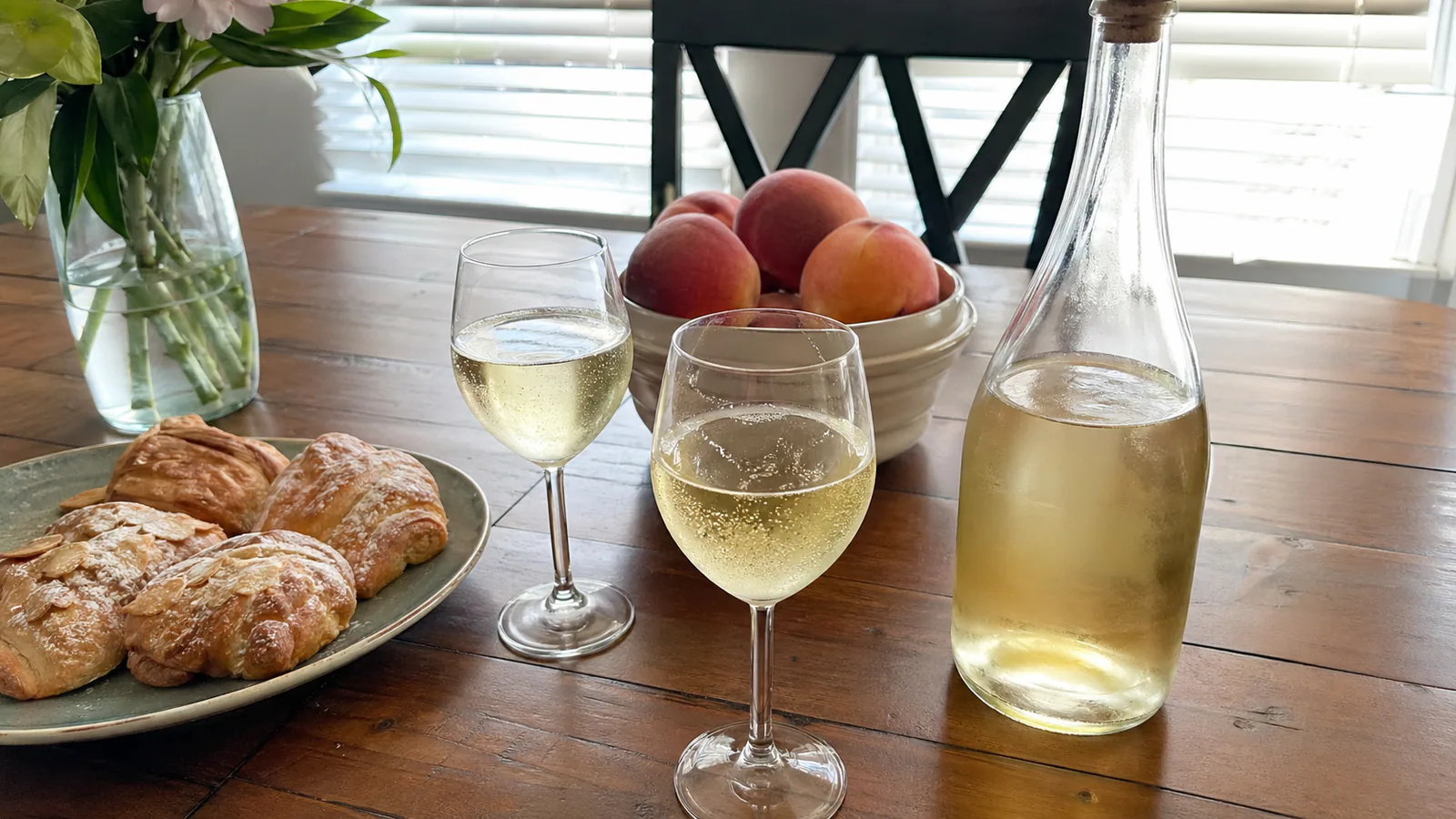
Best Moscato Wine: 13 Bottles Worth Buying in 2026
13 best Moscato wines across Moscato d'Asti, Asti Spumante, still, and premium Passito styles. Every bottle live at a major retailer, every pick verified.
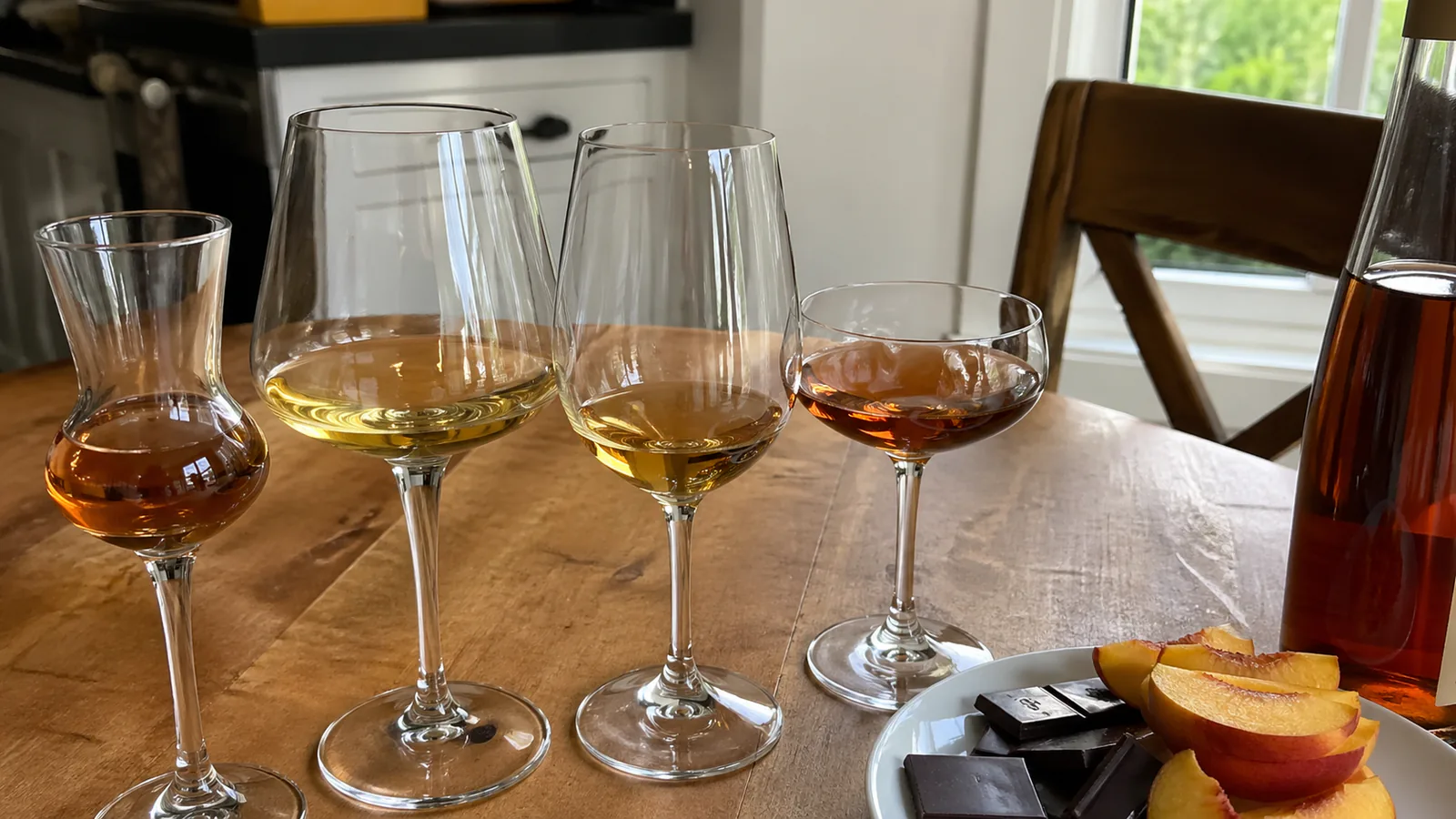
Best Sweet Wines: 12 Bottles Across Every Sweet Style
12 best sweet wines across Riesling, Moscato, sweet reds, Port, Sauternes, Tokaji, and Ice Wine. Every bottle sweetness-rated and verified live.
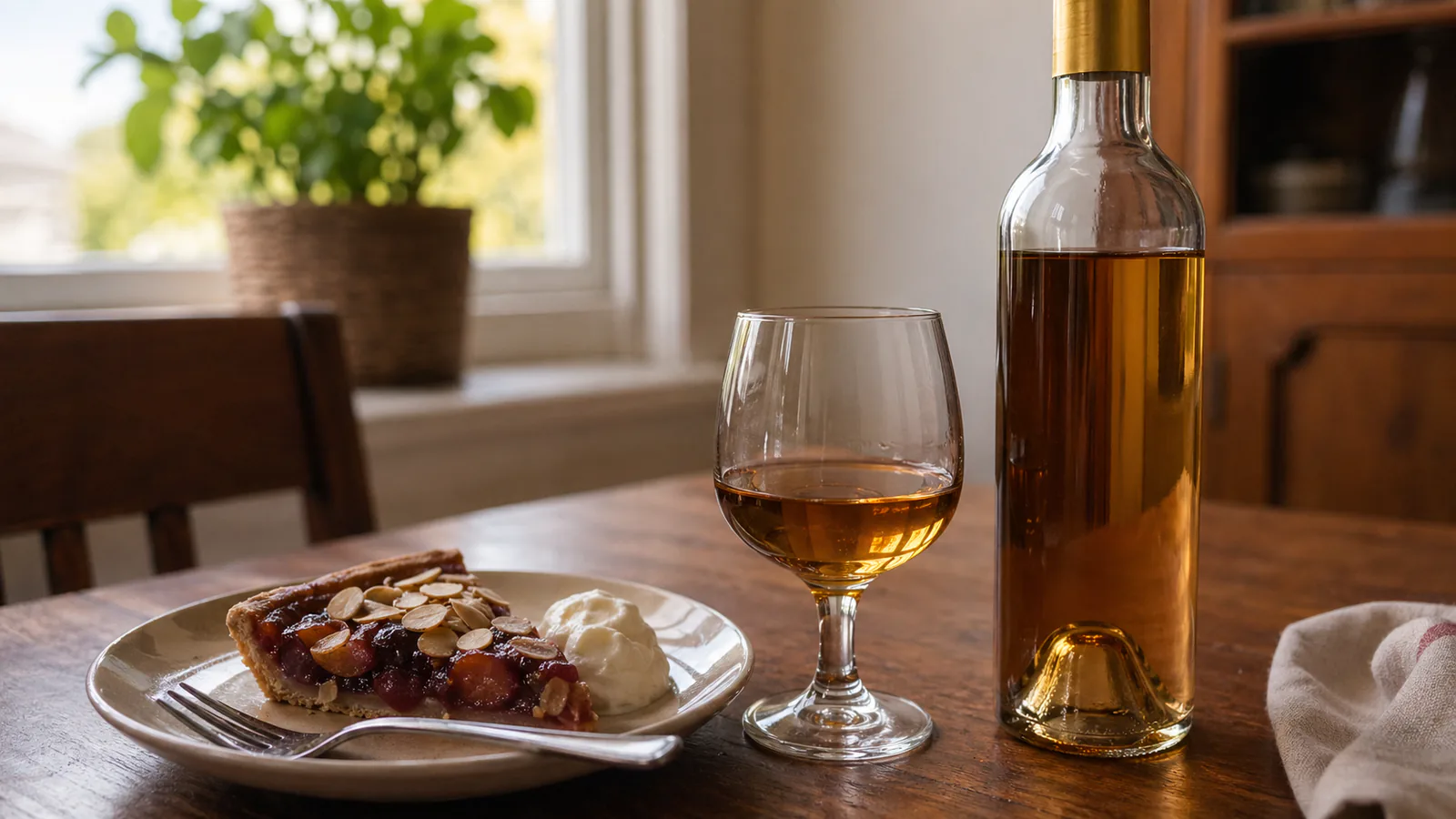
Dessert Wine Guide: Sweet Styles Worth Trying
The major styles of dessert wine explained: how they're made, how sweet they actually are, and which bottle to open with what.