
Claire Bennett
Wine Editor25 min read
Best Sweet Red Wines Worth Trying Right Now
If dry reds aren't your thing, these sweet reds deliver fruit-forward flavour without the tannin bite. Eight bottles worth knowing about.

Liking sweet red wine is a completely valid preference, and the people who tell you otherwise have just decided their palate is the benchmark. Finding a good sweet red wine is easier than ever right now. This style of wine has come a long way, and winemakers are crafting bottles with genuine sweet fruit, fresh berry flavours, and floral notes that the cheap sweet reds of earlier decades never had.
These wines are approachable in the best sense: the fruit flavours lead, tannin stays in the background, and the drinking experience rewards you from the first sip. They’re the perfect sweet red wines for beginners who want to explore beyond rosé and white wine. Unlike dry reds that ask for your patience, sweet reds give you the wine experience immediately: sweet fruit, freshness, and flavour without the acquired taste learning curve.
This list covers the full range of sweetness: from lightly fizzy Lambrusco and delicate Brachetto d’Acqui to richer semi-sweet styles like Apothic Red and late-harvest Zinfandel. Whatever you’re pouring for and whoever you’re pouring for, there’s something here. Every wine on this list is genuinely sweet. We’ll note how sweet each one is so you can calibrate.
Our Top 3 Picks

Mionetto Sergio Lambrusco Reggiano Dolce NV
Emilia-Romagna, Italy · Lambrusco
88 pts Wine Enthusiast


Banfi Rosa Regale Brachetto d'Acqui 2023
Piedmont, Italy · Brachetto
90 pts Wine Enthusiast
Prices vary by state. Click through for your current price.
1. Mionetto Sergio Lambrusco Reggiano Dolce NV
Lambrusco is the wine that wine snobs have been wrong about for decades. Made in Emilia-Romagna in northern Italy, it’s lightly sparkling, genuinely sweet, and built for the way Italians actually eat: pizza, charcuterie, thick pasta with ragù. The region has been making it since Roman times, and the good producers have never apologised for the sweetness.
Mionetto’s Sergio Dolce is the entry point worth knowing about. It pours a deep ruby-violet, throws a soft fizz, and delivers notes of cherry and plum alongside fresh berry and floral aromas that open as it warms. You get bright red berries on the palate: fruity, clean, with a freshness that keeps it lively rather than syrupy. It’s closer to quality sweet sparkling wine than glorified grape juice. The bubbles and natural acidity do the work. Serve it cold, straight from the fridge.
2. Apothic Red Winemaker’s Blend NV
There’s a reason this is one of the most popular red wines in the country. Apothic Red is a California red blend from the United States, made from Zinfandel, Merlot, Syrah, and Cabernet Sauvignon that leans deliberately into dark fruit sweetness: blackberry, mocha, hints of spice, and a hint of vanilla from American oak. It’s medium-bodied with a smooth finish, and the mouthfeel is closer to velvet than grip. It picks up 4.4 stars from thousands of verified customer reviews.
The residual sugar is noticeable but not over the top. Among modern sweet reds, it sits comfortably in the middle of the sweetness scale. If you’ve had it before and want something one step up, look at Apothic Dark or Apothic Crush. If this is your first time in the semi-sweet red category, Apothic Red is where to start. It works with barbecue, burgers, dark chocolate, and honestly, on its own on a Friday night.
3. Banfi Rosa Regale Brachetto d’Acqui 2023
Brachetto d’Acqui is a DOCG wine from Piedmont that sommeliers genuinely love pairing with chocolate desserts. It’s lightly sparkling, rose-pink in the glass, and the floral notes and red berries hit you before you’ve even taken a sip. Think raspberries, rose petals, and a perfect balance of sweetness and acidity that keeps every glass feeling fresh. Banfi’s Rosa Regale is the bottle that put Brachetto on the map in the US, and it’s still the best version for most people.
Wine Enthusiast has scored it 90 points. It pairs spectacularly with dark chocolate, fresh strawberries, and creamy desserts. It also works as a standalone dessert wine: sweet enough to feel indulgent, light enough (7.5% alcohol) that you won’t feel like you’ve overdone it. If you’re buying a bottle for someone with a sweet tooth and want to look like you know what you’re doing, this is the one.
4. Castello del Poggio Moscato Rosso NV
Moscato is usually a white wine or peach-coloured rosé, but the red version deserves its own moment. Castello del Poggio’s Moscato Rosso comes from Piedmont, carries a light sparkle, and hits somewhere between a red dessert wine and a fruit-forward rosé. It’s low in alcohol (around 5.5%), very sweet, and loaded with sweet fruit: cherry, raspberry, and wild strawberry berry flavours with a floral note that makes it feel more delicate than its sweetness level suggests.
This is the bottle that converts someone who thinks they don’t like wine at all. It’s uncomplicated, immediately likeable, and costs well under $15. Pour it cold alongside cheese, fruit platters, or light desserts. It also makes an excellent base for a low-alcohol summer punch if you want to stretch it further.
5. Jam Jar Sweet Shiraz 2022
South African wine from the Western Cape, grown in a warm climate that concentrates the dark fruit. Jam Jar does exactly what it promises on the label: blackberry jam, plum, and a soft chocolatey finish. The sweetness level sits firmly in medium-sweet territory, which makes it one of the more versatile bottles on this list. It’s slightly peppery at the finish and turns savory as it warms up, making it genuinely good with savoury cuisine rather than just dessert.
It sells consistently at 4.3 stars from a large pool of customer reviews, and it clocks in around $12 to $15. If you like the Apothic Red style but want something with more structure, Jam Jar is the natural next step. It pairs well with spicy food because the sweetness counterbalances heat, and the savory and sweet combination works particularly well with barbecue and grilled lamb.
6. Sutter Home White Zinfandel 750ml
White Zinfandel gets treated as a punchline, and Sutter Home is the producer that made the category. The wine is pink, cold, refreshing, and genuinely enjoyable on a warm evening in a way that a tannic Cabernet isn’t.
The flavour profile is strawberry, watermelon, and a clean, slightly tart finish. It works as an aperitif before a meal, as an appetizer companion with cured meats and dips, and as the kind of pour that complements any casual gathering without demanding explanation. It pairs well with light summer cuisine: salads, grilled fish, and anything where you want the wine to stay in the background. At under $8 a bottle, it’s the most affordable option on this list. Stock it for parties and barbecues.
7. Quady Winery Elysium Black Muscat 2022
This is where the list gets more serious. Quady’s Elysium is a dessert-style sweet red from California’s San Joaquin Valley made from Black Muscat grapes, and it’s one of the most distinctive bottles you’ll find in this category. Deep garnet in colour, intensely aromatic, and rich with rose petal, raspberry, and a perfumed finish that lingers. The mouthfeel is thick and silky: the drinking experience is unlike anything else in this price range.
Ripeness is everything in a wine like this. The grapes are harvested at peak sweetness, and the winemaking involves fortification to around 15% alcohol. That makes it a fortified wine in the same family as Port, just made from Muscat in California rather than Douro Valley Touriga. Wine Enthusiast scored it 90 points. Serve it slightly chilled alongside chocolate cake, blue cheese, strawberry-based desserts, or anything with umami and spice. If you want to introduce someone to dessert wine and skip the usual suspects, this is the bottle that gets the conversation going.
8. Recioto della Valpolicella Classico DOC (Allegrini)
Recioto della Valpolicella is the wine that Amarone was accidentally invented from. Corvina grapes are dried on mats for several months in a process borrowed from straw wine production, concentrating the sugars and flavours before fermentation begins. With Amarone, the fermentation runs to dryness. With Recioto, winemakers stop it early, leaving behind a luscious amount of residual sugar. The drier Amarone gets most of the recognition, but serious viticulture enthusiasts often argue Recioto is the harder achievement. Aging of wine like this takes patience: the best examples spend years in barrel before release.
Allegrini’s version tastes like fruit preserves: dark cherry, dried fig, and cocoa with subtle hints of sweet tobacco. It’s rich, velvety, and long. Wine Enthusiast has scored it consistently in the 91 to 93-point range. Serve it at room temperature alongside aged hard cheeses, dark chocolate, or a chocolate-walnut tart. This is the bottle to open when you want to show someone that sweet wine can be genuinely sophisticated.
More Sweet Reds Worth Knowing
The eight bottles above cover the main styles available in the US. But the sweet red category runs wider. A few more worth knowing for your wine education:
Barefoot Sweet Red
Barefoot Sweet Red is the most widely stocked quality sweet red in US grocery stores. The Barefoot sweet red blend is a reliable entry point if you want something even more approachable and affordable than the bottles above. It’s a California red that consistently wins over wine-curious friends at gatherings.
Sweet Merlot
Merlot-based sweet reds are less common than Zinfandel or Shiraz styles, but worth knowing about. A good sweet Merlot tends toward plum, dark cherry, and a velvety texture without the tannin grip that puts many beginners off. Residual sugar content keeps these wines approachable from the first sip. Pair with cheese and charcuterie or alongside anything from the barbecue.
Dornfelder
Dornfelder is a German grape variety grown primarily in the Rheinhessen and Pfalz regions that produces soft, low-tannin sweet reds with notes of blackberry, cherry, and gentle spice. Germany has been growing Dornfelder since the 1970s, and it’s worth tracking down if you want something different. The deep red color is striking in the glass and the style tends toward the lightly sweet end of the spectrum.
Cardinale: California Red at the Premium End
Cardinale produces a rich California red at the premium end of the spectrum. Worth exploring once you’ve worked through the bottles on this list and want to understand what the style of wine can achieve at a higher price point.
Vintage Port
Vintage Port is the classic fortified wine for serious sweet red drinkers: concentrated, complex, and built for aging of wine over decades. If you loved the Quady Elysium, Port is the natural next step.
Sherry
Sherry in its sweeter styles (Pedro Ximénez) sits at the intersection of sweet and savory, delivering dried fruit, caramel, and a mouthfeel that pairs surprisingly well with aged cheese and desserts.
Maury AOC
Maury AOC from Roussillon in France is a fortified sweet red from Grenache: rich, complex, and one of the best-value alternatives to vintage Port.
Madeira Wine
Madeira wine in its sweeter styles delivers caramel, dried fruit, and a complexity that comes from a distinctive winemaking process involving deliberate heat and oxidation. Bual and Malmsey are the sweetest expressions.
Champagne and Sparkling Wine
Champagne and sparkling wine sit in a different category entirely: even sweet Champagne styles (demi-sec) are drier than the sparkling sweet reds on this list.
Find Your Wine Match
Not sure which one? Take the 20-second quiz.
Three quick questions. One matched bottle.
What are you pairing it with?
When are you drinking it?
How sweet do you like it?
Let's find the right bottle for you.
Tell us a bit about the occasion and what you're after. We'll match you to one of the bottles on this page.
Photo by Skyler Ewing on PexelsReading your answers…
How We Chose These Wines
Frequently Asked Questions
What makes a red wine sweet?
Sweetness in wine comes from residual sugar, the natural grape sugar left over after fermentation. When yeast converts sugar into alcohol during fermentation, winemakers can stop the process early by chilling the wine or adding neutral spirit. A dry red wine ferments almost all the sugar into alcohol. A sweet red like Recioto della Valpolicella or a Lambrusco Dolce stops fermentation deliberately, leaving behind enough sugar to taste clearly sweet in the glass. Ripeness at harvest also plays a role: grapes picked late have more sugar, which gives winemakers more to work with.
Is sweet red wine lower in alcohol?
Often, but not always. Lightly sparkling sweet reds like Moscato Rosso and Brachetto d’Acqui tend to clock in at 5.5 to 7.5% alcohol, which is noticeably lower than a typical dry red at 13 to 14%. Fortified sweet reds like Quady’s Elysium Black Muscat run higher, around 15%. Semi-sweet still reds like Apothic Red are generally in the 13% range, similar to dry reds.
What food pairs best with sweet red wine?
The classic pairing is sweet with sweet: Brachetto d’Acqui with dark chocolate, Recioto with a walnut and chocolate tart. Our chocolate and wine pairing guide breaks down which cocoa percentage matches which sweetness level. But sweet reds also work well with salty and spicy flavours. Lambrusco with charcuterie and pizza is a classic Italian combination. Jam Jar Sweet Shiraz handles spicy food particularly well because the sweetness counteracts heat. White Zinfandel alongside summer barbecue is one of the most underrated pairings in casual entertaining.
Can sweet red wine age well?
Most sweet reds are made to drink young and fresh: Lambrusco, Brachetto, Moscato Rosso, and semi-sweet blends like Apothic Red are best within two to three years of the vintage. Rich dessert-style sweet reds are a different story. Recioto della Valpolicella from a quality producer can age ten years or more, developing dried fruit and earthy complexity over time. If you’re buying to age, stick to the concentrated, higher-sugar styles rather than the lightly sparkling ones.
What type of red wine is the most sweet?
Fortified wines carry the highest residual sugar content. Vintage Port, Maury AOC, and Pedro Ximénez Sherry sit at the extreme end of sweetness: rich, concentrated, and built for small pours alongside dessert. Of the unfortified sweet reds, late-harvest Zinfandel and Recioto della Valpolicella are at the richest end. If you want maximum sweetness in a lower-alcohol format, look at Brachetto d’Acqui or Moscato Rosso. Both deliver intense fruit sweetness without the weight of a fortified wine.
What are the top 3 sweet wines?
For everyday wine drinking, the most reliable sweet reds are Apothic Red (a consistent, widely available California blend), Mionetto Lambrusco (the best lightly sparkling option), and Banfi Rosa Regale Brachetto d’Acqui (the top pick for pairing with dessert). For sweet whites and dessert wines alongside these reds, our best sweet wines round-up covers Moscato, late-harvest Riesling, and Sauternes too. If you want to step up in quality, Recioto della Valpolicella and Quady Elysium Black Muscat are the two bottles that prove sweet wine can be as serious as anything on a restaurant wine list.
What wine is best for GERD?
GERD (acid reflux) is often aggravated by high-acid and high-alcohol wines. The phenolic content in tannic red wines can also irritate the oesophagus for some people. If you have GERD and want to drink red wine, lower-alcohol sweet reds are generally less problematic: Brachetto d’Acqui and Moscato Rosso both sit under 8% alcohol and carry low tannin levels. Avoiding very acidic wines and chilling the wine slightly can also help. That said, individual responses vary and you should talk to a doctor if wine regularly triggers symptoms.
What is a semi-sweet red wine?
Semi-sweet red wine sits between fully dry and dessert-level sweetness on the scale. Technically, a wine carries the semi-sweet label when it contains roughly 12 to 45 grams of residual sugar per litre. In the glass, you’ll notice the sweetness clearly: fruit flavours are pronounced, tannins are soft, and there’s no drying sensation at the finish. Apothic Red is the most widely drunk semi-sweet red in the US. Jam Jar Sweet Shiraz sits in a similar range. Both pair well with savoury food because the sweetness counterbalances salt and spice.
What makes South African sweet red wine worth trying?
The Western Cape’s warm climate produces Shiraz grapes with concentrated dark fruit and high natural sugar, which gives South African sweet reds their signature jammy intensity. Jam Jar Sweet Shiraz is the best-known example in the US market: blackberry, plum, and a chocolate finish that works better with spicy food than most European sweet reds. South African sweet reds also tend to offer strong value at the $12 to $15 price point compared to equivalent styles from France or Italy.
Can red wine lower cholesterol?
Some research suggests that moderate wine consumption is associated with higher HDL (good) cholesterol levels, potentially due to compounds like resveratrol and other polyphenols found in red grape skins. Sweet red wines contain these same compounds. The residual sugar doesn’t significantly change the cardiovascular picture. The more important variable is overall alcohol intake and drinking patterns rather than whether the wine is sweet or dry.
Keep Reading

Best Sweet Wines: 12 Bottles Across Every Sweet Style
12 best sweet wines across Riesling, Moscato, sweet reds, Port, Sauternes, Tokaji, and Ice Wine. Every bottle sweetness-rated and verified live.
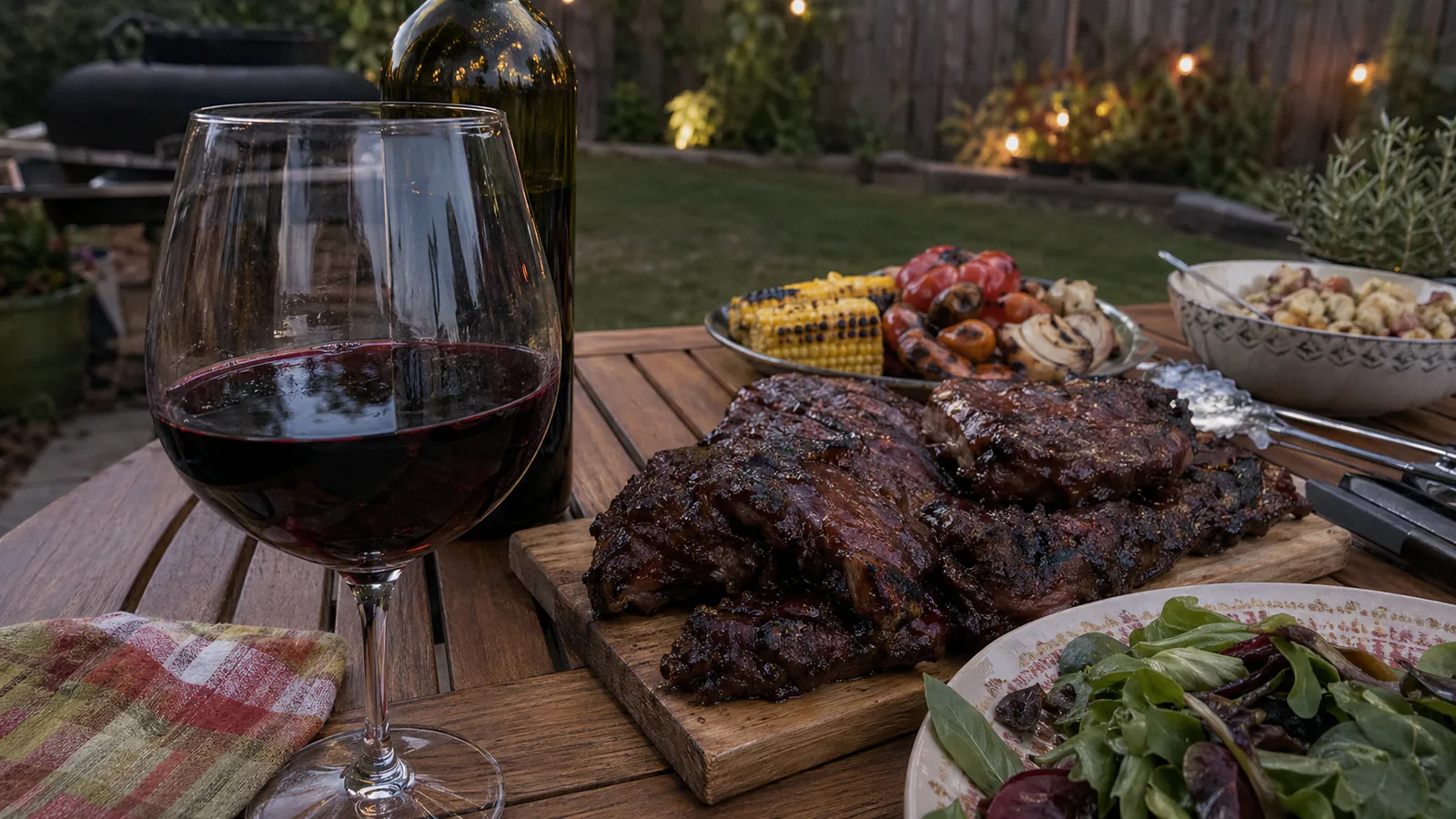
Zinfandel Wine: Taste, Regions, Pairings, Price Guide
What Zinfandel actually tastes like, why it's bigger than most reds, the difference from White Zin, and the food it pairs with. A plain-English Zin guide.
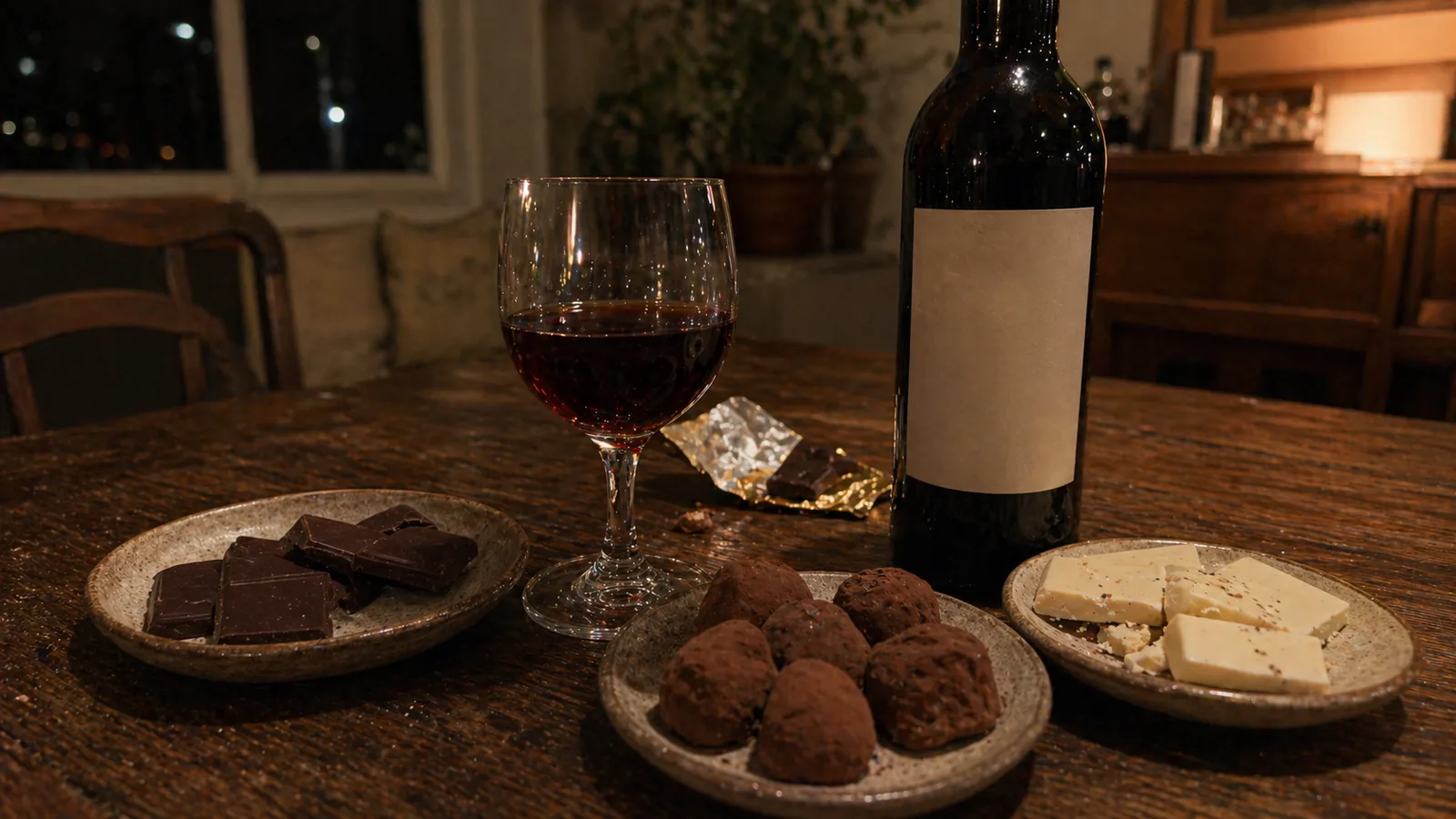
Chocolate Wine Pairing: What Actually Works
Pair wine with dark, milk, and white chocolate without the bitter clash. The sweetness rule, the bottles to grab, and the mistakes to dodge.