
Claire Bennett
Wine Editor11 min read
Tempranillo Wine: Taste, Regions, Pairings, Price Guide
What Tempranillo tastes like, how Rioja's ageing tiers work, the food it pairs with, and how to spot the best value bottles. A plain-English guide.
Tempranillo Wine: Taste, Regions, Pairings, Price Guide
Spain’s flagship grape is also one of the best value reds on the shelf. A Tempranillo Crianza at $15 has more character than most $30 Cabernets: cherry, leather, tobacco, and a savoury edge that makes it genuinely better with food rather than just alongside it. It’s the most planted red variety in Spain and shows up under different names across the entire Iberian Peninsula. This guide covers what’s in the bottle, what Crianza and Reserva actually require, and why the same grape tastes so different out of Rioja versus Ribera del Duero.
By the end of this page you’ll know:
- The Spanish ageing system that tells you exactly how the wine was made before you uncork it
- The single oak choice that gives Rioja its dill-and-coconut signature (and why Ribera del Duero rejects it)
- The Portuguese fortified wine that’s secretly built on the same grape you’ve been drinking with your tapas
- The cut of meat that turns a $14 Crianza into a memorable bottle
- The Spanish sub-region quietly making cheaper, fresher Tempranillo than Rioja, and how to find it
What Is Tempranillo?
Tempranillo is a thick-skinned black grape native to Spain, where it’s been cultivated for at least 2,000 years. The name comes from “temprano,” Spanish for “early,” because the grape ripens earlier than most Spanish reds. It’s the most planted red variety in Spain and one of the few wine grapes that genuinely defines a country’s wine identity.
The grape grows under different names across the Iberian Peninsula. In Rioja and Ribera del Duero it’s Tempranillo. In the Toro region it’s Tinta de Toro. In Catalonia it’s Ull de Llebre. In Portugal, where it plays a major role in Port and Douro reds, it’s Tinta Roriz or Aragonez. Same grape, different identities depending on the local tradition.
Tempranillo on its own produces a wine with moderate acidity, medium-to-full body, and a savoury edge. It’s often blended with Garnacha (Grenache), Mazuelo (Carignan), and Graciano in Rioja to add fruit, structure, and aromatic lift. In Ribera del Duero it’s usually flying solo or blended with a small amount of Cabernet.
The grape’s signature trick is how well it takes to oak ageing. American oak in particular contributes a distinctive dill, coconut, and vanilla character that became Rioja’s calling card in the 19th and 20th centuries. Modern producers increasingly use French oak for a tighter, more restrained profile, especially in Ribera del Duero.
What Does Tempranillo Taste Like?
Tempranillo sits in the medium-to-full body range with a savoury, food-friendly profile that distinguishes it from fruit-forward New World reds. The flavour profile depends heavily on region and oak choice.
Quick stat block:
- Body: medium to full
- Tannins: medium, structured but rarely aggressive
- Acidity: medium to medium-high
- Alcohol: 13–14.5% ABV typically
- Oak: essential to the style, American oak in classic Rioja, French oak increasingly common
- Sweetness: dry
- Colour: ruby with garnet edges in older bottles
Common flavour notes: red and black cherry, plum, dried fig, leather, tobacco, dried herbs, dill (from American oak), coconut and vanilla (from American oak), cedar (from French oak), and a faint earthy or iron quality.
The dill note is the giveaway. If you’re drinking a Spanish red and you taste something that reminds you of pickle brine or fresh herbs, that’s American oak meeting Tempranillo, and it’s pure Rioja. Younger Tempranillo (Joven, Crianza) leans into bright cherry and red fruit. Older bottles (Reserva, Gran Reserva) develop savoury, leathery, dried-fruit character that can be remarkable after 15 to 20 years.
Ribera del Duero Tempranillo is a different animal: bigger, riper, with darker fruit (blackberry, black plum), more tannin, and less of the dill-and-coconut character. Modern Ribera tends toward power. Classic Rioja tends toward elegance.
Where Is Tempranillo Grown?
Tempranillo is grown across Spain, Portugal, and increasingly in California, Texas, Australia, and Argentina. The Spanish regions are still where the grape shows its best work.
Rioja, Spain
The most famous home for Tempranillo. Rioja sits in northern Spain along the Ebro River and produces a huge range of styles, from young Joven wines drunk within a year of vintage to Gran Reserva bottles aged for a decade or more before release. The classic Rioja style is medium-bodied, savoury, and oak-driven, with cherry, leather, dill, and coconut at the centre. Producers worth knowing: López de Heredia, La Rioja Alta, Marqués de Murrieta, CVNE, Bodegas Muga.
Rioja’s official ageing tiers, which appear on every bottle:
- Joven (or “Generic”): little to no oak, drink within 1 to 2 years.
- Crianza: at least 2 years total ageing, with a minimum of 12 months in oak. The everyday tier and often the best value.
- Reserva: at least 3 years total ageing, with a minimum of 12 months in oak. More structured, more savoury.
- Gran Reserva: at least 5 years total ageing, with a minimum of 24 months in oak. Made only in top vintages. The pinnacle of classic Rioja style.
Ribera del Duero, Spain
The other prestige region, sitting on the high plateau of Castilla y León. Tempranillo is called Tinto Fino or Tinta del País here, and the wines are bigger, riper, and more powerful than classic Rioja. Vega Sicilia is the iconic name, with Pingus, Tinto Pesquera, and Aalto setting the modern benchmark. Expect dark fruit, firm tannins, French oak, and serious ageing potential.
Toro, Spain
Toro produces a muscular, high-alcohol style of Tempranillo (locally Tinta de Toro) from old, often own-rooted vines. The wines are dense, dark, and built for steak. Producers: Numanthia, Vega Sauco, Bodega Maurodos.
La Mancha and Castilla, Spain
The largest wine region in Spain by area, La Mancha makes a flood of value Tempranillo, often labelled simply as “Vino de la Tierra de Castilla” or sold as Crianza without the Rioja name. These bottles can be excellent value at $8 to $12, with simple, fruit-driven Tempranillo perfect for casual drinking.
Portugal (as Tinta Roriz / Aragonez)
In Portugal, Tempranillo is one of the key grapes in Douro reds and Port wine. Tinta Roriz (in the Douro) and Aragonez (in the Alentejo) bring structure and dark fruit to blends. Pure varietal bottlings are rare but excellent.
Texas, USA
Texas High Plains has emerged as the most successful American region for Tempranillo, with the dry climate and heat suiting the grape. Producers like McPherson Cellars and Lost Draw are worth seeking out for a curiosity buy.
Australia and Argentina
Smaller plantings, occasionally interesting. Australian Tempranillo from McLaren Vale or the Adelaide Hills tends to be brighter and fruitier than the Spanish original. Argentine Tempranillo is often blended with Malbec or Bonarda.
What Food Pairs With Tempranillo?
Tempranillo is one of the most food-flexible reds you can buy. Its medium body, moderate tannin, and savoury character mean it pairs with both lighter dishes (where bigger reds would dominate) and bold ones (where lighter reds would buckle).
Specific pairings that bring out the wine’s best:
- Slow-roasted lamb shoulder. The classic Spanish match. The wine’s leather and tobacco echo the meat’s richness.
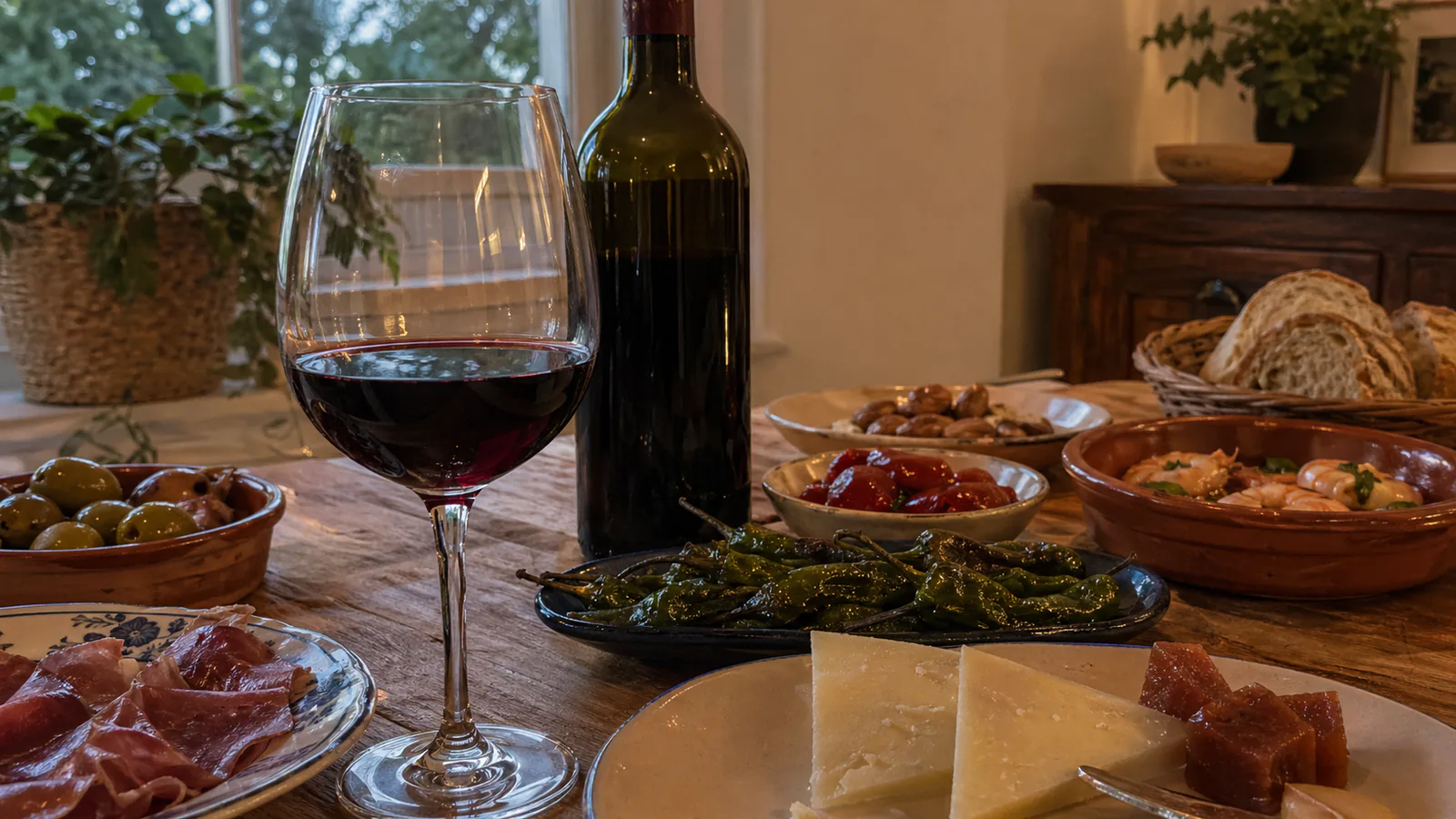
- Jamón ibérico or serrano ham. Salty, fatty, intensely flavoured. Tempranillo is built for it.
- Seafood paella. The sweet rice, saffron, and seafood meet the wine’s fruit and savoury depth perfectly.
- Chorizo and morcilla (blood sausage). Spice and fat against ripe cherry and oak.
- Manchego cheese. Sheep-milk nuttiness loves Tempranillo’s earthy edge.
- Roast pork loin with garlic and rosemary. The herbs lock into the wine’s dried-herb character.
- Grilled lamb chops with smoked paprika. Smoke meets oak. Tempranillo is also a top pick for the rest of the BBQ table.
- Grilled vegetables with romesco sauce. Almonds, peppers, garlic. A vegetarian match that holds its own.
- Beef tapas (steak skewers, albondigas). The wine’s structure handles red meat without overwhelming the smaller portions.
- Hard aged cheeses, especially Idiazabal or aged Manchego. Salt and nuttiness pair with the wine’s dried fruit notes.
What to avoid: cream-based dishes, light raw fish, bright fruity desserts. Tempranillo wants savoury food.
How Should I Serve Tempranillo?
Temperature: 15–17°C for Crianza and Joven, 16–18°C for Reserva and Gran Reserva. Spanish reds are particularly sensitive to being served too warm, where the alcohol takes over and the savoury notes vanish. If your house is warm, 15 minutes in the fridge before opening makes a noticeable difference.
Glassware: a Bordeaux-style glass works for most Tempranillo. For older Reserva and Gran Reserva bottles, a Burgundy-style glass with a wider bowl helps the delicate aromatics.
Decanting: young Crianza usually doesn’t need it. Reserva benefits from 30 minutes in a decanter. Gran Reserva and older Ribera del Duero need 45 to 60 minutes, but be gentle with bottles over 15 years old: the wine can fade quickly with too much air.
Ageing: this is where Tempranillo shines. Crianza is ready to drink on release and improves for 3 to 5 more years. Reserva drinks well at release and ages 10 to 15 years. Gran Reserva is built for 20+ years. Top Ribera del Duero (Vega Sicilia, Pingus) can age 30 years or more. The wine that comes out at the other end of long ageing is one of the most rewarding experiences in red wine.
How Much Should I Spend on Tempranillo?
Tempranillo is one of the best-value categories on the shelf. The Spanish ageing tiers do a lot of the work for you, telling you what the producer has already invested in the wine before you buy it.
- Under $10: entry-level La Mancha or Castilla Tempranillo. Simple, fruit-forward, useful for sangria or weeknight pasta.
- $12 to $20: the value sweet spot. Rioja Crianza from Bodegas Muga, CVNE Cune, Marqués de Cáceres, and Faustino. This is where you find genuine Rioja character with oak ageing already paid for. Toro and entry-level Ribera del Duero also sit here.
- $20 to $40: Reserva-level Rioja, mid-tier Ribera del Duero, single-vineyard wines. La Rioja Alta Viña Ardanza, CVNE Imperial, Tinto Pesquera, Aalto. This is where the wine starts showing serious depth and ageing potential.
- $40 to $100: Gran Reserva Rioja, top Ribera, Vega Sauco’s flagship Toro. López de Heredia Viña Tondonia, Marqués de Murrieta Castillo Ygay, Pesquera Janus.
- $100 and up: Vega Sicilia Único, Pingus, Bodegas Roda Cirsion. Collector territory.
If you’re new to Tempranillo, buy a $15 Rioja Crianza and a $20 Ribera del Duero, drink them within a week, and you’ll learn more about the grape than any tasting note can teach you.
Frequently Asked Questions
Is Tempranillo sweet?
No, Tempranillo is a dry red wine. The ripe fruit and oak ageing can give a soft, rounded impression on the palate, especially in Crianza-level Rioja, but the actual sugar content is low. If you want something noticeably sweet, look at Pedro Ximénez sherry or late-harvest reds instead.
What’s the difference between Rioja and Tempranillo?
Tempranillo is the grape. Rioja is a region in northern Spain that’s famous for making wine from Tempranillo, often blended with Garnacha, Mazuelo, and Graciano. Almost all red Rioja is Tempranillo-dominated, but you can drink Tempranillo from Ribera del Duero, Toro, or other regions and get a completely different style.
What does “Crianza” mean on a Spanish wine label?
Crianza is the entry-level Spanish ageing tier. For red wine, it means the bottle has been aged at least 2 years total before release, with at least 12 months in oak barrels. Crianza is often the best value tier in Rioja: real oak character, real ageing, at $12 to $20.
Is Ribera del Duero better than Rioja?
Different, not better. Ribera del Duero makes a riper, bigger, more powerful style of Tempranillo. Rioja makes a more elegant, savoury, oak-driven style. Most serious wine drinkers eventually keep both regions in regular rotation. If you like ripe fruit and structure, Ribera. If you like savoury complexity, Rioja.
How long does an opened bottle of Tempranillo last?
Three to five days, re-corked and kept cool. Crianza is best within 2 to 3 days. Reserva and Gran Reserva can hold up to 5 days, with day two often showing the wine’s best face as the older oak integrates. A vacuum stopper helps. Don’t drink Gran Reserva on day six and judge it harshly: by then the wine has moved on.
Why does Rioja taste like coconut and vanilla?
Those notes come from American oak ageing. American oak releases more vanilla, dill, and coconut compounds than French oak, and the long oak-ageing tradition in Rioja makes those flavours a regional signature. Modern Rioja producers increasingly use French oak for a tighter, less obviously oaky style, but the classic dill-and-coconut profile is still considered the benchmark.
If you want to put this into practice with bottles that are actually worth buying, here are the best red wines under $20, with several Tempranillo picks that overdeliver on price.
Keep Reading
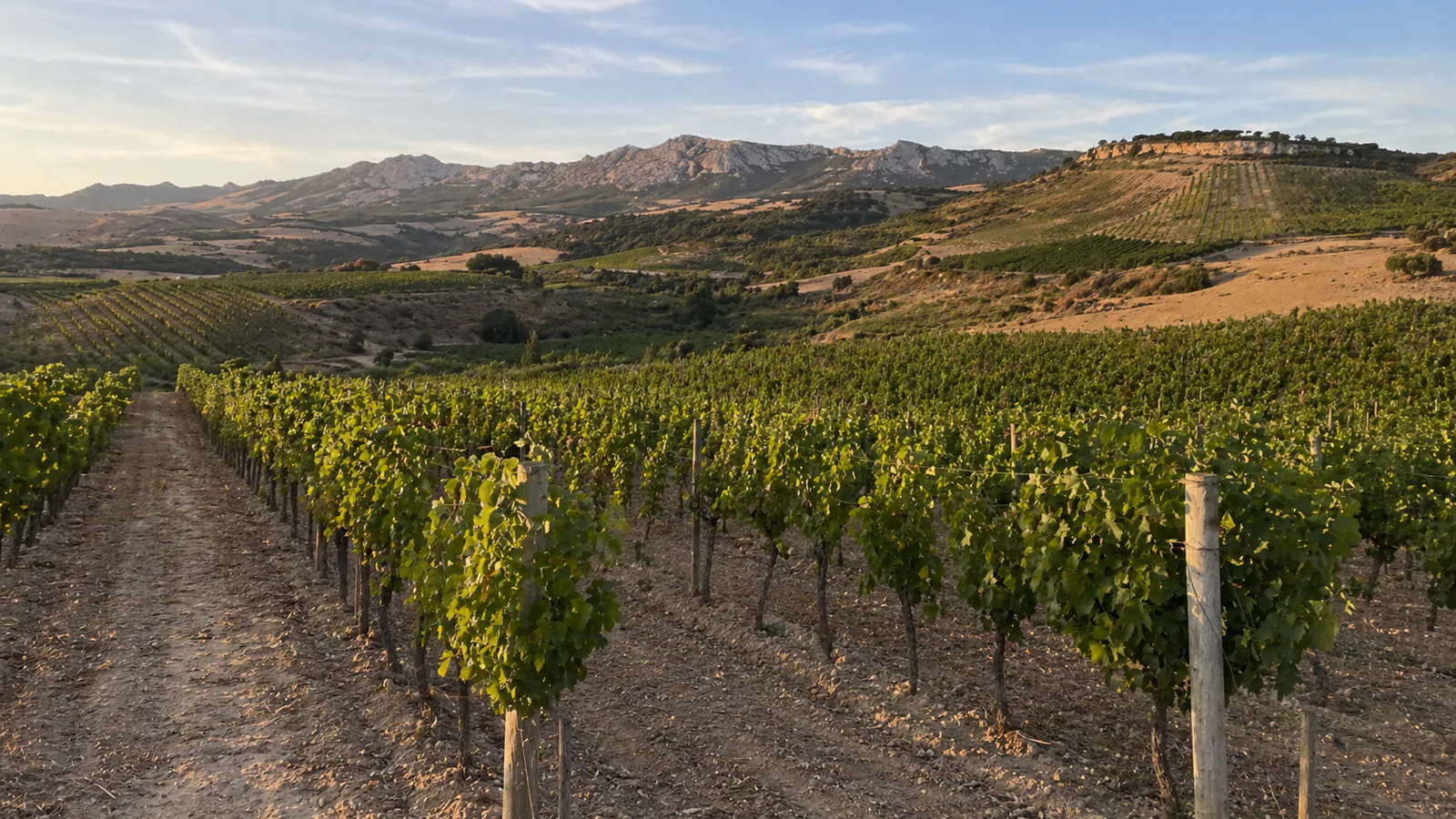
Rioja Wine: Styles, Aging, and What to Spend
What Rioja actually is, how Crianza, Reserva, and Gran Reserva differ, why it tastes like coconut, and the price sweet spot. Plain-English guide.
Best Dry Red Wines: 8 Bottles Worth Knowing
Eight bone-dry reds across Cabernet, Sangiovese, Tempranillo, Syrah, Malbec, Pinot, and Cab Franc. All under $30, all critically rated.
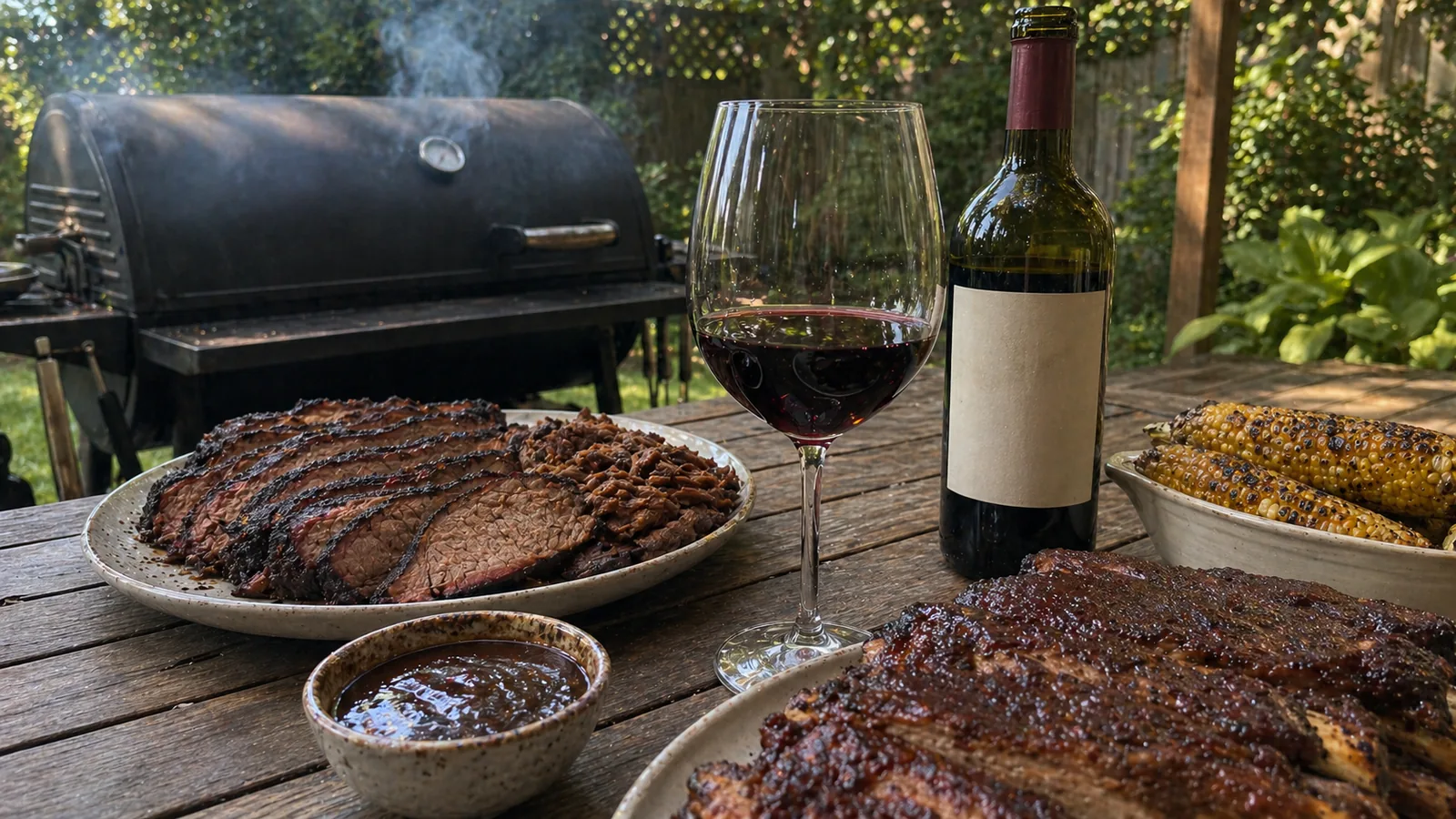
BBQ Wine Pairing: What To Pour With Every Smoke
The best wines for BBQ by meat and sauce, from Zinfandel with ribs to Malbec with brisket, plus rosé and Riesling for chicken and spicy sauces.