Claire Bennett
Wine Editor11 min read
Bordeaux Wine: A Plain-English Guide
What Bordeaux wine actually is, Left Bank vs Right Bank, the grapes, the labels, and how much to spend. The plain-English guide for everyday drinkers.
Bordeaux Wine: A Plain-English Guide
You’re at dinner. Someone hands you a Bordeaux and says “try this, it’s a really good one.” The label is gold-edged, the château name is something you can’t pronounce, and you have no idea if you’re holding a $20 bottle or a $200 one. You take a sip, nod, and say “wow, lovely.”
That moment is the reason most people quietly avoid Bordeaux for years. It looks intimidating and the rules feel made up.
Good news. Bordeaux runs on a few clear ideas. Once you’ve got those, you can read a label, guess the price within a tier, and pick a bottle that suits the night. Everything else is detail.
By the end of this page you’ll know:
- The single line that separates Left Bank from Right Bank (and why Merlot lovers usually prefer one)
- The five red grapes allowed in a Bordeaux blend, and which two do almost all the work
- Why a “Grand Cru Classé” sticker doesn’t always mean what people think it means
- The sub-region most savvy drinkers raid for $25 bottles that taste like $80
- The exact dish that makes a Left Bank Cabernet blend click into place
What Is Bordeaux Wine?
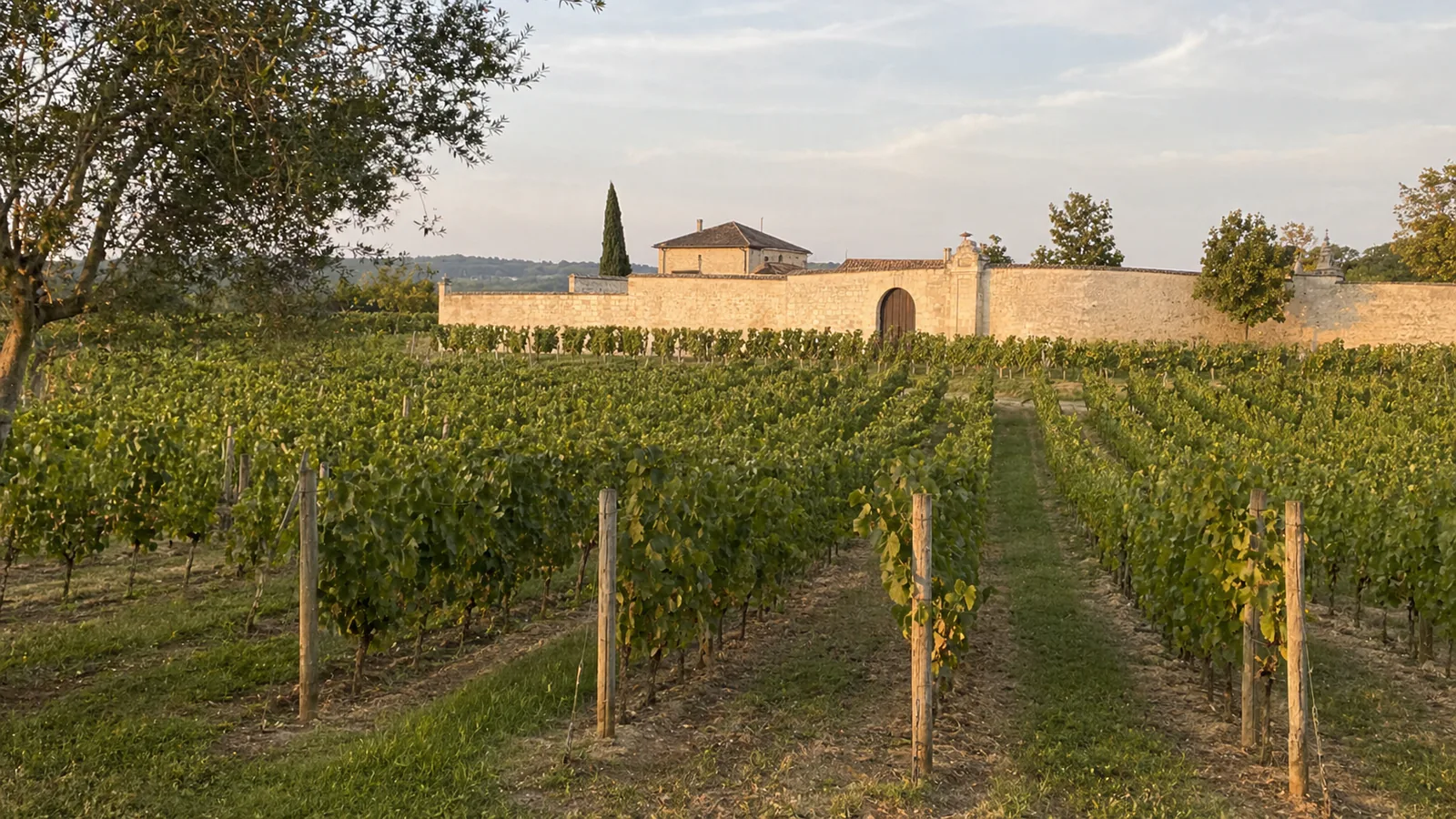
Bordeaux is a wine region around the city of Bordeaux in southwest France, near the Atlantic. It’s huge: roughly 270,000 acres under vine, more than 6,000 producers, and around 700 million bottles a year. That’s bigger than the entire wine output of New Zealand and Australia combined.
The region sits on either side of the Gironde estuary, which splits into two rivers: the Garonne and the Dordogne. Those rivers carve the region into two halves with different soils and different grape preferences. That’s where “Left Bank” and “Right Bank” come from. They’re literally the two banks of the water.
About 85% of Bordeaux production is red wine, almost always blended from a few specific grapes. The rest is dry white (mostly from Sauvignon Blanc and Sémillon), sweet white (the legendary Sauternes), and a small amount of rosé and sparkling Crémant.
Quality also runs across a wider price spread than almost any other wine region on earth. A basic AOC Bordeaux at the supermarket runs $12. A Château Pétrus from a strong vintage runs $5,000. They’re both technically “Bordeaux.” That’s why this guide matters.
Left Bank vs Right Bank: What’s the Real Difference?
If you remember one idea from this whole page, make it this one. Left Bank is Cabernet country. Right Bank is Merlot country. Everything else flows from that.
Left Bank sits west of the Gironde and includes the Médoc, Graves, and Pessac-Léognan. The soils are gravel and stone, which Cabernet Sauvignon adores. Wines are blends, but Cabernet Sauvignon is usually the dominant grape, often 50% to 80%, with Merlot, Cabernet Franc, and a splash of Petit Verdot rounding it out. The style is structured, firm, tannic, and built to age. Think blackcurrant, cedar, graphite, tobacco, leather.
Right Bank sits east of the Dordogne and includes Saint-Émilion and Pomerol. Soils are clay and limestone, which Merlot loves. Merlot is the dominant grape, often 60% to 100%, with Cabernet Franc as the main supporting player. The style is plusher, rounder, fruitier, and approachable younger. Think dark plum, black cherry, cocoa, soft tannin, velvety texture.
A useful shortcut: if you generally prefer New World Cabernet (Napa, Coonawarra), you’ll gravitate toward Left Bank. If you like rich, ripe Merlot or softer reds, Right Bank is where you’ll feel at home. Both are excellent. They’re two different wines made from largely the same toolkit.
What Grapes Go into a Bordeaux Blend?
Bordeaux only allows a handful of grapes in its blends. Knowing them tells you a lot about how a wine will taste before you’ve even opened it.
Red grapes
Cabernet Sauvignon. The Left Bank engine. Adds structure, tannin, blackcurrant fruit, cedar, and the ability to age for decades. Gives the wine its backbone.
Merlot. The Right Bank engine. Adds plummy fruit, softness, mid-palate weight, and approachability. Most globally planted Bordeaux grape by acreage.
Cabernet Franc. The supporting player on both banks, but the star in some Right Bank wines (Château Cheval Blanc is famously around half Cab Franc). Adds aromatic lift, raspberry and graphite notes, and a slight herbal edge.
Petit Verdot. Used in tiny amounts on the Left Bank, often 1% to 5%. Adds colour, spice, and a savoury floral note. Think of it as a seasoning grape.
Malbec. Once widespread in Bordeaux, now rare there. The grape moved to Argentina in the 1800s and made its name in Mendoza. You’ll still see small percentages in some traditional blends.
White grapes
Sauvignon Blanc. The backbone of dry white Bordeaux and the bracing half of the Sauternes blend. Adds citrus, gooseberry, and zip.
Sémillon. The richer half. Adds wax, lanolin, ripe stone fruit, and the texture that lets Sauternes age for 50+ years.
A small amount of Muscadelle also turns up in white blends, mostly for aromatic perfume.
What Does Bordeaux Wine Taste Like?
Bordeaux is rarely a one-grape solo. It’s the archetype of a wine blend, so the flavour profile depends on which bank, which sub-region, and which vintage you’ve picked. Three broad pictures cover most of what you’ll meet in the wild.
A classic Left Bank red (a Médoc, a Saint-Estèphe, a Pauillac) tastes of blackcurrant, cedar, graphite, tobacco leaf, and pencil shavings, with firm tannin and noticeable acidity. It often feels tight when young and smooths out over 5 to 15 years. Pair it with rare ribeye and you’ll see why people obsess over this region.
A classic Right Bank red (a Saint-Émilion, a Pomerol) tastes of black plum, cherry, cocoa, baking spice, and sometimes a meaty, savoury depth. The tannin is softer and the wine drinks well young. It feels generous and round, almost velvety on the mid-palate.
Dry white Bordeaux (mostly from Pessac-Léognan and Entre-Deux-Mers) tastes of grapefruit, lemon, white peach, and grass, with a waxy mid-palate from Sémillon. The serious bottles get oak aging and develop a creamy, age-worthy complexity that rivals white Burgundy.
Sweet Sauternes, made from grapes affected by noble rot, is its own universe: apricot, honey, ginger, marmalade, and a long, almost saline finish that keeps it from feeling cloying.
Which Bordeaux Sub-Regions Should You Know?
Bordeaux contains around 60 named appellations. You don’t need all of them. These five cover the wines you’re most likely to see on a shelf, and most likely to want in your glass.
Médoc and Haut-Médoc. The northern half of the Left Bank. Home to most of the famous Cabernet-led châteaux, including the four “First Growth” villages: Pauillac, Saint-Estèphe, Saint-Julien, and Margaux. Structured, age-worthy, classic.
Saint-Émilion. The Right Bank’s biggest name. Merlot-dominant, plush, rich, often more approachable than its Left Bank cousins. The town itself is a UNESCO site and worth a visit.
Pomerol. Tiny appellation next door to Saint-Émilion. No formal classification, but produces some of the most expensive wines on earth (Pétrus, Le Pin). Pure Merlot territory, voluptuous, with that famous iron and truffle character.
Pessac-Léognan. Just south of Bordeaux city. Makes both reds and serious dry whites. The reds have a smoky, mineral edge from the gravel soils. The whites are some of France’s best.
Sauternes. A small sweet-wine zone in Graves. Produces the world’s most famous botrytised dessert wines, including Château d’Yquem. A half bottle of decent Sauternes is one of wine’s great pleasures.
How Do You Read a Bordeaux Label?
Bordeaux labels look fancy and confusing, but they hide the same five things every time. One of those things, classification, is where new drinkers most often get burned by the 1855 Classification trap.
- Château name (or producer name). The estate.
- Appellation (the AOC). Tells you the sub-region: “Saint-Émilion Grand Cru,” “Pauillac,” “Margaux,” “Bordeaux Supérieur.”
- Vintage. The year the grapes were picked. Bordeaux vintages vary a lot, and the vintage often matters more than the producer at the cheaper end.
- Classification mention (sometimes). Things like “Grand Cru Classé,” “Cru Bourgeois,” or “Premier Grand Cru.”
- Bottled at the château. “Mis en bouteille au château” means estate-bottled, generally a good sign.
Here’s where new drinkers get burned. The famous 1855 Classification ranks Médoc châteaux into five tiers (First Growth through Fifth Growth) based on their average prices in 1855. It’s almost never been updated.
The list is interesting history, but it doesn’t reliably predict quality today. Some Fifth Growths consistently outperform Second Growths. Some First Growths trade on name alone in weaker vintages.
Saint-Émilion has its own classification, updated roughly every 10 years. Pomerol has none. “Cru Bourgeois” is a separate Médoc category covering quality producers below the 1855 list, and it’s often where the real value lives.
The shortcut: don’t pay extra just for the word “Classé.” Pay attention to the producer’s recent track record and the vintage. A good Cru Bourgeois in a strong year usually beats a weak Grand Cru in a poor year.
How Much Should You Spend on Bordeaux?
Bordeaux has the widest price range of any wine region. Three tiers tell you most of what you’ll see.
$12 to $25 entry tier. Generic AOC Bordeaux, Bordeaux Supérieur, and basic Médoc. Decent everyday drinking, often Merlot-led, with simple plum and cassis fruit. Good for a weeknight roast chicken or shepherd’s pie. Don’t expect to be amazed. Do expect a perfectly drinkable bottle.
$25 to $60 sweet spot. Cru Bourgeois Médoc, village-level Saint-Émilion, mid-tier Pessac-Léognan, smaller Pomerol producers. This is where Bordeaux gets genuinely interesting. The wines have real structure, vintage character, and start to show the cedar-tobacco-cassis Left Bank profile or the plummy-cocoa Right Bank profile clearly. The bring-to-dinner zone, basically.
$80 and up. Classified growths, top Saint-Émilion châteaux, serious Pomerol, top Pessac-Léognan. Genuinely complex, age-worthy wines. Above $200, you’re paying largely for vintage, scarcity, and brand prestige. The jump from a $30 Cru Bourgeois to a $120 Classified Growth is real but smaller than the jump from a $12 supermarket bottle to a $30 producer wine.
The honest take: if you’re new to Bordeaux, skip the $12 tier and skip the $200 tier. Spend $30 to $50 on a Cru Bourgeois Médoc or a producer Saint-Émilion from a good vintage (2015, 2016, 2018, 2019, 2020 are all strong recent years). That’s where the region shows its hand.
Frequently Asked Questions
Is all Bordeaux expensive?
No. Most Bordeaux is cheap. The famous classified châteaux make up a tiny fraction of total production. The vast majority of bottles sold under the Bordeaux name are everyday wines priced between $12 and $25. The expensive stuff gets the press because it’s expensive. The region’s actual output is mostly wallet-friendly.
Left Bank vs Right Bank: what’s the real difference?
Left Bank wines are Cabernet Sauvignon-led: firmer, more tannic, more structured, often built to age. Think blackcurrant and cedar. Right Bank wines are Merlot-led: plusher, rounder, softer, more approachable young. Think dark plum and cocoa. Same region, two different wine experiences. If you generally like New World Cab, start Left Bank. If you like ripe Merlot or softer reds, start Right Bank.
What does “Grand Cru Classé” mean?
It means the producer is on a regional classification list, but the meaning depends on the sub-region. In Saint-Émilion, Grand Cru Classé is a serious quality tier that gets reviewed every decade or so. In the Médoc, the term refers to the 1855 Classification, which hasn’t been meaningfully updated in over 150 years and isn’t a reliable guide to current quality. Treat the words as one signal, not a guarantee.
How long does Bordeaux age?
Depends on the wine. Cheap AOC Bordeaux is best within 2 to 4 years of release. Mid-tier Cru Bourgeois and village wines age comfortably for 8 to 15 years. Classified Growths and top Saint-Émilion can age 20 to 50 years in strong vintages. Sauternes can outlive most of its drinkers, easily going 30 to 100 years. For everyday drinkers, the sweet spot is usually 5 to 12 years from vintage.
What food pairs with Bordeaux?
Left Bank reds love roast lamb, ribeye steak, slow-cooked beef short ribs, duck breast, and aged hard cheeses. The structure cuts through fat and the cassis fruit lifts savoury, herby seasoning. Right Bank reds love mushroom dishes, pork, beef Wellington, truffle pasta, and softer cheeses. Dry white Bordeaux pairs beautifully with oysters, sea bass, and creamy goat cheese. Sauternes is famous with foie gras, blue cheese (Roquefort especially), and apple tart.
Is Bordeaux good for beginners?
Yes, with one caveat. Skip the supermarket $10 bottles. They can taste thin and stalky and put people off the region for years. Start in the $30 to $50 zone with a Cru Bourgeois from a recent strong vintage. That bottle gives you the real Bordeaux experience without the price tag of a classified château, and it’s where the region’s reputation actually lives for everyday drinkers.
Ready to put this into the glass? Cabernet Sauvignon and Merlot are the two grapes doing most of the heavy lifting in any Bordeaux blend. Get to know them on their own and you’ll read every Bordeaux label more confidently.
Read the Cabernet Sauvignon guide to dig deeper.
Keep Reading
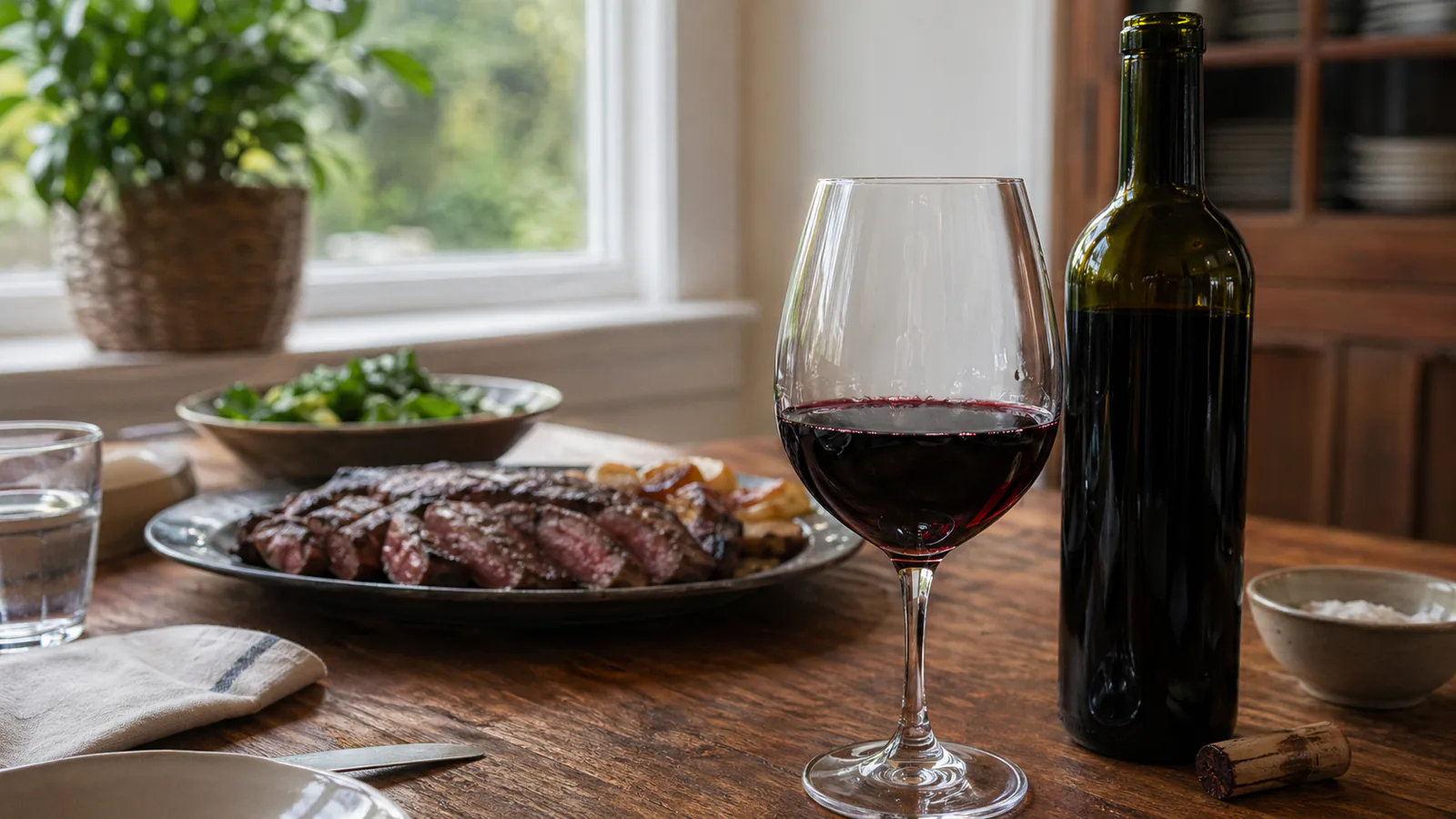
Cabernet Sauvignon: Taste, Regions, Pairings
What Cabernet Sauvignon tastes like, where the best bottles come from, what to pair it with, and how much to spend. The plain-English guide.
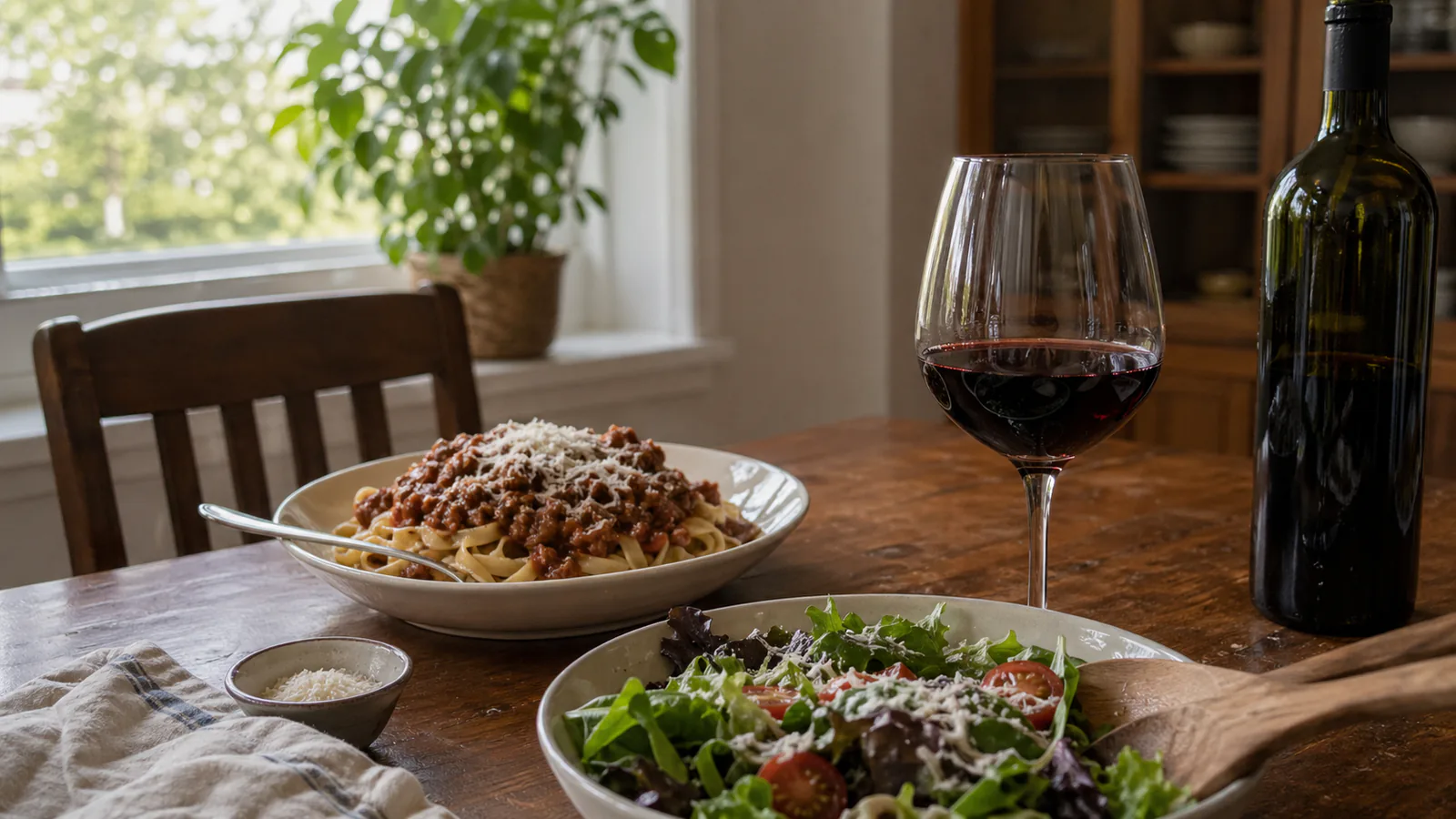
Merlot: Taste, Best Regions, Food Pairings
What Merlot really tastes like, where the best bottles come from, what to pair it with, and why the Sideways backlash was wrong. Plain-English guide.
Wine Blends Explained: Bordeaux, GSM, and More
What makes a wine blend, why winemakers blend, and how to read a blend label. Covers Bordeaux, GSM, Champagne, Rioja, and the 75% labelling rule.