Claire Bennett
Wine Editor10 min read
Cabernet Franc: The Parent Grape You Should Know
Cabernet Franc is the parent of Cabernet Sauvignon and Merlot, the soul of Chinon, and one of the smartest red picks for food. Here's the full story.
Cabernet Franc: The Parent Grape You Should Know
Cabernet Sauvignon and Merlot are two of the most planted grapes in the world. Both have the same parent: Cabernet Franc. The DNA discovery came out of UC Davis in 1997 and rewrote wine’s family tree. Cabernet Franc isn’t just a blending grape in Bordeaux or a regional Loire speciality. It’s the genetic source of two dominant varieties, and it produces some of the best food wine in the world at about half the price of its offspring.
By the end of this page you’ll know:
- The famous “pyrazine” note in Cabernet Franc, what it is chemically, and why some drinkers love it while others can’t stand it
- The 1997 DNA discovery that rewrote Cabernet Franc’s family tree and made it one of the most genetically important grapes in wine
- The Loire Valley appellation that produces $20 bottles drinking like $60 Bordeaux
- The cool-climate region in Canada (yes, Canada) where Cabernet Franc is making some of the New World’s best examples
- The food pairing that makes Cabernet Franc taste better than almost any other red on the table
What Is Cabernet Franc?
Cabernet Franc is an old, important French grape with roots tracing back at least to the 17th century in Bordeaux’s Right Bank. For centuries it was assumed to be a sibling of Cabernet Sauvignon. Then in 1997, DNA researchers at UC Davis dropped a small bombshell: Cabernet Franc and Sauvignon Blanc are the two parents of Cabernet Sauvignon. Subsequent research has also pegged Cabernet Franc as one parent of Merlot, alongside an obscure variety called Magdeleine Noire des Charentes. So Cabernet Franc isn’t just a grape, it’s the genetic ancestor of two of the most planted reds in the world.
The grape ripens earlier than Cabernet Sauvignon and handles cooler climates better, which is why it’s the dominant Cabernet in places that struggle to ripen its more famous offspring. It’s also more cold-hardy in winter, which matters in regions like the Loire Valley, Niagara, and Long Island.
In the vineyard, Cabernet Franc has thinner skins than Cabernet Sauvignon and a more elegant frame. The wine it produces tends to be lighter in colour and tannin, more aromatic, and earlier-drinking. In warmer regions and older vineyards it can produce serious, structured wines (Cheval Blanc on Bordeaux’s Right Bank is mostly Cabernet Franc and ages for decades). In cooler regions it shows its lighter, more fragrant side.
What Does Cabernet Franc Taste Like?
Cabernet Franc has a distinctive personality. The fruit profile is dominated by red rather than black: raspberry, red plum, sometimes pomegranate. There’s almost always a savoury or herbal edge: green bell pepper, fresh tobacco, dried herbs, sometimes a graphite or pencil-shaving minerality.
Here’s the structural snapshot:
- Body: medium
- Tannin: medium, often softer than Cabernet Sauvignon
- Acidity: medium to high
- Oak: ranges from no oak (Loire) to substantial new oak (Right Bank Bordeaux, premium California)
- Alcohol: 12.5 to 14 percent
The famous “pyrazine” note is worth understanding. Pyrazines are aromatic compounds found in Cabernet Franc (and Cabernet Sauvignon, and Sauvignon Blanc, all related grapes) that produce bell pepper, jalapeño, and grassy-vegetal aromas. They’re more pronounced when the grape doesn’t fully ripen, less so in warm vintages and warm climates. Some drinkers love them as a marker of the variety. Others find them off-putting and call the wine “green”. Where you fall on that spectrum is mostly personal.
In the glass, Cabernet Franc is medium ruby, often a touch lighter than Cabernet Sauvignon with a more violet rim. Aromatics tend to jump out of the glass faster than the bigger Cabernet Sauvignon, which is part of what makes it such an immediately rewarding wine to pour.
Where Is Cabernet Franc Grown?
The grape has a smaller geographic footprint than its more famous descendants, but the regions that grow it well grow it brilliantly.
Loire Valley (France)
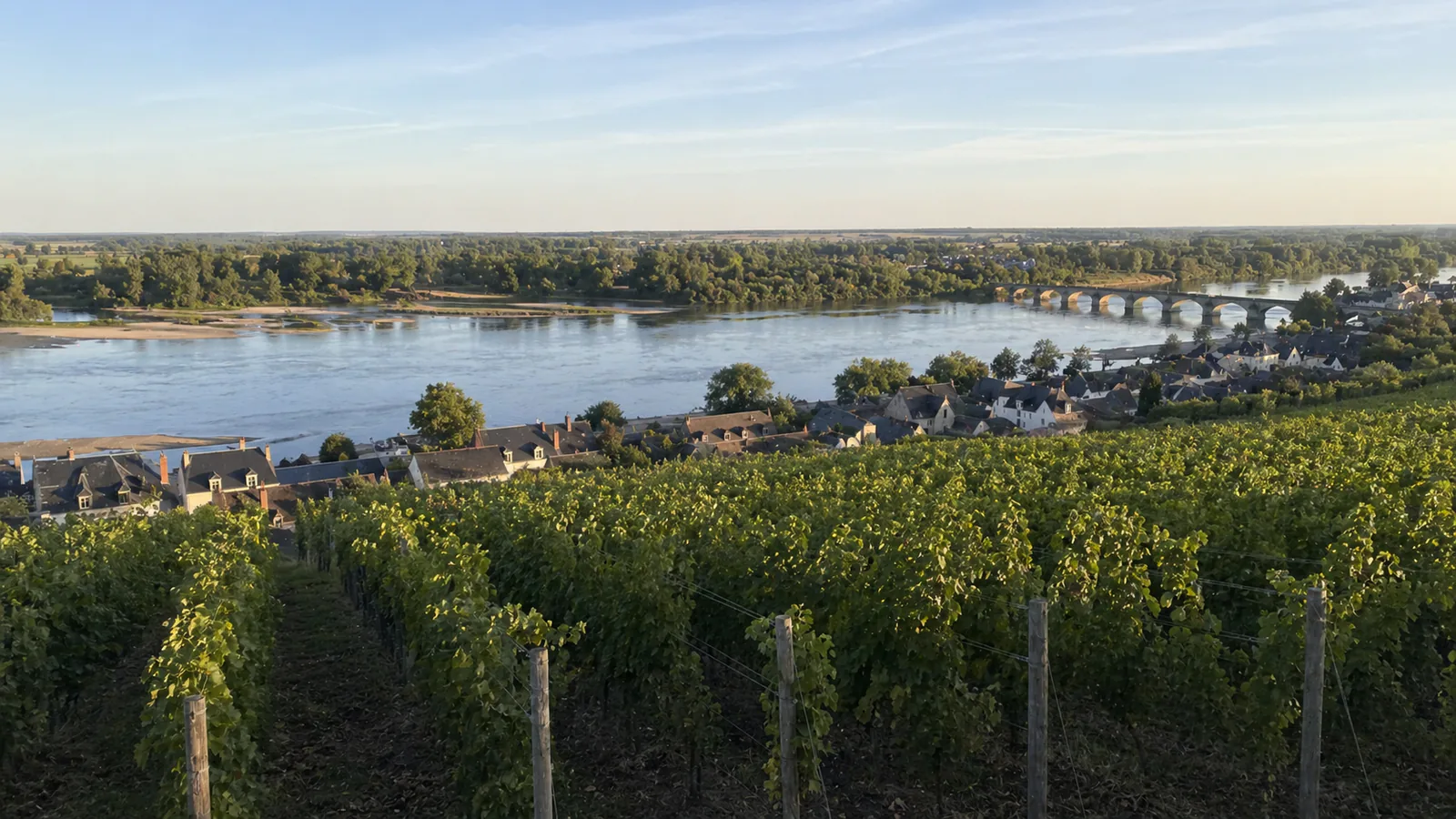
The spiritual home. The middle Loire Valley is where Cabernet Franc steps into the headline role rather than playing a blending part. Three appellations matter most:
- Chinon: the most famous. Light to medium-bodied, raspberry-forward, with the classic graphite and herbal edge. Top Chinon from a warm vintage can age 15-plus years.
- Bourgueil and Saint-Nicolas-de-Bourgueil: slightly more structured than Chinon, often with darker fruit and a touch more tannin.
- Saumur-Champigny: the most approachable of the three, often the friendliest entry point to Loire Cab Franc.
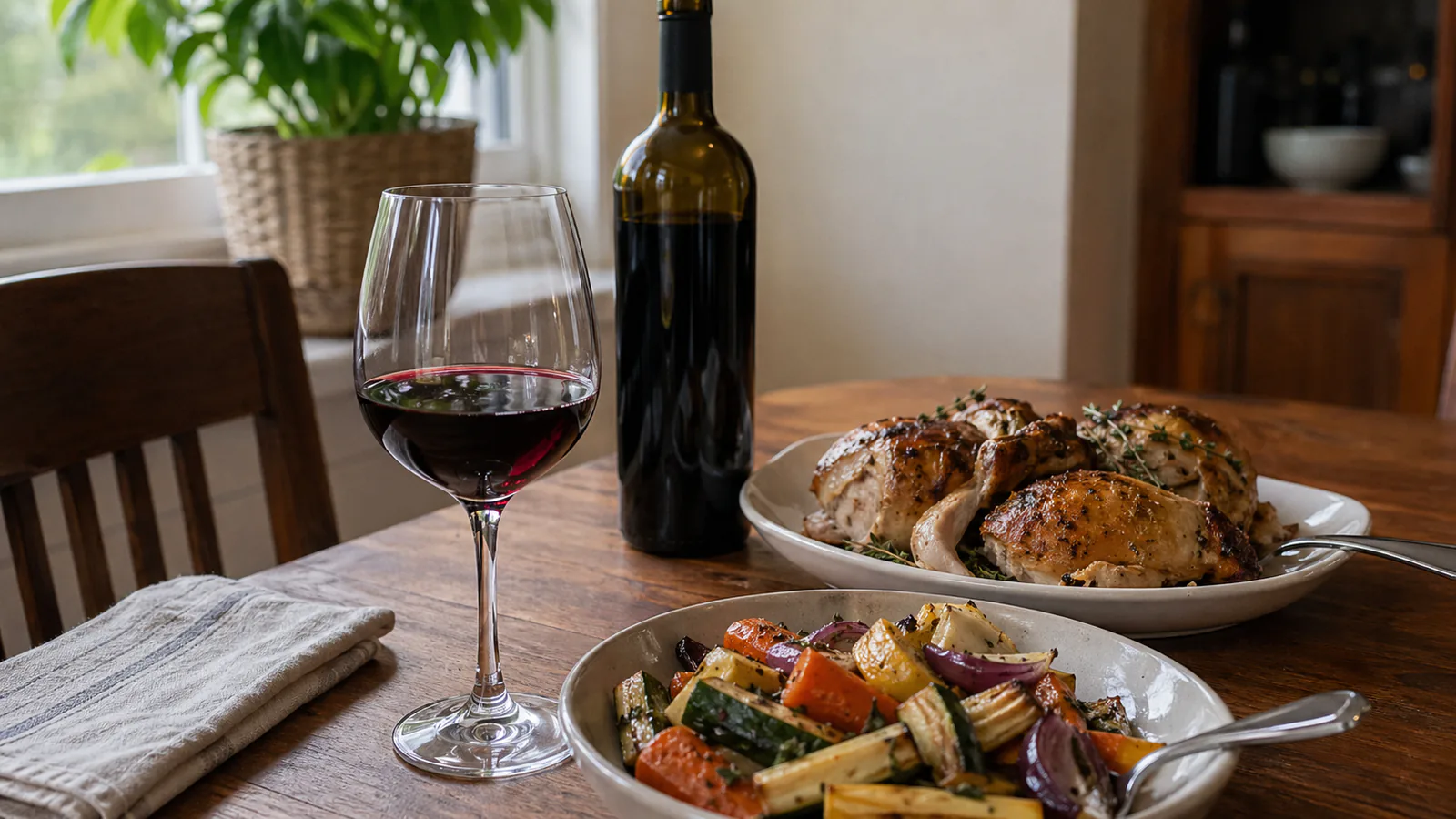
These wines are some of the most food-friendly reds in the world. They drink well slightly chilled, they don’t need decanting, and they pair with almost anything from charcuterie to roast chicken to a mid-week steak.
Bordeaux (France)
In Bordeaux, Cabernet Franc is mostly a blending grape, but in the Right Bank (Saint-Émilion and Pomerol), it plays a much bigger role than it does in the Left Bank. The most famous example is Château Cheval Blanc in Saint-Émilion, where Cabernet Franc makes up roughly 50 percent of the blend. The grape’s contribution is aromatic lift, freshness, and that telltale graphite character that prestigious Bordeaux drinkers recognise instantly.
Niagara Peninsula (Canada)
Cool-climate Cabernet Franc has found one of its best New World homes in Ontario. The Niagara Peninsula’s mix of cool climate, lake-moderated growing season, and limestone-heavy soils suits the grape almost perfectly. Top producers (Charles Baker, Ravine, Lailey) make wines that combine Loire-like elegance with riper, fuller fruit. If you’ve never tried Canadian wine, this is the entry point that will make you take it seriously.
Long Island (New York)
Long Island’s North Fork has the maritime climate, the well-drained soils, and the long, slow ripening season that Cabernet Franc needs. It’s been a quiet success story for over 30 years and continues to produce some of the East Coast’s best reds. Producers like Macari, Bedell, and Paumanok are worth seeking out.
Friuli (Italy) and Northern Italy
Cabernet Franc has been grown in northeastern Italy since the 19th century, particularly in Friuli and the Veneto. The Italian style tends to be lighter and more aromatic, sometimes leaning into the green-pepper character that Italian winemakers don’t shy away from. These wines pair brilliantly with Italian charcuterie and cured meats.
California, Washington, and Argentina
Warmer New World regions produce a richer, fuller-bodied Cabernet Franc, sometimes with the green note tamed almost out of existence. California’s North Coast and Washington’s Columbia Valley both make impressive bottles, often as varietal wines and sometimes in Bordeaux-style blends. Argentinian Cabernet Franc from Mendoza is the rising star: high-altitude vineyards give the wines real elegance alongside ripe fruit.
What Food Pairs With Cabernet Franc?
Cabernet Franc is a textbook food wine. The medium body, bright acidity, and herbal edge mean it slips into almost any savoury meal without overpowering it. The herbal pyrazine note actually echoes green vegetables and herbs in the food, which is why Cab Franc is one of the rare reds that handles asparagus, peppers, and other “tricky” ingredients.
Reliable matches:
- Charcuterie: prosciutto, jambon, saucisson, pâté
- Roast pork loin with herbs
- Herb-crusted lamb chops
- Mushroom risotto and roasted mushroom dishes
- Roast chicken with rosemary and thyme
- Grilled or roasted ratatouille
- Goat cheese (a magical Loire pairing)
- Duck breast with cherry sauce
- Charcoal-grilled vegetables
- Burgers (especially with mushrooms or blue cheese)
- Pork rillettes and country pâté
The classic Loire pairing is Cabernet Franc with goat cheese. The acidity in the wine and the tang of the cheese sharpen each other, and the herbal note in the wine echoes any herbs in the dish. If you’ve never tried it, it’s worth a Friday-night experiment.
How Should I Serve Cabernet Franc?
Cabernet Franc is one of the few reds that genuinely benefits from being served slightly cool. The fruit aromatics get sharper, the herbal notes feel fresher, and the medium tannin doesn’t need warmth to soften.
The serving rules:
- Temperature: 14 to 16 degrees Celsius for Loire styles, 16 to 18 for richer New World versions. A 20-minute spell in the fridge before opening rarely hurts.
- Glassware: a medium red wine bowl. Loire Cabernet Franc shows beautifully in a Burgundy-style glass that gives the aromatics room to develop.
- Decanting: most Loire Cabernet Franc doesn’t need decanting. Bigger New World examples and serious Bordeaux Right Bank bottles benefit from 30 to 60 minutes.
On ageing: the lighter Loire styles drink best within five to ten years of vintage, though top Chinon from a warm year can age 15-plus. Bordeaux-style blends with significant Cabernet Franc (Cheval Blanc, top Saint-Émilion) routinely age 20 to 30 years. Most everyday Cabernet Franc is happiest within its first decade.
How Much Should I Spend on Cabernet Franc?
Cabernet Franc is one of the great value grapes in wine. You can drink seriously good bottles at a $20 entry point, which is rare among well-known varieties. The map:
- $15 to $25: entry-level Loire (Chinon, Bourgueil, Saumur-Champigny), basic Niagara and Long Island Cabernet Franc, varietal Italian bottles. Honest, recognisable, food-friendly.
- $25 to $40: village-level Loire from top producers, premium New World varietal bottles, mid-tier Niagara. The grape starts showing real depth.
- $40 to $80: single-vineyard Loire from names like Bernard Baudry, Charles Joguet, and Olga Raffault. Top Niagara and Argentinian high-altitude bottles. Bottles that age beautifully.
- $80 to $200: flagship Loire single-vineyard bottles, Right Bank Bordeaux with significant Cab Franc content, top Argentinian and California examples.
- $200-plus: Cheval Blanc and the small handful of Right Bank icons where Cabernet Franc is the star. Trophy territory.
For a first taste, spend $20 to $28 on a Chinon from a respected Loire producer. That’s enough to taste the grape’s full personality without overspending on a name.
Frequently Asked Questions
What’s the difference between Cabernet Franc and Cabernet Sauvignon?
Cabernet Franc is the parent grape (Cab Sauvignon is the offspring of Cab Franc and Sauvignon Blanc). In the glass, Cab Franc is lighter in colour, lower in tannin, and more aromatic, with red fruit and herbal notes. Cab Sauvignon is darker, more tannic, and built around blackcurrant and cedar. Cab Franc is more flexible with food; Cab Sauvignon is more structured for ageing.
Why does Cabernet Franc taste like bell pepper?
The bell pepper note comes from compounds called methoxypyrazines, which are concentrated in the grape skins. They’re more noticeable when the grape doesn’t fully ripen, in cooler vintages, or in cooler climates. Warm-climate Cabernet Franc (California, Argentina) tends to suppress the pyrazine character, while Loire and Niagara examples often celebrate it.
Is Cabernet Franc a light or full-bodied red?
Most Cabernet Franc sits in the medium-bodied camp. Loire examples lean to the lighter end of medium, putting them comfortably in light red wine territory, while Right Bank Bordeaux and warm-climate New World bottles can push into fuller territory. None are as heavy as a typical Napa Cabernet Sauvignon or Australian Shiraz.
Should I drink Cabernet Franc chilled?
A light chill helps. 14 to 16 degrees Celsius (about 20 minutes in the fridge before opening) sharpens the fruit and herbal aromatics, especially for Loire styles. Don’t ice it down, though. If it’s too cold, the tannins go flat and the wine tastes dull.
What food makes Cabernet Franc taste best?
Roast pork or roast chicken with herbs, charcuterie, and goat cheese are the classic pairings. The herbal note in the wine echoes the herbs in the food, the medium acid handles fat, and the modest tannin doesn’t fight the protein. The Loire-and-goat-cheese pairing is one of wine’s most reliable.
Is Cabernet Franc good for ageing?
It depends. Most everyday Cabernet Franc is built to drink within five to ten years. Top Loire bottles from warm vintages can age 15 to 20 years and develop beautiful tobacco, leather, and dried-fruit notes. Right Bank Bordeaux with high Cab Franc content (Cheval Blanc being the famous example) can age 30-plus years.
Ready to give it a try this weekend? Here are the best light red wines worth pouring, including Cabernet Franc picks that drink way above their price tag.
Keep Reading
Loire Valley Wine: Regions, Grapes, and What to Buy
Loire Valley wine explained: Sancerre, Vouvray, Muscadet, and Chinon broken down by sub-region, grape, and taste so you stop guessing in the aisle.
Wine Blends Explained: Bordeaux, GSM, and More
What makes a wine blend, why winemakers blend, and how to read a blend label. Covers Bordeaux, GSM, Champagne, Rioja, and the 75% labelling rule.
Best Light Red Wines: 8 Easy-Drinking Bottles
Eight light red wines under $30. Beaujolais, Pinot Noir, Frappato, Schiava, Mencia, and more, all chillable and food-friendly.