Claire Bennett
Wine Editor8 min read
Merlot: Taste, Best Regions, Food Pairings
What Merlot really tastes like, where the best bottles come from, what to pair it with, and why the Sideways backlash was wrong. Plain-English guide.
Merlot: Taste, Best Regions, Food Pairings
There was a movie in 2004 where the lead character refused to drink Merlot, and a whole generation of wine drinkers quietly took the hint. That was a mistake. Merlot is the single best red to put in front of someone who says they “don’t really like red wine.” It’s plush, friendly, and often underpriced because the reputation hit hasn’t fully worn off. This page makes the case.
By the end of this page you’ll know:
- The exact movie line that knocked 2% off US Merlot sales the year it came out, and why everyone got it wrong
- Why a $1,000 bottle of Pétrus is made from the same grape as the $12 supermarket bottle next to your pasta sauce
- The mushroom dish that pairs better with Merlot than almost anything else in your kitchen
- The side of Bordeaux to look for when you want a softer, riper, more forgiving red
- The single tannin difference that makes Merlot a gateway red for people who think they only drink whites
What Is Merlot?
Merlot is a French red grape from Bordeaux. The name comes from merle, French for blackbird, most likely because the dark blue-black berries reminded growers of the bird. DNA work confirmed Merlot is a child of Cabernet Franc, making it a half-sibling of Cabernet Sauvignon.
It got popular because it ripens earlier than Cabernet and gives softer, fleshier wines. In Bordeaux blends, Cab brings the structure and Merlot fills the middle with plush fruit. On the clay soils of Bordeaux’s Right Bank, Merlot took the lead role, and bottles from Pomerol and Saint-Émilion became some of the most expensive wines on the planet.
By the 1990s Merlot was the most-planted red grape in California. Then Sideways hit in 2004, sales dipped, Pinot Noir had its moment. Quality producers kept their heads down and kept making great Merlot through the slump. Today the grape is quietly back, and the sweet-spot bottles are still gentler on the wallet than they should be.
What Does Merlot Taste Like?
Think plum, black cherry, and chocolate, with softer tannins and lower acidity than Cabernet. Younger bottles taste juicy and fruit-forward. Older, more serious ones develop tobacco, dried fig, and a savoury, almost gamey complexity. It goes down easy without feeling slight.
Oak treatment varies. Cheaper bottles often see no oak and taste of pure fruit. Mid-range bottles pick up vanilla, mocha, and baking spice from French and American oak. Top Right Bank Bordeaux and the best Washington bottles get 18 months in new French oak, adding cedar, cocoa, and sweet spice.
Quick reference for the way Merlot feels in the glass:
- Body: medium to medium-full
- Tannin: medium, soft, rounded
- Acidity: medium
- Sweetness: dry
- Oak: none to heavy depending on price
- Alcohol: 13% to 14.5%
Climate shapes the style. Cool-climate Merlot (Bordeaux, parts of Washington) leans toward red plum, herbs, and graphite. Warm-climate Merlot (California, Chile, Australia) pushes into black plum, blackberry jam, and chocolate.
Where Is Merlot Grown?
Merlot is now planted in every major wine country, but four regions stand out.
Bordeaux (Right Bank), France
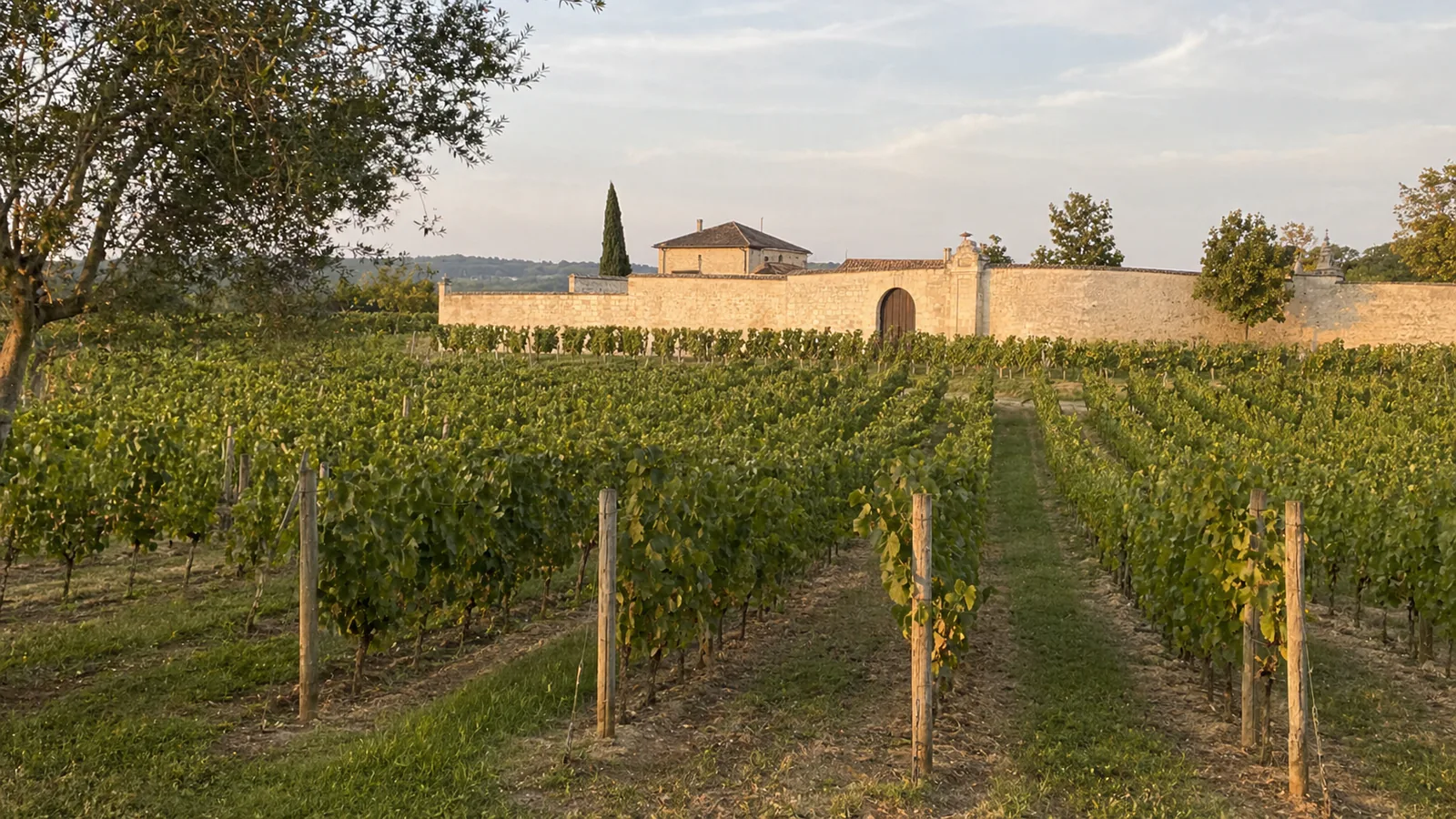
The Right Bank is where Merlot reaches its peak. Pomerol and Saint-Émilion sit on cool clay soils that slow the vine and concentrate flavour, producing velvety wines with ripe plum, truffle, and serious aging potential. Château Pétrus is the famous bottle, with vintages running thousands. Mid-tier Saint-Émilion estates deliver real Right Bank character for $30 to $60.
Washington State, USA
Washington’s Columbia Valley is one of the world’s best Merlot regions, and a lot of drinkers still don’t know it. Warm days and cool nights produce Merlot with rich black fruit, structured tannins, and bright acidity. L’Ecole No. 41, Northstar, and Leonetti are reliable names. Quality bottles start around $25.
Tuscany, Italy
Italian Merlot gets overshadowed by Sangiovese, but coastal producers in Bolgheri make some of the most concentrated Merlot anywhere. Masseto, the famous single-vineyard Tuscan Merlot, regularly outsells Pétrus in some markets. Everyday Tuscan bottles deliver ripe fruit, savoury herb, and Mediterranean warmth for $25 to $50.
Chile
Chile’s Apalta and Colchagua valleys deliver some of the best value on the shelf. The style is ripe, plummy, and approachable, sometimes with a herbal eucalypt note that you’ll either love or shrug at. Solid bottles regularly turn up for $12 to $20.
What Food Pairs With Merlot?
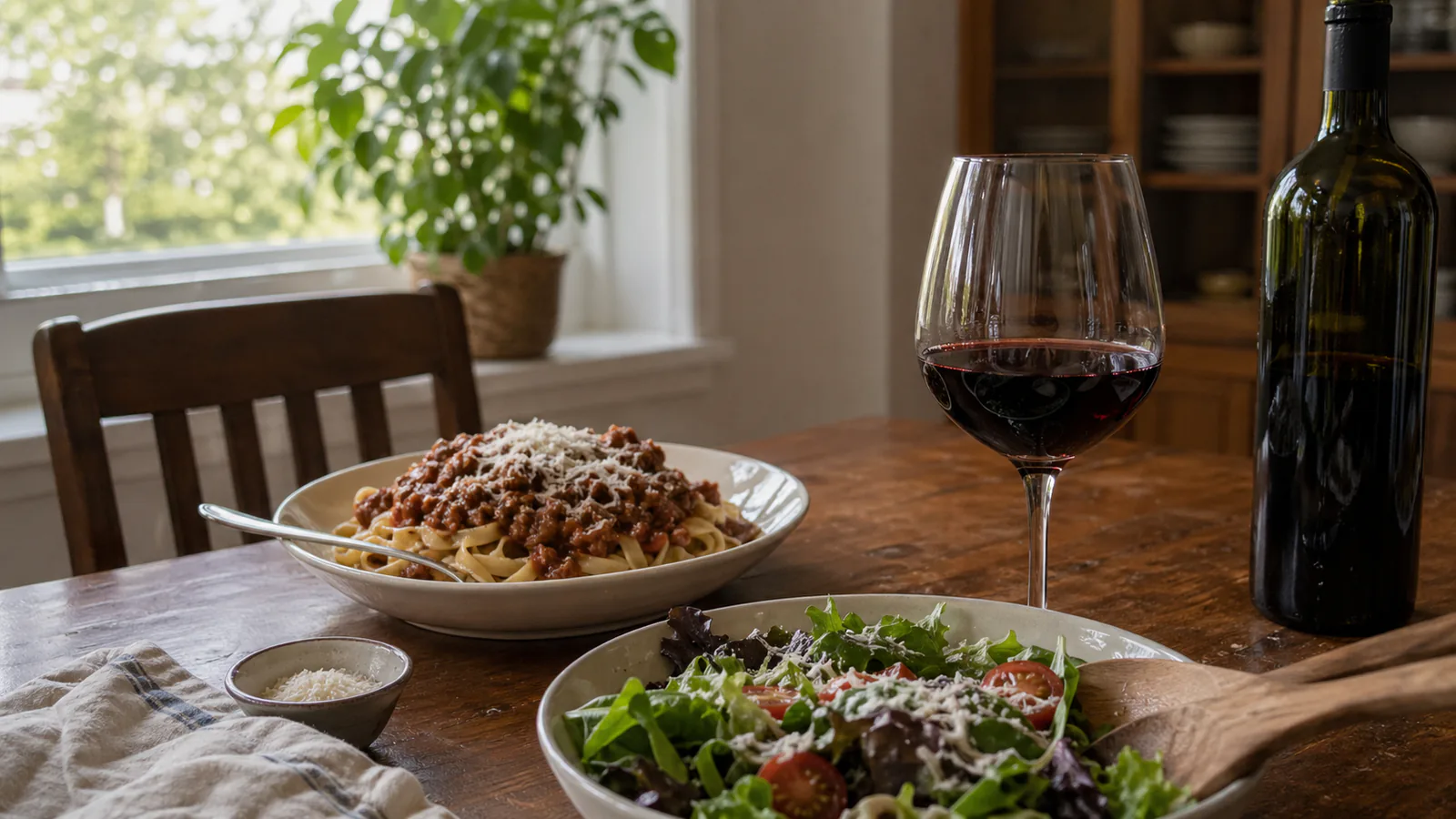
Merlot is one of the most food-friendly reds you can buy. Rule of thumb: if a dish works with roast chicken or a tomato-based pasta, Merlot will work too. Soft tannins don’t bully gentler proteins, and the plummy fruit loves herbs, mushrooms, and slow-cooked dishes.
Pairings that hit every time:
- Roast chicken with thyme and lemon
- Mushroom risotto or porcini-stuffed pasta
- Pork loin with apple or cherry sauce
- Lasagne and other meaty pasta bakes
- Grilled portobello mushrooms with garlic
- Duck breast with cherry reduction
- Beef stew or boeuf bourguignon
- Roast lamb (a leaner cut than you’d serve with Cab)
- Soft cheeses like Camembert and Brie
Where it struggles: very spicy food, raw fish, and lean fish like cod or sole. Reach for Pinot Noir on those plates.
How Should I Serve Merlot?
Serve it at 15 to 17°C, a touch cooler than Cabernet. If the bottle has been sitting at room temperature, give it 15 minutes in the fridge before pouring. A Bordeaux glass is ideal, but any standard red glass will do.
Decanting helps but isn’t essential. A young Merlot benefits from 20 to 30 minutes in a decanter to soften the tannins. Older bottles can be decanted briefly to separate sediment, then drunk fairly quickly. Mature Merlot fades faster than mature Cab.
Most Merlot is built for drinking young. Bottles under $25 are best opened within two to three years of the vintage. Serious bottles from Pomerol, Saint-Émilion, or the best Washington and Tuscan producers can age 10 to 20 years.
How Much Should I Spend on Merlot?
Merlot is one of the best-value categories on the shelf, partly because the Sideways effect kept prices in check while quality kept climbing. Three tiers to know.
$10 to $15 entry tier. Chilean and Californian bottles dominate. Expect ripe plum, soft texture, easy drinking. Concha y Toro Casillero del Diablo and Bogle are dependable. Good for a weeknight pasta.
$20 to $35 sweet spot. Washington State, entry-level Right Bank Bordeaux (look for Saint-Émilion Grand Cru on the label), and serious California producers like Duckhorn and Markham play here. The jump in depth is real. Genuinely impressive bottles for a dinner party.
$50 and up. Classified Saint-Émilion, Pomerol satellites, and the top Washington and Tuscan producers. Denser, more layered, built to age. Above $200 you’re paying for scarcity and reputation as much as taste.
The honest truth: the gap between a $20 bottle and a $50 bottle is bigger than most drinkers expect. The gap between $50 and $200 is smaller than the price tag suggests. Park yourself in the $20 to $35 range for everyday drinking.
Frequently Asked Questions
Is Merlot dry or sweet?
Merlot is dry. The ripe plum and black cherry character can give an impression of sweetness, but virtually all Merlot finishes with little to no residual sugar. If a bottle tastes sweet, that’s the fruit, the alcohol warmth, or the oak vanilla fooling you, not actual sugar.
What’s the difference between Merlot and Cabernet Sauvignon?
Merlot is softer, plumper, and easier to drink young. Cabernet has firmer tannins, higher acidity, and more structure for aging. Merlot leans toward plum and chocolate; Cabernet leans toward blackcurrant and cedar. They get blended in Bordeaux because each one fills in what the other lacks.
Why did Sideways hurt Merlot so much?
The 2004 film had its lead character deliver a furious monologue about refusing to drink Merlot. US sales dipped roughly 2% while Pinot Noir sales jumped. The grape itself never changed. The pop-culture hit landed right as quality producers were hitting their stride, which is why $20 to $35 bottles are still such good value today.
Can you drink Merlot with chicken?
Yes. Merlot is one of the best red wines for chicken, especially roasted or braised birds with herbs, mushrooms, or rich sauces. Soft tannins don’t overpower the meat, and the plummy fruit complements the savoury notes. A roast chicken with thyme and a glass of Merlot is a near-perfect Sunday dinner.
How long does Merlot age?
Most Merlot is built to drink within two to five years of the vintage. Quality bottles from Right Bank Bordeaux, top Washington producers, or serious Tuscan estates can age 10 to 20 years and develop tobacco, leather, and truffle complexity. Cheap Merlot (under $15) won’t improve in bottle, so drink it now.
Is Merlot a good wine for beginners?
Merlot is one of the best red wines for beginners. Soft tannins, ripe fruit, and a smooth texture make it easy to enjoy without the gripping astringency of younger Cabernet. Start with a Chilean or Californian bottle in the $15 to $20 range, or check our best red wine under $20 picks for ready-to-buy bottles.
Ready to find a bottle worth opening tonight? These are the best red wines for beginners, with several approachable Merlot picks that will change anyone’s mind about the grape.
Keep Reading
Bordeaux Wine: A Plain-English Guide
What Bordeaux wine actually is, Left Bank vs Right Bank, the grapes, the labels, and how much to spend. The plain-English guide for everyday drinkers.
Best Red Wine for Beginners: 8 Bottles to Start With
Eight beginner-friendly red wines that taste good from the first sip. Low-tannin, fruit-forward, food-friendly picks under $25.
Best Red Wines Under $20 That Are Actually Good
Ten red wines under $20 that are genuinely worth your money. Solid, reliable bottles that taste like they cost more.