Claire Bennett
Wine Editor10 min read
Zinfandel Wine: Taste, Regions, Pairings, Price Guide
What Zinfandel actually tastes like, why it's bigger than most reds, the difference from White Zin, and the food it pairs with. A plain-English Zin guide.
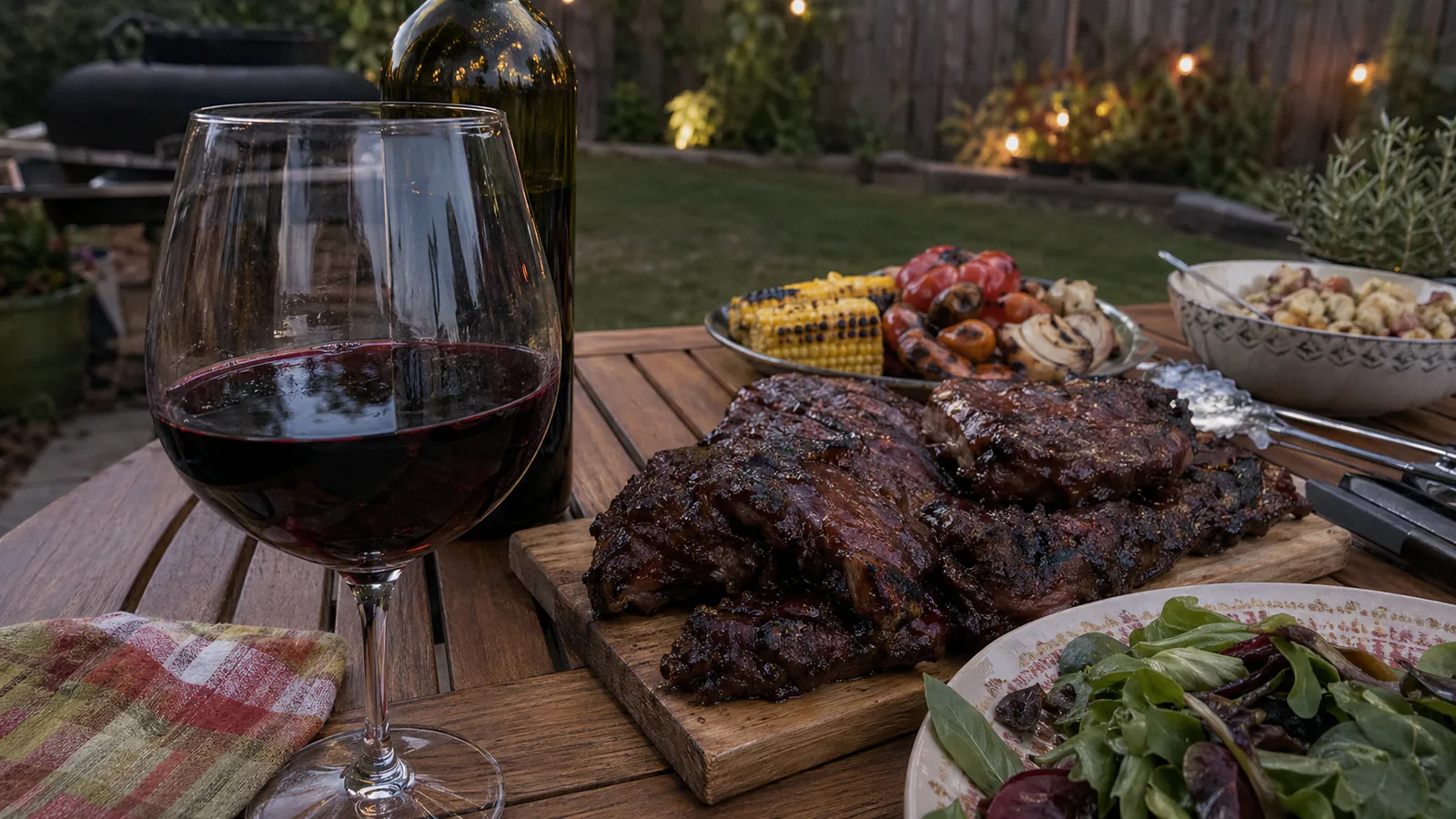
Zinfandel Wine: Taste, Regions, Pairings, Price Guide
Zinfandel is California’s signature red, but DNA testing in 2001 proved it was never Californian. The grape is genetically identical to Croatia’s ancient Crljenak Kaštelanski and Italy’s Primitivo. That origin story is the opening act. The main act is what Zinfandel actually does in the glass: big, ripe, fruit-forward, often north of 15% alcohol, and more suited to ribs and pizza than it is to ceremony. This guide covers the grape, the regions, and how to separate a great $18 bottle from a one-trick jam-bomb.
By the end of this page you’ll know:
- The DNA discovery that proved California’s “native” grape is actually a 600-year-old transplant
- Why two Zinfandels from the same valley can taste 3% alcohol apart and how to spot the difference
- The cheap pink wine that confused a generation about what Zinfandel actually is
- The single Italian region making Zinfandel-style wine at half the California price
- The exact food pairing that turns Zin from “fine” into “I need to buy a case”
What Is Zinfandel?
Zinfandel is a black-skinned grape with one of the most twisted origin stories in wine. For most of the 20th century it was treated as California’s own, mysteriously unrelated to any European variety. Then in 2001, DNA analysis at UC Davis traced it to an obscure Croatian grape called Crljenak Kaštelanski, grown in tiny quantities along the Dalmatian coast. The same study confirmed that Italy’s Primitivo, grown widely in Puglia, was also the same grape.
So Zinfandel is Croatian by birth, became Primitivo in southern Italy, and turned into a star in California, where it arrived in the 1820s and adapted brilliantly to the warm, dry climate. Today California grows roughly 80% of the world’s Zinfandel, with old-vine plantings dating back to the 1880s.
The grape ripens unevenly, with bunches that often have raisined berries next to underripe ones, which is part of why the wines tend toward high alcohol. Winemakers either pick early to preserve freshness or wait for full ripeness and accept the resulting power.
Then there’s White Zinfandel, which is a different beast entirely. Sutter Home created it by accident in the 1970s when a stuck fermentation left residual sugar in a saignée rosé. It became hugely popular: pale pink, sweet, low-alcohol, and easy-drinking. White Zinfandel still outsells red Zinfandel by volume in the US. The two share a grape but nothing else, and most of this article is about red Zinfandel.
What Does Zinfandel Taste Like?
Zinfandel is a full-bodied red built around ripe, jammy fruit with a brambly, spicy edge and noticeable warmth from high alcohol. The classic profile leans into dark berries with a sweet baking-spice quality that comes from the grape itself, not just oak.
Quick stat block:
- Body: medium-full to full
- Tannins: medium, soft and round
- Acidity: medium
- Alcohol: 14–16% ABV is typical, some old-vine bottles push 17%
- Oak: common, often American oak (vanilla, dill, coconut signature)
- Sweetness: dry, but ripeness can give a sweet impression
- Colour: deep ruby to dark purple
Common flavour notes: blackberry jam, raspberry, black cherry, plum, brambly bramble fruit, black pepper, sweet baking spice (clove, cinnamon, anise), and milk chocolate. Old-vine Zinfandel from California (vines 50+ years old) adds layers of dried fruit, fig, leather, and a pencil-shaving edge.
The “brambly” note is Zinfandel’s signature. It’s a wild, slightly herbal quality that recalls the fruit of an overgrown blackberry bush, which is exactly the texture and tone the grape carries when it’s grown well. If a Zin tastes like fruit punch with no edge to it, it’s probably overcropped or picked too late.
Where Is Zinfandel Grown?
Zinfandel and Primitivo (the same grape under different names) are grown in a handful of regions that produce genuinely distinctive wine. California dominates by volume, but Italy is a serious value play.
Lodi, California
Lodi is the unsung hero of California Zinfandel. The region grows roughly 40% of the state’s Zin, including some of the oldest vines in North America, with century-old plantings still producing concentrated, low-yielding fruit. The style is balanced and approachable, with bright fruit and softer tannins than warmer regions. Producers like Klinker Brick, Michael David, and Bedrock work with old-vine Lodi sites and produce some of the best value Zin on the market.
Sonoma County (Dry Creek Valley), California
Dry Creek Valley is the prestige Zinfandel address inside Sonoma, the grape’s American heartland. The wines are bigger, more structured, and built for ageing, with darker fruit, more pepper, and firmer tannins than Lodi. Look for Ridge (especially their Geyserville and Lytton Springs bottlings), Quivira, and Seghesio. Dry Creek Zin can also age beautifully, developing leather and dried fruit notes over a decade.
Napa Valley, California
Napa makes less Zinfandel than it once did, having largely converted to Cabernet Sauvignon, but pockets remain. The style is rich and polished, often more expensive than equivalent quality from Lodi or Sonoma. Frog’s Leap and Robert Biale are reliable names.
Paso Robles, California
Paso Robles produces a riper, warmer-climate Zin with concentrated dark fruit and high alcohol. Turley Wine Cellars is the cult name, with some bottles pushing 16% ABV. If you like big, ripe Zin, Paso is your spiritual home.
Puglia, Italy (as Primitivo)
Primitivo from southern Italy, particularly the Salento Peninsula, makes a softer, slightly more savoury version of the same grape at significantly lower prices. The wines are still ripe and full-bodied, but with less oak influence and a more rustic, food-friendly character. A good Primitivo at $14 will give you most of what a $25 California Zin offers.
Croatia (as Crljenak Kaštelanski)
The grape’s birthplace produces tiny quantities, mostly for the local market. If you ever see a bottle, buy it as a curiosity. Don’t expect California-style ripeness or polish.
What Food Pairs With Zinfandel?
Zinfandel is a barbecue wine. Its ripe fruit, soft tannins, and warmth handle smoke, char, fat, and spice in a way that almost no other red can match. The general rule: anything that came off a grill, a smoker, or a wood-fired pizza oven.
Specific dishes that work brilliantly:
- BBQ ribs with smoky tomato sauce. The classic match. The wine’s sweet fruit balances the sauce, and the alcohol cuts the fat.
- Pulled pork sandwiches. Same principle. Slow-cooked richness loves Zin.
- Beef burgers with cheddar and bacon. The fruit and spice of Zin elevates a basic burger into a proper match.
- Pepperoni pizza. Sweet baking spice in the wine echoes the spice in the sausage.
- Grilled sausages, bratwurst, or chorizo. Salt and smoke find their partner.
- Smoked brisket. Heavy bark, fatty meat, sweet wine. It works.
- Aged cheddar and smoky cheeses (Idiazabal, smoked Gouda). The smokiness picks up the brambly notes.
- Grilled lamb burgers with mint. A surprising combination that highlights the wine’s herbal edge.
- Spicy Korean BBQ or bulgogi. The wine’s fruit handles chilli heat better than most reds.
- Mexican mole dishes. The deep, spice-driven sauce pairs with Zin’s baking spice and dark fruit.
What to avoid: anything delicate or cream-based. Zin will wash it out.
How Should I Serve Zinfandel?
Temperature: 16–18°C is ideal. A cooler serve makes the alcohol feel less hot and lets the fruit show. If your house is warm, 10 to 15 minutes in the fridge before opening helps a lot. Serving Zin at 22°C kitchen temperature is a guaranteed way to make it taste like fruit-flavoured battery acid.
Glassware: a large Bordeaux-style glass works perfectly. The wide bowl gives the alcohol space to lift off the surface, which keeps the fruit aromas in front.
Decanting: young, full-bodied Zin from Sonoma or Paso Robles benefits from 30 to 45 minutes in a decanter. Lodi Zin and most Primitivo can go straight into the glass. Older, age-worthy bottles (Ridge Geyserville, top Sonoma producers) need 60 minutes or so to open up.
Ageing: most Zinfandel is built to drink within five years. Old-vine bottles from Sonoma and serious Ridge wines can age 10 to 15 years, developing tertiary flavours like leather, dried fig, and sweet tobacco. Don’t bother cellaring everyday Zin under $20: the fruit fades before anything interesting happens.
How Much Should I Spend on Zinfandel?
Zinfandel offers strong value across the board, especially if you include Primitivo as part of the same category.
- Under $12: entry-level California Zin. Often soupy and one-dimensional, with high alcohol and not much else. Useful for cooking or punch. Italian Primitivo at this price tier is often a better bet.
- $15 to $25: the sweet spot for most drinkers. Lodi old-vine Zin from Klinker Brick, Michael David, or Predator. Quality Primitivo from Puglia. This is where you find ripe fruit, real complexity, and balance.
- $25 to $50: serious territory. Sonoma Dry Creek Zinfandel, Ridge’s mid-tier bottlings, Seghesio’s reserve wines, Turley’s village-level bottles. Expect old-vine character, spice, and structure.
- $50 and up: Ridge Geyserville, Ridge Lytton Springs, Turley single-vineyard, Bedrock Wine Co’s top sites. These are wines that can age 15+ years and rival much more expensive Cabernets for complexity.
If you’re new to Zin, start with a $20 Lodi old-vine bottle, then try a $25 Sonoma Dry Creek Zin, then add a $14 Primitivo. The gap between those three will tell you which direction to chase.
Frequently Asked Questions
Is Zinfandel sweet?
Red Zinfandel is dry, but the ripe fruit and high alcohol can give a sweet impression on the palate. White Zinfandel is the sweet pink wine you might be thinking of, and it sits closer to the sweet-red category than the dry red Zin most of this guide covers. If a label says “Zinfandel” without “white,” it’s a dry red.
What’s the difference between Red Zinfandel and White Zinfandel?
Same grape, completely different wine. Red Zinfandel is a bold, dry red with 14 to 16% alcohol. White Zinfandel is a pale pink rosé made by limiting skin contact, almost always finished sweet, usually around 9 to 10% alcohol. Red Zin pairs with BBQ. White Zin pairs with brunch and not much else.
Is Zinfandel high in alcohol?
Yes, often. Most California Zinfandel comes in at 14 to 16% ABV, with some hot-vintage and old-vine bottles pushing 17%. Italian Primitivo tends to sit a touch lower at 13.5 to 15%. The high alcohol is partly a function of the grape’s uneven ripening and partly a stylistic choice by California winemakers chasing ripe fruit.
Is Primitivo the same as Zinfandel?
Yes, DNA-identical. Primitivo is the Italian name, Zinfandel is the California name, and Crljenak Kaštelanski is the Croatian original. The wines taste different because of climate and winemaking style. Italian Primitivo is rounder and more savoury, California Zinfandel is bigger and more fruit-forward. Both are worth drinking.
What does “old vine” Zinfandel mean?
There’s no legal definition, but in California it generally means vines over 50 years old, with the prestige plantings often 80 to 130+ years. Old vines produce small yields of concentrated fruit, which translates to more depth and structure in the wine. Lodi, Sonoma, and parts of Napa have the highest concentration of old-vine Zin in the world.
How long does an opened bottle of Zinfandel last?
Three to five days, re-corked and kept cool. Full-bodied Zin holds up well thanks to its alcohol and tannin, with day-two often tasting better than day-one as the wine settles. By day five the fruit starts to flatten. A vacuum stopper buys an extra day or two.
If you want to drink your way into Zinfandel without overspending, here are the best full-bodied red wines, with several Zin and Primitivo picks that punch above their price.
Keep Reading
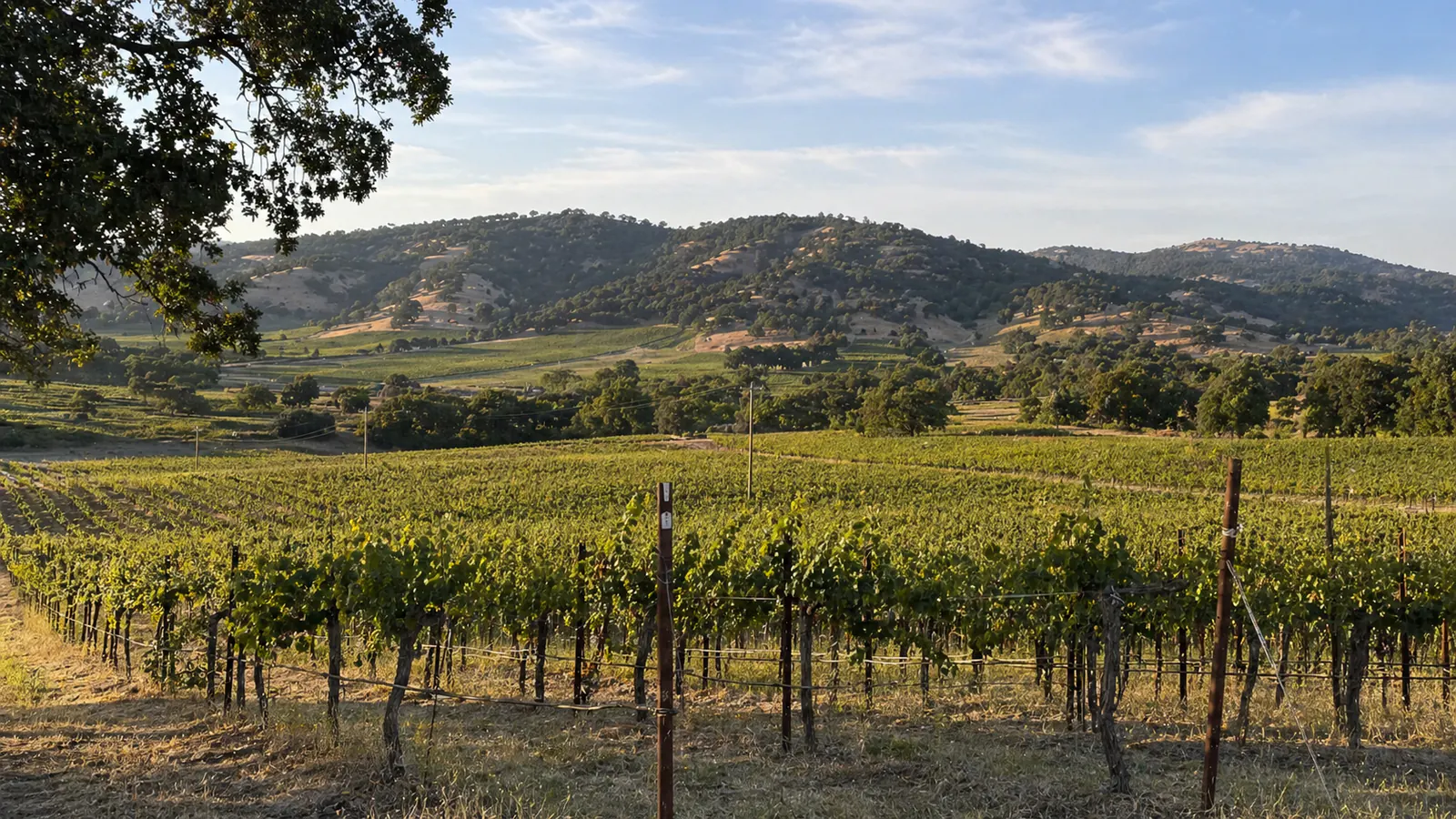
Sonoma Wine: Regions, Grapes, and What to Buy
Sonoma wine explained: cool coastal Pinot and Chardonnay, inland Zinfandel and Cab, how it differs from Napa, and how much to spend.
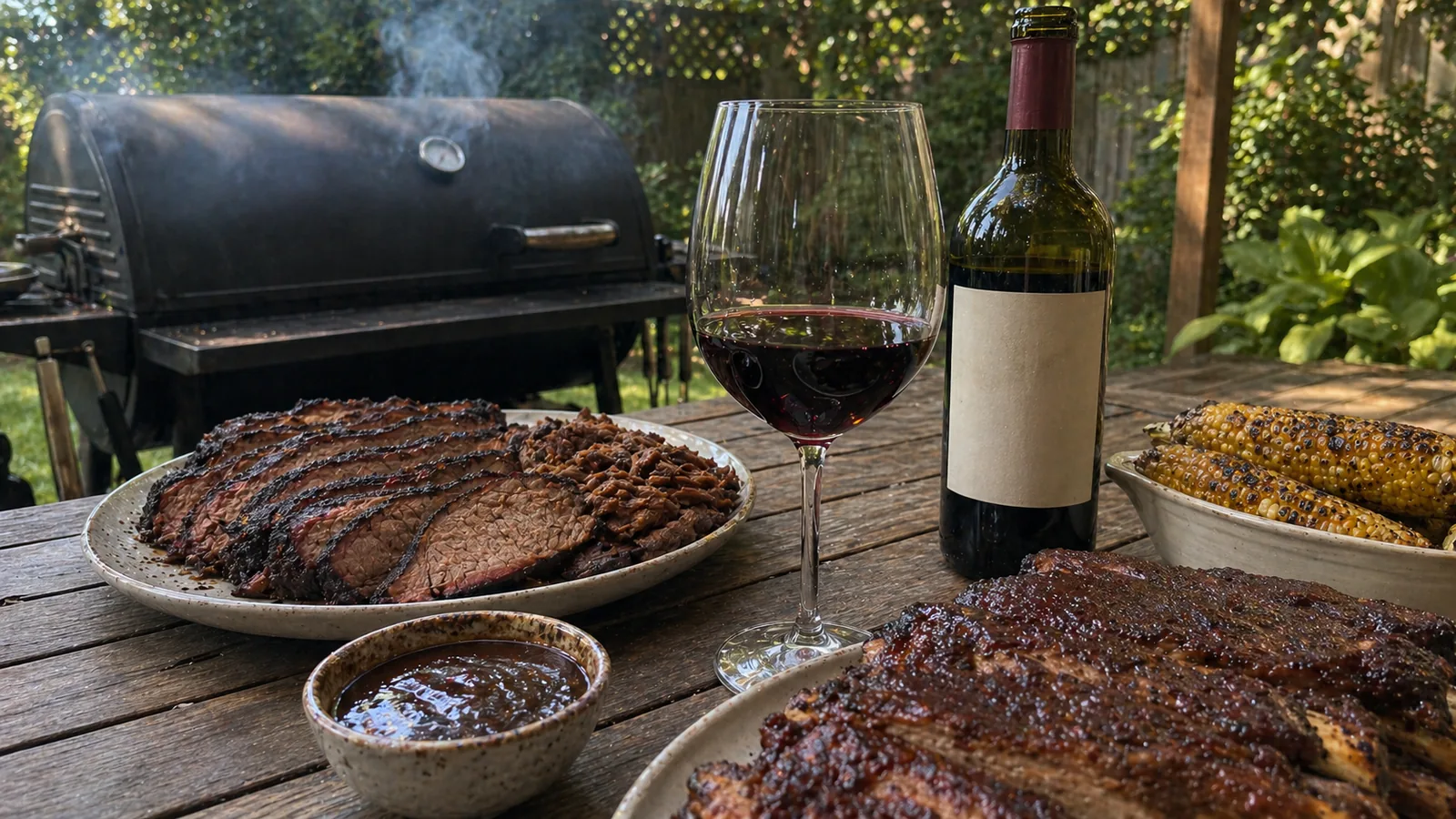
BBQ Wine Pairing: What To Pour With Every Smoke
The best wines for BBQ by meat and sauce, from Zinfandel with ribs to Malbec with brisket, plus rosé and Riesling for chicken and spicy sauces.
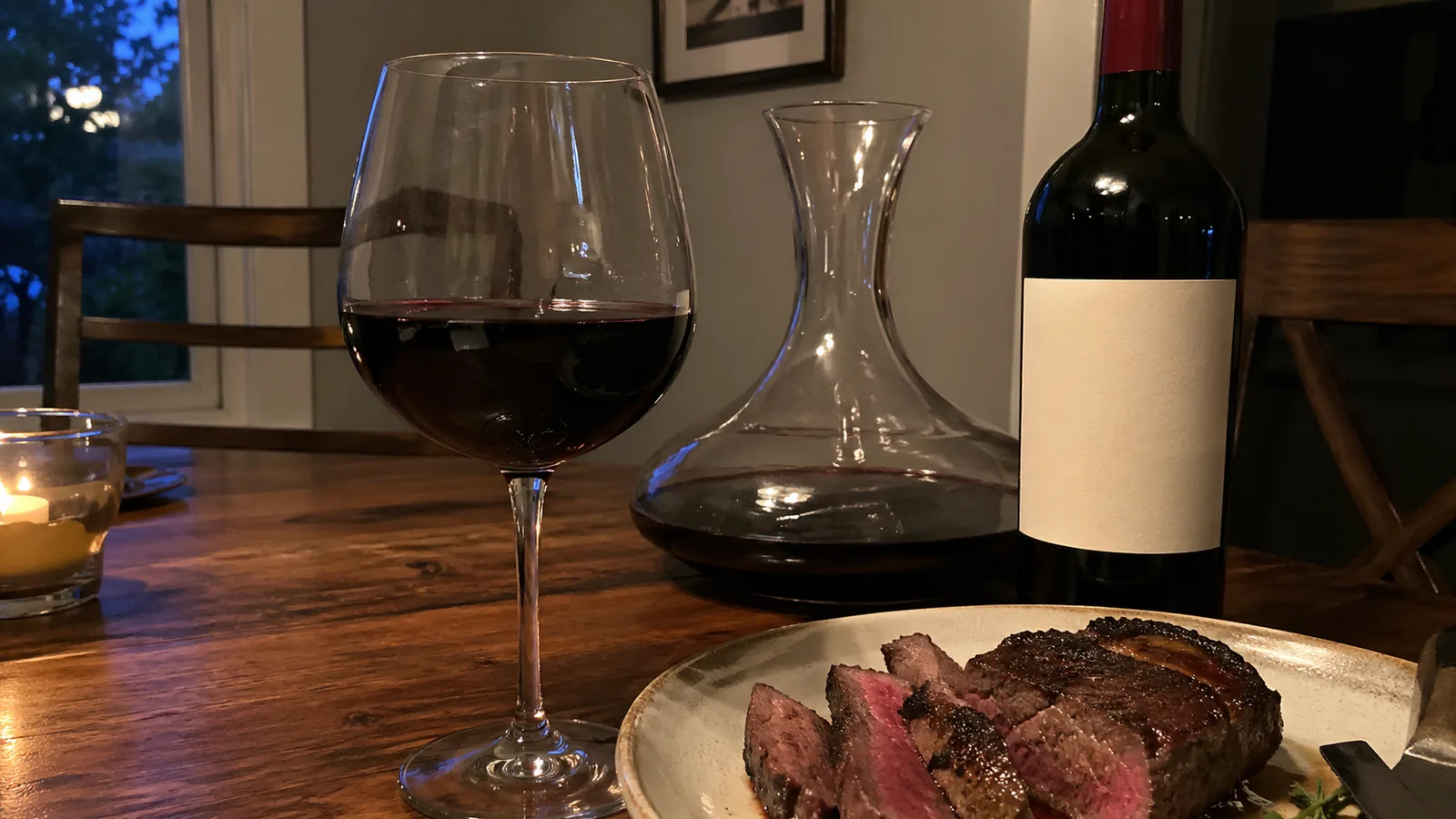
Best Full-Bodied Red Wines: 8 Heavyweights Under $30
Eight full-bodied red wines worth opening. Cab, Zinfandel, Petite Sirah, Malbec, Shiraz, Nebbiolo, Aglianico. All under $30.