Claire Bennett
Wine Editor9 min read
Sauvignon Blanc: Taste, Regions, and Food Pairing
Sauvignon Blanc is the loud, zesty white that smells like cut grass and tropical fruit. How it tastes, where it grows, what to eat with it.
Sauvignon Blanc: Taste, Regions, and Food Pairing
A New Zealand Sauvignon Blanc smells like passionfruit and a freshly mowed lawn. A French Sancerre smells like chalk, lemon pith, and flint. They’re made from the same grape. If you tried them blind, you’d swear one was mislabelled.
That’s the whole story of Sauvignon Blanc. The grape is the supporting actor. The region is doing all the talking. Once you know the two main styles, every bottle on the shelf starts making sense.
This page walks you through both styles, what to spend, what to pour it with, and the serving mistake that kills the wine in five minutes flat.
By the end of this page you’ll know:
- The two countries that make Sauvignon Blanc taste like completely different wines, and how to guess which is in your glass before you sip
- Why it’s the one white that survives the “asparagus problem” that wrecks every other wine
- The Napa style most people don’t realise is Sauvignon Blanc, and the word on the label that gives it away
- How to tell a $14 weeknight bottle from a $40 bottle worth the splurge
- The serving temperature mistake that mutes the wine’s best feature in under five minutes
What Is Sauvignon Blanc?
Sauvignon Blanc is a green-skinned white grape from cooler-climate vineyards. The name comes from the French “sauvage” (wild) and “blanc” (white). It originated in France’s Loire Valley and Bordeaux. Fun fact, it’s one of the parent grapes of Cabernet Sauvignon.
It went global in the 1980s when New Zealand winemakers in Marlborough cracked a louder, fruitier style nobody had tasted before. Today it’s planted on every wine continent, and the wine in the bottle changes dramatically depending on where it grew.
What Does Sauvignon Blanc Taste Like?
Sauvignon Blanc is dry, sharply acidic, and unmistakably aromatic. Stick your nose in the glass and you’ll get one of two things: a tropical hit of passionfruit and gooseberry, or something greener and sharper, like cut grass, lime peel, and wet stones. Both are correct. Both are Sauvignon Blanc.
The fruit runs citrus-forward (lime, grapefruit, lemon zest) with a herbaceous edge. Wine people call it the “green note”: bell pepper, jalapeño, fresh herbs. Some drinkers love it. Some can’t stand it. There’s no middle ground.
Almost every Sauvignon Blanc is unoaked. It ferments in stainless steel, which keeps the fruit punchy and the acid bright. The one exception is California’s “Fumé Blanc” style, which we’ll get to.
Quick facts:
- Body: Light
- Acidity: High
- Sweetness: Dry (almost always bone-dry)
- Oak: Usually none. Fumé Blanc is the oaked exception
- Alcohol: 12 to 13.5%
Where Is Sauvignon Blanc Grown?
The same grape, different climates, wildly different wines. If you only know one style, you’re missing most of the picture.
Marlborough, New Zealand
Marlborough is the loudest Sauvignon Blanc on Earth. Cloudy Bay and Kim Crawford put New Zealand on the global wine map with this style: aggressive passionfruit, gooseberry, lime, and a green pepper note that almost jumps out of the glass.
It’s the easiest Sauvignon Blanc to spot blind. If you can smell it from a foot away, it’s almost certainly Marlborough. Most bottles run $15 to $22 and over-deliver for the money.
Sancerre and Pouilly-Fumé, Loire Valley (France)
This is the original. Sancerre and Pouilly-Fumé are two villages on opposite banks of the Loire Valley, and they make Sauvignon Blanc the way it was made for centuries before New Zealand showed up.
The style is leaner, drier, and more mineral. You still get citrus and a herby edge, but the fruit is dialled back and the wine has a flinty, almost smoky quality from the limestone soils. Expect to pay $25 to $50. The cheap supermarket Sancerres are usually a letdown.
Chile, South Africa, and the Value Plays
Chilean Sauvignon Blanc from the Casablanca and Leyda valleys sits stylistically between Marlborough and Sancerre. Bright tropical fruit, but with more restraint and a touch of minerality. Bottles from $12 to $18 punch well above their price tag.
South African Sauvignon Blanc from Elgin, Constantia, and Durbanville is one of the smartest under-the-radar buys on any wine list. Fresher than New Zealand, with a mineral spine closer to Sancerre, at roughly half the Sancerre price.
Napa Valley, California (Fumé Blanc)
The curveball. In the 1960s, Robert Mondavi started ageing Sauvignon Blanc in oak barrels and labelled it “Fumé Blanc” to make it sound fancier. The name stuck.
Today, Fumé Blanc and oaked Napa Sauvignon Blanc taste like a totally different wine: rounder, creamier, with vanilla and toasted nut flavours softening the citrus. If you don’t like oaky whites, avoid it. If you want a Sauvignon Blanc that handles creamier dishes, this is your bottle.
What Food Pairs With Sauvignon Blanc?
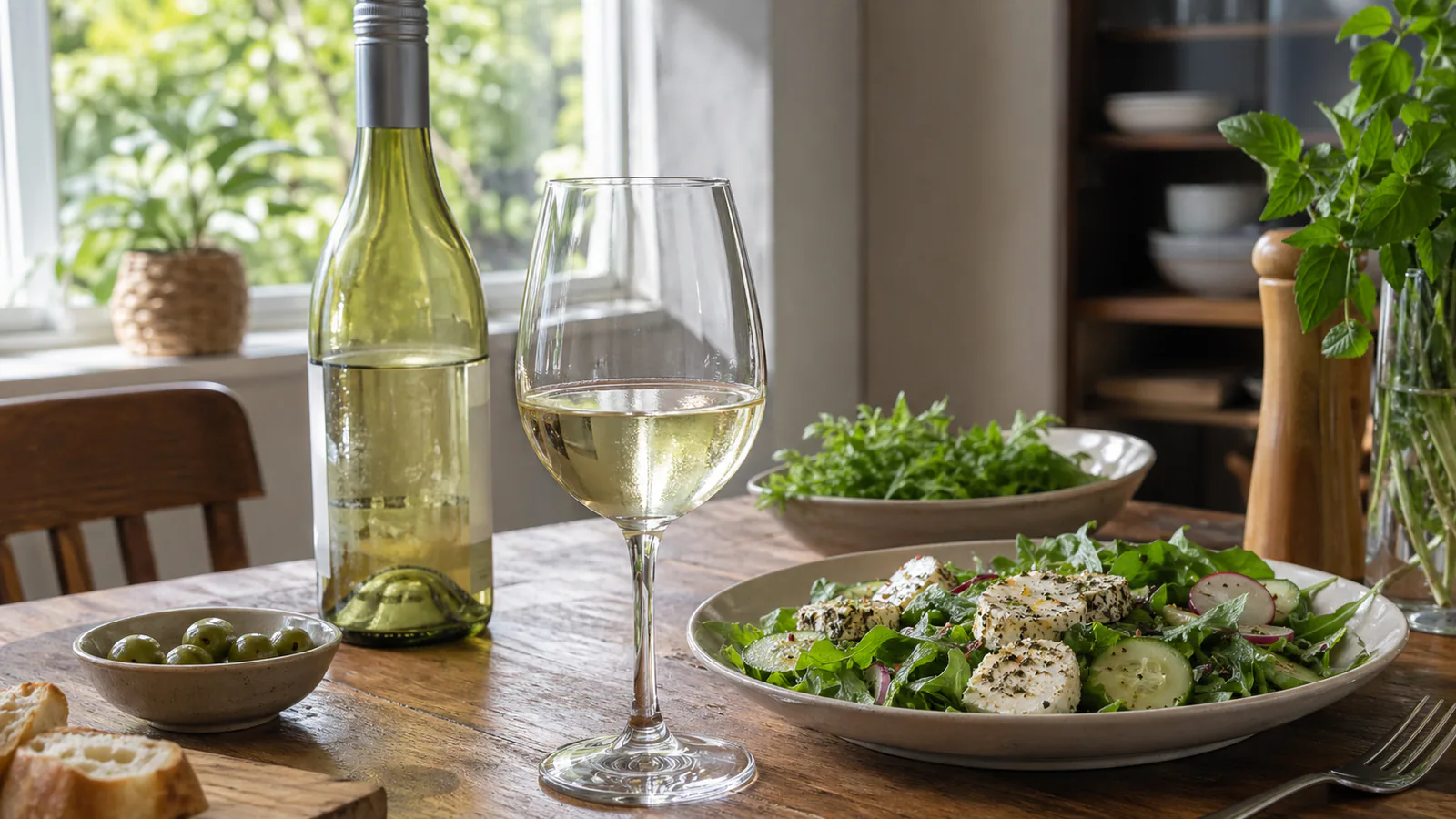
Sauvignon Blanc is one of the most food-friendly whites on the planet. The high acidity cuts through fat, the green herby notes mirror fresh vegetables, and the citrus character is a magnet for seafood.
It’s also one of the only wines that handles the famous problem foods: asparagus, artichokes, and goat cheese. Those three ingredients fight almost every other wine on the shelf. Sauvignon Blanc walks straight through them.
The pairing rule is simple. Match the wine’s brightness with food that’s fresh, herby, citrusy, or has some acid in the dish. Skip heavy cream sauces (those want an oaked Chardonnay).
Dishes that work:
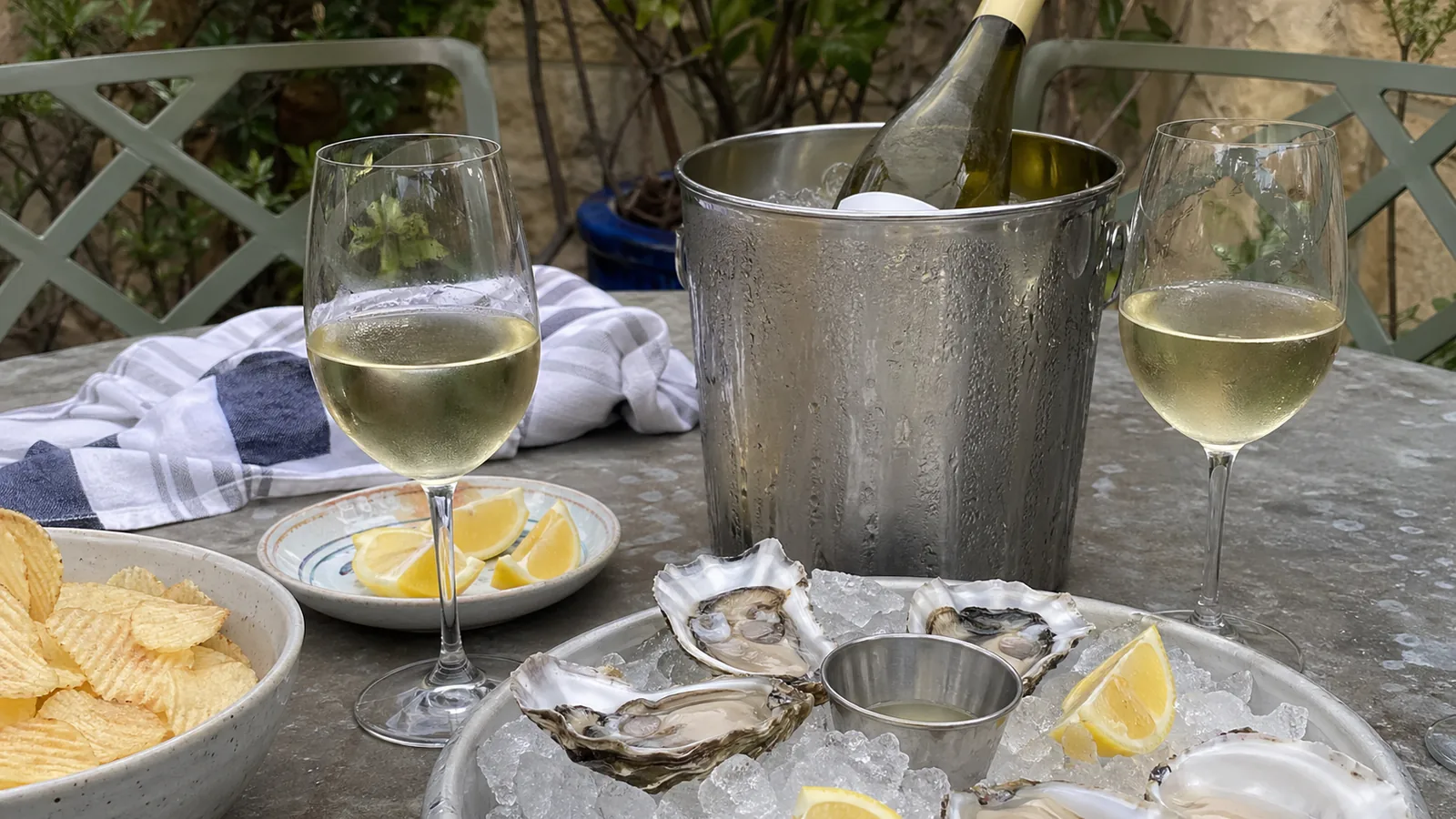
- Fresh oysters with a squeeze of lemon
- Grilled white fish (snapper, sea bass, halibut)
- Goat cheese salad, or goat cheese on toast
- Asparagus, in any form
- Thai green curry, Thai basil chicken, papaya salad
- Vietnamese summer rolls, anything herby
- Ceviche and fish tacos
- Sushi and sashimi
- Roast chicken with lemon and herbs
- Pesto pasta, green pea risotto
Marlborough style is best with sharper, fresher, more aromatic food. Sancerre style holds up to slightly richer plates like poached salmon or chicken with tarragon.
How Should I Serve Sauvignon Blanc?
Cold, but not freezing. Aim for 8 to 10°C (45 to 50°F). Pull it out of the fridge fifteen minutes before pouring, or chill it in an ice bucket for ten. Too cold and you mute the aromatics, which is the whole point of the wine.
Use a standard white wine glass. Skip the flute, skip the big red wine bowl. The slight tulip shape funnels the aromas toward your nose.
Don’t decant it. Sauvignon Blanc is a wine you drink for freshness, and decanting accelerates the loss of those bright aromatics. Open and pour.
An open bottle keeps two to three days in the fridge with the cork pushed back in. After that, freshness fades fast. Sauvignon Blanc is meant to be drunk young, ideally within two years of the vintage on the label. For a $20 bottle, the rule is simple: drink it now.
How Much Should I Spend on Sauvignon Blanc?
Sauvignon Blanc is one of the few wines where the cheap end is genuinely good. Here’s the honest breakdown.
Under $15: The sweet spot for everyday drinking. Marlborough and Chilean bottles in this range over-deliver almost across the board. Oyster Bay, Brancott Estate, Kim Crawford, and Casablanca-region Chileans are reliable.
$15 to $25: Better-end New Zealand (Cloudy Bay, Greywacke, Dog Point) and entry-level Sancerre. South African bottles from Elgin and Constantia often outperform pricier wines here.
$25 to $50: Real Sancerre, Pouilly-Fumé, and the top Marlborough producers. At this level, the wines actually develop with age and pair with more sophisticated food.
For weeknight drinking, $14 to $20 is the honest answer. For a dinner party, $30 to $40 will impress anyone who knows what they’re tasting.
Frequently Asked Questions
Is Sauvignon Blanc sweet or dry?
Sauvignon Blanc is almost always dry. The fruit-forward Marlborough style sometimes tastes sweeter than it actually is because tropical fruit aromas trick your brain. The residual sugar is very low. If a Sauvignon Blanc tastes genuinely sweet, it’s either a rare late-harvest dessert version or a poorly made wine.
What’s the difference between Sauvignon Blanc and Pinot Grigio?
Pinot Grigio is lighter, more neutral, and lower in acidity. Sauvignon Blanc is louder, more aromatic, and noticeably sharper. If you find Pinot Grigio boring, Sauvignon Blanc will feel like a wake-up call. If Sauvignon Blanc feels too aggressive on the herby notes, Pinot Grigio is the easier daily drinker.
What is Fumé Blanc?
Fumé Blanc is California’s name for oak-aged Sauvignon Blanc. Robert Mondavi coined it in 1968 to give the oaked style its own identity. It tastes rounder and creamier than typical Sauvignon Blanc, with vanilla and toasty notes from the barrels. If a label says Fumé Blanc, expect oak.
Can Sauvignon Blanc age?
Most Sauvignon Blanc is meant to be drunk young, within two years of the vintage. The exceptions are top-tier Sancerre, Pouilly-Fumé, and white Bordeaux blends, which can age ten to twenty years and develop honey and toasted nut flavours. For everyday bottles, drink within eighteen months of release.
Why does Sauvignon Blanc sometimes smell like cat pee?
It’s a real flavour descriptor wine pros use. The compound responsible is the same one found in blackcurrant buds. In small doses, it adds lift and intensity. In large doses, it takes over the glass. Most drinkers register it as “blackcurrant” rather than the less flattering version.
What’s a good cheap Sauvignon Blanc?
Marlborough bottles between $12 and $16 from Oyster Bay, Brancott Estate, Babich, or Yealands are all solid. Chilean Sauvignon Blanc from Casablanca Valley at the same price delivers too. South African bottles from Stellenbosch are often the smartest buy on the shelf. Skip the generic $8 to $10 supermarket stuff, it tends to be flat and unbalanced.
Ready to put this into practice? Our guide to the best crisp white wines covers specific Sauvignon Blanc bottles at every price point, including the ones worth keeping in the fridge for a Tuesday night.
Keep Reading
Marlborough Wine: Sauvignon Blanc, Sub-Regions, Styles
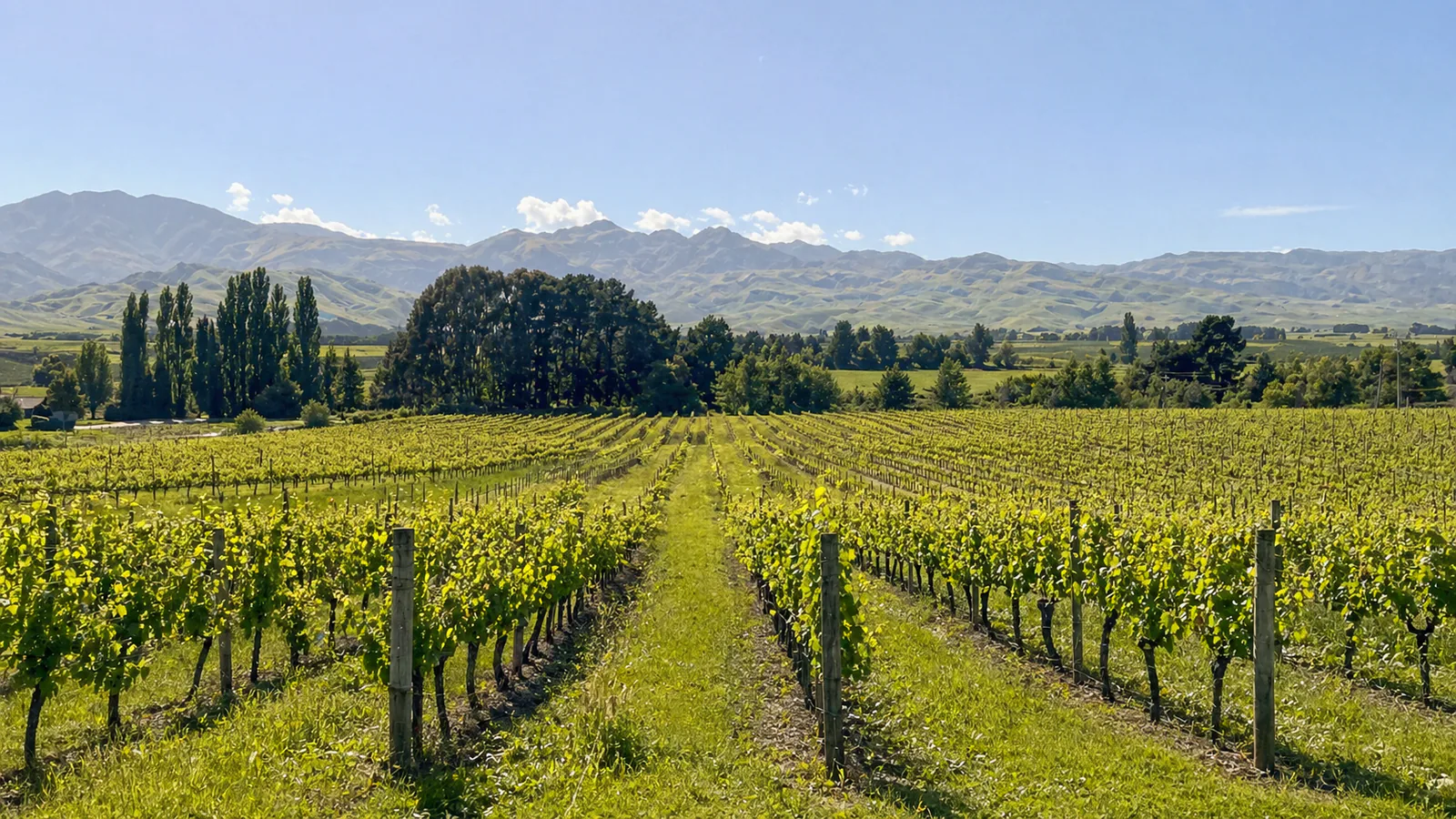
What Marlborough wine actually tastes like, the Wairau vs Awatere split, why NZ Sauvignon Blanc punches so hard, and how much to spend.
Loire Valley Wine: Regions, Grapes, and What to Buy
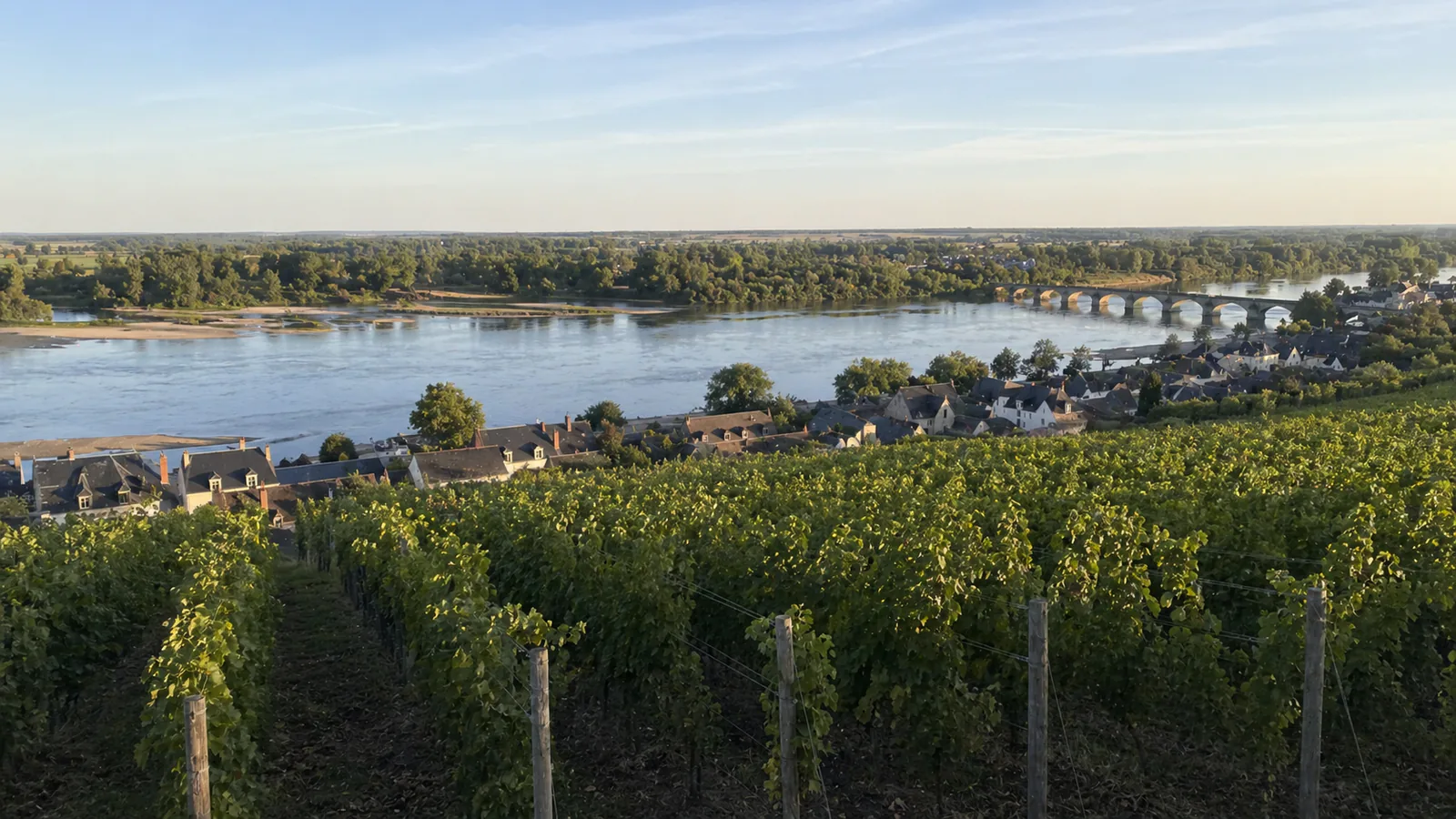
Loire Valley wine explained: Sancerre, Vouvray, Muscadet, and Chinon broken down by sub-region, grape, and taste so you stop guessing in the aisle.
Best Crisp White Wines: 8 Bottles That Actually Deliver
Eight crisp white wines that cut through food and taste better cold. Sauvignon Blanc to Chablis to Vermentino, all dry, all high-acid, all under $35.