Claire Bennett
Wine Editor10 min read
Marlborough Wine: Sauvignon Blanc, Sub-Regions, Styles
What Marlborough wine actually tastes like, the Wairau vs Awatere split, why NZ Sauvignon Blanc punches so hard, and how much to spend.
Marlborough Wine: Sauvignon Blanc, Sub-Regions, Styles
In 1985, Cloudy Bay shipped its first batch of Sauvignon Blanc to London. The buyers had never tasted anything like it: tropical fruit, cut grass, something almost electric in the finish. Marlborough went from barely-known to global category-definer in about five years. Today it produces around 70% of all New Zealand wine, and the style it created is the most widely copied white wine profile in the world. This page explains what separates the genuine article from the imitators, what the $30 bottle is doing that the $14 one isn’t, and the Marlborough wine most drinkers overlook entirely.
By the end of this page you’ll know:
- The two Marlborough valleys that produce noticeably different Sauvignon Blanc styles (and how to pick which one’s in your glass without looking at the back label)
- Why a Marlborough Sauv Blanc tastes so different from a French Sancerre, even though they’re the same grape
- The Marlborough wine that quietly outperforms its Sauvignon Blanc and gets ignored by 90% of drinkers
- The exact price jump where supermarket Sauv Blanc starts behaving like producer Sauv Blanc
- The one dish that makes a good Marlborough Sauvignon Blanc taste like it was built for the plate
What Is Marlborough Wine?
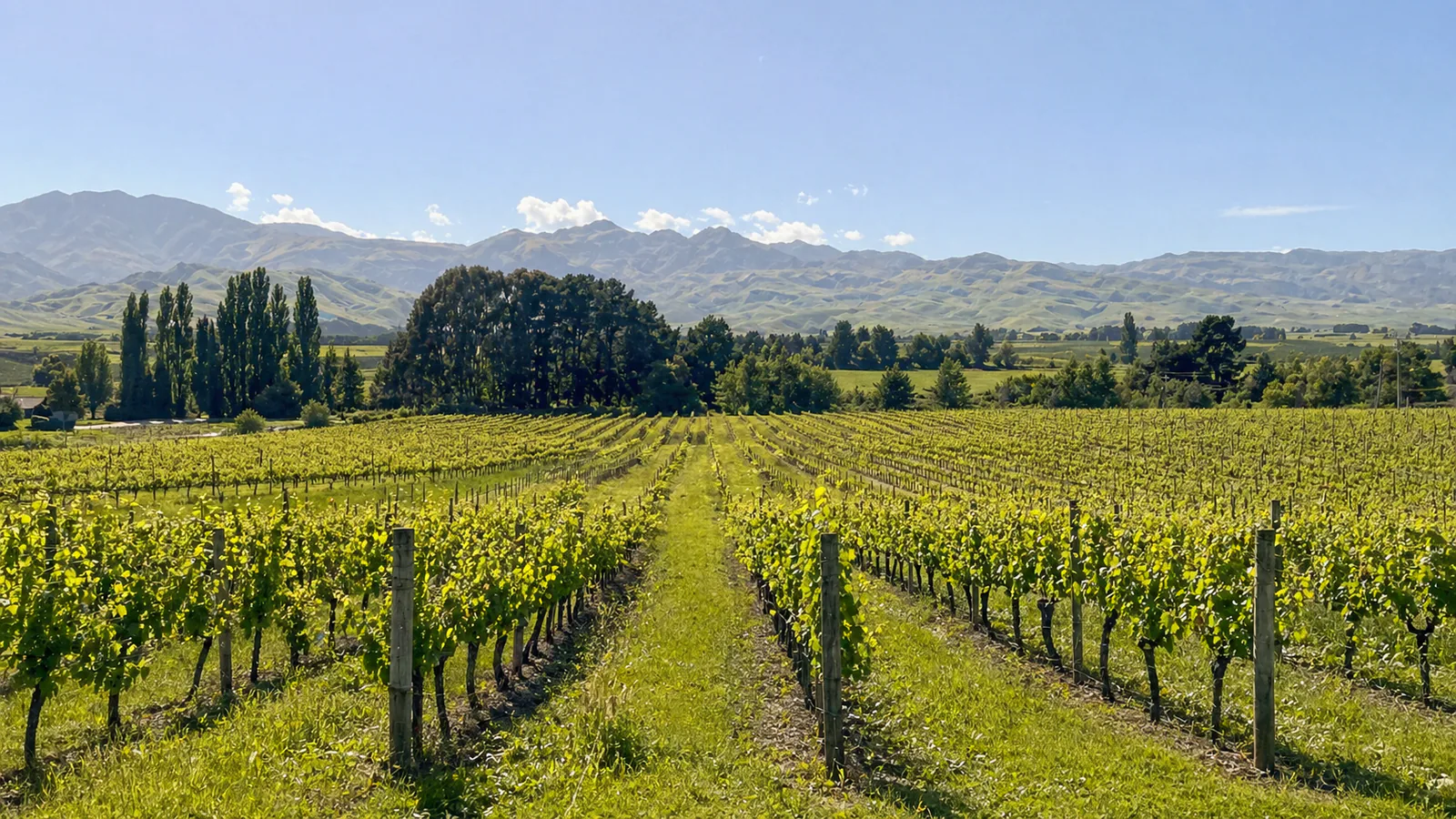
Marlborough sits at the top of New Zealand’s South Island, tucked between mountain ranges and the coast. It’s a sun-drenched, windy, dry corner of the country with cool nights, gravelly riverbed soils, and a long ripening season. That combination is the recipe for high-acid, intensely flavoured white wine.
The region barely existed as a wine zone before 1973, when Montana (now Brancott Estate) planted the first commercial Sauvignon Blanc vines in the Wairau Valley. Ten years later, Cloudy Bay shipped a bottle to London that tasted like nothing the wine trade had ever encountered. The Marlborough style went global almost overnight. Today the region grows around 70% of all New Zealand wine, and the country exports more Sauvignon Blanc than any other variety by a long way.
Roughly 75% of Marlborough’s vineyards are planted to Sauvignon Blanc. The next biggest plantings are Pinot Noir, then Chardonnay, then aromatic varieties (Pinot Gris, Riesling, Gewürztraminer). It’s the most single-grape-dominant region in the New World, and that’s both its strength and its trap.
What Makes Marlborough Sauvignon Blanc So Distinctive?
Before Marlborough, Sauvignon Blanc meant Sancerre and Pouilly-Fumé: restrained, flinty French whites that whispered citrus and stone. Then Marlborough Sauv Blanc came along and shouted. Passionfruit, gooseberry, fresh-cut grass, lime zest, and a crackling acidity that practically scrubs your palate clean.
The reason it’s so loud comes down to climate and methylpyrazines. Marlborough’s cool nights preserve aromatic compounds in the grape skins, and the long sunny days build the tropical fruit character on top. The result is a wine with both green herbal notes (the gooseberry, capsicum, grass) and ripe tropical notes (passionfruit, guava) at the same time. French Sauvignon Blanc rarely shows both at full volume. Marlborough almost always does.
Most Marlborough Sauv Blanc is fermented in stainless steel, never sees oak, and gets bottled young to lock in those aromatics. Drink it within 18 months of vintage. Older bottles fade fast and lose the punch that’s the whole point.
A handful of producers (Greywacke, Dog Point, Cloudy Bay’s Te Koko) make oak-aged, wild-yeast Sauvignon Blanc that ages well and tastes more like a textured white Burgundy than a typical Marlborough. These are the bottles that quietly convert people who say they don’t like Sauvignon Blanc.
What Are Marlborough’s Sub-Regions?
If you only learn one thing about Marlborough beyond the grape, learn the valleys. Most labels now print the sub-region on the front, and once you know what each tastes like, you can predict the wine before you open it.
Wairau Valley
The original Marlborough zone, the warmest of the three, and the place most of the famous brands started. Wairau Sauvignon Blanc is the classic punchy version: ripe passionfruit, juicy citrus, a softer mid-palate, broader body. If you’ve ever had a bottle that screamed “tropical fruit salad”, it almost certainly came from Wairau. Cloudy Bay, Brancott, Allan Scott, and Saint Clair are all Wairau-rooted.
Awatere Valley
Cooler, drier, higher altitude, closer to the coast. Awatere Sauvignon Blanc leans herbal and saline. Think tomato leaf, lime pith, cut grass, sea spray, and a tighter, more mineral finish. The fruit pulls back and the wine gets nervier. Yealands, Astrolabe’s Awatere bottlings, and Vavasour built reputations on this style.
Southern Valleys
The clay-rich pocket south of Wairau, named for the smaller side valleys (Brancott, Omaka, Waihopai, Ben Morven). Cooler, slower-ripening sites that lean toward Pinot Noir more than Sauvignon Blanc. If you’re drinking a serious Marlborough Pinot, there’s a good chance the fruit came from here.
The shorthand: Wairau is generous and tropical, Awatere is taut and herbal, Southern Valleys is where the red wine quietly happens.
What Else Does Marlborough Grow Besides Sauvignon Blanc?
Marlborough is a one-grape region by volume, but the other 25% of plantings includes some of the country’s best wine. Most drinkers never get there because the Sauv Blanc is so loud it drowns everything else out.
Pinot Noir
Marlborough is New Zealand’s second-biggest Pinot Noir region after Central Otago, and the style is genuinely good. Lighter and brighter than Otago Pinot, with red cherry, raspberry, dried herbs, and softer tannins. Producers like Fromm, Dog Point, Te Whare Ra, and Greywacke make Pinots that hold their own against $50 Burgundy at half the price.
Chardonnay
Quietly excellent. Marlborough Chardonnay sits between cool-climate Tasmania and Burgundy in style: white peach, citrus, oatmeal, balanced oak, bright acidity. Greywacke, Dog Point, and Villa Maria’s Reserve range are the easy starting points. Almost nobody talks about Marlborough Chardonnay, which means it’s underpriced.
Aromatic Whites (Pinot Gris, Riesling, Gewürztraminer)
Pinot Gris is the third-most-planted grape in Marlborough and ranges from neutral and pear-ish to richer, off-dry styles closer to Alsace. Riesling is rarer but worth seeking out, often with a touch of residual sugar that balances the acidity. Gewürztraminer shows up occasionally and tastes the way Gewürztraminer always tastes: lychee, rose petal, ginger, full body.
Sparkling
Marlborough’s high acidity makes it ideal for traditional-method sparkling. Cloudy Bay’s Pelorus, No.1 Family Estate, and Hunter’s MiruMiru are the names to know. Genuinely good fizz, usually $35 to $60, and often as good as entry-level Champagne at half the price.
What Does Marlborough Sauvignon Blanc Taste Like?
If you want a single mental picture: it tastes like passionfruit pulp squeezed over a handful of crushed gooseberries, with a squeeze of lime and a faint whisper of fresh-cut lawn. The acidity is bright enough to make your jaw tingle slightly, and the finish is dry and clean.
Quick reference for how it feels in the glass:
- Body: light to medium
- Tannin: none, it’s a white wine
- Acidity: high to very high
- Sweetness: dry, though some commercial bottles have a touch of residual sugar to round the edges
- Oak: almost always none
- Alcohol: usually 12.5% to 13.5%
The flavour profile typically lands somewhere between two poles. The “loud Wairau” version is all passionfruit, ripe citrus, and tropical generosity. The “tight Awatere” version is grass, capsicum, lime pith, and oyster-shell minerality. Most commercial blends sit in the middle, which is why so much supermarket Marlborough tastes interchangeable.
If you’ve decided you don’t like New Zealand Sauvignon Blanc, the most likely reason is you’ve only had the loud, mass-market Wairau-blend version. Try a single-vineyard Awatere bottle from Astrolabe or Yealands, or an oak-aged version like Greywacke Wild Sauvignon. They drink like a completely different grape.
How Much Should You Spend on Marlborough Wine?
Marlborough has the steepest quality jump of almost any wine region in the world right at the $20 line. Below it, you’re drinking blended supermarket fruit. Above it, you’re drinking real wine.
$10 to $14 supermarket tier. Big-volume brands like Brancott, Oyster Bay, Stoneleigh, and Kim Crawford. Made in industrial volumes, blended across multiple vineyards, and built to taste the same year after year. Drinkable, occasionally good, rarely memorable. Often a touch sweeter than producer wines because the residual sugar smooths over rougher fruit.
$18 to $30 sweet spot. This is where Marlborough genuinely shines. Single-vineyard or single-valley bottles from Cloudy Bay, Saint Clair Pioneer Block, Astrolabe, Dog Point, Greywacke, Te Whare Ra, and Villa Maria’s Single Vineyard range. The fruit is more defined, the acidity sharper, the finish longer. You’ll notice the upgrade on the first sip.
$35 and up. Oak-aged or wild-ferment Sauvignons (Greywacke Wild Sauvignon, Dog Point Section 94, Cloudy Bay Te Koko), top single-vineyard Pinot Noirs, serious Chardonnay, and the best traditional-method sparkling. These are weekend dinner wines that stand up against any white wine in their price bracket worldwide.
Honest take: the jump from a $13 Oyster Bay to a $22 Greywacke is enormous. The jump from Greywacke to a $40 Dog Point is real but smaller. If you’re new to good Marlborough wine, the highest-value upgrade you can make is walking out of the supermarket aisle and into a proper bottle shop.
Frequently Asked Questions
Why does NZ Sauvignon Blanc taste different from Sancerre?
Same grape, two different climates and two different winemaking traditions. Sancerre comes from cool, limestone-soil vineyards in the Loire Valley, France, where the wines lean flinty, mineral, and citrus-driven, with the tropical fruit dialled right down. Marlborough’s longer sunny days and cool nights ramp up both green herbal compounds (methylpyrazines) and tropical fruit aromatics in the same grape, which is why you get passionfruit and gooseberry at the same time. French winemakers also tend to ferment a touch warmer and sometimes blend in a small amount of Sémillon, which softens the wine. New Zealand keeps it pure, cold, and stainless steel.
Are all New Zealand Sauvignon Blancs from Marlborough?
Roughly 85% of them, yes. Marlborough is the dominant Sauvignon Blanc region by a huge margin. The other meaningful sources are Nelson (just to the west, similar style), Hawke’s Bay (warmer, riper, often blended with Sémillon, more like Bordeaux), and Wairarapa near Wellington. If a New Zealand Sauv Blanc doesn’t say a region on the front, the back label will almost certainly say Marlborough.
Is Marlborough Pinot Noir any good?
Yes, and it’s one of the best-value Pinot Noir styles in the world right now. Lighter and brighter than Central Otago, with juicy red cherry, raspberry, and softer tannins. Bottles from Fromm, Dog Point, Greywacke, Te Whare Ra, and Villa Maria’s Reserve range deliver $50-Burgundy quality for $30 to $40. Drink them with a slight chill on the bottle and they really shine.
What’s the difference between Wairau and Awatere?
Wairau is the warmer, original valley. Sauv Blanc from Wairau is generous, tropical, ripe, and broader on the palate, with passionfruit and citrus dominant. Awatere is cooler, drier, and closer to the coast. Sauv Blanc from Awatere is leaner, more herbal, more saline, with cut-grass and lime-pith notes and a tighter finish. Most labels now state the sub-region on the front, so you can pick the style you want before opening the bottle.
What food pairs with Marlborough Sauvignon Blanc?
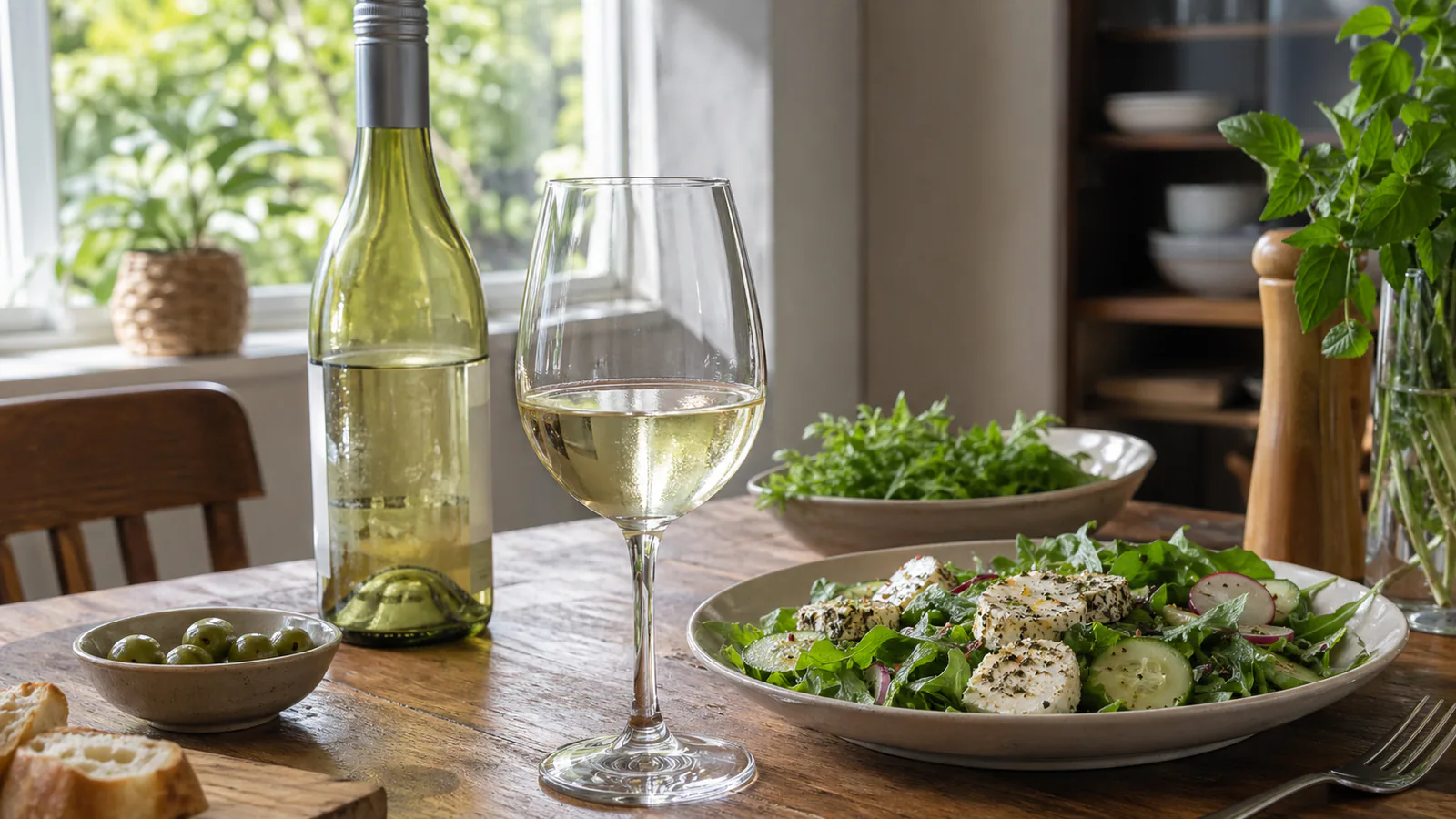
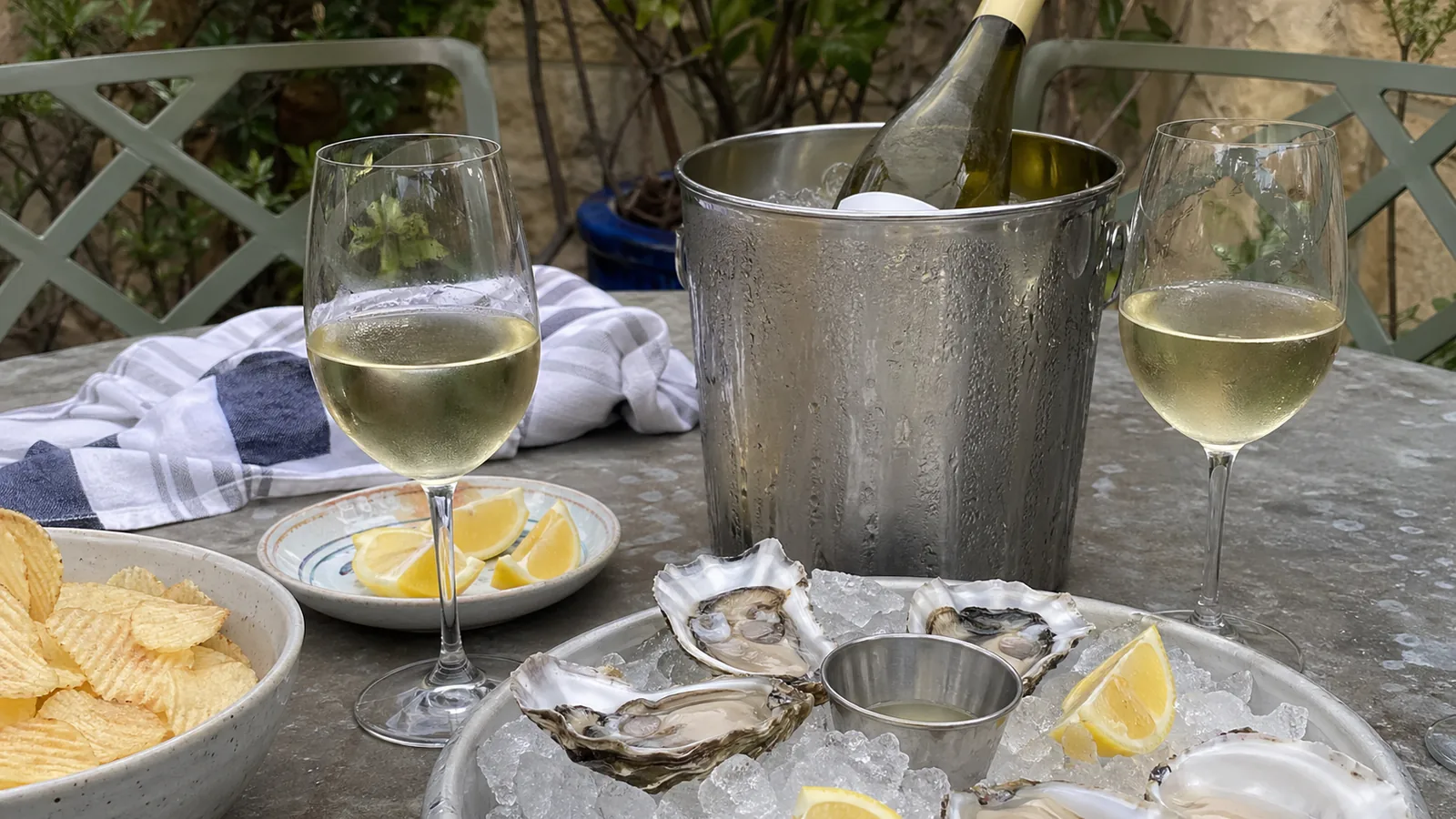
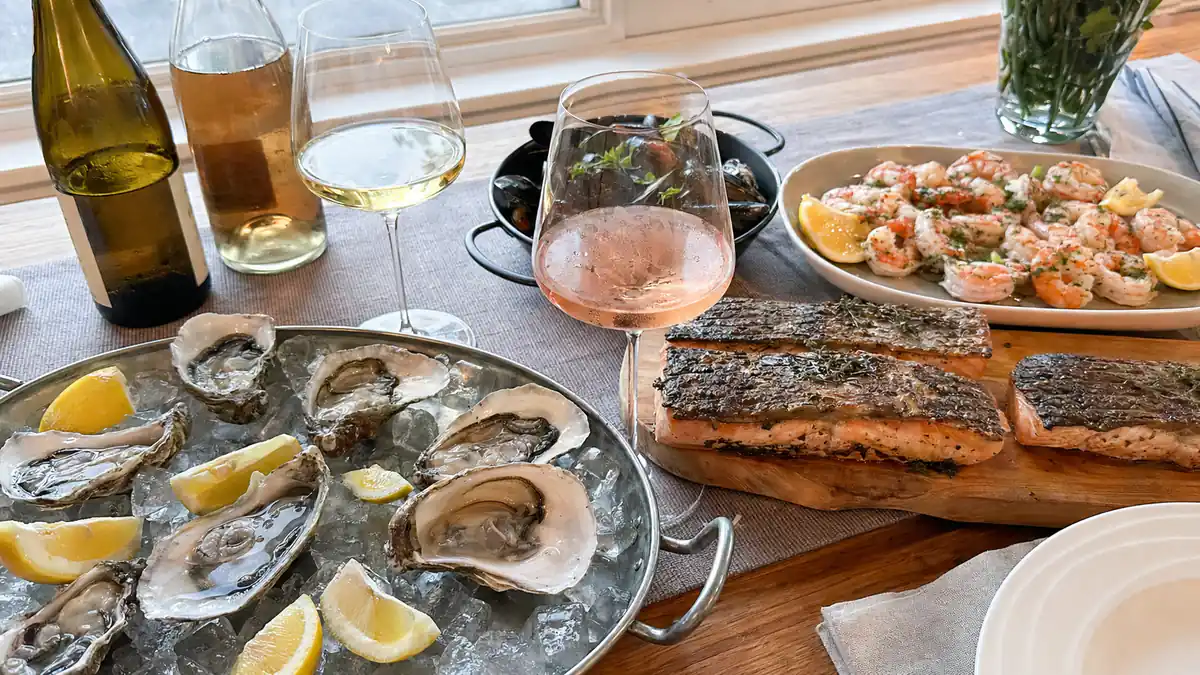
Anything green, anything from the sea, anything with citrus. Goat cheese is the textbook pairing for a reason: the wine’s grassy acidity and the cheese’s tang are made for each other. Beyond that, try oysters with lemon, grilled white fish and other seafood, sushi and sashimi, Thai green curry, asparagus, salads with vinaigrette, prawn linguine, and chicken with herbs. It struggles with red meat and heavy creamy dishes. Switch grape for those.
How long can I age Marlborough Sauvignon Blanc?
Most of it shouldn’t be aged at all. Drink standard Marlborough Sauv Blanc within 18 months of vintage to keep the aromatic punch. The wines fade fast and lose the passionfruit and citrus that make them worth drinking. The exception: oak-aged or wild-ferment versions like Greywacke Wild Sauvignon, Dog Point Section 94, and Cloudy Bay Te Koko, which can age 5 to 10 years and develop nutty, lanolin-rich complexity closer to white Burgundy.
Ready to put this to the test? If you’ve only ever had supermarket Marlborough, grab one Wairau bottle and one Awatere bottle and taste them side by side. The Pinot Noir guide is a good follow-up if you want to see what else this region quietly does well.
Or browse the best crisp white wines for tested picks across the style.
Keep Reading
Sauvignon Blanc: Taste, Regions, and Food Pairing
Sauvignon Blanc is the loud, zesty white that smells like cut grass and tropical fruit. How it tastes, where it grows, what to eat with it.
Best Crisp White Wines: 8 Bottles That Actually Deliver
Eight crisp white wines that cut through food and taste better cold. Sauvignon Blanc to Chablis to Vermentino, all dry, all high-acid, all under $35.
Seafood Wine Pairing: What To Pour With Fish
The best wines with seafood by style, from oysters and Muscadet to lobster and Chardonnay, salmon and Pinot Noir, and spicy shrimp.