Claire Bennett
Wine Editor8 min read
Pinot Noir: Taste, Best Regions, Food Pairings
What Pinot Noir tastes like, where the best bottles come from, what to pair with it, and how much to spend on the heartbreak grape.
Pinot Noir: Taste, Best Regions, Food Pairings
You’ve probably had a Pinot Noir that made you sit up and pay attention, and another that tasted like watered-down cordial. Same grape, wildly different results. Pinot hides nothing. When it’s good, it’s one of the most beautiful wines on earth. When it’s bad, it’s thin and sad. Growers call it the heartbreak grape for a reason, and this page is your field guide.
By the end of this page you’ll know:
- Why Pinot Noir is called the heartbreak grape (and what every great vintage costs the grower)
- The single rule that separates a $25 Pinot worth drinking from a $25 Pinot that will disappoint
- Why salmon and Pinot is one of the most reliable food pairings in wine
- The Pacific Northwest region quietly making Pinots that compete with Burgundy at half the price
- How a thin grape skin determines almost everything you’ll ever taste in the glass
What Is Pinot Noir?
Pinot Noir is one of the oldest wine grapes on record, with roots in Burgundy going back at least 2,000 years. The name comes from pin (pine, after the tight cluster shape) and noir (black). DNA tests show it’s a parent or grandparent to Chardonnay, Gamay, and dozens of other varieties.
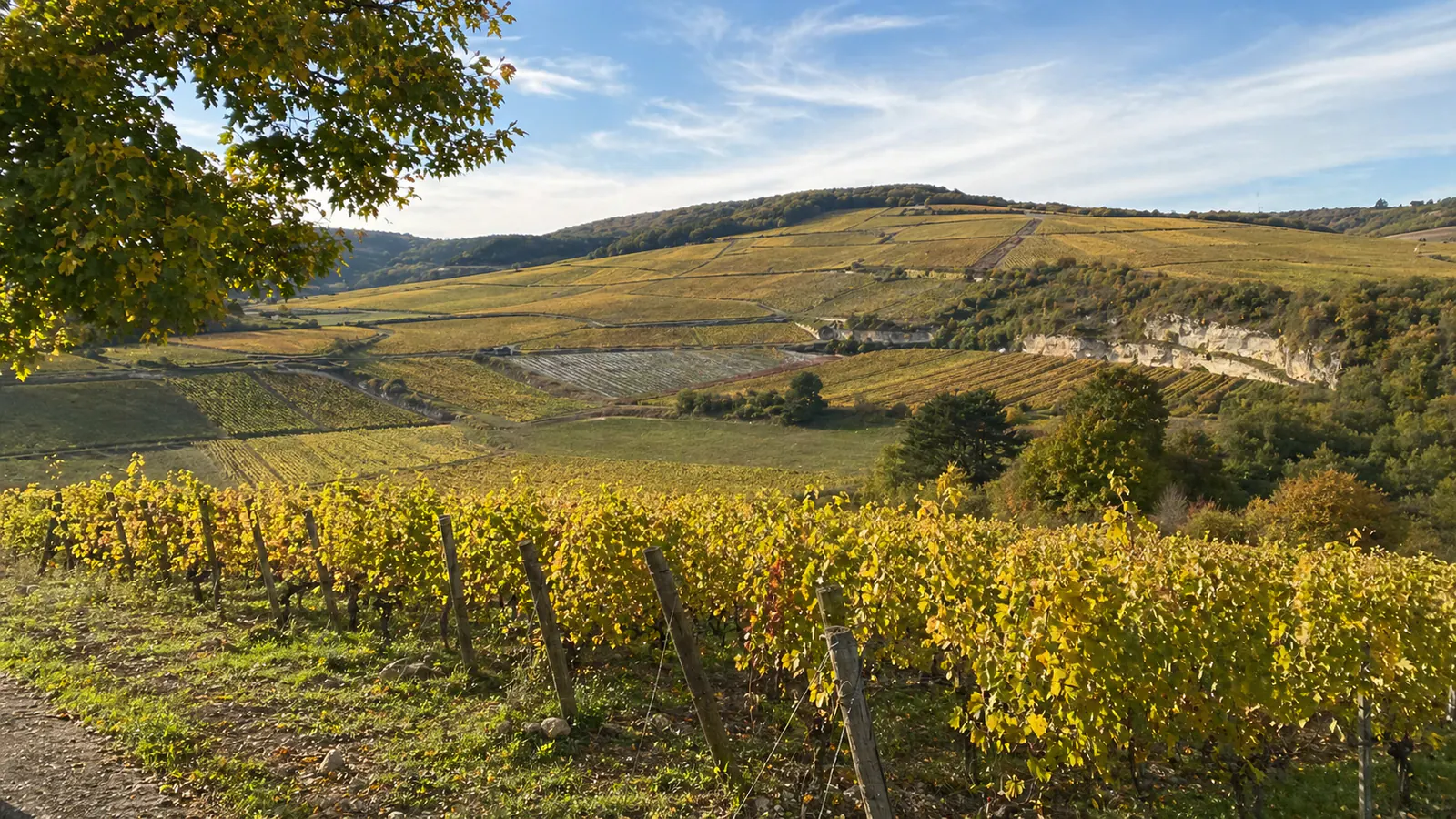
It became famous because of where it ended up: the Côte d’Or in Burgundy, a 30-mile strip of east-facing limestone where monks spent centuries mapping which vineyards made which wines. Two adjacent rows of vines can be classified differently and sell for thousands apart.
Pinot is also famously hard to grow. It buds early, so spring frost can wipe it out. Paper-thin skins mean storms tear it. It rots, mildews, sunburns. High risk plus high reputation is why it routinely commands the highest prices per acre of any grape on earth.
What Does Pinot Noir Taste Like?
Pinot leads with red cherry, raspberry, and strawberry, then layers in forest floor, mushroom, and dried herbs. The texture is the giveaway: silky, weightless, almost see-through. Older bottles develop leather, truffle, and dried rose petal.
Oak handling has to be careful. Too much new oak crushes Pinot’s elegance, so good producers use older barrels or a light hand with new ones. Burgundy and the best New World Pinots taste of fruit and earth first, with vanilla and toast playing a tiny supporting role. Cheaper, oakier Pinots taste of vanilla cola, which is nobody’s idea of a good time.
Quick reference for how Pinot Noir feels in the glass:
- Body: light to medium
- Tannin: low, soft and silky
- Acidity: high
- Sweetness: dry
- Oak: moderate, usually older barrels
- Alcohol: 12.5% to 14%
Climate shapes the style more than almost any other grape. Cool-climate Pinot (Burgundy, Marlborough, Mornington) shows tart cherry, herbs, and savoury earthiness. Warmer Pinot (parts of California, Central Otago) gets riper black cherry, baking spice, and more weight. Pinot tells you exactly what kind of place it grew up in.
Where Is Pinot Noir Grown?
Six regions worth knowing.
Burgundy, France
The benchmark and the obsession. Burgundy sorts Pinot into a hierarchy: regional, village, Premier Cru, Grand Cru. Prices climb from around $30 for a basic Bourgogne Rouge to thousands for a Grand Cru. The style is restrained and earthy: tart cherry, mushroom, wet leaves. Every other Pinot grower on earth is quietly trying to copy it.
Willamette Valley, Oregon
The closest thing the New World has to a Burgundy clone. Similar latitude, similar cool climate, similar grape clones. Brighter fruit than Burgundy with comparable elegance. Quality entry points start around $25 to $35.
Central Otago, New Zealand
New Zealand’s South Island, sitting on Burgundy’s latitude flipped south. Central Otago Pinot tends to be riper and more fruit-forward: black cherry, plum, baking spice, with the high acidity Pinot lovers want. Felton Road and Mount Difficulty are the names to know. Bottles run $35 to $80.
Sonoma Coast and Russian River Valley, California
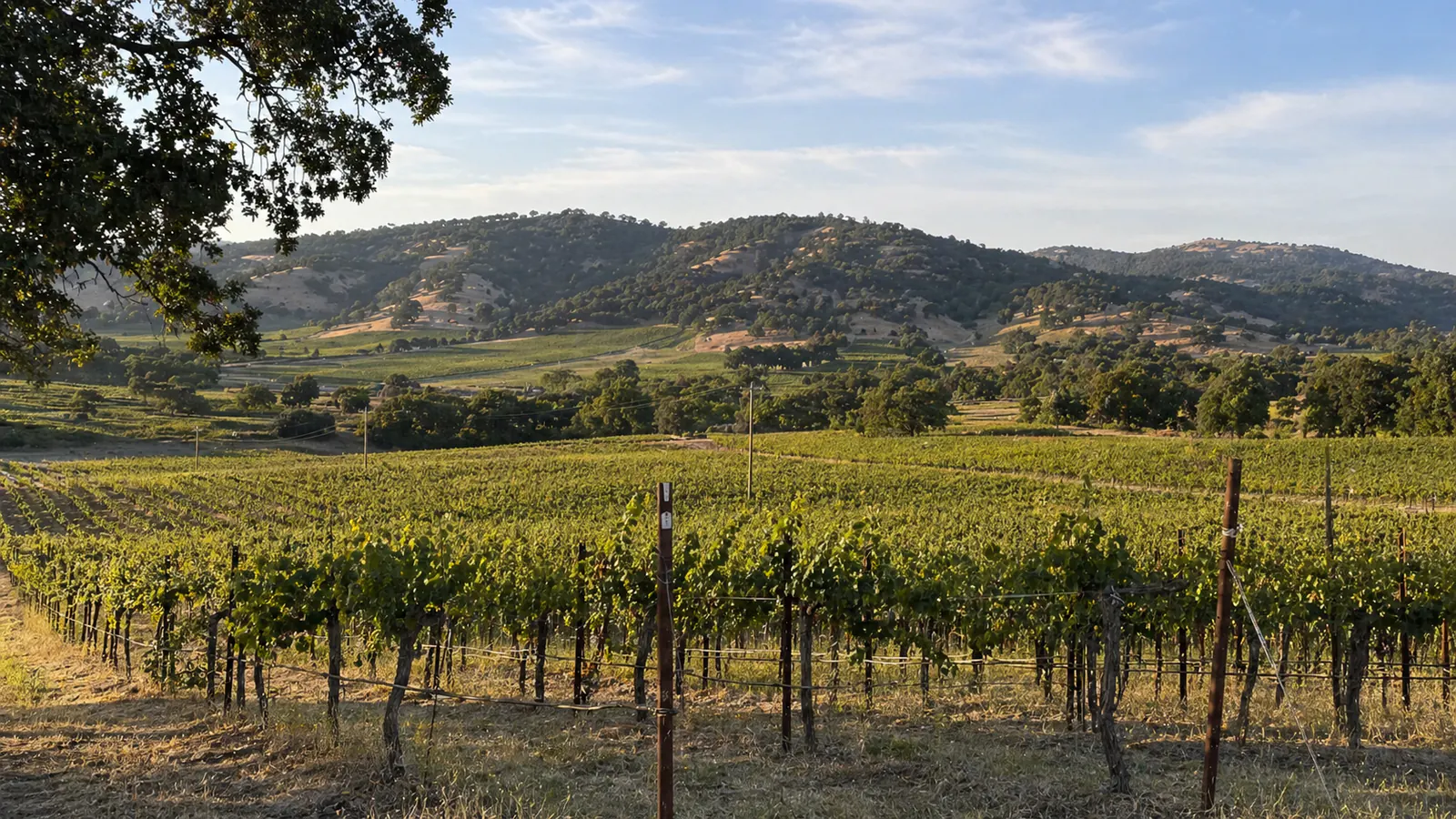
California’s best Pinot grows where cold Pacific air keeps the grapes from cooking. Sonoma Coast Pinot is structured and savoury, Russian River is plumper and fruitier. Both can be excellent, and solid bottles are widely available for $30 to $50.
Marlborough, New Zealand
Better known for Sauvignon Blanc, Marlborough also turns out excellent Pinot Noir at value prices. Cool maritime climate, bright cherry, medium body. A great gateway to the grape, with real bottles regularly turning up for $20 to $30.
Mornington Peninsula, Australia
A cool finger of land south of Melbourne, Mornington makes some of Australia’s most elegant Pinot. Restrained, savoury, food-friendly, with bright acidity and sour-cherry character. Expect $40 to $80 for serious bottles.
What Food Pairs With Pinot Noir?
Pinot Noir is the most flexible red on earth for food. High acidity cuts through fat. Low tannin means the wine doesn’t fight delicate proteins. It even pairs with fish, which defeats most other reds.
Pairings that work consistently:
- Duck breast with cherry sauce or five-spice glaze
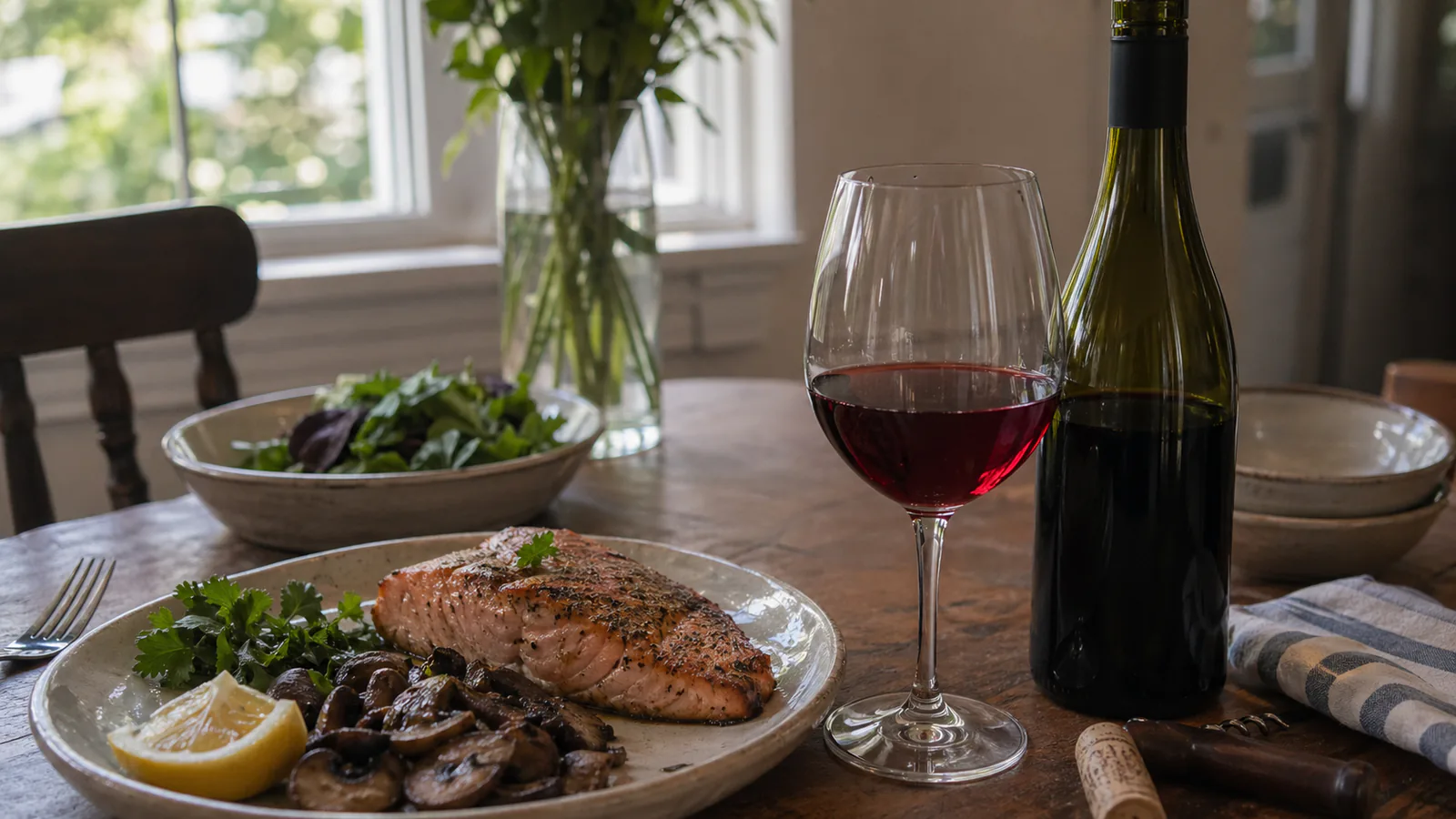
- Roast or grilled salmon (the classic match)
- Roast chicken with herbs and pan juices
- Mushroom risotto or wild mushroom pasta
- Pork tenderloin with stone fruit or balsamic
- Coq au vin (made with Pinot, ideally)
- Charcuterie with prosciutto, salami, soft cheeses
- Beet, lentil, or mushroom-based vegetarian mains
- Soft-rind cheeses like Camembert and Brie
The salmon and Pinot pairing has real chemistry behind it. Salmon’s fat and umami flavour mirror Pinot’s earthy fruit and bright acid. Few pairings are this dependable across this many price points.
How Should I Serve Pinot Noir?
Serve Pinot slightly chilled, around 13 to 16°C, cooler than most reds. If your house is warm, give the bottle 20 to 30 minutes in the fridge first. Pinot served too warm tastes flabby.
Use a Burgundy glass. The wide bowl lets the wine release its delicate aromas, and the inward-tapering rim funnels them to your nose. This is one of the few wines where the glass genuinely matters. A narrow Bordeaux glass dampens the whole experience.
Decanting is rarely needed. Most Pinot is light enough that 10 to 15 minutes in the glass does the job. Older bottles can be decanted briefly, but drink them within an hour because mature Pinot fades fast.
Most New World Pinot drinks best within two to five years. Village-level Burgundy is happy at five to ten. Premier Cru and Grand Cru can reward 15 to 30 years. Store bottles cool, dark, on their side. An opened bottle keeps one to two days re-corked in the fridge.
How Much Should I Spend on Pinot Noir?
Pinot is the hardest grape to bargain-shop. Cheap Pinot is genuinely worse than cheap Merlot or Cabernet. Three tiers worth knowing.
$10 to $20 entry tier. Tread carefully. Most Pinot at this price is thin, over-oaked, or both. Reliable exceptions: Marlborough Pinot from supermarket brands, Chilean Pinot from Casablanca Valley, and basic Bourgogne Rouge from a good négociant. If your budget is around $12, you’ll be happier reaching for a Beaujolais (made from Gamay) for a similar light red experience.
$25 to $45 sweet spot. Now you’re in serious territory. Willamette Valley, Marlborough, Mornington, Sonoma Coast, and village Burgundy all deliver real character here. This is where Pinot starts to taste like Pinot.
$60 and up. Premier Cru Burgundy, top Willamette and Sonoma producers, the best Central Otago. Layered, complex, built to age. The jump in quality is real, though diminishing returns kick in above $150.
The honest truth: a bad $20 Pinot is a worse buy than a good $20 Cabernet. If your budget is tight, spend slightly more on Pinot or pick a different grape.
Frequently Asked Questions
Is Pinot Noir dry or sweet?
Pinot Noir is dry. The fresh red fruit can taste fruity, but virtually every Pinot finishes dry with no residual sugar. If one tastes overtly sweet, it’s usually a cheap bottle compensating for thin fruit with a touch of sugar. Skip it.
Why is Pinot Noir called the heartbreak grape?
Because so much can go wrong. Thin skins make it vulnerable to rot, hail, and sunburn. Early budding exposes it to spring frost. One bad week of weather can wreck a vintage. Growers love it because when it works it produces some of the world’s greatest wine, and they keep getting their hearts broken in the process.
Can you drink Pinot Noir with fish?
Yes. Pinot is the classic exception to the “white wine with fish” rule. Its low tannins and high acidity work beautifully with salmon, tuna, and other oily fish. The fattier the fish, the better the pairing. For lean white fish like cod, a white is still the better call.
What’s the difference between Pinot Noir and Merlot?
Pinot is lighter-bodied with higher acidity, low tannin, and red fruit. Merlot is medium-full with softer tannin and plummy black fruit. Pinot is more elegant and food-flexible. Merlot is plumper and easier drinking on its own. Both worth keeping around.
How long does Pinot Noir age?
Most New World Pinot drinks best within two to five years. Village Burgundy ages five to ten. Top Premier and Grand Cru, plus the best Oregon and California producers, can age 15 to 30 years. Cheap Pinot under $20 should be opened within two years of the vintage.
Why is Pinot Noir so expensive?
Three reasons. The grape is hard to grow, yields are low, and Burgundy has finite vineyard land with massive global demand. Risk, scarcity, and reputation stack up to the highest prices per acre of any red grape on earth.
Ready to find a Pinot worth opening this week? These are the best light-bodied red wines for your money, including approachable Pinot picks at every price tier.
Keep Reading
Burgundy Wine: The Plain-English Guide
What Burgundy wine actually is, the difference between red and white Burgundy, the classification system, and how to drink it without remortgaging.
Sonoma Wine: Regions, Grapes, and What to Buy
Sonoma wine explained: cool coastal Pinot and Chardonnay, inland Zinfandel and Cab, how it differs from Napa, and how much to spend.
Best Light Red Wines: 8 Easy-Drinking Bottles
Eight light red wines under $30. Beaujolais, Pinot Noir, Frappato, Schiava, Mencia, and more, all chillable and food-friendly.