Claire Bennett
Wine Editor9 min read
Grenache: The Warm-Climate Workhorse Red
Grenache (Garnacha) is the soul of Châteauneuf-du-Pape and Priorat. Strawberry, white pepper, herbs, and a knack for lifting any blend it joins.
Grenache: The Warm-Climate Workhorse Red
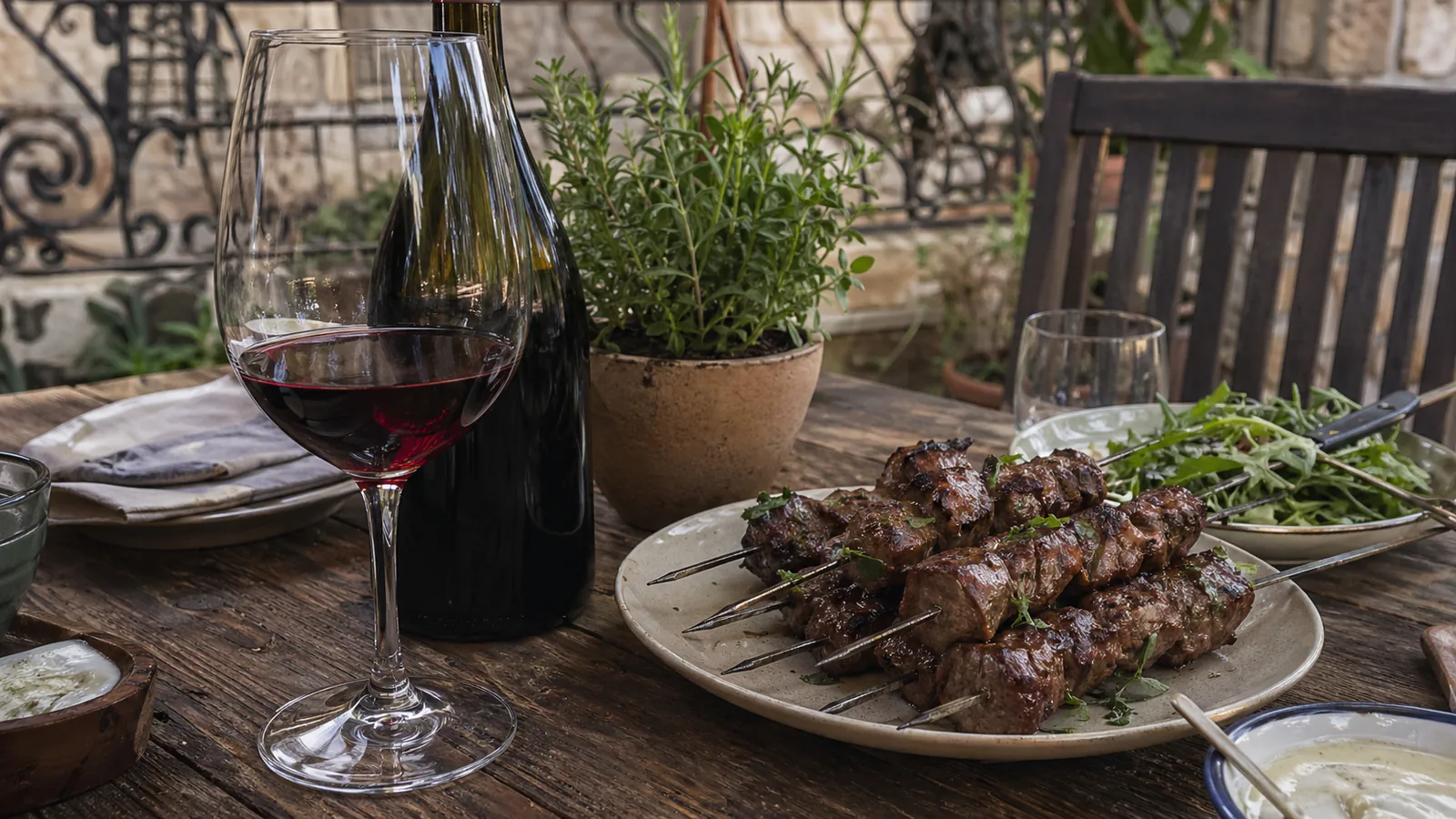
You order a bottle of Côtes du Rhône with a roast chicken on a Sunday and the wine tastes like sunshine and sage. That’s Grenache doing the heavy lifting. The grape has a way of carrying warmth, fruit, and gentle spice without ever feeling heavy, and once you start spotting it on labels (sometimes named, often hiding in a blend) you’ll realise how much of your favourite Mediterranean drinking is built on it.
By the end of this page you’ll know:
- The three-letter blend code on Australian and Rhône labels that tells you exactly what’s in the bottle
- Why Grenache is the secret weapon behind almost every serious Provençal rosé
- The Spanish region where old-vine Garnacha goes from cheerful to mind-bending, and what schist soil has to do with it
- The single warm-climate dish that makes Grenache taste like it was bottled for the meal
- The price tier where Grenache stops being a $14 weeknight red and starts behaving like a top Burgundy
What Is Grenache?
Grenache is a thin-skinned red grape that originated in northeastern Spain, most likely in the region of Aragon. It travelled across the Mediterranean over the centuries, picking up names along the way: Garnacha in Spain, Cannonau in Sardinia, Grenache Noir in France. They’re all the same grape, give or take some clonal variation.
The variety thrives where things get hot and dry. It needs heat to ripen fully, and it handles drought and wind better than almost any other major red grape, which is why you find it dominating warm Mediterranean regions where Pinot Noir or Cabernet Sauvignon would struggle. Old vines (50 to 100-plus years) are common in Spain and parts of southern France, and those gnarled bush vines often produce the most concentrated, characterful wine.
Grenache also has white and pink mutations: Grenache Blanc and Grenache Gris, both used in white blends across the Rhône and Catalonia. When wine writers say “the Grenache family”, they’re including those.
Worth knowing: Grenache is one of the great blending grapes. It brings fruit, body, and alcohol to the table but lacks tannin and colour. Pair it with Syrah and Mourvèdre (the famous GSM blend) and the three grapes balance each other almost perfectly. That’s the whole logic behind Châteauneuf-du-Pape, Côtes du Rhône, and most of the great wines of the Southern Rhône.
What Does Grenache Taste Like?
Grenache leans warm, fruit-forward, and approachable. The fruit is red rather than black: strawberry, raspberry, sometimes a hint of cherry. Spice and herbs ride alongside: white pepper, dried thyme, lavender, garrigue (the wild herb scrub of Provence). With age, you’ll often find orange peel, leather, and a subtle tobacco note creeping in.
Here’s the structural snapshot:
- Body: medium to full
- Tannin: low to medium
- Acidity: medium
- Oak: varies massively by region and producer
- Alcohol: high, often 14.5 to 15.5 percent
The high alcohol is part of the grape’s signature. Grenache only really sings when it’s fully ripe, and full ripeness means high sugar and therefore high alcohol after fermentation. A good Grenache wears that warmth without feeling hot, but a sloppy one can taste boozy. The trick is balanced acid and concentrated fruit, which is why old vines and good sites matter so much for this grape.
In the glass, Grenache is medium ruby, often a touch lighter than you’d expect. It oxidises faster than thicker-skinned grapes, which is part of why it ages into those orange-peel and leather notes relatively quickly.
Where Is Grenache Grown?
Grenache is one of the most planted red grapes in the world, and the regional styles vary widely. A handful of zones produce most of the great bottles.
Southern Rhône and Châteauneuf-du-Pape
The spiritual home of French Grenache. The southern half of the Rhône Valley is dominated by Grenache, usually blended with Syrah, Mourvèdre, and a rotating cast of supporting varieties. Châteauneuf-du-Pape is the most famous appellation: legally allowed to include up to 13 grape varieties, but Grenache is almost always the dominant partner. Expect ripe red fruit, garrigue herbs, white pepper, and that distinctive sun-baked warmth.
Other Southern Rhône appellations worth knowing: Gigondas, Vacqueyras, and Lirac all make serious Grenache-based reds at lower prices than Châteauneuf. Plain Côtes du Rhône is the entry level and offers some of the best value in French wine.
Priorat (Spain)
The most intense expression of Grenache on the planet. Priorat is a tiny Catalan region where ancient Garnacha vines cling to dramatic slate-and-quartz soils called licorella. The vines are usually 50 to 100-plus years old, yields are tiny, and the wines are dense, mineral, and powerful. Priorat is rarely cheap, but a good bottle is one of the great wine experiences.
Neighbouring Montsant produces Grenache in a similar style at lower prices, often from the same families and even the same vineyards that didn’t make the Priorat cut.
Rioja and Aragon (Spain)
In Rioja, Garnacha plays a supporting role in blends led by Tempranillo, but you’ll find varietal Garnacha bottlings from sub-regions like Rioja Oriental. In Aragon (Calatayud, Campo de Borja, Cariñena), old-vine Garnacha is the headline act, and the wines offer some of the best price-to-pleasure ratios in Spain. A $15 Calatayud Garnacha can drink like a $40 Rhône.
Australia (Barossa Valley and McLaren Vale)
Old-bush-vine Grenache is one of Australia’s quiet treasures. The Barossa and McLaren Vale both have plantings going back over 100 years, and the wines tend toward ripe red and black fruit with confit cherry and subtle spice. South Australia’s GSM blends (Grenache, Shiraz, Mourvèdre) are some of the country’s best value for serious red drinkers.
Sardinia (as Cannonau)
Sardinian Cannonau is Grenache with a Mediterranean accent. The wines are typically lighter than Spanish or Australian versions, with a savoury herb-and-coffee character. Often great value, often overlooked.
Provence and Tavel (rosé country)
Grenache is the lead grape in most great Provençal rosé and the sole or primary grape in Tavel, the only French appellation dedicated entirely to rosé. Provençal rosé tends to be pale, dry, and crisp with strawberry and citrus notes. Tavel is denser, deeper coloured, and built to handle real food rather than sit poolside.
What Food Pairs With Grenache?
Grenache’s warm fruit, gentle tannin, and herbal edge make it one of the most flexible food pairing reds in wine. Think Mediterranean kitchen and you’re already most of the way there.
Reliable matches:
- Roast lamb with rosemary
- Lamb tagine with apricots and almonds
- Grilled merguez sausages
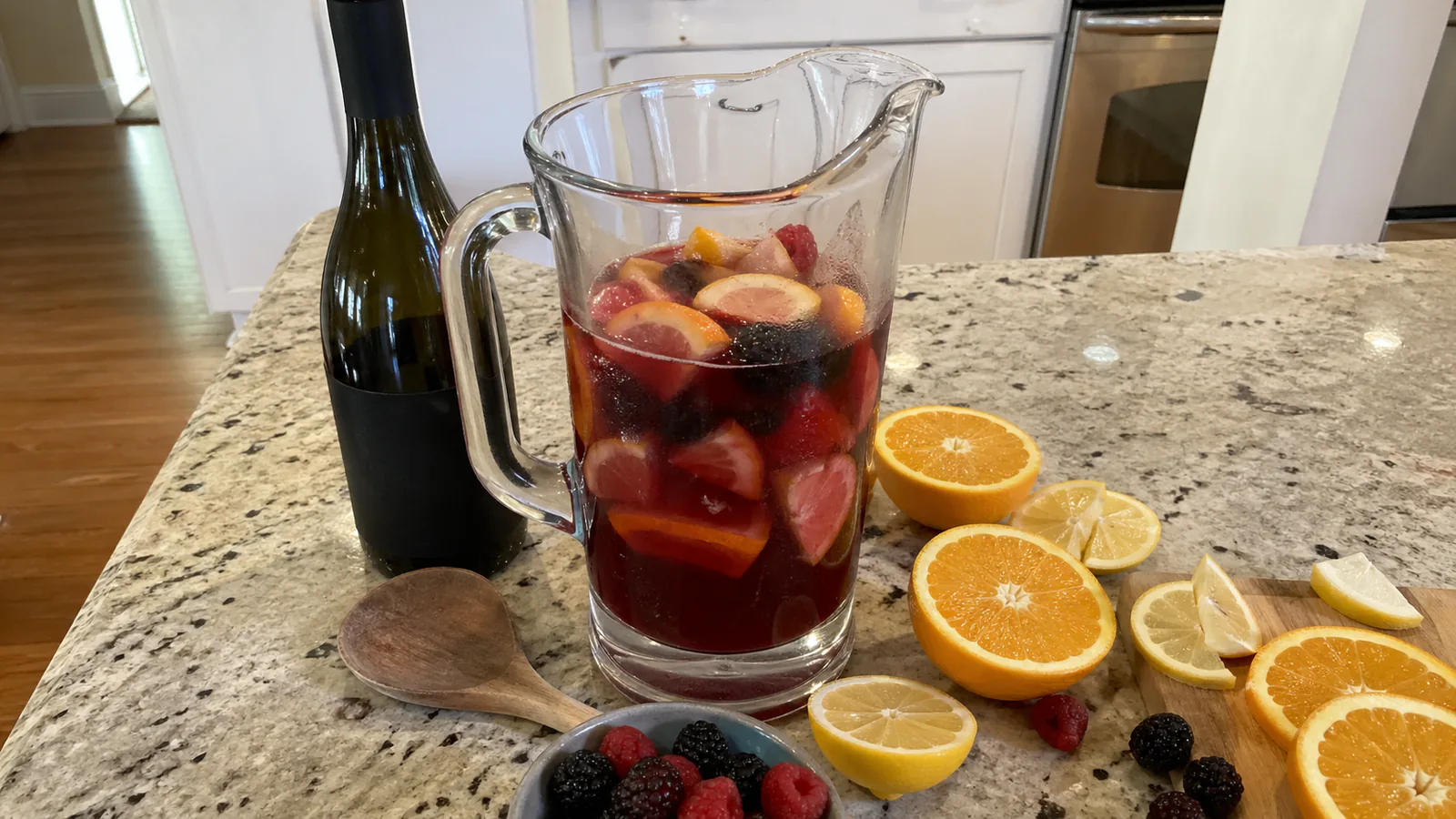
- Paella (especially with chorizo and chicken), or anything in the sangria pitcher where Garnacha is the base
- Grilled vegetables with olive oil and herbs
- Ratatouille
- Roast chicken with herbes de Provence
- BBQ pork ribs with a smoky, herby rub
- Hard sheep cheeses (Manchego, aged pecorino)
- Charcuterie and cured meats
- Mushroom risotto
The herbal note in Grenache makes it a natural for anything cooked with thyme, rosemary, oregano, or sage. The medium tannin handles fatty meat without overwhelming it, and the high alcohol gives the wine the weight to stand up to bold spice. Spicy food works too, but watch for very high heat: Grenache’s alcohol can amplify capsaicin if the dish is genuinely fiery.
How Should I Serve Grenache?
Serve Grenache cool. Because alcohol levels are usually high, a too-warm pour reads as boozy and flat. The sweet spot is 15 to 17 degrees Celsius, which means giving the bottle 20 to 30 minutes in the fridge before opening if your house runs warm.
Glassware: a medium-to-large red wine bowl works well. A standard Bordeaux-style glass is fine for everyday Grenache; a Burgundy-shaped bowl with more surface area helps a serious Châteauneuf or Priorat open up.
Decanting:
- Côtes du Rhône and entry-level Grenache: no decanting needed, just pour and enjoy.
- Châteauneuf-du-Pape (young): 60 to 90 minutes in a decanter helps.
- Priorat (young): 90 minutes minimum. These wines are tightly wound when first opened.
- Older bottles (10-plus years): gentle pour to leave sediment behind, then 30 minutes in the glass.
On ageing: most everyday Grenache is best within five years of vintage. Serious Châteauneuf-du-Pape and Priorat will reward 10 to 20 years in a proper cellar, and the best Australian old-vine bottles can hold for 15-plus.
How Much Should I Spend on Grenache?
The good news: Grenache offers some of the best value in red wine. Here’s the map:
- $10 to $15: basic Côtes du Rhône, entry-level Calatayud and Campo de Borja Garnacha, Cannonau di Sardegna. Honest, fruit-forward, drinkable any night of the week.
- $15 to $25: village-level Côtes du Rhône (Vinsobres, Cairanne, Rasteau), good Vacqueyras, mid-tier Spanish Garnacha, Australian GSM blends. The sweet spot for most dinners.
- $25 to $50: entry-level Châteauneuf-du-Pape, good Gigondas, Montsant, single-vineyard old-vine Australian Grenache. Real character, real depth.
- $50 to $100: strong Châteauneuf, mid-tier Priorat, top Australian old-vine bottles. Bottles built for occasions and ageing.
- $100-plus: top-tier Priorat, flagship Châteauneuf (Rayas, Beaucastel Hommage). Trophy territory.
For a first taste of Grenache, spend $18 to $25 on a Cairanne, a Rasteau, or a Calatayud Garnacha from an old-vine producer. You’ll get the grape’s full personality without committing to Châteauneuf money.
Frequently Asked Questions
Is Grenache the same as Garnacha?
Yes. Grenache is the French name, Garnacha is the Spanish. The grape is the same variety, though Spanish Garnacha (especially old-vine versions from Aragon and Priorat) often shows more intensity and structure than typical French Grenache because of older vines and lower yields.
What’s a GSM blend?
GSM stands for Grenache, Syrah, Mourvèdre. It’s the classic Southern Rhône blueprint, and Australian winemakers adopted it as shorthand. Grenache brings fruit and warmth, Syrah brings structure and dark fruit, Mourvèdre brings tannin and savoury depth. The three grapes together cover what each lacks alone.
Is Grenache a sweet wine?
Grenache is almost always made dry, but the high alcohol and ripe fruit can read as a touch sweet on the palate, especially in warm-climate versions. Some sweet Grenache exists: Banyuls and Maury (in southern France) are fortified sweet wines made from Grenache, often used as a dessert pairing with chocolate.
How does Grenache compare to Pinot Noir?
Both are lighter-coloured reds with red fruit profiles, but they read differently. Pinot Noir is cool-climate, with higher acid, lower alcohol, and earthy/forest-floor notes. Grenache is warm-climate, with lower acid, higher alcohol, and herbal/spicy notes. If Pinot is a damp autumn forest, Grenache is a sun-baked hillside.
Why is so much rosé made from Grenache?
Grenache has thin skins and ripens with a soft, fruity profile that translates beautifully to rosé. Brief skin contact pulls out a pale pink colour and red-fruit aromatics without extracting too much tannin or weight. That’s exactly what a great rosé needs. Almost all serious Provençal and Tavel rosé is Grenache-led.
Is old-vine Grenache really worth the money?
Yes, if the producer is good. Old vines (50-plus years) naturally yield less fruit per vine, which concentrates flavour and structure. Good old-vine Grenache from Spain or Australia routinely outperforms wines twice the price from younger vineyards. Look for “vieilles vignes” on French labels or “old vine” on Spanish and Australian ones.
Ready to test this on a Sunday roast? Here are the best light red wines we recommend, including Grenache picks that punch well above their price tag.
Keep Reading
Rhône Valley Wine: Northern vs Southern, Grapes, Best Buys
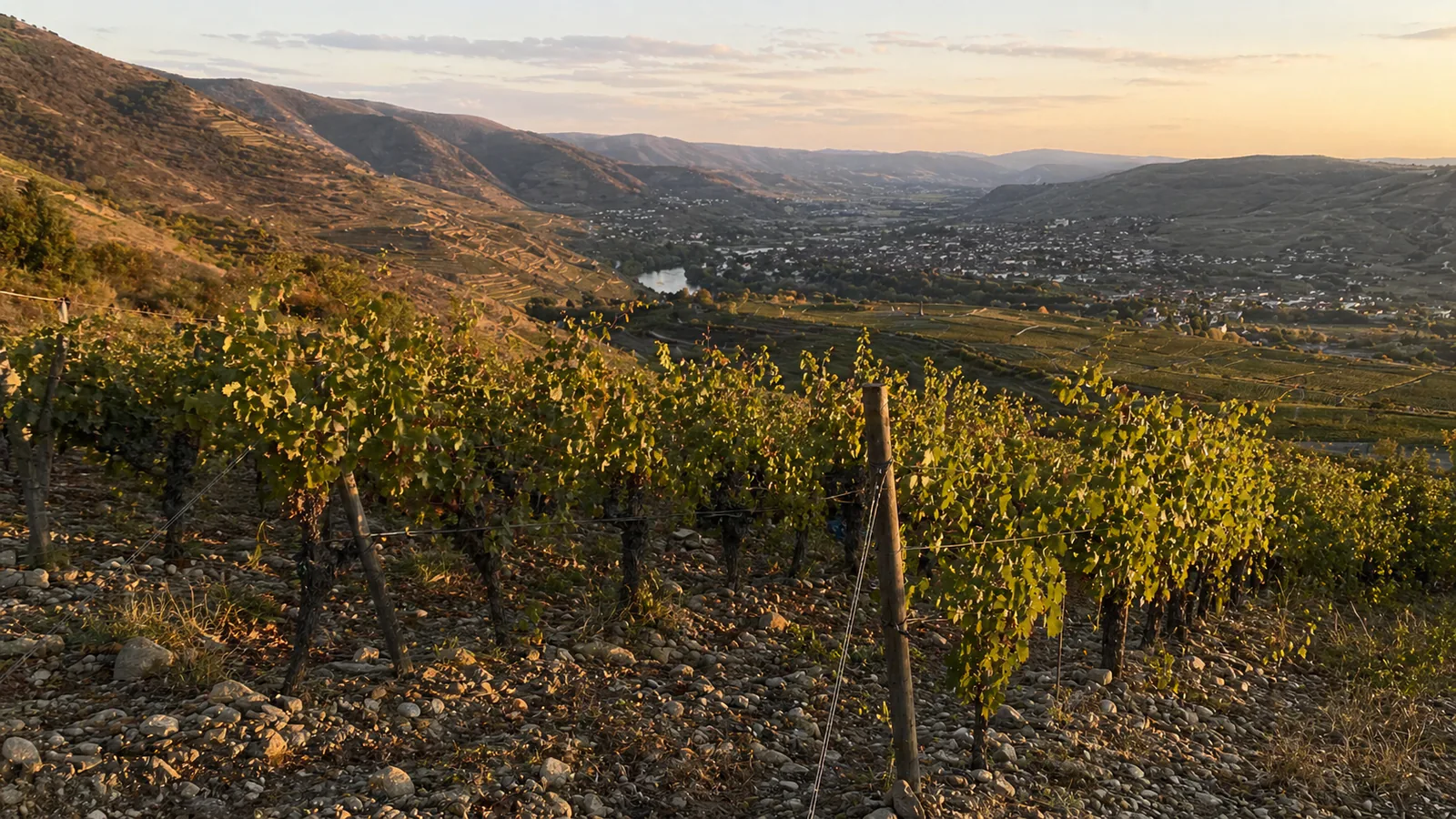
What Rhône Valley wine actually is, how Northern and Southern Rhône differ, the grapes behind GSM blends, and why Côtes du Rhône is the smart buy.
Provence Wine: Rosé, Bandol, Grapes, and Style
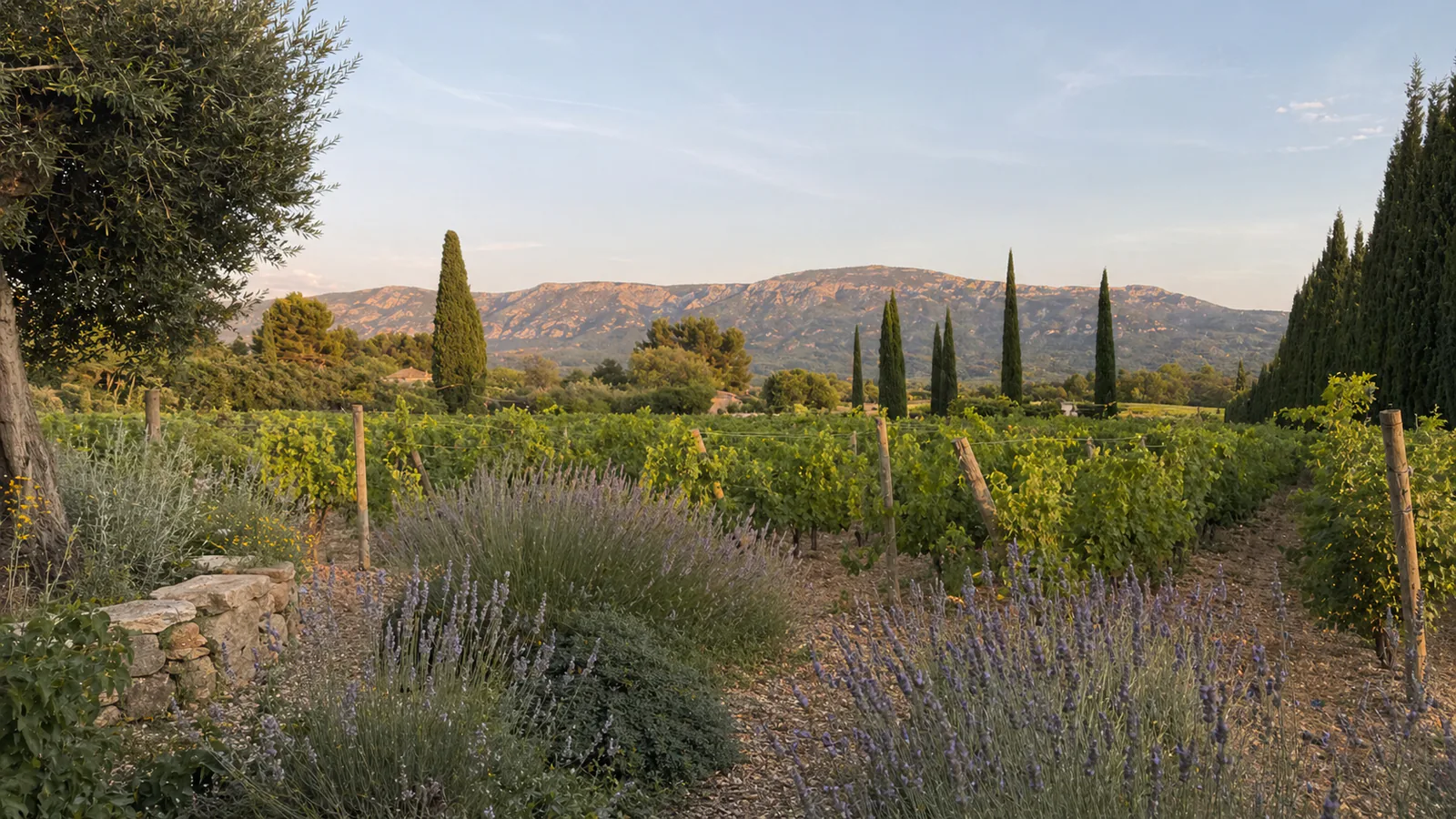
What Provence wine actually is, why its rosé set the world standard, the sub-regions, the grapes, and how much to spend. Plain English.
Best Wine for Sangria: 12 Bottles That Actually Work
12 wines that make genuinely good sangria: reds, whites, and rosé. Grape variety matters more than price. Here's exactly what to buy and why.