
Claire Bennett
Wine Editor10 min read
Pinot Grigio vs Pinot Gris: Taste, Regions, Pairing
Pinot Grigio and Pinot Gris are the same grape, totally different wines. What each tastes like, where to find good bottles, and what to pair.
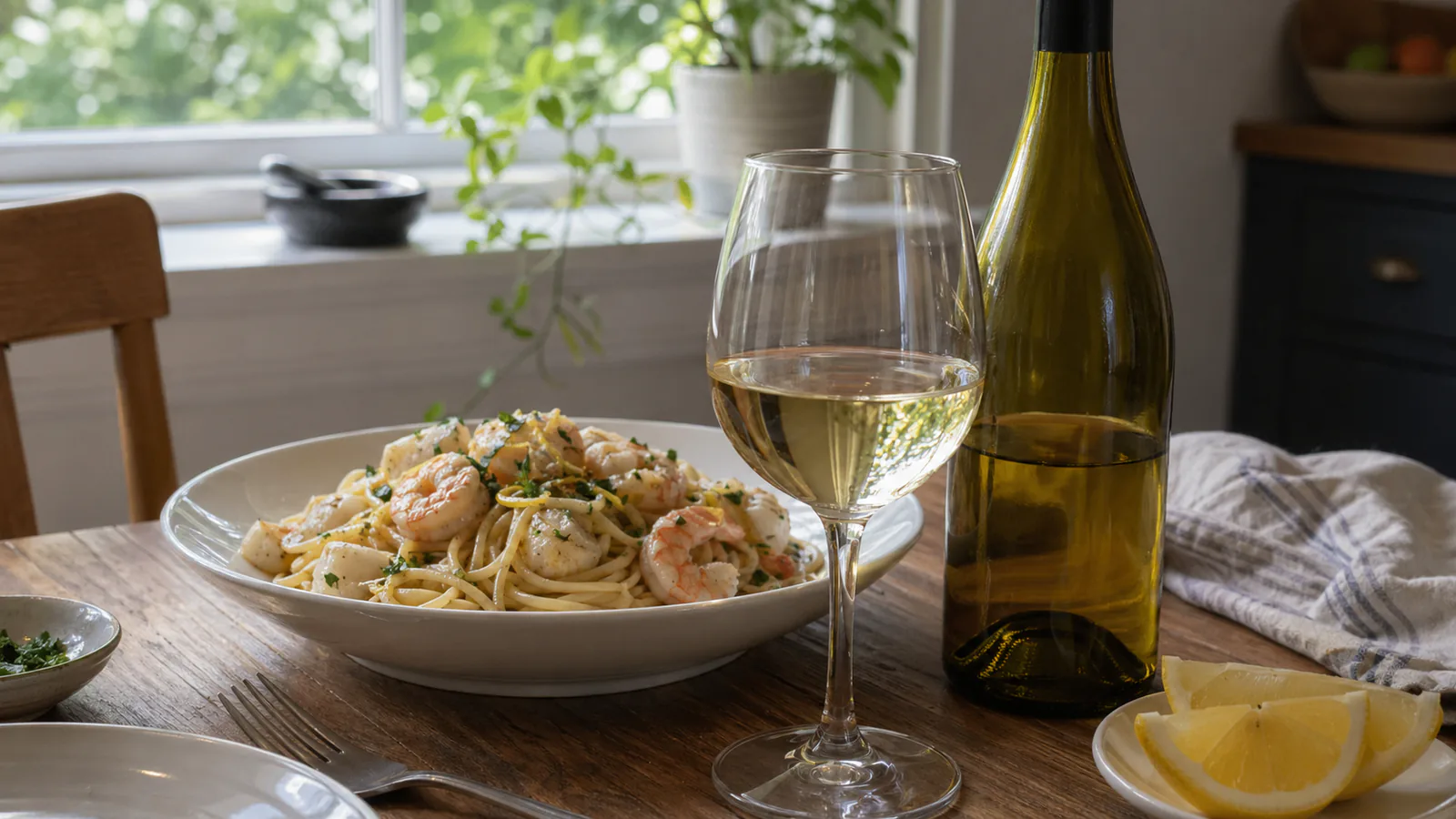
Pinot Grigio vs Pinot Gris: Taste, Regions, Pairing
You’ve probably had Pinot Grigio at a hundred restaurants and rarely thought twice about it. It’s the safe house wine, the one you order when nothing else jumps out. But there’s a much better Pinot Grigio hiding on most wine lists, and a French version called Pinot Gris that drinks like a different grape entirely.
This page sorts out the confusion in one read, points you to the producers worth knowing, and tells you exactly which dishes deserve the lighter Italian style versus the richer French one.
By the end of this page you’ll know:
- Why a $40 Italian Pinot Grigio from Friuli tastes like a different wine from the $9 supermarket version, and the two producer names that prove it
- The exact label clue that tells you whether you’re getting a thin “house wine” or a serious bottle worth taking seriously
- The Alsatian Pinot Gris pairing that beats Chardonnay at its own game with roast pork and cream sauces
- The Oregon producer making the most under-priced Pinot Gris on the West Coast, and what to look for on the shelf
- The temperature mistake that flattens a good Pinot Grigio into something forgettable in twenty minutes
What Is Pinot Grigio?
Pinot Grigio is a pink-skinned grape that produces white wine. It’s a colour mutation of Pinot Noir, which means it’s genetically the same vine, just with skins that range from pale pink to greyish-blue (the name comes from “gris,” French for grey). Despite the unusual skin colour, the juice is clear, and the wine is white.
The grape has been grown in northern Italy and France’s Alsace region for centuries, but it became a global commercial phenomenon in the 1970s and 1980s when Italian producers in the Veneto region started exporting cheap, light, easy-drinking Pinot Grigio in massive volumes. That style (clean, simple, refreshing) is what most drinkers around the world picture when they hear the name.
What’s less well known is that the same grape, grown in cooler climates and handled by serious winemakers, makes some genuinely complex wine. Friuli in northeast Italy and Alsace in France are the two regions where Pinot Grigio (or Pinot Gris) earns the kind of attention it rarely gets in marketing.
What Does Pinot Grigio Taste Like?
The two main styles taste so different they could be different grapes.
Italian Pinot Grigio (Veneto and most everyday bottles): Light, crisp, dry, and neutral. Flavours run toward green apple, lemon, white pear, and a slight almond bitterness on the finish. The body is light and the acid is moderate to high. This is the easy, refreshing, food-friendly style that built the brand globally.
Italian Pinot Grigio from Friuli and Alto Adige (Trentino): Same grape, much more depth. These bottles add stone fruit, honeyed citrus, and a noticeable mineral edge. The texture is fuller, the flavours more layered. Producers like Jermann, Livio Felluga, and Alois Lageder make Pinot Grigios that drink at the level of much pricier white Burgundy.
Alsatian Pinot Gris (France): A different beast. Richer, fuller-bodied, often off-dry. Flavours of ripe pear, apricot, honey, ginger, and smoke. The texture is almost oily. Some bottles tip into late-harvest sweetness territory. Producers like Trimbach, Hugel, Domaine Weinbach, and Zind-Humbrecht set the benchmark.
Oregon Pinot Gris: Sits between Italian and Alsatian styles. More body and texture than typical Italian, less sweet and weighty than Alsatian. King Estate, Ponzi, Eyrie Vineyards.
Quick stat block:
- Body: Light to medium (Italian) or medium to full (Alsatian)
- Acidity: Medium to high
- Sweetness: Bone-dry to off-dry (Alsatian Pinot Gris can be slightly sweet)
- Oak: Rarely. Some Alsatian and premium Italian versions see neutral oak
- Alcohol: 12 to 14% depending on style
Where Is Pinot Grigio Grown?
The grape’s home is northern Italy and northeastern France, but it’s now grown across the wine-producing world.
Veneto, Italy
The Veneto in northeast Italy (the lighter face of the Italian wine map) is where mass-market Italian Pinot Grigio comes from. The style is light, neutral, dry, and built for high-volume production. Most $9 to $14 supermarket Pinot Grigio is Veneto Pinot Grigio. It does its job (cold, refreshing, easy with light food) without trying to be anything more.
Friuli-Venezia Giulia, Italy
Friuli is where Italian Pinot Grigio gets serious. The region, tucked up against the Slovenian border in northeast Italy, has the soils and climate to produce wines with depth and minerality you don’t find in Veneto. The two names worth knowing are Jermann and Livio Felluga. Both make Pinot Grigios in the $30 to $50 range that drink like genuine fine wine. Bastianich and Schiopetto are also worth searching out.
If you’ve only had Veneto Pinot Grigio, a Friuli bottle is a revelation. The same grape suddenly has texture, complexity, and aromatic lift it never showed before.
Alto Adige (Trentino), Italy
Alto Adige in the Italian Alps makes elegant, mineral Pinot Grigio with a touch more weight than Veneto, less than Friuli. Producers like Alois Lageder, Elena Walch, and Tramin make consistent, high-quality bottles in the $20 to $30 range.
Alsace, France
Alsace is where the grape becomes Pinot Gris and changes character entirely. The cooler climate, longer growing season, and Alsatian winemaking philosophy produce richer, fuller-bodied, often off-dry wines with honey, smoke, and ripe stone-fruit character. Trimbach Pinot Gris Réserve, Hugel Pinot Gris Tradition, Domaine Weinbach, and Zind-Humbrecht are the producers to know. Bottles run $25 to $60.
If a label says “Pinot Gris” and the wine comes from Alsace, expect a fuller wine that drinks more like a richer Chardonnay than a typical Italian Pinot Grigio.
Oregon, USA
Oregon is the great American outpost for Pinot Gris. The Willamette Valley climate sits between Friuli and Alsace, and the wines tend to land in a middle style: more texture than Veneto, drier and lighter than Alsace. King Estate, Eyrie Vineyards, and Ponzi are reliable. Most quality Oregon Pinot Gris runs $18 to $30.
What Food Pairs With Pinot Grigio?
Italian Pinot Grigio and Alsatian Pinot Gris pair with very different food, so think of them as two different wines for pairing purposes.
Lighter Italian Pinot Grigio (Veneto and entry-level Alto Adige): This is your light-food wine. The neutrality and freshness make it ideal as an aperitif and with anything delicate. Acidity and lightness are the strengths here.
Specific dishes that work:
- Light pasta with olive oil, lemon, and herbs
- Grilled white fish (sole, sea bass, branzino)
- Caesar salad, prawn cocktail, light starters
- Prosciutto, melon, fresh mozzarella, caprese
- Fresh sushi and sashimi
- Vegetable risottos and primavera
- Steamed mussels and clams in white wine, or anything else from the seafood pairing playbook
- Light pizza with mozzarella, basil, and prosciutto
Friuli Pinot Grigio: Pair up. The added complexity holds up to creamier seafood, richer salads, white meat dishes, and aged hard cheeses (Parmigiano, Grana Padano).
Alsatian Pinot Gris: A completely different pairing playbook. The richer body and slight sweetness make it a star with roast pork, smoked sausages, choucroute, foie gras, and cream sauces. It’s also excellent with Asian-leaning dishes that have a hint of sweetness in the sauce: hoisin duck, sweet-and-sour pork, Thai basil chicken.
The pairing that surprises people: Alsatian Pinot Gris with roast pork and apple sauce. The wine’s body, gentle sweetness, and stone-fruit character work better than Chardonnay or Riesling on this dish.
How Should I Serve Pinot Grigio?
Italian Pinot Grigio: cold, around 7 to 9°C (45 to 48°F). The colder the better. Keep it in the fridge, take it out fifteen minutes before pouring, or use an ice bucket. The wine relies on its freshness, and warm Pinot Grigio tastes flat in a hurry.
Alsatian Pinot Gris: a touch warmer, around 9 to 11°C (48 to 52°F). It’s a richer wine and over-chilling kills the aromatics. Take it out of the fridge twenty minutes before pouring.
Use a standard white wine glass for both. Don’t bother decanting. Pinot Grigio is built for fresh, immediate drinking, and aerating a Veneto Pinot Grigio actually accelerates the loss of its already-subtle aromatics.
An open bottle keeps two to three days in the fridge with the cork pushed back in. Italian Pinot Grigio is meant to be drunk within 18 months of vintage. Alsatian Pinot Gris from a quality producer can age 5 to 15 years and develops honeyed, smoky complexity, but most should still be drunk within five years of release.
How Much Should I Spend on Pinot Grigio?
Pinot Grigio has the steepest quality jump in the white wine world. The cheap end is fine but forgettable. The mid-range starts to deliver real wine. The top end is some of the best value in the white wine market.
Under $12: Generic Veneto Pinot Grigio. Fine for a Tuesday night with grilled fish. Don’t expect anything memorable. Brands like Cavit, Santa Margherita’s entry level, Mezzacorona.
$15 to $25: This is where Pinot Grigio starts to earn its keep. Look for Alto Adige bottles (Alois Lageder, Tramin, Elena Walch), entry-level Friuli (Bastianich, Felluga), and Oregon Pinot Gris (King Estate, Ponzi). All three categories over-deliver at this price.
$25 to $50: Serious Friuli Pinot Grigio (Jermann Vintage Tunina or Pinot Grigio, Livio Felluga Pinot Grigio Colli Orientali) and Alsatian Pinot Gris from Trimbach Réserve, Hugel Tradition, and equivalent. Real wines with depth and character.
Over $50: Top Alsatian Grand Cru Pinot Gris from Zind-Humbrecht, Domaine Weinbach, and Trimbach’s Cuvée Saint-Catherine and Réserve Personnelle. Wines that age beautifully and rival far pricier white Burgundies.
Sweet-spot recommendation: $20 to $30. That’s where Italian Pinot Grigio finally shows what the grape can do, and where Alsatian Pinot Gris starts delivering the kind of wine that surprises everyone at the table. Spending less is fine for casual nights. Spending more requires loving a specific producer enough to chase them.
Frequently Asked Questions
What’s the difference between Pinot Grigio and Pinot Gris?
Same grape, two stylistic traditions. “Pinot Grigio” is the Italian name and usually signals a lighter, drier, more neutral style. “Pinot Gris” is the French name (and used by some American and Oregon producers) and usually signals a richer, fuller-bodied, often off-dry wine. The label is a useful but imperfect signal. Friuli “Pinot Grigio” can be richer than the name suggests, and some New World “Pinot Gris” stays light.
Is Pinot Grigio dry?
Italian Pinot Grigio is almost always dry. Alsatian Pinot Gris ranges from dry to noticeably off-dry, especially the riper “Vendanges Tardives” (late harvest) versions. If you want a dry style, stick with Italian bottles or American Pinot Gris labelled “dry.” Alsatian Pinot Gris from a top producer is usually balanced enough that any sweetness feels integrated, not cloying.
Why is some Pinot Grigio so cheap?
Veneto in northern Italy produces enormous volumes of Pinot Grigio for export, and the style is built for affordability and consistency, not complexity. The grape is also high-yielding and easy to vinify. The combination keeps prices low. The cheap stuff is honest wine, not bad wine. It just doesn’t pretend to be more than it is.
What’s a good Pinot Grigio for under $20?
Look for Alto Adige bottles like Alois Lageder, Tramin, or Elena Walch around $18 to $22. They deliver more aromatic lift and texture than Veneto bottles at the same price. Bastianich Adriatico Friulano is another strong value pick. Skip $9 supermarket Pinot Grigio if you’ve got $18 to spend. The jump in quality is huge.
What’s the best Pinot Gris for roast pork?
An Alsatian Pinot Gris from Hugel, Trimbach, or Domaine Weinbach in the $25 to $45 range. The body, slight sweetness, and stone-fruit character handle the richness of pork better than most whites. Add apple sauce or a fruit-based glaze and the pairing goes from good to memorable.
Can Pinot Grigio age?
Most can’t. Italian Pinot Grigio is built for immediate drinking and starts losing its freshness after 18 months. The exceptions are top Friuli bottles (Jermann, Livio Felluga) and Alsatian Pinot Gris, both of which can age five to fifteen years and develop honey, smoke, and dried-fruit complexity. For everyday Veneto Pinot Grigio, drink within a year of buying it.
Ready to upgrade from house Pinot Grigio? Our guide to the best crisp white wines lists specific bottles to seek out, including Friuli and Alto Adige Pinot Grigios that drink well above their price.
Keep Reading
Italy Wine Guide: Regions, Grapes, and Where to Start
Italian wine made simple. The 20 regions, the grapes worth knowing, what DOCG means, and how to pick a bottle without overthinking it.
Best Crisp White Wines: 8 Bottles That Actually Deliver
Eight crisp white wines that cut through food and taste better cold. Sauvignon Blanc to Chablis to Vermentino, all dry, all high-acid, all under $35.
Seafood Wine Pairing: What To Pour With Fish
The best wines with seafood by style, from oysters and Muscadet to lobster and Chardonnay, salmon and Pinot Noir, and spicy shrimp.