Claire Bennett
Wine Editor11 min read
Best Wine Decanter: 5 Picks for Red Wine and Gifting
Five wine decanters ranked by use case: crystal, aerating, gift set, and classic design. Find the right decanter for red wine and everyday use.
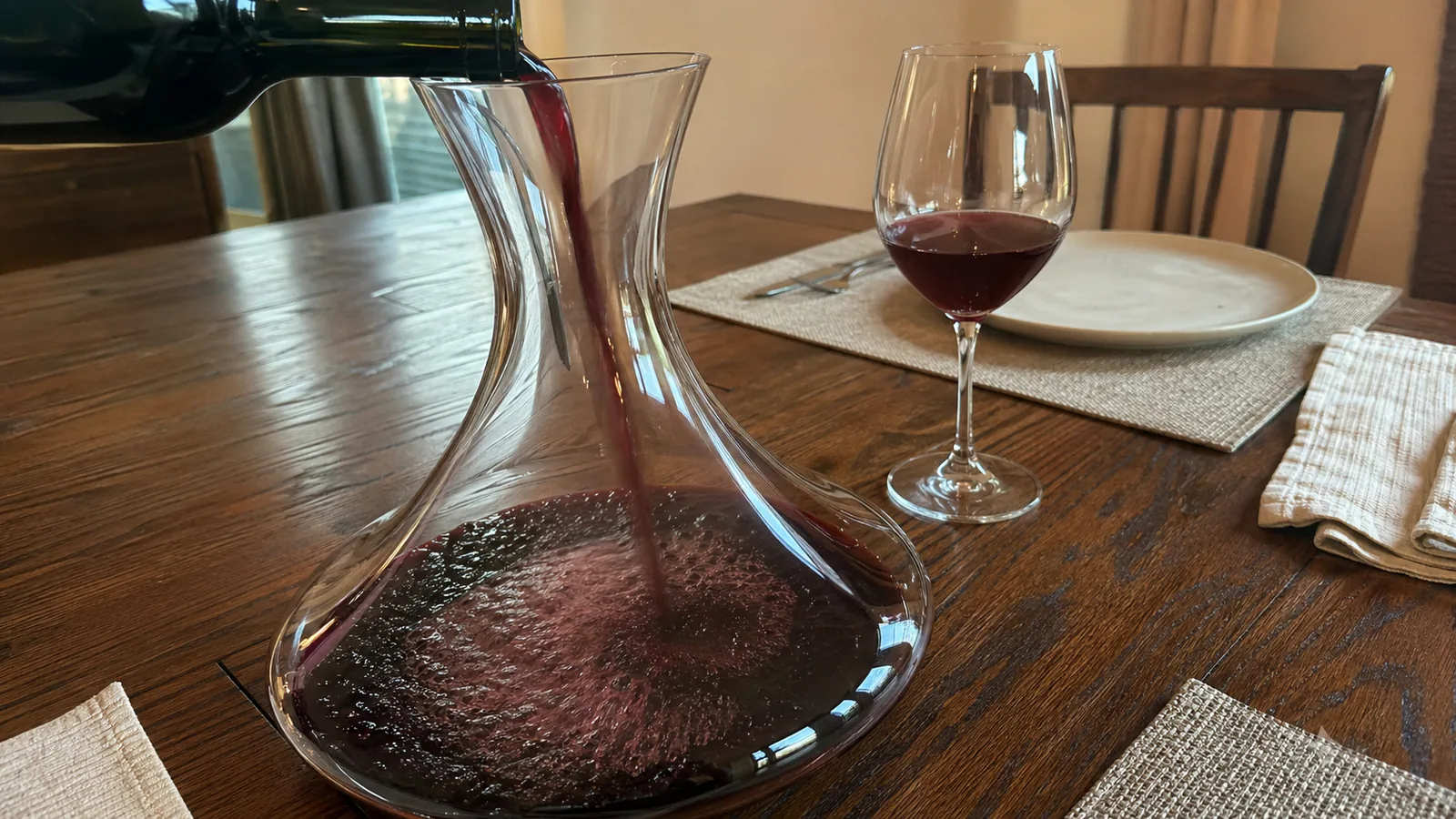
A wine decanter gives a bottle of wine something a glass alone can’t provide: room to breathe. Pouring wine into a decanter exposes it to oxygen, which softens tannins, opens up the aroma, and lets any sediment settle before serving. For full-bodied red wines especially, even thirty minutes in a decanter changes the wine noticeably.
The five picks below cover every use case, from a best-selling crystal glass decanter for everyday pours to a built-in aerator model that speeds up the process. Whether you’re looking to decant wine before dinner or searching for a gift set, there’s a decanter here for it.
Best Overall: Le Chateau Crystal Wine Decanter
The Le Chateau is the wine decanter most households should own. The wide base gives red wine maximum surface area for aeration, and the hand-blown lead-free crystal construction is clear and elegant without being fragile. At 750ml it holds a full bottle of wine, which makes decanting and pouring straightforward.
Over 5,600 reviews at 4.8 stars. The Le Chateau wine decanter comes with a built-in aerator pour spout, so you get two stages of aeration: the wine opens up passively in the decanter, and again as it flows through the aerator into the glass. It’s dishwasher safe, stable on any surface, and priced as an everyday wine accessory rather than a collector’s piece. For the review volume and all-around performance, it earns the top spot.
Best Aerating Decanter: Built-In Aerator Wine Decanter
If you want faster aeration without waiting, this decanter builds the aerator directly into the pour path. Every pour passes through an internal aerator that pushes oxygen into the wine as it flows, which accelerates the aeration process well beyond what passive decanting achieves alone. You can open a bottle, pour through the decanter, and get most of the benefit in a single pass.
Nearly 1,900 reviews at 4.7 stars. The body is lead-free crystal with a wide base that adds passive aeration on top of the built-in aerator mechanism. It’s easy to pour and easy to clean. For wine drinkers who want to aerate wine quickly rather than waiting an hour, this is the most efficient pick on the list.
Best for Red Wine: Riedel Cabernet Wine Decanter
The Riedel Cabernet Decanter is designed specifically for Cabernet Sauvignon and full-bodied Bordeaux-style red wines. The wide, U-shaped bowl maximizes the wine’s surface area, which accelerates the release of aromas and flavors that a tight Cabernet needs time to develop. Riedel built this shape around the grape variety, and the difference is noticeable for serious red wine drinkers.
4.7 stars from 771 reviews. Riedel is the most widely referenced name in wine glass and decanter design, and the Cabernet Decanter is their workhorse model for full-bodied reds. It’s hand-blown lead-free crystal and built to let a big red wine open up the way it was meant to. If you drink a lot of Cabernet or Bordeaux, this is the decanter to reach for.
Best Gift Set: YouYah Wine Decanter Set
The YouYah set bundles a wine decanter with an aerator pourer, drying stand, cleaning brush, and wine stoppers in one gift-ready package. Everything a wine enthusiast needs for wine decanting is included. The drying stand holds the decanter inverted after washing, which matters more than it sounds once you’ve tried air-drying a narrow-neck glass decanter on a dish rack.
1,440 reviews at 4.8 stars. The crystal glass decanter has a wide base and a graceful pour, and the included aerator pourer speeds up aeration for impatient glasses. It’s the strongest gift option on this list because the packaging and accessory count justify the price better than a standalone decanter at the same level. A solid pick for wine lovers who want everything in one box.
Best Classic Design: Godinger Dublin Wine Decanter
The Godinger Dublin is the crystal decanter that looks like it belongs in a proper wine collection. The cut crystal pattern gives it a classic elegance that none of the other picks have, and the stopper makes it suitable for serving spirits or holding decanted wine between pours. It’s the kind of piece that lives on a sideboard rather than in a cabinet.
4.8 stars from 927 reviews. The Dublin is heavy, well-built, and comes in a gift box. The wide base gives wine good aeration surface, and the stopper lets you seal the decanter if you’re not serving immediately. If you want a wine decanter that also works as a decorative piece, the Godinger Dublin delivers the elegance without the premium price of a high-end crystal brand.
Do You Need a Wine Decanter?
A wine decanter is worth having if you drink red wine regularly, especially full-bodied red wines like Cabernet Sauvignon, Merlot, Syrah, or Bordeaux blends. These wines have enough tannin structure and aroma complexity to benefit from aeration before serving. Twenty to sixty minutes in a decanter with a wide base softens the tannins, opens the nose, and brings out aromas and flavors that stay locked down in a freshly opened bottle.
Older red wines benefit from wine decanting for a different reason. Wines aged five or more years often develop sediment in the bottle from natural aging. Decanting slowly separates the wine from the sediment before it reaches the glass.
White wine and light reds generally don’t need a decanter. They have lower tannin levels, and extended aeration can strip out the delicate aromas that make them enjoyable. If you mostly drink Sauvignon Blanc, Pinot Grigio, or light Pinot Noir, decanting won’t change much.
A carafe is the simpler alternative: it holds wine and allows some air contact, but it’s not built for the kind of serious aeration a wide-base crystal decanter provides. If your goal is to aerate wine rather than just serve it, choose a decanter with the widest possible base to maximize oxygen contact. For the difference between decanting and using a separate aerator, see our decanter vs aerator comparison.
If you’d rather skip the wait and aerate inline, our best wine aerator guide covers the in-pour options. Borosilicate glass is worth noting as an alternative to lead-free crystal. It’s more durable and often more affordable, but crystal decanters have a cleaner, thinner clarity that shows off the color of red wine more accurately. For most wine drinkers choosing a decanter for home use, both materials do the job.
Frequently Asked Questions
Who makes the best wine decanters?
Riedel is the most widely referenced name in wine decanter design, with several models built around specific grape varieties. Le Chateau consistently earns strong reviews for everyday use with high review volume and excellent value. YouYah leads the gift set category. For classic crystal design, Godinger’s Dublin is one of the most recognizable decanters in its price range. At the very top of the market, Riedel’s Veloce and Mamba decanters are the benchmarks serious wine collectors and sommeliers cite for aeration performance.
Does a wine decanter really work?
Yes, for full-bodied red wines especially. When you decant wine, oxygen contact softens tannins and releases aromatic compounds that stay compressed in a sealed bottle. A young Cabernet Sauvignon or Bordeaux poured straight from the bottle can taste tight and closed. The same wine after an hour in a decanter often shows noticeably more aroma and a smoother finish. The science is straightforward: aeration accelerates a process that would otherwise happen slowly in the glass, and the wine experience is noticeably better as a result.
What wines should you not aerate?
Avoid aerating delicate older wines (15 or more years), most white wines, and sparkling wine. Older reds that have fully developed in the bottle can lose their complex, fragile aromas quickly once exposed to oxygen. White wines and Champagne depend on freshness rather than aeration for their best expression. Light reds like Pinot Noir can benefit from a brief decant of 15 to 20 minutes, but extended aeration flattens them. The wines that gain most from decanting are young, full-bodied reds with high tannin levels that need time to soften and open up.
How long should you decant wine?
Most young, full-bodied red wines need 30 to 60 minutes of decanting time to open up properly. Very tannic wines like a young Barolo or bold Cabernet Sauvignon may benefit from up to two hours. Lighter reds like Pinot Noir need less time: 15 to 20 minutes is usually enough. The right time in a decanter depends on the wine’s age, grape variety, and how tight it tastes straight from the bottle. If you’re unsure, start with 30 minutes and taste as you go.
How do you clean a wine decanter?
Rinse the decanter with warm water immediately after use to stop the wine from drying on the glass. For a thorough clean, use cleaning beads shaken with warm water to scrub the curved base and body where no brush reaches. A flexible decanter cleaning brush handles the neck and any residue on the interior walls. Avoid soap if possible, as it can leave a film that affects the aroma of the next pour. After washing, place the decanter on a drying stand inverted so air can circulate inside. Avoid putting a crystal decanter in the dishwasher unless the listing specifically says it’s dishwasher safe.
Keep Reading
Decanter vs Aerator: Which One Do You Actually Need?
Both open up your wine. Here's which one works for your bottle, your budget, and how much time you have.
Best Wine Aerator: 5 Picks for Red Wine and Gifting
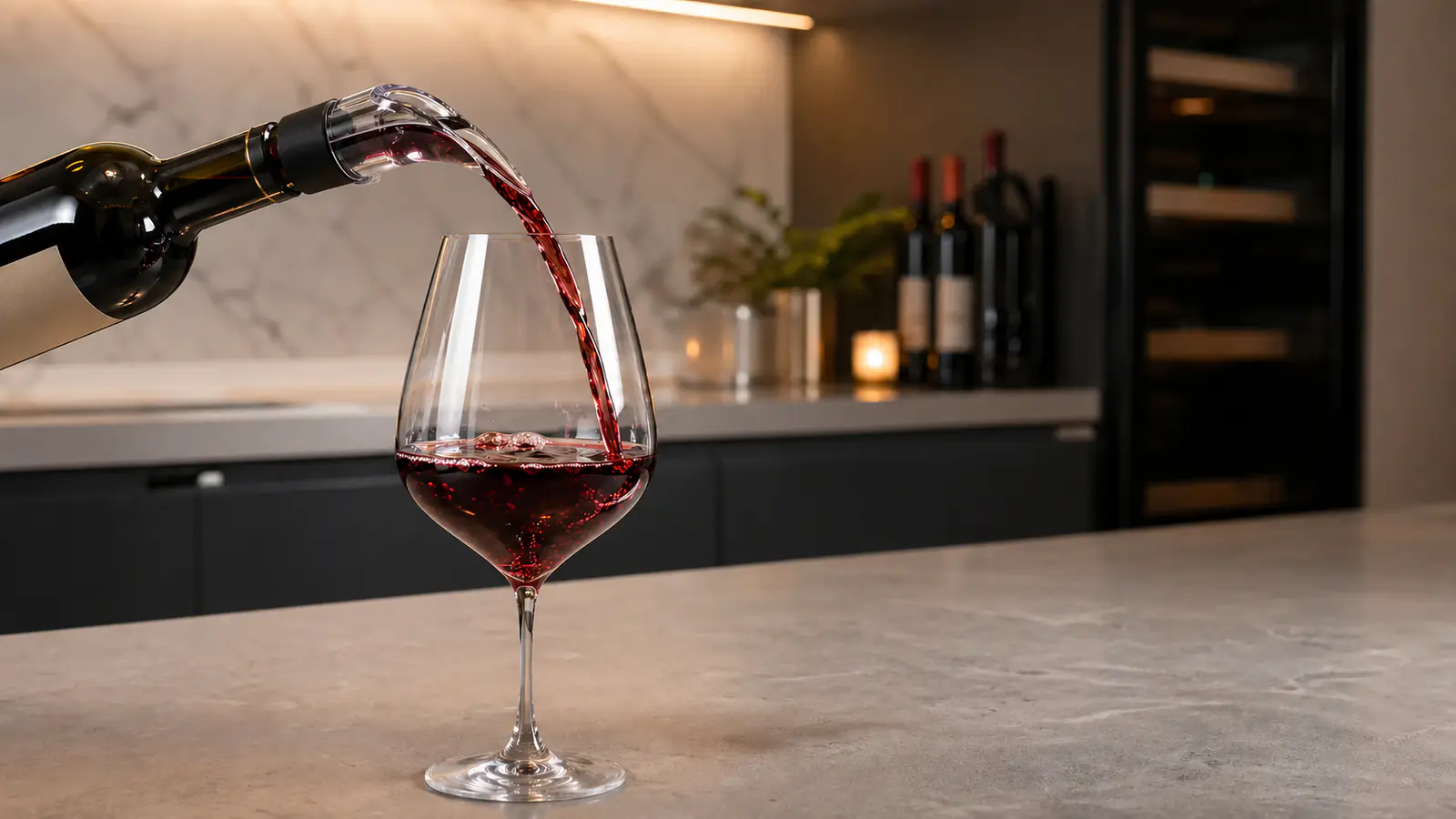
Five wine aerators ranked by use case: pour-through, multi-function, and premium 3-stage. Find the right aerator for red wine, gifting, and everyday use.
Best Wine Glasses: 6 Picks for Every Budget and Wine Type
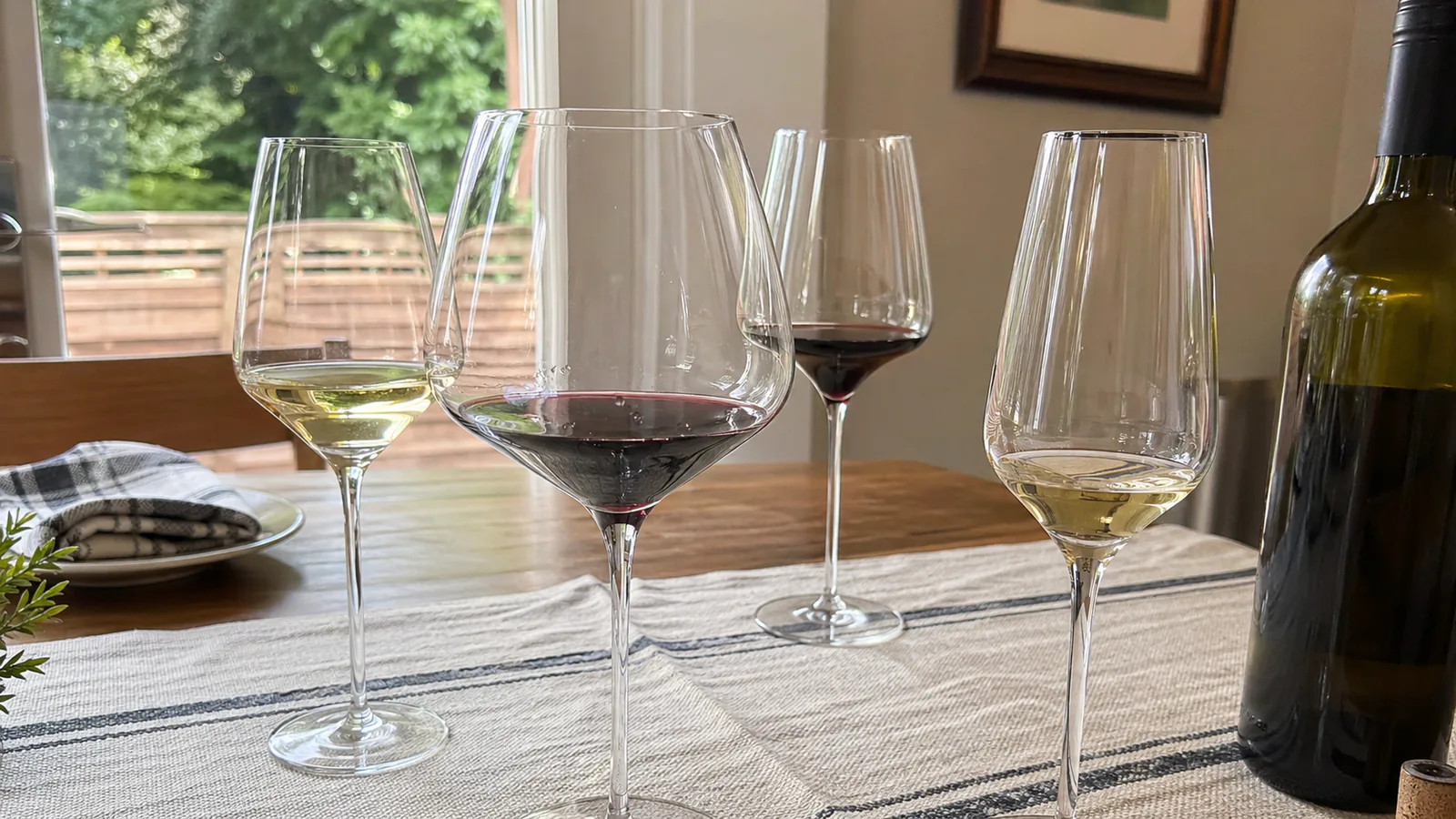
Six wine glasses ranked by type: from a versatile everyday set to a premium universal glass. Find the right glass for red, white, stemless, and more.