Decanter vs Aerator: Which One Do You Actually Need?
Both open up your wine. Here's which one works for your bottle, your budget, and how much time you have.
You’ve opened a bottle that tasted completely different an hour later. That’s aeration. An aerator gets you there in ten seconds. A decanter takes thirty to sixty minutes and does one thing the aerator can’t.
By the end of this page you’ll know:
- The one difference between these two tools that most people completely miss (and it’s not the price)
- Why using an aerator on an aged wine is like skipping straight to dessert. You’ll miss everything in between
- The sediment test you should run before pouring any bottle over five years old
- How long to actually leave wine in a decanter, and the point at which more time starts working against you
- Why a $25 aerator does the same job as an $80 one (and what to look for instead of price)
What Does Aeration Do To Wine?
When wine is first opened, it’s often guarded. Young tannins taste rough and grippy. Aromas sit flat in the glass. Give that same wine enough air and the whole thing opens up: aroma and flavor come forward, tannins soften, and it tastes like the version of itself you paid for.
Both tools expose wine to oxygen. The aerator forces it through a small device as you pour, which works fast. The decanter gives the wine a wide surface area and steady oxygen exposure as the wine breathes at its own pace. Same destination, different roads.
What’s the Difference Between a Decanter and an Aerator?
Speed is the obvious difference: seconds with an aerator versus thirty to sixty minutes in a decanter. But the gap that trips more people up is sediment.
Older red wines and vintage ports leave behind a fine gritty deposit as they age. Tilt an old bottle toward the light before you pour and you’ll often see it. Pour carefully into a decanter and the sediment stays in the bottle. Push it through an aerator and it ends up in your glass.
There’s also depth of aeration. A young Malbec from last year opens up easily through an aerator. A Barolo that’s been in a cellar for ten years needs time and room to show what it’s built up. The aerator will crack it open a little. The decanter lets it actually arrive.
When Should I Use a Wine Aerator?
You’re drinking it tonight. When you use an aerator, pour your wine straight from the bottle: a $20 Malbec that tastes a bit closed will be noticeably better by the second glass. No planning required.
Convenience matters to you. Clip it onto the bottle’s spout, pour the wine, rinse it off. No setup, no timing, no extra glassware to deal with.
You drink mostly young wines. An aerator is the right tool to aerate wine in this bracket: anything under five years old in the $15 to $40 range. A decanter won’t give you much extra. Our best wine aerator picks cover the models that pour cleanly and don’t slip off the bottle.
When Should I Use a Decanter Instead?
You’ve opened something worth waiting for. A good Barolo or an aged Bordeaux has spent years building complexity. Give it room to show what it’s got. Twenty seconds through a plastic funnel is not the right send-off for a bottle that’s been waiting a decade.
There’s sediment in the bottle. Hold the bottle up to a candle or flashlight and tilt it slowly. If you see grit or a fine film building toward the neck, carefully pour the bottle into a decanter. Pouring wine this way separates it from the sediment. An older Syrah or a vintage port almost always needs this step.
You’re serving guests. A decanter on the table signals that someone thought about the bottle. People notice that even when they don’t say anything.
A wide-based decanter does the most work here. See our best wine decanter guide for the shapes worth owning. You’re opening a rich white. Unoaked white Burgundy and aged white Rioja can open up beautifully after 15 minutes in a decanter. A delicate Pinot Noir with a few years on it often benefits too. Most sommeliers will decant a structured red for at least twenty minutes before serving. Most whites don’t need it, but the ones above reward the extra step.
Aerator vs Decanter: How Do They Compare?
| Factor | Aerator | Decanter |
|---|---|---|
| Speed | Instant (seconds) | 20 to 60+ minutes |
| Best for | Young, everyday wines | Aged, complex wines |
| Sediment separation | No | Yes |
| Price | $20 to $60 | $30 to $200+ |
| Effort | Minimal (pour through) | Requires planning ahead |
| Occasion | Weeknight, casual | Dinner party, special bottle |
| Cleans easily | Yes | Requires a decanter brush |
Aerating and decanting are different tools for different wine tasting moments. A wine aerator is a small device that gives wine drinkers results in seconds. A decanter is a wine accessory that changes the tasting experience for bottles worth the wait. The version of the wine you get from thirty minutes of decanting is different from anything an aerator can give you in ten seconds.
Frequently Asked Questions
Should I buy a wine aerator or a decanter, or do I need both?
Most people are fine with just one. If you mainly drink young, affordable wines at home, an aerator has you covered. If you regularly open bottles over ten years old or you’re building even a small collection, a decanter earns its place. Once you’re drinking across the full spectrum, having both makes sense. They’re genuinely doing different things.
Is it okay to use a wine aerator on an older bottle?
Technically yes, but it’s the wrong tool. The turbulence is too aggressive for a delicate old wine, and you lose all the sediment separation that makes decanting worthwhile. Aged wine needs slow, gentle contact with air. Let it breathe in a decanter instead.
How long should I leave wine in a decanter before drinking it?
Young, tannic reds like Cabernet Sauvignon and Syrah do well with 30 to 60 minutes. Lighter reds and whites need less, around 15 to 20 minutes. Older wines (15 years and up) often only need 20 to 30 minutes and can actually start to fade if you leave them much longer. Pour a small amount into a wine glass and taste as you go. Give it another ten minutes if the wine smell is still muted.
Does it matter how much I spend on a wine aerator?
Yes. A $25 aerator does the same job as an $80 one. The only place price makes a difference is build quality: does it drip, does it stay secure on the bottle neck, does it pour cleanly. Find one that doesn’t drip and you’re set.
Do I need to aerate white wine or is it just for reds?
Most don’t. Sauvignon Blanc, Pinot Grigio, and unoaked Chardonnay are fine poured straight from the bottle. The exceptions are rich, oaked whites and anything with real age on it. A good white Burgundy or an aged white Rioja will open up noticeably after 10 to 15 minutes in a decanter. Worth the extra step for those.
What is the difference between decanting and aerating wine?
Decanting and aerating both expose wine to air, but the methods differ. Aerating is fast: wine passes through a small device in seconds, picking up oxygen that helps soften tannins and release aroma in young wine. Decanting is slower, with gradual exposure to air over twenty to sixty minutes as the wine breathes in a wide-based vessel. Decanting also separates older wine from sediment, which no aerator can do.
Is there a downside to aerating wine?
For young, everyday wines, the downside is minimal. The risk is with older bottles. The turbulence of an aerator is too aggressive for aged wine, and it means you cannot separate the wine from the sediment, which matters for any bottle over five years old. If you’re opening something over ten years old, pour your wine into a decanter instead.
What wines should not be aerated?
Aged wines with sediment, very old reds, vintage ports, and any bottle near its peak. These wines benefit from slow, careful decanting rather than fast aeration. Older wines, including aged Pinot Noir and fine Cabernet Sauvignon, can fade quickly with too much oxygen. Taste from a wine glass as you go rather than leaving them to breathe for an hour.
How long will liquor last in a crystal decanter?
Most spirits hold well in a sealed crystal decanter for weeks without losing character. Wine is different: once you pour wine into a decanter, plan to drink it within a few hours. The wide surface area that helps younger wines open up will work against any bottle if you leave it overnight, dulling the aroma and flavor the decanting was meant to release.
Related Guides
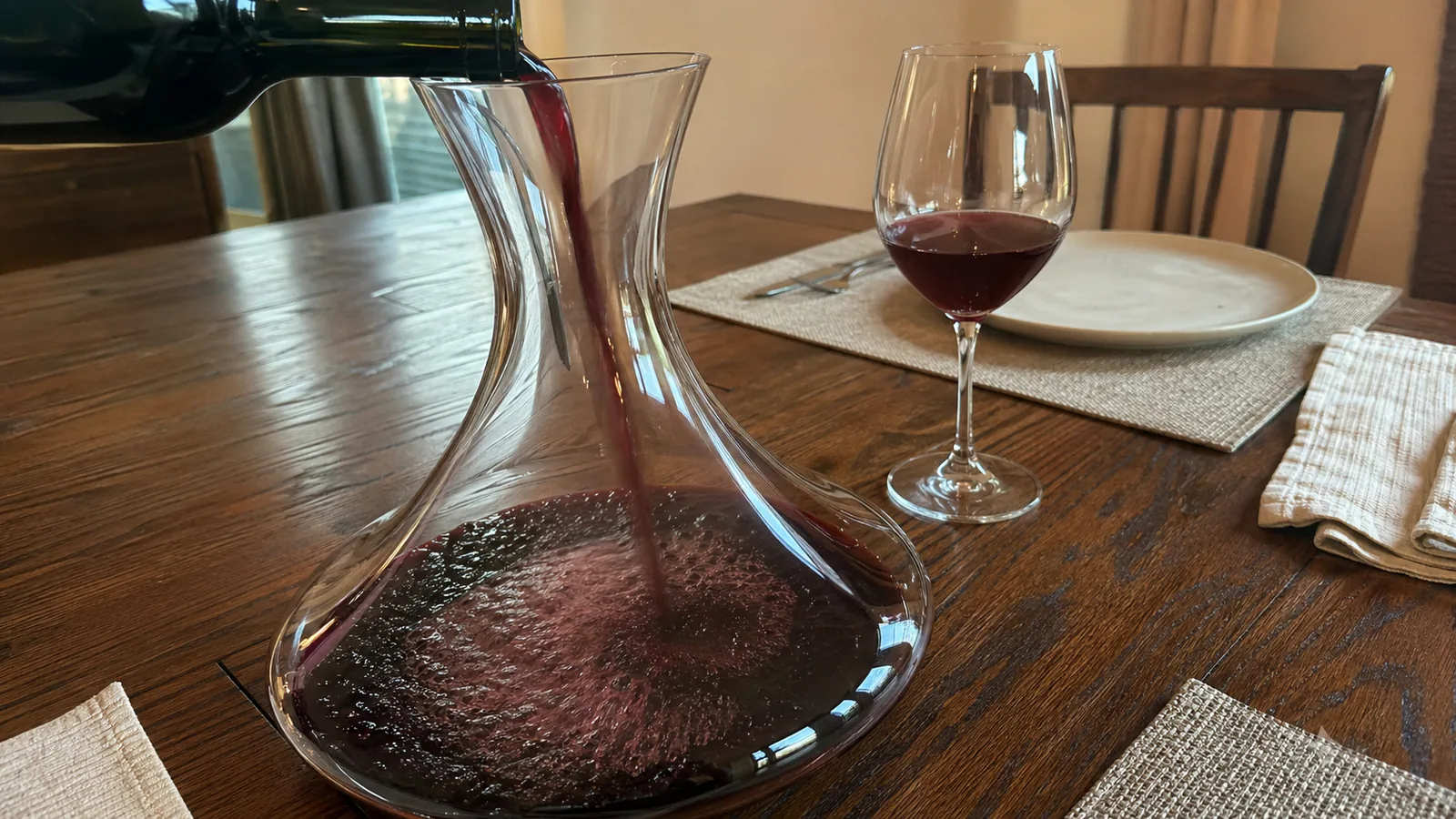
Best Wine Decanter: 5 Picks for Red Wine and Gifting
Five wine decanters ranked by use case: crystal, aerating, gift set, and classic design. Find the right decanter for red wine and everyday use.
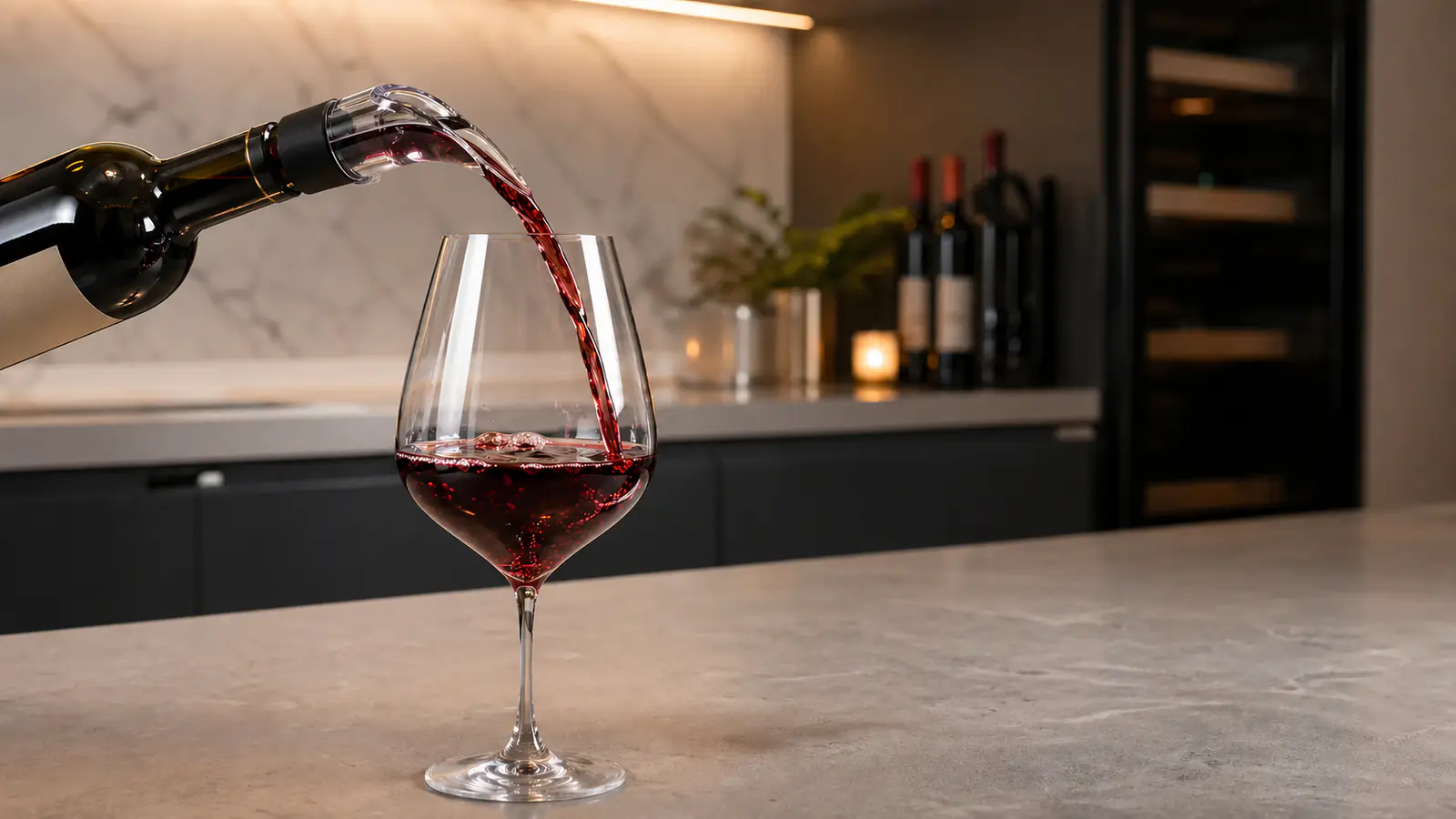
Best Wine Aerator: 5 Picks for Red Wine and Gifting
Five wine aerators ranked by use case: pour-through, multi-function, and premium 3-stage. Find the right aerator for red wine, gifting, and everyday use.
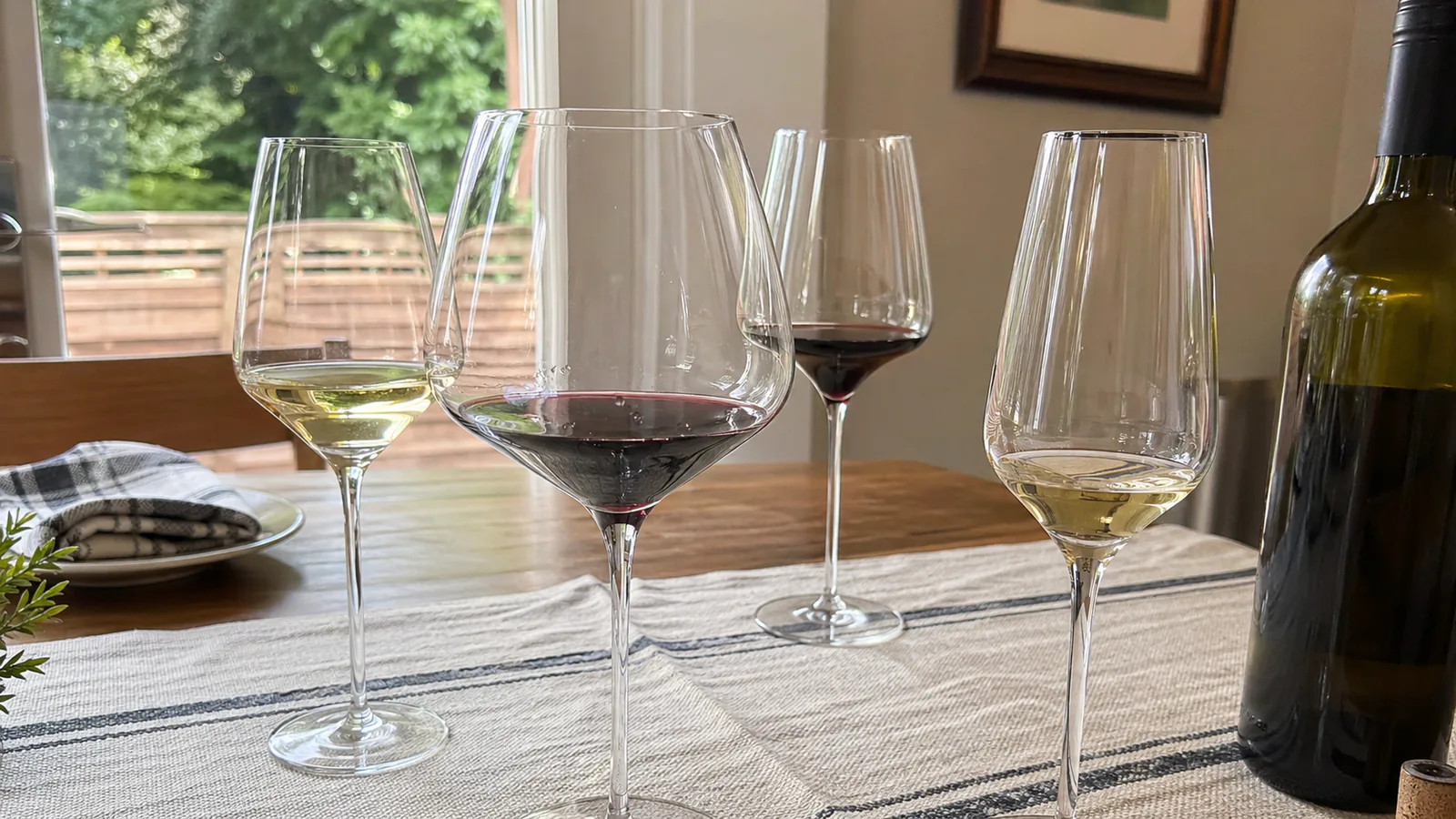
Best Wine Glasses: 6 Picks for Every Budget and Wine Type
Six wine glasses ranked by type: from a versatile everyday set to a premium universal glass. Find the right glass for red, white, stemless, and more.