
Claire Bennett
Wine Editor11 min read
Best Wine Aerator: 5 Picks for Red Wine and Gifting
Five wine aerators ranked by use case: pour-through, multi-function, and premium 3-stage. Find the right aerator for red wine, gifting, and everyday use.
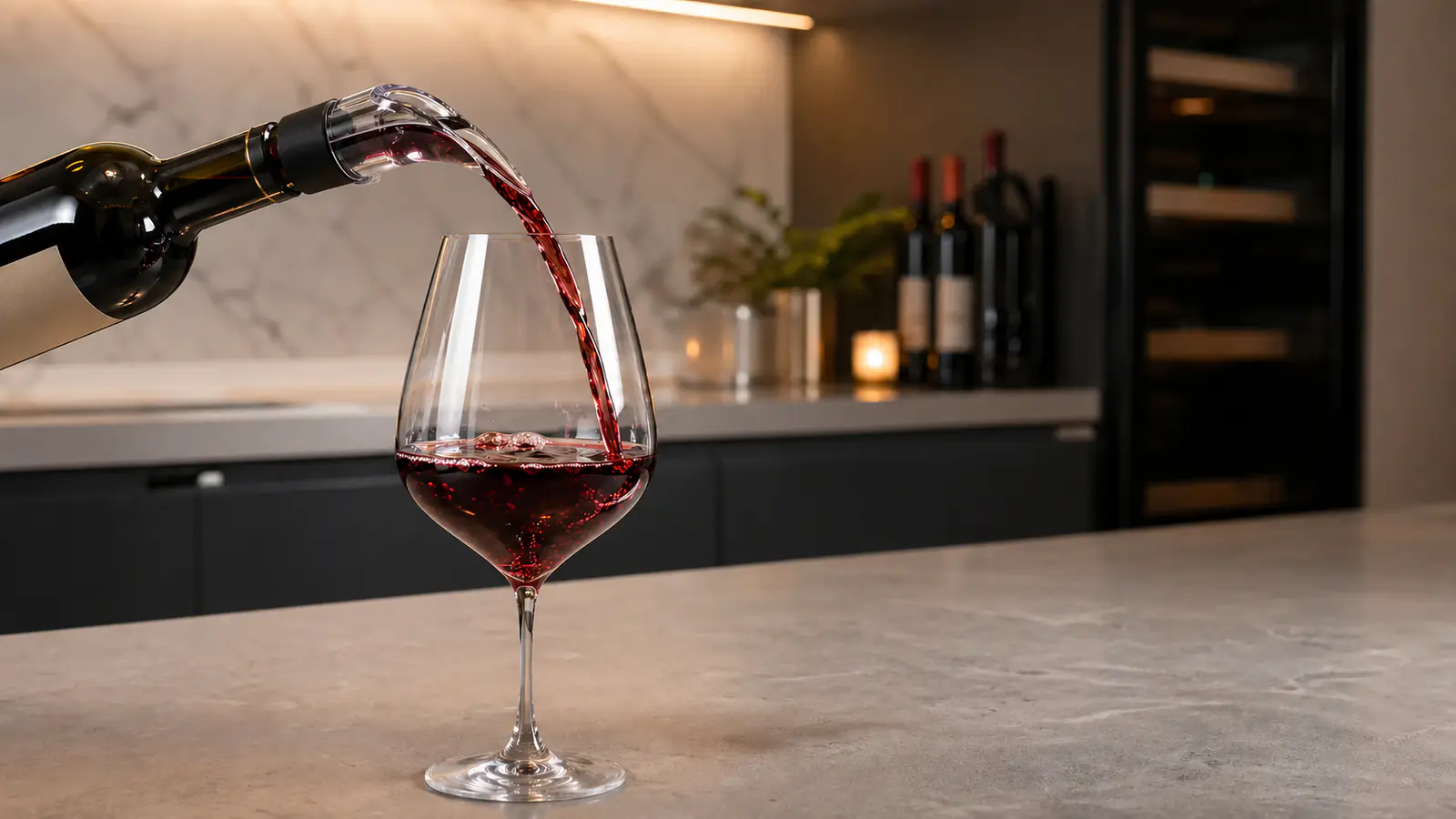
A wine aerator does in seconds what a decanter takes an hour to do. When you aerate wine by forcing it through an aerator, oxygen infuses into the wine as it pours, which softens tannins, opens up aroma, and rounds out the flavors of a young red wine immediately. The difference is noticeable on the first glass.
Aerators come in a few distinct styles. A spout aerator sits in the bottle neck and aerates as you pour. A pour-through aerator is held over the glass and wine passes through it.
A multi-stage aerator routes the wine through two or three aeration chambers for maximum oxygen contact. The five picks below cover each type, from a simple everyday wine aerator pourer to a premium three-stage aerator decanter.
Best Overall: Vintorio Wine Aerator Pourer
The Vintorio is the wine aerator most households should buy first. Over 18,800 reviews at 4.6 stars: that’s the strongest signal on this list by a wide margin. The aerating pourer sits in the bottle neck and uses the Bernoulli effect to draw air into the wine on every pour. The tapered rubber stopper fits any standard wine bottle, and the notched pour spout prevents drips.
It’s simple to use, simple to clean (just run it under water), and genuinely effective at aerating red wine in real time. More than half a million people have used it worldwide, which matters when you’re buying a wine accessory that the whole category tries to copy. If you want one wine aerator that does the job every time, the Vintorio is it.
Best Multi-Function: Haley’s Corker 5-in-1 Wine Aerator
The Haley’s Corker is the wine aerator that does the most in one package. It combines an aerator, pourer, wine filter, stopper, and re-corker in a single device that sits in the bottle. Every pour is aerated and filtered through the built-in mesh.
When you’re done, the same device seals the bottle. You don’t need a separate stopper, and the seal works for bottles stored on their side.
9,159 reviews at 4.8 stars: the highest rating on this list. Made in America from BPA-free, food-safe plastic, it filters out sediment, cork particles, and tartrates as the wine pours. It’s the aerator wine lovers reach for when they want simplicity and utility in one tool. You get five in a pack, which is enough to keep one in every bottle you’re actively drinking.
Best Classic: Vinturi Wine Aerator
The Vinturi is the original pour-through wine aerator: the one that defined how a handheld aerator should work. You hold it over the glass, pour the wine through the Vinturi body, and it draws in air as the wine flows through the patented internal chamber. The distinctive sound it makes is a genuine signal that aeration is happening, not a marketing claim.
5,771 reviews at 4.7 stars. The Vinturi includes a no-drip base stand and a sediment screen, and it’s designed specifically for red wine. For Cabernet Sauvignon, Bordeaux, Syrah, and other tannic reds, the immediate aeration visibly changes the first glass: more open aroma, softer tannins, and more aromas and flavors than the same wine poured straight. The Vinturi is the pour-through wine aerator most wine professionals reach for.
Best Premium: Vinvoli 3-Stage Wine Aerator
The Vinvoli takes wine aeration through three separate stages before it reaches the glass. The wine passes through three distinct aeration chambers in sequence, each adding more oxygen contact than a single-stage aerator provides. The result is a noticeably rounder, more open pour that mimics what a wine decanter does but happens instantly. A removable sediment filter keeps the wine clear.
2,104 reviews at 4.7 stars. The Vinvoli comes with a no-drip stand and works as an aerator decanter for the glass. It softens tannins more aggressively than a standard spout aerator because of the extended aeration path, which makes it particularly effective for young, full-bodied red wines. If you want the closest thing to a decanter in aerator form, this is the pick.
Best Design: TRIBELLA Classic Wine Aerator
The TRIBELLA splits the wine into three separate streams through three stainless steel spouts, which increases the wine’s surface area as it pours and aerates through multiple channels simultaneously. No other aerator on this list works this way. The result is a broad, fan-shaped pour that looks as considered as it functions, and it won’t splash or drip.
633 reviews at 4.7 stars. Handcrafted with a polycarbonate base and three stainless steel pipes, the TRIBELLA is the aerator that earns a place on the table rather than in the drawer. It comes in a gift case, which makes it the strongest gift pick on the list. For wine lovers who want an aerator that’s also a conversation piece, the TRIBELLA delivers function and form in one device.
Aerator vs Decanter: Which Do You Need?
A wine aerator and a wine decanter both work by exposing wine to oxygen, but they operate at different speeds and scales.
A wine aerator aerates wine instantly. The aeration happens as the wine pours through the device and reaches the glass. There’s no waiting time, nothing to clean beyond a quick rinse, and the effect is immediate.
For everyday red wine drinking, a wine aerator is the practical choice. You open the bottle, attach the aerator, and the first glass is ready to drink.
A wine decanter works over time. Pouring a full bottle of wine into a decanter and letting it sit for 30-60 minutes gives the wine a longer, deeper aeration process. The wider surface area of a decanter exposes more wine to air simultaneously, which is more effective for very tannic, very young reds that need extended contact to open up. A decanter also separates sediment from older red wines in a way an aerator can’t. Our best wine decanter guide covers the picks worth owning.
For most wine drinkers, a wine aerator handles 90% of everyday situations. If you drink mostly young, full-bodied red wines and want to enjoy them immediately rather than waiting, a good wine aerator pourer is the more practical tool. A wine decanter makes sense when you buy wine specifically to age or when you’re serving a special bottle that benefits from a longer, deeper aeration.
Electric wine aerators are a third option: these battery-powered dispensers sit on top of the bottle and serve wine with a push of a button, aerating as they pour. They’re more expensive than manual aerators and less portable, but they handle aeration, dispensing, and sealing in one device.
Frequently Asked Questions
Do wine aerators actually work?
Yes, and the effect is measurable on the first glass. A wine aerator exposes wine to oxygen as it pours, which begins the same process that happens when wine breathes in a decanter. Tannins start to soften, aroma compounds are released, and flavors that would otherwise take an hour in a decanter open up immediately.
The difference is most noticeable with young, tannic red wines like Cabernet Sauvignon, Barolo, or a tight Bordeaux. Light reds and white wine show less change because they have less tannin structure to soften.
What is the best wine aerator for red wine?
For everyday red wine, the Vintorio Wine Aerator Pourer has the strongest review signal on the market: over 18,800 reviews at 4.6 stars. For the classic pour-through experience with a no-drip stand, the Vinturi is the original and most recommended by wine professionals. For the deepest aeration from a handheld device, the Vinvoli 3-Stage aerator routes red wine through three separate aeration chambers. All three work well for full-bodied reds.
What is the difference between a wine aerator and a decanter?
A wine aerator aerates wine instantly as it pours, one glass at a time. A wine decanter aerates a full bottle over 30-60 minutes or longer. An aerator is faster and more practical for everyday use.
A decanter is better for very tannic young reds that benefit from extended aeration, and for separating sediment from aged wines. You can aerate wine effectively with either tool, but a decanter works more gently over a longer time, while an aerator is faster and more immediate. For a deeper side-by-side, see our decanter vs aerator comparison.
How do you use a wine aerator?
A spout aerator like the Vintorio inserts directly into the bottle neck. You pour naturally and the wine aerates as it flows through the device into the glass. A pour-through aerator like the Vinturi is held over an empty glass while you tilt the bottle and pour wine through the aerator body.
For both types, the aeration happens during the pour itself. No extra steps, no waiting time.
Can you use a wine aerator on white wine?
You can, but white wine benefits less than red wine from aeration. White wine has lower tannin levels, so there’s less softening effect from oxygen contact. Some whites with higher acidity, like a young Chardonnay or Viognier, can open up slightly with brief aeration.
But for most white wines, the primary effect of a wine aerator is minimal compared to what it does for a young, tannic red wine. If you’re buying a wine aerator specifically for white wine, the benefit is limited.
Keep Reading
Decanter vs Aerator: Which One Do You Actually Need?
Both open up your wine. Here's which one works for your bottle, your budget, and how much time you have.
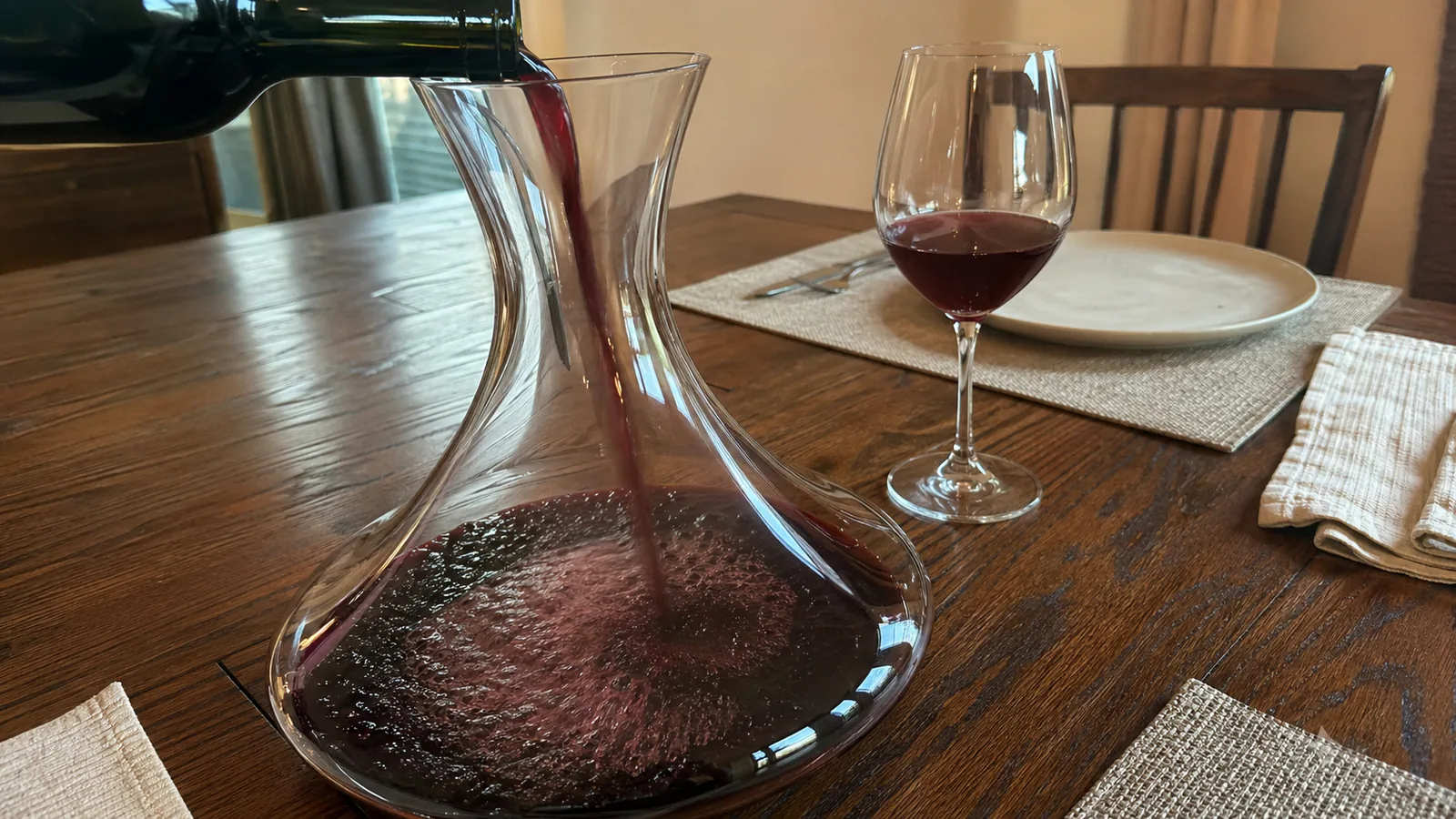
Best Wine Decanter: 5 Picks for Red Wine and Gifting
Five wine decanters ranked by use case: crystal, aerating, gift set, and classic design. Find the right decanter for red wine and everyday use.

Best Wine Glasses: 6 Picks for Every Budget and Wine Type
Six wine glasses ranked by type: from a versatile everyday set to a premium universal glass. Find the right glass for red, white, stemless, and more.