
Claire Bennett
Wine Editor15 min read
US Wine Guide: California, Oregon, and Where to Start
California, Oregon, Washington, New York: what each US wine region tastes like, what grapes to look for, and how to pick a bottle you'll actually enjoy.
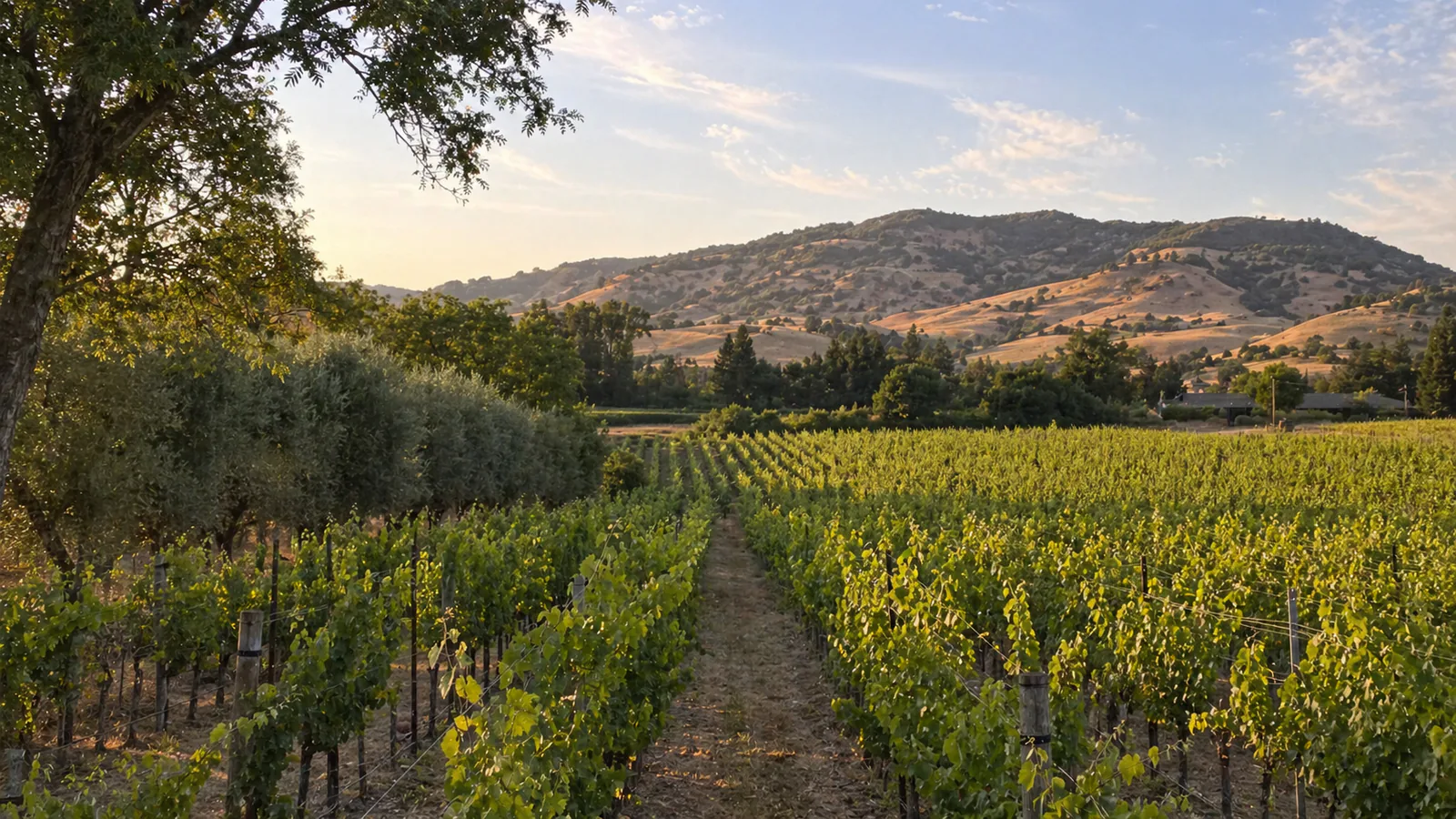
US Wine Guide: California, Oregon, and Where to Start
American wine invented the idea of labelling bottles by grape variety. That was a deliberate choice in the 1970s, and it opened wine to a generation of drinkers who had no patience for memorising French appellation codes. The labels are readable. The pricing, though, runs on different logic: two Napa Cabernets from the same county, same grape, same general vintage can sit $200 apart on a wine list. Understanding why that gap exists is most of what this guide is about.
By the end of this page you’ll know:
- Why two bottles of Napa Cabernet Sauvignon can differ by $200, and the one piece of label information that predicts which is which
- The specific Sonoma sub-region that produces Pinot Noir most people love more than Burgundy once they try it side by side
- Why Oregon Pinot Noir tastes so different from California Pinot, even though they’re grown three states apart from the same grape
- The American wine region that grows the country’s best Riesling (it’s nowhere near California)
- The price tier where American wine delivers its best value and the tier where it mostly overcharges you
Why Does American Wine Matter?
The US is the world’s fourth-largest wine producer by volume, and the largest by value. California alone produces about 85% of all American wine, which is why the two are often used interchangeably. But it’s the cultural shift American wine triggered that makes it worth understanding.
In 1976, a British wine merchant named Steven Spurrier organised a blind tasting in Paris. He pitted the best California wines against the best French wines. California won. A Chateau Montelena Chardonnay beat the white Burgundies. A Stag’s Leap Wine Cellars Cabernet beat the red Bordeaux. French judges, tasting blind. The “Judgment of Paris” didn’t just embarrass France. It rewrote the global wine conversation: serious wine could come from anywhere, not just Europe.
The US also invented the modern idea of labelling wine by grape variety. You probably take it for granted that a bottle of wine says “Chardonnay” or “Merlot” on the front. France still largely refuses to do this. The American approach made wine accessible to a generation of new drinkers who didn’t want to memorise a hundred French village names to pick a decent bottle.
What Are the Most Important American Wine Regions?
The US has wine production in all 50 states, but a handful of regions do the heavy lifting. These are the ones worth knowing.
Napa Valley
Sixty miles of valley floor north of San Francisco, tucked between two mountain ranges. Napa is the most famous New World wine region on earth, and it earned that reputation on one grape: Cabernet Sauvignon. The climate runs warm days and cool evenings, which builds ripe tannins and full flavour without losing the acidity that makes a wine interesting. Napa Cab at its best is dark, structured, layered, and built to last a decade or more in a cellar.
It’s expensive because production is tiny and global demand is enormous. The Napa Valley AVA covers only about 45,000 acres under vine, less than one-third of the size of Bordeaux. When you find a bottle you like, multiply that scarcity by trophy-bottle demand, and you get $100-plus price tags that hold up.
The good news: $40 to $60 Napa Cabs exist, and they’re genuinely impressive. Look for sub-AVA names on the label if you want to go deeper. Oakville and Rutherford produce some of the most consistent Cabernet on the valley floor. Stags Leap District is known for a slightly silkier texture. Howell Mountain, up in the hills, makes bigger, more tannic wines built for longer ageing.
- Signature grape: Cabernet Sauvignon
- Signature style: full-bodied, dark fruit, structured, age-worthy
- Where to start: $40 to $60 gets you a real Napa Cab. Below $30 from Napa, you’re often paying for the postcode, not the quality.
Sonoma County
Napa’s neighbour to the west, three times the size, and much more varied. Sonoma is cooler in most of its sub-regions because the Pacific Ocean influence is stronger. That cooler climate is why Sonoma does things Napa can’t: namely, genuinely great Pinot Noir and Chardonnay alongside its Cabernet and Zinfandel.
Russian River Valley is the sub-region most serious wine drinkers want on their radar. Fog rolls in from the coast every afternoon and morning temperatures stay low, which means Pinot Noir here ripens slowly and holds its acidity. The result is richer and creamier than Oregon Pinot Noir, but with a freshness California Pinot often lacks. Chardonnay from Russian River Valley is the benchmark for the style: round, full, slightly buttery, with enough backbone to avoid feeling flat.
Dry Creek Valley makes old-vine Zinfandel that’s the best argument for why the grape deserves serious attention. Alexander Valley runs warm and produces Cabernet Sauvignon and Chardonnay at generally better value than equivalent Napa bottles in the $30 to $50 range.
- Signature grapes: Pinot Noir, Chardonnay, Zinfandel, Cabernet Sauvignon
- Signature style: varied, generally better value than Napa at the $30 to $50 price point
- Where to start: $30 to $45 for a Russian River Valley Pinot or Chardonnay
Willamette Valley (Oregon)
Oregon’s answer to Burgundy, and a comparison that’s earned rather than borrowed. The Willamette Valley sits between two mountain ranges south of Portland, with a cool, wet climate shaped more by Pacific maritime influence than California sunshine. Pinot Noir here ripens at lower sugar levels, which means lower alcohol (typically 12.5% to 13.5%) and a more restrained, savoury style.
If California Pinot Noir tastes like ripe cherries and cream, Willamette Valley Pinot Noir tastes like pomegranate, dried rose petal, and forest floor, with a weight that’s closer to a Burgundy than a California red. For drinkers who find California Pinot too heavy or too sweet, Willamette is usually the answer.
Oregon’s whites are quieter but worth knowing: Pinot Gris here is richer and more textured than the Italian Pinot Grigio most people default to, and a small number of Chardonnay producers are making genuinely exciting bottles at $35 to $55.
- Signature grape: Pinot Noir
- Signature style: restrained, savory, European in weight and structure
- Where to start: $30 to $45 for a solid Willamette Valley Pinot Noir
Santa Barbara and the Central Coast
One of California’s most exciting regions, still underpriced relative to the quality it delivers. The key to Santa Barbara is geography. The Santa Ynez Mountains run east to west instead of north to south, which is unusual in California. That orientation creates transverse valleys that funnel cold Pacific air directly inland, dropping temperatures in ways that don’t happen further north.
The result: Sta. Rita Hills is one of the best Pinot Noir growing zones in the country, producing wines with more tension and minerality than most Sonoma bottlings. Santa Ynez Valley makes Syrah that’s spicy, peppery, and more Rhone-like than anything else in California. Chardonnay here tends to lean leaner and more citrusy than the Russian River Valley style. And prices are often $15 to $25 less than a comparable bottle from Napa or Sonoma.
- Signature grapes: Pinot Noir, Syrah, Chardonnay
- Signature style: cool-climate California, more tension and freshness than Napa
- Where to start: $25 to $40, and expect better value than the price suggests
Washington State
The Columbia Valley in eastern Washington sits in a high-desert rain shadow, with scorching summer days that build ripe flavour and cold winter nights that preserve freshness. Walla Walla, the state’s most prestigious sub-region, straddles the Oregon border and produces Cabernet Sauvignon, Merlot, and Syrah with a distinctive character: a bit leaner and more structured than California equivalents, with more savoury and mineral notes.
Washington Cabernet is the most consistent alternative to Napa for anyone who finds California reds too fruit-forward or too alcoholic. You can usually find bottles at $25 to $45 that would cost $60 to $100 from a comparable Napa producer.
- Signature grapes: Cabernet Sauvignon, Merlot, Syrah
- Signature style: structured, slightly leaner than California, often excellent value
- Where to start: $25 to $45 for Columbia Valley Cabernet or Merlot
Finger Lakes (New York)
Cold-climate viticulture around deep glacial lakes in upstate New York, and the region most wine drinkers have never explored. The lakes moderate the temperature enough to allow vinifera grapes to ripen despite winter conditions that would kill vines in most wine regions. Riesling is the standout: bone dry, high acidity, diesel-and-citrus aromatics, closer in style to Germany’s Mosel than anything California produces.
Cabernet Franc is the red worth knowing. It’s lighter and more aromatic than Cabernet Sauvignon, with red fruit, tobacco, and green herb notes that pair brilliantly with roast chicken and earthy vegetables. Finger Lakes Cab Franc delivers a European bistro-wine experience that California rarely matches at any price point.
- Signature grapes: Riesling, Cabernet Franc, Chardonnay
- Signature style: cold-climate, high-acid, more European in character than West Coast wines
- Where to start: $20 to $30 for Finger Lakes Riesling, the best-value wine in the region
What Does the AVA System Mean on a Label?
AVA stands for American Viticultural Area. It’s a geographically defined wine region, approved by the federal government. If 85% of the grapes in a wine come from the named AVA, the producer can put that AVA name on the label.
Here’s the important distinction from French appellations: an AVA only defines geography. There are no rules about which grapes you can grow, how many vines per acre, what alcohol level the wine must hit, or how it must be made. Napa Valley is an AVA. So is Sonoma Coast. But neither tells you anything about the style of wine in the bottle.
Compare that to a French AOC like Burgundy, where the rules dictate that red wines must be 100% Pinot Noir, minimum vine density, maximum yield, and minimum alcohol. The AOC is a promise about what the wine will taste like. The AVA is only a promise about where the grapes grew.
What to look for on a US label instead of just the AVA: the grape variety (California wines must be 75% of the named grape to show it on the label, though most quality producers use much higher percentages) and the producer’s name. A well-known producer within a respected sub-AVA (like a Russian River Valley Pinot from a Williams Selyem or Rochioli) tells you far more than the geography alone.
What Are America’s Most Planted Grape Varieties?
Cabernet Sauvignon. The most planted red variety in California and the anchor of Napa’s reputation. Ripe blackcurrant, cedar, and tobacco when it’s made well. Dry, full-bodied, with firm tannins that soften with food or time.
Chardonnay. The most planted white variety in the US, and a style that ranges from fat, oaky, and buttery (the caricature) to lean, fresh, and mineral (Russian River Valley, Carneros). If you’ve written off Chardonnay based on the supermarket versions, a $35 Russian River Chardonnay will change your mind.
Pinot Noir. The grape that created America’s most devoted wine following. Cool-climate California and Willamette Valley Oregon are the two main expressions. Lighter in body than Cabernet, more about elegance than power.
Merlot. Unfairly damaged by the “Sideways” film effect, Merlot from Washington State and Napa is genuinely good. Softer tannins than Cabernet, plum and chocolate notes, easy to pair with food.
Zinfandel. California’s heritage grape, with Croatian origins (it’s the same grape as Croatia’s Tribidrag or Crljenak). It ripens unevenly on the vine, which means some berries turn to raisins before others are fully ripe. That raisin concentration, combined with hot California sunshine, produces wines that regularly hit 14% to 16% alcohol. Old-vine Dry Creek Valley Zinfandel at $25 to $35 is one of the best bargains in American wine.
Sauvignon Blanc. Crisp, citrusy, and grassy. California Sauvignon Blanc tends to be rounder and more tropical than New Zealand versions. Napa Valley Sauvignon Blanc, sometimes labelled Fume Blanc, is a richer, sometimes lightly oaked style.
Riesling. Underplanted in the US given how good the Finger Lakes versions are. Also produced in small quantities in Oregon and Washington.
Pinot Gris. Oregon’s signature white. Fuller and more textured than Italian Pinot Grigio, with pear and almond notes.
California vs Oregon: What’s the Actual Difference?
This is the question most wine drinkers need answered once they start exploring American wine beyond the basics.
California generally means riper fruit, more body, more obvious oak, and higher alcohol, typically 13.5% to 15%. The climate is warmer, the growing season longer, and winemaking tradition favours extraction and richness. California wine is built to impress on first taste: big, generous, immediately likeable.
Oregon generally means more restraint. Lower alcohol (12.5% to 13.5%), more savory and earthy notes, and a structure that takes a few minutes in the glass to open up. Oregon winemakers frequently cite Burgundy as their reference point, and many trained there. The wines reward food and patience in a way California wines often don’t need to.
For Pinot Noir specifically: California Pinot tends to taste of ripe cherries, blackberries, and cream, with a plush texture. Oregon Pinot tends to taste of pomegranate, dried herbs, and damp earth, with more acidity and a slightly leaner mouthfeel.
Neither is better. They’re different goals. If you’re having a big dinner party and want to open something immediately impressive, California. If you’re cooking something earthy and savoury and want a wine that develops over the meal, Oregon.
Where Should You Start If You’re New to American Wine?
A four-bottle starter pack that covers the main styles for under $120:
A Napa or Sonoma Cabernet Sauvignon ($35 to $45). Ideally a Sonoma County or Alexander Valley label for better value. Dark, full, and rich. Pair with a burger, steak, or lamb chops. This is the bottle that made America famous in wine terms.
A Willamette Valley Pinot Noir ($30 to $40). Something from the Dundee Hills or Chehalem Mountains sub-AVAs if you can find one. Serve it slightly cool, around 60°F. Pairs with salmon, duck, roast chicken, or mushroom pasta. This is the bottle that shows you what American wine looks like when it’s aiming for elegance over power.
A Russian River Valley Chardonnay ($30 to $40). Richer than a Chablis, crisper than an oaky Napa Chardonnay. Pairs with roast chicken, creamy pasta, or good fish and chips. This is the bottle that converts Chardonnay sceptics.
A Dry Creek Valley Zinfandel ($20 to $30). Old-vine if you can find it. Bold, spicy, slightly jammy, with tannins that hold up to barbecue, pizza, and anything with tomato sauce. This is the bottle that exists nowhere else on earth quite like this.
That’s four very different styles, four different states (or sub-regions), and around $115 total. After drinking through that pack, you’ll have a working feel for what American wine does across its range.
Frequently Asked Questions
Why is Napa Valley wine so expensive?
Supply and demand in a very small area. The Napa Valley AVA covers roughly 45,000 acres of vineyard, which is tiny compared to Bordeaux or even Sonoma. Global demand for Napa Cabernet is enormous, driven by decades of critical acclaim and a trophy-bottle culture where wealthy collectors compete for prestige labels. Land prices in Napa run higher than almost any agricultural land in America. All of that gets reflected in the bottle price. The good news is that $40 to $60 buys you genuine quality from smaller Napa producers who aren’t pricing for the trophy market.
Is Californian wine always big and oaky?
No, and that reputation is about 15 years out of date. There’s a whole generation of California winemakers working in what’s called a lower-intervention or “natural” style: lower alcohol, less new oak, more freshness. Look for producers in Sonoma Coast, Sta. Rita Hills, and the Sierra Foothills. Chardonnay in particular has shifted considerably. A Russian River Valley Chardonnay from a quality producer today is often more mineral and restrained than a Burgundy from a decade ago.
What’s the difference between Napa and Sonoma?
Napa specialises almost entirely in Cabernet Sauvignon and commands the highest prices in the US. It’s warmer, more prestigious, and more consistent at the top end. Sonoma is larger, cooler (especially near the coast), and much more varied. Sonoma grows everything from Pinot Noir and Chardonnay in its cooler coastal zones to Cabernet and Zinfandel in its warmer inland valleys. For most drinkers, Sonoma offers better value at the $30 to $50 price point and more stylistic variety.
Is American wine as good as French wine?
The 1976 Judgment of Paris answered this question definitively: yes, at the top level. The better question is what you’re looking for. French wine at its best has centuries of terroir refinement, appellation rules that create predictability, and a breadth of styles nothing else matches. American wine at its best has expressive fruit character, transparent labelling, and remarkable quality at the $25 to $50 range. They’re different traditions solving different problems. Most serious drinkers want both in their rotation.
What’s a good American wine under $25?
Sonoma County Pinot Noir from a larger producer (not single-vineyard, just county-wide) often hits $20 to $25 and overdelivers. Washington State Riesling is another strong bet under $20. Finger Lakes Riesling at $18 to $22 is genuinely world-class value if you enjoy high-acid whites. A Columbia Valley Merlot from Washington at $18 to $22 is the most reliable under-$25 American red for immediate drinking. Avoid sub-$20 Napa anything. The postcode adds $10 to any bottle before quality is even considered.
What does “old vine” mean on a California wine label?
There’s no legal definition in the US. Any producer can put “old vine” on a label. In practice, it usually means vines over 25 to 30 years old, though many producers reserve the term for vines over 50 or even 80 years. Older vines tend to produce less fruit per vine, which concentrates flavour. For Zinfandel in particular, old vine matters: Dry Creek Valley has Zinfandel vines planted in the 1890s, and the wines they produce are noticeably more complex and concentrated than those from young vines. When you see “old vine” on a Zinfandel from Dry Creek or Lodi, it’s usually earned.
Napa and Sonoma are the two regions most worth exploring in detail. Once you’ve worked through those, the wine regions of the world guide will show you how American wine sits against the global picture, and where to look next when you want something different.
Keep Reading
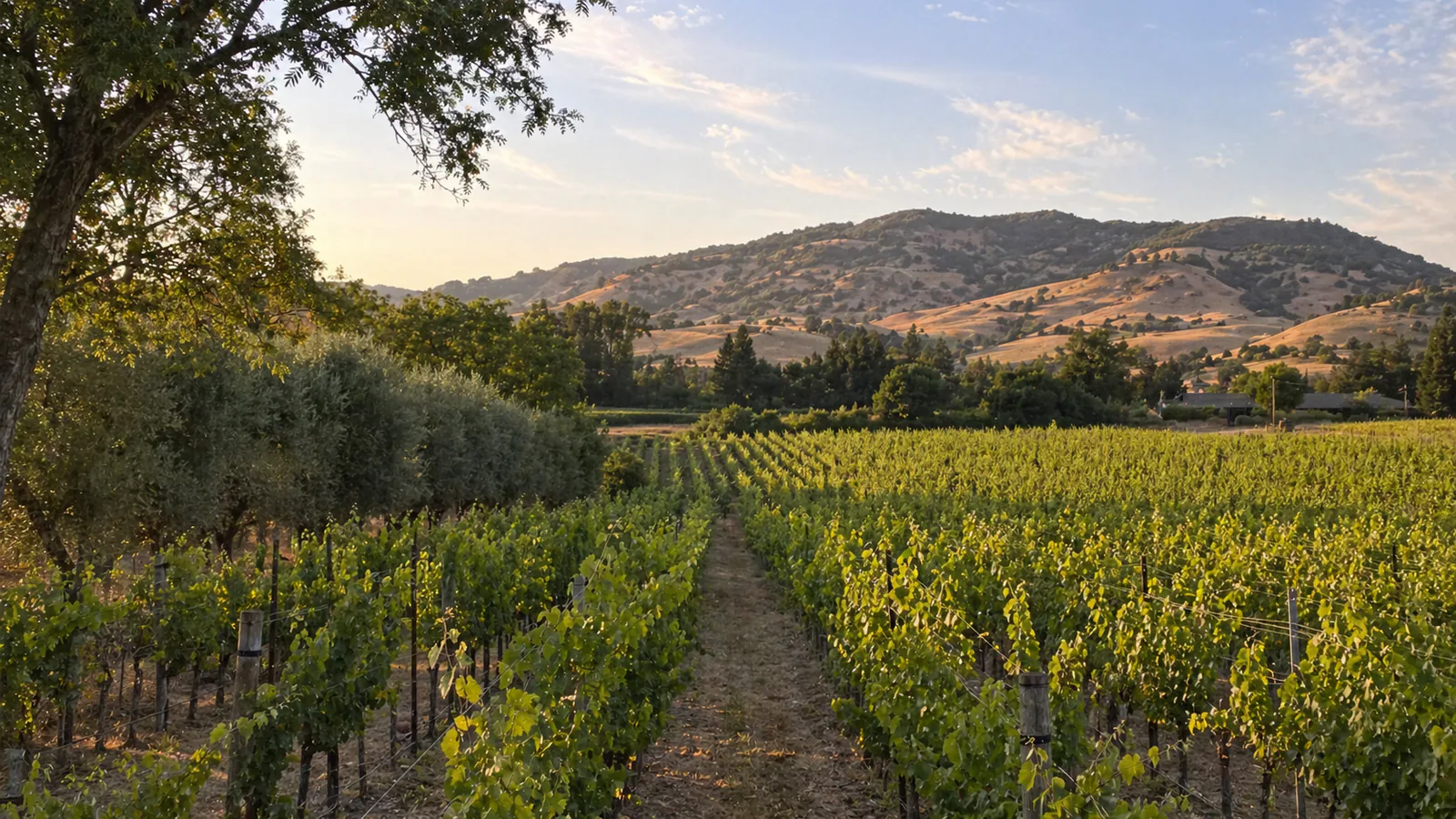
Napa Valley Wine: Cabernet, AVAs, and What to Spend
What Napa Valley wine actually is, why its Cabernet rules the world, the AVAs worth knowing, and where the value hides. Plain English, no fluff.
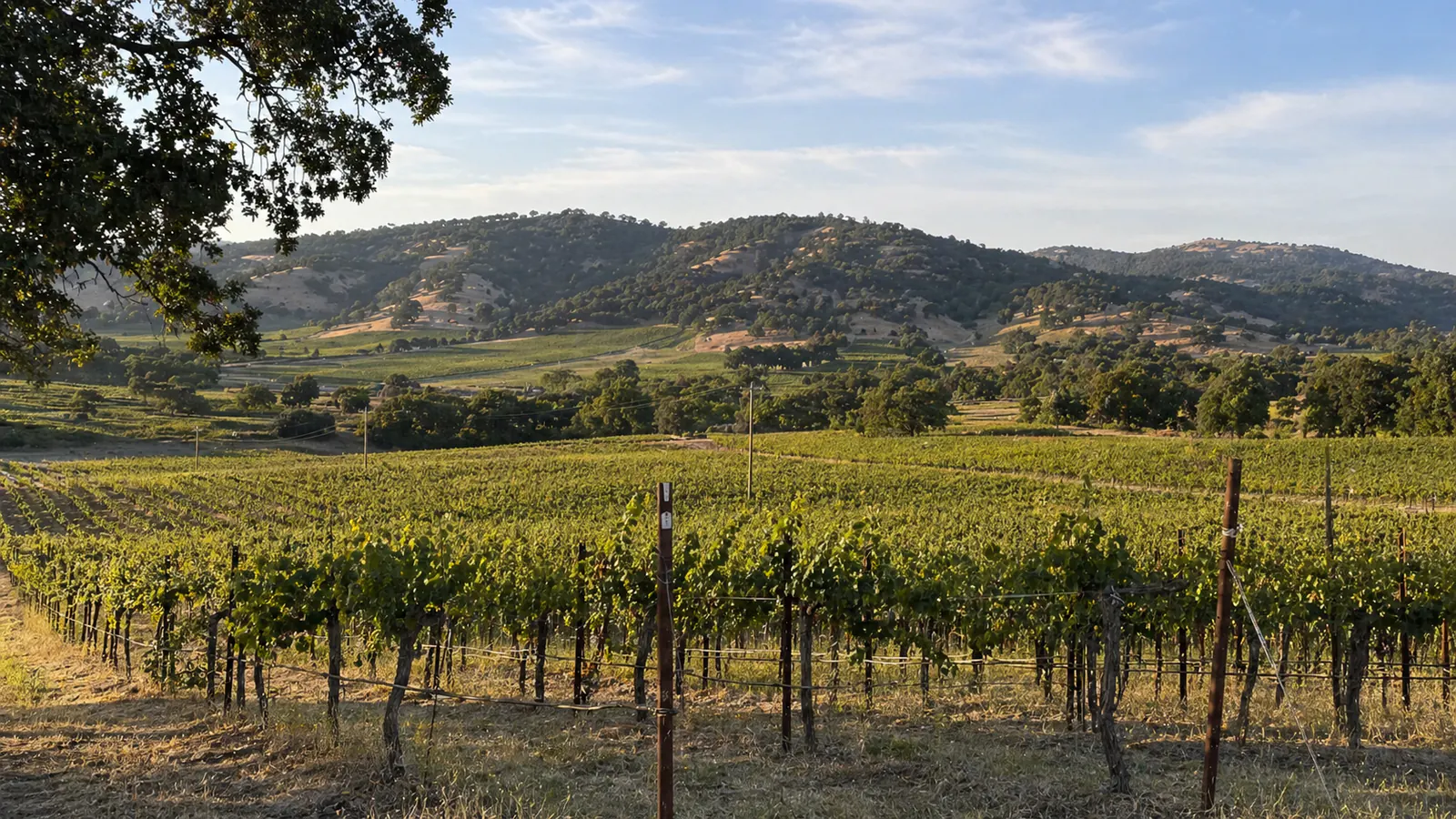
Sonoma Wine: Regions, Grapes, and What to Buy
Sonoma wine explained: cool coastal Pinot and Chardonnay, inland Zinfandel and Cab, how it differs from Napa, and how much to spend.
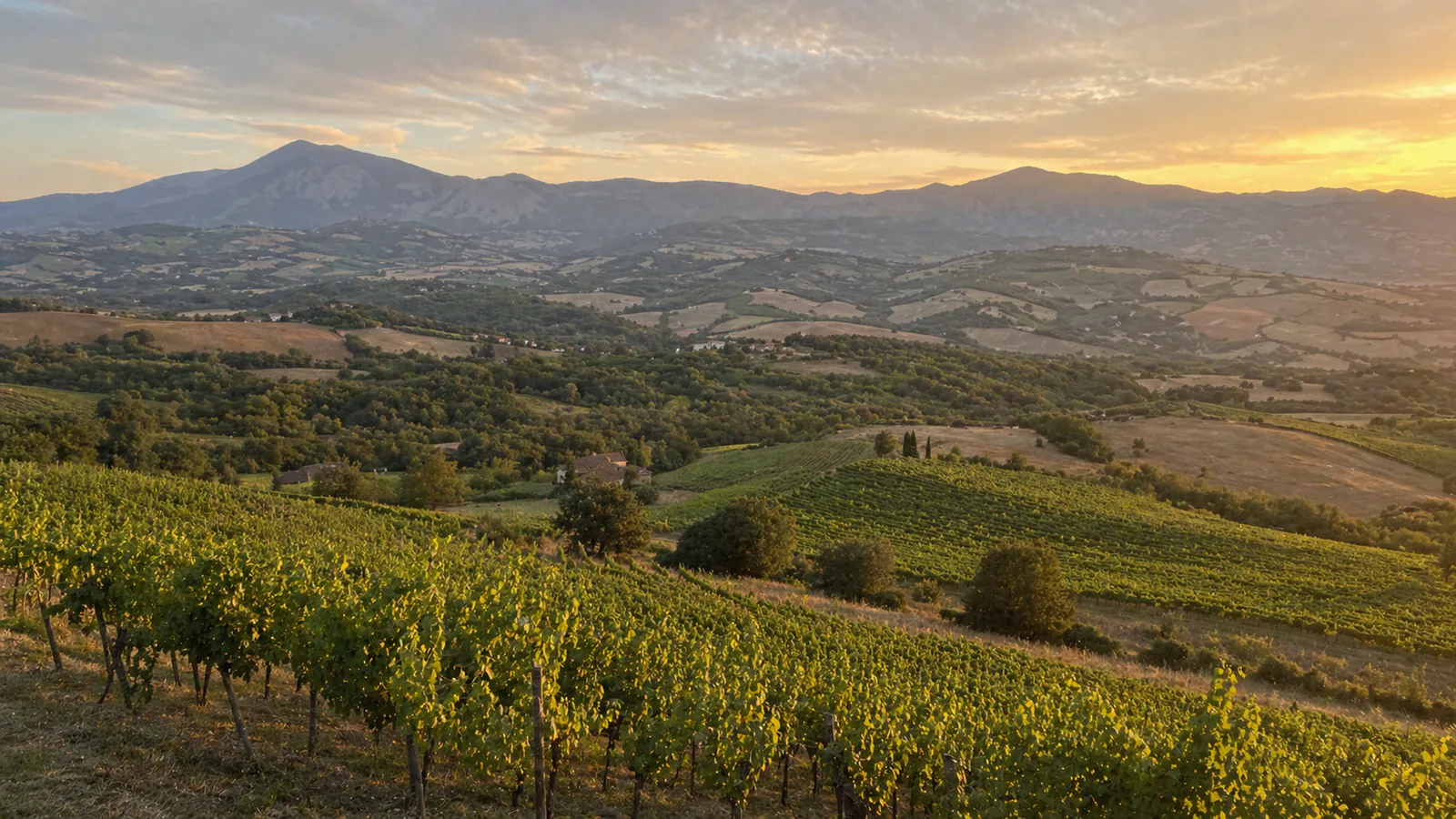
Wine Regions of the World: A Plain-English Guide
Old World vs New World, the major regions in each, how climate shapes style, and where to start drinking. The pillar guide for curious wine drinkers.