Claire Bennett
Wine Editor11 min read
Rioja Wine: Styles, Aging, and What to Spend
What Rioja actually is, how Crianza, Reserva, and Gran Reserva differ, why it tastes like coconut, and the price sweet spot. Plain-English guide.
Rioja Wine: Styles, Aging, and What to Spend
You’re in the supermarket aisle staring at an $18 Rioja Reserva. Gold wire net around the bottle, a back label that looks like it was printed in 1990, a vintage six years old. Next to it, a generic Aussie red costs $35 and got bottled last year. The Rioja tastes more interesting. That’s no accident. It’s how Rioja has been quietly winning the value game for decades.
By the end of this page you’ll know:
- The single classification rule that makes Rioja the most label-honest wine region in the world
- Why so many Riojas taste of coconut and dill (and which barrel choice is responsible)
- The difference between Crianza, Reserva, and Gran Reserva in years, not vague adjectives
- Which sub-region you want on the back label if you care about elegance over power
- The exact price band where Rioja punches hardest, and where it stops being a bargain
What Is Rioja Wine?
Rioja sits in north-central Spain along the Ebro river, roughly two hours south of Bilbao. It’s the country’s most famous wine name and the only region outside Priorat to hold Spain’s top legal classification, DOCa (Denominación de Origen Calificada). When a label says “Rioja”, the wine came from this region and followed its rules.
The region is overwhelmingly red wine country. Around 90% of production is red, and the dominant grape is Tempranillo. Garnacha (Grenache), Graciano, and Mazuelo (Carignan) are the supporting cast, blended in to add freshness, structure, or aromatic lift depending on the producer’s house style.
What sets Rioja apart from almost every other wine region is its aging classification. Most regions tell you nothing about how long a wine sat in barrel. Rioja tells you exactly. That’s the engine behind its value reputation. When you buy a Reserva, you’re buying a wine that’s already been aged for you, often for years, before it hits the shelf.
Rioja has been making wine for two thousand years, but the modern style was shaped in the 1860s when phylloxera wiped out French vineyards and Bordeaux winemakers crossed the Pyrenees looking for grapes. They brought small oak barrels with them, taught local producers how to age wine properly, and the Rioja we know today was born.
What Grape Is Rioja Made From?
Tempranillo is Spain’s signature red grape, and Rioja is its most famous home. The name comes from the Spanish word “temprano” (meaning early), because the grape ripens earlier than most. It’s a thick-skinned, medium-bodied variety with moderate acidity and grippy but not aggressive tannins.
On its own, young Tempranillo tastes of red cherry, plum, fresh tobacco, and a faintly leathery edge. Give it time in oak and the profile shifts toward dried fig, vanilla, dill, sweet spice, and dried rose petals. This transformation under oak is the entire reason Rioja built its reputation around aged wine.
Tempranillo is also planted heavily in Ribera del Duero (where it’s called Tinto Fino), Toro (Tinta de Toro), and parts of Portugal (Tinta Roriz, Aragonez). Each region produces a different version. Rioja’s is the most polished and food-friendly. Ribera del Duero’s is bigger and darker. Toro’s is downright muscular.
If you’ve never had a pure Tempranillo and want a fast reference point: think Cabernet Sauvignon’s structure with Pinot Noir’s red-fruit character, plus a savoury, earthy backbone neither of those grapes quite manages.
How Does the Rioja Aging Classification Work?
This is the single piece of information that makes shopping for Rioja easier than almost any other wine. Every red Rioja falls into one of four legal categories, printed clearly on the back label. Each category tells you exactly how long the wine has aged before release.
Joven (or Genérico). No minimum aging required. Released within a year of harvest. Light, fruity, designed to drink young. The cheapest tier and rarely worth seeking out unless you want a fresh, juicy red on a Tuesday night. Usually $8 to $14.
Crianza. Minimum two years of aging total, with at least one year in oak barrel and the rest in bottle before release. Crianza is the everyday sweet spot. You get real oak influence, a bit of bottle age softening the tannins, and a price that almost always lands between $12 and $20. If someone asks “what’s a good Spanish red for a Tuesday night,” this is the answer.
Reserva. Minimum three years total, with at least one year in oak and at least six months in bottle. Most serious producers age their Reservas well beyond the minimum. The wine arrives on the shelf already showing developed character: dried fruit, leather, sweet spice, integrated tannins. This is where Rioja’s value reputation lives. Quality Reservas run $15 to $35 and routinely beat New World reds at $50.
Gran Reserva. Minimum five years total, with at least two years in oak and two years in bottle. Producers only make Gran Reserva in vintages they consider exceptional, so the bottling itself is a vintage call. These wines arrive at the shop already a decade old in some cases. Expect $35 to $80 for excellent producers, more for top names like López de Heredia or Marqués de Murrieta.
The practical takeaway. See “Reserva” on a Rioja label with a vintage four to seven years old? The producer has done the aging work for you. That’s why the wine tastes evolved without you having to cellar anything.
What Are Rioja’s Sub-Regions?
Rioja is split into three official sub-zones, and they each produce a noticeably different style. The back label tells you which one your bottle came from.
Rioja Alta. The classic zone, sitting at higher elevation in the western half of the region. Cooler climate, longer growing season, more elegant and structured wines. If you care about finesse and ageability, look for Alta on the label. Most of the famous houses (López de Heredia, La Rioja Alta, Muga, CVNE) are based here.
Rioja Alavesa. The smallest zone, sitting north of the Ebro in Basque Country. Limestone-rich soils, cool nights, and a slightly more aromatic, bright-fruited style. The wines tend to feel a little fresher and more lifted than their Alta counterparts. Producers like Artadi and Remírez de Ganuza put this zone on the modern map.
Rioja Oriental (formerly Rioja Baja). The hottest, lowest, easternmost zone. Riper fruit, bigger body, more Garnacha in the blends. Wines from Oriental can taste rounder and more generous, sometimes at the cost of finesse. It’s also the value zone, where a lot of supermarket Crianzas come from.
You don’t need to memorise this. The shortcut: Alta and Alavesa for elegance and structure, Oriental for richness and value.
What’s the Difference Between Modern and Traditional Rioja?
Rioja sits at a crossroads between two distinct winemaking philosophies, and the bottle in your hand will lean one way or the other.
Traditional Rioja uses American oak barrels (which are cheaper and more porous than French oak), long aging times, and gentle extraction. The result is pale-rimmed, savoury, dried-fruit-driven wine with the famous coconut and dill notes that come from American oak. Bottles often arrive with bottle age already, sometimes a decade or more. Producers in this camp include López de Heredia, La Rioja Alta, CVNE, Muga, and Marqués de Murrieta.
Modern Rioja uses French oak (or a mix), shorter aging, riper fruit, and more polished extraction. The wines are darker, richer, more black-fruited, and feel closer to a serious New World red. Producers like Artadi, Roda, and Remírez de Ganuza pioneered this style in the 1990s and built the foundation for modern Spanish fine wine.
Neither style is better. They’re aimed at different drinkers and different occasions. Traditional Rioja rewards patience and food. It sings with roast lamb. Modern Rioja delivers more upfront pleasure and works with bigger flavours like a Wagyu burger or smoky chorizo. If a producer’s name shows up in old wine books, expect traditional. If their first vintage was post-1995, expect modern.
What Does Rioja Wine Taste Like?
A typical Reserva-level Rioja in the glass smells of red and black cherry, dried fig, sweet tobacco, leather, vanilla, and a distinct coconut note that’s the calling card of American oak. On the palate it’s medium-bodied, with grippy but not punishing tannins, moderate acidity, and a long savoury finish.
What Rioja almost never tastes like: jammy, syrupy, alcohol-bomb, oaky in the heavy-handed Napa-Cabernet sense. Even big Riojas stay food-friendly. They’re built for a dinner table with roast lamb on it, not for sipping alone in a leather chair.
Quick reference for what’s in the glass:
- Body: medium to medium-full
- Tannin: medium, well-integrated in aged bottlings
- Acidity: medium, sometimes medium-high
- Sweetness: dry
- Oak: noticeable, especially the dill and coconut from American oak
- Alcohol: 13% to 14.5%
The “coconut” question gets asked a lot, so it’s worth answering directly. American oak contains a chemical compound called cis-oak lactone, which smells almost identical to coconut. French oak has it too, but American oak has roughly five times more. That’s why a wine aged in American oak (like most traditional Rioja) tastes coconutty in a way that French-oaked Bordeaux doesn’t.
Does Rioja Make White Wine?
Most people don’t realise Rioja makes white wine. It does, and a small slice of it is world-class.
Rioja Blanco. Made primarily from Viura (also called Macabeo), often blended with Malvasía and Garnacha Blanca. Two distinct styles exist. The fresh, unoaked version tastes of green apple, lemon, and white flowers. The aged, oaked version (especially from López de Heredia) tastes of beeswax, almond, dried herbs, and lemon curd. The aged style ages decades and ranks among the world’s most singular white wines.
Rosado. Spanish rosé, typically darker and fuller-bodied than Provençal versions. Made from Garnacha, Tempranillo, or both. Best as a summer table wine with grilled fish, paella, or charcuterie.
White and rosé Rioja are usually well under $20 and almost always punch above their price. Worth a look if you’ve only ever drunk the reds.
How Much Should You Spend on Rioja Wine?
Rioja is one of the few regions where the value zone genuinely outperforms the prestige zone for everyday drinking. Three tiers worth knowing:
$10 to $15. Joven and basic Crianza territory. Easy fruity reds, drinkable, rarely memorable. Brands like Campo Viejo and Marqués de Cáceres dominate here. Fine for a Wednesday spag bol, but it’s not where Rioja shines.
$15 to $30. The sweet spot. Crianza and Reserva from serious producers (La Rioja Alta, CVNE, Muga, Bodegas LAN, Marqués de Murrieta entry-level) live here. The depth, integration, and bottle-aged complexity at this price are hard to find anywhere else in the world. If you only ever buy Rioja in this band, you’ll drink very well.
$35 and up. Gran Reserva and top single-vineyard bottlings. López de Heredia Tondonia Reserva, Marqués de Murrieta Castillo Ygay, La Rioja Alta 904 and 890. These are serious wines built to age, and they reward patient drinkers. Above $80, you’re paying for vineyard pedigree and rarity.
The honest take. A $20 Reserva from a good house outperforms most New World reds at $40. The biggest single upgrade you can make is jumping from the $12 Crianza zone to the $20 to $25 Reserva zone. The flavour and complexity gain at that step is enormous.
Frequently Asked Questions
What’s the difference between Crianza, Reserva, and Gran Reserva?
It’s all about minimum aging time. Crianza requires two years total (one in oak, one in bottle). Reserva requires three years total (at least one in oak, six months in bottle). Gran Reserva requires five years total (at least two in oak, two in bottle). Most serious producers exceed these minimums, especially for Gran Reserva. The category sets a floor, not a ceiling.
Why does Rioja taste like coconut?
The coconut note comes from American oak barrels, which traditional Rioja producers have used for over 150 years. American oak contains a compound called cis-oak lactone that smells almost identical to coconut. French oak contains the same compound, but in much smaller amounts. That’s why traditional Rioja tastes coconutty in a way that French-oaked Bordeaux or Burgundy doesn’t.
Is Rioja the same as Tempranillo?
No, but they overlap heavily. Rioja is a region in Spain. Tempranillo is the dominant grape grown there, making up roughly 80% of red plantings. So most Rioja is Tempranillo-based. The grape is also planted in Ribera del Duero, Toro, Portugal, and increasingly in Australia and the Americas. Rioja’s version is generally the most polished and food-friendly.
How long does Rioja age?
It depends on the category. Crianza is built to drink within five to seven years of vintage. Reserva drinks well from release through ten to fifteen years. Gran Reserva and top bottlings from López de Heredia or La Rioja Alta can age 30 years or more in good vintages. The classification system means most Rioja arrives at the shop with significant aging already done, so you don’t need a cellar to drink mature Rioja.
What’s the best cheap Rioja?
The reliable answer is a Crianza from a producer like CVNE Cune, Bodegas LAN, Marqués de Cáceres, or Faustino, all of which sit in the $12 to $18 range and rarely disappoint. Step up to a Reserva from CVNE Cune or Marqués de Murrieta Finca Ygay at $18 to $25 and you’re in the value sweet spot. Skip generic supermarket Joven bottlings unless you want something light and fruity for a weeknight.
What food goes with Rioja?
Rioja is one of the most food-friendly dry red wines on earth. Roast lamb is the classic pairing, especially with Reserva. Crianza handles tapas, charcuterie, hard cheeses, mushroom risotto, smoky BBQ, and grilled chicken. Gran Reserva wants something serious: braised short rib, slow-roasted pork shoulder, aged Manchego. The savoury, dried-fruit profile of aged Rioja sits naturally with anything roasted, smoked, or slow-cooked.
Ready to put this to the test with a specific bottle? These red wines under $20 include several Rioja Crianzas and Reservas that prove everything you just read.
Keep Reading
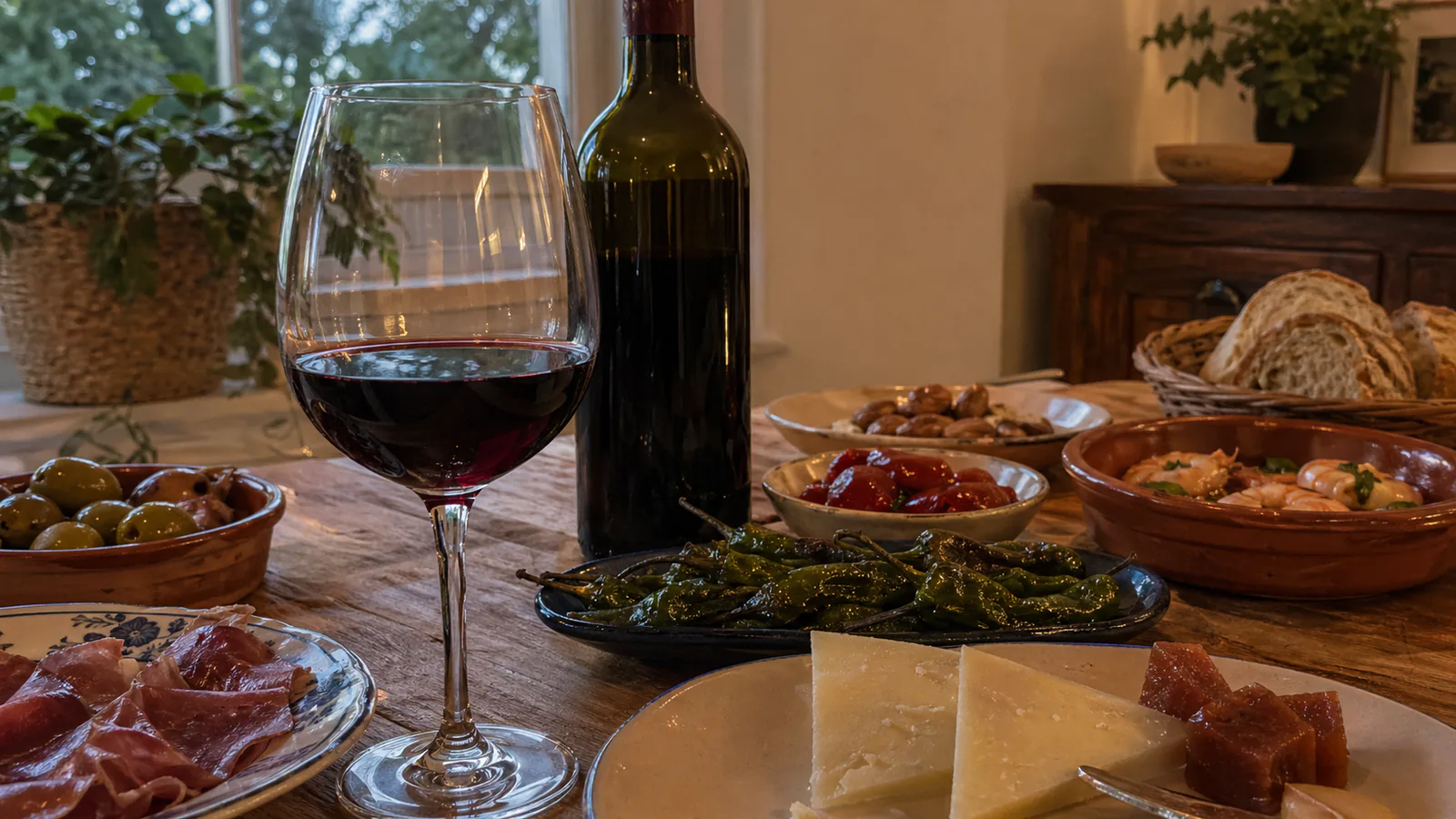
Tempranillo Wine: Taste, Regions, Pairings, Price Guide
What Tempranillo tastes like, how Rioja's ageing tiers work, the food it pairs with, and how to spot the best value bottles. A plain-English guide.
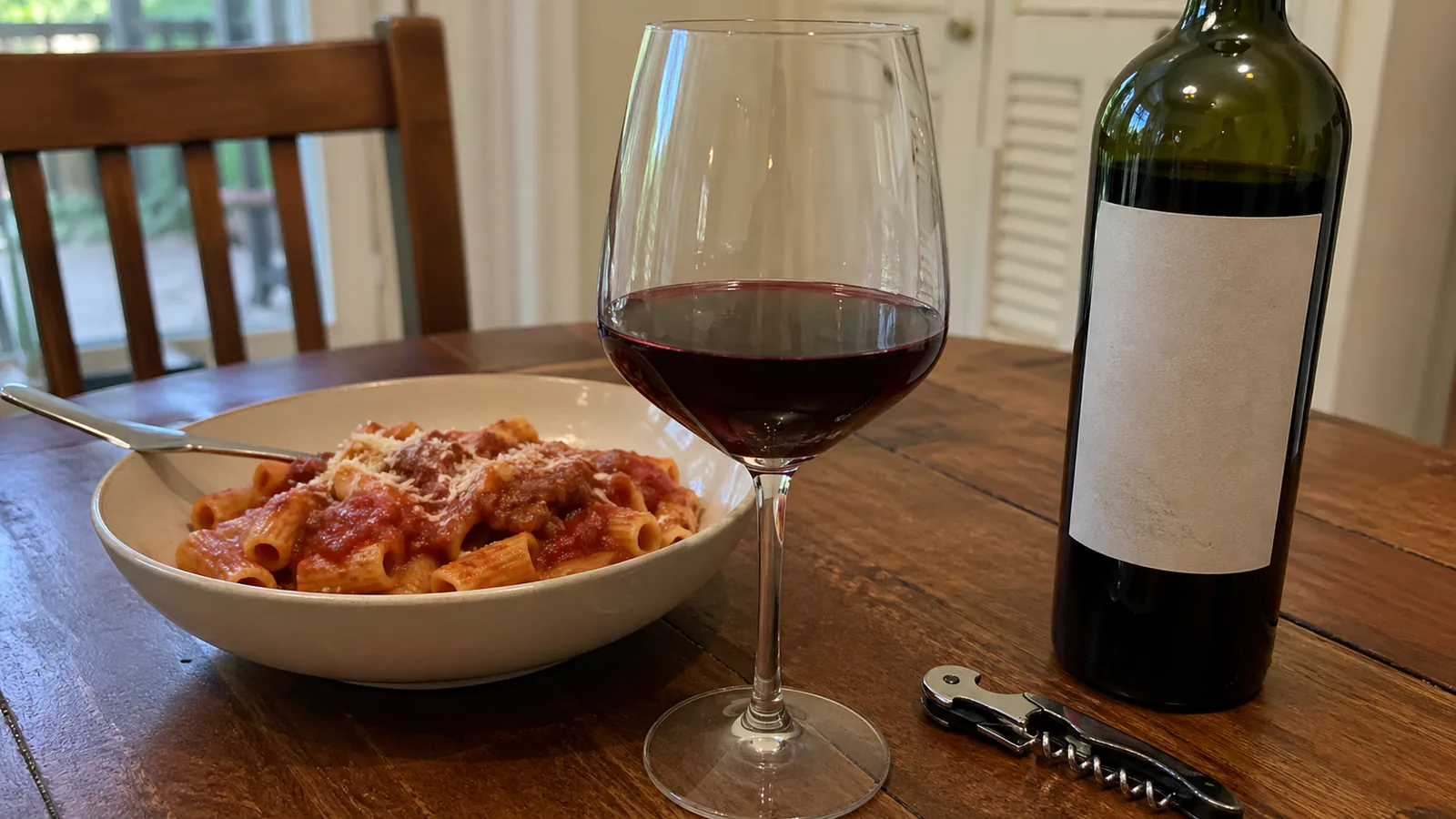
Best Dry Red Wines: 8 Bottles Worth Knowing
Eight bone-dry reds across Cabernet, Sangiovese, Tempranillo, Syrah, Malbec, Pinot, and Cab Franc. All under $30, all critically rated.
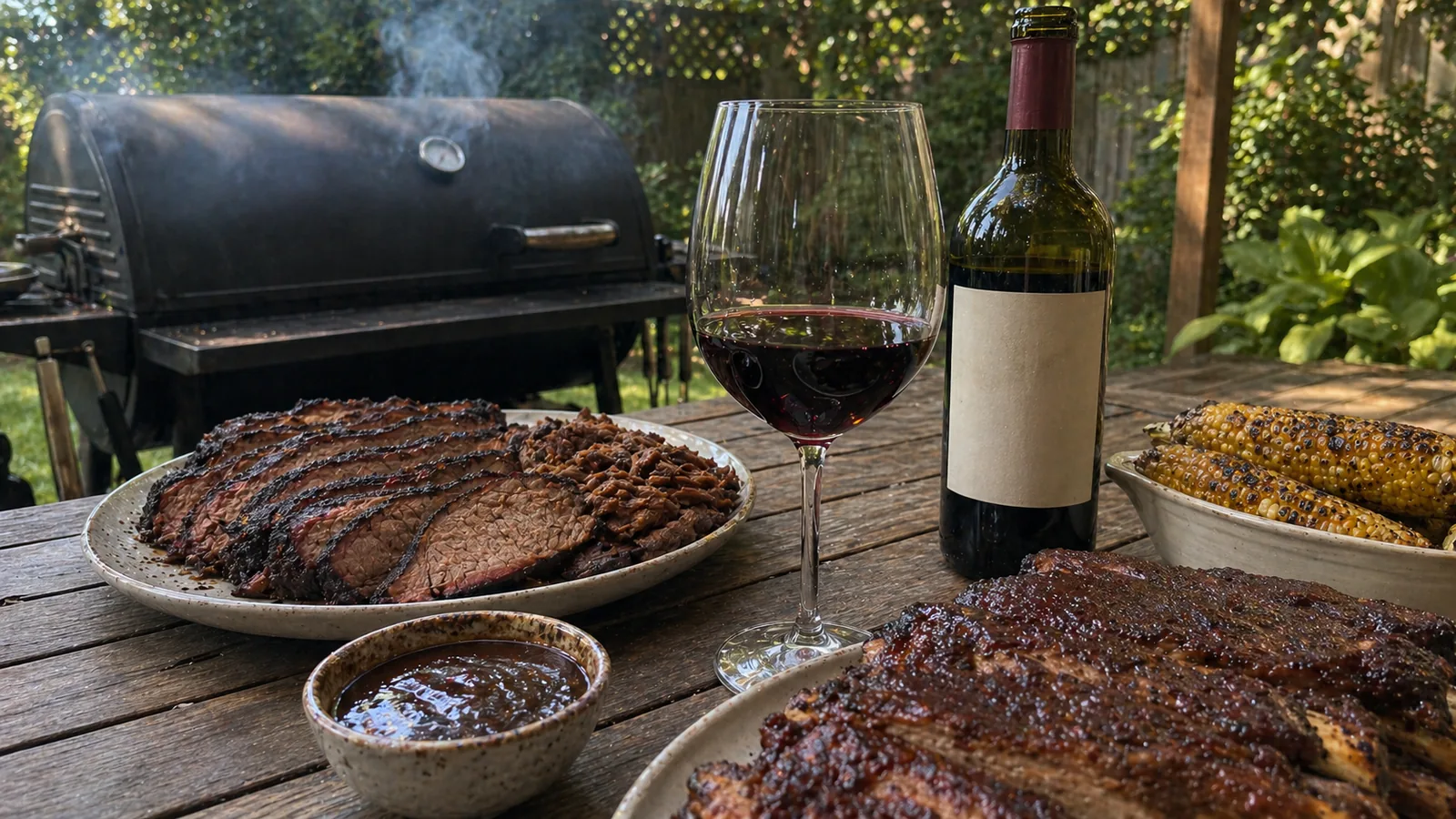
BBQ Wine Pairing: What To Pour With Every Smoke
The best wines for BBQ by meat and sauce, from Zinfandel with ribs to Malbec with brisket, plus rosé and Riesling for chicken and spicy sauces.