Claire Bennett
Wine Editor11 min read
Piedmont Wine: Barolo, Barbaresco, Nebbiolo Guide
Piedmont wine explained: Barolo vs Barbaresco, Nebbiolo, Barbera, Dolcetto, Moscato d'Asti. What it tastes like and how much to spend.
Piedmont Wine: Barolo, Barbaresco, Nebbiolo Guide
Someone tells you Barolo is the “King of Wines.” You spring for a $50 bottle, pour a glass, and it smells like tar and dried roses with a kick of cherry. It’s pale, almost see-through, and the tannins grip your tongue like cold tea steeped too long. You’re not sure if you’re supposed to like it, or if you got robbed.
Barolo is one of the most rewarding wines on earth. You just have to know what you’re drinking. A little homework on Piedmont pays back hard.
By the end of this page you’ll know:
- The single grape that makes Barolo, Barbaresco, and Langhe Nebbiolo all taste related (and why two cost $80 and one costs $25)
- The real difference between Barolo and Barbaresco, in one sentence you can use at a dinner party
- The everyday Piedmont red under $20 that drinks like a steakhouse wine
- Why Moscato d’Asti is the most underrated brunch wine in the world
- The exact price tier where Piedmont stops being good value and starts being trophy hunting
What Is Piedmont Wine?
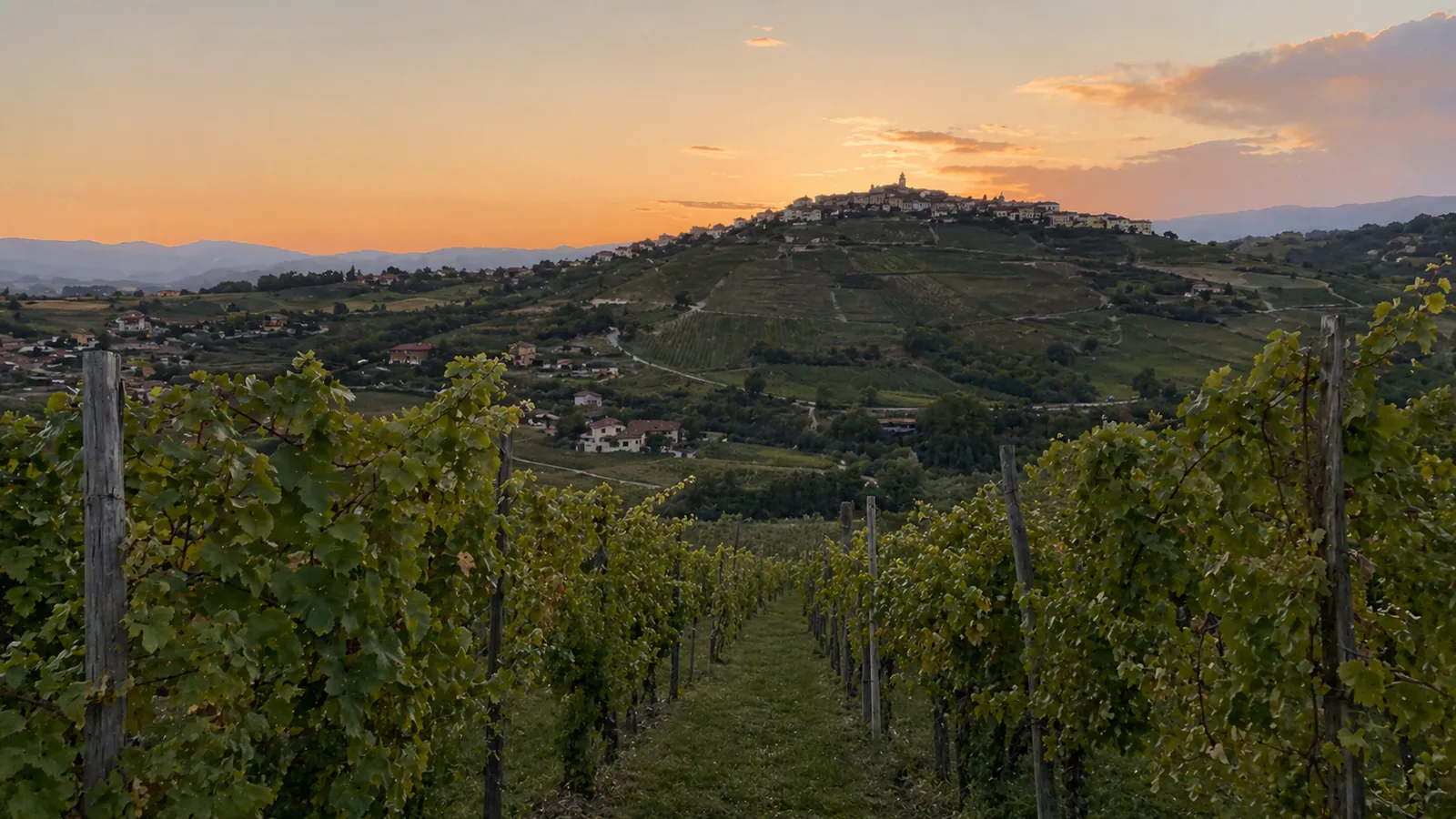
Piedmont sits in the far northwest of Italy, tucked against the French and Swiss borders. The name means “foot of the mountain,” and that’s exactly where the vineyards live: rolling hills below the Alps. The growing season is long and slow, with cool nights and famously thick autumn fog. The local word for fog is “nebbia,” which is where the grape Nebbiolo gets its name.
The region produces more DOCG wines (Italy’s top quality tier) than anywhere else in the country. Eighteen, to be exact. The big four you’ll spot on shelves are Barolo, Barbaresco, Barbera d’Asti, and Moscato d’Asti. Beyond those, Gavi, Roero, Gattinara, and Ghemme are quietly excellent. Locals drink them while tourists fight over Barolo allocations.
Piedmont is a red wine region first. Roughly 60% of production is red, and almost all of it is grown on the same hillsides between the towns of Alba and Asti. If a bottle says “Langhe” or “Monferrato” on the label, that’s Piedmont. The vineyards here are small, family-owned, and old. Some date back to the 1800s.
The shorthand for understanding the region: one great grape (Nebbiolo) makes the famous expensive wines, and three friendlier grapes (Barbera, Dolcetto, Moscato) make the wines you actually drink on a Tuesday.
What Makes Nebbiolo Such an Unusual Grape?
Nebbiolo is the grape that puts Piedmont on the map. It’s pale-coloured, savagely tannic, high in acid, and smells like nothing else on the planet. The classic descriptor is “tar and roses.” Once you’ve smelled it, you’ll never forget it. There’s also dried cherry, dried herbs, leather, truffle, and a dusty spice that develops with age.
The grape is famously hard to grow. It needs a long ripening season, the right hillside aspect, and limestone-heavy soils. Outside of Piedmont, it almost never produces wines of the same quality. There are decent Nebbiolo plantings in California’s Paso Robles and in Australia, but the consensus is that Nebbiolo is a one-region grape.
In Piedmont, Nebbiolo wears different names depending on where it’s grown. In Barolo and Barbaresco it’s just called Nebbiolo. In the northern hills it makes Gattinara and Ghemme. In Valtellina (technically Lombardy, just over the border) it goes by Chiavennasca. The grape is the same. The expression changes with altitude, soil, and the local rules.
One more thing about Nebbiolo: young Nebbiolo is brutal. It’s gripping, tannic, and acidic, and it can taste closed and angry for the first five years in bottle. Give it a decade, and the same wine becomes silky, perfumed, and complex. Buying a Barolo and cracking it the night you get it home is the most common mistake people make. It needs time, or at least a serious decant.
What’s the Difference Between Barolo and Barbaresco?
Barolo and Barbaresco are both Nebbiolo wines from neighbouring villages. Simplest way to think about it: Barolo is the bigger, longer-aged, more powerful version. Barbaresco is the more elegant version that drinks sooner. Same grape, same family of soils, slightly different rules.
The legal differences come down to aging. Barolo must age at least 38 months before release, with 18 of those in oak. Barbaresco must age 26 months, with nine in oak. That extra year of bottle time and the slightly cooler vineyards in Barolo’s zone produce a wine that’s denser and harder when young, but rewards patience.
In practice, a young Barbaresco is more approachable. You can pop it open at five years old and enjoy the floral side of Nebbiolo without fighting through a wall of tannin. A young Barolo at the same age often tastes locked up, and the experts will tell you to wait until ten or fifteen years from the vintage.
Price-wise, Barolo runs higher. A solid producer Barolo starts around $50 and climbs past $200 for cult names. Barbaresco starts around $40 and offers genuinely great wines at $60 to $90 from producers like Produttori del Barbaresco, Bruno Giacosa, and Gaja’s lesser bottlings. If you’re buying your first Nebbiolo, start with a young Barbaresco. It’s friendlier, cheaper, and shows you what the grape is about.
What Are the Everyday Piedmont Wines Worth Knowing?
This is the section nobody tells you about. Piedmont makes some of the best weeknight reds on the planet, and they cost a fraction of Barolo.
Barbera d’Asti and Barbera d’Alba. Barbera is the workhorse red of Piedmont. It’s deep purple, low in tannin, high in acid, and tastes of black cherry, plum, and a touch of liquorice. Barbera d’Asti tends to be brighter and zippier. Barbera d’Alba (grown closer to the Barolo zone) is fuller and rounder, often with a touch of oak. Either one runs $15 to $30 and pairs with everything from pizza to braised short ribs. If you’ve never tried Barbera, this is the most under-bought Italian red on the shelf.
Dolcetto. Don’t let the name fool you. “Dolce” means sweet in Italian, but the wine is bone dry. Dolcetto is Piedmont’s lunch wine: low in acid, soft in tannin, and packed with juicy plum and blueberry. It drinks young, doesn’t need food, and runs $14 to $22. Dolcetto d’Alba is the most common version, and it’s the Italian answer to a slightly chilled Beaujolais.
Langhe Nebbiolo. This is the secret handshake of Piedmont buyers. Langhe Nebbiolo is the same grape, often grown in the same hills as Barolo, by the same producers, but bottled younger and labelled under the broader “Langhe” denomination. The aging requirement is shorter and the rules are looser. The result is a $25 to $40 wine that gives you the tar-and-roses Nebbiolo character without the price tag or the decade-long wait. Producers like Vietti, G.D. Vajra, and Produttori del Barbaresco all make excellent ones.
What’s the Deal with Moscato d’Asti?
Piedmont’s white wine reputation rests on a sweet, fizzy, low-alcohol bottle that gets dismissed by serious drinkers and adored by everyone else who actually tries it.
Moscato d’Asti is made from the Moscato Bianco grape, lightly sparkling (frizzante, not fully sparkling like Champagne), gently sweet, and only 5 to 6% alcohol. It tastes of fresh peach, orange blossom, honeysuckle, and a touch of musk. Serve it cold with brunch or fruit-based desserts. It’s one of the best bottles to pour for people who say they “don’t like wine.” A good one costs $15 to $25 and won’t last a week once you discover it.
Asti Spumante (often just labelled “Asti”) is the fully sparkling, slightly drier cousin. Same grape, more pressure in the bottle, similar peach-and-blossom flavours. It’s a popular Italian Christmas wine, paired with panettone, and works well as a low-alcohol alternative to Champagne or Prosecco.
Both wines are made using the Asti method, which captures the second fermentation in a pressurised tank to keep the alcohol low and the natural grape sugar high. Drink them young, within two years of the vintage. They don’t reward aging.
Which Other Piedmont Wines Are Worth Trying?
A few more Piedmont names that deserve a place on your radar.
Gavi (Cortese di Gavi). Piedmont’s flagship dry white, made from the Cortese grape. It’s crisp, citrusy, and lightly mineral, somewhere between a Pinot Grigio and a basic Chablis. Pairs beautifully with seafood pasta and lighter antipasti. $18 to $35.
Roero. A neighbouring DOCG to Barolo and Barbaresco, also Nebbiolo-based, but generally lighter and earlier-drinking. Roero Arneis is the white version, made from the local Arneis grape, and it’s one of the best food whites Italy makes. Pear, almond, soft floral notes. $20 to $30.
Gattinara and Ghemme. Two northern Piedmont DOCGs, also Nebbiolo, grown on volcanic soils near the foothills of the Alps. The wines are leaner, more savoury, and often cheaper than Barolo for similar age-worthiness. If Barolo prices have priced you out, this is where serious drinkers shop. $35 to $70.
What Does Piedmont Wine Taste Like?
Quick reference guide for the four wines you’ll see most:
- Barolo and Barbaresco (Nebbiolo): pale ruby fading to garnet, aromas of tar, dried roses, cherry, leather, truffle, and dried herbs. High acid, very high tannin, dry, full-bodied. 14 to 15% alcohol.
- Barbera: deep purple, aromas of black cherry, plum, blackberry, and a hint of liquorice. High acid, low to medium tannin, dry, medium-bodied. 13 to 14% alcohol.
- Dolcetto: dark ruby, aromas of plum, blueberry, and almond. Low acid, soft tannin, dry, medium-bodied. 12.5 to 13.5% alcohol.
- Moscato d’Asti: pale gold, aromas of peach, orange blossom, honeysuckle, and musk. High acid, lightly sparkling, sweet, very low alcohol at 5 to 6%.
The thread that runs through all the reds is acidity. Piedmont wines are bright, high-acid, food-friendly bottles. They wake up rich Italian dishes (braises, risottos, aged cheeses) and keep you reaching for the glass. If you’ve drunk mostly New World reds and find them heavy, Piedmont reds will feel like a different category entirely.
How Much Should You Spend on Piedmont Wine?
Three tiers worth knowing.
$15 to $25 entry tier. Barbera d’Asti, Dolcetto d’Alba, basic Gavi, basic Moscato d’Asti. This is genuinely good wine territory, and Piedmont delivers more value here than almost any region in Italy. A $20 Barbera from a producer like Vietti, Pio Cesare, or Coppo will out-drink most $30 New World reds.
$30 to $60 sweet spot. Langhe Nebbiolo, entry-level Barbaresco, single-vineyard Barbera, top Roero, Gattinara, and Ghemme. This is where you start tasting the famous Nebbiolo character without paying a Barolo premium. If you want to learn what Piedmont is about, spend most of your money here.
$70 and up. Producer Barolo, single-vineyard Barbaresco, and the cult names (Giacomo Conterno, Bartolo Mascarello, Bruno Giacosa, Gaja). These wines are layered and age-worthy, worth the splurge for a serious meal or a milestone. Above $200, you’re paying for vineyard pedigree, scarcity, and the ability to cellar the bottle for twenty years.
The honest truth: a $35 Langhe Nebbiolo from a top Barolo producer will tell you more about what Nebbiolo tastes like than a $90 supermarket Barolo from a producer you’ve never heard of. Buy the producer, not the appellation.
Frequently Asked Questions
What’s the difference between Barolo and Barbaresco?
Both are Nebbiolo wines from neighbouring villages in Piedmont. Barolo is bigger, more tannic, and ages longer (minimum 38 months, 18 of those in oak). Barbaresco is more elegant, drinks earlier, and ages 26 months with nine in oak. Same grape, slightly different rules, different feel in the glass. Barbaresco is the friendlier introduction. Barolo is the bigger investment.
Why is Barolo so expensive?
Three reasons. The vineyards are small and tightly regulated, with strict yield limits per hectare. The aging requirement (38 months minimum, often more) means producers tie up capital for years before a bottle ever reaches a shelf. And global demand has exploded over the past two decades, especially from US and Asian collectors, pushing prices up faster than supply can grow. A producer Barolo at $60 is fair value. A famous-name Barolo at $200-plus is mostly scarcity pricing.
How long does Barolo age?
A good Barolo from a strong vintage can age 20 to 30 years comfortably, and the very best bottles can run past 50. Most modern-style Barolo drinks well from about 10 years after the vintage. Traditional-style Barolo (from producers like Bartolo Mascarello or Giuseppe Rinaldi) often needs 15 to 20 years before it really opens up. If you’ve just bought a young Barolo and don’t want to wait, decant it for two or three hours before drinking.
What’s Langhe Nebbiolo?
Langhe Nebbiolo is the same grape as Barolo and Barbaresco, often grown in the same hills, but bottled under a broader “Langhe” denomination with shorter aging requirements. It’s the wine Barolo producers make when they want a younger, more approachable version of Nebbiolo at a lower price. A bottle from a serious Barolo producer often costs $25 to $40 and gives you the classic tar-and-roses character without the wait or the price tag. It’s the smartest entry point into Piedmont reds.
What food pairs with Barolo?
Barolo loves rich, slow-cooked, savoury Italian food, the kind of meal that calls for a full-bodied red. Classic pairings: braised beef in red wine, ossobuco, wild boar ragu, aged Parmigiano, hard pecorino, mushroom risotto, and anything with truffle. The high acidity cuts through fat, and the tannins grip onto protein. Avoid grilled fish, light salads, and anything spicy. Barolo also pairs surprisingly well with simple roast lamb and a strong Italian cheese plate.
What’s the cheapest way to try good Piedmont wine?
A $20 Barbera d’Asti from a producer like Vietti, Coppo, or Michele Chiarlo. It’s genuinely good wine, easy to find at decent bottle shops, and pairs with almost any Italian meal. From there, work up to Langhe Nebbiolo at $30, then Barbaresco at $50. Skip the supermarket Barolo and the no-name Moscato. Producer matters more than appellation in Piedmont.
Ready to put a Piedmont bottle on the table this week? Start with a Langhe Nebbiolo or a Barbera d’Asti from a serious producer. Both will tell you more about the region than any guide can.
Read the full Italy wine guide for the regional context.
Keep Reading
Nebbiolo: The King of Piedmont, Explained
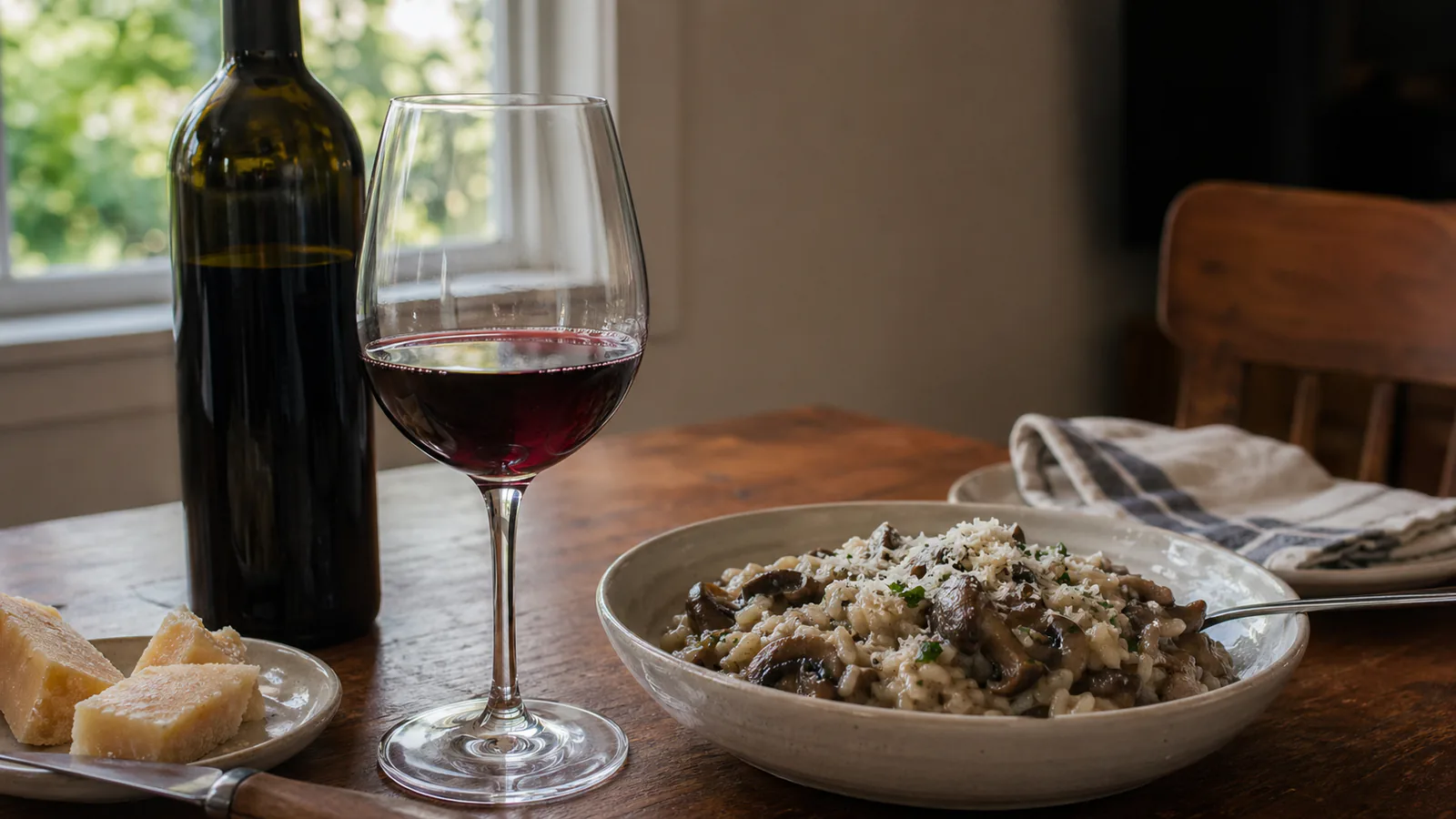
Nebbiolo is the grape behind Barolo and Barbaresco. Pale colour, savage tannins, perfumed roses and tar, and decades of ageing potential.
Italy Wine Guide: Regions, Grapes, and Where to Start
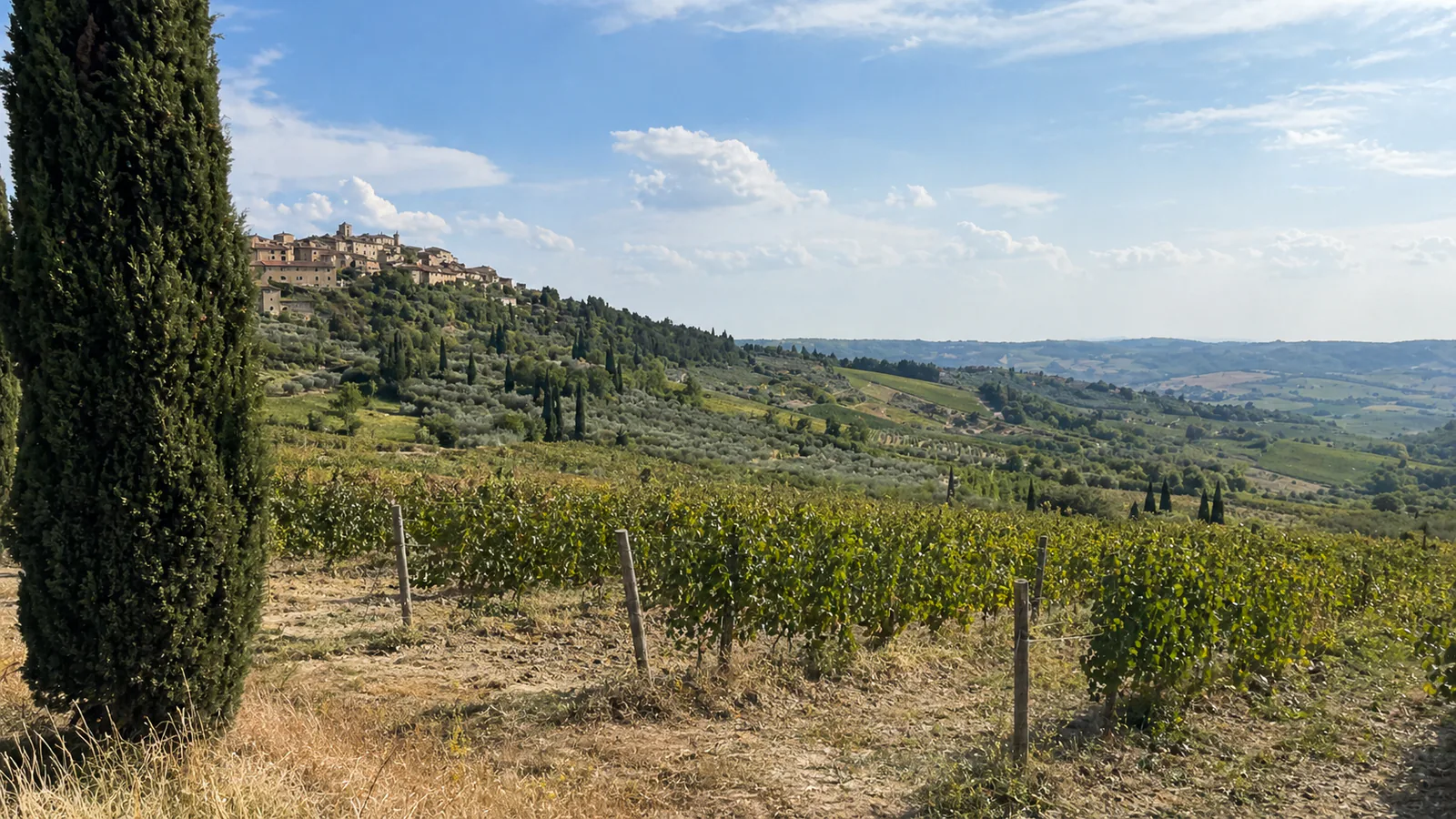
Italian wine made simple. The 20 regions, the grapes worth knowing, what DOCG means, and how to pick a bottle without overthinking it.
Best Full-Bodied Red Wines: 8 Heavyweights Under $30
Eight full-bodied red wines worth opening. Cab, Zinfandel, Petite Sirah, Malbec, Shiraz, Nebbiolo, Aglianico. All under $30.