Claire Bennett
Wine Editor9 min read
Malbec Wine: Taste, Regions, Pairings, Price Guide
What Malbec actually tastes like, why Argentina made it famous, the food it pairs with, and how much you should spend. A plain-English Malbec guide.
Malbec Wine: Taste, Regions, Pairings, Price Guide
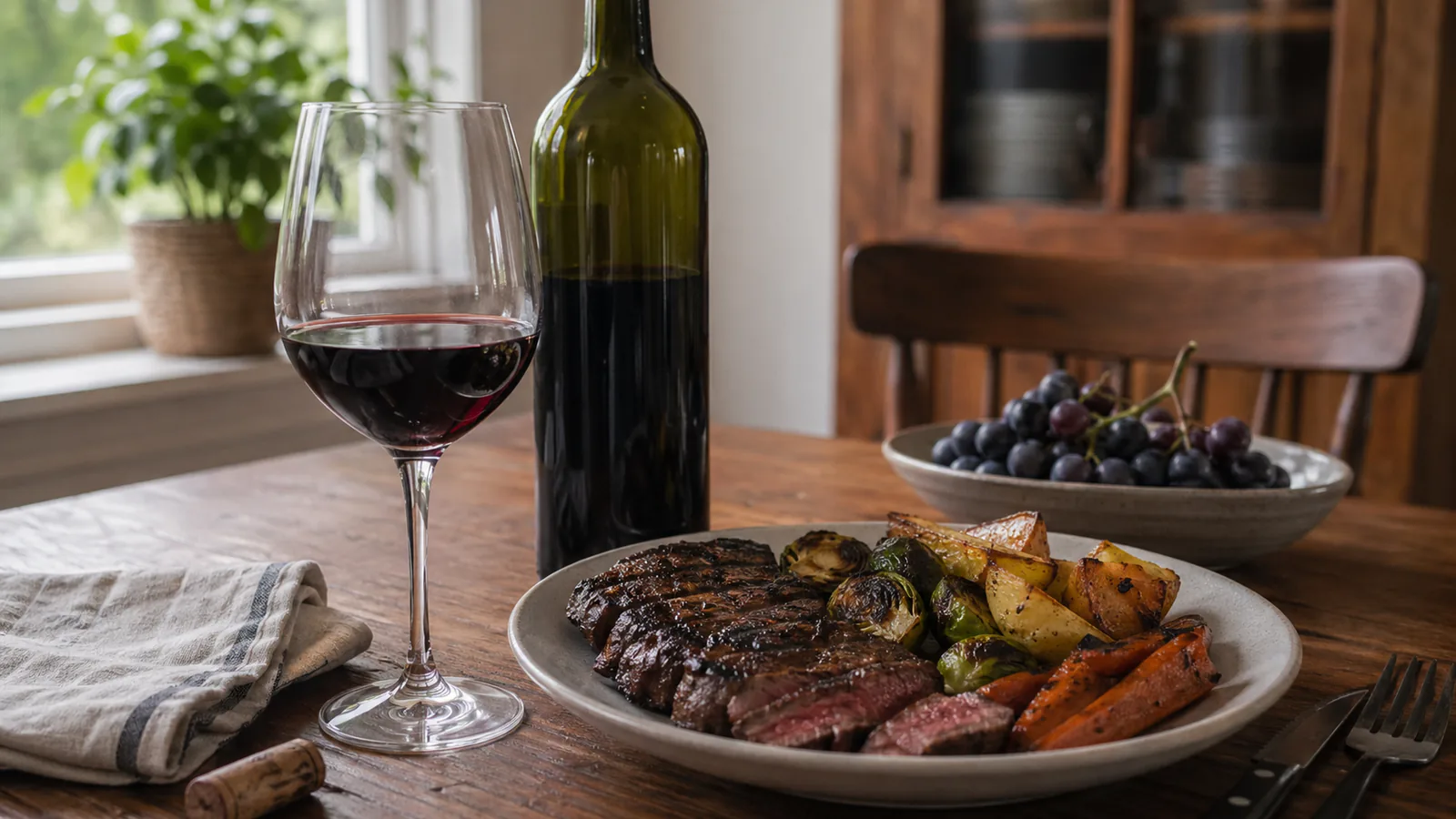
You’ve ordered the steak, the waiter asks what you want to drink, and your brain stalls between the safe Cabernet and the Argentine Malbec you’ve heard about but never quite committed to. The Malbec almost always wins, by the way. It’s the rare full-bodied red that goes down easier than it has any right to, especially when there’s something off the grill in front of you. This guide will tell you what’s actually in the glass, where the best bottles come from, and how to pick one without overspending.
By the end of this page you’ll know:
- The single grape that almost died in Bordeaux and got reborn 7,000 miles away at 3,000 feet of altitude
- Why a $15 Mendoza bottle and a $15 Cahors bottle taste like completely different wines
- The cut of meat that turns an average Malbec into a memorable bottle (it’s not what most people pour it with)
- How to spot a great-value Malbec on the shelf in five seconds without reading a word of the back label
- The serving temperature mistake that flattens 80% of the Malbec you drink at home
What Is Malbec?
Malbec is a dark-skinned red wine grape with one of the more interesting backstories in wine. It started in southwestern France, where it was one of the six grapes permitted in Bordeaux blends, and it spent centuries playing a supporting role to Cabernet Sauvignon and Merlot. Then a frost in 1956 wiped out most of the Malbec vines in Bordeaux and the grape was nearly written off in its homeland.
Argentina is what saved it. French agronomist Michel Pouget brought Malbec cuttings to Mendoza in 1853, and the grape adapted to the altitude and the dry, sunny climate so well that it ended up tasting better there than it ever had in France. Today, Malbec is Argentina’s signature grape and the country grows roughly three-quarters of the world’s plantings.
The grape has thick skin, deep colour, and ripens later than most. It needs warmth and sunshine to fully develop, which is why cool, wet years in Bordeaux were so unkind to it. In Mendoza, where the sun is intense and the nights are cool, Malbec gets the long, even ripening that brings out its best fruit and softens its tannins.
If you’ve heard of “the black wine of Cahors,” that’s Malbec too. Cahors is the historical home of the grape in France, and the local style is darker, more rustic, and built to age. The same variety, dialled completely differently.
What Does Malbec Taste Like?
Malbec is a full-bodied red with ripe dark fruit at the centre and a soft, almost plush texture. The Argentine style leans into juicy plum, blackberry, and blueberry, often with a cocoa or vanilla edge from oak ageing. French Malbec from Cahors is more savoury, with darker fruit, a graphite or iron quality, and firmer tannins.
Quick stat block:
- Body: medium-full to full
- Tannins: medium, soft and round (Argentine); medium-high, more grippy (Cahors)
- Acidity: medium
- Alcohol: 13.5–15% ABV typically
- Oak: very common, usually 6–18 months in French or American oak
- Sweetness: dry, but ripe fruit can read as off-dry on the palate
- Colour: deep purple, almost opaque
Common flavour notes you’ll see on tasting cards: black plum, blackberry, blueberry, violets, cocoa, vanilla, leather (in older bottles), and a little black pepper. The hallmark of a good Malbec is the way the tannins feel: firm enough to give the wine structure, but never drying or harsh. It’s that velvet quality that makes Malbec so easy to drink for a wine of its size.
Where Is Malbec Grown?
Malbec is grown in several countries, but only a handful produce wine that’s genuinely worth seeking out. Each region pushes the grape toward a different style.
Mendoza, Argentina
Mendoza is the heart of Malbec country. The vineyards sit at 800 to 1,500 metres above sea level, with the most prized sites in the Uco Valley climbing to 1,700 metres. That altitude is the key. Strong daytime sun ripens the fruit, and cool nights preserve acidity and freshness. The result is wine with deep colour, rich ripe fruit, and balance that lower-altitude regions struggle to match.
Look for sub-regions like Luján de Cuyo (the classic, structured style) and the Uco Valley, where Tupungato, Gualtallary, and Altamira produce some of the most exciting Malbecs in the world.
Cahors, France
Cahors is Malbec’s birthplace, and the wine here goes by a different name on most labels: Cahors AOC, with Malbec (locally called Côt or Auxerrois) making up at least 70% of the blend. The style is the antithesis of polished Mendoza Malbec. Inkier, more rustic, with firmer tannins, savoury black fruit, and a tarry, mineral edge that needs a few years in bottle to settle.
If you’ve only had Argentine Malbec and want to taste the grape’s other side, a $20 to $30 Cahors will surprise you.
Washington State, USA
Washington produces some impressive Malbec, particularly from the Walla Walla Valley and Columbia Valley. The style sits between Argentina and France: ripe and structured, with darker fruit than Mendoza but more polish than Cahors. It’s a small category, but worth exploring if you can find it.
Chile
Chile grows Malbec in the Colchagua and Maipo valleys, often blended with Cabernet Sauvignon and Carmenère. Pure Chilean Malbec can offer good value, with a slightly leaner, more peppery profile than its Argentine neighbour across the Andes.
Argentina beyond Mendoza
Salta in northern Argentina pushes altitude even further, with vineyards above 2,000 metres in Cafayate. The wines are concentrated, floral, and intensely fruity, often with an almost tropical lift. Patagonia at the southern end of the country produces a cooler-climate Malbec with more spice and finer tannins.
What Food Pairs With Malbec?
Malbec was practically engineered for grilled red meat. The combination of ripe fruit, soft tannins, and full body makes it one of the most reliable food wines on the shelf. The trick is matching its weight to whatever’s on the plate.
A few specific dishes that work beautifully:
- Grilled ribeye or sirloin steak. The classic. The wine’s tannins cut through the fat and the fruit complements the char.
- Argentine asado. Slow-grilled beef, lamb, and chorizo over wood. If you ever wonder why Malbec is the national wine, eat this with it.
- Beef empanadas. The juicy, spiced filling and flaky pastry are a perfect mid-weight match.
- Lamb shoulder, slow-roasted with rosemary and garlic. The ripe fruit handles the lamb’s richness and the herbs echo Malbec’s savoury edge.
- Mushroom risotto. Surprisingly good. The earthiness of mushrooms picks up the wine’s deeper notes.
- Aged hard cheeses like Manchego or aged Gouda. Salty, nutty, and a great vehicle for the fruit.
- BBQ brisket or smoked short ribs. The wine’s plummy fruit handles smoke and bark really well.
- Spiced pumpkin or sweet potato dishes. The fruit and oak play nicely with autumn flavours.
What to avoid: delicate fish, bright salads, and most light pasta. Malbec will steamroll anything that isn’t ready for it.
How Should I Serve Malbec?
Most people serve Malbec too warm, especially in summer. “Room temperature” was a phrase invented before central heating, and a 22°C kitchen is a death sentence for a full-bodied red.
Temperature: 16–18°C is the sweet spot. If your house is warm, give the bottle 10 to 15 minutes in the fridge before opening. The wine should feel cool to the touch but not cold.
Glassware: a large Bordeaux-style glass with a wide bowl gives the wine room to breathe and channels the aromas to your nose. If you only have one shape, that’s the one to use.
Decanting: young, structured Malbec, especially from Cahors or higher-end Mendoza, benefits from 30 to 45 minutes in a decanter. Everyday Malbec under $20 doesn’t need it, but a quick swirl in the glass works wonders.
Ageing: most everyday Malbec is built to drink within five years of vintage. Premium Mendoza bottles ($40 and up) and serious Cahors can age 10 to 15 years and develop leather, tobacco, and dried fruit notes. If you’re not actively cellaring, drink it within three years for the freshest fruit.
How Much Should I Spend on Malbec?
Malbec is one of the best value categories in red wine. You don’t need to spend a lot to get a genuinely good bottle, and the cliff between “decent” and “premium” is much shorter than it is for, say, Burgundy.
Honest tier breakdown:
- Under $12: entry-level Argentine Malbec. Often fine for a Tuesday, but flavours can feel jammy or simple. Useful for cooking, sangria, or casual drinking.
- $15 to $25: the sweet spot. This is where most of the great-value Mendoza Malbec lives. Look for producers like Catena, Trapiche, Alamos, and Susana Balbo. Expect real depth, balanced oak, and a long finish. Cahors at this price tier is also excellent.
- $25 to $50: single-vineyard Mendoza, Uco Valley altitude bottlings, and serious Cahors. This is where the wines start showing terroir, with more structure and ageing potential. Catena Zapata, Achaval-Ferrer, and Clos Triguedina sit here.
- $50 and up: flagship cuvées, including Catena Zapata’s “Adrianna Vineyard” wines, which have been compared to top Bordeaux. Worth it for special occasions and serious cellaring.
If you’re new to Malbec, start in the $15 to $25 range. Buy two or three different producers, drink them within a month, and you’ll quickly figure out which style speaks to you.
Frequently Asked Questions
Is Malbec a sweet wine?
No, Malbec is a dry red wine. The ripe fruit can give it a fruity, almost sweet impression on the palate, but the actual sugar content is low. If you want a sweet red, look at late-harvest wines or Lambrusco Dolce instead.
Is Malbec stronger than Cabernet Sauvignon?
Slightly, on average. Malbec tends to come in around 13.5 to 15% alcohol, with Mendoza bottles often pushing the upper end. Cabernet Sauvignon usually sits in a similar range, but Malbec from warm sites can feel weightier in the glass even at the same ABV. Tannins are softer in Malbec, which makes it feel smoother despite the alcohol.
Why is Argentine Malbec so much better than French Malbec?
It’s not strictly better, but it’s more polished and easier to drink young. Mendoza’s altitude, sunshine, and dry climate let the grape ripen fully and produce wines with soft tannins and ripe fruit. Cahors makes a more rustic, structured style that needs time. Argentine Malbec wins on accessibility, French Malbec wins on character once you appreciate it.
What’s the difference between Malbec and Merlot?
Both are dark-fruited reds with soft tannins, but Malbec is bigger and inkier. Merlot is medium-bodied with plum and chocolate notes, while Malbec is full-bodied with deeper black fruit, more colour, and a velvet texture. Merlot pairs better with lighter dishes, Malbec needs grilled meat. If you want a dry red with grippy structure, Malbec sits right in that lineup.
How long does an opened bottle of Malbec last?
Three to five days if you re-cork it and keep it cool. Full-bodied Malbec actually softens slightly on day two, with the tannins integrating and the fruit feeling more open. By day five it starts to lose its lift. A vacuum stopper buys you another day or two.
Does Malbec age well?
Most Malbec is built to drink within three to five years of vintage. Premium Mendoza single-vineyard bottles and serious Cahors can age 10 to 15 years and develop tertiary flavours like leather, tobacco, and dried fig. If you don’t have a cellar, don’t bother holding everyday bottles. The fruit fades faster than the structure improves.
If you want to put this into practice with bottles that are actually worth buying, here are the best red wines under $20, with several Malbecs that punch well above their price.
Keep Reading
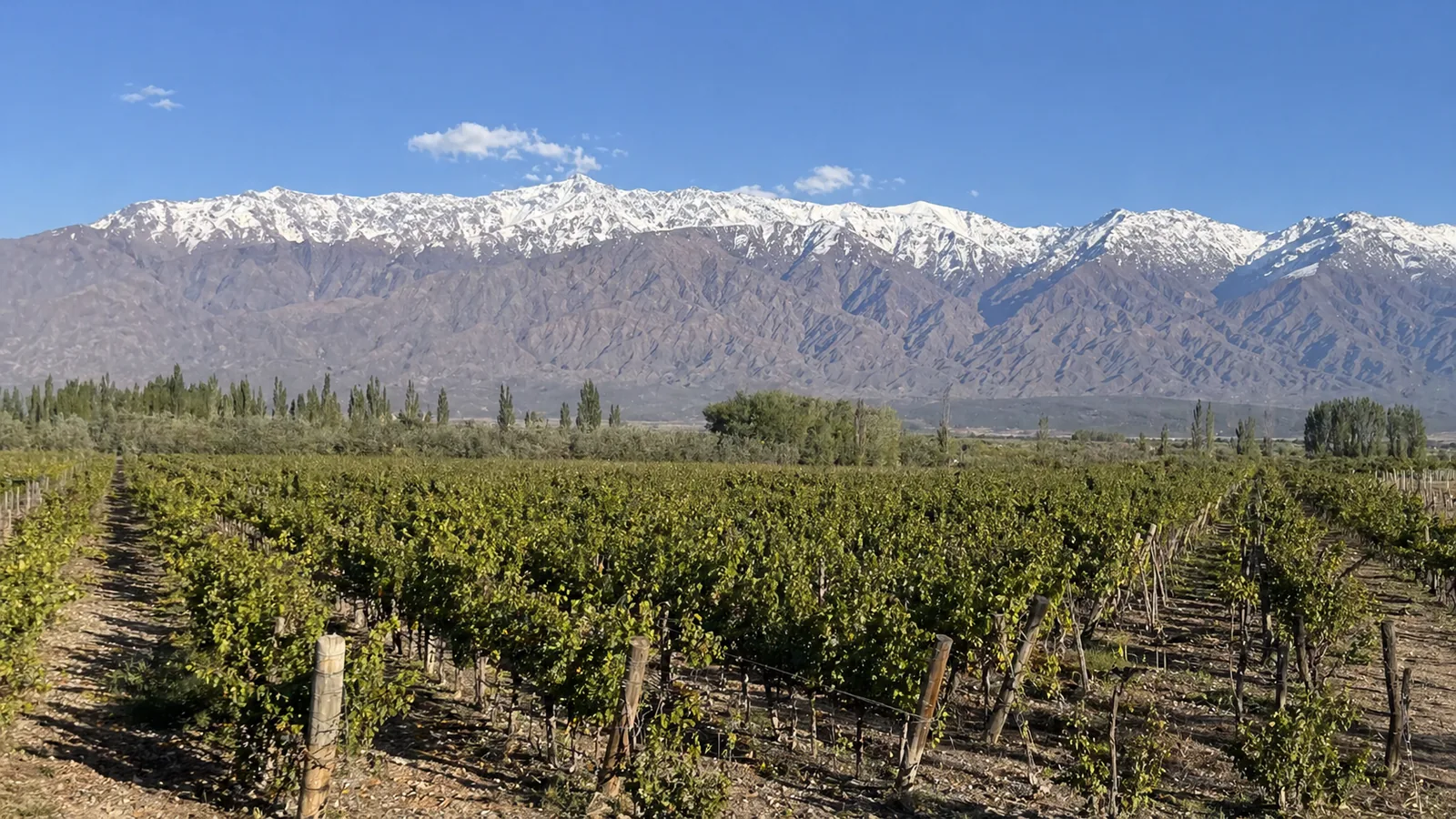
Mendoza Wine: Argentina's Malbec Heartland Explained
What Mendoza wine actually is, why altitude makes its Malbec different, the sub-regions worth knowing, and how much to spend for the good stuff.
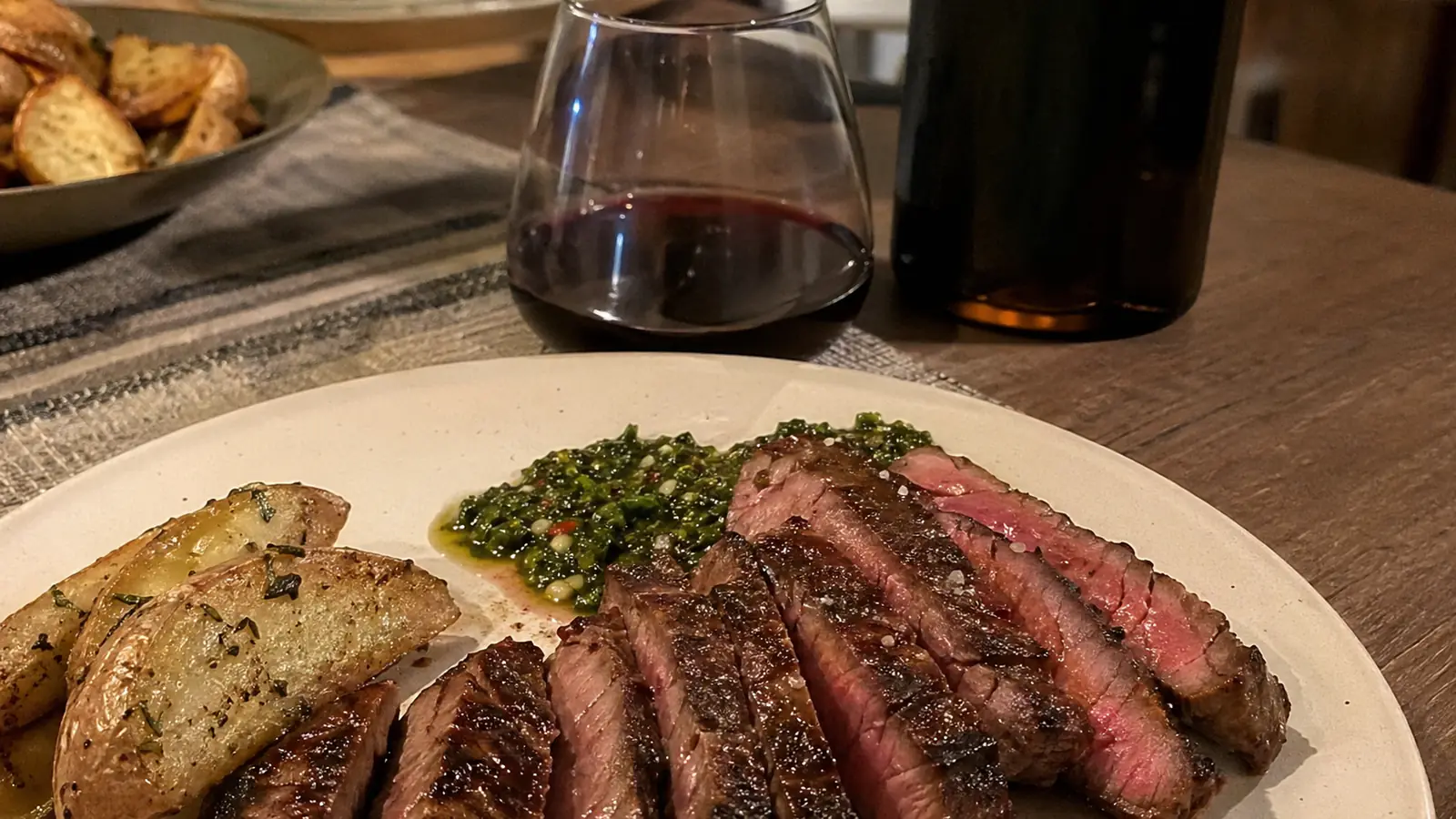
Steak Wine Pairing: What To Pour With Every Cut
The best wines with steak by cut, sauce, seasoning, and doneness, from Cabernet with ribeye to Malbec with chimichurri.
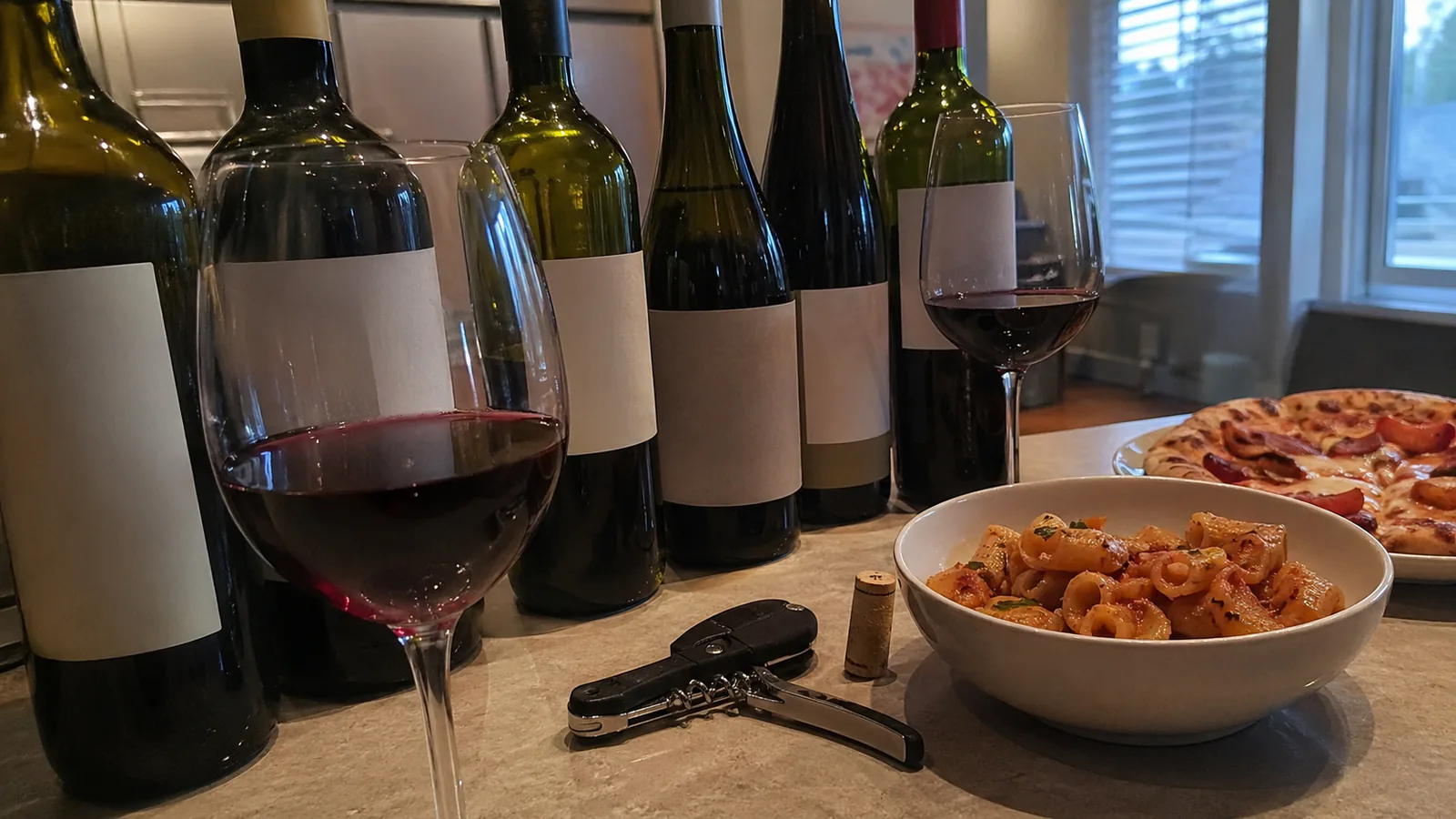
Best Red Wines Under $20 That Are Actually Good
Ten red wines under $20 that are genuinely worth your money. Solid, reliable bottles that taste like they cost more.