Claire Bennett
Wine Editor12 min read
Chenin Blanc: The Most Versatile White Wine Grape
Chenin Blanc makes everything from bone-dry Vouvray to honeyed dessert wine. Here's how it tastes, where it grows, and the bottle to start with.
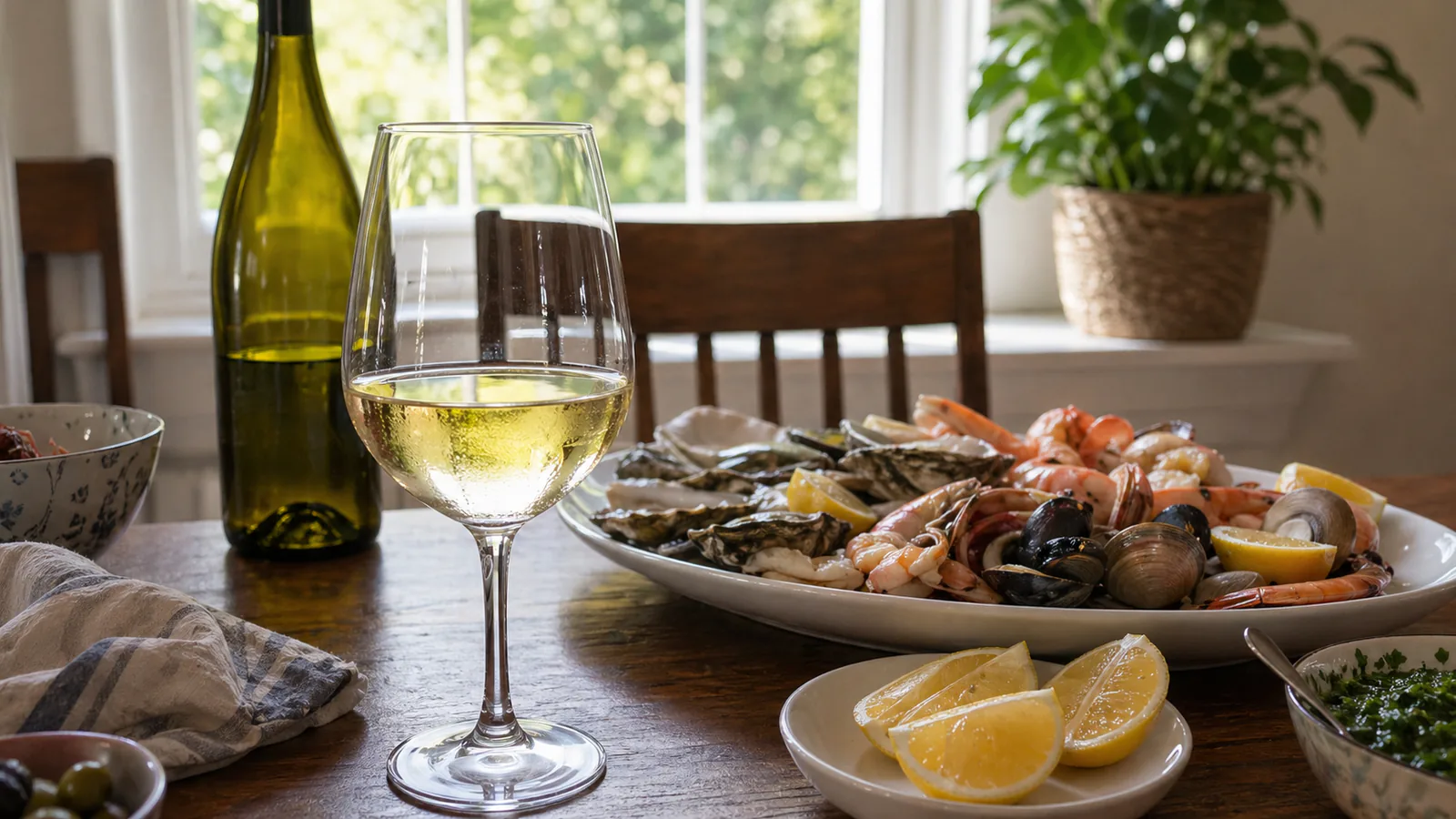
Chenin Blanc: The Most Versatile White Wine Grape
You like white wine. You’ve ordered enough Sauvignon Blanc to know its tricks, and you’ve decided whether you’re an oaky-Chardonnay person or not. The next move most drinkers don’t make is also the most rewarding one. Chenin Blanc is the grape that opens up everything else, because the same vine produces wines that don’t seem to be related to each other at all.
By the end of this page you’ll know:
- The four French label words that tell you exactly how sweet a Chenin Blanc bottle is, before you even open it
- Why South African Chenin Blanc at $15 is currently one of the best value-for-money trades in the entire wine shop
- The 600-year-old Loire region that quietly makes some of the longest-living dry whites on the planet
- The Chardonnay-lover trick: the bottle to swap in when Chardonnay starts feeling repetitive
- The pairing rule that makes Chenin Blanc the smartest wine to bring to almost any dinner
What Is Chenin Blanc?
Chenin Blanc is a white wine grape native to the Loire Valley of France, where it has grown for at least 1,200 years. The first written records date to the 9th century around the village of Mount Chenin, which gave the grape its name. By the Middle Ages, Chenin had spread across Anjou and Touraine, where the local monks were already making serious wine from it.
The grape arrived in South Africa in 1655 with Dutch settler Jan van Riebeeck, and it adapted so completely to the Cape that it became the country’s most planted variety. South Africans called it Steen for centuries before genetic testing confirmed in the 1960s that Steen and Chenin Blanc were the same grape. Today, more Chenin Blanc grows in South Africa than anywhere else in the world.
What makes the grape extraordinary is its acidity. Chenin Blanc retains screaming-high acidity even in warm climates, which is why it can produce both bone-dry whites that age 30 years and lush dessert wines that don’t fall apart from sugar. That acid backbone is the reason a single grape can wear so many different costumes.
It’s also a thin-skinned grape that’s prone to noble rot (Botrytis cinerea), the friendly fungus that concentrates sugar and adds honeyed complexity. Loire Valley producers have made world-class botrytised dessert wines from Chenin Blanc for centuries.
What Does Chenin Blanc Taste Like?
Quick stat block:
- Body: Light to full, depending on style
- Acidity: High to very high
- Sweetness: Bone dry to dessert sweet
- Oak: Sometimes, especially in serious South African and top Loire bottlings
- Alcohol: 11 to 14 percent
The aromatic signature stays consistent across styles. Quince, yellow apple, pear, and honey are the four flavours that almost always show up. Underneath that core sit distinctive secondary notes: wet wool or lanolin (a slightly waxy, sheepy quality that sounds odd but tastes great), beeswax, chamomile, and a faint smoky edge that some drinkers describe as struck-match or wet stone.
The texture is the other calling card. Chenin Blanc has a waxy, almost creamy mouthfeel even when bone dry, the way a slice of ripe Granny Smith apple coats the tongue. Combined with the racing acidity, that texture creates a sensation of weight and lift at the same time. It’s why Chenin Blanc feels so satisfying with food.
How sweet a Chenin Blanc tastes depends on three things: the climate it grew in, the producer’s intent, and (in the Loire) the official label term, which is why the dry vs sweet wine primer is worth a quick read alongside this one. A Vouvray Sec is bone dry. A Vouvray Demi-Sec is off-dry. A Vouvray Moelleux is sweet enough to pair with foie gras. The same grape, the same village, three completely different wines.
How Do I Read a Loire Chenin Blanc Label?
Loire labels follow a specific sweetness vocabulary that’s worth memorising. These four terms appear on Vouvray, Anjou, and other Loire Chenin Blanc bottles, and they tell you exactly what to expect.
- Sec: Dry. Less than 4 grams of sugar per litre. Tastes crisp and clean.
- Demi-Sec: Off-dry. Around 4 to 12 grams of sugar per litre. Tastes lightly sweet, especially on the finish.
- Moelleux: Sweet. Around 12 to 45 grams of sugar per litre. Tastes noticeably sweet but balanced by Chenin’s acidity.
- Doux: Very sweet. More than 45 grams of sugar per litre. Dessert wine territory.
If a Vouvray label has none of these words, assume it’s dry to off-dry. Many producers leave the term off entirely and let the vintage character determine sweetness, which is why a 1996 Vouvray and a 2018 Vouvray from the same producer can taste like very different wines.
Where Is Chenin Blanc Grown?
Loire Valley, France
The historic home and still the benchmark. Chenin Blanc spreads across the Loire Valley under multiple appellations, and each one expresses the grape differently.
Vouvray is the most famous. The chalk and limestone soils on the right bank of the Loire River produce wines in every sweetness level, plus a serious dry sparkling version. Top producers: Domaine Huet (the gold standard), François Chidaine, and Domaine Vincent Carême.
Savennières sits 100 miles west of Vouvray on the schist slopes north of the river. Bone-dry, intensely mineral, and famously age-worthy. The wines often need five to ten years to open up, and a great Savennières at 20 years old is one of the most distinctive whites in France. Top producers: Nicolas Joly’s Coulée de Serrant, Domaine du Closel, and Domaine des Baumard.
Coteaux du Layon and Quarts de Chaume specialise in sweet, often botrytised Chenin Blanc. Coteaux du Layon is the broader appellation; Quarts de Chaume is its Grand Cru and one of only two Grand Cru appellations in the entire Loire Valley. These are dessert wines that can age for 50 years.
Bonnezeaux is another sweet appellation, smaller and less famous than Quarts de Chaume but equally serious.
Cremant de Loire is sparkling Chenin Blanc made by the traditional Champagne method. It’s one of the best Champagne alternatives on the market, often half the price for two-thirds of the quality.
Chinon and Saumur also produce dry Chenin Blanc, often as the white counterpart to their better-known reds.
South Africa
The world’s largest Chenin Blanc producer by acreage. South African Chenin (still sometimes labelled Steen) ranges from cheap everyday whites to some of the most exciting dry whites in the world. Old bush vines (some over 50 years old) produce concentrated, savoury, structured wines that rival top Loire bottlings at half the price.
Stellenbosch and Swartland are the regions to know. Swartland in particular has become the heart of South Africa’s serious Chenin movement. Producers like Mullineux, Sadie Family, AA Badenhorst, and Alheit Vineyards are making world-class wines that the international market is still catching up to.
The South African style differs from the Loire. Warmer climate, riper fruit, fuller body, often lightly oaked, and a savoury herbal quality that makes the wines feel substantial rather than delicate. A $25 South African Chenin from a top producer regularly outperforms $50 wines from elsewhere.
California, USA
Most California Chenin Blanc grows in the Central Valley and ends up in cheap blends. A handful of serious producers in Clarksburg (a region in the Sacramento River delta) and Mendocino make bottlings worth seeking out, but the overall reputation is still recovering from decades of bulk production.
Argentina
Mendoza grows a small amount of Chenin Blanc, mostly used in white blends. Some single-varietal bottlings exist, often inexpensive and bright. Quality is improving but not yet at the level of South African or Loire wines.
Other regions
Australia (mostly McLaren Vale and the Margaret River), New Zealand, and Chile all produce small quantities of Chenin Blanc. None has emerged as a leading region yet, but standout bottles do exist for the curious.
What Food Pairs With Chenin Blanc?
Chenin Blanc is the most versatile food wine on the white side of the shelf. The grape’s high acidity cuts through fat, the waxy texture coats the palate without weighing it down, and the range of styles means there’s a Chenin Blanc for almost any plate.
The pairing rule of thumb: dry Chenin Blanc handles savoury food, off-dry Chenin Blanc handles spicy food, and sweet Chenin Blanc handles dessert and pungent cheese. Match the sweetness of the wine to the sweetness or richness of the dish, and you’ll rarely miss.
Specific dishes that work:
- Roast chicken with herbs (the all-time classic Chenin Blanc match)
- Goat cheese, especially the famous Loire pairing of Crottin de Chavignol and Vouvray Sec
- Pork tenderloin with apple compote
- Smoked salmon and trout
- Sushi and sashimi (especially with off-dry styles)
- Thai noodle dishes and lighter curries (off-dry styles)
- Vietnamese banh mi and summer rolls
- Apple desserts: tarte Tatin, apple crumble, baked apples (with Moelleux or Doux styles)
- Foie gras and pâté (with Coteaux du Layon or Quarts de Chaume)
- Hard cheeses with some age: Comté, aged Gouda, Manchego
- Roquefort and other blue cheeses (with sweet Chenin Blanc, the way Sauternes pairs with Stilton)
The Chardonnay-lover swap is worth remembering. If you’ve grown tired of oaky Chardonnay but want the same sense of weight and richness with a meal, a Savennières or a serious South African Chenin Blanc will scratch that itch with more complexity and less butter. It’s the natural next step for drinkers who want to expand without starting over.
How Should I Serve Chenin Blanc?
Temperature: 8 to 11 degrees Celsius (around 46 to 52 Fahrenheit), depending on the style. Crisp, dry styles take a slightly cooler temperature. Fuller, oaked, or sweeter styles benefit from a touch warmer to let the aromatics open. Pull the bottle out of the fridge 15 minutes before pouring.
Glassware: a standard white wine glass works for everything. A larger Burgundy bowl is a nice upgrade for serious dry styles like Savennières or top South African bottles, because the aromatics deserve room to breathe.
Decanting: usually unnecessary for young wines. Mature Savennières and serious aged South African Chenin Blanc can benefit from 15 to 20 minutes in a decanter to shake off any reduction. Old Vouvray Moelleux and other sweet styles often improve with a brief decant too.
Ageing: this is where Chenin Blanc shines. Top dry styles (Savennières, Vouvray Sec, serious South African) can age 20 to 30 years. Sweet styles from the Loire (Quarts de Chaume, Bonnezeaux, Coteaux du Layon) can age 50 years and routinely outlive their drinkers. The acidity is the key. Other whites lose their freshness with age. Chenin Blanc keeps it.
If you’re starting a small wine cellar and want one white grape that will reward patience, this is it.
How Much Should I Spend on Chenin Blanc?
Under $15: Everyday South African Chenin Blanc, basic Vouvray, and Cremant de Loire. The South African category is where the value lives. A $13 Stellenbosch Chenin from a respected producer often drinks better than a $25 wine from elsewhere.
$15 to $30: Mid-tier Loire (village-level Vouvray and Anjou Blanc), serious South African producers, and top Cremant de Loire. This is the sweet spot for everyday quality. Domaine Huet’s basic Vouvray, Mullineux’s “Kloof Street,” and Sadie Family’s “Skerpioen” all live here.
$30 to $60: Single-vineyard Vouvray and Savennières, top South African bottlings, and entry-level Coteaux du Layon. The wines here are serious, complex, and built to age.
$60 to $150: Top Savennières, Quarts de Chaume, Bonnezeaux, and the most ambitious South African and Loire single-vineyard wines. Domaine Huet’s “Cuvée Constance,” Joly’s “Coulée de Serrant,” and Mullineux’s “Granite” Chenin Blanc are the reference points.
$150 and up: Mature library releases of top Quarts de Chaume and Coteaux du Layon, plus the rarest single-vineyard bottlings. Special-occasion territory.
If you’ve never tried Chenin Blanc, start with two bottles. A $20 South African Chenin from Stellenbosch or Swartland (Mullineux’s “Kloof Street” or Ken Forrester’s “Reserve”) and a $25 Vouvray Sec from a producer like Domaine Vincent Carême. Drink them within a week of each other. The difference is the entire personality of the grape.
Frequently Asked Questions
Is Chenin Blanc sweet or dry?
Both. Chenin Blanc is the most versatile white grape on earth and produces wines in every sweetness level, from bone-dry Savennières to dessert-sweet Quarts de Chaume. Loire labels use specific terms (Sec, Demi-Sec, Moelleux, Doux) to indicate sweetness. South African Chenin Blanc is almost always dry.
What does Chenin Blanc taste like?
Quince, yellow apple, pear, and honey are the consistent flavours. Secondary notes include wet wool or lanolin, beeswax, chamomile, and a faint smoky or struck-match edge. The texture is waxy and slightly creamy. The acidity is unmistakably high.
How do you pronounce Chenin Blanc?
“Sheh-nan blahnk.” Three syllables. The “n” in “Chenin” is partly nasalised in French, but English speakers can get away with a soft “n” sound. The “c” in “Blanc” is silent.
What’s the difference between Chenin Blanc and Sauvignon Blanc?
Both are dry white wines with high acidity, but they taste completely different. Sauvignon Blanc leans grassy, herbaceous, and citrusy. Chenin Blanc leans toward orchard fruit, honey, and waxy texture. Sauvignon Blanc is built for immediate drinking. Chenin Blanc can age decades. If Sauvignon Blanc is a sharp pencil, Chenin Blanc is a beeswax candle.
What’s the best Chenin Blanc for beginners?
A $15 to $25 South African Chenin Blanc from Stellenbosch or Swartland is the easiest starting point. Look for producers like Ken Forrester, Mullineux, or Beaumont. The style is fruit-forward, dry, and food-friendly without the complexity that can confuse first-time tasters. After that, try a Vouvray Sec to taste the Loire side of the grape.
Why is Chenin Blanc called Steen in South Africa?
The grape arrived in the Cape with Dutch settlers in the 17th century and acquired the local name Steen, which simply means “stone” in Dutch and Afrikaans. For centuries, South Africans grew Steen without realising it was the same grape as French Chenin Blanc. Genetic testing confirmed the match in the 1960s, but many older South African labels still use the name Steen out of tradition.
Ready to put Chenin Blanc to work? Our guide to the best white wines for beginners covers Chenin Blanc and the wider set of white wines that reward curious drinkers.
Keep Reading
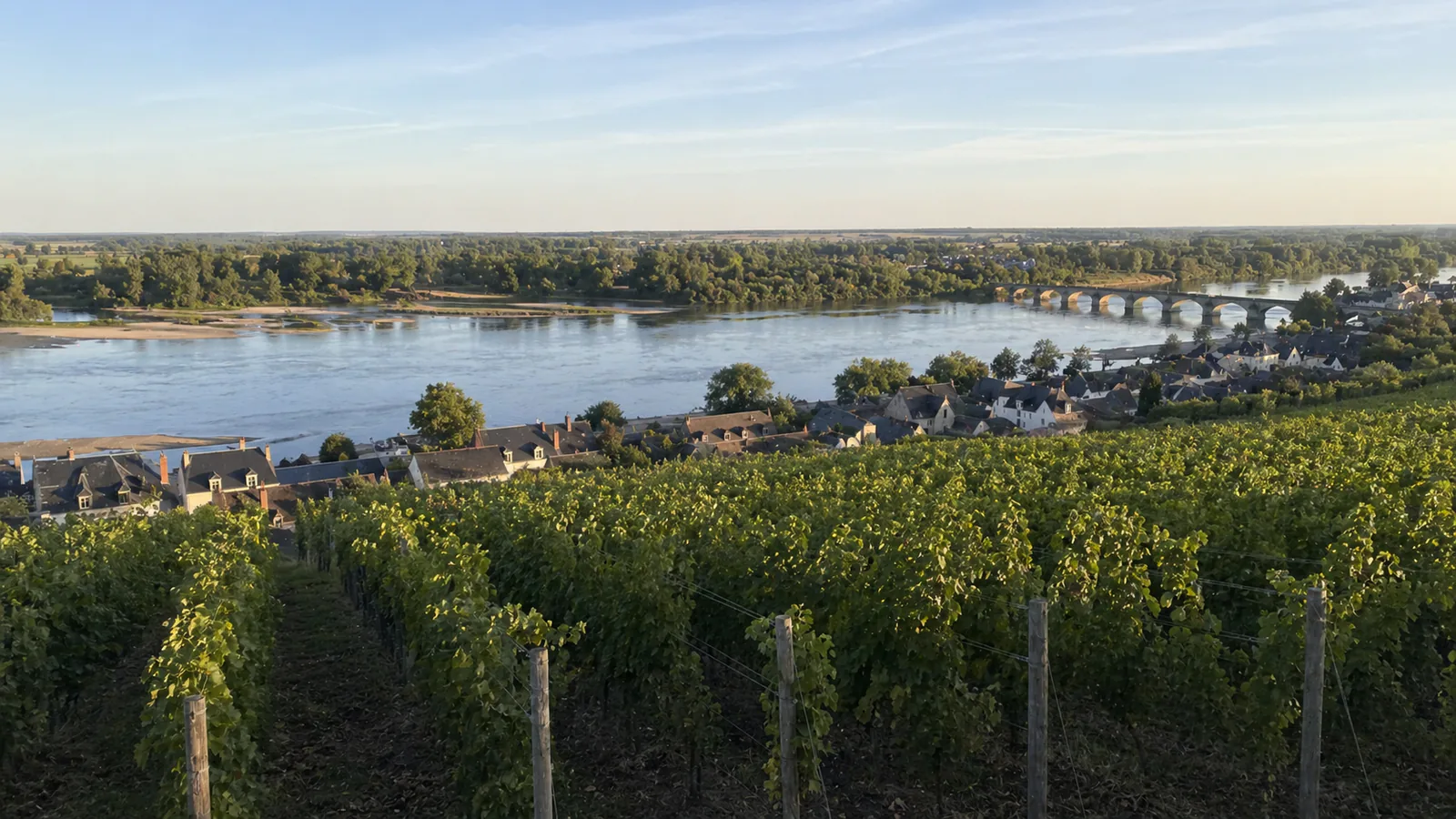
Loire Valley Wine: Regions, Grapes, and What to Buy
Loire Valley wine explained: Sancerre, Vouvray, Muscadet, and Chinon broken down by sub-region, grape, and taste so you stop guessing in the aisle.
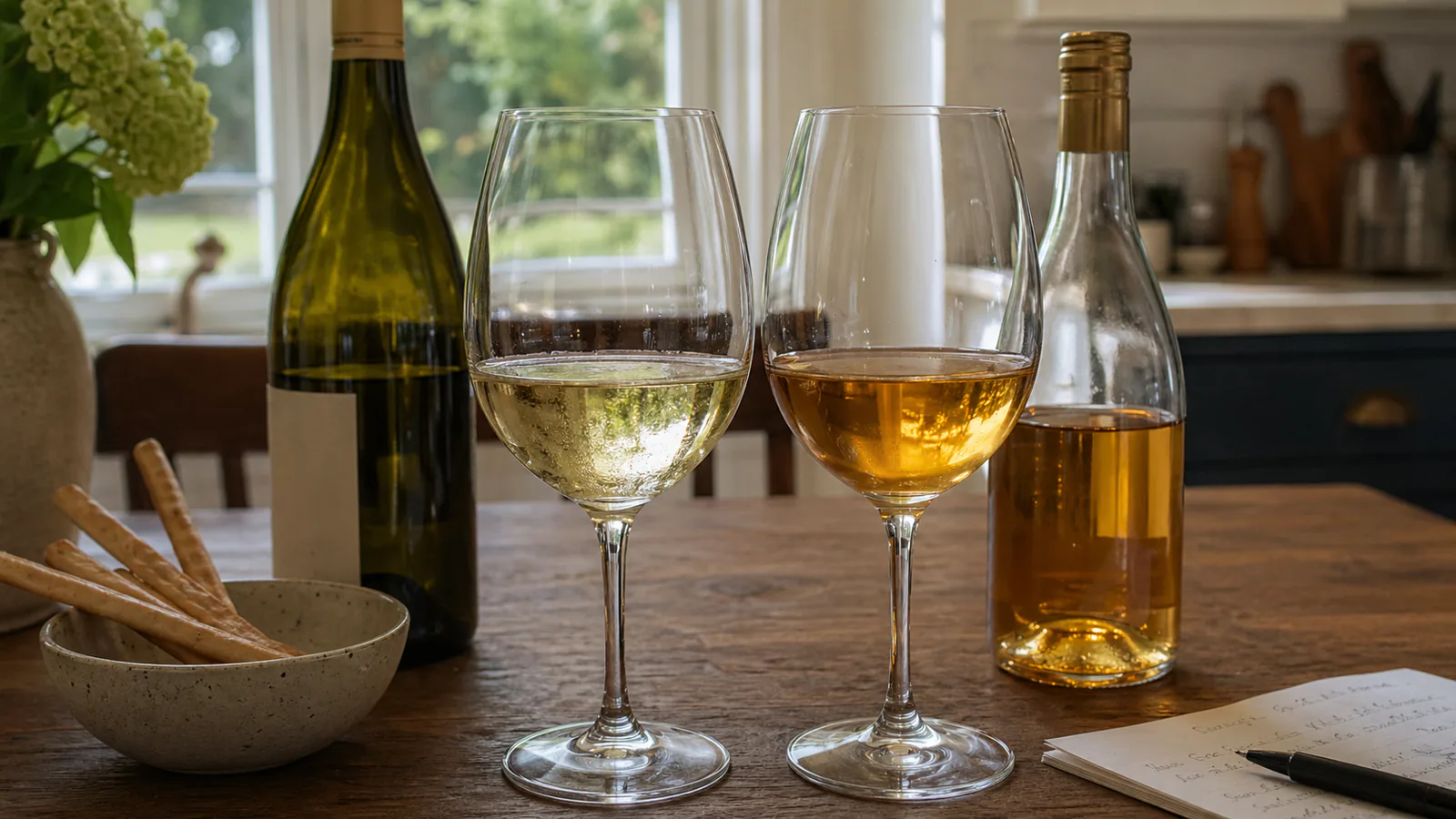
Dry vs Sweet Wine: How to Tell the Difference
Residual sugar separates dry from sweet wine. Here's how fermentation works, what label terms mean, and how to pick the right style every time.
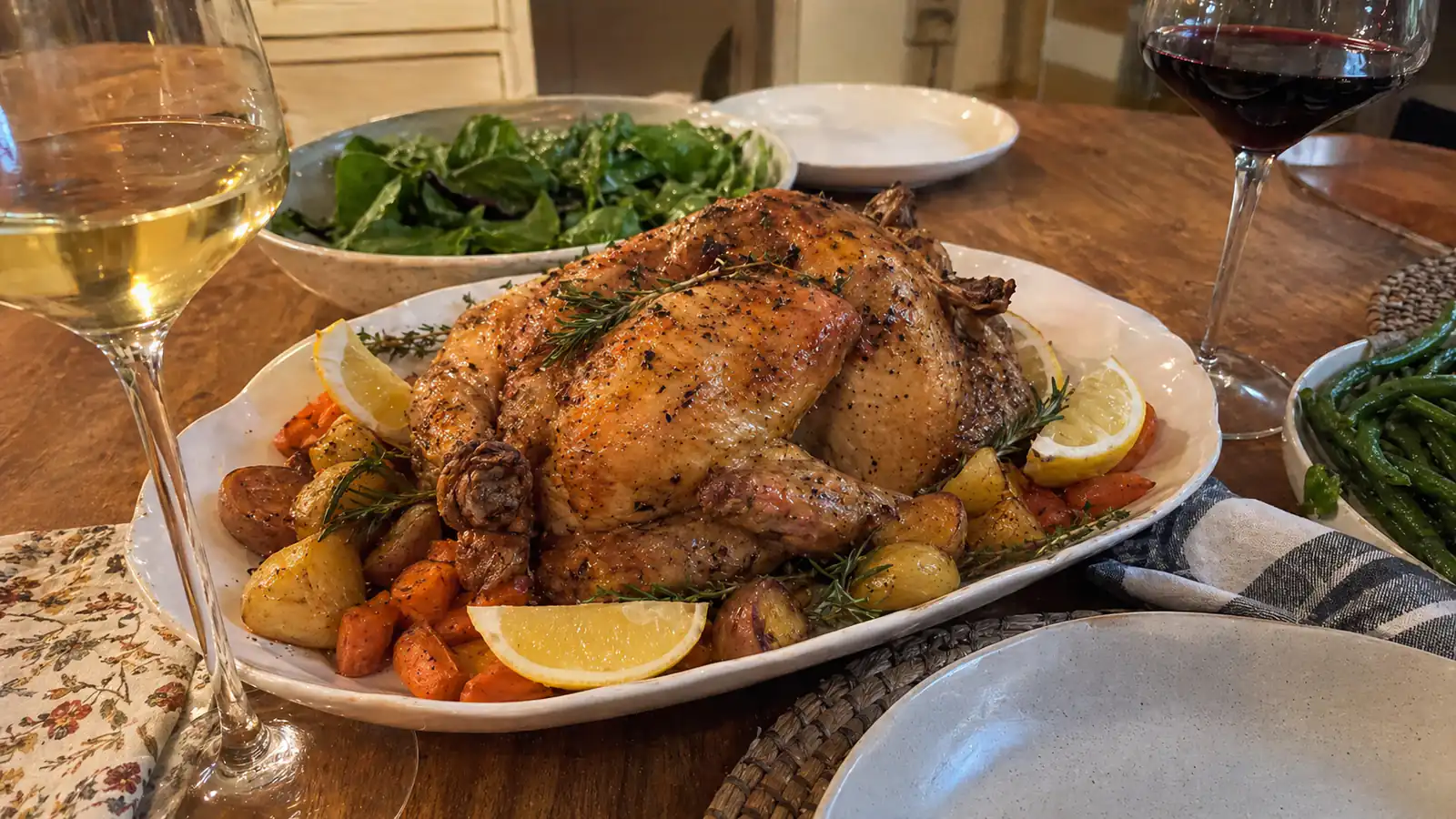
Chicken Wine Pairing: What To Pour With Dinner
The best wines with chicken by cooking method and sauce, from roast chicken and Chardonnay to fried chicken and bubbles.