Claire Bennett
Wine Editor23 min read
Best Non-Alcoholic Wines Worth Drinking Right Now
Eight dealcoholized wines covering still reds, crisp whites, and sparkling rosé. All under $35 and all worth drinking.
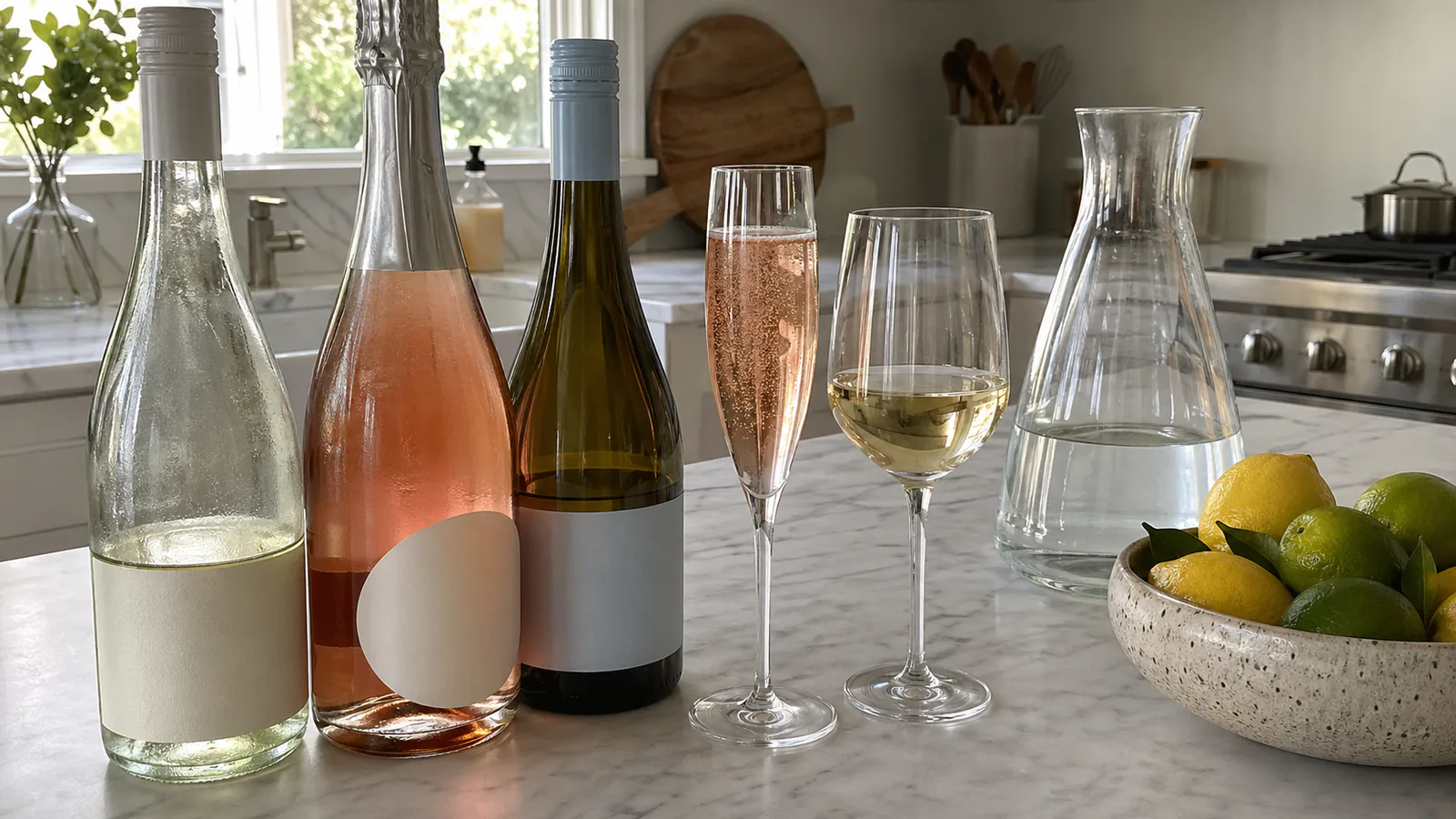
The best non-alcoholic wines available right now taste nothing like the overly sweet grape juice-adjacent bottles that defined this category a decade ago. Modern vacuum distillation works by removing alcohol at low temperatures, which keeps the aromatic compounds, acidity, and tannin structure largely intact. The result is a de-alcoholized wine that delivers true wine character without the ethanol.
That matters whether you’re doing Dry January, cutting alcohol for health reasons, pregnant, driving, or simply want a good wine alternative at the dinner table. Wine lovers who’ve tried the category before and been disappointed will find the quality has improved significantly: the wine industry has taken non-alcoholic beverages seriously for the first time, and it shows.
These are the best nonalcoholic wines of 2026: still reds with real tannin, a Mosel Riesling, sparkling white from France, and sparkling rosé from Germany and Italy. Whether you want sparkle in the glass or something still to drink with dinner, all eight are priced under $35.
Our Top 3 Picks

Josef Leitz Zero Point Five Pinot Noir (Non-Alcoholic)
Baden, Germany · Pinot Noir


Kylie Minogue Alcohol Free Sparkling Rose (Non-Alcoholic)
Italy · Sparkling Rosé
Prices vary by state. Click through for your current price.
1. Josef Leitz Zero Point Five Pinot Noir (Non-Alcoholic)
Josef Leitz makes some of the most respected Rieslings in the Rheingau, and the same attention to winemaking quality runs through their non-alcoholic line. The Zero Point Five is a dealcoholized Pinot Noir from Baden, Germany, with 0.01% ABV and a flavour profile that doesn’t apologize for going through the dealcoholization process.
On the palate you get red currant, cherry, and a genuine tannin structure that most non-alcoholic red wine producers don’t manage to preserve. The finish is almost dry, which keeps it from tipping into grape juice territory. This is the still red that comes closest to the real thing. Pair it with roast chicken, game birds, grilled fish, or lamb biryani. Serve slightly cool, around 14°C, to keep the fruit focused.
2. Missing Thorn Alcohol-Removed Red (Non-Alcoholic)
Missing Thorn makes a full-bodied non-alcoholic red from California: a dealcoholized Malbec with a deep purple hue and the kind of spicy-sweet aromas you’d expect from a proper medium-bodied red wine. Cassis and plum lead, with black tea and dried fruit threading through. The palate delivers rich black cherry and earthy dark fruit with a finish that’s genuinely complex for a dealcoholized red.
The body and dark fruit concentration make it the best choice on this list for pairing with red meat, charcuterie boards, or anything you’d normally reach for a Malbec alongside. The screw cap makes it easy to open and reseal across a few nights. If you want a non-alcoholic red wine with real presence rather than delicacy, this is where to start.
3. Waterbrook Clean Cabernet Sauvignon (Non-Alcoholic)
Waterbrook’s Clean Cabernet Sauvignon is the best-value entry on this list at around $13. Waterbrook is a Washington wine producer, and the Clean Cabernet delivers the classic Cabernet Sauvignon profile: black plum, dark cherry, bold oaky tannins, cocoa powder, and a black pepper finish. The mouthfeel is well-balanced for a dealcoholized wine and the tannin structure is closer to a regular alcoholic wine than the price would suggest.
For wine drinkers stocking a dinner party where both alcoholic and non-alcoholic options need to be on the table, this is the bottle to buy in quantity. It looks serious, tastes recognizably like Cabernet Sauvignon, and keeps the budget in check. Pour at room temperature or slightly below.
4. Loosen Bros. Dr. Lo Alcohol-Removed Riesling (Non-Alcoholic)
Ernst Loosen is one of the most celebrated Riesling producers in the Mosel, and the Dr. Lo carries that pedigree into the non-alcoholic category. The dealcoholized Riesling has the characteristic acidity and slate minerality you’d expect from Mosel: fruitiness that walks the line between off-dry and drier, with a clean finish that makes it one of the most food-friendly white wines on this list.
Verified buyers rate it 3.7 stars. Pair it with grilled white fish, chicken in cream sauce, Asian cuisine, or a simple cheese board. The Riesling grape retains its identity through vacuum distillation better than most varieties, which is why white wines in this category often start here. If you’re introducing someone to non-alcoholic wine, this is a convincing first pour.
5. Josef Leitz Eins Zwei Zero Sparkling Rose (Non-Alcoholic)
The Eins Zwei Zero Sparkling Rosé from Rheingau is one of the most versatile bottles on this list. It’s a nonalcoholic sparkling wine with cool red fruit, lean minerality, and an invigorating perlage. The bubbles sparkle in the glass and deliver a celebration feeling immediately. Cranberry, rose hip and berry notes lead, with a refreshing finish that works equally well as an aperitif, a base for a spritz, or a relaxing evening glass.
At 0.01% ABV it falls comfortably under the less than 0.5% threshold that qualifies as non-alcoholic under US labeling standards. Serve straight from the fridge in a champagne flute. The Josef Leitz non-alcoholic range has become a benchmark for what dealcoholized wine can achieve, and this sparkling rosé is the most crowd-pleasing bottle in the lineup.
6. Kylie Minogue Alcohol Free Sparkling Rose (Non-Alcoholic)
The Kylie Minogue Alcohol Free Sparkling Rosé brings genuine sparkle to the table at under $16, and it picks up 4.5 stars from verified buyers. It’s produced in Italy and delivers fresh strawberry notes with finely balanced bubbles and a complex, dry finish that’s cleaner than the price suggests.
Pair it with brunch dishes, a citrus salad, or light desserts. The fruit-forward character and refreshing acidity make it a good aperitif before a meal or a standalone glass on a warm evening. For wine lovers stocking a Dry January supply or buying non-alcoholic wine for a party, this is the bottle that will go fastest.
7. Prima Pave Rose Brut (Non-Alcoholic)
Prima Pave’s Rose Brut comes from Friuli-Venezia Giulia in Italy and is one of the more layered sparkling rosé options in the non-alcoholic wine category. The flavour profile runs through red currant, cantaloupe, peach skin, lychee, and tangerine: more nuanced than most sparkling NA wines at this price.
The brut designation means it sits on the drier end of the sparkling rosé category. It pairs well with prosciutto, pizza margherita, roasted salmon, or Szechuan shrimp. If you prefer something sweeter, Prima Pave also makes a Rose Dolce. For most occasions, the Brut is the better food wine.
8. French Bloom Le Blanc Organic Bubbly (Non-Alcoholic)
French Bloom makes a sparkling Chardonnay from organic French white grapes, and Le Blanc is the bottle that put the brand on the map for serious wine drinkers looking for a good non-alcoholic wine. The sparkle is fine and persistent: think Champagne perlage rather than prosecco-style bubbles. It opens with white peach, minerality and pear, moves through floral and tropical notes including pineapple and citrus blossom, then finishes with granny smith apple, white flowers, and slightly spicy citrus. The dealcoholization process preserves the Chardonnay aromatic complexity better than most sparkling white options in this category.
At around $34 it’s the priciest bottle on this list. The quality justifies it. This is the closest thing to a champagne experience in the non-alcoholic beverage category. Serve in a champagne flute at a celebration, pair with food like oysters or light seafood, or bring it as a gift for someone cutting alcohol who still wants to feel like they’re drinking something genuinely fine wine-level special.
More Non-Alcoholic Wines Worth Knowing
The eight bottles above cover the core styles. A few more worth knowing as the category grows:
Giesen Dealcoholized Sauvignon Blanc
Giesen is a New Zealand winery whose dealcoholized Sauvignon Blanc has become one of the most widely stocked non-alcoholic white wines in the US. It has the trademark sauvignon blanc character: citrus, herbaceous, and crisp. Consistent 4-star ratings from verified buyers. If you want a still white wine with more punch than the Dr. Lo Riesling, Giesen is the one to find.
Noughty Alcohol-Free Sparkling Chardonnay
Noughty is a South African sparkling Chardonnay that has become one of the most recognized names in the non-alcoholic wine category. The sparkling NA wine delivers crisp bubbles, clean fruit, and a dry finish. It’s Halal-certified and vegan, which makes it a genuinely versatile bottle for mixed groups. The alcohol by volume is less than 0.5%, which meets the standard non-alcoholic threshold in the US and EU.
Ariel Cabernet Sauvignon (Non-Alcoholic)
Ariel is one of the original American non-alcoholic wine brands and one of the most widely stocked across grocery stores and total wine retailers. Their Cabernet Sauvignon uses cold filtration rather than vacuum distillation, which gives it a slightly different character from the modern dealcoholized reds. A good option when the newer brands aren’t on the shelf.
Other Styles Worth Exploring
The non-alcoholic wine market is expanding faster than any other segment of the wine industry right now. Dealcoholized Merlot and Syrah are becoming available from multiple producers, and South African Syrah has become a focus area for the non-alcoholic category. Red blend options are also emerging from producers across Europe and the United States, combining multiple varieties for a more complex profile. If you’re looking for red wine alternatives rather than a compromise, the variety available in nonalcoholic white wines and reds reflects a genuine improvement in the category across the board.
Find Your Wine Match
Not sure which one? Take the 20-second quiz.
Three quick questions. One matched bottle.
What are you pairing it with?
When are you drinking it?
What style do you prefer?
Let's find the right bottle for you.
Tell us a bit about the occasion and what you're after. We'll match you to one of the bottles on this page.
Photo by Skyler Ewing on PexelsReading your answers…
How We Chose These Wines
Frequently Asked Questions
Are there any alcohol-free wines that taste like wine?
Yes, and the gap has narrowed significantly. The best non-alcoholic wines taste genuinely like wine because of how the dealcoholization process works. The standard technique to remove alcohol from wine is vacuum distillation, which uses reduced pressure at low temperatures to preserve aromatic compounds, tannin structure, and acidity. The difference between a good dealcoholized bottle and white grape juice comes down to fermentation: one went through the full winemaking process first, the other didn’t. The Josef Leitz Zero Point Five Pinot Noir and the French Bloom Le Blanc are the two clearest examples on this list of bottles that could hold their own in a blind pour.
The main difference you’ll notice is in the finish. Alcohol carries warmth and flavour through the back of the palate, and removing it shortens the finish slightly. The best producers compensate with higher acidity and more concentrated fruit. If you’re skeptical, start with a sparkling bottle: the bubbles and acidity cover a lot of ground.
What is the very best non-alcoholic wine?
For still reds, Josef Leitz Zero Point Five Pinot Noir is the benchmark: genuine tannin, acidity, and an almost dry finish that most non-alcoholic red wine producers don’t achieve. For sparkling white, French Bloom Le Blanc is the bottle that most closely mimics a fine champagne experience. For value, Waterbrook Clean Cabernet Sauvignon at around $13 and Kylie Minogue Sparkling Rosé at under $16 both over-deliver. The answer depends on what style you drink. White wine drinkers will feel most at home with the Dr. Lo Riesling. If the goal is converting someone who’s dismissed wine entirely, our roundup of the best wine for non-wine drinkers covers low-alcohol picks alongside these zero-proof bottles.
What wine is best for GERD?
GERD is often aggravated by high alcohol levels, high acidity, and the phenolic content in tannic reds. Non-alcoholic wine removes the alcohol variable entirely, which is the main trigger for most people. The sweetness of wine can also be a factor: drier styles tend to be better tolerated than sweet ones. For GERD sufferers who want something wine-like, low-tannin options are the safest starting point: sparkling rosé and sparkling white tend to be gentler than still dealcoholized reds. Readers who are also exploring approachable, gentle styles often start with our best wine for beginners lineup. Everyone’s threshold is different. If wine regularly triggers symptoms, speak to a doctor before experimenting with any style, alcoholic or not.
Am I still sober if I drink non-alcoholic wine?
Any wine has less than 0.5% ABV to qualify as a non-alcoholic drink under US and EU labeling standards. Many products on this list register at 0.01% ABV, comparable to even trace amounts of alcohol found in some fruit juices and fermented foods. Whether that counts as sober depends on your definition and context. For people in recovery, most addiction specialists recommend avoiding non-alcoholic wine because the taste and ritual can be a trigger, even when drinking wine without the alcohol present. For Dry January participants, designated drivers, or anyone choosing it over a soft drink or a beer, alcohol-free wine is widely accepted as a compatible choice. If sobriety is a medical or recovery concern, check with a healthcare provider or sponsor.
Keep Reading
Best Wine for Non-Wine Drinkers: 8 Crowd-Pleasers
Eight wines that win over people who don't usually drink wine. Off-dry whites, soft reds, rosé, and sweet sparkling. All under $30.
Best Wine for Beginners: An 8-Bottle Starter Kit
Eight beginner-friendly wines covering red, white, rosé, and sparkling. Approachable picks from $17 to $28.
Best Organic Wines: 12 Bottles Worth Buying
12 certified organic wines worth buying right now: reds, whites, and rosé across styles and price points, all verified by critics and real drinkers.