Claire Bennett
Wine Editor14 min read
Spain Wine Guide: Regions, Grapes, and Where to Start
Spanish wine made simple. Rioja, Ribera, Priorat, Rias Baixas, Tempranillo, the Crianza/Reserva/Gran Reserva system, and the best bottles to start with.
Spain Wine Guide: Regions, Grapes, and Where to Start
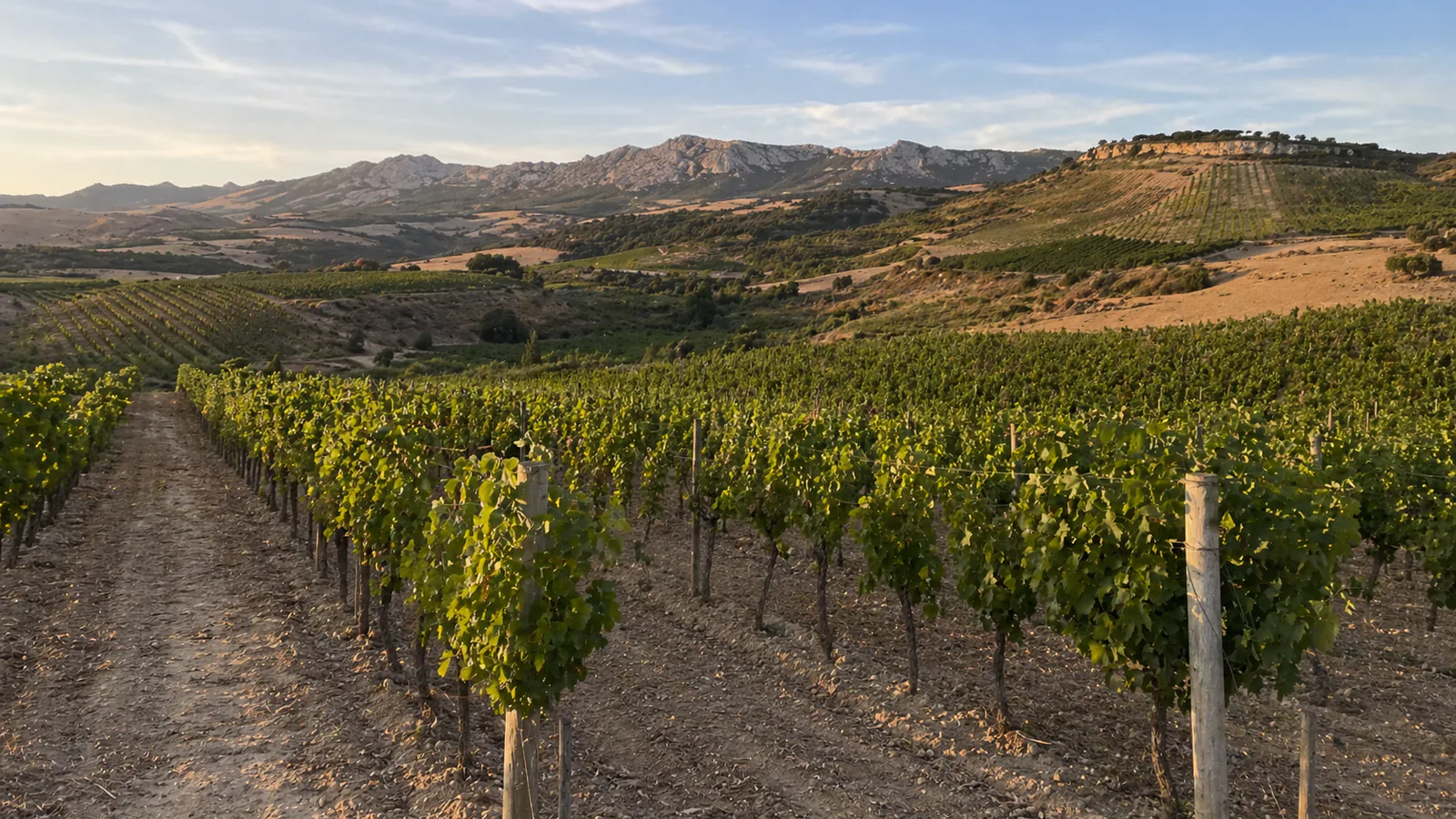
Spain has more vineyard land than France and Italy combined and charges a fraction of what either charges for comparable quality. Outside of Rioja, most casual drinkers haven’t scratched the surface, which is exactly where the value lives. The label system that puts people off (Crianza, Reserva, Gran Reserva) is also the most informative aging indicator in the wine world once you know what each tier requires. This guide covers the major regions, the grapes, the aging system decoded, and four specific bottles to start with.
By the end of this page you’ll know:
- The one label word that tells you a Spanish wine has spent more time aging than a $60 Napa Cabernet (and it costs $20)
- Why Priorat charges Bordeaux prices for wines made from vines that were almost abandoned 40 years ago
- The Atlantic white wine from northwest Spain that sommeliers quietly pair with everything the menu says “ask your server”
- What Crianza, Reserva, and Gran Reserva actually require in years and oak, not just what they loosely “suggest”
- The region Spain treats as its answer to Napa Valley, and why the comparison isn’t as absurd as it sounds
Why Does Spain Matter for Wine?
More vineyards than France and Italy combined, yet Spain somehow stays underrated in conversations about the world’s great wine countries. That gap is where the value lives.
Spain has around 960,000 hectares of vineyard, more than any other nation. Much of it is old. Very old. Garnacha vines in Aragon and Priorat that were planted over a century ago. Tempranillo bushvines in Ribera del Duero at altitude, producing tiny, concentrated yields that newer plantings simply can’t replicate. France systematically ripped out old vines to modernise after phylloxera. Many Spanish regions didn’t, partly from lack of investment, partly from stubbornness. That stubbornness turned out to be an asset.
The grape story starts with Tempranillo. It’s Spain’s answer to Cabernet Sauvignon: the red variety that defines the country’s identity, shows up under different names in different regions (Tinto Fino in Ribera del Duero, Tinta de Toro in Toro, Ull de Llebre in Catalonia), and produces wines from everyday table red up to some of the most age-worthy bottles in Europe. Garnacha is the other red cornerstone, and Spain is where it originated before France adopted it as Grenache and the Rhone Valley made it famous. Albariño is Spain’s greatest white grape, producing some of the most distinctive aromatic whites in the world from the rainy Atlantic coast of Galicia.
Rioja is the headline region, carrying the only DOCa designation in mainland Spain (DOCa is Denominacion de Origen Calificada, the highest tier, equivalent to Italy’s DOCG). The classification is earned. Rioja has been producing complex, age-worthy wine consistently for longer than most New World regions have existed.
What Are Spain’s Most Important Wine Regions?
Rioja
The region that puts Spanish wine on most restaurant lists outside Spain. Rioja sits inland in northern Spain, sheltered by the Sierra Cantabria mountains, split into three sub-zones: Rioja Alta, Rioja Alavesa, and Rioja Oriental (the old Rioja Baja). The Alta and Alavesa sit at higher altitude with more limestone influence: the wines tend toward elegance, aromatic complexity, and longer lifespans. Rioja Oriental is warmer and flatter, producing fuller, riper wines with more body.
The reds are Tempranillo-led blends, often with Garnacha, Mazuelo (Carignan), and Graciano adding support. Traditional Rioja uses American oak for aging, which gives the wines a signature vanilla and coconut quality alongside cherry and tobacco notes. Modern producers lean toward French oak and shorter aging periods, so the profile has diversified. Both styles are worth knowing.
- Signature grape: Tempranillo
- Signature style: cherry, vanilla, leather, dried herbs. Moderate tannin, medium-full body
- Price start point: $15 to $20 for Crianza, $25 to $40 for Reserva, $50+ for Gran Reserva
Ribera del Duero
If Rioja is the reliable classic, Ribera del Duero is the show-off. The region sits on a high plateau in Castile, at around 850 metres above sea level, where summer days hit 35°C and nights drop close to 10°C. That extreme diurnal range concentrates flavour while preserving acidity. The grape is the same Tempranillo, here called Tinto Fino, but the wines come out darker, bolder, and more structured than Rioja.
The region’s reputation was built on Vega Sicilia, the estate that proved Spanish wine could command serious international prices. That was decades before Napa had the same conversation. Entry-level bottles are still $25 to $35, but the quality floor is high. If you want a Spanish red with real weight, Ribera is where to go.
- Signature grape: Tinto Fino (Tempranillo)
- Signature style: dark cherry, blackberry, firm tannin, spice. More muscular than Rioja
- Price start point: $25 to $35 for good entry-level bottles
Priorat
Tiny, steep, and producing some of the most concentrated red wine in Spain. Priorat is a Catalan region with llicorella soils: dark slates and quartzite that drain efficiently and force old Garnacha and Carinena vines to dig deep for water. The result is wines of extraordinary density, mineral depth, and alcohol often above 15%. Priorat holds the other mainland DOCa designation alongside Rioja, making it one of only two regions in Spain with that classification.
The best bottles from producers like Clos Mogador or Alvaro Palacios cost as much as first-growth Bordeaux. Approachable entry points exist in the $30 to $50 range, and they’re worth the stretch. This is what happens when old vines and difficult soils collide with ambitious winemaking.
- Signature grapes: Garnacha (Grenache), Carinena (Carignan)
- Signature style: massive, mineral, concentrated. Dark fruit, graphite, enormous structure
- Price start point: $30 for entry level, $80+ for single-vineyard bottles
Rias Baixas
Drive to the northwest corner of Spain, into Galicia, and the landscape changes completely. Green, rainy, Atlantic. Rias Baixas (pronounced roughly “REE-us BY-shus”) is everything the Spanish interior is not, and it makes Spain’s greatest white wine from Albariño. The grape is aromatic, high in acidity, with flavours of white peach, citrus zest, and a saline, ocean-breeze freshness that makes it one of the world’s best food wines.
Shellfish and seafood are the obvious pairings, and they’re obvious for a reason. But a good Albariño also handles spicy food, grilled chicken, and cheese boards with the kind of flexibility that justifies keeping a few bottles in the fridge at all times. Prices start around $15 to $20 for genuine quality. It’s the Spanish white that converts people who think they don’t like Spanish wine.
- Signature grape: Albariño
- Signature style: aromatic, crisp, peachy, saline freshness
- Price start point: $15 to $20 for excellent bottles
Rueda
The value white region of the Spanish interior. Rueda sits in Castile, on a high plateau south of Ribera del Duero, making dry whites from Verdejo. The grape has a distinct herbal quality: think Sauvignon Blanc with rounder texture and more of a grassy, anise-tinged character. It’s a natural weeknight white at a price that rarely asks much of you.
- Signature grape: Verdejo
- Signature style: crisp, herbal, citrus, rounder texture than Sauvignon Blanc
- Price start point: $12 to $18
Cava
Cava is a DO for sparkling wine made by the traditional (Champagne) method, mostly in Penedes in Catalonia, though the designation covers vineyards across several Spanish regions. The grapes are primarily Macabeo, Xarel-lo, and Parellada, native Catalan varieties that give Cava a distinct earthy, almond-tinged character quite different from Champagne.
The value case for Cava is one of the strongest in sparkling wine. A well-made Cava Reserva or Gran Reserva (those terms mean something here: minimum 15 and 30 months on the lees respectively) sits at $15 to $20 and delivers genuine autolytic complexity, fine bubbles, and a dry finish. Side by side with $40 Prosecco, it consistently wins.
- Signature grapes: Macabeo, Xarel-lo, Parellada
- Signature style: dry, earthy, almond-tinged, fine bubbles
- Price start point: $12 to $20 for Reserva-level bottles with real complexity
What Do Crianza, Reserva, and Gran Reserva Actually Mean?
This is the section most people need most. Spain has a legally defined oak aging system that applies across most of its major red wine regions. Once you understand it, a Spanish wine label tells you something genuinely useful.
Joven means young. No oak aging required. Drink it fresh, within two to three years of harvest, and treat it like a Tuesday-night bottle. Often the best-value entry point in a range.
Crianza requires a minimum of two years total aging (from harvest to release), with at least six months of that time in oak barrels for reds (three months for whites and rosados). This is the entry point for wines that have started to develop complexity from barrel contact.
Reserva requires a minimum of three years total aging, with at least one year in oak for reds. These are wines where the producer has committed to quality over speed. A $25 Rioja Reserva has spent a year in barrel and has likely been in bottle for another year on top of that.
Gran Reserva requires a minimum of five years total aging, with at least 18 months in oak for reds. These are only produced in exceptional vintages, by producers confident enough in the wine to hold it for years before it reaches the shelf.
Here’s the thing that reframes your perspective on Spanish wine prices. A $20 Rioja Reserva has spent more time in oak and bottle aging than the majority of $60 Napa Cabernets. The Spanish winemaking tradition is built around patience. You’re buying wines that have already done significant aging before they leave the cellar, which is why a $25 Reserva drinks with a complexity that would cost twice as much to replicate in most other regions.
What Are Spain’s Main Grape Varieties?
Tempranillo. Spain’s defining red grape. Medium body, bright cherry and plum fruit, dried herb and tobacco notes, firm but approachable tannin. The backbone of Rioja and Ribera del Duero. It takes oak beautifully, which is why the Spanish aging system was built around it. If you drink one Spanish grape, this is it.
Garnacha (Grenache). Spain is where Garnacha originated before it spread across southern France. In Spanish hands it tends toward red berry fruit, floral notes, and a warming, almost spiced finish. In old-vine Priorat it becomes something much more powerful. As a young table wine from Aragon or Navarra, it’s an incredibly easy-drinking red under $15. Both versions are worth knowing.
Albariño. Spain’s best white grape. Aromatic, high-acid, peachy and floral, with that Atlantic saline quality that makes it one of the most distinctive whites in Europe. Grown almost exclusively in Galicia (Rias Baixas) and just across the border in Portugal (where it’s called Alvarinho and is the basis of Vinho Verde). Pairs with practically anything.
Verdejo. Rueda’s grape. Crisp, herbal, and refreshing. The closest Spanish white to Sauvignon Blanc, with more body and a slightly nutty, anise-tinged edge. One of the great-value whites in Europe at under $20.
Monastrell (Mourvedre). The dominant red in Jumilla and Yecla in southeast Spain. Inky, tannic, earthy, with dark plum and dried herb character. Often blended with Garnacha. At $10 to $15, some of the best-value robust reds you can put on a table.
Cava grapes: Macabeo, Xarel-lo, Parellada. The native Catalan trio behind Cava. Macabeo brings floral aromatics, Xarel-lo adds body and earthiness, Parellada contributes freshness and acidity. These three varieties don’t show up in still wine often, which is part of what gives Cava its distinct character compared to Champagne.
How Do You Read a Spanish Wine Label?
Spanish labels are significantly simpler to decode than French ones. Here’s the order of what to look for.
The producer name is usually the biggest text. Bodegas (literally “wineries”) is the word you’ll see in front of most Spanish producer names.
The DO or DOCa tells you the region. “Denominacion de Origen Calificada Rioja” means it’s regulated Rioja. “Denominacion de Origen Ribera del Duero” is the equivalent for that region. The DO designation is a quality guarantee and a geographic indicator in one.
The aging tier is the most useful word on the label. Joven, Crianza, Reserva, or Gran Reserva. Once you understand what those mean in actual years, you know roughly what you’re getting.
The vintage matters more for Reserva and Gran Reserva wines than for Joven or Crianza. Spain’s top regions (Rioja, Ribera del Duero, Priorat) do have vintage variation. A 2019 Rioja Reserva and a 2017 from the same producer will taste different. For everyday Crianza bottles, the vintage matters less.
Where Should You Start If You’re New to Spanish Wine?
Four bottles, under $100 combined, covering every style worth knowing.
Rioja Reserva ($25 to $35). The essential Spanish red. Look for any reputable Rioja producer with a Reserva label. You’re getting Tempranillo that’s spent a year in oak and another year in bottle. Cherry, vanilla, dried herb, and a long savoury finish. Pair it with roast lamb, aged sheep’s cheese, or a slow-cooked tomato-based pasta. This is the bottle that converts people.
Albariño from Rias Baixas ($18 to $25). The essential Spanish white. Crisp, aromatic, with peachy citrus and ocean-freshness. Drink it cold with shellfish or grilled white fish. If you’re a fan of Sauvignon Blanc or Pinot Grigio, Albariño will feel immediately familiar and noticeably more interesting.
Cava Reserva ($15 to $20). The essential Spanish sparkling. Pick a Cava labelled Reserva for at least 15 months of lees aging. You’ll get genuine fine-bubbled complexity for a price that makes you question why you ever paid $45 for Prosecco. Serve it as an aperitif or alongside anything fried.
Ribera del Duero or Priorat ($35 to $50). The ambitious bottle. A Ribera del Duero Reserva shows you what Tempranillo does with altitude and more extreme conditions. A basic Priorat entry shows you concentrated Garnacha from slate soils. Either way, this is the bottle that starts a conversation.
Frequently Asked Questions
Is Rioja the best Spanish wine?
Rioja is the most internationally recognised Spanish wine, which isn’t the same thing. It’s the safest choice on a restaurant list because the DO rules are strict and quality is consistent. Ribera del Duero produces more structured, powerful reds that many people prefer. Priorat produces some of Spain’s most complex and expensive wines from Garnacha and Carinena. Whether Rioja is “the best” depends on what you’re looking for. It’s the best starting point, and one of the best values at the Reserva level.
What’s the difference between Rioja and Ribera del Duero?
Both are made primarily from Tempranillo, but the terroir produces very different results. Rioja sits at lower altitude with Atlantic and Mediterranean influence, producing wines that are aromatic, elegant, and often softer in their youth. Ribera del Duero sits on a high plateau at 850 metres, with extreme temperature swings between day and night, producing darker, more concentrated, more tannic wines. Rioja is Tuesday night. Ribera del Duero is the bottle you open for something worth celebrating.
What food does Spanish wine pair with?
Spanish reds pair brilliantly with lamb, pork, aged hard cheeses (Manchego especially), cured meats like chorizo and jamón, and anything cooked with tomatoes, peppers, or smoked paprika. Albariño is built for seafood: clams, oysters, mussels, grilled fish. Cava handles aperitivo situations, fried food, and delicate starters. The Spanish table is built around food and wine being inseparable, so the pairings feel intuitive rather than technical.
Is Cava as good as Champagne?
They’re different styles, and comparisons miss the point. Champagne has finer, more persistent bubbles, more mineral depth, and the character that comes from chalky soils that don’t exist in Catalonia. A great Champagne at $60 to $80 is a different drink to a $20 Cava Reserva. The honest answer: for everyday drinking, aperitifs, and celebrations where the wine is one element of many, a well-made Cava Reserva punches well above its price and delivers genuine pleasure. For a serious wine dinner where sparkling wine is the main event, Champagne earns its premium.
What does Garnacha taste like?
Red berry fruit (strawberry, raspberry), floral notes (violet, rose), a warm and slightly spiced finish, and moderate tannin. Young Garnacha from Aragon or Navarra is juicy and easy-drinking. Old-vine Garnacha from Priorat tastes completely different: concentrated, mineral, dark, with structure that demands food and time. The grape is one of the most versatile in Spain, covering everything from a $10 table wine to a $150 collector’s bottle depending on where and how it’s grown.
What’s the best Spanish wine under $20?
For reds: a Rioja Crianza from any of the major houses (Beronia, Marques de Riscal, Muga, La Rioja Alta) sits comfortably at $18 to $20 and represents the best value in Spanish red wine. For whites: an Albariño from Rias Baixas at $18 to $20 (Martin Codax is one of the most consistent). For sparkling: a Freixenet or Codorniu Cava Reserva at $12 to $15. Any of these three will outperform most $30 options from other countries.
Spain rewards curiosity. Once you know the aging system and the five or six key regions, the wine list stops feeling like a foreign language and starts feeling like a menu full of things you actually want to order.
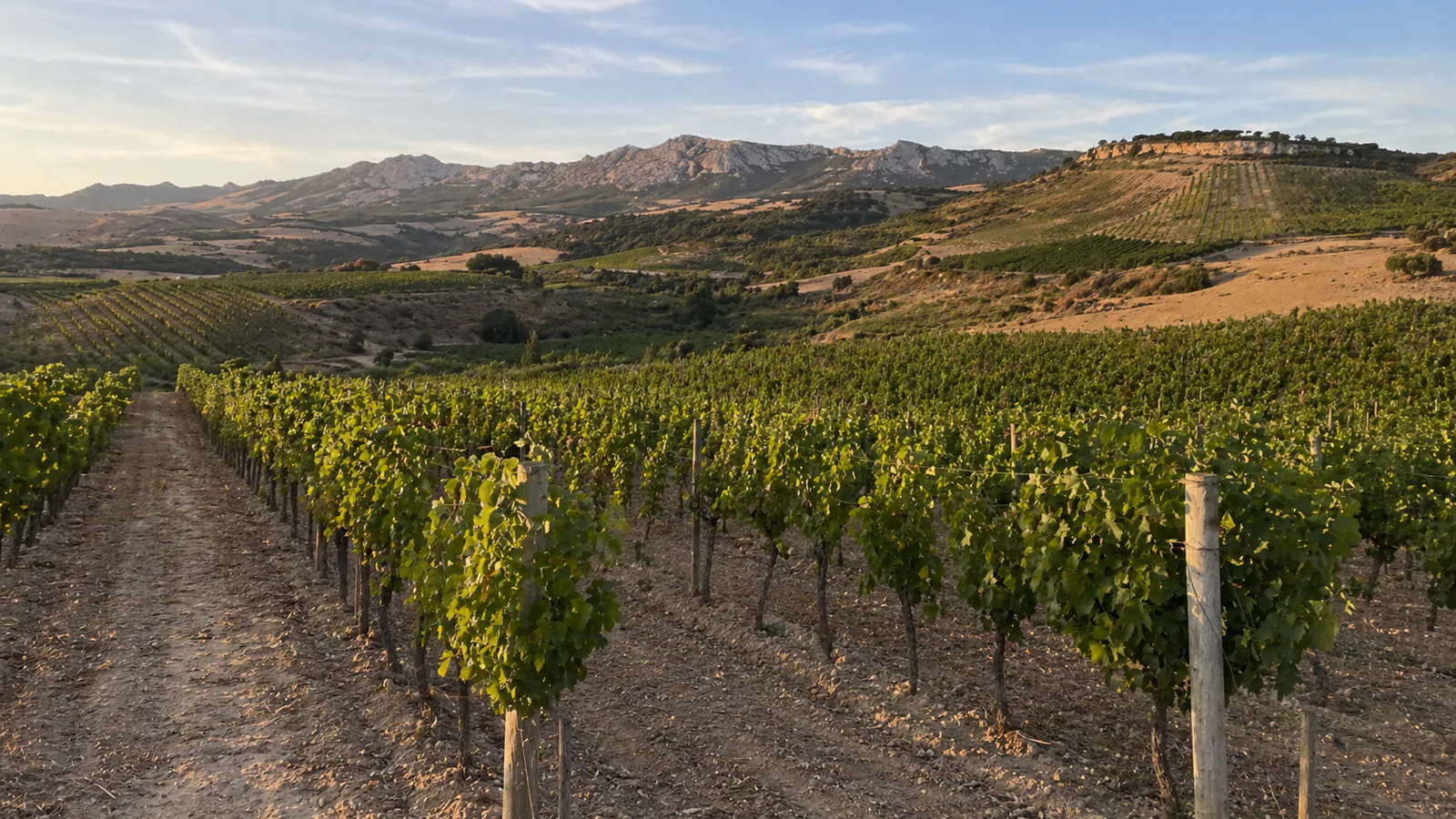
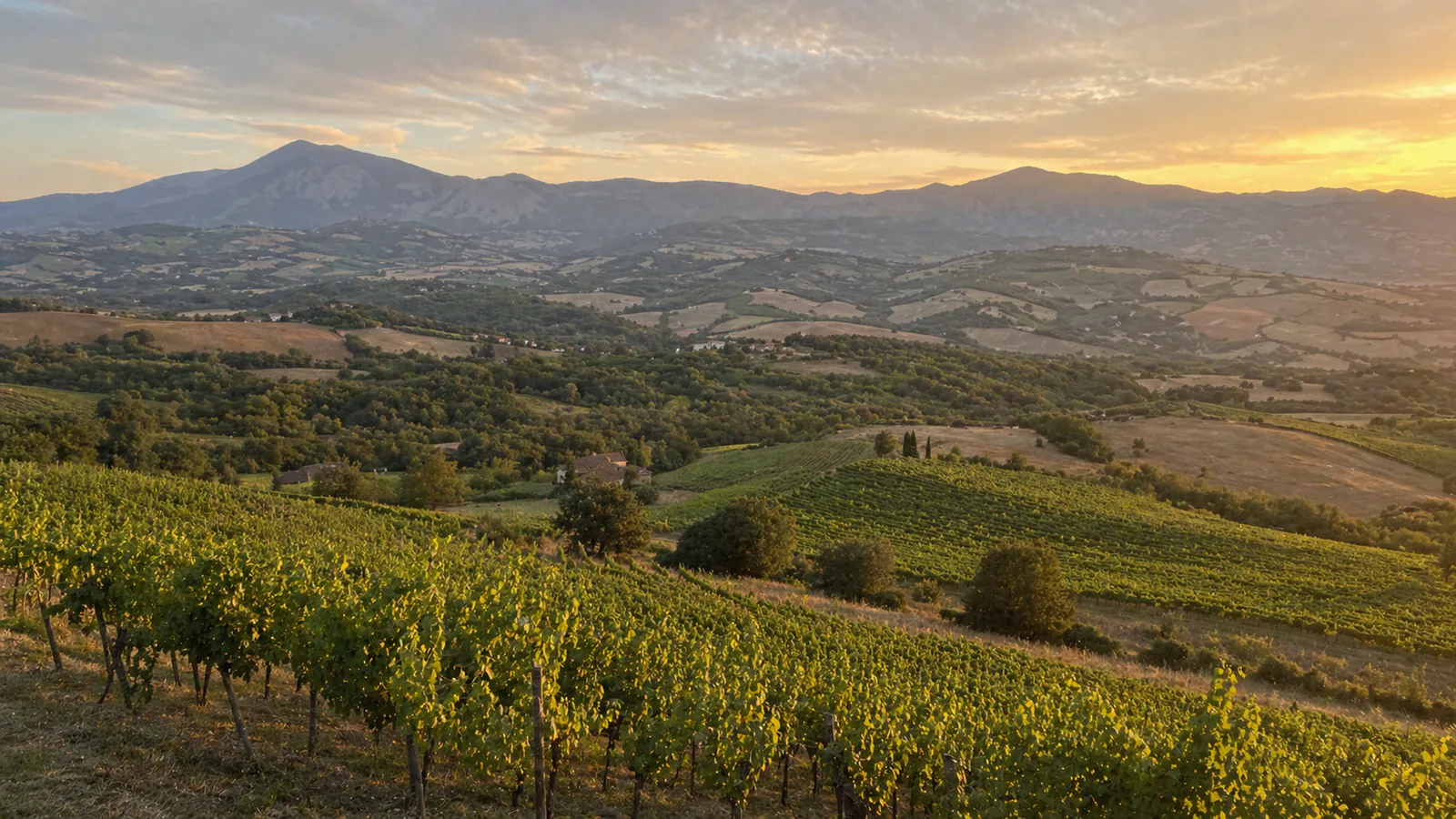
For a deeper look at Spain’s flagship region, the Rioja region guide breaks down the sub-zones, producer styles, and vintage variation in real detail. Or zoom out to wine regions of the world for the full global picture.
Keep Reading
Rioja Wine: Styles, Aging, and What to Spend
What Rioja actually is, how Crianza, Reserva, and Gran Reserva differ, why it tastes like coconut, and the price sweet spot. Plain-English guide.
Wine Regions of the World: A Plain-English Guide
Old World vs New World, the major regions in each, how climate shapes style, and where to start drinking. The pillar guide for curious wine drinkers.