Claire Bennett
Wine Editor19 min read
Best Wine Books: 12 Picks Worth Owning
12 best wine books for every kind of reader. Wine Folly, the Wine Bible, the World Atlas of Wine, Cork Dork, plus picks for sommeliers and gift-giving.
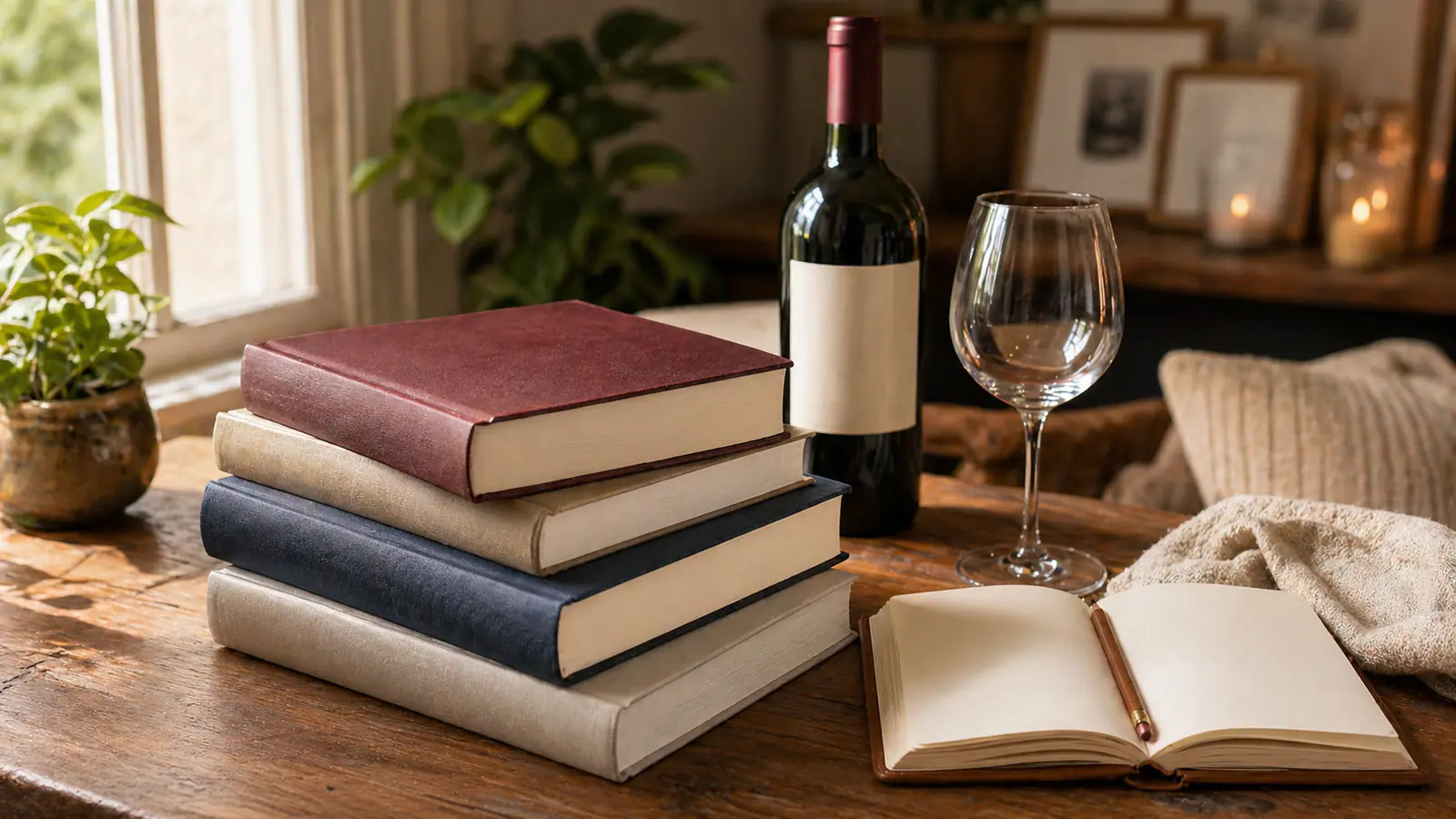
The best wine books do one of two things. They make wine make sense the first time you read them, or they make you a sharper drinker every time you go back. The 12 picks below cover both jobs, plus a few that just pull you into a wine route, a grape variety, or a corner of a vineyard you didn’t know existed.
This list is structured by what each book actually does for the reader. Visual primers for the new-to-wine drinker, deep references for the wine professional, narrative reads for the wine lover who already drinks well and now wants to read about it. Every pick is on Amazon, every pick has a 4.4-star floor with hundreds (most have thousands) of verified reviews.
Best Visual Wine Guide: Wine Folly: Magnum Edition
Wine Folly is the wine book most often gifted to a new wine drinker, and the one most wine enthusiasts keep on the shelf for quick reference. Madeline Puckette’s Magnum Edition is the upgraded full-colour version: 230 grape varieties, 100+ wine regions mapped, every page a visual primer. 8,300+ reviews at 4.8 stars on Amazon, the highest review count of any wine book on this list.
It’s the book to give someone new to wine who doesn’t want to slog through 600 pages of prose. The format is information-dense without being intimidating, and the grape varieties section alone is worth the cover price for anyone trying to figure out what they actually like.
Best Wine Encyclopedia: The Wine Bible (3rd Edition)
Karen MacNeil’s Wine Bible is the wine book that explains every region, every grape, and every style in language a regular wine drinker can read for hours without losing the thread. The 3rd edition is the current version: fully updated, 1,000+ pages, structured region by region with side panels on grape varieties, wine and food pairing notes, and producer recommendations.
It’s the right pick for a reader who already drinks wine and wants to understand it without a textbook tone. MacNeil’s writing is funny, opinionated, and personal, which is rare in a 1,000-page wine guide. The Wine Bible is the wine appreciation book most consistently recommended on Reddit, in serious wine courses, and by working sommeliers.
Best Atlas: The World Atlas of Wine (8th Edition)
The World Atlas of Wine is the visual reference for wine regions: Hugh Johnson and Jancis Robinson’s collaboration is the book every wine merchant, wine professional, and serious wine lover keeps on the shelf. The 8th edition is the current standard. 1,100+ reviews at 4.9 stars on Amazon, the highest rating of any wine book in this list.
Every wine region in the world gets a map, a grape varieties breakdown, and a paragraph on what’s grown there and why. For a reader who learns by geography, the World Atlas of Wine is the wine book that turns abstract regional names into visual landscapes. Pair it with the Oxford Companion to Wine and you’ve got the two most-cited wine references in print.
Best Reference for the Wine Professional: The Oxford Companion to Wine
Jancis Robinson’s Oxford Companion to Wine is the reference most working sommeliers and Master of Wine candidates pull off the shelf when they need an answer they can actually cite. 5th edition, 4,000+ entries, every grape variety, every wine region, every winemaking term covered with the rigour of a University of Oxford reference work.
It’s the wine book to give a wine professional, a serious wine geek, or anyone studying for the wine course exams. For a casual wine lover, it’s overkill, but for the reader who’s already finished Wine Folly and the Wine Bible and wants the next level of depth, it’s the obvious next book.
Best Grape Variety Reference: Wine Grapes
Wine Grapes is the wine book that catalogues every wine grape variety in the world: 1,368 of them, with origins, parents, flavours, and where they’re grown today. Co-authored by Jancis Robinson, Julia Harding (also a Master of Wine), and grape geneticist José Vouillamoz. 4.8 stars on Amazon, 482 reviews.
It’s the pick for the wine lover who’s already curious about what’s growing in a Tuscan vineyard, an Argentine Malbec block, or a recovering Georgia (country) cellar, and wants the science behind every varietal. The genetics and origins angle separates Wine Grapes from any other reference on this list. Pinot noir, Cabernet, Chardonnay all have full entries, but so do hundreds of obscure varieties that won’t appear in any other wine book.
Best Wine Memoir: Cork Dork by Bianca Bosker
Cork Dork is the wine book that pulls a curious outsider into the world of elite sommeliers and lets the reader come along. Bianca Bosker spent 18 months training to pass the Certified Sommelier exam, and the book is part memoir, part wine science investigation, part exposé on what taste actually is at the brain level. 2,900+ reviews at 4.5 stars.
It’s the wine book to give someone who doesn’t think they care about wine yet. Bosker’s writing is funny, sharp, and self-deprecating in the right places. By the end, the reader gets why a wine professional can blind-taste a varietal in three seconds, and why expensive bottle of wine pricing is not entirely cynical. Cork Dork sits with The Billionaire’s Vinegar as the most-recommended wine memoir of the last decade.
Best Wine Travel Read: Adventures on the Wine Route (25th Anniversary Edition)
Kermit Lynch’s Adventures on the Wine Route is the wine book that made a generation of American wine drinkers care about French wine. Lynch is a Berkeley wine merchant who has been importing French wine since 1972, and the book is his travelogue through the producers he buys from, region by region, bottle by bottle. 543 reviews at 4.6 stars.
It’s the wine book for a reader who wants to read about wine the way you’d read about food. The chapters move through the Loire, Burgundy, the Rhône, Provence, with a wine producer in every village and a story behind every bottle. Lynch’s prose is the gold standard for wine writing, and the 25th-anniversary edition adds a new foreword from the author. Anyone planning a trip through French wine country should read it before they go.
Best Sommelier Wisdom: Secrets of the Sommeliers
Rajat Parr is one of the most respected wine professionals in the United States. Secrets of the Sommeliers, co-written with Jordan Mackay, is his attempt to put the working knowledge of a serious sommelier on paper. How to taste, how to buy, how to pair, how to read a wine list, how to spot a producer worth following. 4.5 stars, 335 reviews.
It’s the wine book for a reader who’s read Wine Folly and the Wine Bible and now wants the actual professional take. Parr writes from experience as a Master Sommelier and California wine buyer, with strong sections on Napa Valley, Burgundy, and Champagne. Worth pairing with Wine Simple by Aldo Sohm for the full sommelier perspective in book form.
Best Wine History Read: Wine and War
Wine and War tells the story of the French wine industry under Nazi occupation. Don and Petie Kladstrup spent years interviewing the families who hid bottles in cellar walls, drove tank trucks of inferior wine to Germany while keeping the grand crus, and rebuilt the industry from the rubble. 2,200+ reviews at 4.5 stars.
It’s the wine book for a reader who likes wine history as much as wine itself. The history of wine in 20th-century France is bigger than most casual drinkers realise, and Wine and War sits alongside Judgment of Paris (the 1976 California-vs-France blind tasting) as one of the most readable wine history books in print. The chapter on Veuve Clicquot’s Champagne shipments alone is worth the price.
Best Beginner Wine Book: Wine for Dummies (7th Edition)
Wine for Dummies is the easiest entry point in print. Ed McCarthy and Mary Ewing-Mulligan (a Master of Wine) wrote the original in 1995 and have updated it through seven editions. 4.6 stars, 347 reviews on the current edition. Covers tasting, buying, storing, pairing, and the major wine regions in plain English.
It’s the wine book for a reader who genuinely wants to start at zero. The format is visual, the chapters are short, and the writing avoids jargon without dumbing the material down. For a beginner gift to someone new to wine who’d rather a paperback they can read at the kitchen table than a coffee-table atlas, Wine for Dummies is the right pick.
Best Approachable Sommelier Guide: Wine Simple by Aldo Sohm
Aldo Sohm is the wine director at Le Bernardin in New York City and a former best sommelier in the world. Wine Simple is his attempt to make the sommelier’s mental model accessible to anyone who drinks wine. 1,800+ reviews at 4.8 stars, full-colour, illustrated, with practical sections on tasting, buying, ordering at restaurants, and pairing wine with food.
It’s the wine book for a reader who finds the Oxford Companion intimidating but wants more than a Dummies-style primer. Sohm writes the way a great sommelier talks at the table: confident, opinionated, focused on what matters for the next bottle the reader pours. Pair it with Cork Dork for the full picture of how a serious wine professional sees the glass.
Best Memoir from Inside the Industry: Wine Girl by Victoria James
Wine Girl is the wine memoir of Victoria James, the youngest sommelier in America at the time she earned the title. The book is part wine guide, part hospitality industry memoir, part hard look at what working as a young woman in elite sommelier circles actually looks like. 766 reviews at 4.4 stars.
It’s the wine book to give a reader who loves wine and reads memoir, not the reader who wants a tasting reference. James writes about the rebel school of wine drinkers, the natural wine movement, biodynamic wine producers, and the harder edges of the restaurant world. Pair with Cork Dork for two memoirs from very different angles on the same industry.
Which Wine Book Should I Read First?
If you’re new to wine, start with Wine Folly: Magnum Edition. The visual format does the work of introducing grape varieties, wine regions, and tasting language without requiring 1,000 pages of reading. Move to Wine Simple second for the sommelier’s mental model, then to the Wine Bible when you want the full reference experience. Pair the reading with our how to taste wine guide to put the vocabulary into practice.
If you already drink wine and want depth, start with the Wine Bible (Karen MacNeil) for the comprehensive read, then add the World Atlas of Wine for the visual reference. Wine Grapes by Jancis Robinson is the natural third book once grape varieties become a focus. The Oxford Companion to Wine is the working professional’s reference and pairs with the Atlas for any serious wine course.
If you want to read about wine, not study it, start with Cork Dork or Adventures on the Wine Route. Cork Dork pulls you into the world of elite sommeliers from a curious outsider’s perspective. Adventures is the gold standard for wine travel writing, and Wine and War is the most readable wine history book in print.
For wine professionals, sommeliers, and Master of Wine candidates, the working canon is the Oxford Companion to Wine, Wine Grapes, the World Atlas of Wine, and Secrets of the Sommeliers. Add Wine Simple by Aldo Sohm for the approachable counterpart, and Cork Dork as the contemporary memoir worth knowing.
Frequently Asked Questions
What is currently the best Wine 101 book?
Wine Folly: Magnum Edition is the most recommended Wine 101 book, especially for visual learners. The full-colour format covers grape varieties, wine regions, and tasting language in a way that builds wine knowledge without requiring a textbook commitment. 8,300+ reviews at 4.8 stars on Amazon, the highest review count of any wine book in this list.
Wine for Dummies (7th Edition) is the alternative for readers who prefer plain-English text over visual reference. Both are pitched at someone new to wine and overlap significantly in coverage.
What are the wine books every wine lover should own?
The four most-cited wine books in working wine professional libraries are the Wine Bible (Karen MacNeil), the World Atlas of Wine (Hugh Johnson, Jancis Robinson), the Oxford Companion to Wine (Jancis Robinson), and Wine Grapes (Robinson, Harding, Vouillamoz). These four cover every wine region, every grape variety, and every winemaking term a serious wine lover needs.
Add Wine Folly as the visual primer, Cork Dork or Wine Simple for narrative, and Adventures on the Wine Route for travel reading, and you’ve got the canonical home library for wine appreciation.
Are there good wine books that focus on natural wine or biodynamic wine?
Wine Girl (Victoria James) covers the natural wine and biodynamic agriculture movement from the perspective of a working sommelier. For a deeper read on natural wine specifically, Alice Feiring is the most-cited writer in the space; her books on natural wine and biodynamic wine are widely recommended for anyone wanting to understand the movement beyond the marketing.
For Jon Bonné’s perspective on the new American wine scene, his book on California wine is the most-cited modern read on what’s changed in the United States since 2000.
What about wine science books?
Cork Dork by Bianca Bosker is the most accessible book on the science of wine appreciation. Bosker spends a chapter on a neuroscientist’s fMRI machine and what brain imaging reveals about taste. For deeper reading on the art and science of wine, look for Jamie Goode’s titles on wine science and viticulture: more technical than Cork Dork, with strong coverage of fermentation, terroir, and winemaking choices.
Are there any good wine books focused on specific regions, like Australian or French wine?
Adventures on the Wine Route (Kermit Lynch) is the canonical book on French wine for a general reader. For Italian wine, Wine Grapes covers Tuscan wine and other Italian varietals in depth. For California wine, Jon Bonné’s writing is the modern reference; for Napa Valley specifically, Judgment of Paris (George Taber) is the most-recommended single book.
For Australian wine, the Wine Bible’s Australian chapter and the World Atlas of Wine’s regional maps cover the major regions. There’s no single canonical Australian wine book at the level of the Lynch or Bonné works.
Are these wine books also good as a gift?
Yes, all 12 work as a gift for the right wine lover. The visual books (Wine Folly, the World Atlas of Wine, Wine Grapes) are the safest gift picks because the format reads as a coffee-table reference and feels like a keepsake. The narrative books (Cork Dork, Adventures on the Wine Route, Wine and War, Wine Girl) work better as a gift to a reader who already drinks wine and reads memoir.
For a gift basket pair-up, slip a copy of Wine Folly or Wine Simple into the basket alongside a bottle of wine and a corkscrew. The book turns a $25 bottle gift into a wine education gift the recipient keeps for years. Our wine buying guide covers what to put in the bottle slot if you’re not sure where to start.
Keep Reading
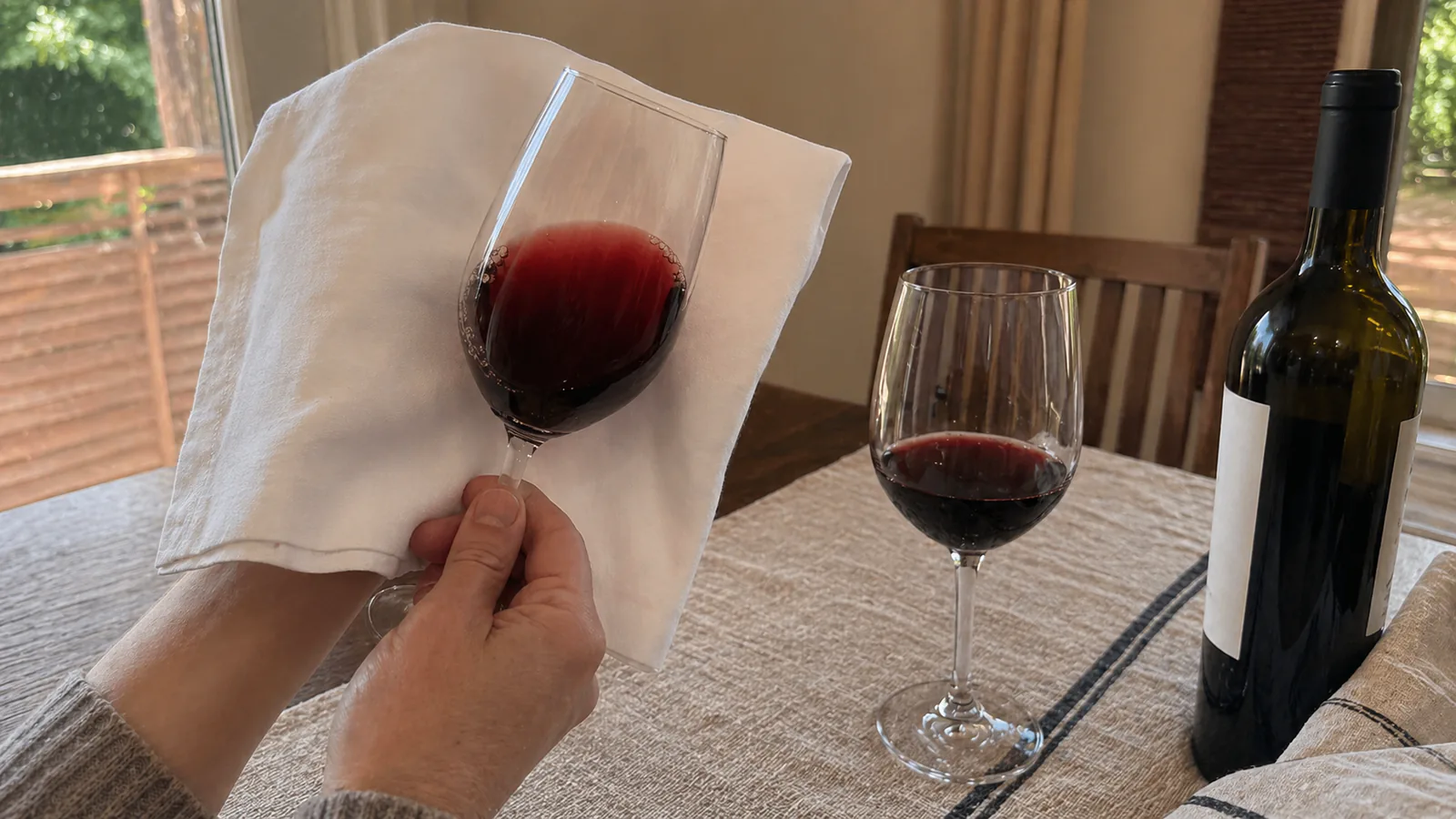
How to Taste Wine Like You Know What You're Doing
Four steps to actually tasting wine. What to pay attention to so you can tell good from great, without the pretension.
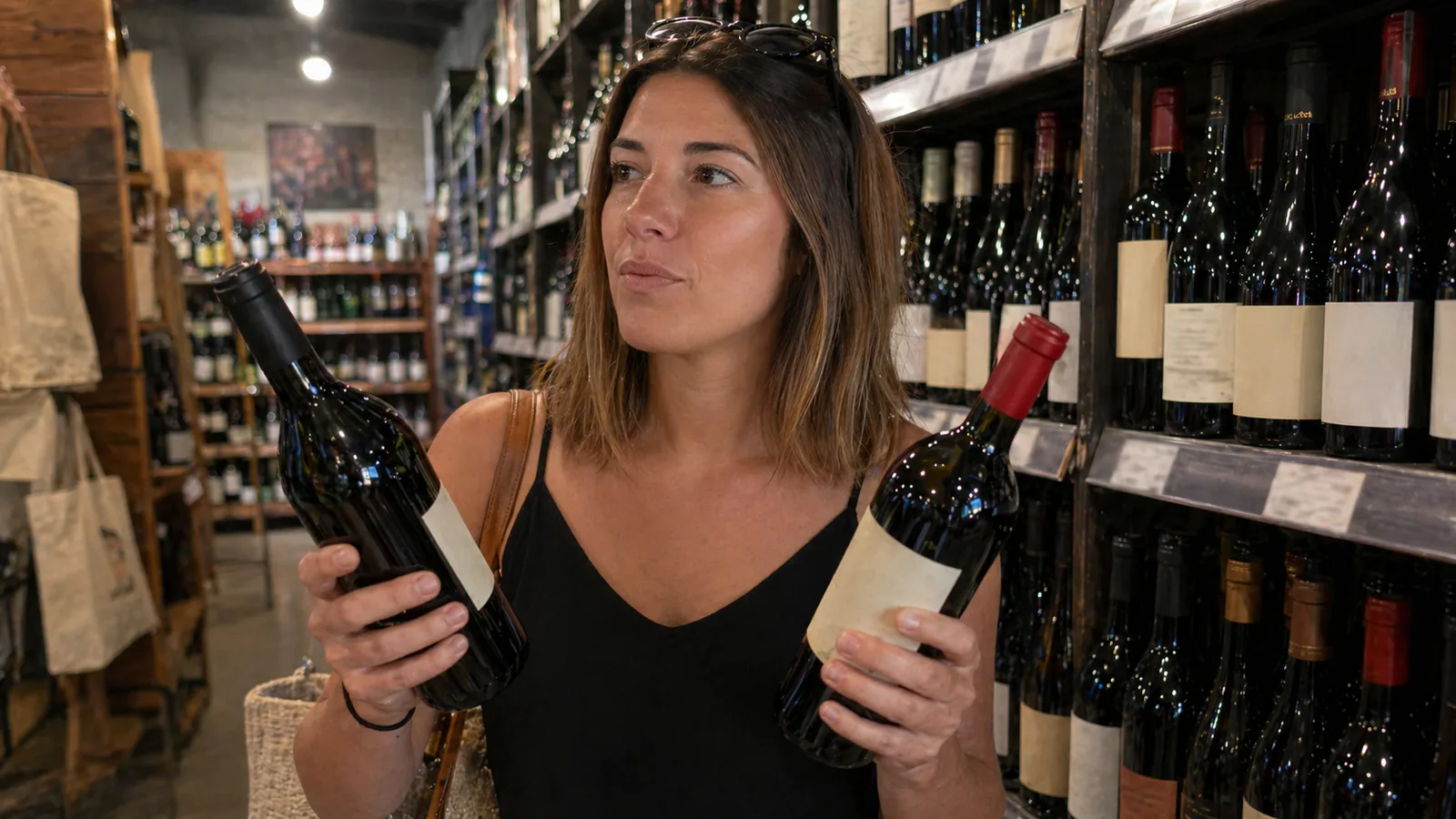
Wine Buying Guide: How to Pick a Bottle You'll Like
A practical framework for choosing wine you'll enjoy every time. No sommelier required.
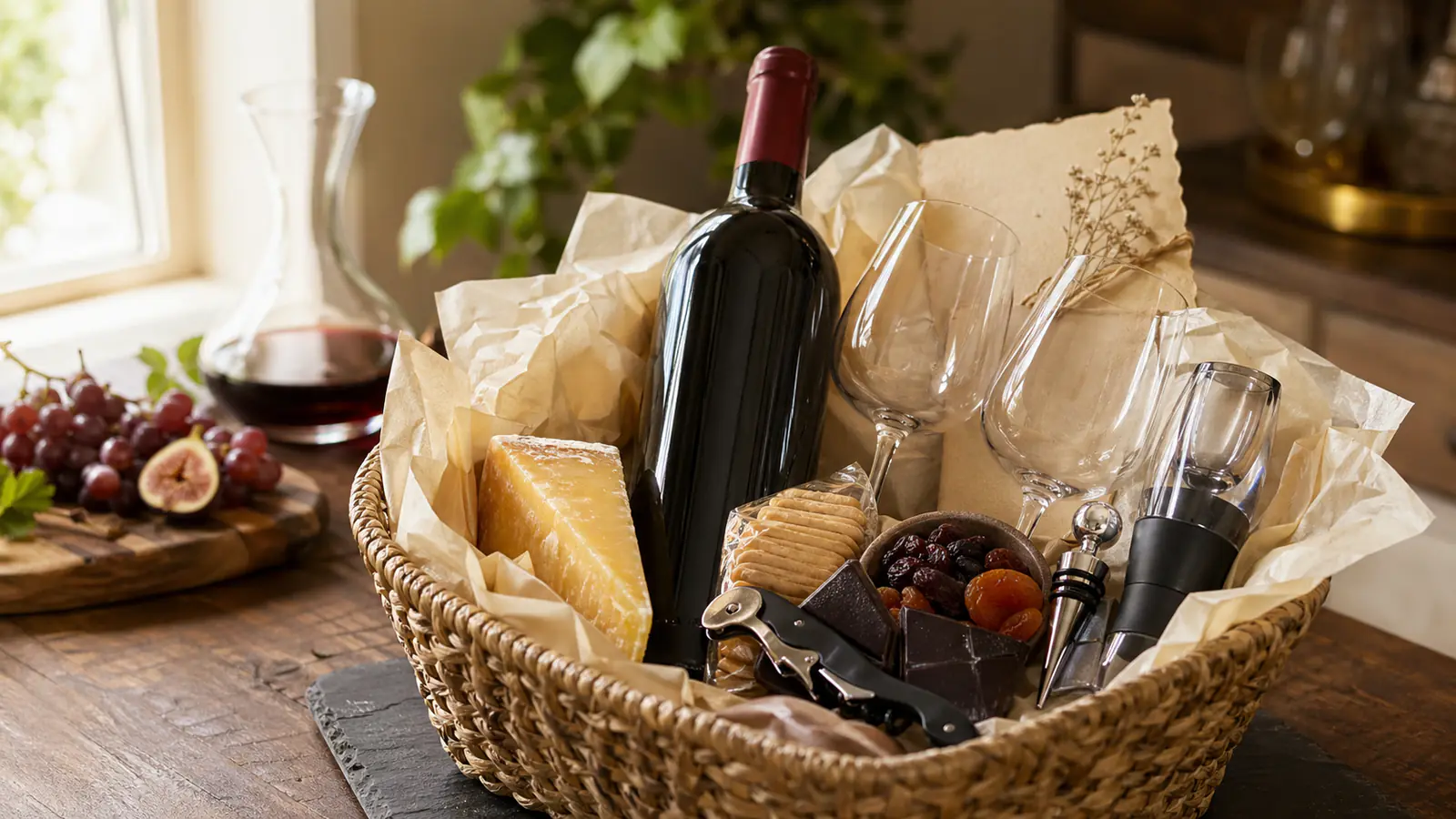
Wine Lover Gift Basket Ideas: 12 Expert Picks
12 wine lover gift basket ideas chosen for real wine drinkers: aerators, corkscrews, glasses, stoppers, chillers, and pairing tips.