Claire Bennett
Wine Editor24 min read
Best Wines Under $30: Where Real Quality Starts
Eight bottles priced $20 to $30 that drink like they cost $50. Our picks across reds, whites, rosé, and sparkling.
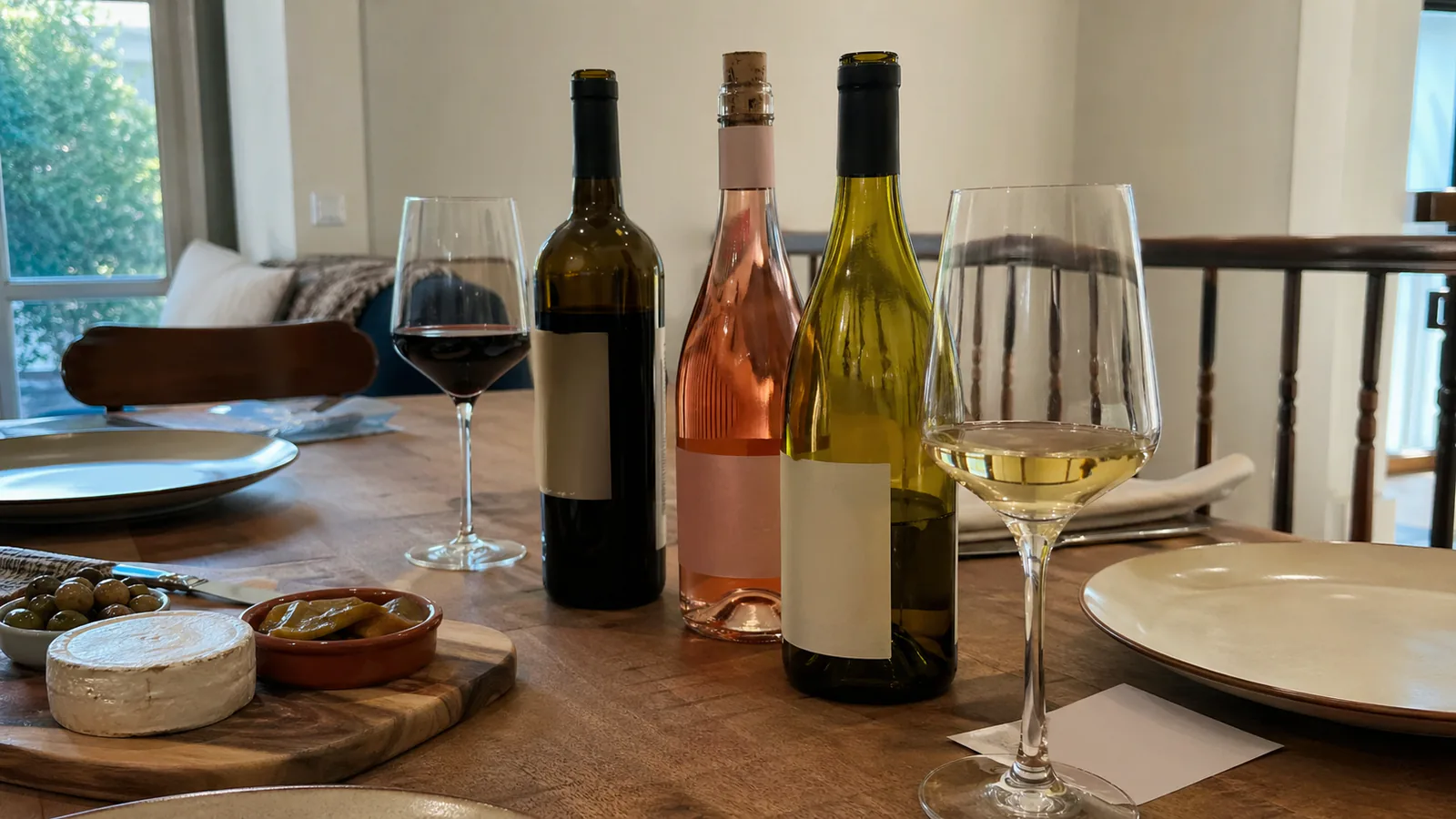
Thirty dollars is the psychological ceiling for a lot of us. It’s what you’ll spend when you want the bottle to be a little better than Tuesday-night usual. A friend’s birthday. A dinner where the food deserves a proper pour. A gift for someone whose taste you respect.
The problem is that plenty of $30 bottles still taste like $12 bottles in a nicer dress. The trick is knowing which producers actually deliver at this tier, and which ones are riding the price-tag-as-quality-signal thing.
We did the work. Eight bottles from $22 to $30 that drink like something twice the price. Three reds, three whites, a rosé, and a sparkling. Every one of them is a bottle you’ll want to reorder.
Our Top 3 Picks
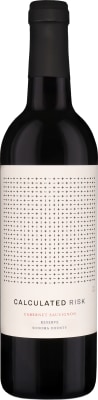
Calculated Risk Reserve Cabernet Sauvignon 2023
Sonoma County, California · Cabernet Sauvignon
91 pts Wine Enthusiast

Grand Napa Vineyards Los Carneros Chardonnay 2024
Carneros, Napa Valley · Chardonnay
94 pts Tasting Panel

Chateau d'Esclans Whispering Angel Rose 2024
Côtes de Provence · Rosé
92 pts James Suckling
Prices vary by state. Click through for your current price.
1. Calculated Risk Reserve Cabernet Sauvignon 2023
This is the bottle to know at this price. A Sonoma County Cabernet that over-delivers on everything it should: ripe blackberry and cassis, cedar from proper oak ageing, the kind of structured tannins that tell you the grapes actually came from somewhere serious. Wine Enthusiast scored it 91 points, 180 verified buyers rate it 4.2 stars, and it’s been sitting at the top of California value Cabs for a reason.
The finish runs long, and it reads as earned: fruit concentration and gentle oak ageing, with nothing polished in from the cellar. Pair it with a ribeye, braised short ribs, or a Sunday roast and watch the bottle disappear fast.
2. La Massa Toscana 2021
Giampaolo Motta built La Massa in Chianti Classico and then walked away from the DOCG classification because he wanted the freedom to blend Sangiovese with Cabernet and Merlot the way he thought made better wine. The 2021 Toscana is the result: cherry and ripe plum up front, a layer of tobacco and dark chocolate through the mid-palate, and silky tannins that go on forever.
Robert Parker and Vinous both gave it 94 points. James Suckling gave it 93. When three of the world’s top critics agree on a wine at under $30, you pay attention. It’s the bottle for pasta with a proper ragù, a steak Florentine, or a mushroom risotto that deserves something real.
3. Villa a Sesta Il Palei Chianti Classico 2019
If you want the classic Italian dinner wine without the sticker shock of a Brunello, this is where you land. Villa a Sesta is a tiny family estate in the heart of Chianti Classico, and Il Palei is their flagship Sangiovese. Wine Spectator scored it 96 points, which is frankly absurd at this price. James Suckling gave it 92, Wine Enthusiast 90.
The style is old-school Chianti in the best sense: bright red cherry, dried herbs, a whisper of leather, and the acidity that makes Italian food sing. It’s the bottle for pizza margherita, braised oxtail, a Sunday lasagna. Drinking it feels like the version of Italy where nobody’s in a hurry.
4. Grand Napa Vineyards Los Carneros Chardonnay 2024
The Chardonnay that made it onto the retailer’s Top 100 of 2025. Carneros sits at the cool southern end of Napa, where the morning fog keeps the grapes from getting overripe and the finished wine stays tight and focused instead of flabby. This is the version of Chardonnay you drink when you’ve sworn off oak-bomb California whites and want to remember why the grape is interesting in the first place.
Green apple and lemon curd up front, a layer of hazelnut and butter from partial malolactic, and the kind of refreshing minerality that keeps you reaching for the glass. Tasting Panel gave it 94 points. Wilfred Wong scored it 91. Pair it with roast chicken, crab cakes, or a creamy pasta.
5. Dog Point Vineyard Sauvignon Blanc 2024
Marlborough Sauvignon Blanc has a reputation for tasting like cat pee and cut grass, which is accurate for the supermarket tier. Dog Point is what happens when you take the grape seriously: lime zest, passion fruit, a flinty saline edge, and the kind of texture that lifts it above the usual New Zealand style.
Robert Parker scored it 95 points. Wine Enthusiast and James Suckling both gave it 93. It was on the retailer’s Top 100 of 2025. Pair it with goat cheese, fresh oysters, a Thai green curry, or just pour it cold on a hot afternoon and let it do its thing.
6. Grand Napa Vineyards Sauvignon Blanc 2025
Spring Mountain is an elevated sub-region of Napa where the hillside vineyards force the roots deep and the fruit ripens slowly. This Sauvignon Blanc leans into that mountain-fruit intensity: riper than its Marlborough cousins, with a touch of stone fruit, pink grapefruit, and a long, mouth-watering finish.
It’s the 4.7-star wine on this list, 59 verified buyers and no complaints. Tasting Panel scored it 92, Wilfred Wong 91. The price hovers around $22, which puts it in the “stock up by the case” bracket. Pair with seared scallops, a citrus salad, or goat cheese crostini.
7. Chateau d’Esclans Whispering Angel Rose 2024
Whispering Angel is the bottle that made dry Provence rosé a default order in American restaurants. Sacha Lichine’s estate in Côtes de Provence has spent the last two decades proving that pink wine can be serious, and the 2024 vintage is why. James Suckling scored it 92 points, and the retailer listed it on the Top 100 of 2025.
The style is pale salmon in the glass, with peach skin, white flowers, and a chalky mineral finish. It’s the rosé that works at a summer lunch, an aperitif before dinner, or poured from a cooler on a boat. Pair with anything grilled: shrimp skewers, peach caprese, or just a plate of charcuterie.
8. Hampton Water Bubbly Rose
Jon Bon Jovi’s rosé project went into sparkling when they realised people were drinking Hampton Water like it was bottomless. The Bubbly Rose is a light, dry, lifted sparkling rosé designed for easy afternoons and a loaded cheeseboard. Fine bubbles, a delicate pink-grapefruit thing, and a clean enough finish that it doesn’t get cloying by glass three.
At around $30 it’s priced where most good rosé Champagne starts at double. It’s the bottle you bring when you want to feel festive without going broke, with enough finesse that nobody feels shortchanged. Serve cold in a flute, pair with a cheese board, salty snacks, or a birthday brunch.
More Worth Knowing
The eight above cover the lineup you’ll want for most occasions. A few more worth mentioning as you fill out your mid-range shelf:
Pinot Noir and lighter reds
If the eight above lean a touch heavy for your table, Pinot Noir is the grape to know under $30. Oregon’s Willamette Valley produces approachable, fruit-forward Pinot Noir with bright red fruit, red cherry, and a silky texture that works with roast chicken and salmon. Price-wise, the entry-level Willamette Pinot sits around $22–$28. Look for juicy red styles with smooth tannins rather than anything labelled Reserve, which tend to cost more.
Rhône blends and Grenache, Syrah, Mourvèdre
The classic GSM blend (Grenache, Syrah, Mourvèdre, often written Mourvedre) from the Rhone Valley in southern France delivers incredible value at $20–$30. These are full-bodied reds with jammy dark fruit, flavors of blackberry and black cherry, and fruit and spice on the finish. If you like a juicy red with smooth tannins and a savory edge, start here. Côtes du Rhône Villages is the entry point; Gigondas and Vacqueyras push toward the top of the $30 range.
Zinfandel, Cabernet Franc, and other value reds
Zinfandel from California’s old vines delivers a fruit-forward, jammy, sometimes full-bodied style with hints of vanilla from toasted oak. Cabernet Franc from the Loire Valley and a handful of California producers offers a leaner style with red berry, black currant, and a floral lift. Both grapes are top-rated by critics in the $25–$30 tier and consistently overperform compared to their price.
White wine options beyond Chardonnay and Sauvignon Blanc
If Sauvignon Blanc and Chardonnay aren’t your style, look for crisp white wines with a mineral finish. Pinot Gris from Alsace and Oregon sits in the $20–$28 range with apple and pear, a touch of nectarine, and crisp and refreshing acidity. Dry Riesling from Germany or Washington has bright freshness and a mineral backbone. These are the crisp white wines wine drinkers order when they want something beyond the usual suspects.
Rosé wine from France and canned wine
Rosé wine from France (Provence wine, Tavel, Bandol) covers the serious end of the category at $22–$30 with hints of rose petal, bright red fruit notes, vibrant fruit on the palate, and a long mineral finish. If you’ve searched for “best rose wine” online and been overwhelmed by options, Provence and Tavel are the two sub-regions to anchor on. The best rose bottles in this tier balance fruit and structure rather than leaning sweet. A few producers also release canned wine options at this price: single-serve cans of the same juice that’s in the bottle. Great for travel, picnics, or anywhere glass is awkward.
Portugal is the sleeper region
Portuguese wine is where you’ll find the most incredible value right now. The winemaking tradition is old, the grapes are distinctive, and most US buyers haven’t caught on yet. Look for Douro reds (dark fruit, toasted oak) and Vinho Verde whites (crisp, lower alcohol, great with seafood). Both sit comfortably under 30 USD and consistently punch above that price.
Look for Old World producers making New World wine
The best value in the $25–$30 range often comes from European producers bringing old-country technique to newer vineyard sources. Chianti Classico Riserva, Rioja Reserva, and South Rhône blends all sit comfortably at this price point and drink well above it.
Watch for “second labels” from expensive producers
Top Napa and Bordeaux estates make second wines using fruit that didn’t make the flagship blend. Villa a Sesta’s Il Palei is one example. Chateau d’Esclans makes Whispering Angel using fruit not good enough for their Rock Angel or Les Clans, which cost several times more. You get a great bottle at a quarter of the price, and the producer’s reputation is built on the more expensive wine shows, so quality control is ironclad.
Buying tips for the $20–$30 tier
The smartest wine drinkers looking for the best value in this tier follow a simple rule: trust your wine shop and check critic scores. Our wine buying guide covers what producer, appellation, and vintage actually tell you on the back label. Top-rated sparkling wine options, great value reds, and wallet-friendly whites are all well-documented in the retailer’s Top 100 of recent years (including wines of 2023 and beyond). If a bottle shows up on multiple “best of” lists from independent critics, it’s almost certainly a great wine for the price.
Find Your Wine Match
Not sure which one? Take the 20-second quiz.
Three quick questions. One matched bottle.
What are you pairing it with?
When are you drinking it?
What style do you prefer?
Let's find the right bottle for you.
Tell us a bit about the occasion and what you're after. We'll match you to one of the bottles on this page.
Photo by Skyler Ewing on PexelsReading your answers…
How We Chose These Wines
Frequently Asked Questions
Is it worth paying up from $20 to $30 for wine?
Yes, in most cases. (For a side-by-side, our best wines under $20 round-up is the tier directly below this one.) At $20 you’re buying bulk fruit, stainless-steel or short oak ageing, and efficient production. At $30, producers can afford better vineyard sources, longer oak ageing with better barrels, and a bit more time before the wine goes to market. The quality jump from $20 to $30 is larger than the jump from $30 to $50. Above $30 the returns flatten until you’re paying for label prestige more than improved quality. The $25–$30 window is where most casual drinkers find their sweet spot.
What should I look for when buying wine under $30?
Two things: critic scores of 90+ (from at least one credible source like Wine Enthusiast, Wine Spectator, Robert Parker, or James Suckling), and customer ratings of 4.0+ across a decent sample size. If a bottle has both, it’s almost certainly delivering. Also watch for “second labels” from bigger-name producers, Old World regions like Chianti Classico or Rioja, and bottles with a real producer story. Avoid wines that rely entirely on slick packaging or clever names to justify the price.
What’s the best red wine under $30 for a dinner party?
La Massa Toscana 2021 if you’re leaning Italian, or the Calculated Risk Reserve Cabernet if you want something that works with red meat. Both have the structure and complexity to stand up to real food without dominating it. If the menu’s lighter, the Villa a Sesta Chianti Classico has enough brightness and acidity to work across multiple courses. All three pour beautifully, and none of them embarrass themselves against more expensive bottles.
Is it okay to bring a $25 bottle to someone’s dinner party?
Absolutely, and honestly it’s smarter than bringing a $60 bottle most of the time. A thoughtful $25 bottle with a story (producer, region, why you picked it) lands better than an expensive wine the host might feel awkward about opening. The gifts that land best are the ones the host can actually drink with dinner without worrying. Whispering Angel Rose and Villa a Sesta Chianti Classico are both gift-worthy at this price, and neither makes anyone feel weird about uncorking.
What flavors should I expect in a $30 wine?
At this tier you’re getting real aroma of wine and layered fruit flavors rather than one-dimensional, candy-sweet juice. Expect the big wine tasting descriptors to start showing up: for reds, black cherry, blackberry, cranberry, raspberry, black currant (sometimes written blackcurrant), with hints of vanilla and toasted oak from proper ageing; for whites, apple and pear, nectarine, citrus, and floral notes; for rosé, bright red fruit with strawberry and watermelon. A good $30 red blend or Pinot Noir should show smooth tannins, fruit-forward red fruit notes, and a layer of spice or herb on the finish. Phenolic content in the tannins is where body and structure come from, so a full-bodied wine should feel round rather than harsh. Ripeness matters too: grapes picked at the right moment give you jammy fruit and freshness at the same time. If you want to train your nose, try two $30 bottles side by side from different regions and see what words come up for each.
How should I serve and store wines in this price range?
Reds do best at cool room temperature, around 62–65°F. If the bottle’s been sitting near the kitchen, pop it in the refrigerator for 15 minutes before opening. Whites and rosé go straight from the fridge. For sparkling wine, chill to 45°F and pour into a flute to keep the bubbles intact. Once opened, most wines hold up 2–3 days with a stopper in the fridge. If you’re serving at a barbecue, keep an ice bucket handy, and for something that pairs across multiple dishes (think red meat, umami-rich bread and cheese spreads, or grilled fish), a juicy red with moderate tannins like a Grenache blend or a Willamette Pinot is the safest bet. A slice of peach or melon on the side of a rosé pour doesn’t hurt either.
Keep Reading
Best Wines Under $20 Worth Buying Right Now
Eight wines under $20 across every style: a 92-point Bordeaux, Provence rosé, a Prosecco with 2,000+ reviews, and whites from France and New Zealand.
Wine Buying Guide: How to Pick a Bottle You'll Like
A practical framework for choosing wine you'll enjoy every time. No sommelier required.
Best Cheap Wine That Tastes Expensive: 8 Bottles
Eight wines under $25 that taste like they cost twice as much. From a 97-point Bordeaux to Champagne-method sparkling, here's the list.