Claire Bennett
Wine Editor24 min read
Best Cheap Wine That Tastes Expensive: 8 Bottles
Eight wines under $25 that taste like they cost twice as much. From a 97-point Bordeaux to Champagne-method sparkling, here's the list.
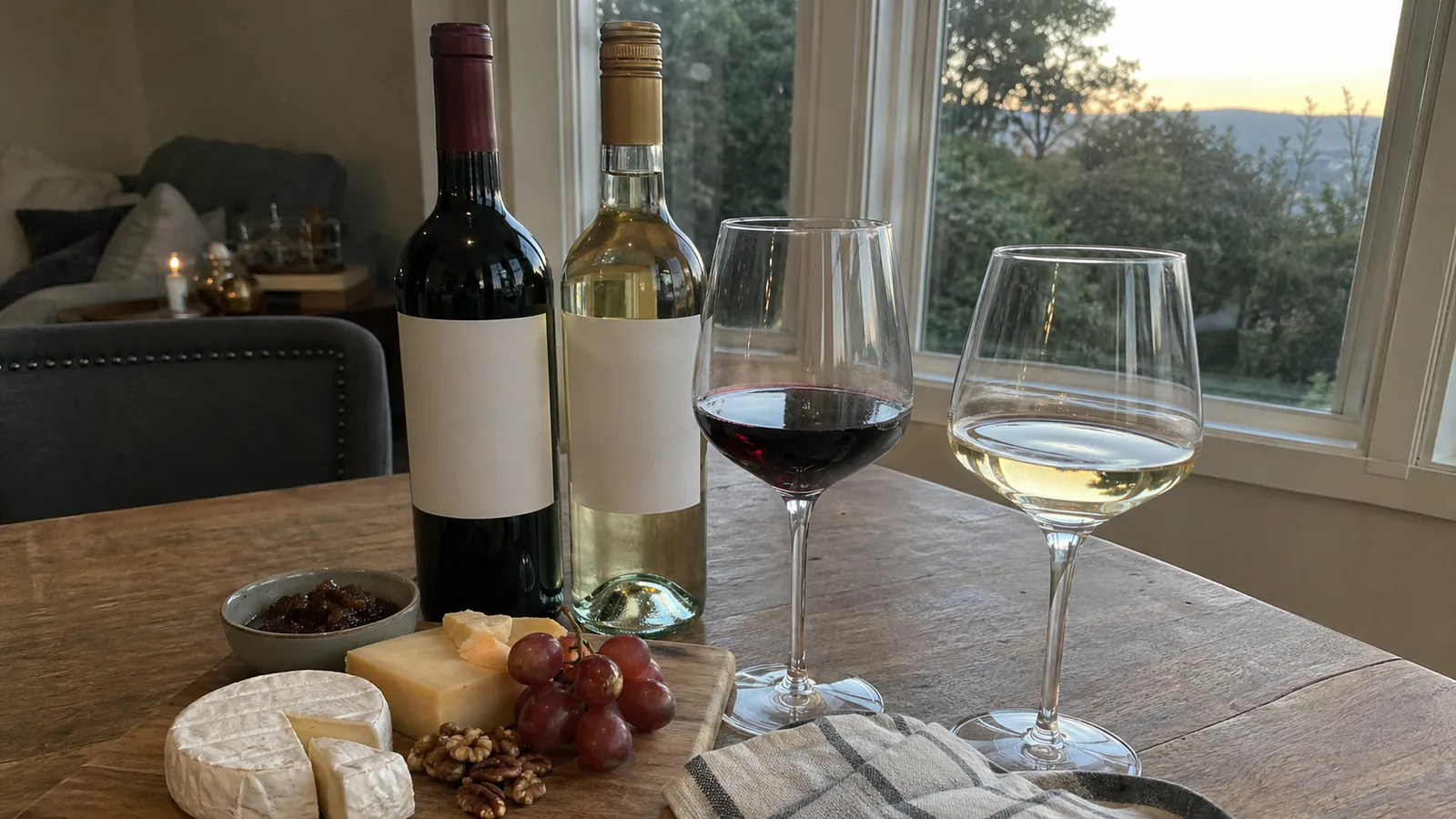
You already know the $12 bottle. It does what it’s supposed to do. But there’s a gap between that bottle and the $60 one your host pulls out at dinner, and inside that gap is some of the most interesting wine you can buy.
Between $15 and $25, you’ll find Bordeaux with 97-point scores, Napa Sauvignon Blanc that restaurants charge three times as much for by the glass, and a Champagne-method sparkling that could pass at a celebration. The labels don’t apologise for the price. The wine inside doesn’t either.
These eight are the ones worth knowing about.
Our Top 3 Picks


Chateau d'Esclans Whispering Angel Rose 2024
Côtes de Provence, France · Provence Rosé Blend
92 pts James Suckling

Diatom Santa Barbara Chardonnay 2024
Santa Barbara, California · Chardonnay
94 pts Jeb Dunnuck
Prices vary by state. Click through for your current price.
1. Chateau Bourdieu No.1 2018
Decanter gave this wine 97 points. It costs $19.99.
That’s the whole pitch, but here’s the context: Bordeaux is the reference point for serious red wine, and structured Bordeaux blends are what collectors chase at auction. A 97-point bottle from that region for under $20 doesn’t come along often. When it does, you buy a few.
The 2018 is a blend of Cabernet Sauvignon and Merlot from Blaye Côtes de Bordeaux, a left-bank appellation that sits across the Gironde from the famous estates but draws from the same regional tradition. The aroma opens with dark fruit, leather, and dried herbs. Structure without being closed off. Four professional critics all scored it between 90 and 97, and the 4.9 customer rating from 26 people who actually opened it confirms they all landed correctly.
Open this one when you want people to ask where you found it.
2. Chateau Saint-Andre Corbin 2023
Saint-Émilion is one of the most famous wine appellations in the world. The grand estates charge $100, $200, sometimes more. Chateau Saint-Andre Corbin comes from the same limestone plateau and sells for $24.97.
The style is classic right-bank Bordeaux: Merlot-dominant, round and plush, with dark cherry, plum, and tannins fine enough that you don’t really notice them. Three critics scored it between 90 and 92. The 4.6 customer rating from 64 drinkers backs that up. It’s a polished bottle, the kind that gives a dinner table something to talk about without requiring any explanation.
Pour it with duck, mushroom-heavy pasta, or any red meat that deserves a proper Bordeaux.
3. Goldschmidt Vineyard Stonemason Hill Cabernet Sauvignon 2023
Alexander Valley is the appellation inside Sonoma County where Cabernet Sauvignon gets serious. Deep alluvial soils, warm days, cool nights. The Cabs that come out of here look a lot like Napa. The prices don’t.
This one comes from the Stonemason Hill site in the middle of the valley. Wine Enthusiast gave it 92 points, James Suckling gave it 91. It tastes like those scores: dark cherry, juicy red fruit, blackberry, cedar, fine tannins, and a finish that lingers without being grippy. The 4.4 customer rating from 96 reviews is the kind of number that only happens when people are genuinely pleased with what’s in the glass.
At $21.97, it’s a Cabernet that takes the table seriously.
4. Frescobaldi Nipozzano Chianti Rufina Riserva 2022
Frescobaldi has been making wine in Tuscany since 1308. The Nipozzano estate sits in Chianti Rufina, a cooler, higher-altitude subzone that produces wines with more structure than the warmer valleys to the south.
Riserva means at least three years before release, with time in oak. The result is Sangiovese that’s had time to settle: red cherry, dried herbs, leather, earthy and savory character, a firm spine of acidity, and tannins soft enough to drink now but present enough to go another ten years. James Suckling scored it 92 points. Wine Spectator and Vinous both gave it 90. Under $19, it’s a proper Tuscan Riserva from a producer who’s been at it since the fourteenth century.
Open it with anything tomato-based and you’ll understand why Italians drink wine with food rather than instead of it.
5. Grand Napa Vineyards Sauvignon Blanc 2025
Napa Valley is better known for Cabernet Sauvignon, but the Sauvignon Blanc from the Spring Mountain District is its own thing. The elevation (up to 2,600 feet) keeps acidity high and ripening slow, and the wines that come out are precise in a way that lower-altitude Sauvignon Blanc rarely manages.
The Tasting Panel scored this 92 points. Wilfred Wong gave it 91. The 4.7 customer rating from 60 drinkers is one of the highest on this list. Grapefruit, citrus zest, lemon curd, clean minerality from the hillside soil. It holds up to food and works just as well on its own before dinner.
Restaurants charge $60 or more a bottle for Napa Sauvignon Blanc at this quality. Here it’s $21.99.
6. Diatom Santa Barbara Chardonnay 2024
Five critics reviewed this wine. Four gave it 92 or higher: Jeb Dunnuck at 94, Wine Spectator and James Suckling at 93, Wine Enthusiast at 92. Robert Parker checked in at 90. When the scores cluster like that across different publications, the wine is actually good.
Diatom is a small Santa Barbara producer whose whole approach is minimal intervention: low yields, no heavy oak, letting the fruit and the place do the work. The 2024 tastes like it: white peach, nectarine, lemon curd, a hint of brioche, and a long finish that keeps going after you’ve put the glass down. Rich without being thick, with a quiet elegance that comes from restraint in the cellar. The kind of Chardonnay that makes people say they don’t usually like Chardonnay, then ask for another glass.
You’re at the top of this list’s price range at $24.97. The wine belongs on a restaurant list that costs twice as much.
7. Chateau d’Esclans Whispering Angel Rose 2024
Whispering Angel is the rosé that changed how people in the US think about Provence. Before it, rosé was either a cheap sweetish pink or something you saw on restaurant menus in the south of France. After it, pale Provençal rosé became the dinner party bottle, the beach house bottle, the one people ask for by name.
The 2024 does exactly what it always does: pale salmon, restrained and dry, with red berry and peach blossom, and a clean finish. James Suckling scored it 92 points. It’s the most immediately elegant bottle on this list. There’s a reason people assume it costs more. The bottle shape is part of it. The wine earns the rest.
Pour it cold, outdoors if possible, with anything you’d eat in the south of France.
8. Graham Beck Brut Méthode Cap Classique
Méthode Cap Classique means this was made the same way as Champagne: secondary fermentation in the bottle, extended lees ageing, hand-riddling. Chardonnay and Pinot Noir from the Robertson Valley in South Africa. Same grapes, same method, very different price.
Decanter gave it 90 points. Robert Parker gave it 90 points. The 149 customer ratings are the most of any wine on this list, averaging 4.0, because the bottle consistently delivers: brioche, fresh citrus, fine persistent bubbles that hold through the glass rather than going flat after two minutes. Clean and dry on the finish. It drinks like bottles that cost significantly pricier.
At $19.97, you’re getting Champagne-method sparkling for $20. Open it for a birthday, an anniversary, or a Tuesday that deserves something better than still.
Find Your Wine Match
Not Sure Which One? Take the 20-Second Quiz
Three quick questions. One matched bottle.
What are you eating?
What's the occasion?
What do you usually reach for?
Let's find the right bottle for you.
Tell us a bit about the occasion and what you're after. We'll match you to one of the bottles on this page.
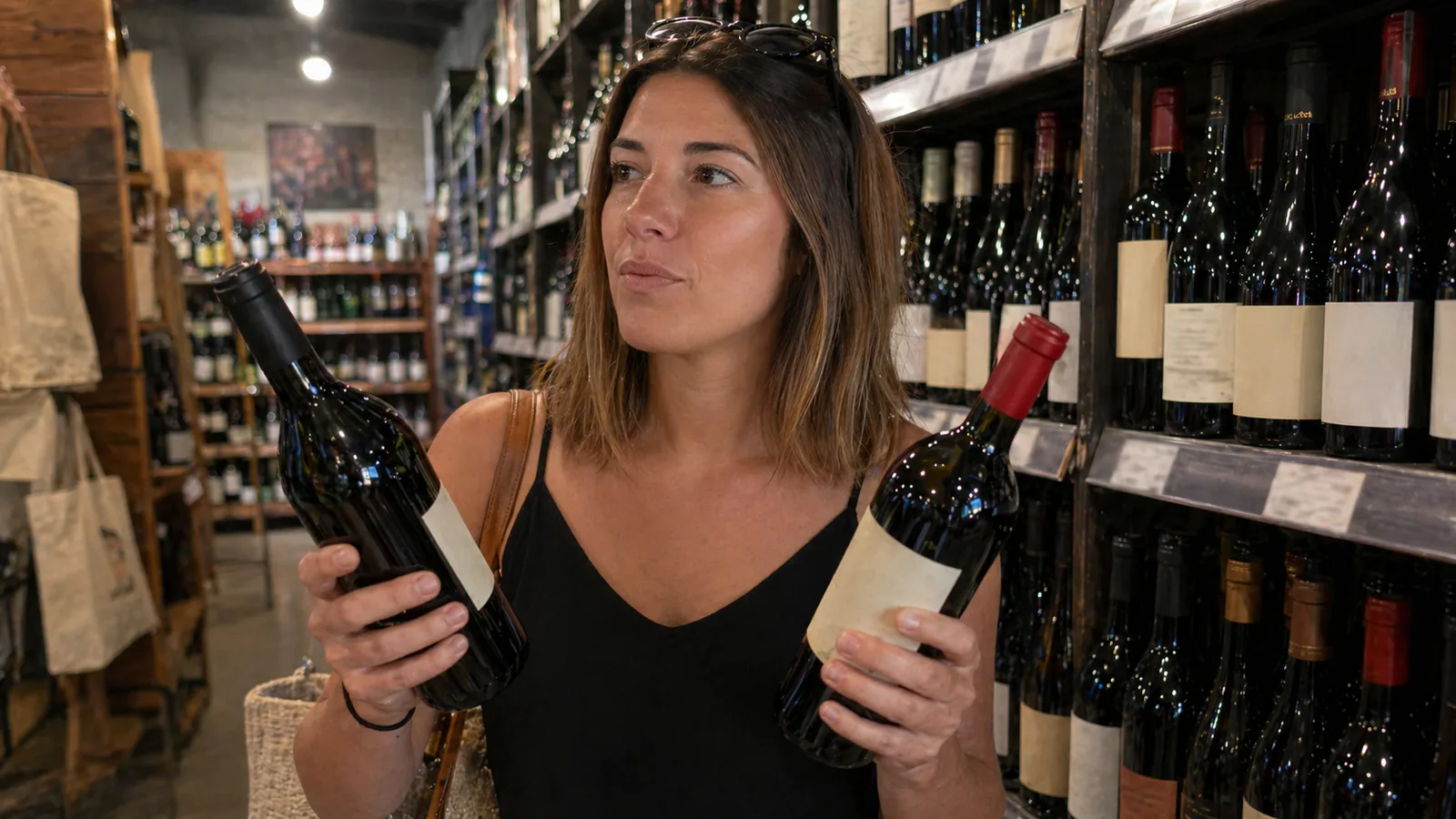
Photo by Skyler Ewing on PexelsReading your answers…
How We Chose These Wines
Frequently Asked Questions
What makes a cheap wine taste expensive?
Three things tend to separate a $20 wine that tastes like $60 from one that just tastes like $20. The first is region: wine from a prestigious appellation like Bordeaux, Burgundy, or Napa carries the weight of that place even at lower price points. The second is structure: expensive wines have layers, tannin, acidity, and a finish that develop as you drink. The third is production method: wines aged in oak, or made using traditional methods like secondary bottle fermentation for sparkling wine, carry the hallmarks of more careful winemaking. When you find all three at $25, you’ve found the list.
What’s the best cheap wine to bring to a dinner party?
The Chateau Bourdieu No.1 2018 is the answer if you want to make a point: a 97-point Bordeaux for $20 generates conversation at any table. Whispering Angel is the answer if you want something immediately recognisable as “the good stuff.” Both are under $25. Both look and taste like someone paid attention when they chose the bottle.
What counts as “cheap” for wine?
For this list, cheap means under $25, which puts the price range at the lower end of what most restaurants charge by the glass. These aren’t bargain-bin wines. They’re wines that punch significantly above their weight because of where they come from, who made them, or the vintage and scores behind the label. The word “cheap” is relative. What matters is the gap between what you paid and what you’re drinking. If you want a tighter cap, our best wines under $20 and good cheap wine round-ups stay below this list’s ceiling.
How do I shop value wine without getting burned?
Reading the back label is the single biggest skill a buyer can develop. Our wine buying guide covers what producer, appellation, and vintage actually tell you, and how to spot the marketing copy designed to disguise a thin bottle. None of these eight need decoding, but the next ones you pick yourself will.
Does the bottle shape or label affect how wine tastes?
Not directly. But the psychological effect is real. Studies on perceived taste show that wine poured from a bottle that looks expensive is consistently rated higher by the same drinkers who rated it lower when poured from a plain bottle. This works in your favour when you buy a Whispering Angel or a Saint-Émilion with a classic Bordeaux label. The bottle design signals quality before the wine touches anyone’s palate.
What are the best affordable wines that taste expensive?
The best affordable wines that taste expensive share a few traits: they come from a respected region or winemaker, have been reviewed by professional critics, and show the kind of complexity that normally commands a higher price tag. The eight on this list are a strong starting point, but there are whole categories worth knowing. The Côtes du Rhône produces good wines from Grenache, Mourvèdre, and Syrah at under $20 regularly. Chenin Blanc from the Loire Valley often punches well above its price. Italian reds from Abruzzo, often Montepulciano-based, offer dark, juicy red and dark fruit flavors at $15 to $20. In California, value-priced Zinfandel from Lodi or Paso Robles is one of the great quiet wins in affordable wine: robust, complex, and rarely over $18. For white wine lovers, Muscadet (Melon de Bourgogne) and entry-level Albariño are value wines that rarely disappoint.
Does letting a wine breathe actually make a difference?
Yes, and the difference is more noticeable than most people expect. Opening a bottle of wine and letting it sit does very little: the surface area exposed to air through the neck is too small. Pouring into a decanter, or even into a large glass of wine and leaving it for 20 minutes, makes a real difference. The aroma opens up, tight tannins soften, and the whole palate becomes more expressive. For the Bourdieu or the Goldschmidt Cab on this list, 20 to 30 minutes in a decanter will noticeably improve what you smell and taste. Even budget reds benefit. The 20-minute rule costs nothing and makes every bottle smell like you spent more.
Are there cheap wines that taste like Burgundy?
Finding wines that taste like Burgundy wine without the high price is one of the most rewarding pursuits in wine buying. Burgundy sets the benchmark for Pinot Noir, with bottles ranging from $50 to several hundred dollars, but other regions get surprisingly close. New Zealand wine, especially Pinot Noir from Central Otago or Martinborough, regularly matches Burgundian character at $25 to $40. Chilean wine from the Casablanca Valley does something similar: cool-climate Pinot Noir with earthy, red-fruit depth at $15 to $20. For white Burgundy, look at entry-level Mâcon Villages from France, or unoaked Chardonnay made in stainless steel from Oregon or southern Australia. These won’t fool an expert, but they’ll satisfy the same craving for a fraction of the cost.
What wine regions offer the best value for money?
Several regions have become the sweet spot for excellent value, producing bottles with real complexity at everyday prices. The Côtes du Rhône in southern France is one of the most reliable: blends of Grenache, Syrah, and Mourvèdre from this appellation regularly score 90 points and sell for $15 to $20. Rioja in northern Spain produces Tempranillo-based reds that benefit from mandatory time in barrel, and the winemaking tradition here delivers great value at every price point. In Italy, Abruzzo and Friuli-Venezia Giulia offer whites and reds that sit well below their actual quality level in price. For sparkling wine, Prosecco from northeastern Italy is an Italian sparkling wine that gives a festive glass for under $15, at a fraction of Champagne’s price. These are the regions where the search for value wines is almost always rewarded, and where a good winery can be found at prices that make no logical sense for the quality in the glass.
Keep Reading
Good Cheap Wine: 12 Bottles Worth Buying Under $25
12 good cheap wines across red, white, rosé, sweet, and sparkling. Every bottle critic-scored or customer-rated, every one between $13 and $25.
Best Wines Under $20 Worth Buying Right Now
Eight wines under $20 across every style: a 92-point Bordeaux, Provence rosé, a Prosecco with 2,000+ reviews, and whites from France and New Zealand.
Wine Buying Guide: How to Pick a Bottle You'll Like
A practical framework for choosing wine you'll enjoy every time. No sommelier required.