Claire Bennett
Wine Editor32 min read
Best Wine for Winter: 12 Bottles for Cold Nights
12 best wines for winter: full-bodied reds, oaked Chardonnay, Ruby Port, and Tawny. Warming bottles for cold nights, roasts, and the fireplace.
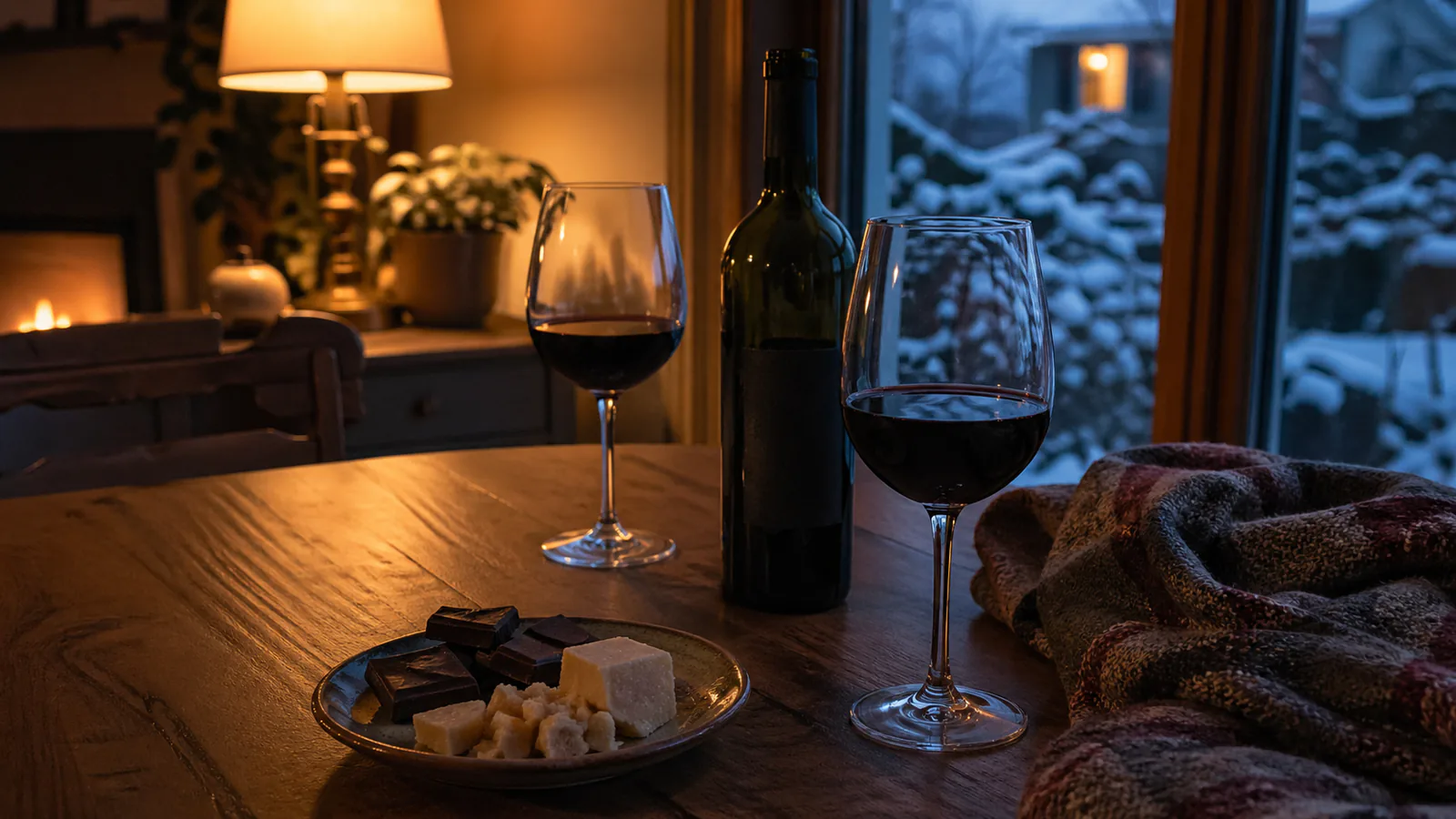
Winter wine is its own category. The same Pinot Grigio that felt perfect in July tastes thin and apologetic in January. What you actually want when it’s dark by 5pm and the heating’s been on all day is something with weight. A red that fills the glass with the colour of stewed plums. A Chardonnay rich enough to drink with a cream-sauce pasta. A Port pour that makes the after-dinner conversation last another hour.
This list pulls together the 12 bottles I reach for between the first cold snap and the last frost. Most of them are reds, because that’s where the warming, hearty character lives. But there’s an oaked Chardonnay for the cream sauces and seafood stews, plus two Ports because nothing finishes a winter meal better than a small glass of something sweet beside the fire.
Every bottle here works with cold-weather food: roasts, slow-braised stews, hard cheese, dark chocolate. None of them cost more than $40, and most sit comfortably under $25. Buy two or three and you’ve got the season covered.
Our Top 3 Picks

Kenwood Six Ridges Cabernet Sauvignon 2021
Alexander Valley, California · Cabernet Sauvignon
97 pts Decanter

Graham's Six Grapes Reserve Ruby Port
Douro, Portugal · Touriga Nacional, Tinta Roriz
91 pts Jeb Dunnuck

E. Guigal Côtes du Rhône Rouge 2022
Côtes du Rhône, France · Grenache, Syrah, Mourvèdre
92 pts Wine Enthusiast
Prices vary by state. Click through for your current price.
1. Kenwood Six Ridges Cabernet Sauvignon 2021
If you only buy one winter red, make it this one. Kenwood’s Six Ridges is the bottle that turns a Tuesday roast into something the table actually slows down for. Alexander Valley sits in the warmer northern stretch of Sonoma, where Cabernet ripens into something dense, dark, and velvety. The 2021 picked up 97 from Decanter, which is a monster score for a wine under $25.
You’ll get black cherry, blackberry, cedar, dark chocolate, and the kind of ripe-but-firm tannin that Cabernet fans live for. The oak is well integrated, the finish is long, and the body is genuinely full. Pair it with ribeye, lamb shoulder, slow-braised short rib, or aged hard cheese. Decant for 30 to 60 minutes if you have time. Drinks like a $40 bottle at half the price.
2. E. Guigal Côtes du Rhône Rouge 2022
The Côtes du Rhône blend (Grenache, Syrah, Mourvèdre) is the workhorse of winter cooking. E. Guigal is one of the Rhône’s most respected producers, and the 2022 is one of the best vintages in recent memory. Rich red and dark fruit on the palate, a touch of spice, and enough acidity to carry it through whatever the slow cooker is making.
The flavour profile sits in the red and black fruits zone with a silky texture that makes it easy to pour for guests. Wine Enthusiast scored it 92, with Jeb Dunnuck and Robert Parker both at 90. Three critics, $17.97. The kind of bottle you safely buy two of: one for tonight, one for next weekend’s beef stew.
3. CVNE Rioja Reserva 2020
Rioja Reserva is the cold-weather red that does it all. Tempranillo at the Reserva level has just enough tannin and oak to stand up to roast pork, lamb shoulder, or a winter cheeseboard, and CVNE is one of the most reliable producers in the appellation. The 2020 is a strong vintage. James Suckling scored it 92 points, Vinous gave it 92, Robert Parker added 91.
Dried cherry, vanilla spice, leather, clean finish. At $19.97, this is the winter Rioja for anyone who wants a classic, oak-aged red that still feels generous on a cold night. It’s also the best base for mulled wine on this list: the soft tannin doesn’t turn bitter under heat, and the oak adds flavour before you’ve put a single cinnamon stick in the pot.
4. BenMarco Malbec 2022
When the menu turns to red meat (prime rib, slow-braised lamb, a shoulder of mutton), reach for high-altitude Mendoza Malbec. BenMarco sources from the Uco Valley, where cooler temperatures slow ripening and the fruit concentrates properly. Dark plum, blackberry, blueberry, and a streak of violet. James Suckling scored it 93 points, Vinous 91, Wine Spectator 90.
The mineral backbone stops it going jammy, which matters in winter when the food is already rich. Big enough to stand up to red meat, smooth enough that nobody complains it’s too heavy. Buy two: one for tonight’s steak, one for next weekend’s slow-braised short rib.
5. Frescobaldi Nipozzano Chianti Rufina Riserva 2022
Frescobaldi has been making wine in Tuscany since the 1300s. Chianti Rufina sits northeast of Florence in higher, cooler vineyards than Classico, which gives it a bit more freshness and a bit less of the price premium. The 2022 picked up 92 points from James Suckling and 90 from both Vinous and Wine Spectator.
Red cherry, leather, and the clean Sangiovese acidity that makes Italian reds work so beautifully with winter pasta. Ragù, osso buco, slow-cooked tomato sauces, hard pecorino. This is the bottle for the night you spent four hours making braised beef cheeks and need a wine that respects the effort.
6. Torbreck Woodcutter’s Shiraz 2023
Barossa Valley Shiraz is the most full-bodied expression of Syrah on the planet, and Torbreck is one of the Barossa’s celebrated producers. Woodcutter’s is their entry-level Shiraz at just $26, and it drinks like a much more serious wine. Dense, warm, and unmistakably Australian.
Blackberry, plum jam, vanilla spice from American oak, smoke, dark chocolate, and the warm, spicy finish that Barossa fruit delivers. Body is full, alcohol is generous (typically 14.5-15%), finish lingers. Pair it with grilled lamb, slow-roasted beef brisket, or a sharp aged cheese. The bottle to open when you want something that drinks like a winter coat.
7. Ravenswood Dry Creek Valley Zinfandel 2024
Zinfandel is California’s signature winter red. Ravenswood has been making great Zin since 1976, and the Dry Creek Valley bottling picked up 94 from Wine Enthusiast at $26. Dry Creek is the heart of California old-vine Zin, and the wines show the style at its most concentrated.
Dense blackberry jam, brambly dark fruit, baking spice, white pepper, and the warm, slightly boozy finish that comes with Zinfandel’s naturally high alcohol content (this one lands at 14.5%+). Pair it with pulled pork, BBQ ribs, pepperoni pizza, or spiced winter chilli. Chill for 10 minutes before pouring to keep the alcohol in check.
8. Ancient Peaks Paso Robles Merlot 2022
Merlot tends to get overlooked, which is a shame, because in winter it’s one of the most reliable picks on the shelf. Soft, fruit-forward, full-bodied, low on grippy tannin. Ancient Peaks from Paso Robles picked up 94 from the Tasting Panel, and its ripe plum, dark berry character, and rounded palate makes it ideal for both the dinner table and the mulled wine pot.
This is the bottle for someone who wants a winter red that doesn’t demand decanting or a special occasion. Roast pork loin, mushroom risotto, pasta in a creamy tomato sauce. It also handles spiced food well, which makes it a strong pick for warming dishes with cinnamon, clove, or smoked paprika.
9. Cline California Old Vine Zinfandel 2024
Cline’s Old Vine Zinfandel is the budget winter red that overdelivers. James Suckling scored it 93 points, and at $11.97 it’s one of the most affordable bottles on this list. Jammy, aromatic, with a natural spice character that doubles down on whatever’s on the dinner table.
Full-bodied with dark berries, black pepper, and allspice notes already baked in. When you add cinnamon, clove, and star anise to a pot of mulled wine, this one leans in rather than fights back. The bottle to open on a cold night when you don’t want to think about it. Buy two for the season.
10. Rombauer Chardonnay 2024
Not every winter meal calls for red. Cream-sauce pasta, lobster bisque, roast chicken with a butter sauce, baked seafood: these are oaked Chardonnay moments, and Rombauer is the gold standard. The Carneros estate sits at the cooler southern tip of Napa, where morning fog slows ripening and concentrates the fruit.
The 2024 comes in at 14.6% ABV, which tells you about the body before you’ve even poured. Yellow peach, ripe melon, and tropical flavors on the nose. On the palate, creamy vanilla, butterscotch richness, and a long lingering finish. Rombauer’s extended barrel programme integrates the oak so completely you won’t catch a sharp woody edge. Pull it from the fridge 20 minutes before serving and pair with lobster bisque, pasta Alfredo, or roast chicken thighs.
11. Graham’s Six Grapes Reserve Ruby Port
The after-dinner pour that earns its place at every winter table. Graham’s has been making Port in the Douro since 1820, and the Six Grapes is the benchmark Ruby Reserve at this price. Three critics weighed in: 91 from Jeb Dunnuck, 91 from Wine & Spirits, 90 from Robert Parker.
Blackberry jam, dark fruit, cocoa, and a spice note on the finish that lingers without getting heavy. The ruby red colour is dark and vivid in the glass. Stilton with Graham’s Six Grapes is one of the great winter pairings: the salt and the sweetness cancel each other out and what’s left is pure pleasure. Dark chocolate works equally well, and walnuts add the crunch that ties the cheese plate together.
12. Sandeman 10 Year Old Tawny
Where Ruby Port goes with the cheese course, Tawny goes with the fireside chair after the table’s been cleared. Ten years in small oak casks has shifted the character completely: dried apricot, walnuts, caramel, toffee, and a nuttiness that’s impossible to fake with a younger wine. Six critics scored this between 90 and 92, with Decanter at 92, James Suckling and Wine Spectator both at 91.
This is the gift Port for someone who already knows their Port, and the late-evening winter pour for the host. Serve lightly chilled (around 12C, 20 minutes in the fridge before pouring), with creme brulee, pecan pie, walnut cake, or a wedge of aged hard cheese. At $37.97, the most expensive wine on the list and worth every cent.
More Winter Wine Styles Worth Knowing
The 12 bottles above are the wines I’d put money on for a cold-weather table. The category is broader though, and a few styles come up every winter that aren’t represented in the lineup above.
Beaujolais and Gamay. Beaujolais is the lighter winter red for nights when a full Cabernet feels like too much. Made from Gamay, it’s fresh, low in tannin, and chills beautifully. A cru Beaujolais like Fleurie or Morgon competes seriously with Pinot Noir at the same price and pairs well with roast chicken, lentil stew, or a winter charcuterie spread.
Pinot Noir from Oregon and Burgundy. Pinot Noir is the lighter red that still belongs at a winter table, especially with mushroom-based dishes, salmon, or roast turkey. Oregon’s Willamette Valley produces some of the best-value Pinot in the world right now. Burgundy is the gold standard but the prices have run hard. Either way, Pinot Noir is the red to choose when the menu has more white meat than red.
Cabernet Franc and Bordeaux blends. Cabernet Franc from the Loire Valley sits between Pinot Noir and Cabernet Sauvignon in weight, with a herbal note that suits winter vegetable-forward dishes. A right-bank Bordeaux blend (Merlot and Cabernet Franc dominant) is the classic French winter red, especially for roast lamb or duck.
Late Bottled Vintage and Vintage Port. LBV sits between Ruby Reserve and true Vintage Port, in both price and style. The Fonseca LBV 2016 is one of the best examples and pairs especially well with blue cheese and walnuts. Full Vintage Port is a different category: it requires cellaring or decanting and rewards patience.
Fortified wines beyond Port. Sherry (especially Oloroso and Pedro Ximénez), Madeira, and Marsala all earn their place at a winter table. Oloroso is the savoury aperitif Sherry that drinks like a bridge between dry wine and aged Tawny Port. PX is the dessert Sherry that pours like motor oil and tastes like raisins, fig, and molasses. Madeira keeps for months after opening, which makes it the most practical fortified wine for solo winter sipping.
Italian winter reds beyond Chianti. Amarone della Valpolicella is the heavyweight Italian winter red: made from partially-dried grapes, full-bodied, deeply concentrated. Barolo and Barbaresco from Piedmont are the Nebbiolo-based reds for serious winter dinners. Both reward decanting and food, neither is cheap. Aglianico from southern Italy delivers most of the same depth at half the price.
Oaked whites beyond Chardonnay. A good white Burgundy (Chardonnay-based) or a Viognier from the northern Rhône does similar work to a buttery Chardonnay with cream-sauce dishes. Oaked Sauvignon Blanc from Bordeaux (Pessac-Léognan) is the more austere alternative for winter seafood.
Winter Wine at Every Budget
The best wines for winter don’t require a big spend. Most of the bottles above sit comfortably under $25, and the few that stretch higher earn it.
Under $20: the everyday winter tier. This is where Cline Old Vine Zinfandel ($11.97), E. Guigal Côtes du Rhône ($17.97), CVNE Rioja Reserva ($19.97), and Fonseca Bin 27 Port ($18.97, not on the lineup but worth knowing) all sit. For wines you can enjoy every night through the cold months without second-guessing the spend, these are the bottles.
$20-$30: the proper-dinner tier. This is where the wine starts to feel like an event without being precious. Rombauer Chardonnay, Ancient Peaks Merlot, BenMarco Malbec, Frescobaldi Nipozzano Chianti, Kenwood Six Ridges Cabernet, and Graham’s Six Grapes Ruby Port all sit here. These are the bottles you bring out when there are guests, when the roast has been in the oven for four hours, or when the weather makes a long dinner the right answer to the day.
$30-$40: the special-occasion tier. Sandeman 10 Year Tawny ($37.97) is the standout. Buy it for a gift, for a milestone birthday, or for the night you decide the season deserves a proper finish. Vintage Port and 20-year Tawny live above this ceiling.
Find Your Winter Wine
Not sure which one suits your winter? Take the 20-second quiz.
Three quick questions. One matched bottle.
What's on the winter menu?
Are you buying to drink or to give?
How heavy do you want it?
Let's find the right bottle for you.
Tell us a bit about the occasion and what you're after. We'll match you to one of the bottles on this page.
Photo by Skyler Ewing on PexelsReading your answers…
How We Chose These Wines
Frequently Asked Questions
What is the best wine for winter?
The best winter wines are full-bodied reds, oaked Chardonnay, and Port. Cabernet Sauvignon, Malbec, Shiraz, and Zinfandel give you the weight, warmth, and dark fruit character that suit cold weather and hearty food. Côtes du Rhône and Rioja Reserva are the food-friendly middle-ground reds that handle most winter cooking. For cream-sauce dishes and seafood, an oaked Chardonnay like Rombauer is the best winter white. For after-dinner, Ruby Port and Tawny Port are the classics. Pinot Noir is the lighter winter red that works with poultry, salmon, and mushroom-based dishes.
The best wine for winter overall depends on what you’re eating. Match weight for weight: bold reds with red meat, medium reds with roast pork or stew, oaked white with cream and seafood, fortified wine with dessert and cheese.
What red wine is best for cold weather?
Cabernet Sauvignon from California (the Kenwood Six Ridges on this list scored 97 from Decanter), Malbec from Mendoza, and Shiraz from the Barossa Valley are the three reds most associated with cold weather drinking. Our best full-bodied red wines list goes deeper on this style. They share the characteristics that suit winter: high alcohol content, full body, dark fruit flavors, and enough tannin and oak to stand up to roasts and braises. Italian reds like Chianti Riserva and southern Italian Aglianico sit in the same conversation, with brighter acidity that suits pasta and tomato-based dishes.
For lighter winter nights, Pinot Noir from Oregon or Burgundy and a cru Beaujolais like Fleurie are both excellent choices. They show classic red fruits and rose-petal aromatics with food-friendly weight. The cabernet sauvignon and pinot noir distinction is the easiest split: cabernet for steak and lamb, pinot noir for poultry and salmon.
Is white wine good for winter?
Yes, but specific styles. Crisp Sauvignon Blanc and Pinot Grigio feel out of place in winter because they lack the body and warmth the season calls for. Oaked Chardonnay is the answer: malolactic fermentation gives it a creamy texture, barrel ageing adds vanilla and toasted oak character, and the higher alcohol content provides weight. The Rombauer Chardonnay on this list represents the style at its best: yellow peach, melon, butterscotch, and a long lingering finish.
Other winter whites worth knowing: Viognier from the northern Rhône Valley (rich and aromatic), white Burgundy (Chardonnay-based), oaked Sauvignon Blanc from Bordeaux, and aged white Rioja. Riesling from Alsace pairs especially well with spiced winter food and cold-weather Asian cuisine. Buttery, oaked, and full-bodied are the qualities that make a white wine drinkable in cold months.
What are the best winter wines for the holiday season?
Holiday season cooking spans roast turkey, ham, beef, lamb, cream-sauce sides, and the dessert and cheese course. The wines that handle the full arc of a holiday dinner are: a sparkling wine for the aperitif, an oaked Chardonnay or dry Provence rosé for the starter, a medium-weight red blend (Côtes du Rhône, Chianti Riserva, or Rioja Reserva) for the main, a bolder red (Malbec or Cabernet) for tables with roast beef or lamb, and a Port (Ruby for chocolate and Stilton, Tawny for pecan pie and creme brulee) for the final pour. Late Bottled Vintage Port (LBV) is also worth knowing as a winter holiday option: it sits between Ruby Reserve and full Vintage Port and pairs beautifully with blue cheese and walnuts.
For Christmas and New Year together, the sparkling wine and Port carry across both events. Buy a bottle of Côtes du Rhône or Rioja Reserva for the holiday dinners themselves and a Tawny Port for the late-evening pours.
What’s the best wine for fireside drinking?
Tawny Port is the classic fireside wine. Ten years of oxidative ageing in oak barrels gives it the nutty, caramel character that suits sipping slowly over conversation. Sandeman 10 Year Old Tawny is the benchmark at this price tier. See our full best Port wine roundup for more bottles across Ruby, Tawny, and LBV. Aged hard cheese, walnuts, dried fruit, dark chocolate, or pecan pie all pair beautifully. Vintage Port and 20-year Tawny are the splurge equivalents.
For something less sweet beside the fireplace, a full-bodied Cabernet, Malbec, or Barossa Shiraz delivers the warmth and weight without the dessert character. The Kenwood Six Ridges Cabernet, BenMarco Malbec, and Torbreck Woodcutter’s Shiraz all suit this brief. Rich Italian reds like Amarone or Aglianico are similarly fireside-appropriate. The common thread is alcohol content (typically 14% and above), full body, and the kind of layered complexity that rewards slow drinking rather than fast pouring.
Are fortified wines good for winter?
Fortified wines are arguably the perfect winter category. Ruby Port, Tawny Port, Sherry (especially Oloroso and Pedro Ximénez), Madeira, and Marsala all carry the warmth, weight, and oxidative complexity that cold-weather drinking calls for. Fortified wines also keep for weeks or months after opening (Ruby Port for up to four weeks, Tawny for two to three months) which makes them practical for solo winter sipping where you don’t want to commit to finishing a bottle in two days.
Late Bottled Vintage Port is one of the best-value fortified options for winter. The Fonseca LBV 2016 sits between Ruby Reserve and Vintage Port in style and pairs particularly well with blue cheese, walnuts, and dark chocolate. Pedro Ximénez Sherry is the dessert option that pours like motor oil and tastes like raisin, fig, and caramel. Even a small pour at the end of a winter dinner feels like the right ending.
Keep Reading
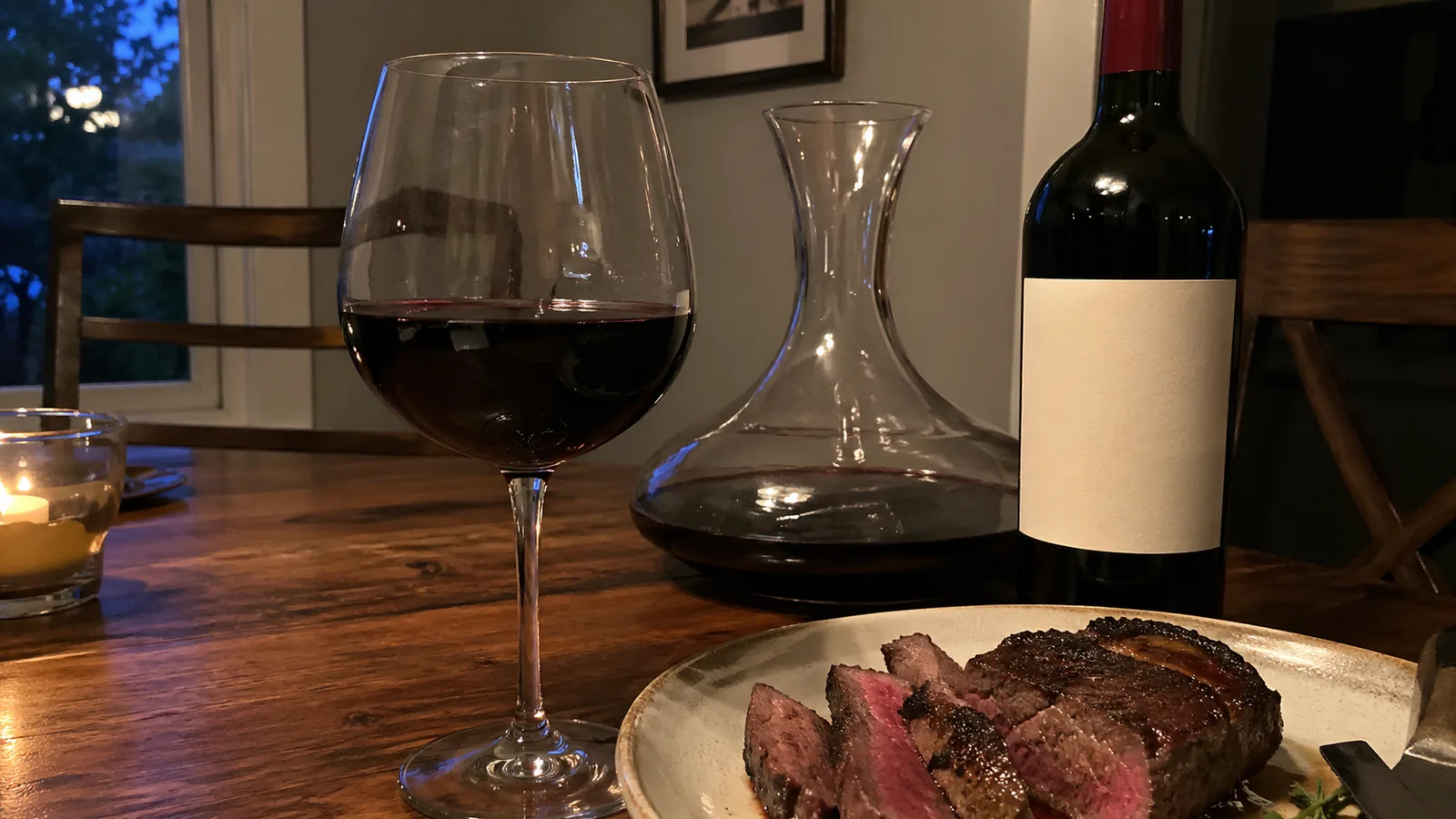
Best Full-Bodied Red Wines: 8 Heavyweights Under $30
Eight full-bodied red wines worth opening. Cab, Zinfandel, Petite Sirah, Malbec, Shiraz, Nebbiolo, Aglianico. All under $30.
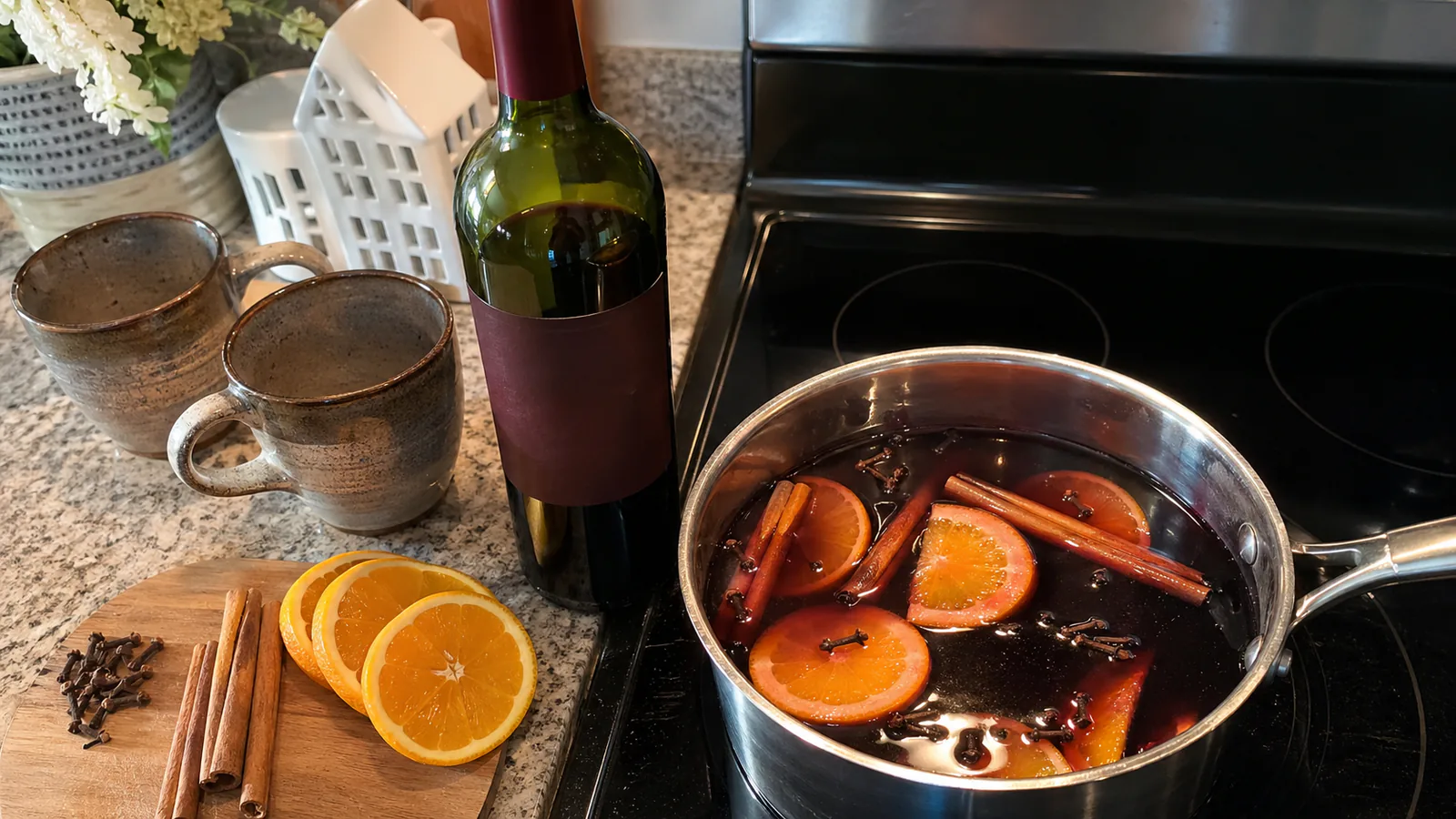
Best Wine for Mulled Wine: 8 Bottles That Deliver
Fruit-forward, affordable, and full of red fruit. These 8 wines are the best picks for mulled wine that actually tastes good.
Best Port Wine: 13 Bottles Worth Buying
13 best port wines across every style: Ruby, Tawny, LBV, and White. One confident pick for every budget, occasion, and taste.